Are Expandable Garden Hoses Any Good? Pros & Cons
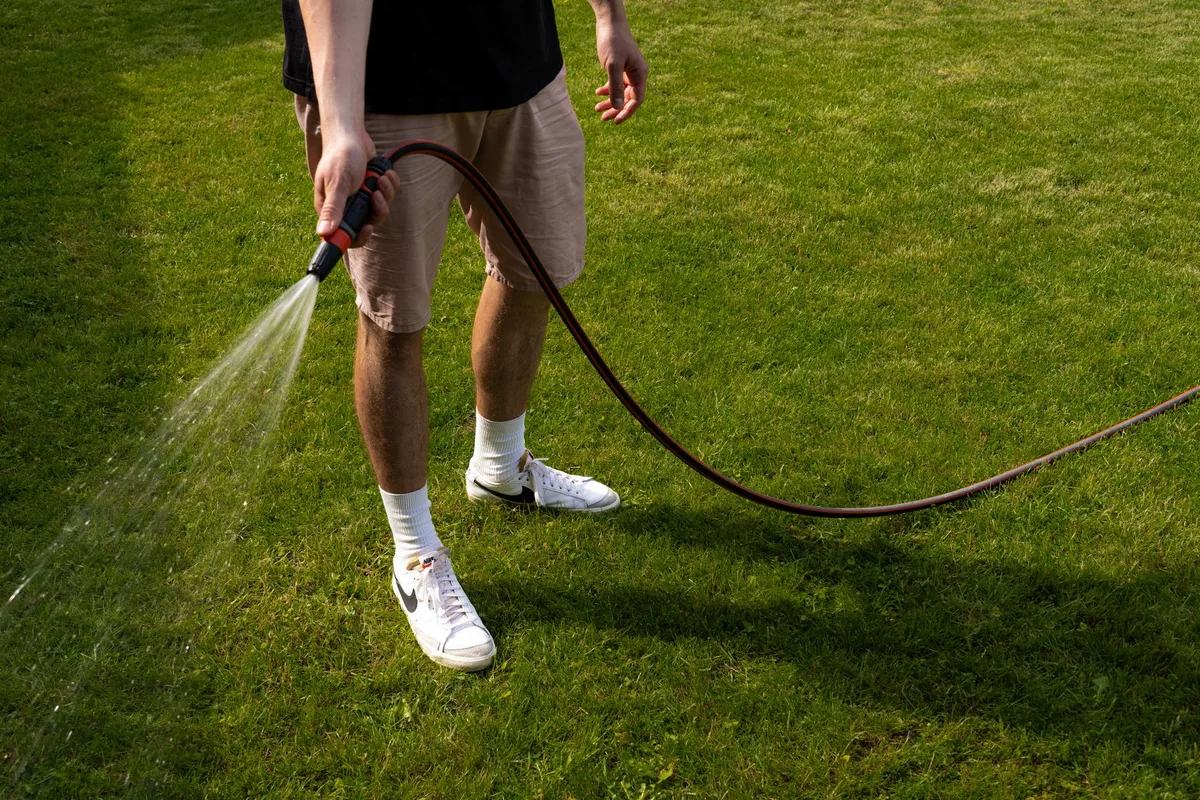
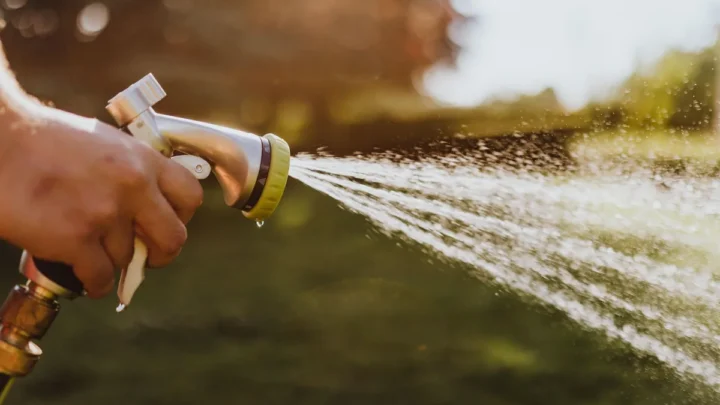
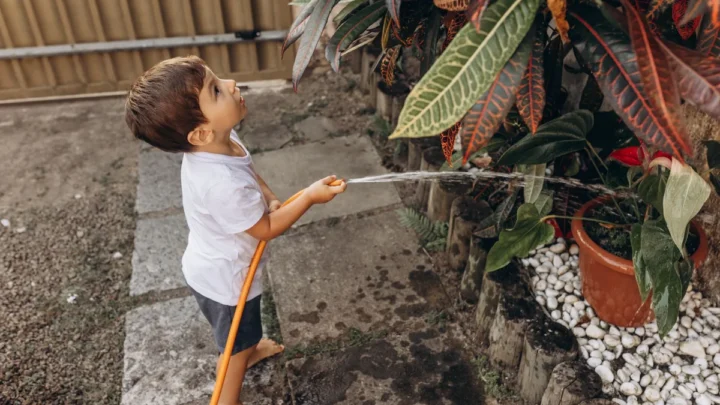
If you've ever wrestled a heavy rubber hose around the garden, you've probably wondered: are expandable garden hoses any good, or just clever marketing? The honest answer is yes, they're good, but only for the right jobs. These lightweight hoses shine for small yards and light watering.
They fall short on high pressure and heavy-duty work.
Most expandable hoses stretch to about three times their resting length. A 17-foot hose reaches roughly 50 feet under water pressure, per typical manufacturer specifications. They perform best between 40 and 80 PSI.
Push past that and the inner tube can rupture. Here's what actually matters before you spend a cent.
Quick Answer
Expandable garden hoses are good for light, everyday watering in small spaces. They're lightweight, kink-free, and easy to store. They work best at household pressure between 40 and 80 PSI.
They're not built for pressure washers or heavy commercial use. Quality models with brass fittings and a TPC inner tube last the longest.
So, Are Expandable Garden Hoses Actually Any Good?
Yes, for most home gardeners they're genuinely useful. The catch is matching the hose to the task.
An expandable hose is fantastic if you water pots, beds, and a small lawn. It's a poor pick if you run sprinklers all day or hook up a pressure washer.
Here's the quick breakdown of where they land:
- Great for: balconies, patios, container gardens, light car rinsing, raised beds
- Fine for: small to mid-size lawns with normal water pressure
- Wrong tool for: pressure washers, tractor sprayers, farm use, constant high-flow jobs
As of 2026, the better models have shifted from thin latex tubes to tougher TPC cores. That single change has fixed a lot of the old bursting complaints. If you're watering flower beds and borders or a cluster of pots, one of these hoses will make your life easier.
What an Expandable Hose Is and How It Works
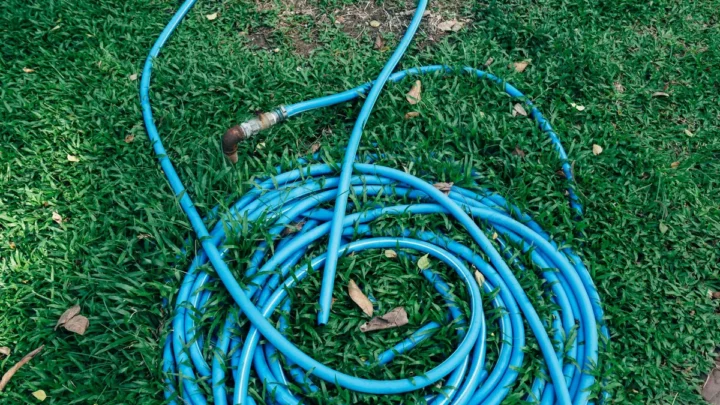
An expandable garden hose is a hose that stretches longer when the water's on and shrinks back when it's off. It uses water pressure to do the work.
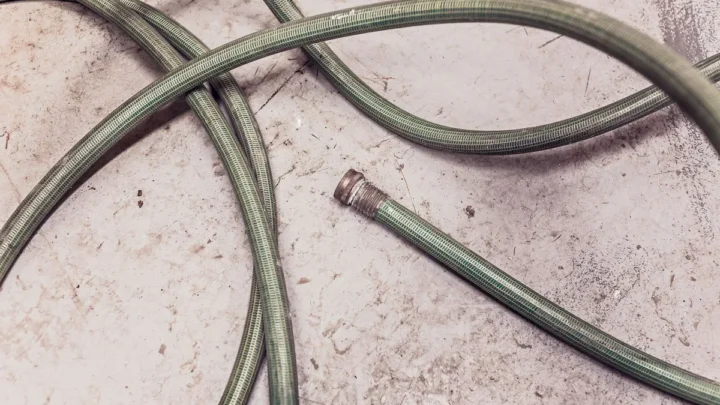
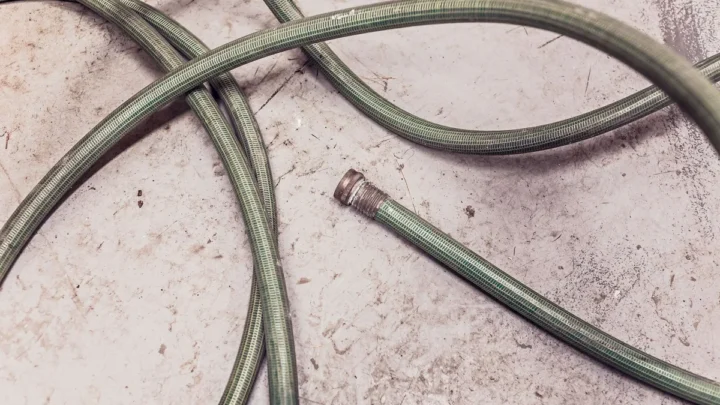
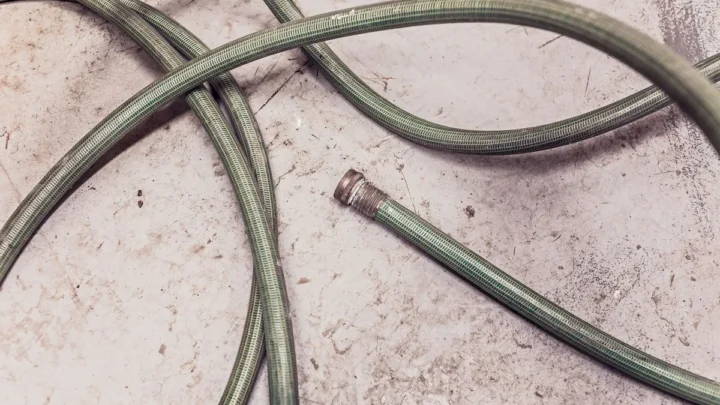
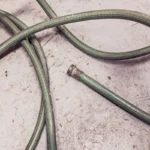
Inside, there's a stretchy inner tube. Around it sits a woven fabric sleeve that limits how far it grows. Turn the tap on and pressure fills the tube.
The hose expands to its full length in seconds.
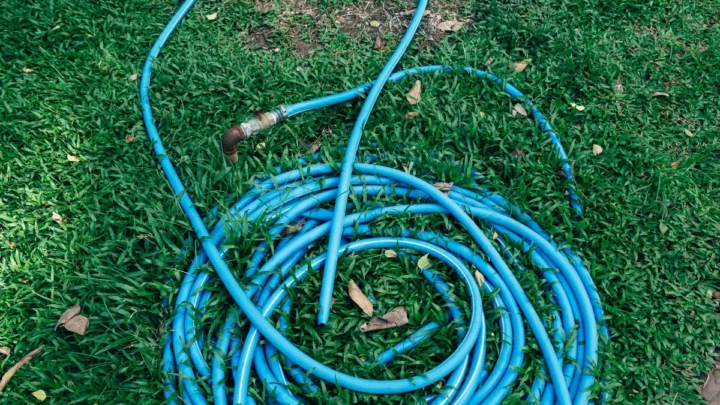
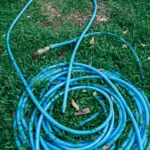
Turn the water off, release the pressure through the nozzle, and it contracts on its own. That self-draining, self-coiling trick is the whole appeal. No reel, no heavy loops, no kinks fighting you at the corner of the shed.
The trade-off sits in the physics. Because the hose relies on pressure to expand, very high pressure stresses the inner tube. That's why the PSI rating matters more than the marketing length on the box.
What's Inside: Inner Tube, Sleeve, and Fittings
Three parts decide whether your hose lasts a season or five years: the inner tube, the outer sleeve, and the fittings. Knowing the difference saves you from buying junk.
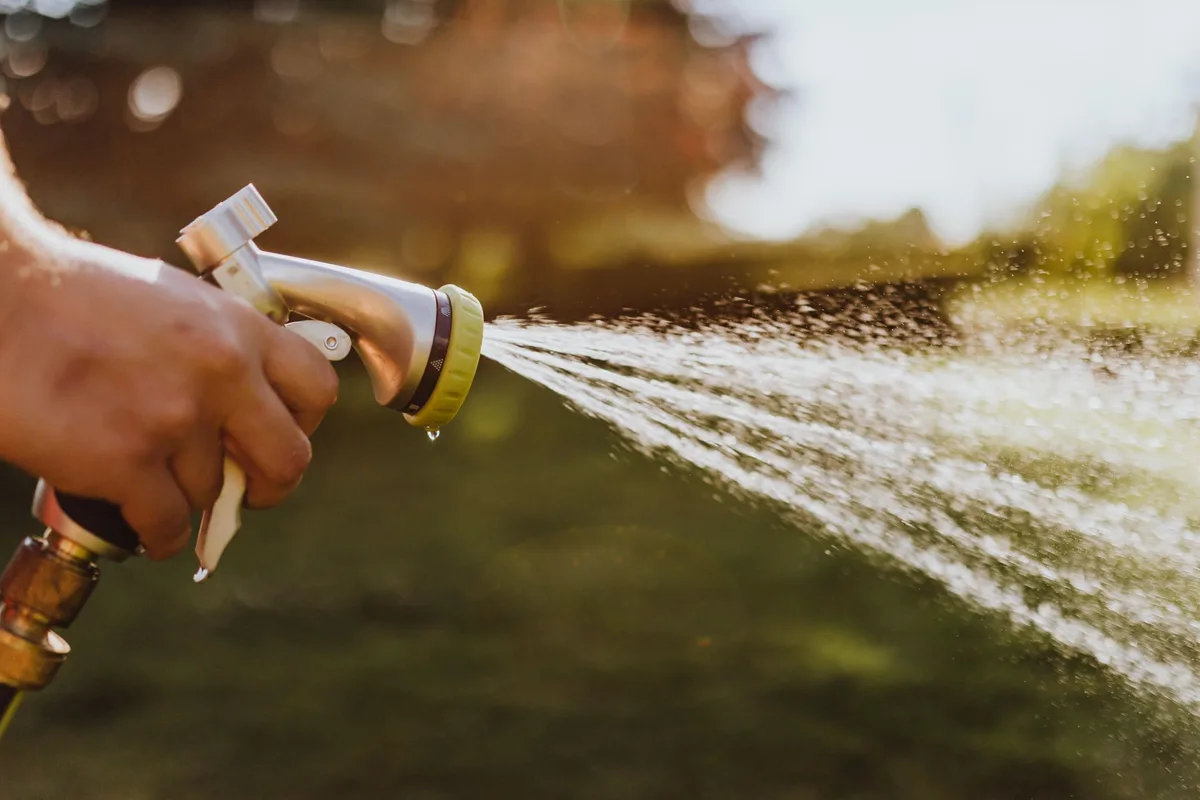
Latex Core vs TPC Core
The inner tube is the heart of the hose. Cheaper models use single or double-layer latex. Better models use TPC, short for thermoplastic copolyester.
Latex is stretchy and light, but it's the first thing to burst. Heat, sun, and pressure wear it down fast. TPC handles pressure and temperature swings far better.
- Latex core: lowest price, shortest life, most bursts
- TPC core: higher price, better pressure tolerance, longer life
If a listing doesn't say what the inner tube is made of, assume it's basic latex. Aggregate reviews report most early failures trace straight back to a thin latex tube.
Brass Fittings vs Plastic Connectors
The fittings are where leaks usually start. You want solid brass, not plastic or ABS.
Brass connectors thread on tightly and resist cracking. Plastic ones strip, crack in cold weather, and leak at the tap. A hose can have a great tube and still fail because of a cheap plastic collar.
Look for the words "solid brass fittings" and a built-in shut-off valve. That small valve lets you swap nozzles without running back to the spigot.
The Real Pros and Cons You'll Notice
Expandable hoses win big on convenience and lose on brute durability. That's the honest picture. Here's what stands out once you're using one week to week.
What you'll love:
- Featherlight weight, often under 2 pounds versus 10 or more for rubber
- Shrinks to a fraction of its length for easy storage
- Kink-free, so it won't cut off flow mid-water
- Coils itself, no reel needed
- Easy on the hands, great for anyone with limited grip
Where it disappoints:
- Lower flow rate than a 5/8-inch rubber hose
- Vulnerable to bursting above roughly 100 PSI
- Sun and abrasion shorten its life
- Cheap models can fail in a single season
- Not made for pressure washers or continuous heavy use
For a courtyard or a run of pots, the pros easily outweigh the cons. The same goes for anyone tending potted greenery indoors and out who just wants a quick, light hose. Drag it across sharp gravel every day, though, and you'll feel the downsides fast.
Expandable vs Rubber vs Vinyl vs Coil Hoses
The right hose depends on your yard, your water pressure, and how much weight you want to haul. No single type wins every category. This is where matching the hose to your situation pays off.
Here's how the main options stack up side by side:
| Factor | Expandable | Rubber | Vinyl | Coil |
|---|---|---|---|---|
| Weight | Very light | Heavy | Medium | Light |
| Storage | Very compact | Bulky | Bulky | Compact |
| Durability | Low to medium | High | Low to medium | Medium |
| High-pressure use | Poor | Excellent | Fair | Fair |
| Kink resistance | High | Low | Low | Medium |
| Price | Low to medium | Higher | Low | Medium |
Weight, Storage, and Handling
This is where expandable hoses crush the competition. A rubber hose that does the same job can weigh five to eight times more.
If storage space is tight, or lifting a heavy coil is a struggle, expandable is the clear pick. Coil hoses come close but snag on plants and don't reach as far. Rubber and vinyl both need a reel and a chunk of shed space.
Durability and Water Pressure
Rubber still rules for toughness and high pressure. If you run sprinklers for hours or use a pressure washer, buy rubber and skip the rest.
Vinyl sits in the middle: cheap, but it kinks and cracks over time. Expandable trades raw durability for comfort, which is a fair swap for light-duty watering. Know your home's water pressure first.
If it runs high, a simple pressure regulator protects any expandable hose you choose. The EPA's WaterSense program is a solid, unbiased starting point for smarter outdoor watering habits.
Who Should Buy One (and Who Shouldn't)
Buy an expandable hose if you want light, easy watering without the bulk. Skip it if your jobs need steady high pressure or constant flow.
It's an easy yes for these folks:
- Apartment and balcony gardeners with pots and planters
- Anyone with a small yard or raised beds
- Older gardeners who can't lug a heavy rubber coil
- RV, boat, and campervan owners short on storage
- Renters who want something quick to pack away
It's the wrong call for these situations:
- Running oscillating sprinklers for hours
- Feeding a pressure washer or high-flow sprayer
- Dragging the hose over gravel or rough concrete daily
- Commercial, farm, or contractor use
If you're tucking watering gear behind a cozy country-style boundary, the compact size is a real bonus. Match the hose to your actual watering, not the biggest job you might do once a year.
Why Expandable Hoses Burst and Leak
Bursts and leaks come down to three things: pressure, sun, and abrasion. Nail those and most hoses last for years.
The Water Pressure Problem
Too much pressure is the number one killer. Expandable hoses like a working range of roughly 40 to 80 PSI.
Many homes run higher than owners realize. Municipal supply can hit 80 to 100 PSI or more. Above that, the inner tube stretches past its limit and splits.
The fix is cheap and simple. Screw an inline pressure regulator onto the tap and set it near 60 PSI. A basic gauge tells you your home's pressure in seconds.
UV, Freezing, and Abrasion Damage
Sunlight slowly cooks the outer sleeve and the tube underneath. Store the hose in the shade or a shed between uses. Verified buyer feedback reports sun exposure as a top reason sleeves fray early.
Freezing water expands and cracks the tube from the inside. Empty the hose before any hard frost. Abrasion is the quiet third threat: dragging over sharp gravel wears pinholes through the fabric.
Lift it over rough spots instead of hauling it.
How to Set Up and Use One Without Wrecking It
Setup takes about a minute, and doing it right adds seasons to the hose. The trick is letting pressure fill it gently, not blasting it open.
Follow these steps each time:
- Thread the brass connector onto the spigot by hand. Make sure the rubber washer is seated.
- Attach your nozzle or shut-off valve to the far end.
- Open the tap slowly and let the hose expand fully.
- Water your plants at a comfortable pressure.
- Close the tap first, then squeeze the nozzle to release leftover pressure.
- Let it shrink and drain before you hang it up.
One common mistake is leaving the hose pressurized in the sun for hours. That's how tubes fatigue and blow. If it won't retract, the water's still on somewhere or pressure is trapped: open the nozzle to let it go.
Making Your Hose Last: Storage, Draining, and Winter Care
Good storage is the single biggest thing you control. A hose that's drained and shaded routinely outlasts a neglected one by years.
Keep this simple routine:
- Drain fully after every use, no water sitting inside
- Hang it on a wide hook or coil it loosely in a bin
- Store out of direct sun, ideally indoors or in a shed
- Keep it off hot pavement, which bakes the sleeve
Winter needs extra care. Empty the hose completely, then store it somewhere above freezing like a garage or basement. Trapped water that freezes will split the inner tube by spring.
A quick monthly check helps too. Look at the fittings for drips and the sleeve for thin spots. Catching a loose washer early stops a slow leak from becoming a burst.
The same tidy-storage habit that keeps garden tools out of sight protects your hose from the elements.
Prices, Lengths, and What You Get for the Money
Expect to pay between roughly $20 and $60, depending on length and build quality. The price gap almost always reflects the fittings and inner tube.
Here's what the money usually buys:
| Price tier | Typical build | Best for |
|---|---|---|
| $20 to $30 | Latex core, plastic fittings | Occasional light watering |
| $30 to $45 | TPC core, brass fittings | Regular home use |
| $45 to $60 | Multi-layer TPC, solid brass, valve | Frequent use, longer life |
Length matters as much as price. Buy for your resting length, not the stretched number.
- 25 ft: balconies, small patios, close-up pots
- 50 ft: most small to mid yards
- 75 to 100 ft: larger lawns, but heavier and pricier
Cheap hoses often cost more over time because they fail fast. A quality TPC model with brass fittings can run three to five years with care. A bargain latex one may last a single season.
Spending an extra $15 up front usually saves you a replacement, and browsing a few seasonal gardening reads can help you time deals in spring.
Drinking-Water Safety and Pressure Ratings to Check
If you'll fill pet bowls, kiddie pools, or drinking cups, safety labeling matters. Standard garden hoses can leach chemicals into standing water.
Look for hoses marked "drinking-water safe" or "lead-free." Better ones also state BPA-free and phthalate-free. Materials certified to NSF/ANSI standards are your safest bet for anything a person or pet drinks.
Two numbers are worth checking before you buy:
- Working pressure: aim for a hose rated to at least 60 PSI
- Temperature limit: most aren't rated for hot water, so stick to cold
Never leave water sitting in a sun-baked hose, then drink from it. The heat pulls more compounds into the water. Flush a few seconds first.
Standards bodies like NSF certify materials that meet these safety thresholds.
Pro Tips for Picking a Hose That Won't Disappoint
The best predictor of a good hose is the fittings and the tube, not the brand hype. Read the spec line, not the headline.
Keep these checks in your back pocket:
- Confirm "solid brass fittings," not plastic or "metal-look" collars
- Choose a TPC inner tube over plain latex when you can
- Pick a built-in shut-off valve to save trips to the tap
- Buy the resting length that matches your yard, not the stretched figure
- Check the return policy, since early bursts show up fast
One more habit pays off. Add an inline pressure regulator if your home runs hot on pressure. It's the cheapest insurance against a burst tube.
Common Questions About Expandable Garden Hoses
How long do expandable garden hoses last?
It depends on build and care. A cheap latex hose with plastic fittings may last one season. A quality TPC hose with brass fittings can run three to five years.
Draining it, storing it out of the sun, and keeping pressure near 60 PSI stretches its life the most.
Do expandable hoses burst easily?
Not if you keep pressure in check. Most bursts happen above roughly 100 PSI or when the hose sits pressurized in the sun. Stay within the 40 to 80 PSI range, use a pressure regulator if needed, and release pressure after each use.
Can I use an expandable hose with a pressure washer?
No, and it's a common mistake. Pressure washers pull high, steady flow that these hoses aren't built for. The inner tube will likely fail.
Use a reinforced rubber hose for pressure washers and heavy sprayers instead.
Why won't my expandable hose retract?
Usually there's still water or trapped pressure inside. Turn the tap fully off, then squeeze the nozzle to release the leftover pressure. The hose should shrink on its own.
If it stays stretched, check that the shut-off valve isn't holding water in the line.
Are expandable hoses safe for drinking water?
Only if they're labeled drinking-water safe or lead-free. A standard model can leach chemicals, especially when warm. For filling pet bowls or pools, choose a certified hose and flush it a few seconds before use.
The Verdict: When an Expandable Hose Is Worth It
Yes, they're worth it for light watering in small and mid-size spaces. That's the sweet spot, and within it these hoses are hard to beat on comfort and storage.
Buy one if you tend pots, beds, and a modest lawn at normal pressure. Spend a little more for a TPC tube and brass fittings. That upgrade is what separates a hose that lasts years from one that fails by fall.
Skip it if you run sprinklers for hours, use a pressure washer, or drag the hose over rough ground daily. In those cases, a reinforced rubber hose is the smarter buy. Match the hose to your watering, treat it kindly, and an expandable hose earns its place in the shed.
Whether you're softening a plain wire-panel boundary with climbers or just keeping pots happy, the right lightweight hose makes the job painless.

Similar Posts