Are All Garden Hoses the Same Size? What to Know
If you've ever grabbed a new nozzle and found it fit your old hose perfectly, you've already brushed up against a common question. So are all garden hoses the same size? Not exactly, and the confusion comes from the word "size" meaning three different things at once.
The good news is that one of those three is almost always standard.
In the US, nearly every hose uses the same threaded connector, called Garden Hose Thread (GHT), which measures ¾ inch with 11.5 threads per inch. That's why your sprinkler screws on without a fight. But inner diameter and length are a different story.
Those change from hose to hose, and they're what actually decide your water flow.
The Quick Answer: Fittings Are Standard, Everything Else Isn't
No, all garden hoses are not the same size. Their threaded fittings are standardized across the US. That's the ¾ inch GHT connector.
But inner diameter varies between ½, ⅝, and ¾ inch. Length varies too, from 25 to 100 feet. So most hoses connect just fine.
They simply don't move water the same way.
What "Hose Size" Really Means (Three Numbers, Not One)
When people ask about hose size, they're usually mixing up three separate measurements. Sort them out and the whole topic clicks into place. Here's what each one controls.
Thread Size: Why Nozzles and Spigots Just Fit
Thread size is the part that's standardized, and it's why gear feels interchangeable. In North America, the accepted spec is ¾ inch GHT, sometimes written as ¾"-11.5NH. That refers to the connector, not the hose body.
Because almost every manufacturer follows this standard, a nozzle from one brand screws onto a hose from another. Your spigot, splitter, and reel all speak the same thread language. So if you've wondered why parts rarely clash, that's your answer.
The catch shows up with imported tools and pressure washers, which we'll cover below. For basic watering, the threads are a solved problem.
Inner Diameter: The Number That Controls Water Flow
Inner diameter (ID) is the width of the actual water channel inside the hose. This is the number that changes performance the most. The three common sizes are ½ inch, ⅝ inch, and ¾ inch.
A wider bore moves more water. A ½ inch hose is light and fine for hanging baskets and small beds. A ¾ inch hose pushes serious volume for long runs and pressure work.
Most homeowners land on ⅝ inch, and there's a good reason for that balance.
Length: The One People Underestimate
Length is the sneaky third number. Every extra foot adds friction, and friction drops pressure at the far end. A 100 foot hose delivers noticeably weaker flow than a 25 foot hose of the same diameter.
The fix is simple. Buy the shortest hose that still reaches your farthest watering spot. If you're screening off a plain boundary with climbing plants, measure to that back corner before you buy.
A hose that's too long wastes pressure and storage space alike.
The ½", ⅝", and ¾" Inner Diameter Breakdown
If you only remember one thing, make it this: inner diameter is where hoses stop being "the same size." The threads match, but the bore decides whether your sprinkler runs strong or weak. Here's how the three stack up.
| Inner Diameter | Approx. Flow Potential | Best For | Trade-Off |
|---|---|---|---|
| ½ inch | Lower volume | Small gardens, pots, light watering | Weak for long runs or sprinklers |
| ⅝ inch | Balanced volume | Most home lawns and beds | The all-round default |
| ¾ inch | High volume | Long distances, pressure washing, big properties | Heavier and pricier |
Flow figures shift with your home water pressure, which usually sits around 40 to 60 PSI. Length and kinks pull those numbers down further. The EPA's WaterSense program is a solid reference for how flow and pressure work around the home.
Here's the practical read. If you water a compact plot or a few flower bed borders, ½ inch keeps things light and cheap. If you want one hose that handles almost everything, ⅝ inch is the safe pick.
Go ¾ inch only when volume and distance genuinely demand it.
Match Your Hose to the Job: A Simple Decision Path
You don't need to memorize specs. You just need to match the hose to what you're doing. Run through these three branches and you'll land on the right size.
Light Watering and Small Yards
If your watering is mostly pots, hanging baskets, and a tidy bed or two, go light. A ½ inch inner diameter in a 25 or 50 foot length is plenty. It's easy to coil, drag, and store.
Then match the length to your space. A small courtyard or a cottage-style plot rarely needs more than 50 feet. Anything longer just adds weight you'll haul around for no reason.
Sprinklers, Long Runs, and Big Properties
If you run sprinklers or reach across a large lawn, step up. Choose ⅝ inch as your baseline. Only jump to ¾ inch if flow still feels weak at the far end.
Sprinklers are thirsty, and a narrow bore starves them.
Keep the length honest here too. If your sprinkler mists instead of sprays, the hose is often too long or too thin. Shorten the run or widen the bore before blaming the sprinkler head.
Pressure Washing and High-Volume Tasks
If you're feeding a pressure washer or filling containers fast, prioritize volume. A ¾ inch inner diameter moves the most water and holds pressure best over distance. Pair it with quality brass fittings so the connection doesn't leak under strain.
Watch the thread type on this gear, though. Some pressure washers and imported tools don't use standard GHT, and that mismatch trips people up. We'll sort out those thread differences next.
For more seasonal setup tips, our other outdoor guides walk through the details.
GHT vs NPT vs BSP: When Threads Don't Match
Most of the time threads match, but three standards can cross your path. Knowing which is which saves you a leaky, cross-threaded mess. Here's the short version.
US Garden Hose Thread (¾" NH)
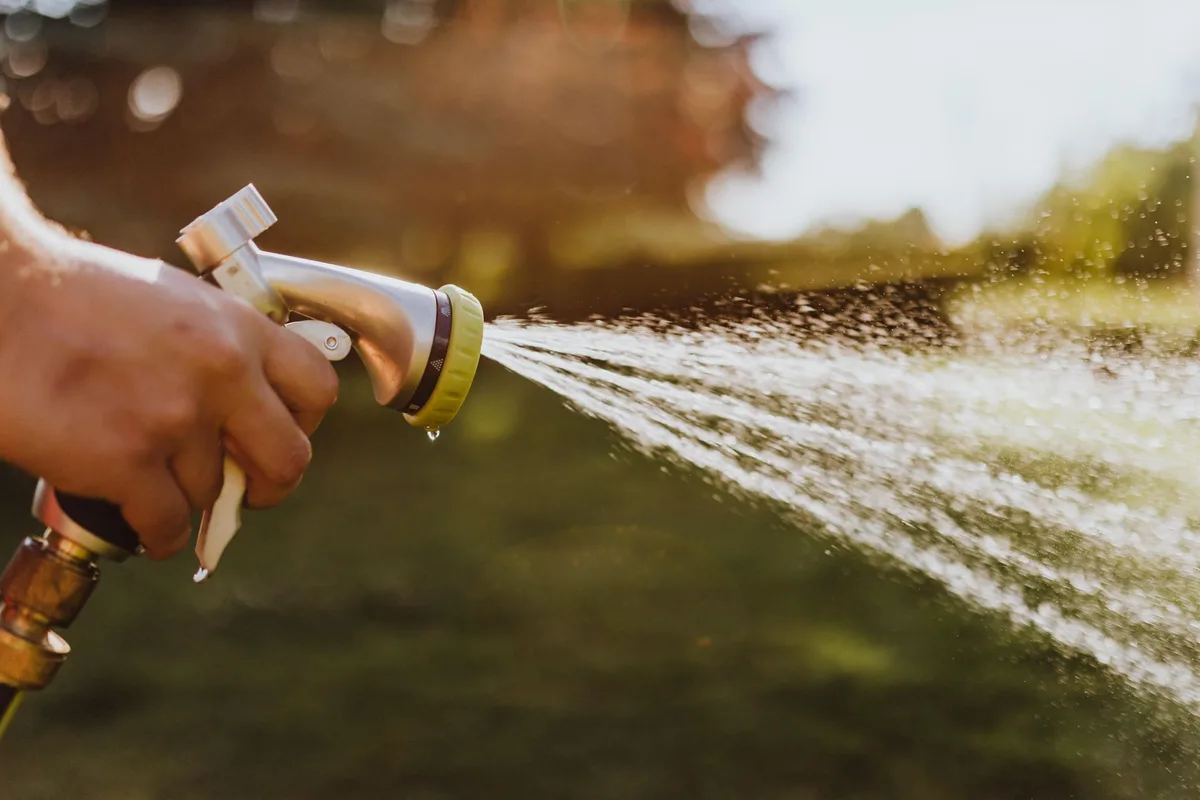
GHT is the default for outdoor hoses in North America. It's a straight thread built for a rubber washer to seal against, not for metal-on-metal tightening. That washer is the unsung hero of a drip-free connection.
If a fitting leaks, check the washer first. A cracked or missing gasket is the usual culprit, not the thread. Swapping a cheap rubber washer fixes most weeping joints instantly.
NPT, or National Pipe Taper, is a different animal. It's a tapered thread used on plumbing and many pressure washers. GHT and NPT won't mate correctly, so you need a GHT-to-NPT adapter to bridge them.
Force them together and you'll strip the threads.
European and UK Click Systems
Outside North America, the picture shifts. The UK, Europe, and Australia lean heavily on push-fit "click" connectors and BSP (British Standard Pipe) threads. These snap on instead of screwing on.
So an imported nozzle or reel may not thread onto a US spigot at all. If you've bought gear abroad, expect to need an adapter. Match the system before you buy accessories, not after they refuse to fit.
How to Measure Your Hose Size the Right Way
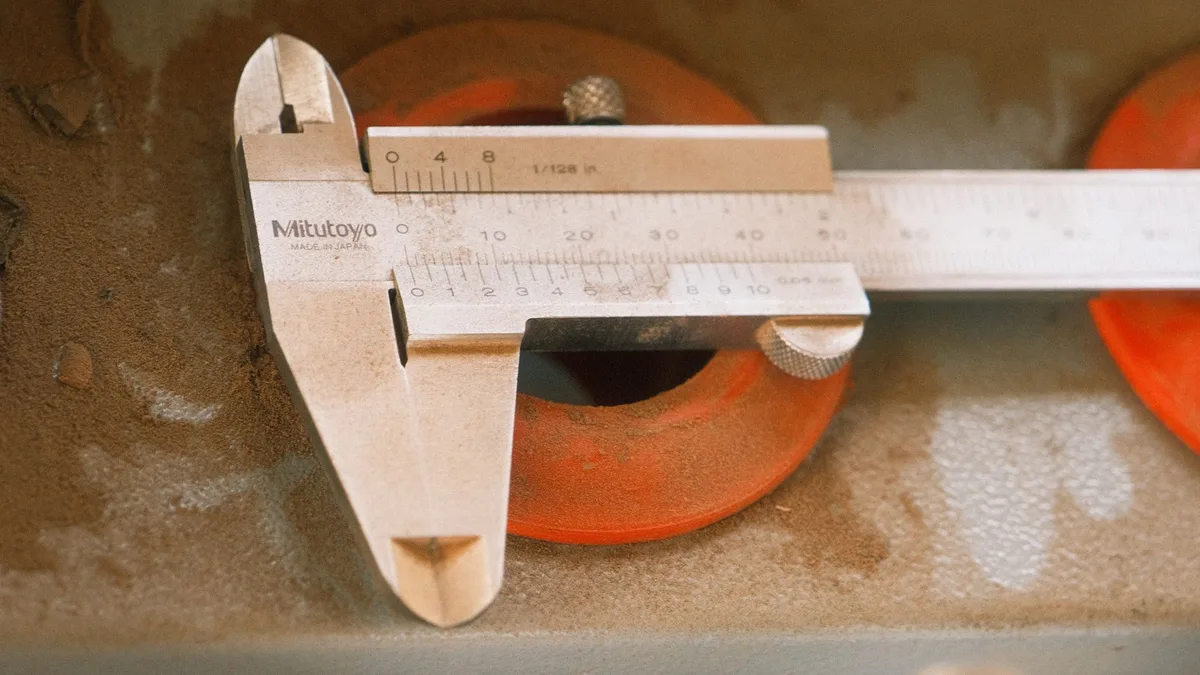
Measuring a hose trips people up because they measure the wrong part. You want the inner diameter, not the outside. Here's how to get it right.
Follow these quick steps:
- Cut the water off and disconnect the hose.
- Look at the cut end or the open coupling.
- Measure across the water channel, edge to edge.
- Round to the nearest common size: ½, ⅝, or ¾ inch.
For the thread, assume ¾ inch GHT unless the gear is imported or plumbing-related. Many hoses also print the ID and length right on the collar. A quick read there beats guessing.
If you want the exact spec behind that connector, the garden hose thread standard is defined in ASME B1.20.7. Our team's background on tool standards leans on references like these for accuracy.
Common Sizing Mistakes That Kill Water Pressure
Weak flow usually traces back to a sizing slip, not a broken tap. These are the errors we see most in aggregate user reviews. Fix them and pressure returns.
- Buying too long. A 100 foot ½ inch hose bleeds pressure over distance.
- Going too narrow. A ½ inch bore chokes a thirsty sprinkler.
- Confusing NPT with GHT. The threads won't seal, so joints leak.
- Ignoring the washer. A worn gasket leaks no matter the size.
- Letting kinks form. A pinched hose strangles flow at any diameter.
The pattern is clear. If flow feels weak, check length and bore before you blame the faucet. If a joint drips, check the washer and thread type first.
One quiet killer is a tight coil left in the sun. Vinyl hoses take a "memory" shape and kink at the bend. Store them loosely on a reel to keep the channel open.
Rubber, Vinyl, and Expandable: How Material Changes Fit and Feel
Material doesn't change your thread size, but it changes weight, kinking, and lifespan. The same ⅝ inch bore behaves differently in rubber than in vinyl. Here's the trade-off.
| Material | Strengths | Weak Points |
|---|---|---|
| Rubber | Tough, kink-resistant, handles hot water | Heavy, costs more |
| Vinyl (PVC) | Light, cheap, easy to coil | Kinks easily, shorter life |
| Hybrid/reinforced | Balanced weight and durability | Mid-range price |
| Expandable | Very light, stores tiny | Lower pressure, bursts sooner |
Rubber is the workhorse if you drag a hose daily or run warm water. Vinyl suits light, occasional watering on a budget. Expandable hoses win on storage but give up flow and toughness, so they're best for small patios and indoor plant top-ups moved outdoors.
Fittings matter here too. Brass couplings outlast plastic and resist cross-threading. If a hose feels premium, check for machined brass ends and thicker walls.
Are Garden Hoses Safe to Drink From? The Size Question Nobody Asks
No, a standard garden hose is not safe to drink from, and size has nothing to do with it. This is where "same size" hides a real risk. Two hoses can share the exact ¾ inch GHT fitting yet be worlds apart on safety.
Regular garden hoses can leach lead from brass fittings and chemicals from the hose material. That's fine for plants, not for people or pets. Standing water inside a warm hose makes it worse.
If you need drinking-safe water, buy a hose labeled potable or "lead-free" and drinking-water-safe. These meet stricter material rules, often referencing NSF/ANSI 61 for drinking water components. RV owners and campers should treat this as non-negotiable.
So before you sip from the tap end on a hot day, check the label. The connector might fit your spigot perfectly. The water inside still might not be safe.
Hose Size Specs and Flow Rates at a Glance
Here's the whole sizing picture in one scannable place. Use it as your quick reference before buying. Numbers shift with pressure and length, so treat them as ballpark.
| Spec | Common Values | What It Affects |
|---|---|---|
| Thread | ¾" GHT (¾"-11.5NH) | Whether fittings connect |
| Inner diameter | ½", ⅝", ¾" | Water flow volume |
| Length | 25, 50, 75, 100 ft | Pressure at the far end |
| Home pressure | ~40 to 60 PSI | Baseline push |
| Fitting metal | Brass or plastic | Durability and leak resistance |
A ⅝ inch hose at 50 feet is the sweet spot for most yards as of 2026. It balances flow, weight, and price without fuss. Move off that only when a specific task calls for more or less.
Pro Tips for Getting the Right Fit Every Time
A few habits keep you from ever buying the wrong hose again. These come from aggregate buyer feedback and manufacturer specs. Small moves, big payoff.
- Measure to your farthest tap point, then add 10 feet of slack.
- Default to ⅝ inch unless you have a clear reason to change.
- Keep spare rubber washers in the shed for instant leak fixes.
- Choose brass couplings over plastic for anything you use often.
- Drain and loosely coil hoses before winter to stop cracks.
If a new nozzle won't seat, don't force it. Check for a stuck old washer doubled up inside the coupling. That hidden second gasket is a classic cause of cross-threading.
Store hoses out of direct sun when you can. UV breaks down vinyl fastest and shortens the hose's working life.
Frequently Asked Questions
Do all garden hose nozzles fit all hoses?
In the US, yes, almost always. Nozzles and hoses share the ¾ inch GHT standard, so they screw together across brands. The exception is imported or click-system gear, which may need an adapter.
Check the thread type before buying accessories abroad.
What size garden hose gives the best water pressure?
A wider inner diameter holds pressure best, so ¾ inch wins on flow. But for most homes, ⅝ inch balances pressure, weight, and cost. Keep the hose short too, since length drops pressure at the far end.
Pair diameter and length to the job.
Is a ⅝ or ¾ inch hose better for me?
Choose ⅝ inch for everyday lawn and garden watering. It's lighter, cheaper, and handles sprinklers fine. Go ¾ inch only for long runs, big properties, or pressure washing.
The extra volume isn't worth the added weight for small yards.
Are all garden hose fittings the same thread size?
Standard US garden hose fittings share the ¾ inch GHT thread. Plumbing fittings use NPT, and much of Europe uses BSP or push-fit connectors. These don't interchange without an adapter.
Match the system before you assume a fitting will seal.
Can I drink from any garden hose?
No. Only hoses labeled potable or drinking-water-safe are made for it. Standard hoses can leach lead and chemicals unsafe for people and pets.
The fitting size tells you nothing about drinking safety, so always read the label.
Your Garden Hose Sizing Decision Guide
Boil it all down and the answer is simple. The fittings are the same, but the hose is not. Match the three numbers to your job and you're set.
Run this quick check before you buy:
- Watering pots and small beds? Go ½ inch, 25 to 50 feet.
- Running sprinklers or a big lawn? Go ⅝ inch, sized to reach.
- Pressure washing or filling fast? Go ¾ inch with brass fittings.
- Drinking or RV use? Buy a labeled potable hose, any size.
Get the thread right (it usually already is), pick the bore for your flow, and keep the length honest. Do that, and your hose will fit, seal, and run strong every season.

Similar Posts