Charming Country Garden Fence Ideas for Cozy Homeowners

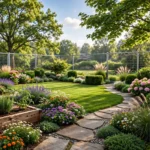
A garden fence does more than mark a boundary—it frames your sanctuary, sets the mood for outdoor living, and quietly tells passersby that this space is loved. For homeowners who crave that warm, cottage-garden feeling, the right fence can transform a plain yard into an inviting retreat. Below you'll find a curated collection of country garden fence ideas, each one chosen to help you create the cozy, character-rich landscape you've been dreaming of.
Why a Country Garden Fence Deserves Careful Thought
A charming fence is the backbone of a cohesive garden design. It provides structure for climbing plants, defines planting beds, and offers privacy without the cold, boxed-in feel of a solid panel. In practice, a well-chosen fence also boosts your home's curb appeal and can even increase property value when matched to the architectural style of your house.
Before you pick a style, take a moment to consider your garden's light, soil, and wind exposure. A fence that doubles as a windbreak might be essential for tender perennials, while a low, open picket could be perfect for a sun-drenched cutting garden. The best fence is the one that works as hard as it looks.
Classic Split-Rail Fencing: Rustic and Airy
Split-rail fencing is the quintessential country look. Traditionally made from cedar or locust, it uses horizontal rails stacked between vertical posts. The open design lets light and air flow freely, making it ideal for larger properties where you want to define a pasture, orchard, or woodland edge without blocking the view.
- Best for: Property lines, front gardens, and meadow-style plantings.
- Height: Typically 3–4 feet.
- DIY complexity: Moderate; requires post-hole digging and rail stacking.
- Cost range: $8–$15 per linear foot for materials.
A common mistake is setting the posts too shallow. For a fence that lasts decades, bury posts at least 2 feet deep and consider concrete footings in sandy soil. Pair split-rail with sprawling roses or native wildflowers for an effortless English countryside feel.
Picket Fences with a Personal Twist
The white picket fence is an American classic, but a "charming" country picket doesn't have to be cookie-cutter. Try scalloped tops, alternating heights, or a mix of reclaimed wood and new boards for texture. Painting it a soft sage green, barn red, or even a pale blue-gray keeps the look cozy rather than stark.
- Best for: Front gardens, cottage borders, and pool enclosures.
- Spacing: Standard gaps are 2–3 inches; tighter gaps offer more privacy.
- Material tip: Cedar or pressure-treated pine resists rot; avoid untreated softwood.
For extra character, plant a low hedge of boxwood or lavender along the inside of the fence. The contrast between rigid pickets and soft foliage is one of the easiest ways to achieve that coveted country-garden charm.
Woven Willow and Hurdle Fencing
For an instantly natural, storybook feel, woven willow fencing is hard to beat. These hurdles—panels made from interwoven willow or hazel branches—create a semi-transparent screen that weathers to a beautiful silvery gray. They're lightweight, easy to move, and fully biodegradable at end of life.
- Best for: Screening a compost area, vegetable garden, or seating nook.
- Lifespan: 3–5 years in dry climates; up to 8 years with annual linseed oil treatment.
- Installation: Joining panels with garden twine or zip ties works well for temporary setups.
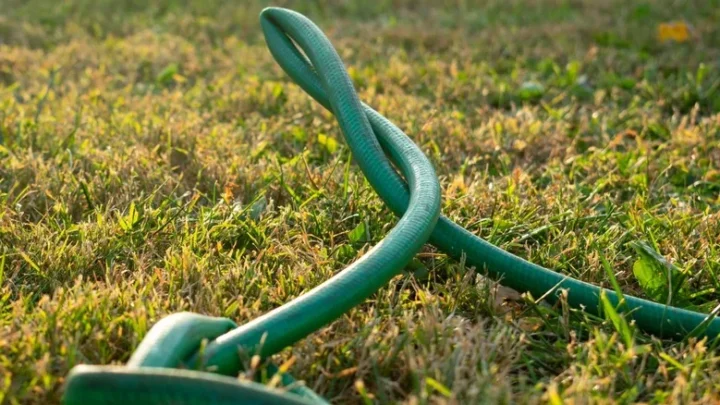
Willow hurdles work brilliantly as a backdrop for flowering climbers. Train sweet peas, clematis, or climbing nasturtiums up the woven surface for a living, breathing fence that changes with the seasons. Keep a hose nearby to water the base of climbers; a reliable hose makes the job simple.
Horizontal Board Fences: Modern Country Style
If your taste leans toward farmhouse-chic, a horizontal board fence offers clean lines while still feeling rustic. Wide cedar or pine boards mounted horizontally between sturdy posts create a solid screen that's both private and warm. It's a look that pairs beautifully with gravel paths, galvanized planters, and long prairie grasses.
- Best for: Backyard privacy, master garden rooms, and outdoor dining areas.
- Gap or no gap: A 1-inch gap between boards keeps the fence from feeling too heavy and lets a sliver of light through.
- Maintenance: Apply a semi-transparent stain every 2–3 years to prevent graying.
A thoughtful detail is to cap the top of each post with a wooden finial or a simple flat cap—this sheds rainwater and prevents rot at the most vulnerable point.
Reclaimed Wood Fencing for Imperfect Charm
Nothing says "cozy" like a fence built from weathered, reclaimed boards. Old barn wood, pallet wood, or salvaged fencing gives you a patina that new lumber can't imitate. The key is to select boards of similar thickness and treat them for insect and rot resistance before installation.
- Sourcing: Check local salvage yards, Habitat for Humanity ReStores, or online marketplaces.
- Treatment: A clear wood preservative with borate stops bugs without changing the color.
- Style tip: Mix board widths for a patchwork look that feels collected over time.
This style works especially well for a cottage garden filled with old-fashioned flowers like hollyhocks, foxgloves, and peonies. The worn wood blends into the garden rather than competing with it.
Living Fences: Hedge and Willow Combinations
A fence that grows is arguably the most charming of all. Combine a low wire or post-and-rail fence with a hedge of hornbeam, beech, or yew, and you get a structure that's green, dense, and full of life. In colder climates, willow cuttings can be planted and woven into a "fedge" (fence-hedge) that roots and grows into a living screen.
- Best for: Long property lines, sound barriers, and wildlife corridors.
- Time to maturity: 2–4 years for a dense hedge from young plants.
- Water needs: Deep, consistent watering in the first two seasons is critical.
A living fence demands patience, but the payoff is a boundary that changes color through the year and provides shelter for birds and pollinators.
Ornate Metal Gates as Focal Points
Even the simplest fence looks special with a gate that has personality. An arched wrought-iron gate, a wooden lattice gate, or a salvaged antique gate becomes the centerpiece of your garden entrance. Paint it a cheerful color—coral, mustard, or deep blue—and frame it with climbing roses or jasmine.
- Size rule: A gate should be at least 4 feet wide for comfortable passage with a wheelbarrow or lawn mower.
- Hardware: Use heavy-duty hinges and a latch that matches the period style of your fence.
- Cost insight: A custom metal gate can run $400–$1,200; a salvaged one might be found for under $200.
DIY Tips for a Long-Lasting Country Fence
Building your own fence can save labor costs and give you a tremendous sense of pride. Here's what pros do differently:
- Set posts correctly: Dig holes one-third the post length, add 6 inches of gravel for drainage, then concrete or tamped soil.
- Use galvanized hardware: Deck screws and joist hangers resist rust far better than standard nails.
- Keep wood off the ground: A 2-inch gap under the fence prevents wicking moisture.
- Stain before installing: It's much easier to coat all sides of a board when it's lying flat.
For day-to-day watering of plants near the fence, you'll appreciate a hose that doesn't kink. An expandable hose is lightweight and easy to drag around the garden, especially when you're working in tight spaces between fence and flower beds.
Seasonal Maintenance That Preserves Charm
A charming country fence needs a little attention each year:
- Spring: Inspect for loose boards or popped nails; tighten or replace before they worsen.
- Summer: Trim back any vines or bushes that touch the wood—moisture trapped against timber accelerates rot.
- Fall: Clear fallen leaves from the base; decaying organic matter holds moisture against posts.
- Winter: In snowy climates, gently brush heavy snow off horizontal rails to avoid bowing.
Keep essential tools like a hammer, wood glue, and a small can of matching stain in a weatherproof bin near your garden shed so repairs are quick and painless.
Frequently Asked Questions
What is the most affordable country garden fence?
A simple split-rail or post-and-wire fence can cost as little as $5–$8 per linear foot if you use locally sourced materials. Reclaimed pallet wood fencing also keeps costs very low, though it requires more labor for de-nailing and treatment.
How tall should a country garden fence be?
For ornamental borders and front yards, 3 to 4 feet is the classic height. For backyard privacy or animal containment, 5 to 6 feet works better. Check local zoning rules—many towns limit front-yard fences to 4 feet.
Can I install a country fence on a slope?
Yes. The best approach is to "step" the fence panels by keeping each section level and adjusting the post height as the ground rises or falls. Raked panels (running parallel to the slope) are an option but look less natural.
What is the best wood for a country garden fence?
Cedar and black locust are naturally rot-resistant and last 15–20 years with minimal care. Pressure-treated pine is cheaper and also durable, but it requires a top-quality stain to look charming rather than utilitarian.
How do I soften a new fence so it looks older?
Apply a diluted water-and-vinegar solution (1:1 ratio) to raw wood and let it sit in the sun for a day to accelerate weathering. You can also brush on a semi-transparent stain in a driftwood or barn-gray tone for an instant aged look.
Should I paint or stain my country fence?
Stain is almost always better for a natural look because it penetrates the wood and allows the grain to show. Paint can peel and trap moisture, especially on horizontal surfaces. If you do paint, use a high-quality exterior acrylic and prime first.
Conclusion
A country garden fence is an invitation—it whispers that beyond this boundary lies a place of rest, color, and quiet joy. Whether you choose the open airiness of split-rail, the classic warmth of pickets, the natural texture of willow, or the modern farmhouse appeal of horizontal boards, each style has its own way of making a garden feel like home.
Your next step is simple: walk your yard, take a few photos, and decide which of these styles matches the feeling you want in each area. Then sketch a rough layout and start sourcing your materials. The perfect fence for your cozy country garden is already waiting—you just have to build it.

Similar Posts