17 Inspiring Flower Bed Fence Ideas for Garden Lovers
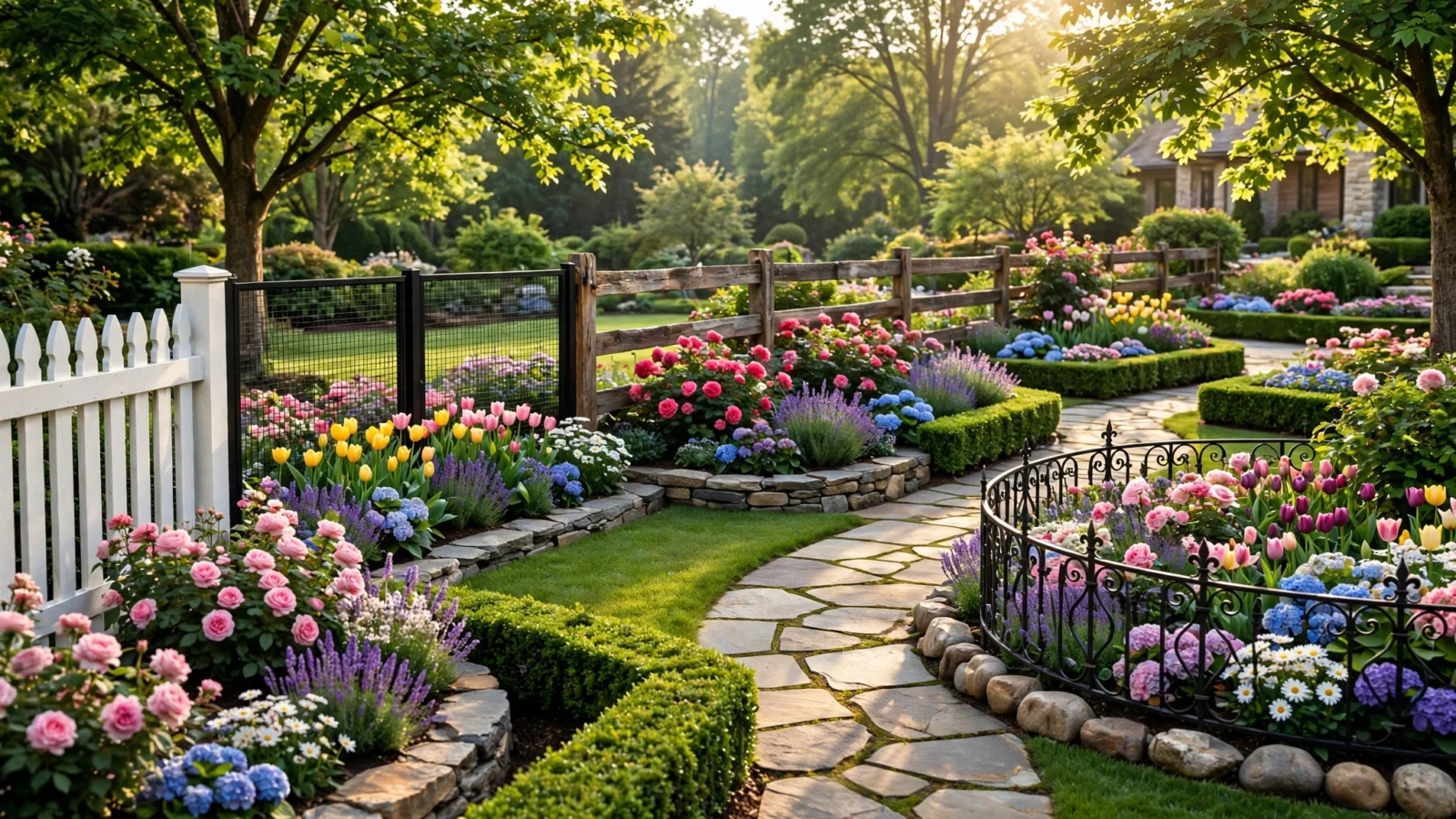
A well-defined flower bed fence does more than mark a boundary—it frames your entire garden picture, protects tender blooms from foot traffic and pets, and gives climbing plants a stage to shine. Pairing it with a reliable watering system ensures your plants thrive right up to the border. Whether your style leans toward rustic, modern, or cottage-garden charm, the right fence elevates the ordinary into the extraordinary. Below are 17 carefully chosen ideas, each with practical installation notes so you can build something that lasts.
Choosing the Right Material
The material of your fence determines its lifespan, maintenance level, and visual weight. Matching it to your climate and the plants you grow is the first step toward a successful project.
| Material | Lifespan | Maintenance | Best Suited For |
|---|---|---|---|
| Cedar wood | 10–15 years | Low; stain every 3–5 years | Classic, rustic, and cottage gardens |
| Wrought iron | 30+ years | High; paint every 2–3 years | Formal, romantic borders |
| Corrugated metal | 20+ years | None | Modern, industrial, or transitional beds |
| Composite | 15–25 years | None | High-moisture or shady areas |
| Living willow | 5–8 years | Medium; annual weaving | Organic, sustainable landscapes |
Factors to Consider Before You Build
Sun and soil exposure. A fence that blocks light may force you to switch to shade-loving plants. Similarly, material against moist soil rots faster—never sit untreated wood directly on dirt.
Local codes and HOA rules. Most municipalities allow fences under 3–4 feet without a permit, but front-yard restrictions vary. Check before you dig.
Skill level and budget. A pallet fence costs nearly nothing. A gabion wall requires heavy lifting. Be honest about your time and tools before choosing an idea.
Classic and Timeless
1. The Low Picket Fence
The white picket fence is the most iconic garden border. At 18–24 inches, it frames your flowers without overshadowing them. Space the pickets 2–3 inches apart for air circulation and glimpses of the blooms behind them. Cut standard cedar fence boards into pointed pickets to save money. A common mistake is sinking untreated pine into the soil—use ground-contact lumber or naturally rot-resistant cedar. Repaint or restain every three to four years, and this fence will reward you for a decade or more.
2. Ornate Wrought Iron
Wrought iron adds romance without blocking the view of your plants. A two-foot-high panel with scrolling details is enough to protect beds from foot traffic while still feeling visually light. In practice, wrought iron is high-maintenance: any scratch in the paint turns into rust within a season. Powder-coated aluminum gives the same look with zero rusting. Despite the upkeep, nothing beats wrought iron paired with climbing roses—it acts as a permanent trellis that grows more beautiful as the vines cover it.
3. Stone or Brick Edging Wall
A dry-laid stone wall creates a timeless, permanent border. For walls under two feet tall the technique is surprisingly DIY-friendly: dig a 6-inch trench, fill it with ¾-inch crushed stone for drainage, and stack your stones or bricks without mortar. The gaps become micro-habitats for beneficial insects. Limit the wall height to 24 inches without a mortared footing to prevent bulging from frost heave. It looks spectacular behind trailing plants like creeping thyme or sedum.
Rustic and Natural
4. Rustic Split Rail
Split rail fences originated for livestock, but a two- or three-rail version makes an informal flower bed border that suits native wildflower meadows. The wide gaps create an airy feel. Install the posts in concrete (one-third of the post length below ground), then drop the rails into the mortised holes. Cedar split rails last 15–20 years without treatment. Grass creeping under the bottom rail is a common annoyance—a strip of landscape fabric or steel edging solves it cleanly.
5. Twig or Branch Weave (Wattle)
Wattle fencing is one of the oldest garden structures, using flexible branches (hazel, willow, or dogwood) woven between upright stakes. The result is a textural wall that feels plucked from a fairy tale. Wattle works best at 18–30 inches high. The downsides are a short lifespan (3–5 years) and the labor of harvesting the branches yourself. Soak the branches for 24 hours before weaving to make them pliable. This fence looks incredible in its first year as moss and lichen colonize the wood.
6. Living Willow (Salix) Fence
For the patient gardener, a living willow fence is one of the most sustainable boundaries you can build. Plant dormant willow cuttings 12 inches into the ground, spaced 8 inches apart, then weave the sprouting shoots together as they grow. The fence leafs out in spring and forms a dense green wall by summer. Willow demands consistent moisture during its first growing season or it will fail. Within 2–3 years, the rods can be harvested for craft projects. This works best in consistently moist, sunny spots.
7. Pallet Wood Fence
Free pallets are a goldmine for budget-conscious gardeners. Dismantle them carefully with a pry bar, then nail the slats horizontally or vertically to a simple 2×4 frame. The weathered gray look blends naturally into rustic and cottage gardens. The trade-off is longevity—soft pine pallet wood may rot in 3–4 years. Treat it with a clear wood preservative to extend its life. This is a project you can prototype and evolve if your bed layout changes.
Modern and Minimal
8. Corrugated Metal Edging
Galvanized corrugated steel brings a clean industrial edge to any bed. It is weatherproof, nearly indestructible, and very easy to install. Cut the sheets to 12–24 inches and stake them into the soil. A pro tip is to hammer the top edge over a piece of rebar to create a smooth, safe curve that also stiffens the panel. The reflective surface can heat up in full sun, so choose drought-tolerant plants like succulents and ornamental grasses to match.
9. Horizontal Slat Screen
This is the go-to fence for contemporary landscapes. Wide cedar slats (1×4 or 1×6 boards) mount horizontally onto posts with a gap of less than an inch. The clean lines look orderly and sophisticated while still letting light filter through. Use cedar or redwood and seal it with a semi-transparent stain. Because the slats catch the wind, mount them securely to 4×4 posts set in concrete. This fence creates an ideal backdrop for a formal perennial border.
10. Black Metal Mesh
Powder-coated welded wire mesh (often called black hardware cloth) is a favorite of modern landscape designers. The 2×4 or 4×4 inch squares nearly disappear from a distance, making your flowers the hero. Attach the mesh to metal T-posts with zip ties. Choose at least 14-gauge wire to prevent sagging over time. This fence is perfect for supporting tall perennials like peonies and delphiniums without the visual bulk of wood or iron.
11. Gabion Cage Wall
Gabions are wire baskets filled with stone. They are heavy, stable, and require zero maintenance. The cages drain freely and can be planted with trailing alpines that root into the stone. Build the cages from PVC-coated or galvanized welded wire to avoid rust stains, and fill them with locally sourced field stone or river rock. Gabion walls need a level base of crushed stone before assembly. The biggest challenge is the weight and cost of the stone, but the result is a fence that will outlast every other structure in your garden.
Repurposed and Unique
12. Salvaged Headboards
Scavenge flea markets or architectural salvage yards for old metal or wooden headboards. Iron headboards, in particular, make instant garden art. Push the legs into the soil or mount them on short rebar stakes. The fretwork is a natural trellis for morning glories or sweet peas. Arrange several headboards in a row for a whimsical, one-of-a-kind border. Add a coat of rust-inhibiting spray paint if the metal is weathered.
13. Hog Panel Trellis
Livestock panels are heavy-duty welded wire mesh (usually 4×16 feet). Curved between two posts they form a graceful arc that screams English garden. The 4×4 inch grid is strong enough to support heavy climbing roses. The panels are inexpensive ($25–$40 each) and last for years with a coat of matte black spray paint to prevent rust. Anchor them with metal T-posts driven two feet into the ground.
14. Rolling Cart Fence
Ideal for patios, balconies, and renters. Build a simple wooden planter box (2×6 or 2×8 lumber) and attach heavy-duty casters to the bottom. On one long side, extend a few of the planks upward or attach a piece of lattice. This creates a mobile, fenced planter you can roll to chase the sun. The depth of the planter is crucial—at least 12 inches of soil is needed for the roots of substantial flowers or small shrubs.
Green and Living
15. Short Chain-Link with Vines
Chain-link is utilitarian on its own, but a three-foot-high fence covered in vines becomes a lush green wall. Galvanized chain-link is cheap and incredibly strong. The trick is to never leave it bare. Plant fast-growing annual vines like morning glories, canary creeper, or hyacinth bean at the base. For a permanent green screen, train ivy or climbing hydrangea up the mesh. Within two growing seasons the fence will be completely hidden by foliage and flowers.
16. Bamboo Fencing
Bamboo rolls provide a quick, lightweight fence with a warm tropical character. Attach the roll to sturdy wooden or metal stakes every 2–3 feet. Bamboo cracks in direct sun and absorbs moisture in rain unless sealed. Apply a UV-protective marine varnish to make it last beyond two seasons. Keep the bottom edge an inch off the soil to prevent rot. This fence works best in shaded gardens or as a temporary screen for vegetable beds.
17. Concrete Block Planter Wall
Concrete (cinder) blocks can be stacked dry into a low wall that doubles as a planter. As you build each course, fill the hollow cores with potting soil and plant trailing sedums, alyssum, or strawberries directly into the holes. The thermal mass of the concrete keeps roots warm in spring and cool in summer. The look is utilitarian, but flowers cascading down the face quickly soften the hard edges. Cap the wall with flat stone or wood for a finished appearance.
Frequently Asked Questions
What is the best height for a flower bed fence?
Between 12 and 36 inches. A 12-inch fence defines the border and stops foot traffic. A 24-inch fence deters small animals. Taller fences can shade sun-loving flowers, so plant shade-tolerant varieties if you go higher.
How do I keep a wooden flower bed fence from rotting?
Use naturally rot-resistant species like cedar or redwood. If you choose treated pine, confirm the stamp indicates ground-contact rating. Install a gravel or crushed stone base under the fence to keep the wood dry.
Do I need a permit for a short flower bed fence?
Most municipalities allow fences under 3–4 feet without a permit, but front-yard restrictions and HOA rules vary. It takes ten minutes to check with your local building department—always do this before you dig.
How far apart should fence posts be for a flower bed?
Spacing depends on the material. Pickets and slat screens: 6–8 feet. Wattle stakes: 1–2 feet. Heavy stone or gabion walls: 3–4 feet. Taller trellises need closer posts for stability.
What are the lowest-maintenance flower bed fence materials?
Powder-coated aluminum, composite (wood-plastic), stone, and galvanized steel. Wood requires repainting every 3–5 years. Iron needs rust touch-ups. Living fences need annual pruning.
Can I build a curved flower bed fence?
Yes. Cedar pickets, twig wattle, and flexible metal edging follow curves naturally. Rigid materials like wrought iron or standard brick require straight runs or specially cut pieces.
Conclusion
A flower bed fence is one of the most rewarding improvements you can make to your garden. It instantly elevates the look of your plants, reduces maintenance, and creates the structure that turns a patch of blooms into a garden room. Start with a clear idea of your style and the practical demands of your site—sun, soil, and local rules—then choose the idea that excites you most. Whether you build a weekend pallet project or invest in a wrought iron classic, the right fence frames your flowers and makes your garden feel intentional. For more hands-on advice and design inspiration, browse our library of gardening tips.

Similar Posts