Beautiful Ugly Fence Cover Up Ideas for Privacy Seekers

An ugly fence can ruin a carefully curated garden. Whether it’s a rusted chain-link, a row of sun-bleached wooden palings, or a neighbor’s neglected barrier, the desire for privacy—and visual peace—is universal. The good news is you don’t need to replace the fence. With the right materials and a little planning, you can transform that eyesore into a beautiful, private retreat. Here are the most effective, practical, and stylish cover-up ideas for 2026.
Assess Your Fence and Privacy Needs
Before you buy anything, take a hard look at what you’re working with.
Measure and Map Your Space
- Height and length: Measure the total fence area you want to cover. Include any gaps or uneven sections.
- Sun exposure: Note which parts receive full sun, partial shade, or full shade. This determines plant choices and material durability.
- Wind direction: A windy spot will need sturdier attachments and heavier fabrics.
- Neighbor boundaries: If the fence is shared, check local regulations about attaching structures or plants. Many municipalities allow you to work on your side without permission, but it’s wise to communicate.
Choose a Theme
Decide on a consistent look—modern, rustic, tropical, or cottage. A cohesive theme makes the final result feel intentional rather than patched together. For example, a bamboo screen paired with ferns and fairy lights creates a tropical hideaway, while horizontal cedar slats suit a contemporary minimalist design.
Living Screens: Plants and Vines
Living screens are the most natural, cost-effective, and environmentally friendly way to cover an ugly fence. They also cool the surrounding area and attract pollinators.
Fast-Growing Climbers
- Evergreen options: Star jasmine, climbing hydrangea, and ivy provide year-round coverage. Star jasmine (Trachelospermum jasminoides) grows 3–6 feet per year and offers fragrant white flowers.
- Deciduous options: Clematis, honeysuckle, and morning glory fill in quickly during warm months but drop leaves in winter. Combine with evergreen shrubs at the base to maintain privacy.
- Annual vines: For a seasonal fix, plant morning glory or black-eyed Susan vine. They die back each year, giving you flexibility to change the design.
Tip: Install a trellis or wire system at least 6 inches away from the fence to allow air circulation and prevent rot. Use a quality garden hose to water deeply at the base—avoid wetting the foliage to reduce disease.
Container Gardens for Renters
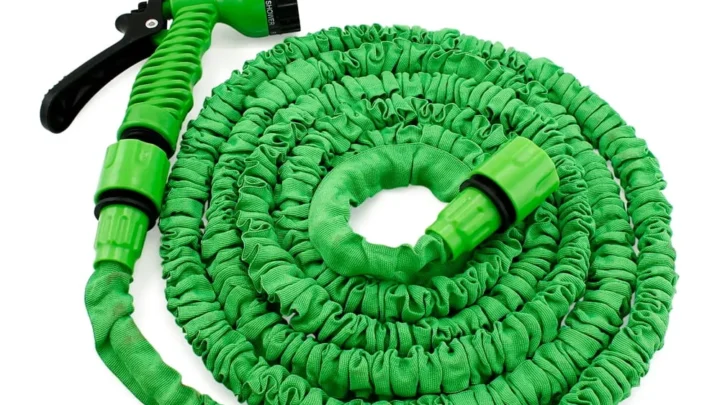
If you can’t attach anything to the fence, use large pots (18–24 inches diameter) with tall plants like bamboo, arborvitae, or ornamental grasses. Place them in a row 2–3 feet apart. For instant privacy, cluster three pots of the same species. Watering becomes easier when you use expandable garden hose options that reach every pot without dragging a heavy coil.
Espalier or Trellis Systems
Espalier involves training fruit trees (like apple or pear) flat against the fence. It takes 2–3 years to establish, but the result is a living sculpture. For a faster alternative, install a modular trellis system and grow climbing roses or passionfruit. The fence becomes a vertical garden that hides the ugly surface completely.
Fabric and Screen Solutions
When you need privacy fast—or your soil is poor—fabric and screen solutions are a reliable choice.
Privacy Screen Panels
Pre-made panels made from polyethylene or polyester are available in 4×6, 4×8, or custom sizes. They block 80–95% of visibility while allowing airflow. Look for UV-resistant materials that won’t fade for 5–7 years. Attach them with zip ties or stainless-steel hooks directly to the fence posts. Many panels come in earthy tones (green, brown, beige) that blend with foliage.
Outdoor Curtains
Heavy-duty outdoor curtains hung on a tension wire or rod create a soft, romantic look. Use grommet-top curtains rated for outdoor use (acrylic or solution-dyed polyester). They provide full privacy when closed, and you can tie them back during the day. For wind-prone areas, add curtain weights to the bottom hem.
Bamboo or Reed Fencing
Bamboo rolls are a classic, affordable option. One roll (6 ft × 6 ft) costs roughly $20–$40. They attach easily to wooden or steel fences with staples or wire. However, bamboo can degrade in direct sunlight and rain within 2–3 years. To extend its life, apply a clear UV-protective sealant annually. Reed fencing is lighter and cheaper but less durable—expect 1–2 seasons.
Wood and Lattice Overlays
If you want a permanent structural fix, consider adding a second layer over the existing fence.
Custom Lattice Panels
Pressure-treated pine or cedar lattice panels (2×4 ft or 4×8 ft) can be screwed directly onto the fence frame. Choose a diamond pattern for a classic look or a rectangular grid for modern appeal. Paint or stain the lattice before installation to match your garden. Vines like clematis or ivy will weave through the lattice, creating a double layer of coverage.
Pallet Wall Upgrade
Reclaimed wood pallets are nearly free. Dismantle them, sand the boards, and attach them horizontally or vertically over the ugly fence. Leave small gaps between boards for a semi-private look, or butt them tightly for full privacy. Seal with exterior wood stain to prevent rot. This DIY project takes a weekend and gives a rustic, farmhouse aesthetic.
Horizontal Slat Screens
Cedar or redwood slats (1×4 or 1×6) mounted horizontally with 1–2 inch gaps create a sleek, modern screen. The slats hide the fence while allowing light and breeze through. Use stainless steel screws and a level to keep lines straight. For a budget option, use pressure-treated pine and paint it black or dark charcoal.
Artistic and Upcycled Approaches
Turn your fence into a conversation piece.
Mosaic or Painted Murals
If the fence is in good shape but ugly (e.g., stained concrete or faded wood), a large-scale mural can transform it. Use exterior acrylic paints and a primer. Choose a design that complements your garden—abstract flowers, geometric patterns, or a forest scene. For renters, use removable wallpaper panels designed for outdoor use. Mosaic tiles attached with exterior adhesive create a textured, durable artwork.
Repurposed Shutters or Doors
Old wooden shutters, salvaged doors, or window frames can be nailed or screwed to the fence. Mix and match sizes for an eclectic look. Paint them in a unified color or leave them weathered for a shabby-chic vibe. This is a great way to add character and hide patchy sections.
Hanging Garden Walls
Mount a vertical planter system (like felt pockets or modular trays) onto the fence. Fill with succulents, ferns, or trailing petunias. The plants cover the fence while adding depth and color. Watering is straightforward if you have a basic garden hose with a gentle spray nozzle. For consistency, establish a watering schedule—check the soil moisture weekly.
Maintenance and Durability
No matter which cover-up you choose, maintenance is key to longevity.
- Plants: Prune climbers twice a year to prevent them from damaging the fence. Water consistently, especially during dry spells. Fertilize in spring and fall.
- Fabric/screens: Remove and store during winter in harsh climates. Hose off dust and pollen monthly.
- Wood/lattice: Re-stain or seal every 2–3 years. Check for rot or insect damage annually.
- Bamboo/reed: Replace every 2–5 years. Apply sealant to extend life.
Frequently Asked Questions
What is the cheapest way to cover an ugly fence?
The lowest-cost option is planting fast-growing annual vines (like morning glory) from seed combined with a simple wire trellis. Total cost can be under $30 for a 50-foot stretch. Another cheap choice is attaching outdoor fabric drop cloths with zip ties—they block visibility but are less durable.
How do I attach plants to a fence without damaging it?
Use a freestanding trellis or wire system that is independent of the fence. Alternatively, attach eye hooks into the fence posts (not the panels) and run galvanized wire between them. This keeps climbers off the fence surface and prevents rot. For wood fences, use spacer blocks to keep the trellis one inch away.
Will bamboo fencing last in rain?
Untreated bamboo will rot or mildew within 1–2 years in wet climates. To extend its life, apply a clear outdoor wood sealant every spring. Also, install it with a 2-inch gap at the bottom for air circulation, and keep soil away from the base. Expect 3–5 years with proper care.
Can I use outdoor curtains for full privacy?
Yes, if you choose opaque curtains rated for 100% blackout. Most outdoor curtains are semi-sheer, so look for “privacy” or “blockout” labels. For windy areas, add curtain weights or use a tension rod with a snug fit. Keep curtains closed when privacy is needed; tie them back during the day to let light in.
How do I keep climbing plants from damaging the fence?
Train plants onto a trellis or wire system set 6–12 inches away from the fence. This prevents moisture and tendrils from contacting the fence surface. Use zip ties to guide vines onto the trellis. Avoid ivy or climbing hydrangea directly on wood fences, as they can root into the wood and cause rot over time.
What is the best privacy cover for a chain-link fence?
For chain-link, the best solution is a combination of privacy screen panels (fabric slats that weave through the links) and climbing plants. The slats provide immediate privacy, and the plants soften the industrial look. You can also attach bamboo rolls with zip ties—they are lightweight and easy to install without tools.
Conclusion
An ugly fence doesn’t have to stay that way. Whether you choose living vines, fabric screens, wood overlays, or creative upcycling, the key is to match the solution to your climate, budget, and style. Start with a single section—maybe the most visible area—and expand as you gain confidence. The result will be a private, beautiful outdoor space that feels entirely your own.
Next step: Measure your fence today, then pick one idea from this list and gather the materials this weekend. For more tips on garden maintenance, explore our blog for ongoing advice on watering, plant care, and seasonal projects.

Similar Posts