Are All Garden Hose Connectors the Same? What to Know
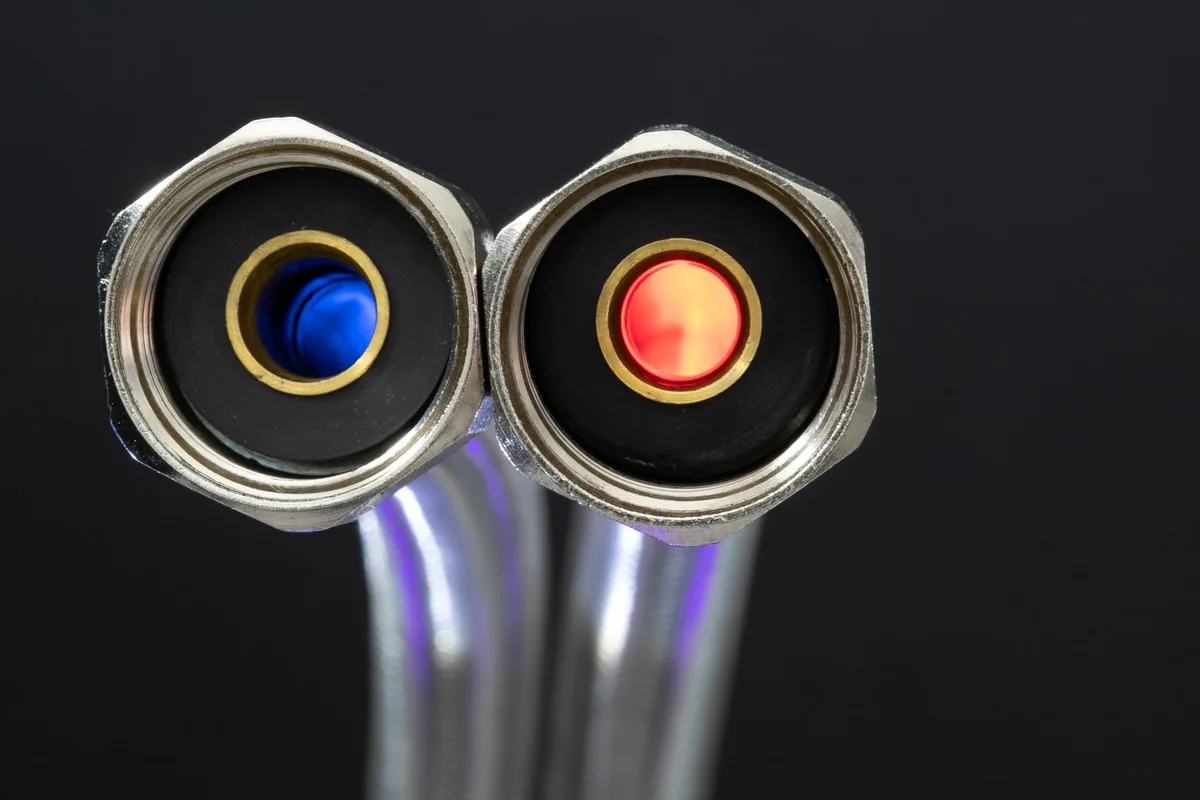
You've probably stood in the garden aisle holding two fittings that look identical, wondering: are all garden hose connectors the same? The short version is no, they're not, and that mismatch is exactly why so many hoses leak at the tap. Different regions use different thread standards.
Different brands use quick-connect clips that refuse to lock together.
The good news is that once you understand the few things that actually vary, buying the right connector gets easy. As of 2026, most fittings still fall into a handful of predictable systems. Per ASME B1.20.7, the US garden hose thread measures ¾ inch at 11.5 threads per inch, and that single spec explains a lot of headaches.
Let's break down what's really going on.
Quick Answer
No, garden hose connectors are not all the same. They differ by thread standard, size, and locking system. The US uses GHT threads, while the UK and Europe use BSP.
Quick-connect brands like Hozelock and Gardena don't interchange. Always match thread type, hose diameter, and brand before buying a connector.
The Short Answer: Why "Universal" Is a Bit of a Myth
The word "universal" gets stamped on a lot of packaging. It rarely means what shoppers think. A connector is only universal within one system, one region, or one brand's ecosystem.
Here's why compatibility breaks down:
- Thread standard. GHT, BSP, and NPT are not cross-compatible, even at the same nominal size.
- Diameter. A ½ inch tap thread won't seal against a ¾ inch connector.
- Locking style. A screw-on fitting and a push-fit clip can't join each other.
- Brand design. Quick-connect couplers are often proprietary by shape.
So two connectors can share the same ¾ inch label and still leak. The thread pitch, the material, and the clip geometry all matter. If you've ever bought three adapters and returned two, this is why.
Think of connectors as belonging to families, not one big pool.
GHT vs. BSP vs. NPT: The Thread Standards That Decide Everything
Thread standard is the single biggest reason connectors don't match. Get this right and most problems disappear. GHT is Garden Hose Thread, the North American standard.
BSP is British Standard Pipe, common across the UK, Europe, and Australia. NPT is National Pipe Taper, used on many plumbing and outdoor tap outlets.
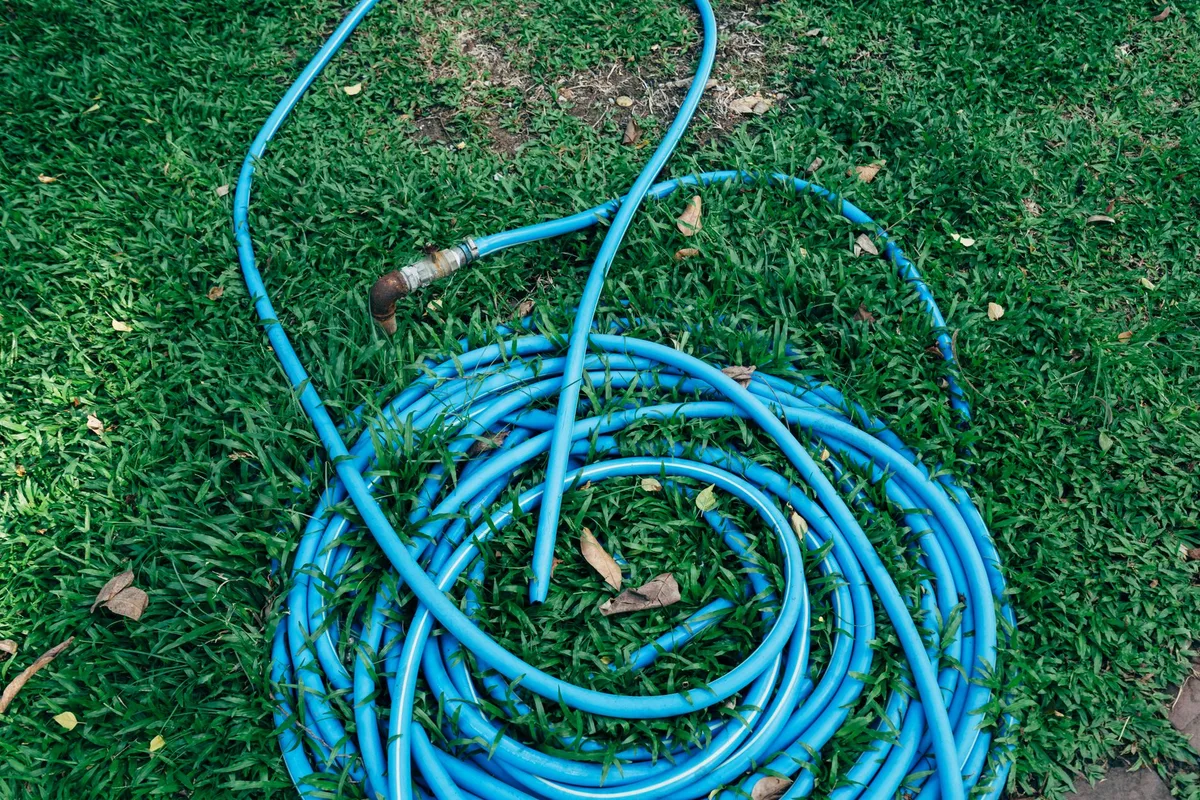
The catch is that these threads can look nearly identical to the eye. The difference lives in the pitch and the taper. Here's how they compare.
| Standard | Region | Nominal size | Thread type |
|---|---|---|---|
| GHT (¾"–11.5NH) | US, Canada | ¾ inch, 11.5 TPI | Straight |
| BSP (½", ¾") | UK, EU, AUS | ½" or ¾" | Parallel or tapered |
| NPT | US plumbing | Varies | Tapered |
A GHT connector will not thread cleanly onto a BSP tap. It might start, then cross-thread and drip. The standards are published by recognised bodies, and you can read the background through the American Society of Mechanical Engineers at ASME.
BSP threads follow ISO 228. If you buy hardware from another country, check the standard before you check the price. That one habit saves the most returns.
Threaded, Push-Fit, and Quick-Connect Systems Explained
Beyond thread standard, connectors split into three joining styles. Each attaches differently, and they rarely mix.
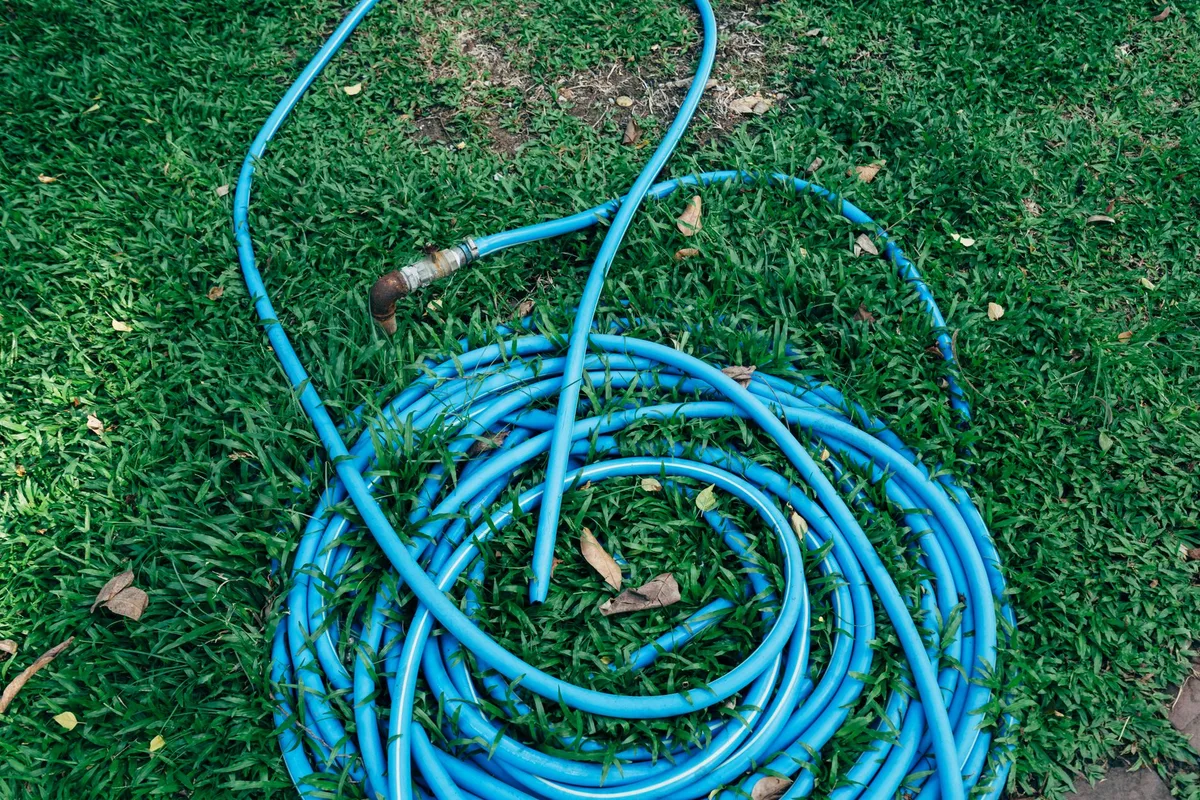
- Threaded (screw-on). You spin the collar onto a matching thread. Best for permanent tap connections and pressure washers.
- Push-fit (barb and clamp). The hose slides over a barbed stem and clamps down. Common on repair menders.
- Quick-connect (click-fit). A spring-loaded clip snaps onto a fixed hose plug. Best for swapping nozzles fast.
Quick-connect is where most confusion starts. The clips look generic. They aren't.
Why Hozelock, Gardena, and Rain Bird Click-Fits Don't Mix
Each brand designs its own clip profile. A Hozelock connector and a Gardena connector may look interchangeable and still refuse to lock. The internal collar diameter and the release-button mechanics differ by design, not by accident.
If you run a click-fit system, pick one brand and stick with it. Buy your plugs, splitters, and stop-connectors from the same family. Mixing brands is the fastest route to a fitting that pops off under pressure.
When you plan watering for a bed of flower bed borders, keeping one connector system across the whole run keeps things leak-free.
Brass vs. Plastic: What the Connector Is Made Of Matters
Material decides how long a connector lasts and how well it seals. Brass and plastic each have a clear place. Neither is best for every job.
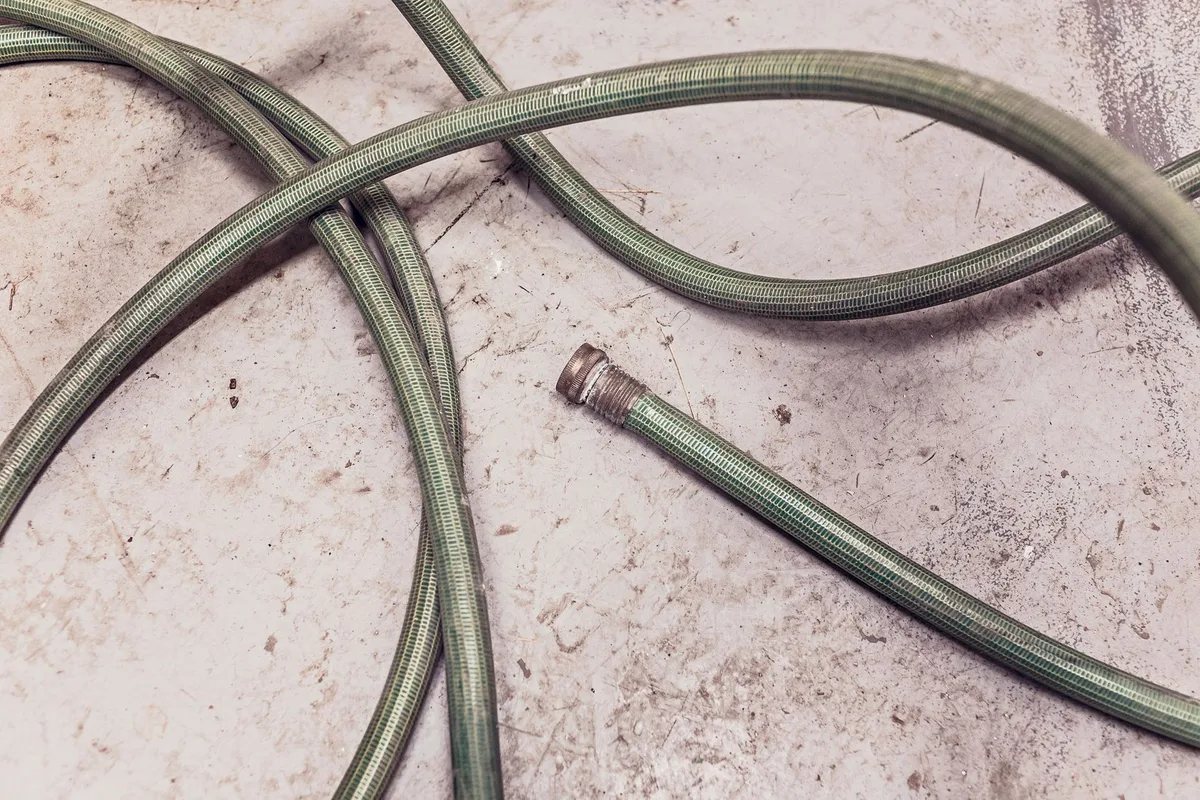
Here's the honest trade-off:
- Brass
, Pros: durable, reusable, resists stripping, seals firmly at high-wear points.
, Cons: heavier, costs more, can seize if overtightened onto plastic.
- Plastic (ABS)
, Pros: cheap, light, rust-free, fine for low-stress joins.
, Cons: threads strip easily, collars crack, shorter lifespan outdoors.
Aggregate user reviews consistently report plastic tap connectors failing first, usually at the collar. The fix is simple. Put brass where the stress lives: the tap connector and any fitting you attach and remove often.
Save plastic for downstream joins that stay put. For low-lead brass rated safe with drinking water, look for NSF/ANSI 372 in the US or a WRAS approval in the UK.
Material also affects how you tighten. Never crank a plastic collar with pliers. Hand-tight plus a quarter turn is plenty.
If it still drips, the problem is usually a missing or perished washer, not loose threads.
Matching the Connector to Your Tap and Hose Size
Getting the size right is where a leak-free join is won or lost. Two numbers matter: your tap thread and your hose bore. Nail both and the connector seals on the first try.
Start with a quick if/then check:
- If your tap has visible threads, measure the diameter and pitch.
- If your tap is round with no thread (a bib tap), you'll need a separate round tap connector.
- If you're in the US, expect ¾ inch GHT. In the UK, expect ½ or ¾ inch BSP.
A cheap thread gauge or a caliper removes the guesswork. Measuring twice beats returning three fittings, and it's the same care you'd take laying out any tidy garden boundary project.
Male vs. Female Ends (and How to Tell Them Apart)
Male threads sit on the outside of a fitting. Female threads sit on the inside. A connection needs one of each.
Two males won't join, and neither will two females.
Most tap outlets are male. So your tap connector is usually female to grip over it. Look at where the threads are before you buy.
If they're on the outer wall, it's male. If they're hidden inside the collar, it's female.
Hose Bore Sizes: ½", ⅝", and ¾"
Hose bore is the inside diameter, and connectors are sized to match it. Fit a ½ inch connector to a ¾ inch hose and it'll blow off under pressure. Here's the common range.
| Hose bore | Metric | Typical use |
|---|---|---|
| ½ inch | 12.5 mm | Light garden watering |
| ⅝ inch | 15 mm | General household hoses |
| ¾ inch | 19 mm | High-flow, long runs |
Check the printing along the hose jacket. Most makers stamp the bore right on it. Match the connector to that number, seat a fresh rubber washer, and clamp it down firmly.
That single step stops most blow-offs before they happen.
Side-by-Side: Connector Types Compared
To pull the pieces together, here's how the main connector types stack up. Use it as a fast reference at the shelf.
| Connector type | Best for | Watch out for |
|---|---|---|
| Threaded brass tap connector | Permanent tap joins, pressure washers | Cross-threading onto BSP or NPT |
| Plastic quick-connect | Fast nozzle swaps | Brand lock-in, cracked collars |
| Push-fit mender | Repairing a split hose | Wrong bore size slipping off |
| Y-splitter / 2-way tap | Running two hoses at once | Cheap plastic valves leaking |
| Universal adapter | Bridging GHT and BSP gear | Adds one more leak point |
The pattern is simple. Brass and threaded win on durability. Quick-connect wins on convenience.
Adapters win on flexibility but stack up extra washers, so keep them to a minimum.
The Leaks and Mismatches That Trip People Up
Most connector failures come from a short list of repeat offenders. Knowing them saves you a frustrating afternoon at the tap.
- Thread mismatch. A GHT fitting forced onto a BSP tap cross-threads and weeps.
- Missing washer. No rubber seal means a constant drip, even with perfect threads.
- Perished washer. Old rubber goes hard and cracks. Swap it before blaming the fitting.
- Wrong bore. A loose barb pops off under mains pressure.
- Overtightening. Cranking a plastic collar splits it and ruins the seal.
Here's a quick troubleshooting flow. If it drips at the tap, check the washer first. If it drips mid-hose, check the mender clamp.
If the fitting won't screw past two turns, you've got a thread standard clash, not a tightness problem.
How to Identify the Right Connector Before You Buy
The safest move is to identify what you already have before spending a penny. Five minutes of checking beats a bag of returns.
Work through it in order:
- Find your region's standard. US means GHT. UK and Europe mean BSP.
- Measure the tap thread. Use a caliper for diameter and a gauge for pitch.
- Confirm male or female. Threads outside are male, inside are female.
- Read the hose bore. It's usually printed on the jacket.
- Note the system. Threaded, push-fit, or a specific quick-connect brand.
Write those five answers on your phone. Take them to the shop or type them into the search bar. Matching the connector to that short list is how you buy once and fit once.
Where Universal Adapters Actually Save You
Universal adapters earn their keep when you're bridging two systems you can't change. Think an imported nozzle with a BSP thread meeting a US GHT hose. A single adapter solves it cleanly.
They're also handy for connecting a hose to an indoor mixer tap. A round tap adapter clamps over the spout where no thread exists. That's a genuine fix, not a workaround.
But every adapter adds a joint, and every joint can leak. So use them to solve a real mismatch, not as a default. If you're building a permanent watering line near your country-style garden fencing, buy matched fittings instead.
Fewer joints means fewer failure points over a long season.
Drinking-Water Safety and Thread Standards Worth Knowing
If your hose water might be swallowed, by kids, pets, or the vegetable patch, material safety matters. Standard brass can contain small amounts of lead. Look for low-lead or lead-free ratings before you buy.
Two certifications tell you a fitting is safe for potable water:
- NSF/ANSI 372 covers lead content limits in the US.
- WRAS approval covers water fittings in the UK.
Backflow prevention is the other safety piece. An anti-siphon or backflow device at the outdoor tap stops dirty hose water from being drawn back into the household supply. Many local plumbing codes require it.
Check your area's rules before connecting a hose to a drinking-water tap, and keep pressure within the connector's rated limit to avoid a burst coupling.
US vs. UK Fittings: Why Region Changes the Answer
Where you live decides which fittings sit on the shelf. That's why the same question gets two different answers across the Atlantic. Buy for the wrong region and nothing seats properly.
In the US and Canada, GHT rules. Nearly every hose, nozzle, and tap uses that ¾ inch, 11.5 TPI thread. Fittings screw straight together with no adapter.
In the UK, Europe, and Australia, BSP threads dominate. Quick-connect culture is also stronger there, so Hozelock and Gardena click systems are the norm. If you import gear across regions, plan on a GHT-to-BSP adapter or you'll be stuck.
Verified buyer feedback often flags this exact mismatch on cross-border orders.
Pro Tips for a Leak-Free Connection
A few small habits fix almost every drip. None cost more than a moment.
- Keep spare rubber washers in a jar. A cheap seal fixes most tap leaks.
- Wrap PTFE tape on tapered NPT threads, never on straight GHT.
- Hand-tighten plastic, then add just a quarter turn.
- Match one quick-connect brand across your whole setup.
- Store connectors indoors over winter so plastic doesn't crack.
One more trick for stubborn leaks. Smear a little silicone plumber's grease on the O-ring. It helps the seal seat and stops the rubber drying out.
These same simple checks keep a watering line reliable, whether you're feeding pots or a bed tucked behind privacy screening for a plain fence.
Frequently Asked Questions
Are garden hose connectors universal?
No, they're not truly universal. Compatibility depends on thread standard, size, and locking system. A GHT fitting won't seal on a BSP tap.
Quick-connect brands rarely mix. "Universal" usually means universal within one region or one brand family, not across all of them.
Do all hoses use the same size fitting?
Not always. Hose bore comes in ½ inch, ⅝ inch, and ¾ inch. Connectors are sized to match each bore.
Fitting the wrong size means the connector slips off under pressure. Check the size printed on the hose jacket before buying any coupler.
Can I connect a US hose to a UK tap?
Only with an adapter. US hoses use GHT threads, and UK taps use BSP. The two won't thread together cleanly on their own.
A GHT-to-BSP adapter bridges them. Seat a fresh washer on the joint to keep it from weeping.
Why does my hose leak at the connector?
Usually a washer problem. A missing, hardened, or cracked rubber washer is the most common cause. Replace it first.
If it still drips, check for a thread mismatch or a bore size that's too large for the fitting.
Is brass better than plastic for connectors?
For high-wear points, yes. Brass resists stripping and lasts far longer at the tap. Plastic is cheaper and lighter, but its threads and collars fail sooner outdoors.
Many gardeners use brass at the tap and plastic downstream. For drinking water, choose low-lead brass.
The Verdict: Which Connector You Really Need
Garden hose connectors aren't one-size-fits-all, but the right pick is easy once you know your three numbers: region standard, tap thread size, and hose bore. Get those right and almost any leak disappears.
For a simple rule, buy brass at the tap and match one quick-connect brand everywhere else. Stick to your region's standard, GHT in the US or BSP in the UK. Keep spare washers on hand and only reach for an adapter when you're truly bridging two systems.
That approach covers nearly every setup, from a balcony pot to a full irrigation run along wire grid boundary panels. For more seasonal garden guides, our latest how-to articles walk through the rest. Match the parts, seat the seal, and your hose will hold tight all season.

Similar Posts