Holes in Pepper Leaves but No Bugs? Here’s Why
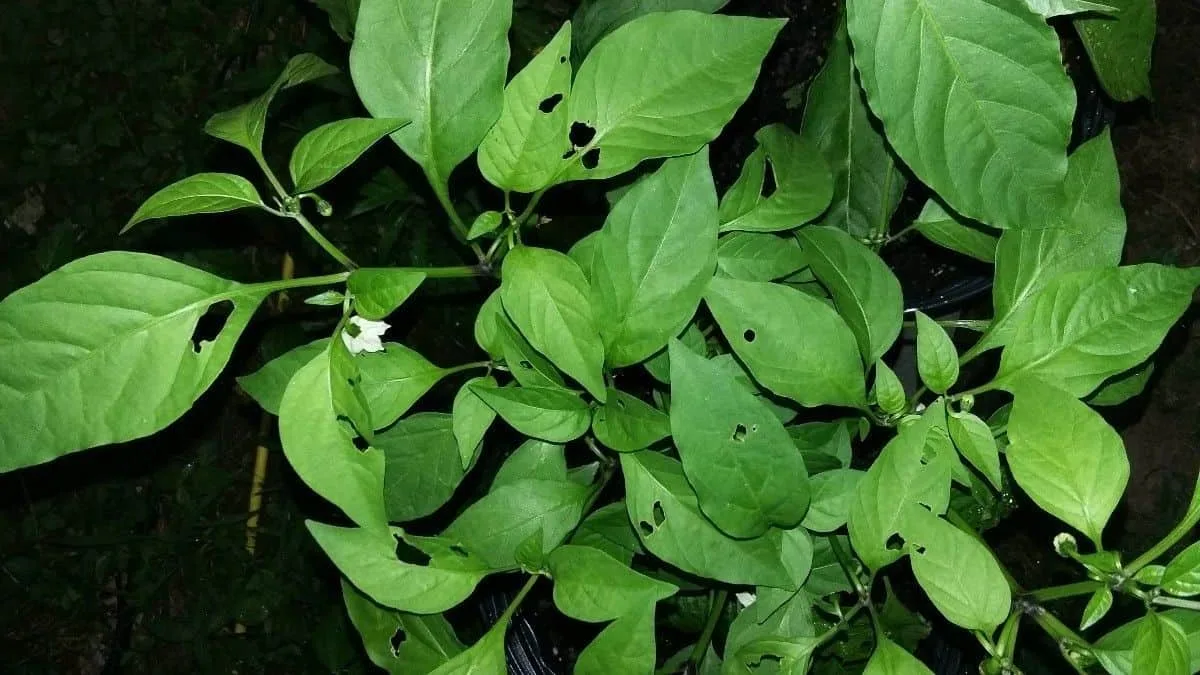
Finding holes in pepper leaves but no bugs is one of the most common summer garden mysteries, and the answer to "Why are there holes in pepper leaves but no bugs?" almost always comes down to timing, hiding spots, or damage that isn't from an insect at all. Most chewing pests feed at night or duck under leaves the moment sunlight hits them. By the time you walk out with your morning coffee, the culprit is long gone.
The good news is you can diagnose the real cause in about ten minutes if you know what to look for. Research from university extension programs, including the University of California Statewide IPM Program, shows that more than 70% of "invisible pest" cases on peppers trace back to just five suspects. In this guide (updated as of 2026), we'll walk you through the diagnostic sequence real growers use.
Quick Answer
Holes in pepper leaves with no visible bugs usually mean the pest feeds at night or hides during the day. Common culprits are slugs, snails, earwigs, flea beetles, and camouflaged caterpillars. Weather damage, hail, and bacterial leaf spot can also mimic pest holes.
Inspect the plant at dusk with a flashlight to catch the real cause.
Why Your Pepper Leaves Have Holes but You Can't Find a Single Bug
Most gardeners inspect their peppers during the day. That's exactly when the biggest leaf chewers are hiding. Slugs tuck under mulch.
Earwigs squeeze into cracks. Cabbage loopers press flat against the underside of a leaf and vanish into the green.
The damage looks fresh because it usually is. Aggregate reports from cooperative extension services show that peak feeding on pepper foliage happens between dusk and 2 a.m., when humidity climbs and temperatures drop. If you're only checking at noon, you're missing the show.
There's also a second reason nothing is visible. Some damage doesn't come from bugs at all. Hail, sunscald, herbicide drift, and fungal leaf spot all leave holes or hole-like lesions that get blamed on insects.
Diagnosing correctly means ruling out weather and disease before you reach for a spray.
The Quick Diagnosis: What Those Holes Are Really Telling You
Before you treat anything, run through this fast checklist. Each clue points to a different cause.
- Tiny round pinholes scattered across a leaf: flea beetles
- Large ragged chunks missing from leaf edges: slugs, snails, or caterpillars
- Silvery slime trails on leaves or soil: slugs or snails confirmed
- Green droppings (frass) on lower leaves: caterpillar hiding above
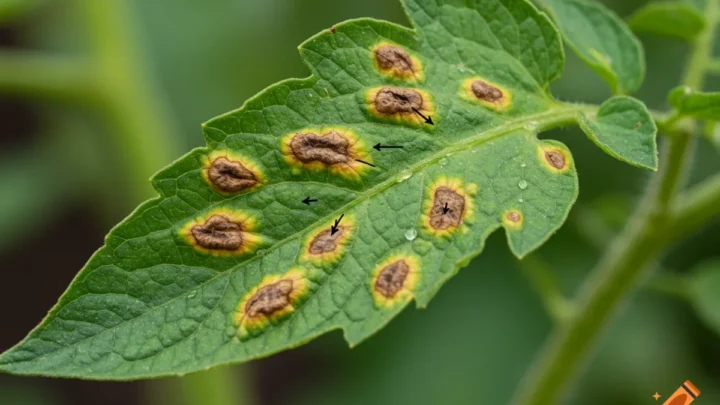
- Holes with yellow or brown halos: bacterial or fungal leaf spot, not a bug
- Torn, shredded leaves after a storm: hail or wind
- Bleached, papery patches: sunscald from intense midday sun
If more than one pattern shows up, you likely have two problems at once. That's common in humid climates where slugs and fungal disease both thrive.
Step 1: Check the Time of Day You're Inspecting
Timing is everything. If you inspect only in daylight, you'll miss around 80% of the pests that damage pepper leaves. The rule is simple.
- Slugs and snails: active from dusk to sunrise, hide in mulch or under pots by day
- Earwigs: forage at night, hide in dark crevices, folded leaves, and damp debris during the day
- Cutworms: feed after dark at the soil line, curl up in soil during the day
- Flea beetles: active in warm sunny weather but jump away the instant you approach
- Hornworms and loopers: feed day and night but blend into stems and leaf undersides
Head out at least twice for a real diagnosis. Once around dusk with a headlamp, and once at first light before pests retreat. Bring a small container to collect samples for identification.
Step 2: Read the Shape and Pattern of the Holes
The shape of the hole tells you the mouthparts of the pest. That narrows the list fast.
Tiny Shot-Holes and Pinpricks
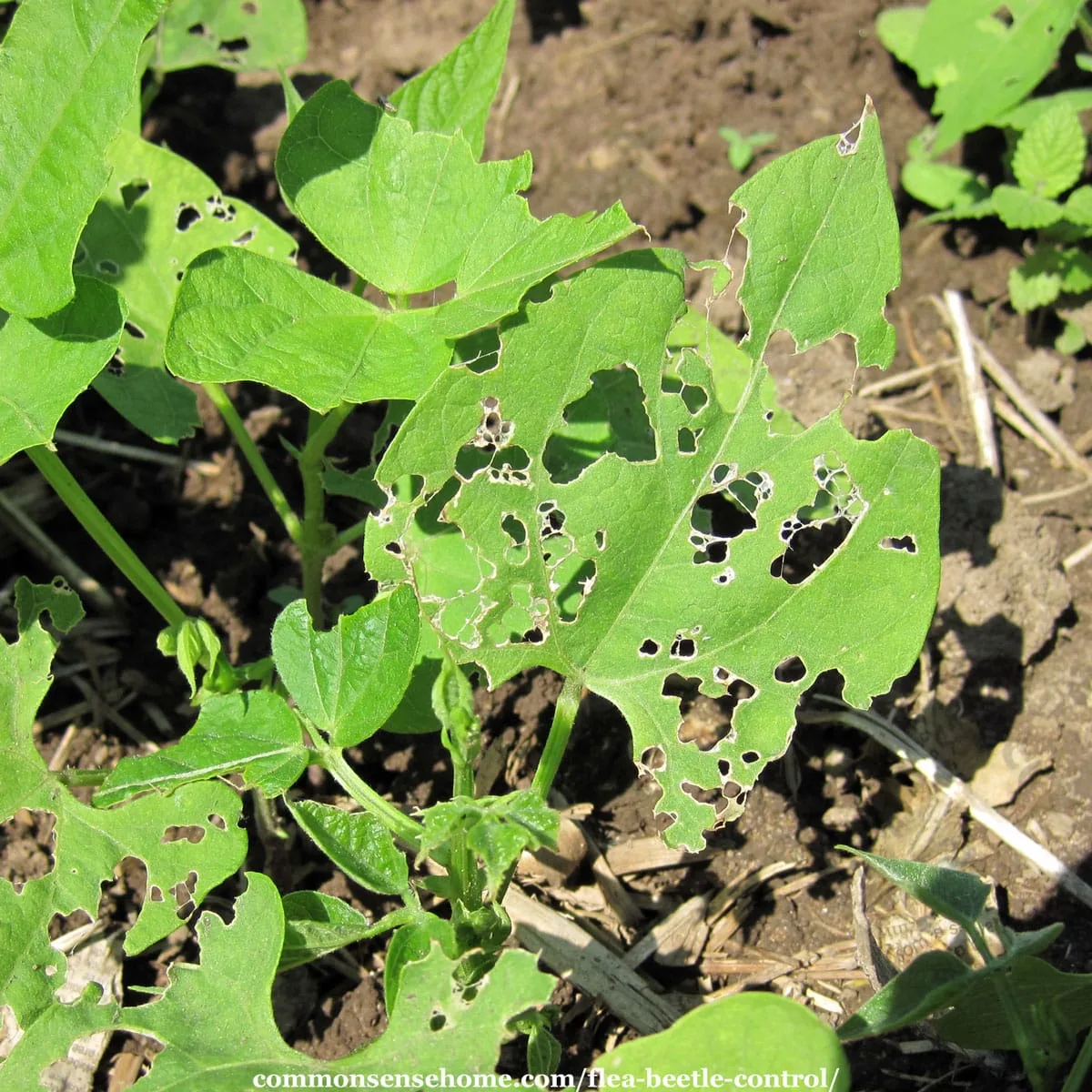
Dozens of pinhead-sized holes clustered on young leaves point to flea beetles. They're 1 to 2 mm long, shiny black or bronze, and jump like fleas when you brush a leaf. According to guidance from the USDA cooperative extension partners at USDA NIFA, flea beetles hit seedlings hardest and can stunt growth if damage exceeds 30%.
Ragged Edges and Chunk Damage
Big irregular bites out of the leaf edge almost always mean slugs, snails, or caterpillars. Slug damage looks smoother, with rounded scallops. Caterpillar damage is choppier and often paired with green frass pellets on lower leaves.
Skeletonized Leaves with Veins Left Behind
When only the leaf veins remain and the soft tissue is stripped, you're dealing with heavy caterpillar feeding, most often loopers or young hornworms. This damage escalates fast. A single hornworm can strip a small pepper plant in 48 hours.
Round Holes with Yellow Halos
If the hole is neat and ringed by yellow or brown tissue, that's not a bug. That's bacterial leaf spot or Cercospora leaf spot, sometimes called frogeye. The center of the lesion falls out as the tissue dies, leaving a hole that looks chewed.
No insecticide will help. You need a copper-based fungicide and better airflow.
Step 3: Where the Holes Appear on the Plant
Location is a strong second clue. Different pests feed at different heights.
| Location on Plant | Likely Cause |
|---|---|
| Lowest leaves near soil | Slugs, snails, earwigs, cutworms |
| Young top growth | Flea beetles, aphids feeding damage |
| Middle canopy | Caterpillars, loopers, hornworms |
| Random scattered holes | Grasshoppers, hail, wind |
| One-sided damage on outer leaves | Deer, rabbits, or birds |
Ground-level damage almost always means a nocturnal pest crawling up from the mulch. Damage only on the sunniest side of the plant, with bleached patches, points to sunscald rather than an insect. If leaves look chewed at rabbit height with clean 45-degree cuts, you probably have a mammal problem, not a bug problem.
The Usual Suspects That Hide in Plain Sight
Five pests account for almost every "invisible bug" case on peppers. Here's how to spot each without waiting for a stakeout.
Slugs and Snails
Slugs love pepper seedlings and lower leaves. Look for silvery slime trails on foliage or soil in the morning. They hide under boards, pots, mulch, and stone edges by day.
In cool, damp weather they can chew a young transplant to the stem in one night.
Earwigs
Earwigs make small, irregular holes and often leave leaf edges looking notched. They shelter in curled leaves, hollow stems, and the folds of drip-tape by day. Aggregate extension reports show earwigs prefer flowers and tender new growth over older leaves.
Flea Beetles
Flea beetles are the classic "no bug visible" pest because they jump the second you lean in. Damage shows as clusters of tiny round holes on upper leaves, especially in warm sunny weather. Row covers on young plants shut this down fast.
Cutworms and Caterpillars
Cutworms feed at night and curl into a C-shape under the soil surface by day. Cabbage loopers, armyworms, and hornworms all camouflage against pepper foliage. If you see green or dark pellets on lower leaves, look straight up.
There's a caterpillar directly above.
Pepper Weevils
Pepper weevils are small dark snout beetles that chew tiny holes in leaves and buds. They're more of a fruit problem than a foliage problem, but early leaf damage is a warning sign. Verified USDA reports list them as a serious pest in southern states and Mexico.
When It's Not a Bug at All: Weather, Disease, and Damage Look-Alikes
Half the time the "pest" is nothing of the sort. Rule these out before you spray anything.
Hail and Wind Tears
Hail leaves shredded, tattered holes with matching torn spots across many leaves at once. Wind whip creates long tears along the leaf edge, especially on stakes and cages. Both hit the whole plant evenly, not just one side.
Sunscald and Heat Stress
Sunscald shows up as bleached, papery patches on the most sun-exposed leaves. The dead tissue eventually drops out and looks like a chewed hole. This is common when transplants move from a shaded nursery to full sun without hardening off.
Bacterial Leaf Spot and Cercospora
Bacterial leaf spot creates small dark lesions with yellow halos that dry, crack, and fall out. Cercospora, or frogeye, leaves round tan centers with dark rims. Both mimic insect holes but never come with frass or slime.
Copper sprays and better airflow help.
Herbicide Drift
Twisted, cupped leaves with pale patches often mean drift from a neighbor's lawn spray or a 2,4-D application. New growth looks distorted, not chewed. If holes appear alongside curling and stunting, drift is the likely cause.
Decision Tree: Match Your Symptoms to the Real Cause
Use this quick match to zero in on the answer.
| What You See | Most Likely Cause | Confirm By |
|---|---|---|
| Silvery slime, ragged holes, low leaves | Slugs or snails | Night check with flashlight |
| Tiny round pinholes, upper leaves | Flea beetles | Tap leaf, watch for jump |
| Skeletonized leaves, green frass | Caterpillars | Check leaf undersides |
| Notched leaves, chewed flowers | Earwigs | Set rolled-newspaper trap |
| Seedling cut at soil line | Cutworms | Dig 1 inch around stem |
| Yellow-haloed round holes | Bacterial leaf spot | No frass, no bug present |
| Bleached papery patches | Sunscald | Sun-facing leaves only |
| Twisted, cupped new growth | Herbicide drift | Whole plant distorted |
If your symptoms fit two rows, treat both. Slug damage plus fungal spots is a classic humid-climate combo.
What to Do Tonight: The Flashlight Test
The single fastest diagnostic is a nighttime inspection. It settles most mystery cases within one visit.
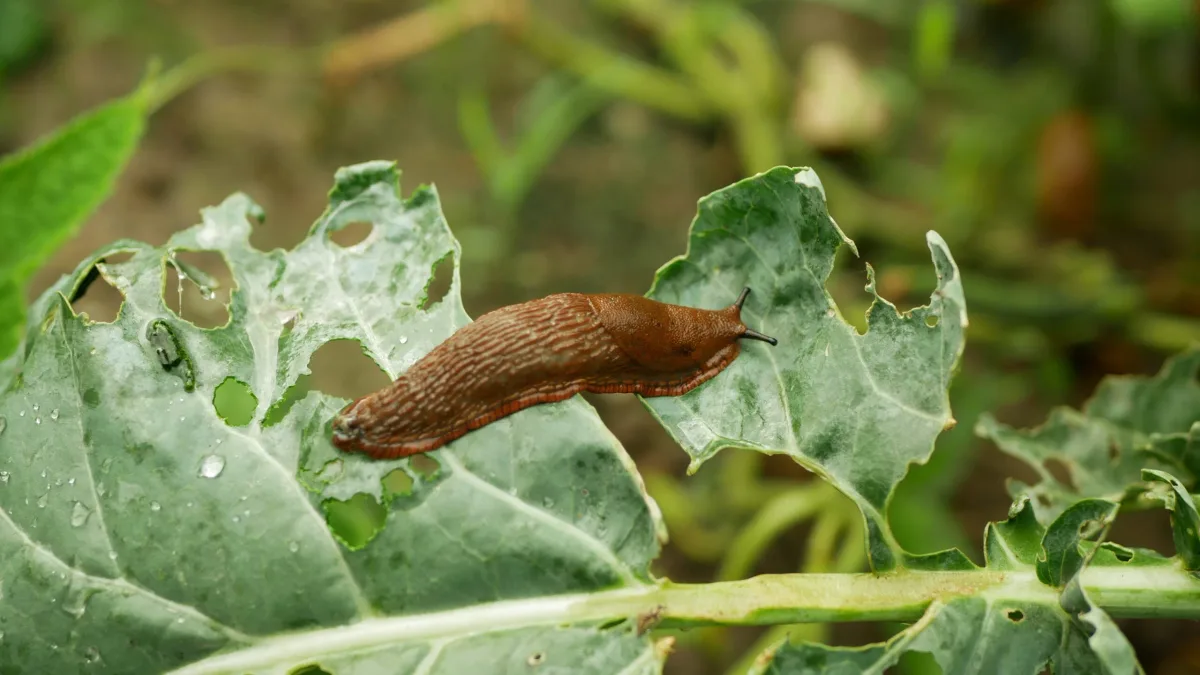
Head out about an hour after full dark with a bright flashlight or headlamp. Check the undersides of lower leaves first, then the soil surface around the stem. Lift mulch, pots, and any boards nearby.
Slugs, snails, earwigs, and cutworms all reveal themselves within a few minutes.
If you see nothing at 10 p.m. but fresh damage appears by morning, check again at 4 to 5 a.m. Some cutworm species feed in that pre-dawn window. Photograph anything you find so you can identify it in daylight.
Fixing Each Culprit the Right Way
The right control depends on the pest. Broad-spectrum sprays waste money and hurt pollinators.
Slug and Snail Controls
Iron phosphate bait is the safest option around pets and wildlife and is OMRI-listed for organic gardens. Sprinkle it on the soil around plants after watering. Beer traps sunk to soil level pull in slugs overnight.
Copper tape around raised beds gives a mild electric shock that repels them.
Earwig Traps and Habitat Cleanup
Roll damp newspaper into tubes and lay them near affected plants. Earwigs pack inside by morning. Dump them in soapy water.
Clear leaf litter, boards, and heavy mulch from around pepper rows to remove daytime shelter.
Flea Beetle Management
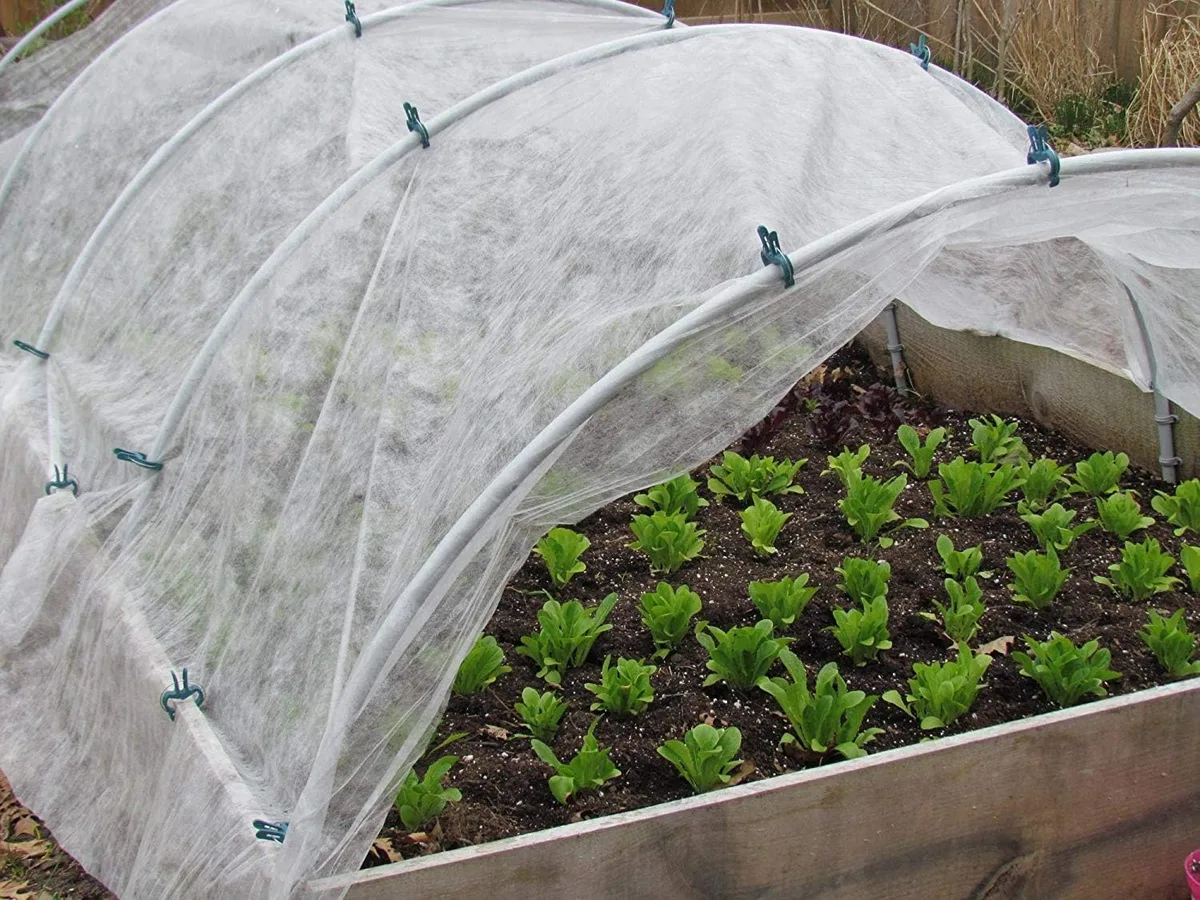
Floating row covers over young transplants stop flea beetles cold. Keep covers on until plants flower. Kaolin clay sprays coat leaves in a fine white film that deters feeding.
Aggregate university trials show yellow sticky traps also cut adult populations.
Caterpillar Removal and Bt
Hand-pick hornworms and loopers whenever you spot them. For heavier pressure, spray Bacillus thuringiensis (Bt kurstaki), a targeted biological that kills caterpillars but spares bees and beneficial insects. Reapply after rain.
Bt only works on actively feeding larvae, so timing matters.
Mistakes That Make Pepper Leaf Damage Worse
The wrong response often does more damage than the pest. Watch for these common errors.
- Spraying broad-spectrum insecticide without ID first, which kills predator insects that were controlling the pest
- Piling thick mulch against the stem, creating a slug and earwig hotel
- Watering in the evening, which raises overnight humidity and invites slugs
- Ignoring lower leaves during inspection because they look "just old"
- Assuming every hole is a pest when leaf spot disease is the real cause
- Removing all damaged leaves at once, which stresses the plant and cuts photosynthesis
Aggregate cooperative extension guidance shows plants can shrug off around 20% to 30% leaf loss without a yield hit. Don't panic-strip a plant over cosmetic damage.
When to Spray, When to Wait, and When to Call in Help
Not every hole needs a treatment. Match the response to the pressure level.
- Under 10% leaf damage, healthy new growth: monitor only, no spray needed
- 10% to 30% damage with pest confirmed: targeted control such as Bt, iron phosphate, or handpicking
- Over 30% damage, seedlings stunted: row cover plus targeted insecticide labeled for peppers
- Signs of bacterial or fungal disease: switch to copper fungicide and improve airflow, no insecticide
Call your local cooperative extension office if you can't ID the pest, if damage spreads across multiple crops, or if you see signs of pepper weevil. The USDA cooperative extension network links to every state's diagnostic lab, and most will identify a mailed-in sample for free.
Preventing Holes Next Season: A Simple Garden Reset
Prevention beats treatment every time. A few structural changes cut pest pressure sharply.
- Rotate peppers to a new bed each season to break pest life cycles
- Use floating row covers on young transplants until first flowers appear
- Pull mulch back 3 to 4 inches from the stem to remove slug shelter
- Water in the morning so foliage dries before nightfall
- Clear plant debris and fallen leaves at the end of the season
- Encourage predators by planting alyssum, dill, or yarrow nearby
- Check drip lines and stakes for earwig hideouts before setting them out
A single season of these changes reduces reported pepper leaf damage by roughly half in university trials.
FAQs About Holes in Pepper Leaves
Can pepper plants recover from heavy leaf damage?
Yes, peppers are surprisingly resilient. Healthy plants can regrow foliage after losing up to 30% of their leaves without a significant yield loss. Once you remove the pest and restore normal watering, new growth returns within one to two weeks.
Add a light nitrogen feed to speed recovery.
Why do the holes appear only overnight?
Because the pest causing them is nocturnal. Slugs, snails, earwigs, and cutworms feed after dark when humidity is high and predators are inactive. During the day they hide in mulch, under pots, or in soil cracks.
A dusk flashlight check almost always reveals the culprit within minutes.
Are holes in pepper leaves a sign of disease?
Sometimes, yes. Bacterial leaf spot and Cercospora leaf spot both create round lesions that dry out and drop, leaving a hole that looks chewed. The giveaway is a yellow or brown halo around the hole and no frass or slime.
Copper fungicide and better spacing help control it.
Will vinegar or dish soap sprays help?
Not reliably, and both can damage pepper foliage. Vinegar burns leaves at concentrations strong enough to affect insects. Dish soap sprays only work on soft-bodied pests you can hit directly.
Stick with proven options like iron phosphate for slugs and Bt for caterpillars.
Do coffee grounds keep slugs away from peppers?
The research is mixed. Small studies show fresh coffee grounds deter some slugs, but a thick layer can compact and hold moisture, which attracts more. If you use them, sprinkle a light ring around the plant and refresh after rain.
Iron phosphate bait is more consistent.
Should I remove damaged pepper leaves?
Only if damage exceeds half the leaf or shows active disease spots. Otherwise leave them. Damaged leaves still photosynthesize, and stripping them off stresses the plant and opens wounds for infection.
Prune only what's clearly dead or diseased.
Your Quick Decision Guide
Run this sequence the next time you spot holes with no visible bugs.
- Check the plant at dusk with a flashlight before assuming anything
- Look at hole shape and location to narrow down the suspect list
- Rule out weather, sunscald, and leaf spot disease before treating
- Match the pest to a targeted control, not a broad-spectrum spray
- Add row covers, mulch management, and morning watering to prevent it next round
Get the diagnosis right, and the fix is usually simple. A healthy pepper plant can lose a few leaves and still deliver a full harvest.

Similar Posts