Beyond Neem Oil: 7 Safe Sprays for Cucumber Leaves
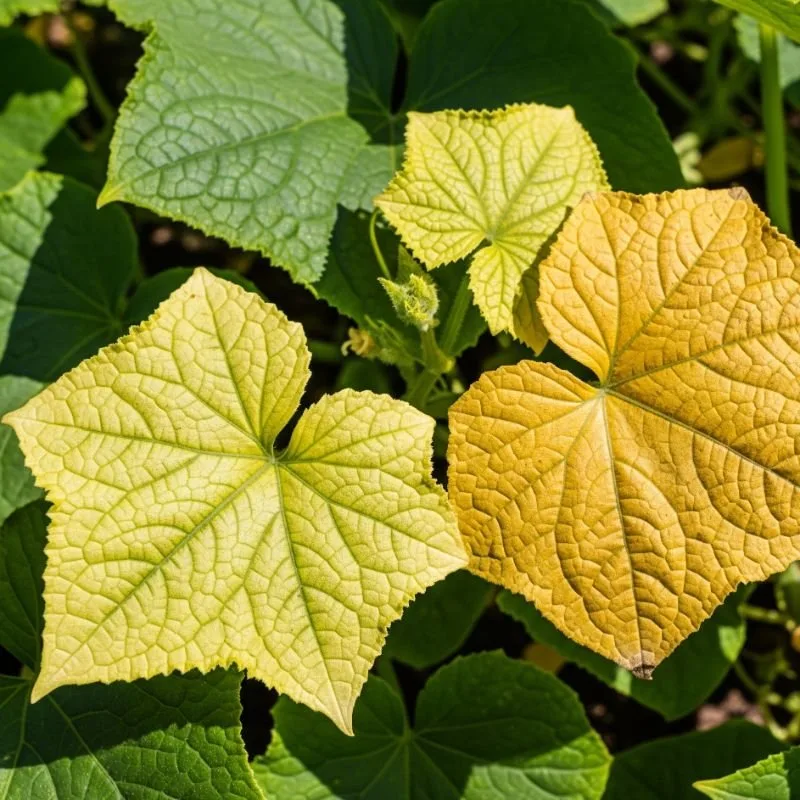
Cucumber leaves take a beating every summer. Between aphids, cucumber beetles, powdery mildew, and downy mildew, one bottle rarely covers it all. If you've been asking what should I spray on cucumber leaves besides neem oil, the honest answer is that no single spray handles every problem on cucurbits.
You need to match the spray to the pest or disease you're actually looking at.
The good news? There's a short list of proven, low-risk sprays that cover most trouble on cucumbers. Insecticidal soap, spinosad, Bacillus thuringiensis, kaolin clay, and potassium bicarbonate are all EPA-registered, and most are OMRI-listed for organic use as of 2026.
This guide walks you through what to reach for and when, starting with why so many growers move past neem in the first place.
Quick Answer
Besides neem oil, spray insecticidal soap for aphids, mites, and whiteflies. Use spinosad or pyrethrin for cucumber beetles. Apply Bacillus thuringiensis (Bt) for caterpillars.
Use potassium bicarbonate for powdery mildew. Use a copper fungicide for downy mildew and bacterial spots. Always spray in the cool part of the day.
Why Gardeners Look Past Neem Oil for Cucumbers
Neem oil works, but it has real limits on cucurbits. Cucumbers are notoriously sensitive to oil sprays in heat. Applied above roughly 85°F (29°C) or in direct sun, neem can burn leaves quickly.
It's also weak on the pest most likely to wreck your plants: the cucumber beetle. Aggregate extension research shows neem slows beetles rather than knocking them down.
Neem is broad-spectrum too. It can hit ladybugs and lacewings if they contact wet spray. And it does very little for the diseases cucumber growers dread most, like powdery mildew, downy mildew, and angular leaf spot.
That's why a smart plan uses a few targeted sprays instead of one catch-all bottle.
First, Figure Out What You're Actually Fighting
The right spray depends on what's on the leaves. Guessing wastes product and can burn foliage. Flip a few leaves, look under them, and match what you see to the categories below.
Sap-Sucking Pests (Aphids, Mites, Whiteflies)
Look for tiny green or black clusters on new growth, sticky honeydew, or fine webbing. Leaves may curl, yellow, or show a pale stippled look. This group is soft-bodied.
Insecticidal soap and horticultural oil work by contact only, so coverage is everything.
Chewing Pests (Cucumber Beetles, Squash Bugs)
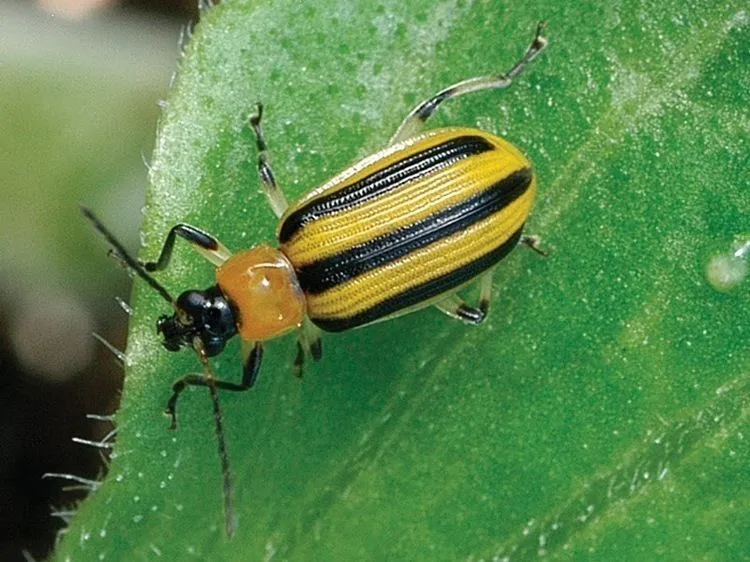
Striped or spotted beetles on flowers and leaves usually mean cucumber beetles. Ragged holes and wilted vines often point to squash bugs or their grey nymphs. These need spinosad, pyrethrin, or a physical barrier like kaolin clay.
Leaf Diseases (Powdery Mildew, Downy Mildew, Bacterial Spots)
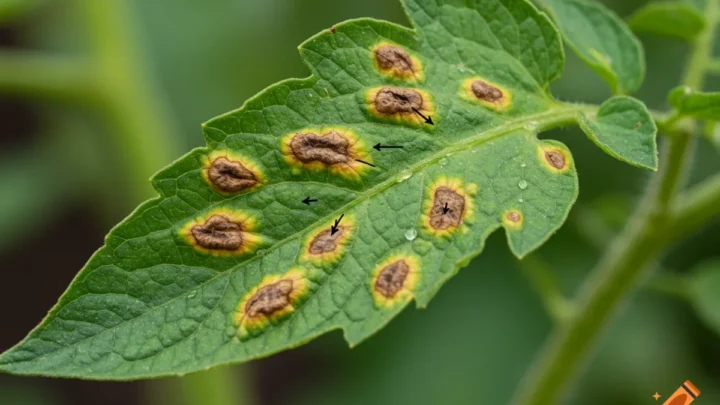
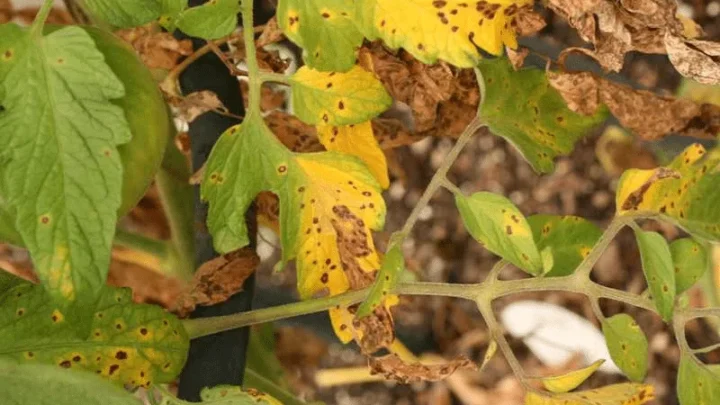
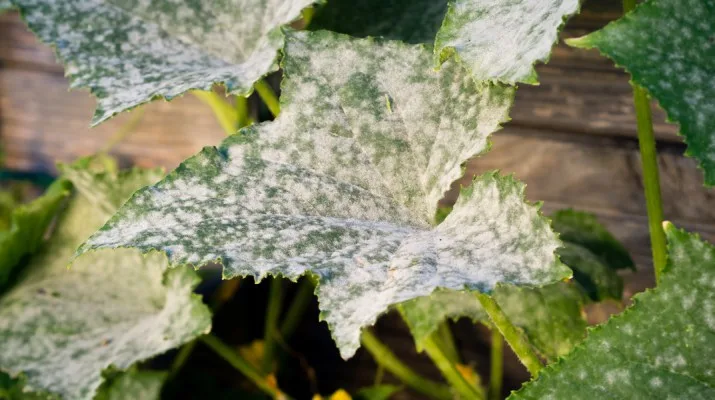
White powdery patches on the top of leaves point to powdery mildew (Podosphaera xanthii). Yellow angular spots on the top with grey fuzz underneath signal downy mildew. Small water-soaked spots that turn brown suggest angular leaf spot, a bacterial issue.
Fungicides and bactericides differ, so a correct ID matters before you spray.
The Cucumber Spray Decision Tree
Use this quick flow to pick the right product without overthinking it.
| If you see… | Spray this | Why it works |
|---|---|---|
| Aphids, mites, whiteflies | Insecticidal soap | Contact kills soft bodies |
| Striped or spotted beetles | Spinosad or pyrethrin | Fast knockdown |
| Caterpillars chewing leaves | Bacillus thuringiensis (Bt) | Selective, spares bees |
| White powdery patches | Potassium bicarbonate | Raises leaf surface pH |
| Yellow spots with grey fuzz | Copper fungicide | Broad protectant |
| Beetles swarming young transplants | Kaolin clay | Physical barrier |
If you're unsure, start with insecticidal soap. It's the safest reset for most soft-body outbreaks and won't burn cucumber leaves at proper dilution.
Insecticidal Soap for Soft-Bodied Pests
Insecticidal soap is a diluted mix of potassium salts of fatty acids. It kills by breaking down the waxy cuticle of soft-bodied insects. It has almost zero residual once dry, so bees that visit later are largely unharmed.
How to use it on cucumbers:
- Mix at 2 to 2.5%, roughly 2.5 tablespoons per gallon of water
- Spray in early morning or evening, never in direct sun
- Coat both sides of the leaves, especially undersides where aphids hide
- Reapply every 5 to 7 days until pests clear
Best for: aphids, spider mites, whiteflies, thrips, and young squash bug nymphs.
Watch out for phytotoxicity. Soap can burn cucurbit leaves in heat, so skip it above 85°F. According to guidance published by the University of California Statewide IPM Program, test a small area first if the plant is stressed.
Never mix soap with sulfur or copper on the same day.
Spinosad and Pyrethrin for Beetles and Tougher Bugs
When soap won't cut it, spinosad and pyrethrin are your next moves. Both are botanically derived, and both carry OMRI listings. They work on chewing pests that shrug off soap.
Spinosad is fermented from a soil bacterium called Saccharopolyspora spinosa. It's especially strong on cucumber beetles, thrips, and caterpillars. The pre-harvest interval on cucurbits is typically 3 days.
Pyrethrin comes from chrysanthemum flowers. It knocks down beetles fast but breaks down within hours in sunlight. PHI is often 0 to 1 day.
Application tips:
- Spray at dusk when bees have left the flowers
- Both are toxic to bees while wet, so timing is critical
- Rotate with another mode of action every 2 sprays to slow resistance
- Combine with hand-picking during heavy beetle pressure
Per resistance guidance from the USDA National Institute of Food and Agriculture, rotating IRAC groups is the single biggest lever against resistant beetle populations. Spinosad is the better long-term pick. Pyrethrin is a fast fix when you spot a beetle swarm at breakfast.
Bacillus thuringiensis (Bt) for Caterpillars
Bacillus thuringiensis, or Bt, is a naturally occurring soil bacterium. The kurstaki strain (Btk) specifically targets caterpillars like pickleworm, cabbage looper, and armyworms that occasionally hit cucumber plantings.
Bt only works when the caterpillar eats treated leaf tissue. It disrupts the gut lining and stops feeding within hours. Death follows in 2 to 5 days.
Why growers reach for it:
- Zero effect on bees, ladybugs, or lacewings
- Safe up to the day of harvest
- OMRI-listed for organic gardens
Bt breaks down in sunlight within 1 to 3 days, so reapply after rain or every 5 to 7 days during a caterpillar flush. It does nothing for beetles, aphids, or mites. If you're not seeing green worms or their frass, this isn't your product.
Kaolin Clay as a Physical Barrier
Kaolin clay (sold as Surround WP) is a fine white mineral powder. Mixed with water and sprayed on leaves, it dries to a chalky film that irritates and confuses pests before they feed.
It shines on young cucumber transplants during peak cucumber beetle season. Beetles won't land on coated foliage, which also blocks bacterial wilt transmission.
How to apply it:
- Mix 1/4 to 1/2 cup per gallon of water
- Shake or agitate constantly to keep it suspended
- Coat every leaf surface until plants look powdery white
- Reapply after every rain or heavy dew
Kaolin does not kill anything. It's a deterrent, not a rescue spray. Wash treated fruit before eating.
Skip kaolin once flowers open if pollination is running low, since bees may avoid heavily dusted blooms.
Potassium Bicarbonate for Powdery Mildew
Potassium bicarbonate is the best organic option for powdery mildew on cucurbits. Sold as MilStop or GreenCure, it raises the surface pH of the leaf, which collapses fungal cells on contact.
It outperforms plain baking soda (sodium bicarbonate). Aggregate university trials show potassium bicarbonate causes less leaf burn and gives longer control. Sodium can also build up in soil over repeated sprays.
Standard mixing:
- 1 to 2 teaspoons per gallon of water
- Add a few drops of horticultural spreader-sticker for coverage
- Spray at first sign of white patches, not after leaves are covered
Repeat every 7 to 14 days during humid weather. Potassium bicarbonate is a contact fungicide, so it protects only what it touches. Prune off badly infected leaves before spraying so you're not treating tissue that's already lost.
Copper Fungicide for Downy Mildew and Bacterial Issues
Copper fungicide handles the two problems potassium bicarbonate can't: downy mildew (Pseudoperonospora cubensis) and bacterial diseases like angular leaf spot. Copper octanoate (copper soap) is the most gardener-friendly form.
It works as a protectant, not a cure. You have to spray before or at the very first sign of infection. Once downy mildew turns leaves brown, copper only slows the spread.
Application notes:
- Follow the label rate, usually 0.5 to 2 teaspoons per gallon
- Spray on a dry morning below 85°F
- Cover leaf undersides thoroughly, that's where downy mildew sporulates
Copper is toxic to fish and aquatic invertebrates. Keep spray drift away from ponds and storm drains. Do not tank-mix copper with horticultural oil within 2 weeks, and rotate to another fungicide group after 2 or 3 applications to prevent buildup in soil.
Horticultural Oil When Used Carefully
Horticultural oil (also called summer oil or paraffinic oil) is a refined mineral oil that smothers soft-bodied pests and their eggs. It's a solid alternative to neem for aphid and mite outbreaks when temperatures cooperate.
The rule with cucumbers is simple: cool and cloudy, or don't spray. Oil sprays above 85°F or in bright sun almost always burn cucurbit leaves.
Safe-use checklist:
- Dilute at 1 to 2% (summer rate), per the product label
- Apply in early morning when leaves are dry and temps are mild
- Never combine oil with sulfur or copper within a 14-day window
- Test on a few leaves before treating the whole planting
Horticultural oil has a short pre-harvest interval, often 0 days, and low toxicity to mammals and bees once dry. It's most useful for spider mites and overwintering aphid eggs on greenhouse cucumbers before the plants are stressed by summer heat.
DIY Sprays: What Actually Works and What Doesn't
Homemade sprays sit at the center of every gardening forum. Some hold up in field trials. Most don't.
What actually works:
- Milk spray (1 part whole milk to 2 parts water) for mild powdery mildew, applied weekly in sunlight
- Plain water blast to knock aphids off with morning irrigation
- Garlic and hot pepper sprays as short-term repellents for beetles
What usually flops:
- Dish soap sprays that strip leaf cuticle and burn tissue
- Vinegar sprays that damage cucurbits at any usable strength
- Cinnamon, cayenne, or coffee dusts with no measurable pest impact
- Epsom salt sprays for pests (they don't do what social posts claim)
If you go homemade, keep concentrations low, test on a few leaves, and never assume "natural" means safe for cucumbers. Store-bought insecticidal soap is cheap, standardized, and far more predictable than a kitchen brew.
Mixing, Timing, and Coverage That Make or Break Results
Even the right spray fails if the timing or coverage is off. This is where most cucumber gardeners lose the battle.
Mix in clean water at the label rate. More is not better. Overdosing burns leaves, and underdosing breeds resistant pests.
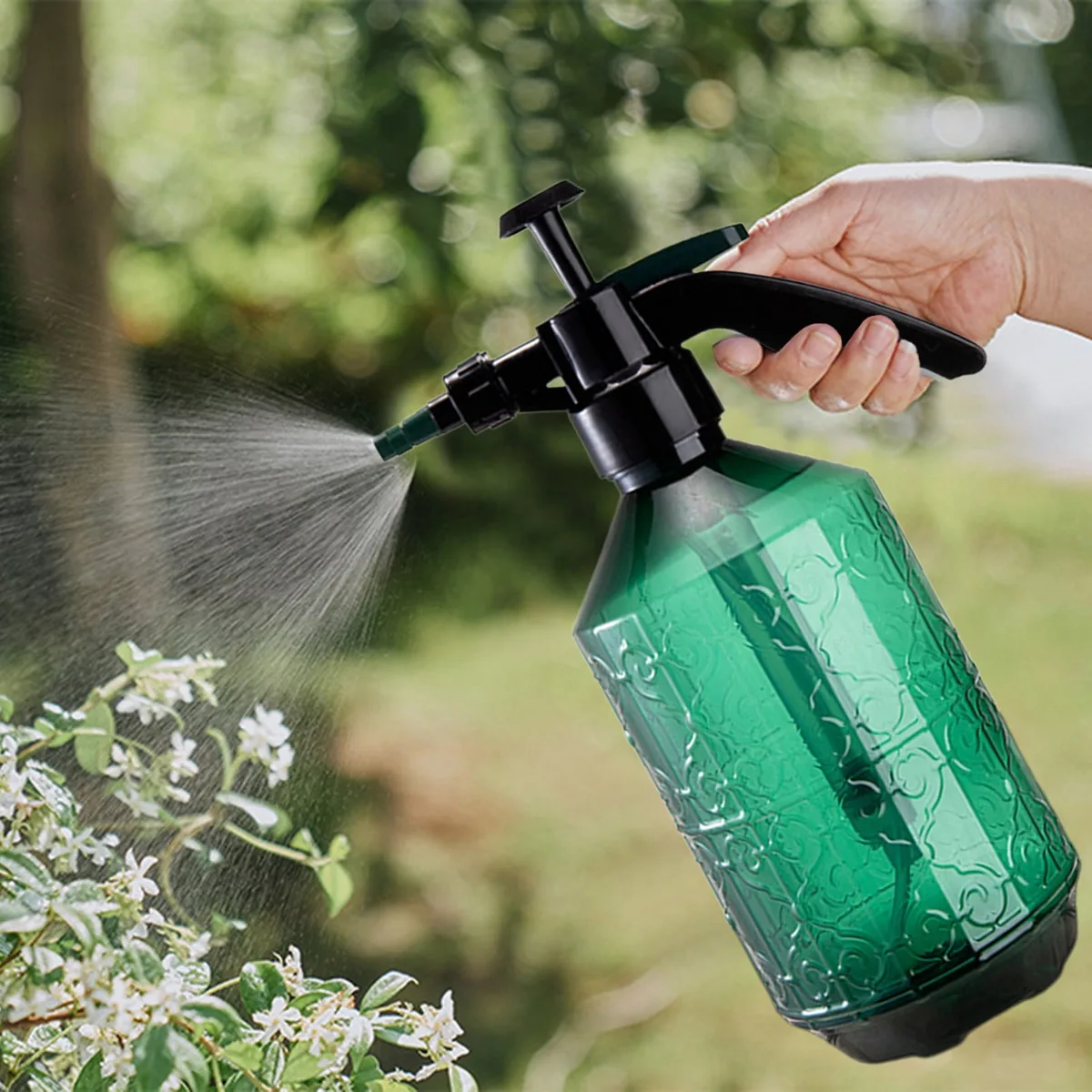
Timing checklist:
- Spray between sunrise and 9 a.m., or after 6 p.m.
- Air temperature under 85°F (29°C)
- Foliage dry, no rain in the next 4 to 6 hours
- Wind under 10 mph so drift doesn't hit blooms
Coverage tips:
- Aim for uniform wetness, not runoff
- Angle the wand upward to hit leaf undersides
- Walk each row twice, once from each side
- Use a pump sprayer with a fine cone or hollow-cone nozzle
Clean the sprayer between products. Fungicide residue left in an insecticide tank can burn leaf tissue overnight.
Cucurbit-Specific Mistakes That Burn Leaves
Cucumbers are drama queens compared to tomatoes. They react badly to oils, sulfur, and heat in ways that catch new growers off guard.
The most common leaf-burn triggers:
- Oil spray applied above 85°F or in direct sun
- Sulfur applied within 2 weeks of any oil
- Copper mixed hot with soap or oil in the same tank
- Soap sprayed on stressed, wilted, or dusty plants
- Any spray on brand-new transplants under 10 days old
Signs of phytotoxicity show up within 24 to 48 hours: bronzed patches, crispy edges, or bleached spots between veins. If you see it, rinse remaining plants with plain water and wait a week before spraying anything else.
Container cucumbers are the most sensitive. Their roots run hot in summer, which magnifies any spray stress. Water deeply the day before you plan to treat.
Rotating Sprays to Prevent Resistance
Using one product all season is the fastest way to breed pests and diseases that laugh at it. Rotation keeps every tool in your kit working longer.
The Insecticide Resistance Action Committee (IRAC) and the Fungicide Resistance Action Committee (FRAC) group products by mode of action. Rotate between groups, not just between brand names.
A simple 3-week rotation for beetles:
- Week 1: spinosad (IRAC 5)
- Week 2: pyrethrin (IRAC 3A)
- Week 3: kaolin clay (physical, no IRAC group)
For powdery mildew:
- Week 1: potassium bicarbonate (FRAC NC)
- Week 2: sulfur (FRAC M2), only if below 85°F
- Week 3: horticultural oil, only if temperatures cooperate
Never spray the same mode of action more than twice in a row. Log your applications on paper or a phone note so rotation stays honest.
Protecting Bees and Beneficial Insects
Cucumbers need pollinators. Every fruit on the vine starts with a bee visit, so protecting them isn't optional.
The rules are straightforward:
- Never spray during open bloom hours (roughly 8 a.m. to 4 p.m.)
- Choose evening applications so residues dry before morning foraging
- Skip pyrethrin, spinosad, and pyrethroids on days with heavy bloom
- Prefer Bt, potassium bicarbonate, and kaolin, all low-risk to bees
Beneficial insects matter too. Ladybugs, lacewings, syrphid fly larvae, and parasitic wasps do quiet, unpaid work against aphids and mites. Broad-spectrum sprays wipe them out along with the target pests.
If you see beneficials on the plant, skip the spray for a day or two. Nature often handles a soft-body outbreak faster than a bottle.
Quick-Reference Spray Chart by Problem
Bookmark this table and match your problem to the row before you reach for a bottle.
| Problem | First choice | Backup | Notes |
|---|---|---|---|
| Aphids, mites, whiteflies | Insecticidal soap (2%) | Horticultural oil (1%) | Undersides only, morning spray |
| Cucumber beetles | Spinosad | Pyrethrin | Rotate after 2 sprays |
| Squash bugs (nymphs) | Insecticidal soap | Pyrethrin | Hand-pick adults |
| Caterpillars | Bacillus thuringiensis (Btk) | Spinosad | Reapply after rain |
| Powdery mildew | Potassium bicarbonate | Milk spray (1:2) | Prune infected leaves first |
| Downy mildew | Copper octanoate | Chlorothalonil | Protectant only, spray early |
| Angular leaf spot | Copper fungicide | Remove leaves | Avoid overhead watering |
| Young transplants under beetle pressure | Kaolin clay | Row cover | Reapply after rain |
Frequently Asked Questions
Can I mix insecticidal soap and copper fungicide together?
No. Combining soap with copper on cucurbits causes fast leaf burn in most cases. Spray one, wait at least 7 days, then spray the other.
If you need both, rotate weekly rather than tank-mixing. Always rinse the sprayer between products to avoid unintended reactions.
Is baking soda spray really effective for powdery mildew?
Baking soda offers limited control and can burn cucumber leaves at higher rates. Potassium bicarbonate is the better bicarbonate for the job. It works the same way with less phytotoxicity and no sodium buildup in your soil.
Use potassium bicarbonate at 1 to 2 teaspoons per gallon instead.
What's the safest spray to use when cucumbers are flowering?
Bacillus thuringiensis (Bt), potassium bicarbonate, and kaolin clay are the safest during bloom. All three have minimal risk to bees. If you must use spinosad or pyrethrin, spray after sunset once foragers have left.
Never apply pyrethroids or broad-spectrum insecticides on open blooms.
How often should I spray cucumber leaves?
Most organic sprays need reapplication every 5 to 7 days during active pest or disease pressure. Reapply sooner after heavy rain washes residue off. Stop routine spraying once populations drop below threshold.
Overspraying wastes product and speeds up resistance in pests and pathogens.
Do I need to wash cucumbers after spraying?
Yes. Rinse cucumbers under running water before eating, even after organic sprays like kaolin clay or copper. Always respect the pre-harvest interval on the product label.
That interval is set through EPA testing to keep residues well below any safety threshold.
Your Go-To Spray Plan for a Healthy Cucumber Patch
Start every season with prevention: healthy soil, row covers on young transplants, and good airflow between vines. Sprays are backup, not the plan.
When trouble shows up, ID first, then reach for the right bottle. Insecticidal soap for soft bodies. Spinosad or kaolin for beetles.
Bt for caterpillars. Potassium bicarbonate for powdery mildew. Copper for downy mildew and bacterial spots.
Spray in cool morning air, cover leaf undersides, rotate modes of action, and protect the pollinators that make your fruit possible. Do that, and neem oil becomes just one option in a much stronger toolkit.

Similar Posts