What’s Eating My Tomato Plant Overnight? Leaf Strippers
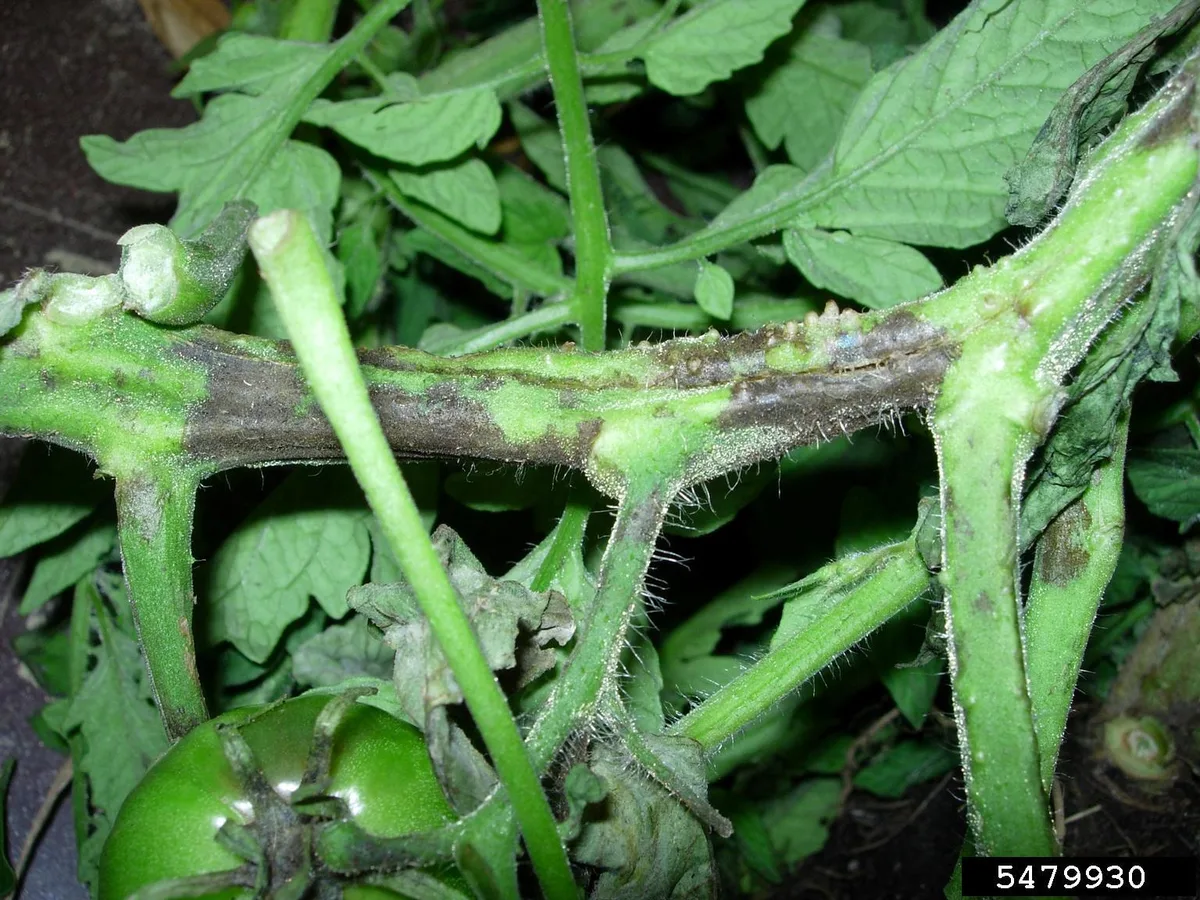
Waking up to a tomato plant stripped bare overnight is one of the most gut-punching moments in a home garden. If you're asking what is eating my tomato plant overnight and stripping the leaves, the answer almost always narrows down to a short list of nocturnal chewers: hornworms, cutworms, slugs, earwigs, armyworms, or hungry wildlife like deer and rabbits. The right fix depends entirely on which one it is.
Guessing wrong wastes time and often makes the problem worse. As of 2026, university extension programs still put the tomato hornworm at the top of the overnight-damage list across most of the United States, with a single caterpillar capable of defoliating a small branch in one night. The good news is that the clues are usually right there on the plant.
Let's read them.
Quick Answer
The most likely culprits eating your tomato plant overnight and stripping the leaves are tomato or tobacco hornworms, cutworms, slugs, earwigs, or armyworms. Deer, rabbits, and groundhogs can also strip plants in a single night. Match the damage pattern, droppings, and slime trails to the pest.
Then choose a targeted control instead of a broad spray.
What's Actually Eating Your Tomato Plant Overnight
Overnight damage almost never comes from disease or weather. It comes from something with a mouth. The trick is figuring out whether that mouth belongs to an insect, a mollusk, or a mammal, because each one leaves a different signature.
Insects like hornworms and armyworms chew ragged holes and drop obvious frass. Slugs and snails leave silvery slime trails and prefer soft new growth. Cutworms slice seedlings off cleanly at the soil line.
Deer tear leaves and stems in rough, torn strips, while rabbits clip with a sharp, angled cut you can feel with a fingernail.
Time of year matters too. Cutworms hit young transplants in spring. Hornworms peak mid to late summer.
Slugs surge after rain or heavy dew. Fit the calendar to the damage and you're already halfway to the answer.
The 5-Minute Flashlight Check That Solves Most Cases
The fastest diagnostic tool in the garden is a headlamp. Most tomato-plant chewers feed between dusk and about 2 a.m., which is when you'll actually catch them in the act. Go out roughly 60 to 90 minutes after full dark on a warm evening.
Bring a flashlight and, if you can, a small UV or blacklight torch. Under UV, tomato and tobacco hornworms glow a pale blue-green and stand out from the foliage like little runway lights. Otherwise their camouflage is close to perfect.
Work top to bottom on each plant using this quick pass:
- Scan the top canopy for hornworms clinging under leaf stems.
- Check leaf undersides for egg clusters and small caterpillars.
- Look at the soil surface and mulch for slugs, snails, and earwigs.
- Rake back mulch an inch to spot cutworms curled in a C-shape.
- Note any hoof prints, droppings, or fur snagged on cages.
If you find nothing after two nights of checking, the culprit is almost certainly a mammal visiting later, or slugs that have already retreated before dawn. That still narrows the list.
Reading the Damage: What the Leaves Are Telling You
The damage pattern is the single best clue you have. Before you spray anything, spend two minutes looking at what's actually missing and how it was taken. Different pests eat in different signature styles.
Whole Leaves Gone or Stems Stripped Bare
If entire leaves have vanished and only bare stems remain, especially near the top of the plant, you're almost certainly looking at hornworm damage. A single fully grown hornworm eats several large leaves per night. Damage tends to appear on one branch at a time, working outward from the top.
Jagged Holes in the Middle of Leaves
Big, irregular holes chewed out of leaf interiors point to caterpillars like armyworms or corn earworms, or to slugs and snails on lower leaves. If the holes are near the ground and the leaf tissue looks smoothed at the edges, that's mollusk work. Higher up with rougher edges, think caterpillar.
Skeletonized Leaves With Veins Left Behind
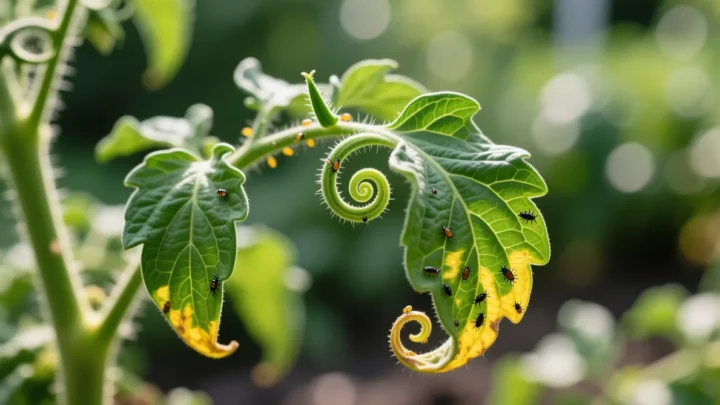
Leaves reduced to a lace of veins usually mean beetles. Colorado potato beetles, blister beetles, and Japanese beetles all skeletonize foliage. Flea beetles leave tiny shot-hole peppering rather than full skeletonization, so match the hole size to the suspect.
Seedlings Cut Off at the Soil Line
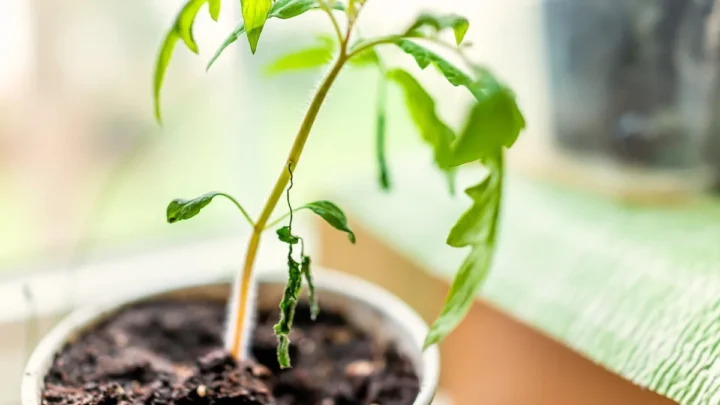
A young transplant lying on the soil, clipped like it was hit with scissors, is the classic cutworm signature. Cutworms hide just below the surface during the day. They wrap around the stem at night and chew right through it, often not even eating the top.
Ragged Bites on Fruit or Upper Foliage
Chunks bitten out of ripening fruit or torn leaves high on the plant often signal wildlife. Rats and raccoons take neat bites out of fruit. Deer tear rather than cut, leaving frayed leaf edges above about three feet.
Clue #2: What the Droppings and Trails Look Like
Whatever's eating your plants leaves calling cards. Learn these five and you'll almost always name the pest before you ever see it.
- Hornworm frass: dark green to black pellets shaped like tiny grenades, 2 to 6 mm across, piled on lower leaves and the soil directly below the plant.
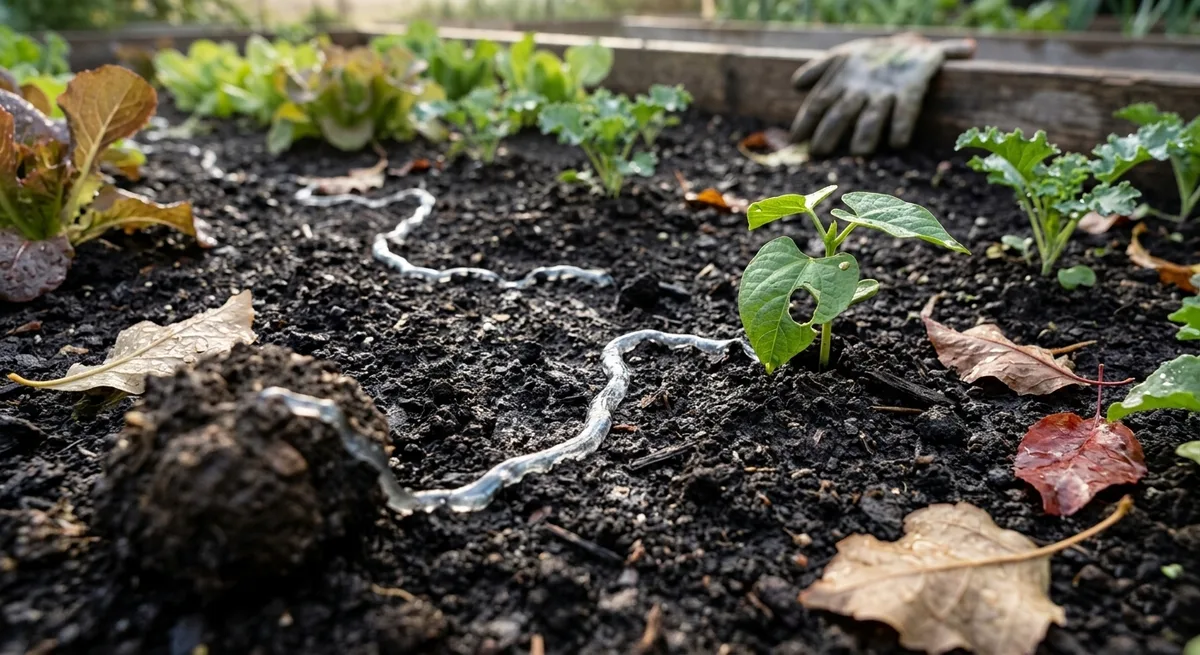
- Slug and snail slime: dried silver trails on leaves, stems, or mulch, often looping in irregular patterns.
- Earwig droppings: small dark specks, usually near curled leaves or hollow stems where they hide by day.
- Deer scat: piles of dark, acorn-shaped pellets, often with cloven hoof prints in soft soil nearby.
- Rabbit scat: round, dry, pea-sized pellets scattered around the base of the plant.
Fresh frass under a plant with obvious upper defoliation is a near-certain hornworm signature. According to the University of Minnesota Extension, pellet size grows with the caterpillar, so bigger frass means a bigger hornworm hiding somewhere on the plant.
If you see slime but no droppings, it's slugs or snails. If you see droppings but no slime, it's caterpillars or beetles. If you see hoof prints and torn foliage above waist height, it's deer.
Suspect Profiles: Matching the Damage to the Culprit
Here's the shortlist of the most common overnight offenders and how to recognize each one on sight.
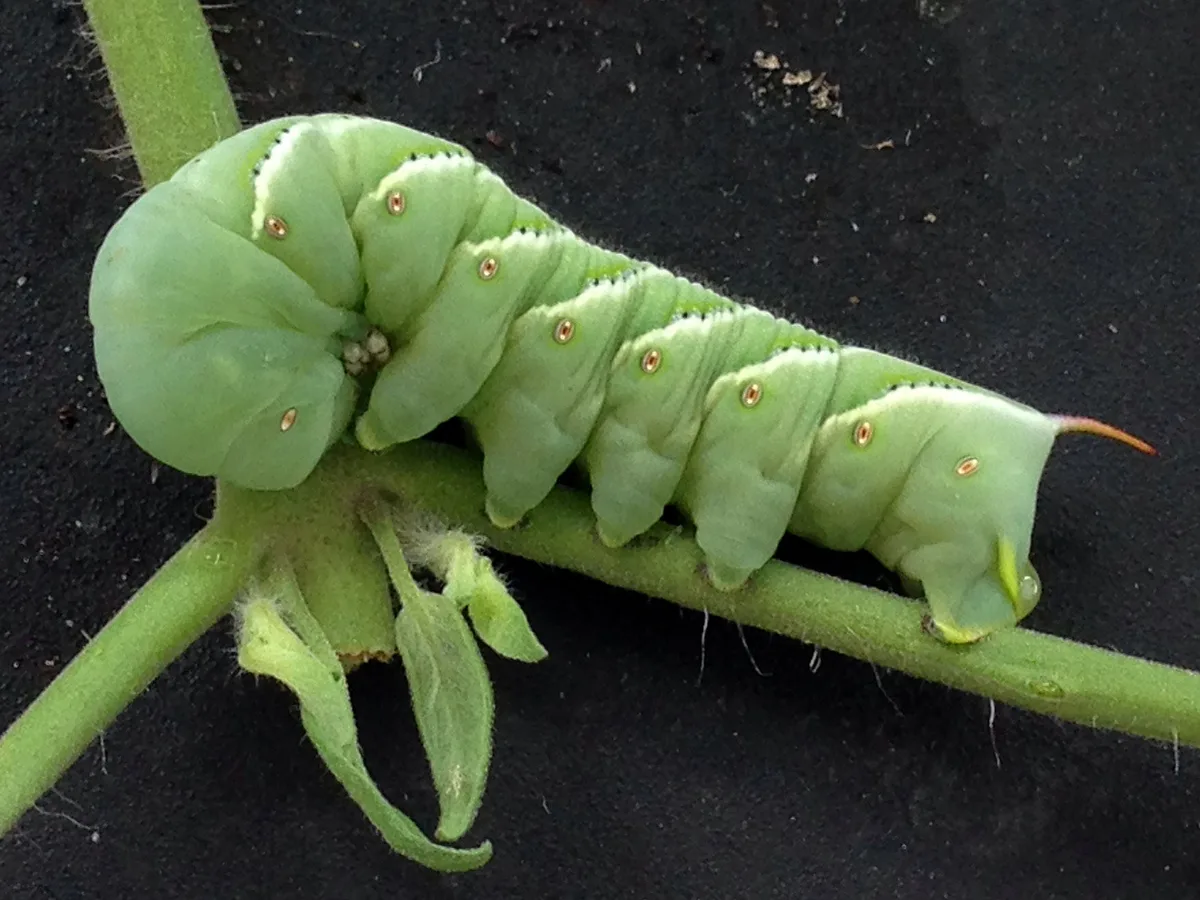
Tomato and Tobacco Hornworms
These are the giants. Fully grown, they reach up to 4 inches long, bright green with white V-shaped stripes and a small horn on the rear. Tobacco hornworms have seven diagonal white stripes.
Tomato hornworms have eight V-shaped marks. Both eat identical amounts and cause the same damage.
They almost always feed at the top of the plant and hide on the underside of stems by day. If you find one, look for more. They rarely travel alone.
Cutworms
Cutworms are the fat, dull-gray or brown caterpillars that curl into a tight C when disturbed. They live in the top inch of soil and target young transplants. Damage shows up as freshly toppled seedlings, often within a week of planting out.
Slugs and Snails
Soft-bodied, slow, and destructive. Slugs and snails prefer cool, damp conditions between about 40 and 70 degrees Fahrenheit. They chew smooth-edged holes in lower leaves and hide under mulch, boards, or pot rims during the day.
Earwigs
Earwigs are the pinch-tailed brown insects that skitter when you lift a flowerpot. They chew small, ragged holes and often target flowers and tender new growth. A rolled-up damp newspaper laid near the plants at night usually catches dozens by morning.
Armyworms and Fruitworms
Armyworms move in groups and can strip large sections of foliage overnight. Yellow-striped and beet armyworms are common in southern and mid-Atlantic gardens. Corn earworm, also called the tomato fruitworm, tunnels into fruit and chews upper leaves.
Flea Beetles and Colorado Potato Beetles
Flea beetles are tiny black jumping specks that leave pinhole peppering on leaves. Colorado potato beetles are yellow with black stripes and hit both potato and tomato foliage. Their orange-red larvae skeletonize leaves fast and drop obvious dark frass.
Deer, Rabbits, and Groundhogs
Mammals cause the fastest, most dramatic overnight damage. Deer strip leaves and snap stems up to about eight feet high. Rabbits clip lower stems and leaves at a clean 45-degree angle, usually below 2.5 feet.
Groundhogs mow whole plants to stubs and often leave a wide, matted trail through nearby grass.
The Decision Tree: From Symptom to Suspect in Under a Minute
Walk the plant with this simple if/then flow and you'll usually name the pest before you reach the last branch.
- If the top of the plant is stripped and green frass sits on lower leaves, then it's a hornworm.
- If a seedling is toppled at the soil line with the stem chewed through, then it's a cutworm.
- If lower leaves have smooth-edged holes plus silver trails, then it's slugs or snails.
- If tender new growth has ragged nibbles and you find brown insects under mulch, then it's earwigs.
- If leaves are skeletonized to lace, then it's beetles (Colorado potato, blister, or Japanese).
- If damage sits above three feet with torn edges and hoof prints, then it's deer.
- If clean 45-degree cuts appear below 2.5 feet, then it's rabbits.
- If entire plants are mown to stubs with a matted trail nearby, then it's a groundhog.
Confirm with the flashlight check on the same night. Two clues that agree beat one clue you're guessing at.
What to Do Tonight for Each Pest
Once you've named the culprit, act fast. Overnight pests compound quickly, and a second night of damage often means losing the plant.
- Hornworms: handpick with gloves and drop into soapy water. Leave any with white rice-like cocoons on their backs. Those are parasitized by braconid wasps and will keep working for you.
- Cutworms: sift the top inch of soil around damaged seedlings and crush any C-shaped larvae you find.
- Slugs and snails: hand-collect at night, then set out iron phosphate bait or shallow beer traps at soil level.
- Earwigs: lay damp rolled newspaper or a low can of vegetable oil near the plants at dusk and empty in the morning.
- Armyworms: spray Bacillus thuringiensis (Bt kurstaki) at dusk while larvae are still small.
- Beetles: knock adults into soapy water and crush orange egg clusters on leaf undersides.
- Deer, rabbits, groundhogs: put up a temporary barrier tonight (even a draped bed sheet buys you a night) and plan a real fence in the morning.
Skip broad-spectrum sprays. They kill the parasitic wasps, lady beetles, and ground beetles that are already helping you.
Organic vs. Conventional Controls Compared
Not every product fits every pest. Pick the treatment that matches the mouthparts and the damage.
| Control | Best against | Speed | Notes |
|---|---|---|---|
| Bt kurstaki | Hornworms, armyworms, fruitworms | 1 to 3 days | Must be eaten. Reapply after rain. OMRI-listed. |
| Spinosad | Caterpillars, thrips, some beetles | Same day | Toxic to bees when wet. Spray at dusk. |
| Iron phosphate bait | Slugs, snails | 3 to 6 days | Pet and wildlife safe. Reapply after heavy rain. |
| Neem oil | Soft-bodied insects, beetle larvae | Slow | Coats and disrupts. Avoid on hot afternoons. |
| Insecticidal soap | Aphids, small caterpillars | Same day | Contact only. No residual. |
| Metaldehyde bait | Slugs, snails | 1 to 3 days | Toxic to pets and wildlife. Read the label. |
| Pyrethrin | Beetles, earwigs | Same day | Broad-spectrum. Harms pollinators. |
Bt is the top pick for hornworms because it's specific to caterpillars and spares beneficials. For slugs, iron phosphate is the safer default when pets or wildlife visit the garden.
Physical Barriers That Actually Work
Barriers stop the damage without a single drop of pesticide. They're also the only reliable answer for mammals.
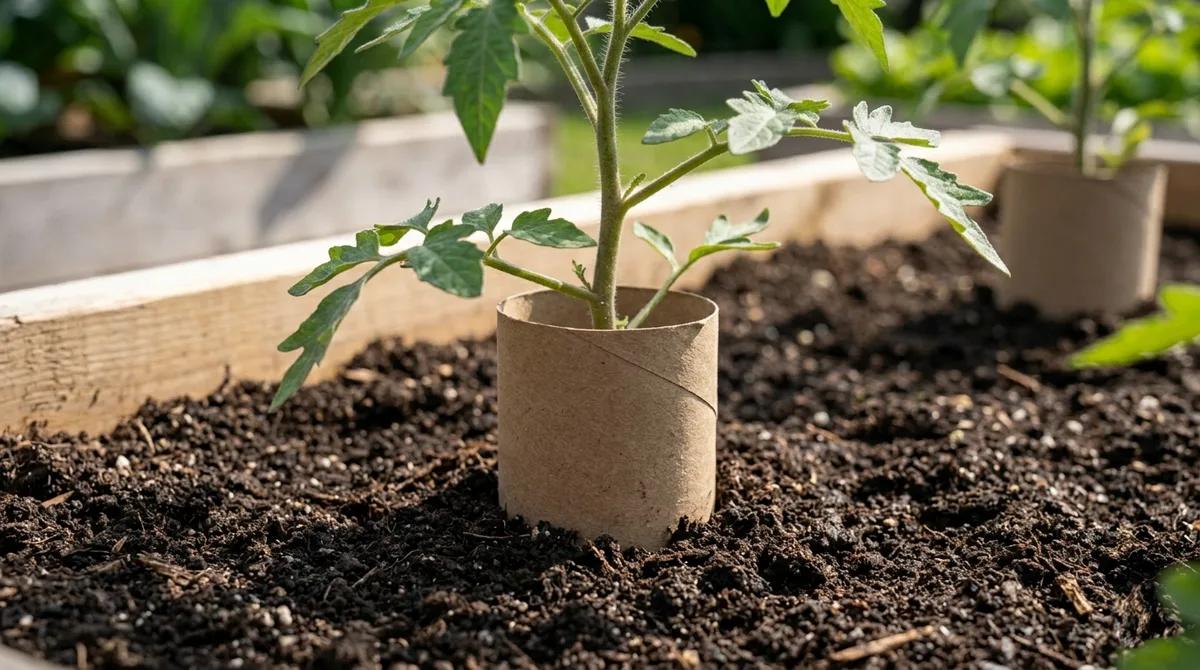
- Cutworm collars: a 3-inch strip of cardboard or a cut toilet-paper tube pushed one inch into the soil around each transplant blocks the wrap-and-chew move.
- Floating row cover: lightweight fabric over hoops keeps out moths that lay hornworm and armyworm eggs. Remove at flowering so pollinators can reach the blossoms.
- Copper tape: a ring around raised beds or pot rims delivers a mild charge that slugs won't cross.
- Diatomaceous earth: a dry band around plants scratches soft-bodied pests. Reapply after every rain.
- Hardware cloth: a half-inch mesh cage around the base blocks voles, rabbits, and groundhogs.
- Deer fencing: an 8-foot mesh fence is the standard. A double 4-foot fence set 3 feet apart also works because deer won't jump both width and height.
Barriers pay for themselves in one saved harvest. Row cover in particular is a game-saver for gardens with heavy hornworm pressure.
Mistakes That Make the Problem Worse
The wrong response can turn a one-night nibble into a two-week disaster. These are the errors we see most often in aggregate gardener reports.
- Spraying a broad insecticide before identifying the pest. It kills the braconid wasps and lady beetles that were already suppressing your hornworms and aphids.
- Removing parasitized hornworms. Those white cocoons on the caterpillar's back are the next generation of wasps. Leave them.
- Watering in the evening. Wet foliage and damp mulch pull slugs and earwigs straight to your plants.
- Piling mulch against tomato stems. It gives cutworms and earwigs a perfect daytime hideout.
- Trusting ultrasonic deer repellers alone. Field research shows deer habituate within days. Use them only as a backup to fencing.
- Waiting to fence after the first deer visit. Deer return night after night once they've fed. Get the barrier up the same day.
- Using metaldehyde bait where pets roam. It's highly toxic. Iron phosphate is the safer swap.
Fix the routine, not just the symptom. Most overnight damage stops for good once you combine the right barrier with the right dusk-timed treatment.
Preventing a Repeat Attack Next Season
Most overnight damage is a repeat performance. Break the cycle in fall and you'll cut next year's pressure sharply.
- Fall tillage: turning the top 3 to 4 inches of soil exposes hornworm and cutworm pupae to birds and cold.
- Clear debris: pull spent tomato plants, weeds, and old mulch by frost. That removes egg sites and slug shelters.
- Rotate the bed: move tomatoes at least 10 feet from this year's spot. Solanaceae pests overwinter close to their last meal.
- Plant a trap crop: dill, borage, and marigolds pull hornworm moths and give braconid wasps a nectar source.
- Encourage predators: leave a shallow water dish, brush pile, or small perch nearby to invite wrens, chickadees, and toads.
Add a spring row cover from transplant through first flower. That single habit blocks the moth flights that seed most caterpillar problems.
When to Call in Extension Services or a Pro
Reach out when the damage keeps returning after two rounds of targeted control, or when you can't identify the pest from droppings and damage patterns.
Every US state has a free cooperative extension service through its land-grant university. Most accept photos by email and reply within a few business days. In the UK, the Royal Horticultural Society offers a similar member advisory line.
Call a licensed pest control pro only for structural rodent problems or repeated wildlife intrusion. Backyard insect damage almost never needs one.
Frequently Asked Questions
What kills hornworms overnight?
Bacillus thuringiensis kurstaki (Bt) sprayed at dusk kills hornworms within one to three days once they eat treated leaves. For a same-night result, handpick with gloves and drop them into a jar of soapy water. Both methods work without harming pollinators or the parasitic wasps that keep future generations in check.
Do coffee grounds stop slugs on tomatoes?
Coffee grounds have limited effect and are not a reliable slug barrier. University of Oregon extension trials show slugs cross moderate coffee-ground bands with little slowdown. Iron phosphate bait, copper tape, or hand-picking after dark give far more consistent results in home gardens.
Can I still eat tomatoes from a plant that got chewed overnight?
Yes, the fruit itself is safe to eat once you wash it and cut away any damaged spots. Chewing damage doesn't contaminate the plant. Only remove fruit with tunneling from fruitworms or visible rot, since those areas can harbor secondary mold.
Why do pests only attack at night?
Most tomato pests feed at night to avoid heat, predators, and dehydration. Hornworms, cutworms, and slugs all lose water fast in sun. Nocturnal feeding also hides them from birds, wasps, and gardeners.
That's why a flashlight check between dusk and midnight catches so many of them in the act.
Your Quick Decision Guide
Start with the damage, not the spray bottle. Read the leaves, look for frass or slime, and do one flashlight check after dark. Nine times out of ten the pest names itself within five minutes.
Then match the fix to the culprit: Bt for caterpillars, iron phosphate for slugs, collars for cutworms, row cover for moth flights, and real fencing for deer and rabbits. Skip broad sprays. Protect the beneficials already working for you.
Your tomatoes will thank you by morning.

Similar Posts