How to Water a Newly Planted Tree with a Garden Hose
How do I water a newly planted tree with a garden hose? Most people grab the nearest hose and spray it on, then wonder why the tree isn't thriving. The truth is that newly planted trees need deep, slow watering at the root zone, not a quick rinse from a few feet away.
Get it right in those first few years, and your tree establishes strong roots. Get it wrong, and you could lose it to drought stress or root rot before it ever matures.
Per Arbor Day Foundation guidelines, a newly planted tree typically requires 10 to 15 gallons of water per inch of trunk caliper each week during its first growing season. That's roughly 30 to 45 gallons weekly for a small 2-inch tree, delivered slowly and deeply, not dumped on the surface. Understanding where and how to apply that water makes the difference between a tree that flourishes and one that barely survives.
Why Getting It Wrong Can Cost You a Tree
A newly planted tree is essentially a refugee. Its root system has been sliced, shifted, and relocated, and the part of the roots that actually absorbs water and nutrients has been severely reduced. During that first critical window, the tree is far more vulnerable than anything sitting in its nursery pot.
Overwatering is just as dangerous as underwatering. When soil stays saturated around a young root ball, the roots can't breathe. Oxygen starvation sets in quickly, and root rot fungi move in.
Within weeks, you'll see wilting leaves, dark mushy bark, and branches that turn brown from the tips down. The tree doesn't recover from that damage.
Underwatering creates a different kind of crisis. The roots dry out, stop pushing new growth, and the tree enters survival mode. Leaves curl and drop early.
Branch tips die back. In hot climates, this process accelerates dramatically, a tree that doesn't get enough water in mid-July can show serious stress by early August.
The financial and emotional cost adds up fast. A 3-inch caliper shade tree costs $200 to $600 from a nursery. Installation runs another $100 to $300.
Replace it twice because you got the watering wrong, and you're looking at $1,000 or more in losses, not to mention the years of growth you've put on pause.
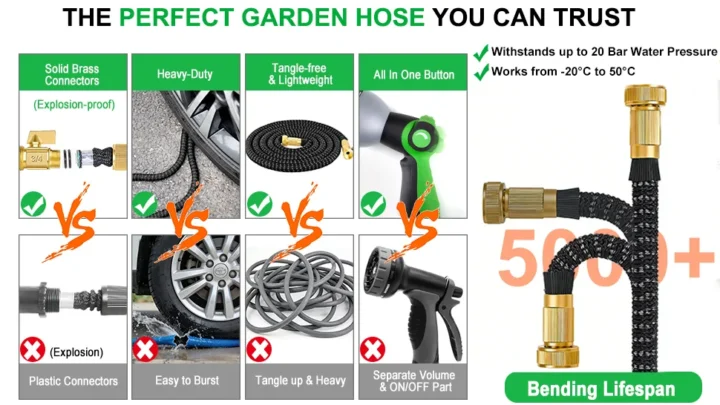
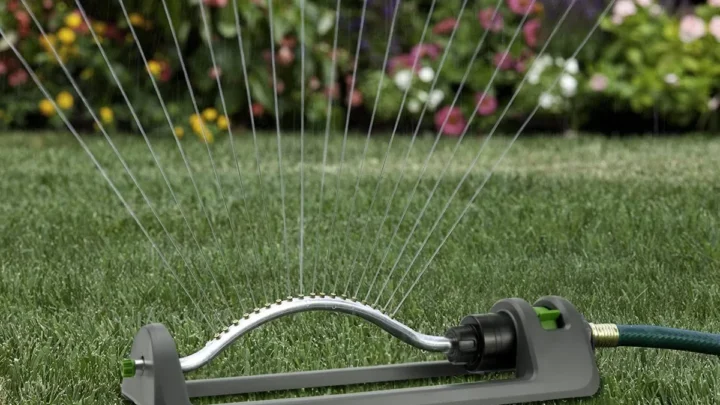
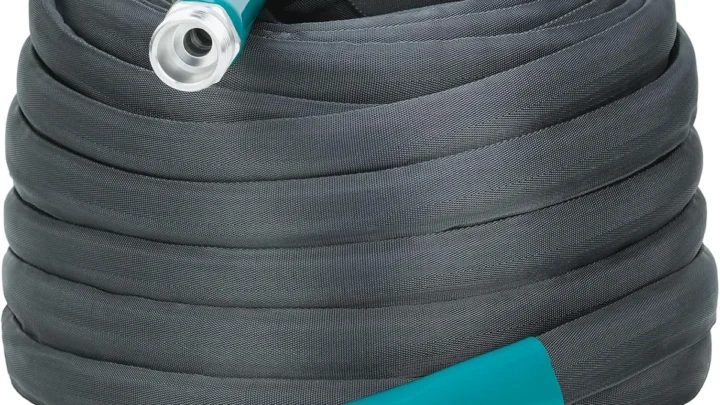
Choosing the right garden hose size matters too. A standard 5⁄8-inch diameter delivers enough volume for most residential tree watering, while smaller 1⁄2-inch hoses may struggle to maintain flow through long distances or elevated runs. If you're working with longer setups or multiple trees, consider upgrading to ensure consistent performance.
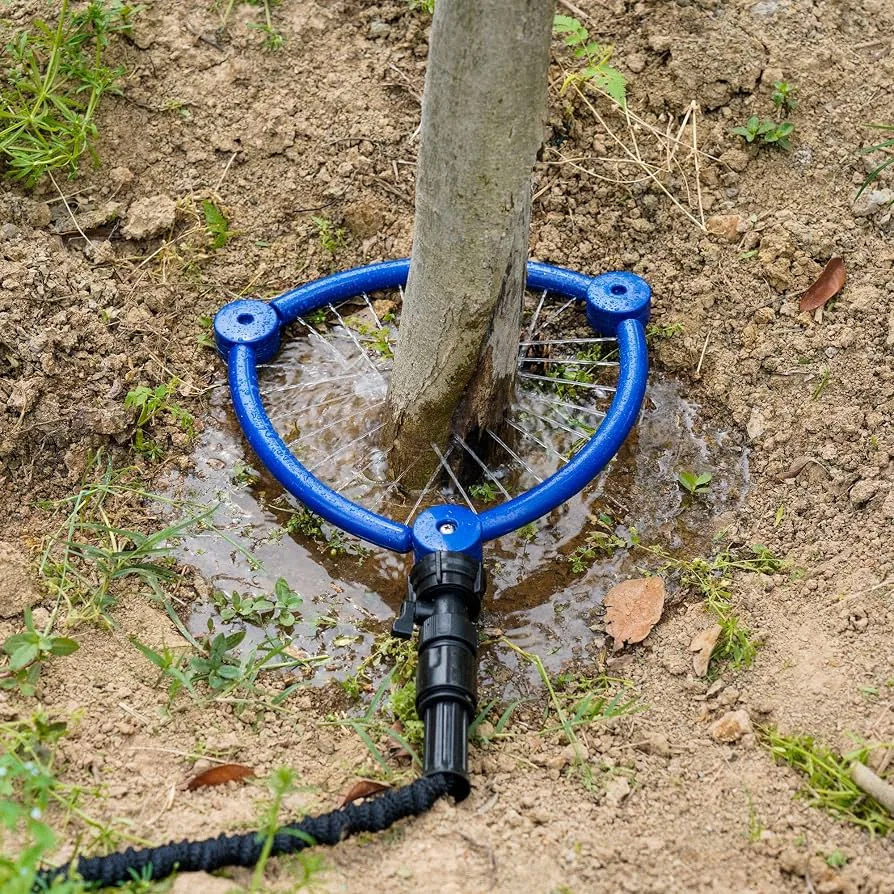
Image source: Bing (Web (fair-use with source credit))
The key takeaway is simple: newly planted trees aren't low-maintenance. They need attention, they need consistency, and they need the right amount of water applied in the right place. Mastering the hose watering technique protects that investment and gives the tree the best possible start.
The Quick Answer: A Simple Rule for Hose Watering
To water a newly planted tree with a garden hose, position the hose at the drip line, the outer edge of the canopy, and run slow, steady water for 30 to 60 minutes per watering session. Aim for deep soaking, not surface wetting. Water once or twice a week, adjusting for rainfall and temperature.
The foundation of this approach rests on a straightforward formula: 10 to 15 gallons per inch of trunk caliper per week, split into one or two applications. For a tree measured at 2 inches in trunk diameter, that's 20 to 30 gallons weekly. For a 3-inch tree, scale it to 30 to 45 gallons.
Here's the essential setup at a glance:
| What You Need | Why It Matters |
|---|---|
| Garden hose (5⁄8-inch diameter recommended) | Delivers adequate flow rate without excessive pressure |
| Muffler or soaker nozzle | Breaks the stream into gentle drops that soak in slowly |
| Hose nozzle with adjustable settings | Allows quick switching between gentle soak and direct flow |
| Measuring container (bucket or rain gauge) | Tracks how much water you're actually applying |
| Soil moisture probe or screwdriver | Checks whether water reached the root zone depth |
Most garden hoses cost between $20 and $80 depending on length, material, and fittings. Rubber hoses tend to last longer and resist kinking better than vinyl or PVC alternatives, which is worth considering if you're doing regular tree maintenance. Understanding how to increase water pressure from your garden hose can also help when you're working with longer runs or multiple zones.
If you don't have a measuring container handy, there's a practical workaround: run the hose in a given spot for 10 minutes, then check how far the water has soaked into the soil. A screwdriver or metal garden probe should slide in 12 to 18 inches if you're hitting the right depth.
Adjustments happen based on conditions. Sandy soil drains fast, expect to water more frequently but for shorter durations. Clay soil holds water longer, so less frequent but deeper sessions work better.
Hot, windy days pull moisture from the soil quickly. Cool, overcast stretches let you space watering farther apart.
The formula stays the same. The timing shifts. Knowing how to connect your hose properly and troubleshoot common issues like hose leaks that only happen under pressure ensures you're not fighting your equipment while trying to care for your tree.
How New Trees Absorb Water (And Why One Schedule Doesn't Fit All)
A tree doesn't drink water through its trunk. It pulls moisture through fine root hairs located primarily in the outer third of the drip line, that's the zone directly beneath the outermost reach of the branches. This is counterintuitive for many people who instinctively water close to the trunk, where the largest roots live but where the active absorption zones actually are sparsest.
When you water at the drip line, you're feeding the right roots. When you water at the trunk, you're largely wasting effort. New feeder roots form in response to moisture, so placing water farther out encourages the root system to expand outward as well as downward, exactly what you want for stability and resilience.
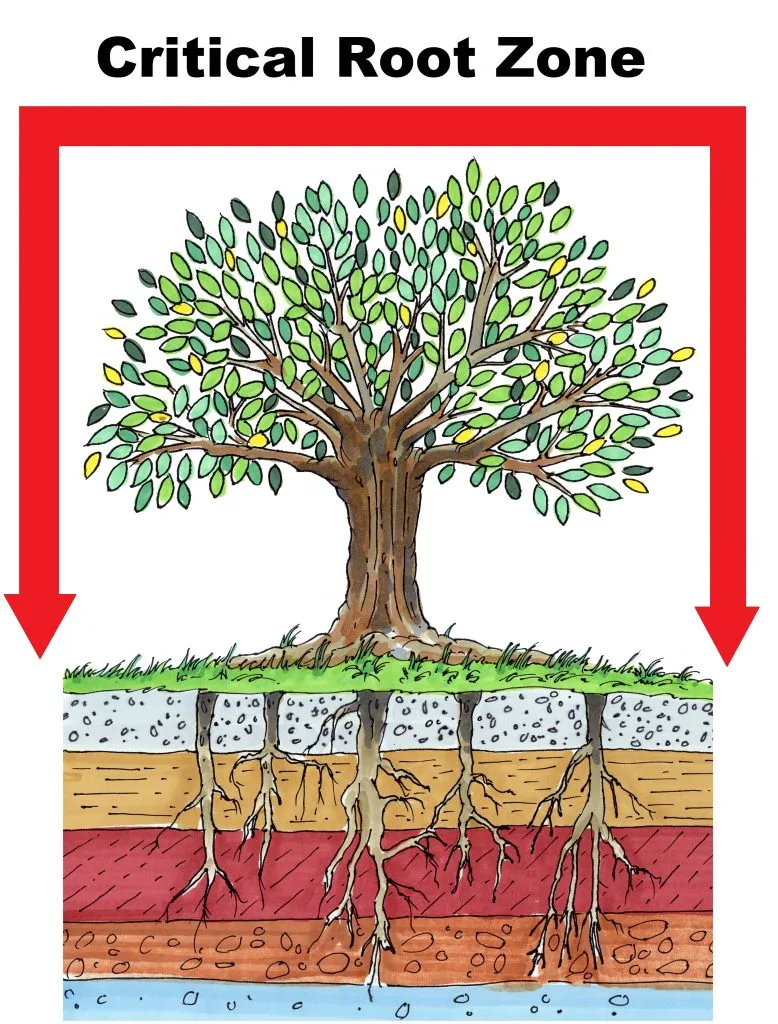
Image source: Bing (Web (fair-use with source credit))
Soil texture dramatically affects how quickly water moves through the ground and how often you need to water:
| Soil Type | Water Movement | Watering Frequency | Best Approach |
|---|---|---|---|
| Sandy | Fast drainage | Every 3–5 days | Lighter, more frequent sessions |
| Loam | Moderate drainage | Weekly | Balanced deep soaking |
| Clay | Slow drainage | Every 7–10 days | Longer sessions, less frequent |
| Compact urban soil | Very slow | Variable | Aerate first, then soak deeply |
Tree species matter too. Some are naturally drought-tolerant once established, think bur oak, hickory, or southern magnolia. Others prefer consistently moist conditions and will struggle through a dry spell even in their second year, red maples, river birch, and Japanese maples fall into this category.
Knowing whether your tree is a mesophyte (moderate water needs) or a xerophyte (drought-adapted) shapes your schedule considerably.
Climate and season override everything. A tree in Phoenix, Arizona, demands water nearly every week from spring through fall. A tree in Portland, Oregon, with its damp springs and mild summers may only need supplemental watering during July and August.
Regional rainfall data should always factor into your planning.
Temperature swings within a single day also influence water uptake. On a 95-degree day with low humidity and moderate wind, a young tree can lose significant moisture through transpiration. The roots need to replace that water quickly.
On a 55-degree overcast morning, the same tree barely registers any water loss.
Don't forget to account for natural rainfall. If it rained 0.75 inches the week prior, you can subtract that from your watering target. One inch of rain equals roughly 0.62 gallons per square foot of soil surface area.
A tree with a 10-foot drip line radius covers about 78.5 square feet, so one inch of rain delivers approximately 49 gallons to the root zone, which covers a large portion of what a 2-inch caliper tree needs weekly.
The bottom line is that tree watering is a dynamic calculation, not a set-it-and-forget-it chore. Watch the soil. Watch the leaves.
Adjust as conditions change.
Step-by-Step: Watering Your Newly Planted Tree with a Garden Hose
Follow this process each time you water your newly planted tree. Consistency beats intensity, steady, well-timed applications build stronger roots than sporadic drenches.
Step 1: Measure the trunk caliper. Use a tape measure at 6 inches above the soil line. Record the diameter in inches. This number determines your weekly water target.
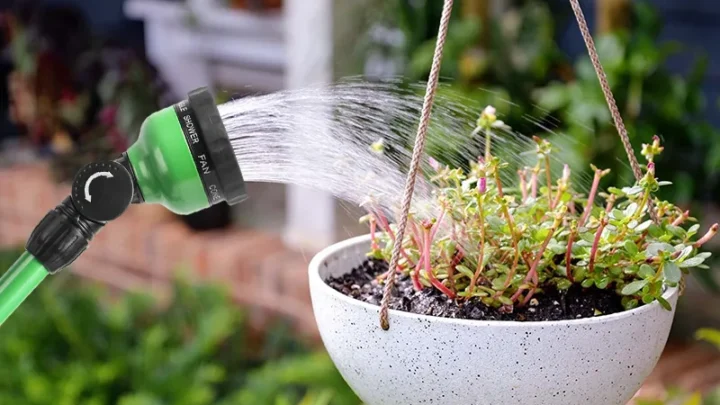
Step 2: Attach the right nozzle. A muffler nozzle or soaker wand works best. These break the stream into a gentle rain that soaks in rather than running off. Standard spray nozzles create too much force and drive water across the surface instead of into the soil.
If you prefer a heavy-duty garden hose nozzle, look for one with multiple settings so you can switch between gentle soak and higher flow when needed.
Step 3: Position the hose at the drip line. Place it along the circle formed by the outermost branches. If the tree is small and the canopy hasn't fully developed yet, position the hose about 2 to 3 feet from the trunk and work outward as the tree grows.
Step 4: Run water slowly for 30 to 60 minutes. Use a bucket or rain gauge next to the hose to track output. At typical residential pressure, a 5⁄8-inch hose delivers roughly 9 to 12 gallons per minute. Running it for 45 minutes at the low end puts about 405 gallons through, but since much of that disperses beyond the root zone, you're really targeting 30 to 45 gallons absorbed by the soil.
Step 5: Check the soak depth. After watering, push a long screwdriver or soil probe into the ground near the hose line. It should slide in 12 to 18 inches with moderate effort. If it stops at 6 inches, the water hasn't penetrated deep enough.
Run the hose longer next time. If the soil is already sodden at that depth, you're overwatering.
Step 6: Inspect the root flare. Make sure the base of the trunk where it meets the soil remains dry and visible. Water pooling against the bark invites rot and fungal disease. If the soil has mounded up around the flare during watering, gently pull it back.
Step 7: Document and adjust. Note the date, duration, and conditions. Is the soil drying out faster than expected? Try increasing frequency rather than duration.
Is it staying wet for days? Reduce the time next session.

Image source: Bing (Web (fair-use with source credit))
Learning to identify your garden hose size helps ensure you're getting the flow rate you expect. If you notice a low flow through your garden hose, it could be a sign of clogging, kinks, or pressure issues that affect your watering efficiency. Regular maintenance like knowing how long a garden hose typically lasts and performing routine care can extend its life while keeping your watering effective.
Repeat this process weekly during the growing season. In the first year, this discipline builds a root system that anchors the tree and accesses moisture independently. By the third year, most trees can survive on rainfall alone during normal seasons, but that doesn't mean you should stop checking in.
Common Mistakes That Kill Newly Planted Trees
Even well-intentioned gardeners make mistakes that harm young trees. Most of these are fixable if caught early. A few, left unaddressed, are terminal.
Here are the most common errors and how to avoid them.
Watering the trunk instead of the drip line. Spraying water directly against the bark keeps the root flare constantly moist. This creates ideal conditions for collar rot, bacterial soft rot, and canker diseases. Keep the trunk base dry.
Direct water outward.
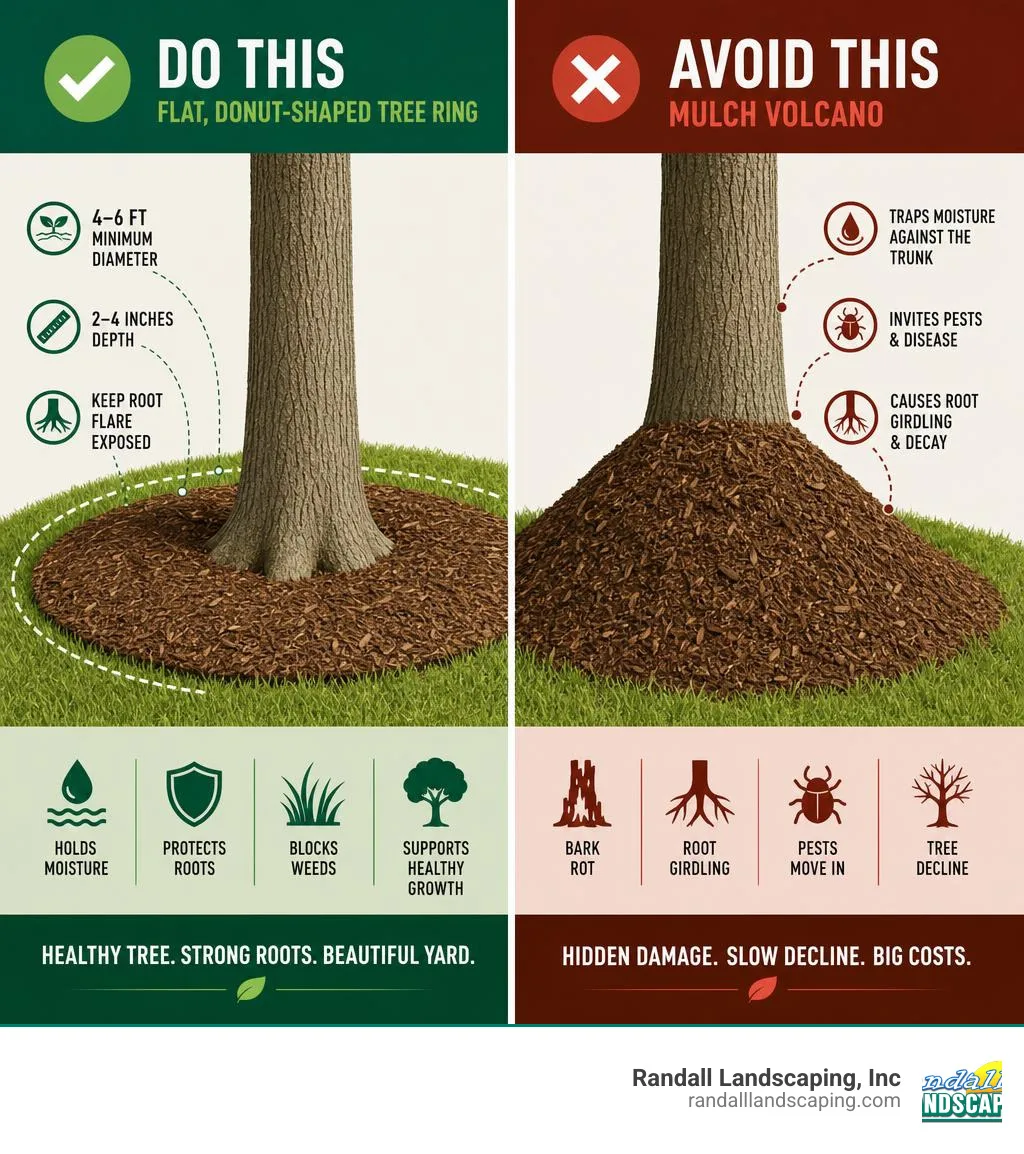
Image source: Web (Bing) / randalllandscaping.com (Web image (fair-use with source credit))
Creating mulch volcanoes. Piling mulch high against the trunk traps moisture against the bark and invites rodent damage and disease. Always pull mulch back 2 to 3 inches from the trunk and spread it in a wide, flat ring, like a donut, not a volcano. This keeps the root flare dry while still conserving soil moisture.
Overwatering on a rigid schedule. Some homeowners water every day because they believe "more is better." Soggy soil suffocates roots just as surely as dry soil starves them. Let the top 2 to 3 inches of soil dry out between waterings. Check with your fingers or a probe before each session.
Watering too shallowly. A quick 10-minute spray wets the surface but leaves the root zone dry below. Shallow roots climb toward the air, become exposed, and die. Deep, slow watering forces roots to grow downward where they're protected and where moisture persists longer.
Ignoring seasonal changes. Continuing the same summer schedule into late fall or winter wastes water and can damage roots in freezing conditions. In most northern climates, taper off watering as temperatures drop. In southern climates with mild winters, maintain light watering through December and January if rainfall is scarce.
Using water that's too hot or too cold. Water sitting in a black hose all day can reach temperatures that shock roots. Likewise, ice-cold well water applied directly to warm soil can stress tender new roots. Let water run for a minute before directing it at the tree, especially in summer heat.
Neglecting young trees during dormancy. Just because a tree isn't leafing out doesn't mean it doesn't need water. In mild winter climates, evergreen and semi-evergreen trees continue losing moisture through their foliage. Check soil moisture monthly from November through March.
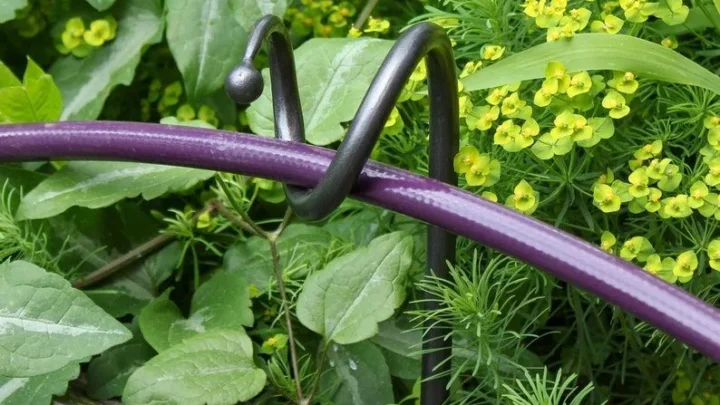
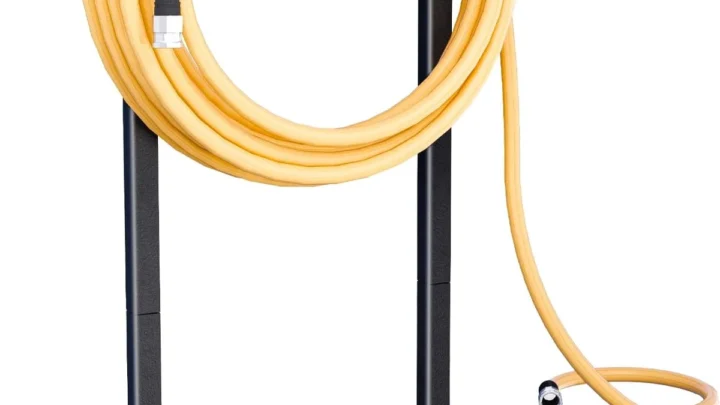
Using the wrong hose setup. A kinked or collapsed hose restricts flow and creates uneven watering. If you're dealing with a garden hose that won't unkink, addressing that issue improves your watering consistency. Similarly, understanding why garden hoses collapse when connected to a pump can help you avoid flow problems when using boosters or pressure systems.
Fix holes in the middle of a garden hose promptly to maintain steady output.
Fixing these mistakes usually means adjusting your technique rather than replacing the tree. Pay attention to what the tree is telling you, drooping leaves, early color change, and marginal browning are all signals. Respond quickly, and most trees bounce back.
When to Call an Arborist or Your Local Extension Service
Sometimes tree watering falls outside DIY territory. Knowing when to call a professional protects both your investment and the tree's long-term health. Here are the clear warning signs that warrant expert help.
Active disease symptoms appear. If you see cankers oozing sap, blackened bark spreading upward from the soil line, or fungal growth at the root flare, don't attempt treatment yourself. Certain pathogens require specific fungicides or removal protocols that only certified arborists should apply.
The tree shows progressive decline despite proper watering. Leaves yellow and drop before fall colors appear. Branch tips die back in a pattern that spreads upward. New growth is stunted or absent during the growing season.
These symptoms often signal root rot or vascular disease that needs professional diagnosis.
You suspect pest infestation. Bark beetles, borers, and aphids leave distinctive trails, frass (insect waste), or webbing. Some pests attack stressed trees specifically, making early identification critical. An arborist can recommend targeted treatments that homeowners shouldn't attempt.
Structural issues develop. A leaning tree with exposed roots, cracks in the trunk, or large branch unions that are splitting needs evaluation. These problems can become safety hazards and require pruning or cabling expertise beyond typical homeowner skills.
You're unsure about soil conditions. Compacted urban soils, fill dirt, or heavy clay may need aeration or amendment before the tree can establish. Local extension services often provide soil testing and remediation recommendations at low cost.
Your tree is near utilities or structures. Working close to overhead lines, underground utilities, or building foundations requires caution and sometimes specialized equipment. Professional arborists carry insurance and have the training to work safely in these conditions.
Most county cooperative extension services offer free or low-cost tree diagnosis through their horticulture programs. Call your local extension office first, they can often identify problems from photos and recommend next steps before you hire anyone.
Frequently Asked Questions
How often should I water a newly planted tree?
Water deeply once or twice per week during the first growing season. Adjust frequency based on rainfall, temperature, and soil type. Let the top 2 to 3 inches of soil dry out between sessions.
Can I use a soaker hose instead of a regular garden hose?
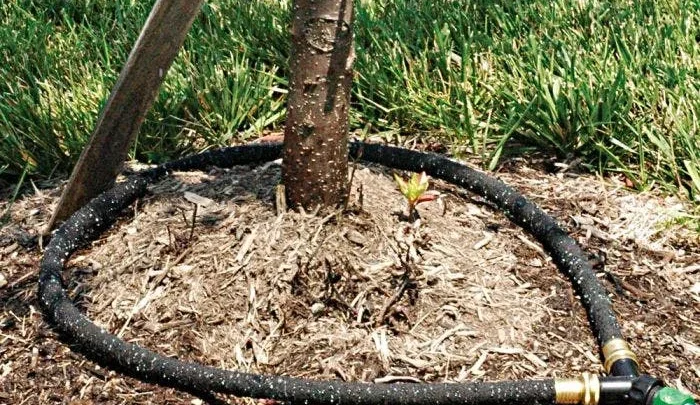
Yes, soaker hoses work well for tree watering. They deliver water slowly and evenly along the root zone. Position the soaker hose at the drip line and run it for 1 to 2 hours until the soil is moist 12 to 18 inches deep.
How do I know if I'm overwatering my tree?
Signs include yellowing leaves, wilting despite wet soil, and musty odors from the root zone. Check soil moisture with a probe before watering. If the soil is soggy at 6 inches deep, skip the next watering session.
Should I water newly planted trees in winter?
In climates with freezing temperatures, reduce watering as the ground cools. Most trees go dormant and need little moisture. In milder zones, water every 2 to 3 weeks during dry winter months to prevent root desiccation.
What's the best time of day to water trees?
Water in the early morning before 10 a.m. This gives roots time to absorb moisture before midday heat increases evaporation. Evening watering can leave foliage damp overnight, encouraging fungal diseases.
How do I measure a tree's trunk caliper correctly?
Measure 6 inches above the soil line using a flexible tape measure. Wrap the tape around the trunk and read the diameter in inches. This measurement determines your weekly water target using the 10 to 15 gallons per inch formula.

Similar Posts