Watering Container Plants With a Garden Hose: Expert Tips
You might assume the answer is just to run the hose until each pot feels heavy, but that approach often leads to drowned roots or bone-dry soil centers. The reality is that container watering requires a bit of strategy. You're managing a confined root system that dries out faster than in-ground soil, and a standard hose setting can easily wash soil away or drown tender seedlings if you're not careful.
Per USDA NRCS guidelines on efficient irrigation, most standard garden hoses deliver water at a rate of 5 to 10 gallons per minute. This means a 12-gallon pot can go from dry to saturated in under two minutes if you leave the stream running. Understanding this flow rate is the first step toward watering that doesn't waste water or stress your plants.
Let's walk through the exact method that works for almost every patio, balcony, or garden bed.
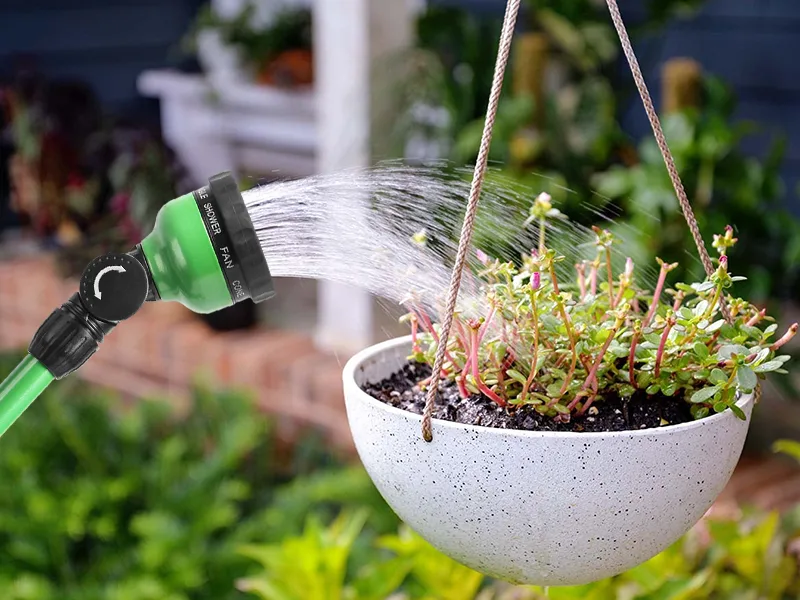
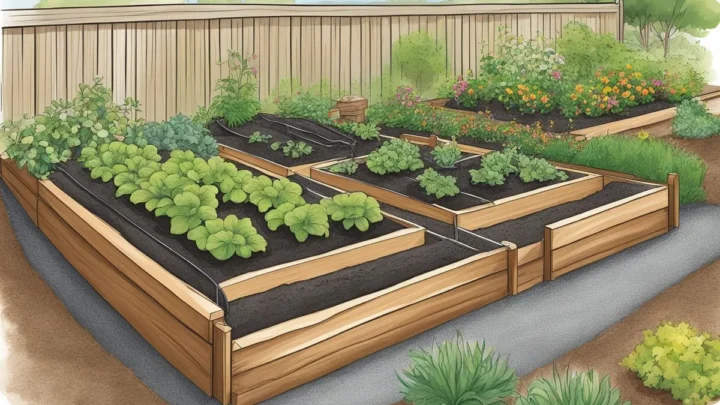
Image source: Bing (Web (fair-use with source credit))
Quick Answer
Water container plants with a garden hose by attaching a shower or mist nozzle setting. Hold the hose 6 to 12 inches above the soil surface and water each pot slowly until you see clean water draining from the bottom holes. A typical 12-gallon container needs about 1 to 2 minutes of watering.
Stop when the top two inches of soil feel moist but not soggy.
The Short Answer: How to Water Container Plants With a Garden Hose
The basic method that works for most situations
Start by checking that your hose nozzle is set to a gentle spray, mist, or shower pattern. A hard jet setting will blast soil out of drainage holes and damage delicate stems. Position the nozzle a few inches above the soil and move it slowly from one area of the pot to another.
This lets the water soak in evenly instead of running straight off the surface.
You should water until you see water flowing freely from the drainage holes at the bottom. This indicates the entire root ball is saturated. Watch the runoff color.
If it's clear, the soil is fully wet. If it's cloudy or muddy, you've been watering too long or the soil is too dry and repelling water initially.
How long to run the hose per pot
Duration depends entirely on pot size, material, and soil type. A small 1-gallon herb pot in a plastic container might need only 30 seconds on a gentle setting. A large 20-gallon wooden planter may require 3 to 4 minutes.
As a general rule, check the soil moisture after a minute. Stick your finger about two inches deep into the mix. If it feels dry, run the hose longer.
If it feels cool and damp, you're done.
When to skip the hose entirely
Some situations call for a different tool. If you're watering young seedlings in starter trays, the force of a hose will knock them over. Use a fine mist bottle or a watering can with a rose attachment instead.
If you have only one or two large containers, carrying a watering can might be slower but gives you more control. In winter, when plants are dormant and drying takes days, hosing can easily lead to root rot. Check soil moisture first before applying any water.
How the Right Nozzle and Settings Change Everything
Shower or mist setting for seedlings and delicate herbs
A fine mist or shower pattern mimics rainfall. It wets the soil surface without disturbing the media or damaging soft leaves. This setting is ideal for new transplants, leafy greens, and herbs like basil or cilantro that hate having their foliage soaked.
Wet leaves left to dry in direct sun can develop sunscald or fungal spots. Keep the spray light and close to the soil.
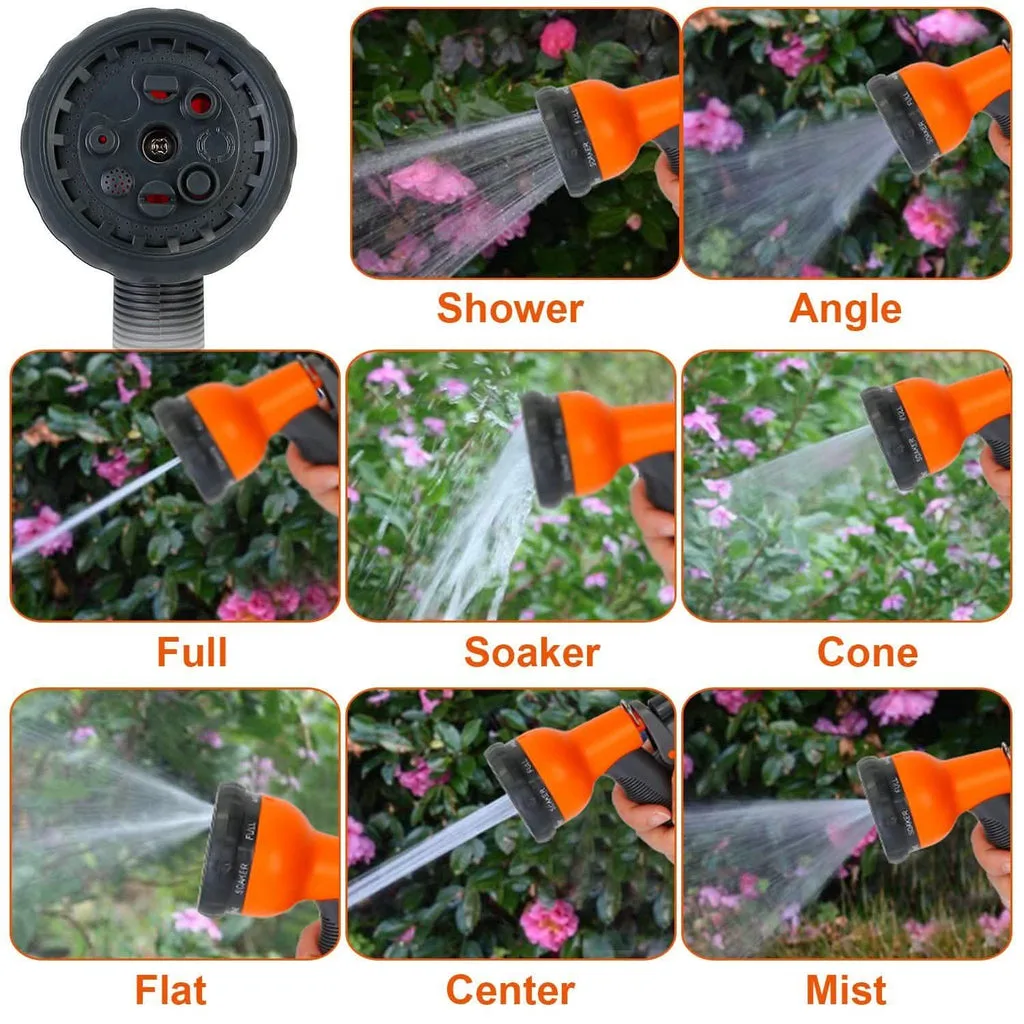
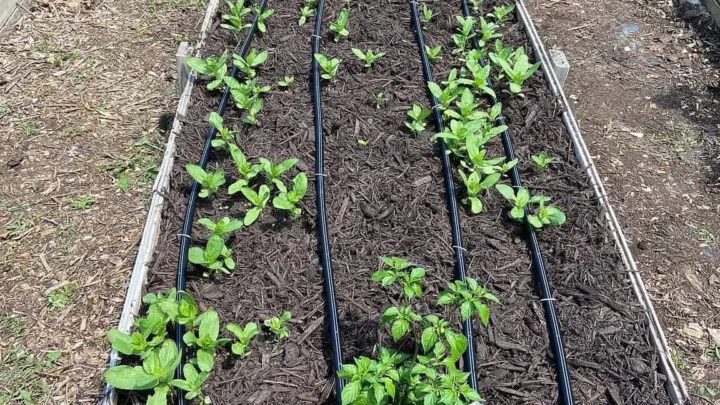
Image source: Web (Bing) / natesgardensupply.com (Web image (fair-use with source credit))
Jet or stream mode for deep-watering large containers
For mature shrubs, tomatoes, or large statement plants, a stream or jet setting moves water into the root zone faster. These containers hold so much soil that a gentle shower might take five minutes to penetrate. Switch to a medium stream once the topsoil is wet.
This saves time while still providing a thorough soak. Always aim the stream at the soil, never up at the stems.
Adjusting for pot material: terracotta, plastic, fabric, ceramic
Pot material dramatically changes how often and how long you need to water. Terracotta and concrete are porous. They breathe, which means water evaporates through the walls.
A terracotta pot in summer sun may need watering every day or even twice a day. Plastic and glazed ceramic retain moisture much longer. Fabric grow bags also dry out quickly due to air pruning and evaporation on all sides.
In hot weather, you might water a fabric pot daily but only every three days for a plastic container of the same size.
Matching soil type to your spray distance and duration
Soil composition affects absorption rates. Lightweight potting mixes with peat or coco coir absorb water fast but can dry out just as quickly. Sandy mixes drain rapidly and may need more frequent, shorter watering.
Clay-heavy mixes hold moisture for days but can become waterlogged if overwatered. If your mix seems to repel water initially, let the hose run for a few seconds, then pause and repeat. This helps rewet dry peat particles so the water can finally soak through.
Step-by-Step: Watering Container Plants Without Stress
Checking drainage holes before you even pick up the hose
Before watering, flip each pot over and look at the bottom. Drainage holes must be clear and unblocked. Soil that settles over time can clog these openings.
Use a stick or screwdriver to gently clear any debris. Blocked drainage leads to standing water in the soil, which suffocates roots and invites rot. If your pot lacks holes, you cannot safely water with a hose.
Consider adding drainage or switching containers.
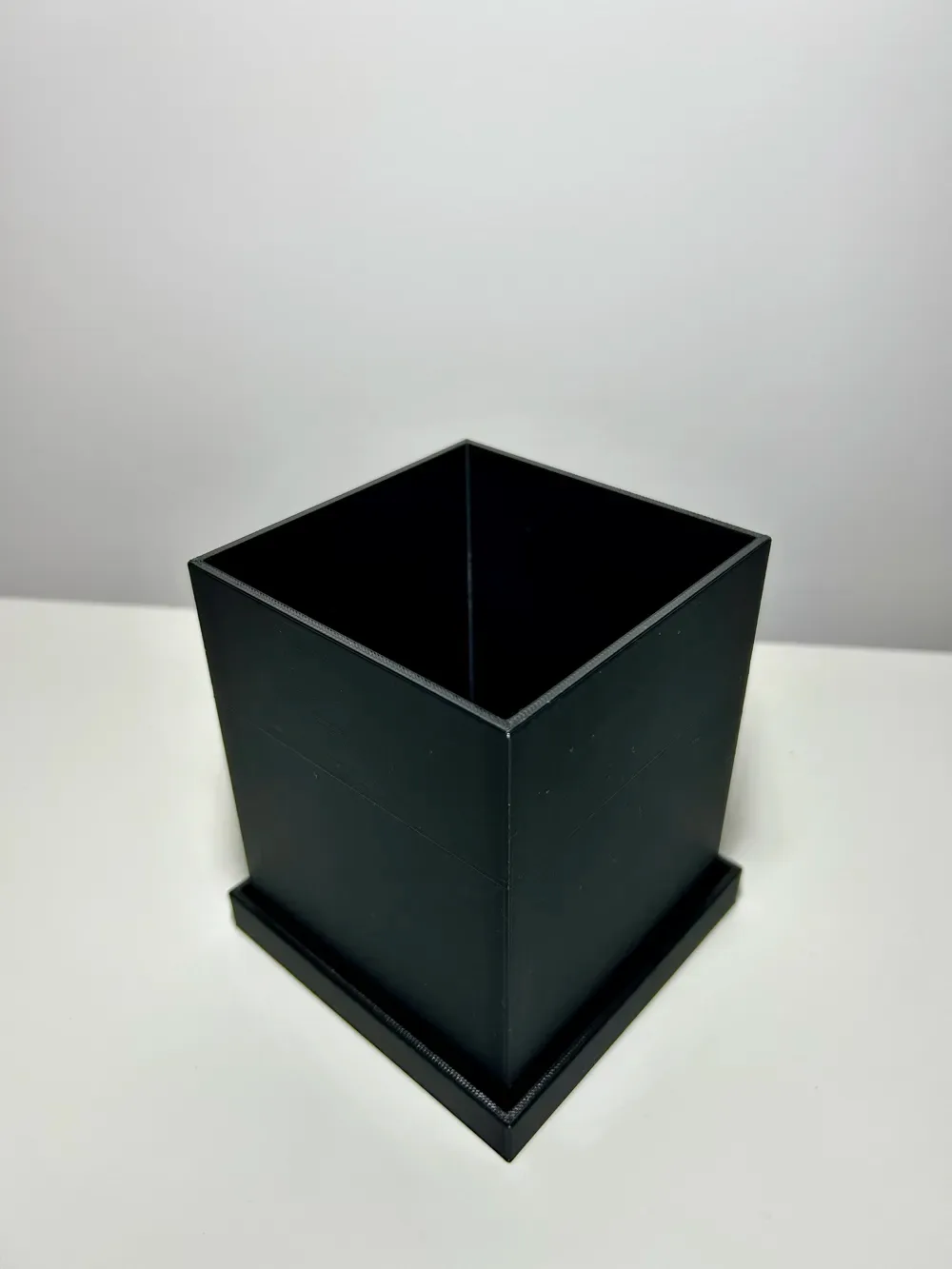
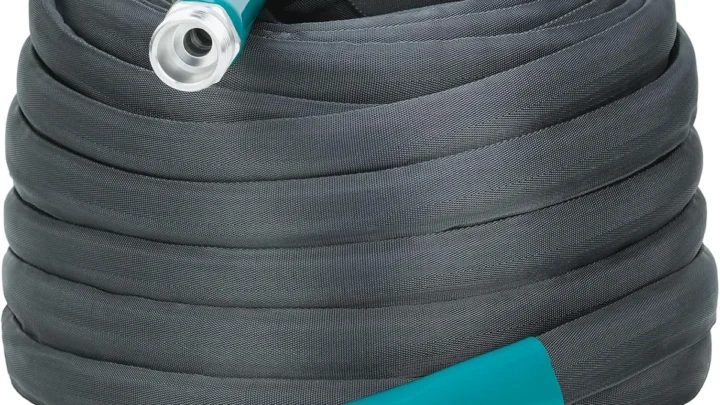
Image source: Web (Bing) / makerworld.com (Web image (fair-use with source credit))
Positioning the nozzle at the right distance and angle
Hold the hose nozzle about 6 to 12 inches above the soil. Angle it slightly downward so the spray lands on the dirt, not on the leaves. For tall plants, you may need to lean the nozzle closer to the soil line to avoid wetting the lower leaves.
If you're working on a sloped balcony, place a bucket or saucer under the pot to catch runoff and protect the surface below.
Knowing when to stop — the finger test and runoff signals
After you see water draining out, wait a few seconds and check the soil surface. Then press your finger about two inches down. The soil should feel cool and moist.
If it still feels dry, water for another 30 seconds and check again. Never guess based on time alone. A 10-gallon pot of dry coco coir will drink water faster than a 10-gallon pot of dense potting mix.
The finger test is your most reliable gauge.
Rotating pots and moving through your garden efficiently
If you have multiple containers arranged in rows, start at the far end and work backward toward your water source. This prevents you from stepping on wet soil or tripping over the hose. Rotate saucer-less pots slightly after watering so each side gets equal exposure to light and air.
This also helps the soil dry evenly on all sides. When finished, shake out excess water from the hose before coiling it to prevent mildew inside.
Storing the hose so it lasts and stays out of the way
After use, detach the hose and coil it loosely on a reel or hanger. Storing it coiled tightly while wet can cause kinks and cracks over time. Keep it out of direct sunlight when possible, as UV rays break down rubber and vinyl.
For extending hose lifespan tips, consider wrapping connectors in tape to prevent leaks and store nozzles indoors to avoid loss or damage.
Common Mistakes That Turn Healthy Plants Into Wilted Ones
Overwatering because the hose makes it feel like nothing's wrong
The biggest error is assuming more water is better. Container soil stays wet longer than ground soil. If you water daily without checking moisture, roots drown and rot sets in within days.
Signs include yellowing leaves, soft stems at the base, and mold on the soil surface. Always verify dryness before watering again. Err on the side of slightly underwatered rather than constantly saturated.
Spraying foliage instead of the soil — disease and leaf scald
Getting water on leaves invites fungal diseases like powdery mildew and black spot. Wet foliage also reflects heat and can literally cook tender leaves in midday sun. Always direct your spray at the soil line.
If you accidentally splash leaves, gently shake the plant to dislodge droplets or move it to a breezy spot to dry faster. Watering in the early morning gives plants the best chance to dry before evening humidity returns.
Using the wrong nozzle setting for the plant type
Running a jet stream on a tray of seedlings will erase them. Switching to a mist on a thirsty tomato cage in July will waste hours of your time. Match the setting to the job.
Delicate or small plants get the gentle shower. Established, thirsty containers get the medium stream. Save the jet setting for cleaning pots or hardscapes, not for watering.
Ignoring pot size, material, and climate differences
A one-size-fits-all watering schedule fails because conditions vary wildly. A small plastic pot on a covered patio may need water every three days. The same pot on a hot, windy balcony might need water every day.
Terracotta evaporates moisture through its walls. Plastic holds it in. You must adjust frequency and duration based on the container and local weather, not on a fixed calendar.
Watering at the wrong time of day
Watering in the heat of midday causes rapid evaporation, wasting water and shocking roots with sudden temperature changes. Late evening watering leaves soil wet overnight, promoting fungal growth. The best window is early morning, between 6 AM and 9 AM.
The soil absorbs water efficiently, and any splash on leaves dries quickly as the sun rises.
Hose vs. Watering Can vs. Drip Irrigation: Which Fits Your Situation?
When a garden hose is the smartest choice
A garden hose is ideal when you have a moderate to large number of containers spread across a patio, deck, or garden bed. It offers flexibility to reach difficult spots and the speed to water multiple pots in minutes. It's also cost-effective since you likely already own one.
Choose this method if you enjoy tending your plants regularly and don't mind the physical activity.
When a watering can gives you better control
Watering cans excel for precision. They're perfect for small indoor setups, delicate seedlings, or when you need to target exactly one plant without wetting neighbors. They also prevent runoff waste since you pour slowly and directly.
If you have only a few containers or need to water on a tight schedule throughout the day, a can reduces the risk of overwatering.
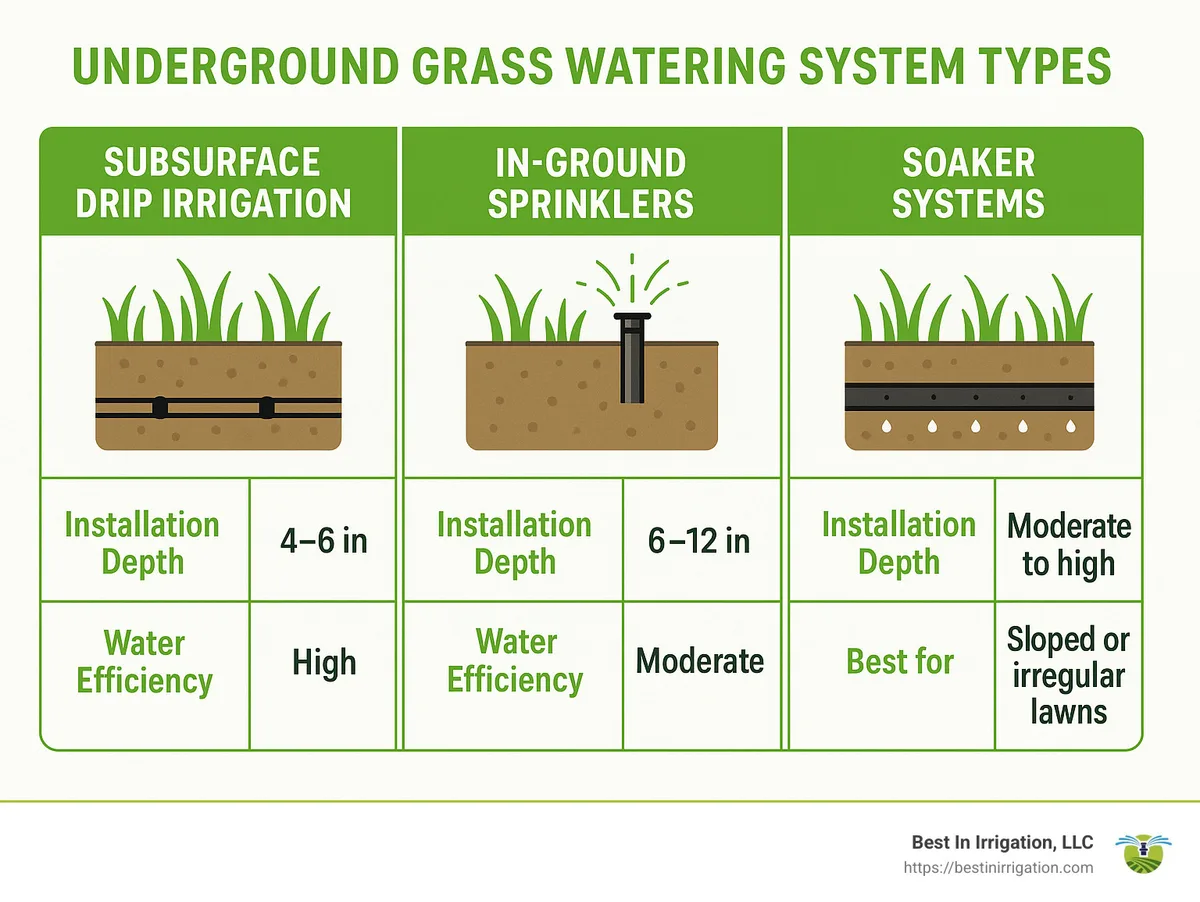
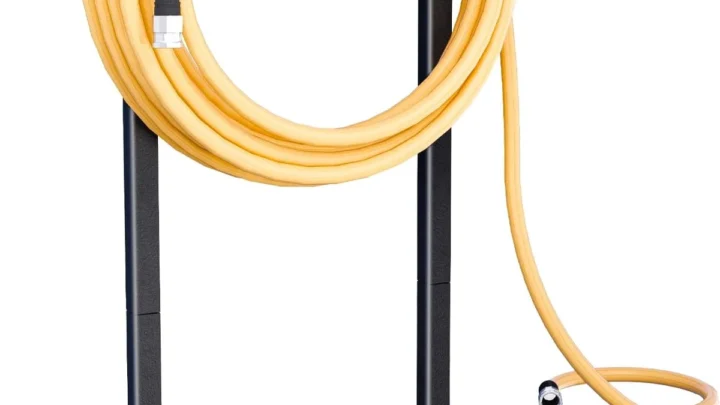
Image source: Bing (Web (fair-use with source credit))
When drip irrigation or soaker hoses win long-term
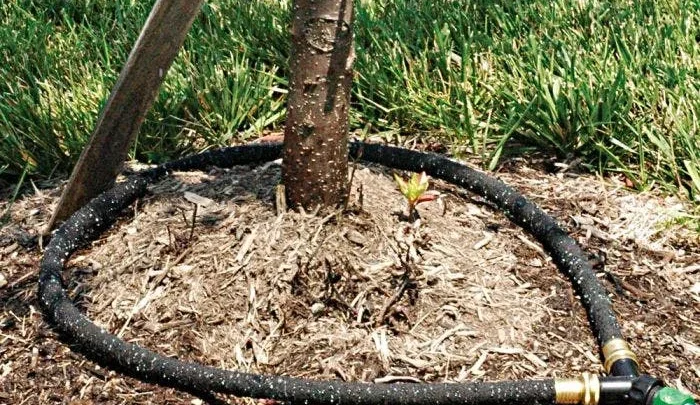
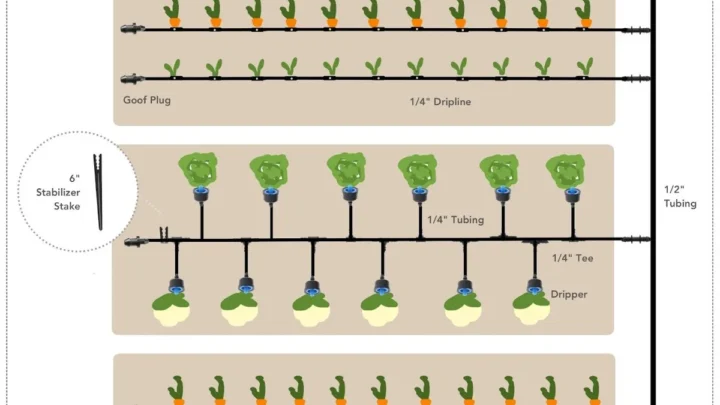
Drip systems and soaker hoses are unbeatable for automation and conservation. They deliver water directly to the soil at a slow, steady rate, reducing evaporation and runoff. This is the best choice if you travel often, have many containers in a fixed arrangement, or want to conserve water during dry seasons.
The initial setup costs more time and money, but the long-term convenience and plant health benefits are significant.
Quick comparison table: effort, cost, precision, scalability
| Method | Effort Level | Upfront Cost | Precision | Best For |
|---|---|---|---|---|
| Garden Hose | Medium | Low | Moderate | Multiple outdoor containers |
| Watering Can | Higher | Low | High | Few pots, indoor plants, seedlings |
| Drip Irrigation | Low after setup | Moderate | High | Automation, many containers, water conservation |
| Soaker Hoses | Low | Low-Moderate | Moderate | Row gardens, raised beds |
Choosing the right tool depends on your container count, schedule, and how much control you want. For most home gardeners with a mix of plants, a hose with a good nozzle remains the most versatile option.
FAQs About Watering Container Plants With a Hose
Can I just point the hose at each pot and walk away?
No, that approach risks overwatering or underwatering depending on pot size and soil. You need to stay nearby and watch for runoff from the drainage holes. Once water flows freely out the bottom, move on.
Walking away usually means you've left the stream running long enough to saturate the entire root ball completely.
How do I know if I'm underwatering or overwatering?
Check the top two inches of soil with your finger. If it feels dry and crumbly, your plants need water. If it feels cool, heavy, and muddy, you've overwatered.
Overwatered plants often show yellowing leaves and wilted stems despite wet soil. Underwatered plants look crispy, brown, and droopy with soil pulling away from the pot edges.
Should I water container plants every day in summer?
Not necessarily. Frequency depends on pot material, size, and plant type. Small plastic pots may need daily watering in heat, while large terracotta containers might only need it every other day.
Always test moisture first rather than following a rigid schedule. Hot, windy conditions increase evaporation, so check more often then.
Is it okay to use tap water from the hose on all plants?
Most garden tap water is safe for container plants. However, some municipal supplies contain high chlorine or salt levels that can buildup in soil over time. If you notice brown leaf tips or white crust on the pot rim, consider filtering the water or using rainwater instead.
Plants like blueberries and azaleas prefer slightly acidic, soft water.
How do I prevent algae and moss around container bases?
Algae thrives on constantly damp surfaces. Ensure pots sit on raised feet or saucers with gravel so water drains away from the base. Avoid letting hoses run continuously near container bottoms.
Sweep away any standing water promptly. For existing algae, mix a weak vinegar solution and scrub the area before it spreads further.
What is the best time of day to water with a hose?
Early morning between 6 AM and 9 AM is ideal. The soil absorbs water efficiently before the sun intensifies, and any splashed leaves dry quickly. Evening watering leaves soil wet overnight, encouraging fungal diseases.
Midday watering wastes water through rapid evaporation and can shock roots with sudden temperature changes.
How do I fix a hose that kinks and stops flow mid-watering?
Kinks often happen when hoses are stored coiled tightly or bent sharply around corners. Store your hose loosely on a reel or hanger to prevent memory crimps. If a kink forms during use, straighten the hose section and increase water pressure briefly to pop it open.
For chronic kinking, consider a kink-resistant hose upgrade.
Can I connect a soaker hose directly to my garden hose for containers?
Yes, if the soaker hose is rated for the same water pressure as your system. Attach it using a standard Garden Hose Thread (GHT) connector. Soaker hoses deliver water slowly and evenly along their length, making them perfect for rows of similar-sized pots.
Check the manufacturer's pressure rating to avoid bursts or leaks at the connection point.
Why does my water smell like rubber or plastic?
New hoses often leach mild rubber or plastic odors as manufacturing residues wash out. This is normal for the first few uses. Run the hose outdoors for 15 minutes before connecting it to plants.
If the smell persists after several washes, the hose may contain low-quality materials unsuitable for gardening. Consider switching to a safer rubber or polyurethane hose.
How do I store my hose in winter to prevent damage?
Drain all water completely before storing. Disconnect the hose, elevate both ends to let residual water flow out, then coil loosely indoors or in a garage. Freezing water expands and cracks the interior lining.
Even if you live in a mild climate, storing hoses off cold concrete floors extends their lifespan significantly.
Similar Posts