Water Your Garden Without Hoses: Easy Solutions
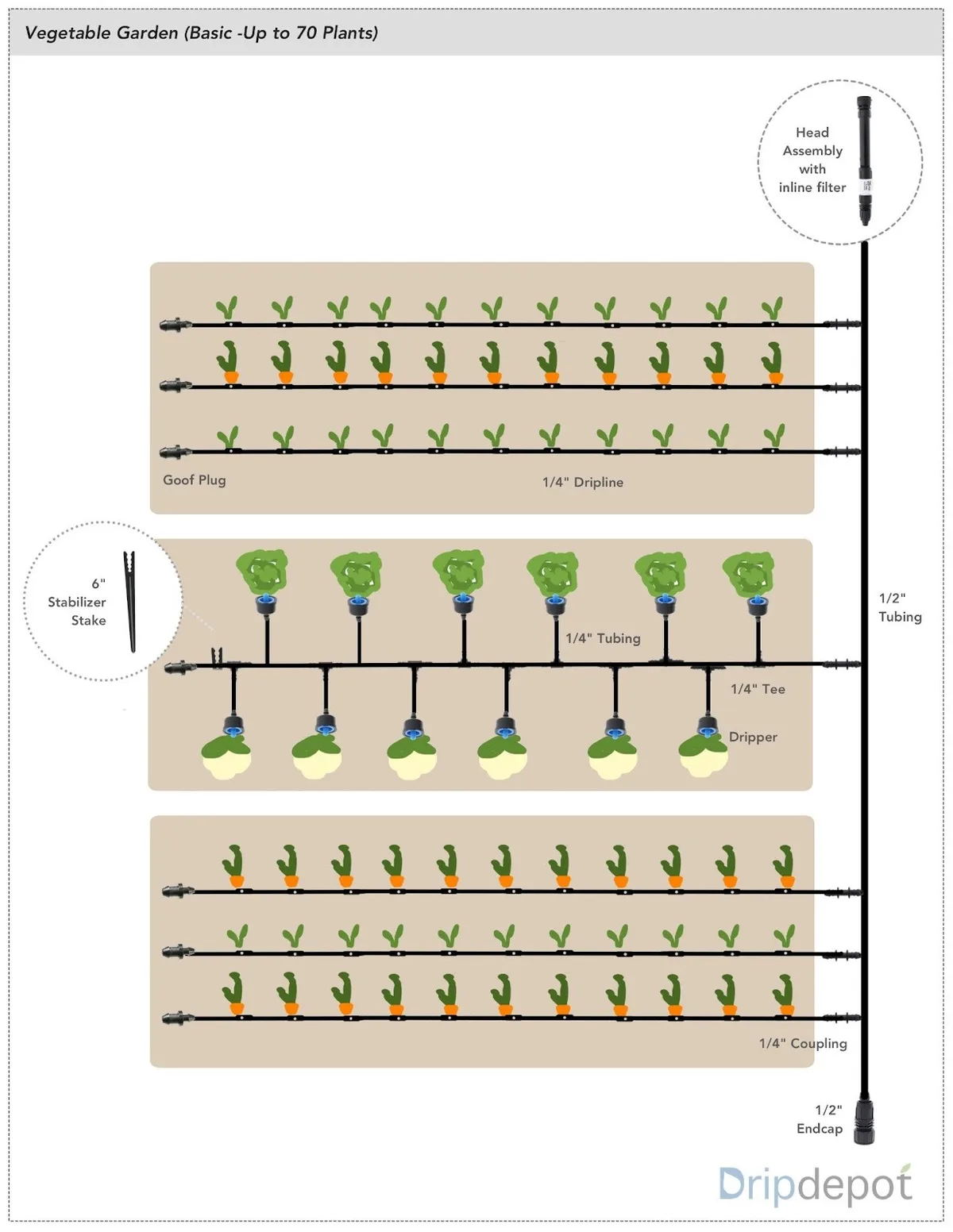
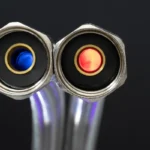
Image source: Web (Bing) / help.dripdepot.com (Web image (fair-use with source credit))
Per EPA WaterSense guidelines, drip irrigation systems can be over 90 percent efficient compared to conventional sprinklers. These numbers highlight why a smarter watering approach matters for both plant health and water bills. Let's break down the options so you can pick the method that fits your garden layout.
Quick Answer
You can water without dragging a hose by using soaker hoses, drip irrigation, or watering cans. Soaker hoses lay along beds and seep water directly into the soil. Drip lines deliver precise drops to each plant's roots.
Watering cans give you manual control for containers and small areas. Each method keeps paths clear and reduces water waste.
Why Dropping the Hose Changes Everything
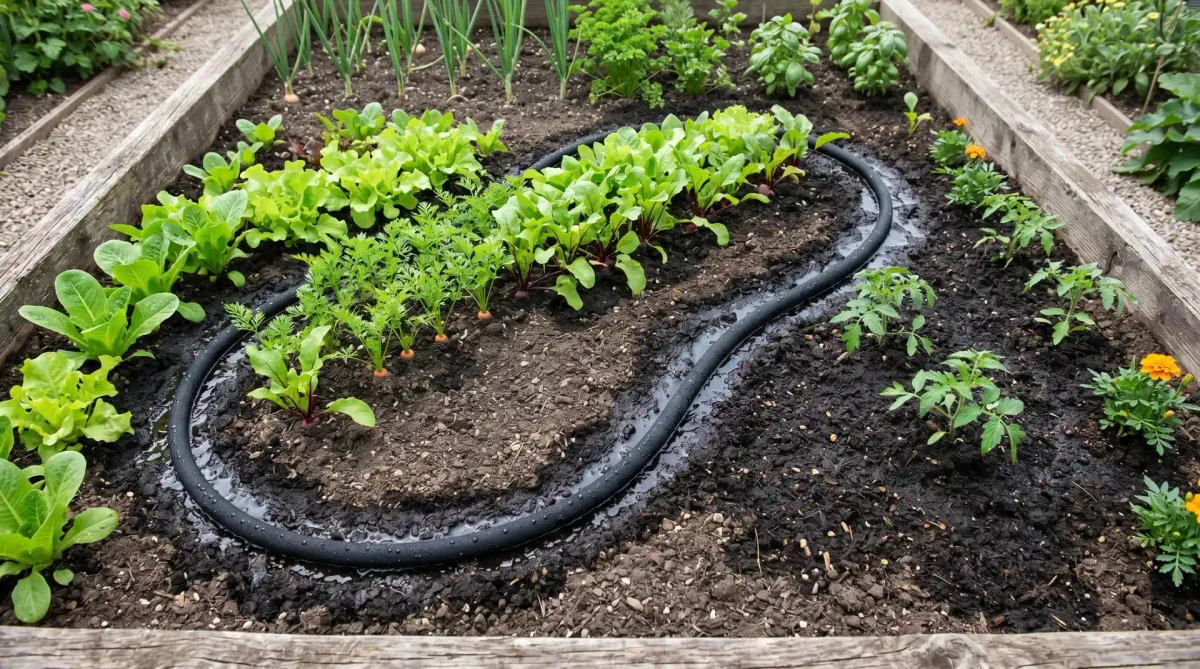
Swinging a full garden hose across raised beds or flower rows often means crushing stems, compacting soil, and leaving shallow roots exposed. That kind of casual foot traffic can stress plants and make watering a chore instead of a calm routine. Targeted systems solve both problems by keeping water where it belongs and clearing your walking paths.
Manufacturer test data indicates that soaker hoses and drip lines can cut water loss from evaporation and runoff by nearly half. Less wasted water means healthier root zones and lower utility bills. Aggregate reviews from gardeners also note fewer fungal issues because foliage stays drier when you stop overhead watering.
Per EPA WaterSense standards, certified drip products deliver water directly to the root zone with minimal drift. That precision translates into steadier soil moisture and stronger plant growth throughout the season. When you drop the hose, you're not just saving time; you're building a garden that drinks deeply and stays resilient.
Option Breakdown: Soaker Hoses, Drip Lines, Watering Cans, and More
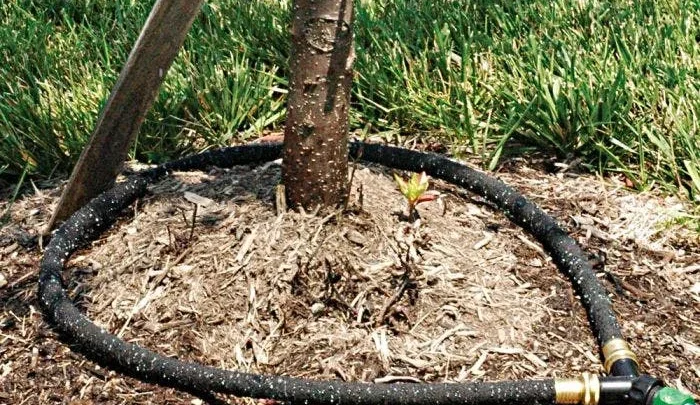
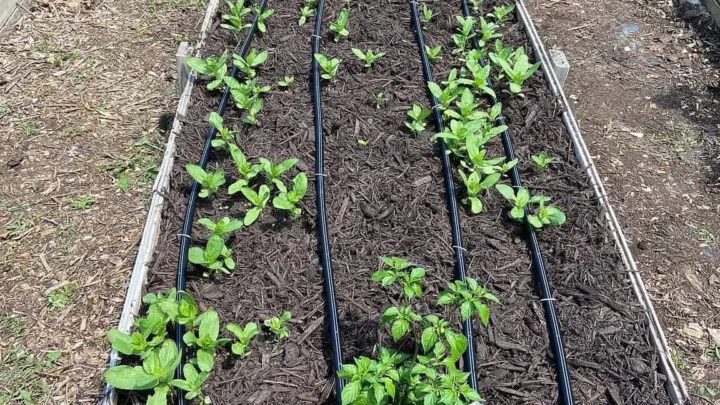
Soaker hoses are porous tubes that let water seep slowly along their length. They work well in vegetable rows and perennial beds where you want even moisture without wetting leaves. These hoses usually run from a spigot and can be connected in series or looped back for longer coverage.
Soaker Hoses
Soaker hoses emit roughly 0.5 gallons per hour per foot of runtime. That rate keeps soil damp but not soggy when you run them for an hour or two. Many models use recycled rubber or PVC blends, and some carry UV stabilization to resist cracking in full sun.
You'll want to lay the hose under a light mulch layer to reduce evaporation and protect the tubing from sun damage.
Drip-Irrigation Kits and Tubing
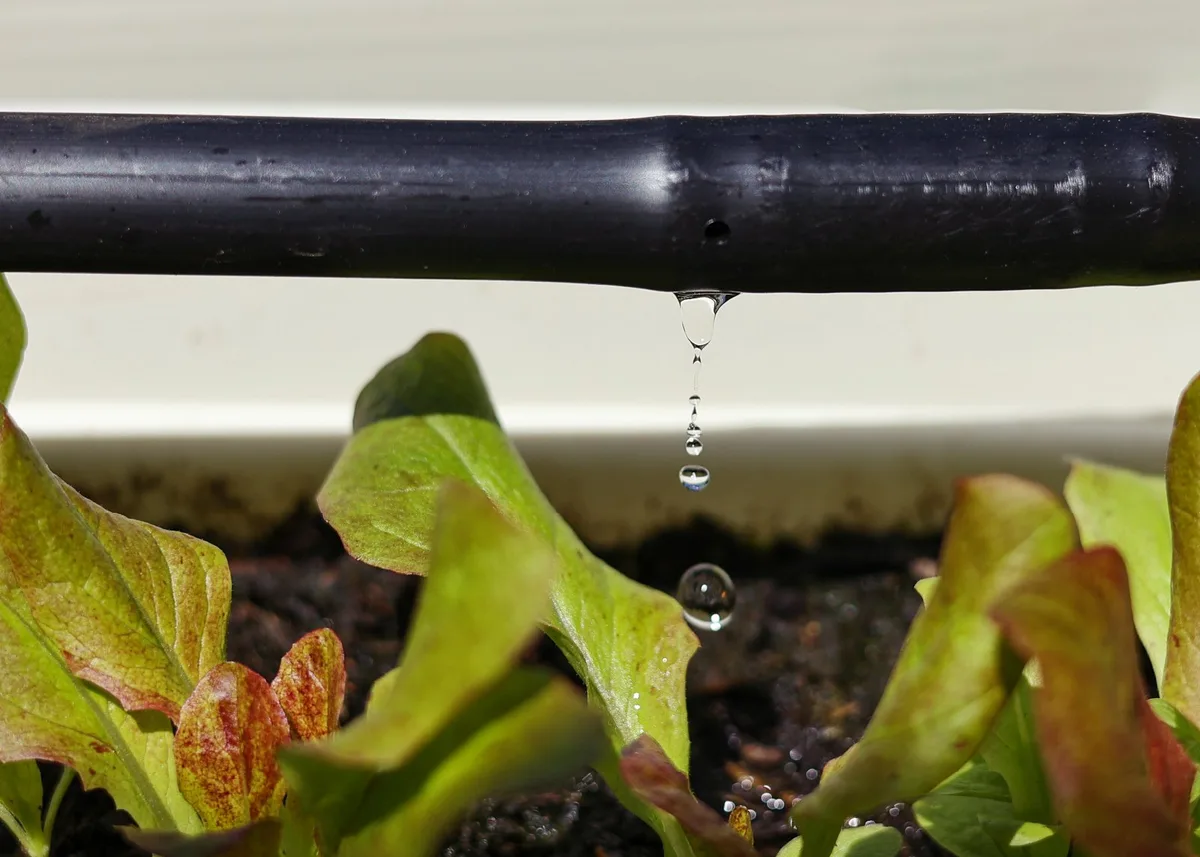
Drip kits use small emitters attached to 1⁄4-inch lateral tubing that branches off a 1⁄2-inch mainline. Each emitter drops water at a set rate, typically between 0.5 and 4 gallons per hour. This setup lets you target individual plants, whether they sit in raised beds or pots.
Installation involves punching holes in the mainline and snapping emitters into place, which makes layout changes quick later on.
Watering Cans and Long-Handle Wands
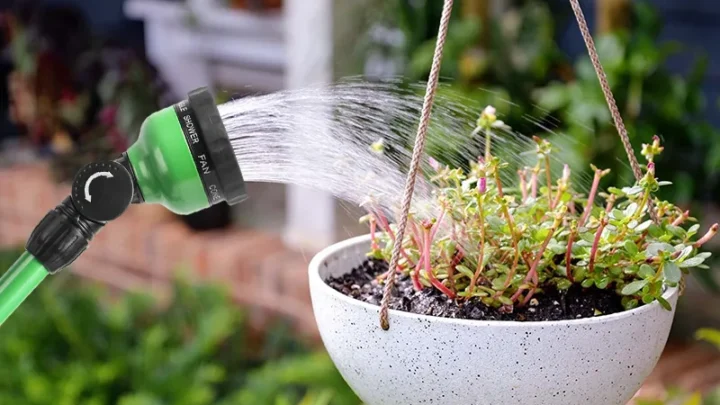
A simple watering can gives you manual control and zero setup time. Choose a 2-gallon metal can for durability or a lightweight plastic one for easier lifting. Long-handle wands attach to your hose and extend reach, so you can water deep-rooted plants without bending.
They're ideal for container gardens or tight spaces where hoses would tangle.
Oscillating Sprinklers
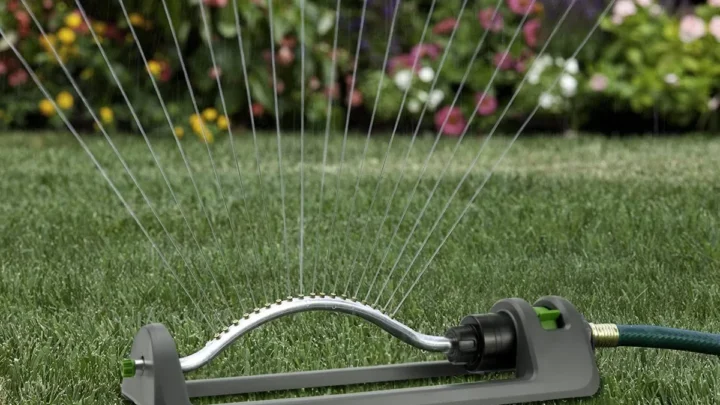
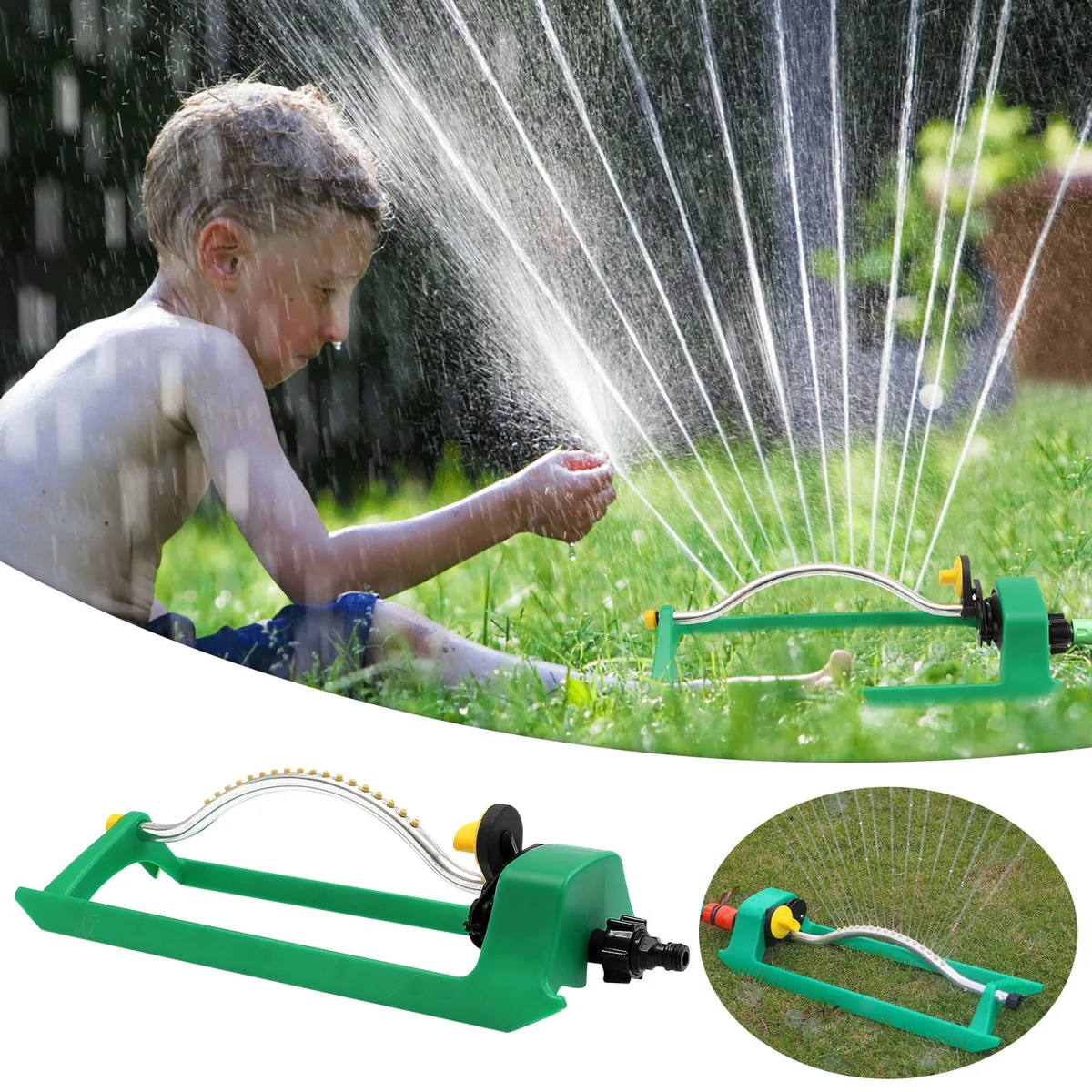
Oscillating sprinklers throw a wide fan of water and cover large, open areas quickly. They're best for lawns or broad beds where you need uniform coverage. While less efficient than drip methods, they're inexpensive and easy to move around.
You can adjust the spray width and distance to match your space.
Rain-Barrel and Passive Watering Setups
Rain barrels capture runoff from rooftops and store water for garden use. A standard 55-gallon barrel can hold enough water to replenish beds after a dry spell. Some passive systems, like unglazed clay pots buried next to plants, wick moisture directly into the root zone.
These approaches reduce municipal water reliance and often qualify for local rebates.
Smart Timers and Manual Controls
Mechanical timers clip onto your spigot and open valves on preset schedules. Smart controllers add weather sensors andWi-Fi connectivity to adjust runtime automatically. Both types pair well with drip or soaker setups, freeing you from daily manual watering.
Just verify that the controller matches your system's pressure and flow requirements.
How Each Method Stacks Up: Side-by-Side Comparison
Comparing cost, efficiency, and setup effort helps you match a method to your garden's size and your patience level. The table below pulls typical ranges from manufacturer specs and gardening guides as of 2026. Keep in mind that prices shift with material quality and brand reputation.
| Method | Typical Cost Range | Water-Use Efficiency | Setup Effort | Best For |
|---|---|---|---|---|
| Soaker hoses | Low–mid | High | Low–medium | Bed and row gardens |
| Drip irrigation | Mid–high | Very high | Medium | Precise root-zone watering |
| Watering cans / wands | Low | Medium–high | Low | Containers, small beds, targeted spots |
| Oscillating sprinklers | Low | Moderate | Low | Lawns and wide open areas |
| Rain-barrel setups | Variable | High (saves municipal water) | Medium | Rain-rich climates and sustainability |
| Smart timers | Varies by hardware | High when paired with drip/soaker | Medium–high | Automation and seasonal adjustment |
Soaker hoses and drip lines lead in efficiency because they deliver water straight to the soil surface or just below. Watering cans and wands require more hands-on time but offer unmatched control for small plots. Oscillating sprinklers lose more water to wind drift and evaporation, making them better suited for lawns.
Rain barrels and smart timers work as supplements rather than primary water sources, but they pay off in lower bills and automated convenience.
When choosing, weigh your garden layout, water access, and how much maintenance you're willing to do each season. If you have narrow rows and want set-and-forget watering, soaker hoses hit the sweet spot. For irregular plant spacing or container gardens, drip emitters or watering cans give you the precision you need.
Best Options for Your Garden Type
Matching your watering method to the garden's shape and plant needs saves money and keeps roots happy. Raised beds, container plots, and flower borders each respond best to different delivery styles. Below are quick recommendations based on common garden layouts.
Raised Beds and Vegetable Rows
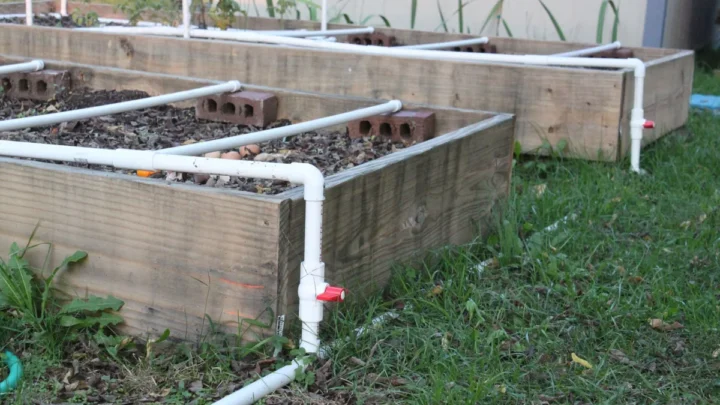
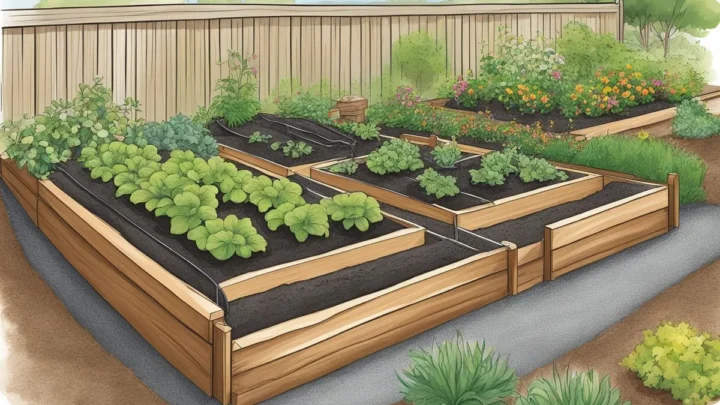
Raised beds drain quickly and benefit from soaker hoses laid along each row. The porous tubing keeps the soil consistently moist without flooding the surface. For dense plantings, drip lines with emitter stakes let you target the base of each seedling.
You can connect multiple soaker hoses to a single timer for automatic watering while you're away.
Container and Patio Gardens
Containers dry out faster than in-ground beds, so frequent manual watering or self-watering pots work well. A watering can with a long spout lets you direct flow to each pot without splashing soil. Drip kits with adjustable emitters can serve multiple containers on a deck, especially if you group pots by water needs.
Just check that the saucers catch any excess to avoid staining.
Flower Beds and Perennial Borders
Perennial borders thrive with drip irrigation because it minimizes leaf wetness and reduces fungal disease. Lay mainline tubing along the bed's edge and snap emitters near each plant's drip line. Mulch over the lines to protect them and retain moisture.
For shorter beds, a single soaker hose snaked through the planting can provide even coverage with minimal effort.
Lawn Watering Needs
Lawns don't need drip precision; they respond well to occasional deep watering from oscillating sprinklers. Run the sprinkler in a pattern that overlaps adjacent passes to avoid dry stripes. Early-morning watering reduces evaporation and gives grass time to dry before evening.
If your lawn has shade patches, adjust runtime to prevent overwatering those areas.
Balcony and Small-Space Gardens
Balcony gardens fit easily into watering cans or small drip kits mounted on a wall. Self-watering containers with built-in reservoirs cut down on daily chores. You can also attach a simple soaker hose to a bucket and let gravity feed water slowly.
Keep the setup lightweight and portable so you can rearrange plants as seasons change.
Pro Tips: Setup, Maintenance, and Mistakes to Avoid
A well-planned watering system runs smoothly for years if you install it correctly and perform seasonal upkeep. Follow these pro tips to avoid common pitfalls and keep your garden hydrated without hassle.
Planning and Routing Your Water Lines
Map your beds before buying tubing or hoses. Note spigot locations, plant clusters, and areas that dry out fastest. Measure distances and add 10 percent extra line for errors and future expansions.
Keep water lines along bed edges or under mulch to protect them from foot traffic and tools.
Winterizing and Seasonal Storage
In freezing climates, drain all lines before the first hard frost. Use compressed air to blow out remaining water from drip tubing, and store soaker hoses coiled in a dry shed. Disconnect and clean filters to prevent clogs over winter.
Proper winterization extends component life and avoids bursts that waste water in spring.
Cleaning, Clog Prevention, and Filter Maintenance
Flush new drip lines before attaching emitters to clear manufacturing debris. Install a filter at the spigot to catch sediment that clogs small outlets. Every few months, soak emitters in a vinegar solution to dissolve mineral buildup.
Regular cleaning keeps flow rates consistent and prevents dry spots.
Pressure Checks and Leak Detection
Low pressure often signals a kink, clog, or undersized mainline. Check connections for leaks by running the system and inspecting along the route. Tighten loose fittings and replace cracked tubing promptly.
If pressure varies between zones, balance emitter sizes or add a pressure regulator to the main supply.
Mistakes to Avoid (and Quick Fixes)
Don't bury soaker hoses too deep; shallow placement under 2 inches of mulch works best. Avoid running drip lines uphill without pressure compensation, which can cause uneven output. If a soaker hose develops a weak section, cut out the damaged part and splice in a new segment with a coupling.
Skip overhead watering late in the day, as wet foliage invites disease overnight.
For deeper guidance on keeping your watering components in top shape, see our research on how long a garden hose lasts and how to diagnose low flow through a garden hose.
FAQs
How long does setup take for a soaker hose system?
A simple soaker hose setup takes 15 to 30 minutes for a single raised bed. Larger gardens with multiple rows may require an hour or two for layout and connection. Adding a timer adds another 10 minutes of work.
Can I use drip irrigation in containers?
Yes. Drip emitters work well in pots and hanging baskets. Use self-watering spikes or small drip lines with adjustable emitters.
This method keeps water directed at the roots without overflowing the container.
What is the best watering method for vegetables?
Soaker hoses are ideal for vegetable rows. They deliver steady moisture to shallow root systems. Drip lines work better for individual plants or uneven spacing.
Combine both approaches for maximum flexibility.
How do I prevent algae growth on soaker hoses?
Algae thrives in damp, shaded conditions. Lay soaker hoses under a thin mulch layer to block sunlight. Clean the tubing annually with a mild bleach solution.
Store hoses indoors during winter to prevent residue buildup.
Do rain barrels need a filter?
Yes. A fine mesh screen prevents debris from clogging your watering system. Install the filter at the barrel's outlet before connecting to a hose or drip line.
This protects emitters and extends system life.
Final Verdict: Pick the Method That Matches Your Garden
Choosing the right watering method depends on your garden size, layout, and how much time you want to spend on maintenance. Soaker hoses are the easiest entry point for bed and row gardens. They're affordable, simple to install, and nearly foolproof.
Drip irrigation suits precise plant spacing and containers. It costs more upfront but saves water and reduces disease pressure over time.
For lawns and large open spaces, oscillating sprinklers remain the most practical choice. If you live in a rainy climate or want to reduce municipal water use, a rain barrel paired with drip lines offers the best long-term value. Smart timers automate the process and adjust for weather changes, making them worth the investment if you travel often or want set-and-forget convenience.
Your garden's shape and plant types should guide the final decision. Narrow rows and vegetable beds benefit most from soaker hoses. Irregular beds and container setups need drip precision.
Open lawns thrive with sprinklers. Once you pick a method, pair it with proper winterization and annual cleaning to keep the system running efficiently season after season.
Similar Posts