Watering Shrubs with a Garden Hose: Expert Tips
How do I water shrubs with a garden hose? The answer is simpler than most people think, but it also depends on your specific situation. A one-size-fits-all approach will either leave your shrubs thirsty or drown them, and both outcomes cause damage.
You need to match your method to the plant type, soil, and local conditions.
Per University of California Cooperative Extension guidelines, shrubs require water that penetrates 6 to 12 inches into the soil to encourage deep root growth. A standard 5/8-inch hose delivers roughly 9 to 17 gallons per minute at normal household pressure, so timing and flow control matter more than you might expect. Let's break down exactly how to do this right.
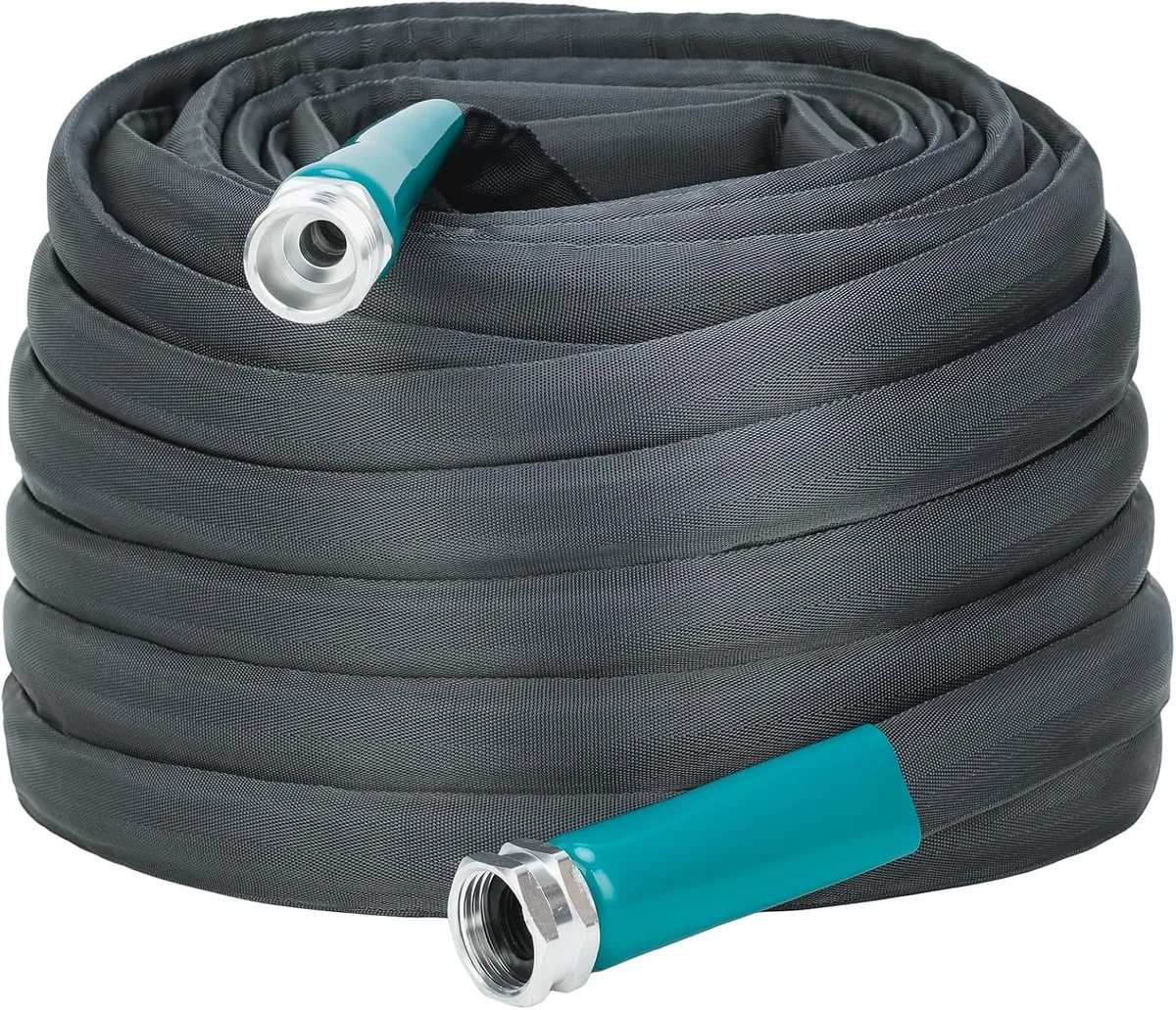
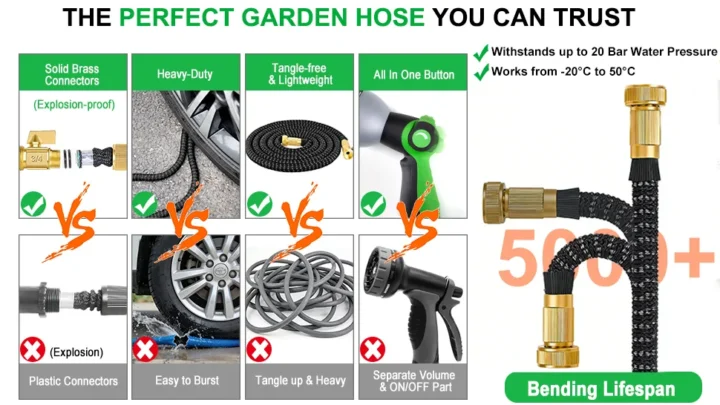
Image source: Web (Bing) / barbabos.ubuy.com (Web image (fair-use with source credit))
Quick Answer: The Core Principle
Place the hose at the base of each shrub and run a slow, steady trickle until water soaks 6 to 12 inches deep. This usually takes 30 to 60 minutes per shrub depending on soil type. Water in the early morning between 6 and 9 AM to reduce evaporation.
New shrubs need this schedule 2 to 3 times weekly during their first growing season. Established shrubs typically only need a deep soak every 7 to 14 days. The goal is always slow penetration rather than quick surface wetting.
Why Shrubs Need Deep, Slow Soaking
Most people make the mistake of blasting shrubs with a high-pressure spray for a few minutes. That approach wets the surface and then runs off. The roots stay dry and stressed while you've wasted most of the water.
Deep soaking forces moisture down into the root zone where it actually matters.
Shrubs develop two types of roots. Fine feeder roots absorb water and nutrients close to the surface. Thicker structural roots anchor the plant deeper in the ground.
When you water slowly, both types get what they need. Fast watering only reaches the fine roots before the water disappears down a crack or away as runoff.
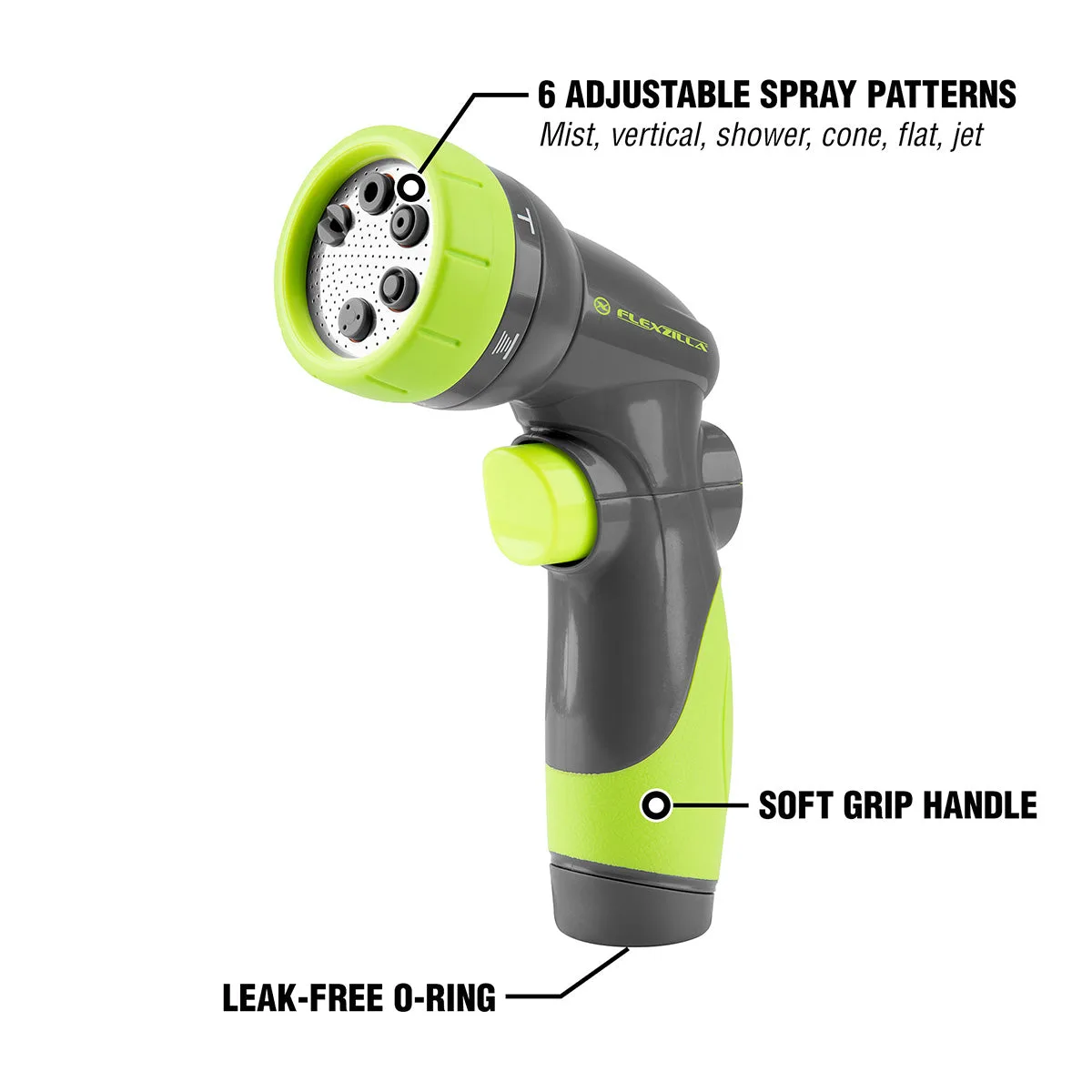
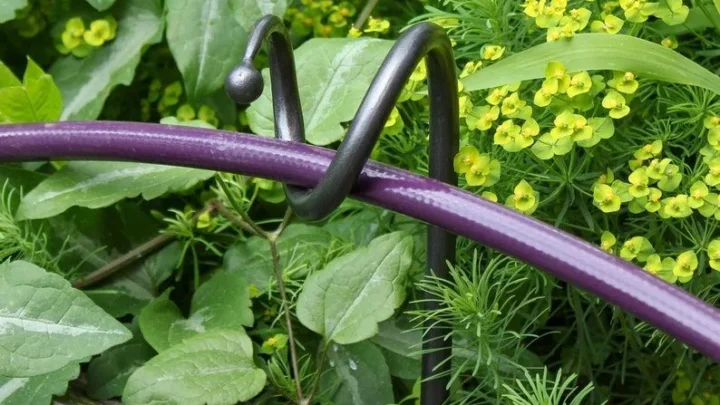
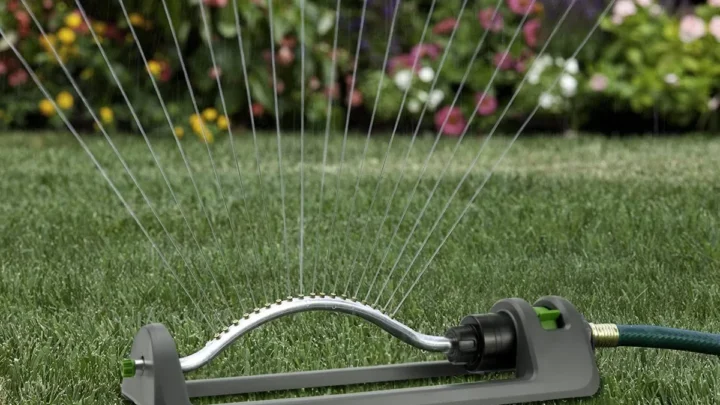
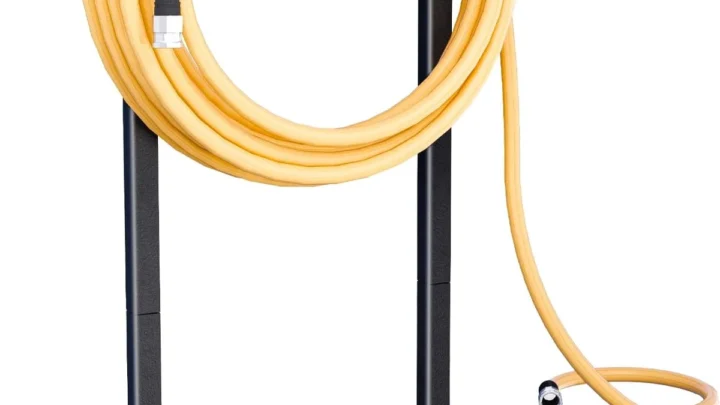
Image source: Web (Bing) / flexzilla.com (Web image (fair-use with source credit))
Soil type dramatically affects how you should water. Sandy soil drains quickly so you'll need to water more often with shorter sessions. Clay soil holds water but absorbs it slowly, which means a gentle trickle is essential to prevent flooding.
Loam sits in the middle and accepts water at a moderate pace. Checking your soil texture is one of the easiest ways to improve your results, so keep your hose in good condition by understanding how long it lasts and start with clean water delivery.
Early morning watering gives shrubs a full day to absorb moisture before midday heat increases evaporation. Evening watering leaves foliage damp overnight, which invites fungal diseases like powdery mildew and black spot. Morning is the clear winner for shrub health according to EPA WaterSense outdoor watering recommendations.
The right nozzle makes all the difference. A standard spray nozzle set to a gentle cone or mist pattern works well for most shrubs. If you want even better control, consider pairing your setup with the correct fluid level for your equipment logic to ensure consistent performance.
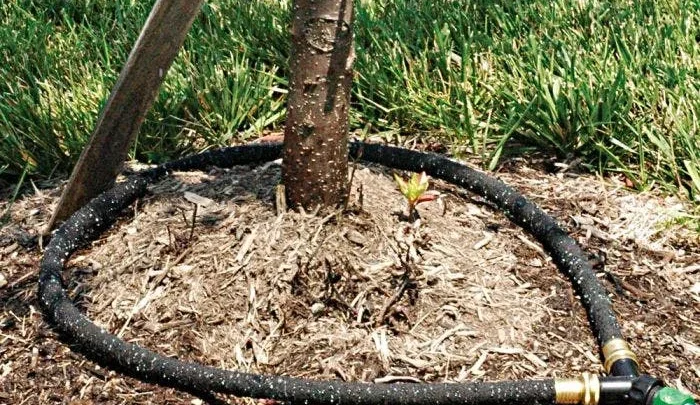
Some gardeners prefer a soaker hose laid along the drip line for a truly passive approach, though that requires planning ahead.
Your Watering Decisions Start Here: Key Variables
Before you turn on the hose, answer three questions. The answers determine everything about how you water. Get these wrong and no amount of technique will save your shrubs from stress or disease.
What type of shrub are you watering?
Young transplants have tiny root balls that dry out fast. Mature shrubs with established root systems can stretch deeper for moisture. Container shrubs are in a whole different league since pots bake and dry much faster than in-ground beds.
Understanding how garden hoses are measured for diameter and length also helps you pick the right tool for reaching different shrub sizes.
| Shrub Type | Root Depth | Watering Frequency | Session Duration |
|---|---|---|---|
| Newly planted (year one) | 6 to 12 inches | 2 to 3 times per week | 30 to 45 minutes |
| Established in-ground | 12 to 24 inches | Every 7 to 14 days | 45 to 60 minutes |
| Container or pot | Limited to pot depth | Daily in summer heat | 10 to 15 minutes |
| Drought-tolerant varieties | Deep tap roots | Every 14 to 21 days | 60 minutes |
What does your soil feel like?
Grab a handful of soil from the root zone and squeeze it. If it falls apart immediately, you have sand. If it holds its shape but crumbles when poked, you have loam.
If it forms a tight ball that stays intact, you're dealing with clay. Sandy soil needs more frequent lighter watering. Clay demands slow absorption or it just floods and compacts further.
What's your local climate doing?
Hot dry winds in Arizona demand completely different timing than humid summers in Georgia. Coastal areas with salt spray may need occasional freshwater rinsing. How expandable garden hoses work differently than standard hoses, so choose based on your region's temperature swings and water availability.
These three variables interact constantly. A drought-tolerant lavender in sandy soil under full sun needs something totally different than a hydrangea in clay near a fence line. Recognizing this early saves time, water, and your plants.
Branching Scenarios: Adjust Your Approach Based on Conditions
Not every shrub gets the same treatment. Once you know your variables, you can pick the right strategy for each situation. These scenarios cover the most common cases homeowners face.
Newly Planted vs. Established Shrubs
A shrub planted within the last two years is fighting to survive. Its root system hasn't spread beyond the original ball yet. Every day without adequate water can kill it before it ever establishes.
Water these shrubs deeply but frequently during their first growing season.
Established shrubs have pushed roots outward and downward. They can access moisture from a larger soil volume. Overwatering mature shrubs causes more problems than underwatering because excess water suffocates roots and promotes rot.
Reduce frequency once the shrub passes its second year in the ground.
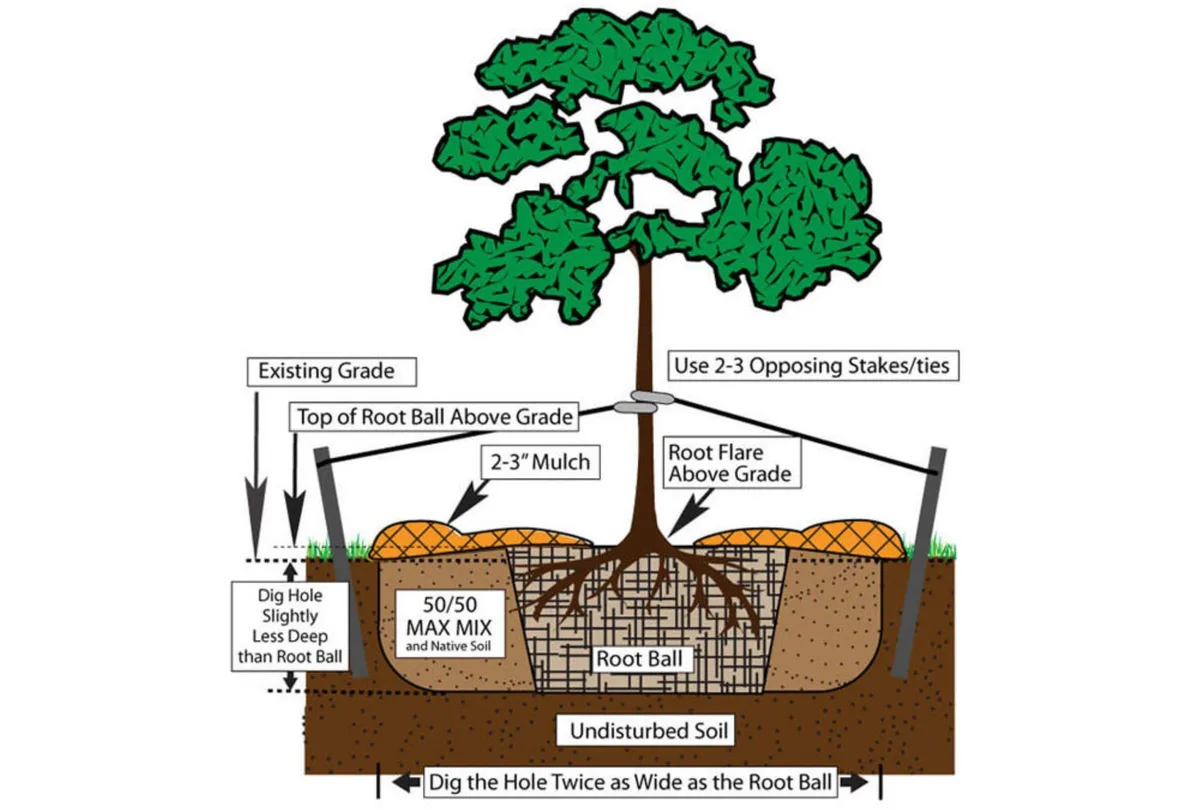
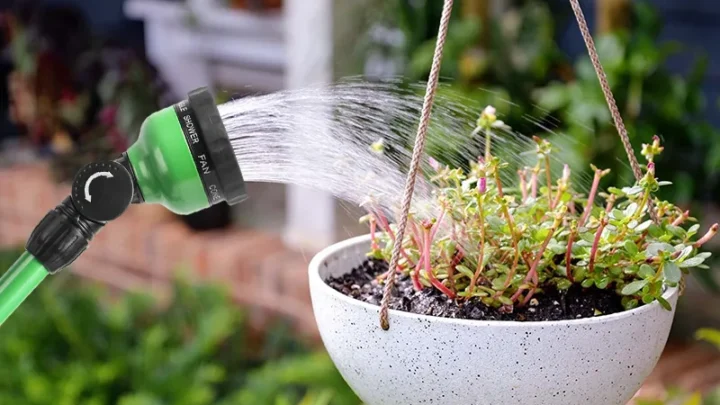
Image source: Web (Bing) / flaggsgardencenter.com (Web image (fair-use with source credit))
Clay Soil Shrubs
Clay is the hardest soil to water effectively. Water beads up and runs across the surface instead of soaking in. The trick is patience.
Run the hose at its lowest flow setting and let it sit in one spot for 20 to 30 minutes before moving to the next area. If water pools and doesn't absorb after 10 minutes, move on and come back tomorrow. Repeat until the soil takes it in.
Amending clay with organic matter over time improves drainage, but that's a long-term project. For now, slow and steady is your only option. Check why your hose reel might be slowing water flow since restricted flow can actually help clay soils absorb more gradually.
Sandy Soil Shrubs
Sandy soil lets water pass through almost instantly. A 30-minute soaking session might only wet the top few inches. You need to water more often instead of longer per session.
Two shorter sessions spaced a few hours apart work better than one long one that just drains past the roots.
Mulch is your best friend with sandy soil. A 2-to-3-inch layer of bark or compost around the shrub base slows evaporation and holds moisture where roots need it. This combination of frequent watering and mulch keeps sand from becoming a death sentence for thirsty shrubs.
Container Shrubs
Potted shrubs dry out fastest of anything in the landscape. A container in full sun can go from moist to bone dry in a single afternoon during July. Check daily by sticking your finger 2 inches into the soil.
If it's dry, water immediately.
Containers also leach nutrients with every watering since fertilizer washes straight through the drainage holes. Expect to fertilize more frequently with container shrubs to replace what the water removes. A balanced slow-release feed applied at planting and again in midsummer covers most needs.
Drought-Restricted Areas
Some municipalities impose outdoor watering bans during drought periods. When hose use is restricted, focus on the shrubs that need it most. Priority one goes to new plantings under two years old.
Priority two goes to vulnerable specimens like boxwoods exposed to wind. Established drought-adapted shrubs like rosemary, yucca, and manzanita can often survive on rainfall alone during dry seasons.
Knowing how to identify your garden hose size easily helps you maximize every allowed watering minute since a larger diameter delivers more volume in less time.
Step-by-Step: How to Water Shrubs Properly
Getting the technique right matters more than the equipment you own. Follow these steps each time you water and your shrubs will stay healthy through any season.
Step 1: Check the soil moisture first
Push a screwdriver or a soil probe 6 inches into the ground near the shrub's drip line. If it slides in easily, the soil is moist enough to wait. If it meets resistance or comes out dry, it's time to water.
This simple test prevents the #1 mistake of watering on a schedule instead of on need.
Step 2: Attach the right nozzle
Screw an adjustable spray nozzle onto your hose. Set it to a gentle cone or shower pattern. Avoid the jet setting entirely since it compacts soil and causes runoff.
If you're working with a garden hose that won't unkink, fix that issue first since kinks restrict flow and make consistent watering impossible.
Step 3: Position the hose at the base
Lay the hose nozzle at the shrub's drip line, which is the outer edge of the branch spread. Don't aim it at the trunk since that wastes water and can rot bark. For multiple shrubs in a bed, place the nozzle between plants so water reaches both root zones equally.
Step 4: Run a slow steady flow
Open the spigot partially. You want a gentle trickle, not a rush. Listen for a soft sound rather than a splashing one.
Watch the soil around the nozzle and adjust until water soaks in without pooling or running off. If you notice garden hose leaks that only happen when pressurized, address those before starting since lost pressure means uneven watering.
Step 5: Time the session correctly
Let the water run for 30 to 60 minutes depending on your soil type. Afterward, check penetration by digging a small hole near the shrub. You want to see moisture at 6 to 12 inches deep.
If the soil is still dry at that depth, run another 15-minute session.
Step 6: Mulch after watering
Once the soil is soaked, add a 2-to-3-inch layer of organic mulch around the shrub base. Keep mulch a few inches away from the trunk to prevent rot. Mulch locks in moisture, regulates soil temperature, and reduces the frequency of future watering sessions.
Consider how cold garden hose water is too since very cold water can shock some tender shrub roots in early spring.
Step 7: Drain and store properly
At the end of each watering session, close the spigot and drain the hose completely. In freezing climates, store the hose indoors before temperatures drop below 32°F. A rubber versus PVC garden hose will handle cold differently, so know what material you're working with before winter arrives.
Mastering these steps takes practice but becomes automatic within a few weeks. The payoff is shrubs that stay green, grow steadily, and resist disease far better than neglected plants.

Similar Posts