How to Stop a Garden Hose from Damaging Raised Bed Plants
If you've ever dragged a water‑filled hose across a raised bed, you know the heartbreak. A single roll can snap young tomato stems, crush delicate herb clusters, and compact soil where roots struggle to breathe. The problem isn't your hose, it's how it moves and where it lands.
Standard residential water pressure pushes a lightweight vinyl hose into a 20‑pound weapon when full, and raised beds only 12 inches high put every stem within reach.
The fix is simple once you match the method to your bed's height, plant type, and watering habit. A small bed with shallow seedlings needs a different approach than a tall bed heavy with trellised vegetables. This guide walks you through that exact matching process so you can stop replacing damaged plants and start watering with confidence.
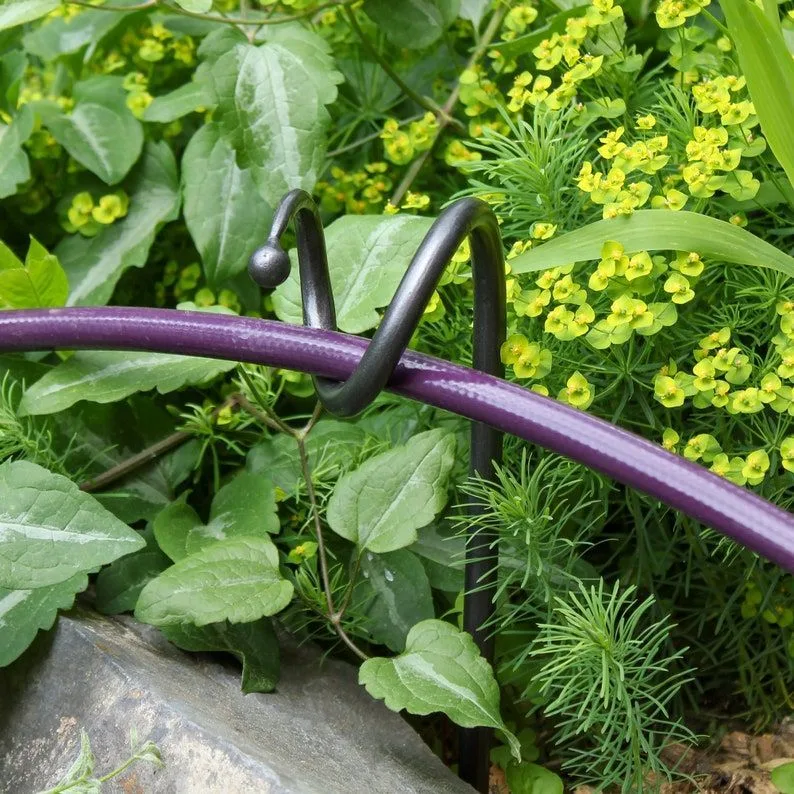
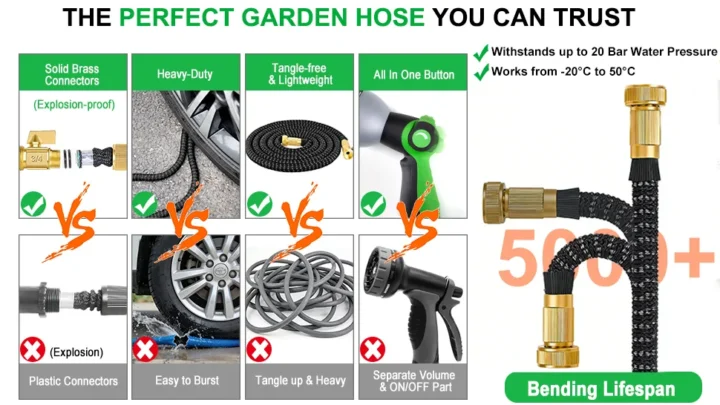
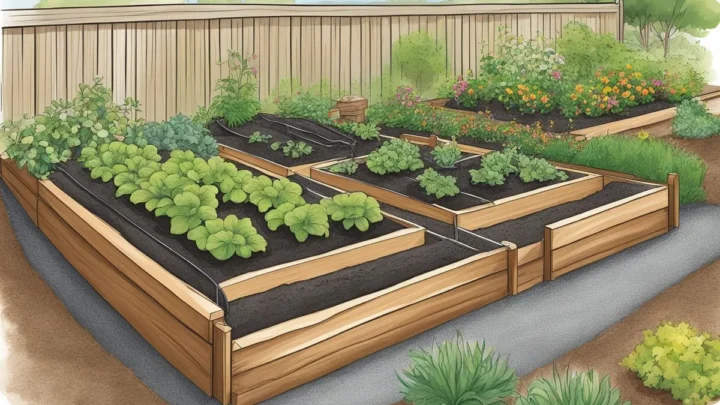
Image source: Web (Bing) / artofit.org (Web image (fair-use with source credit))
Quick Answer
How do I keep a garden hose from damaging raised bed plants? You can protect plants by using a lightweight soaker hose, mounting a hose reel, or creating clear walkways. Place mulch around stems for a soft buffer.
Keep water pressure below 80 psi. Follow a simple workflow that matches your bed size and plant type to the right tool.
Why Your Garden Hose Keeps Wrecking Your Raised Beds
Most gardeners don't realize how much force a filled hose carries. An empty 5/8‑inch vinyl hose weighs about 2 pounds per foot. Fill it with water, and that jumps to roughly 3 pounds per foot.
Dragging that across a bed of seedling greens is like rolling a bowling ball over tissue paper. The damage shows up fast: crushed stems, broken root hairs, and compacted soil that holds water poorly.
Raised beds make the problem worse because they're elevated. A typical bed sits 12 to 18 inches off the ground. When you step to the edge to water, your feet press down on the bed frame while the hose sweeps across the tender plants inside.
The combination of height, weight, and repeated dragging creates a pattern of damage that compounds over a season. One badly placed roll in May can mean missing peppers in July.
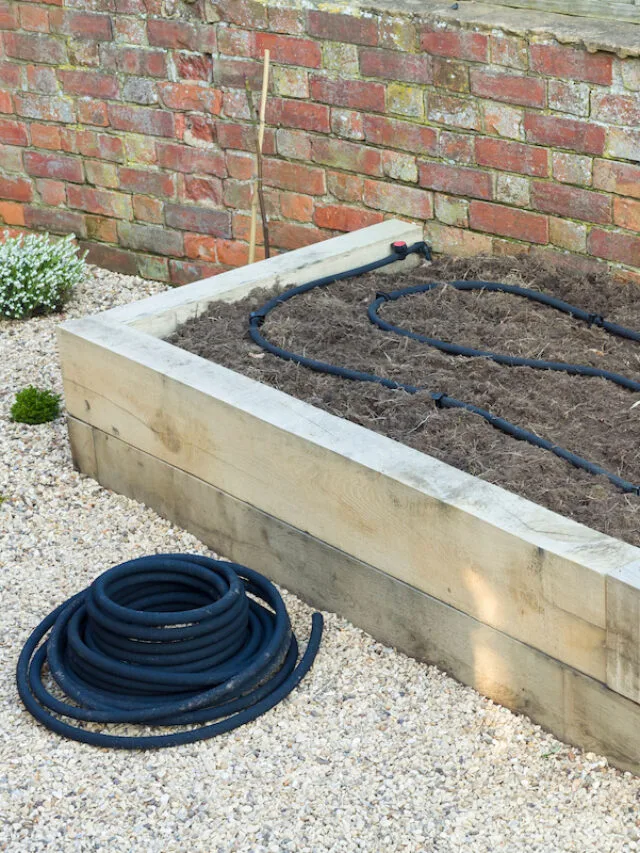
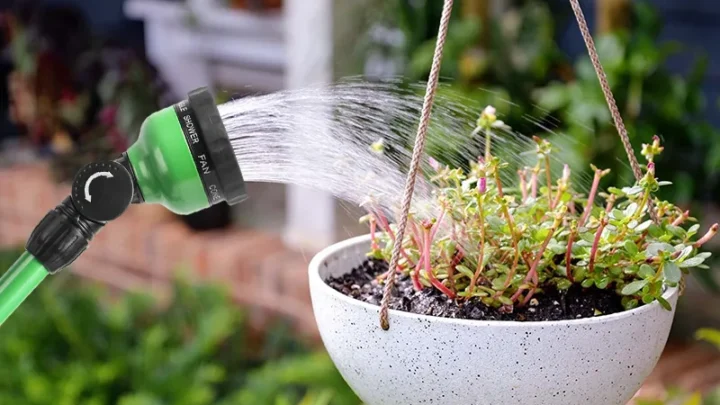
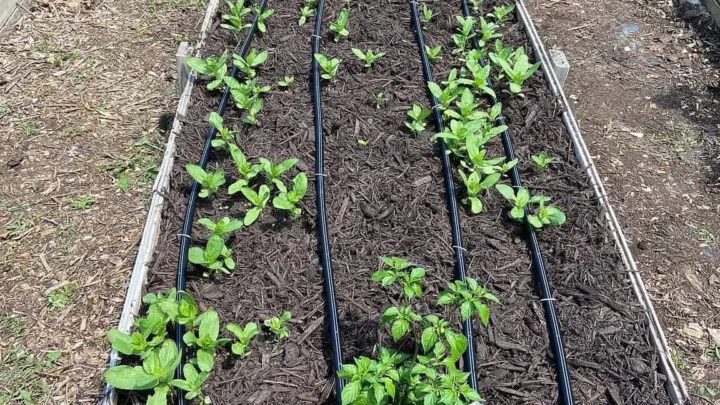
Image source: Web (Bing) / crateandbasket.com (Web image (fair-use with source credit))
Understanding the mechanics helps you choose the right countermeasure. Damage usually comes from three sources: direct stem crushing, soil compaction under the hose, and accidental root tearing when the hose wraps around stakes or trellises. Each source points to a different prevention strategy.
A soaker hose eliminates crushing because it lies flat and delivers water slowly. A hose reel removes dragging because the hose stays out of the bed entirely. Clear walkways prevent compaction because you walk where soil stays loose.
Your first step is to watch how you water for one week. Note where the hose lands, how often it drags, and which plants suffer most. That observation turns a vague frustration into a solvable problem.
Most gardeners find they're making the same mistake every time, pulling the hose from one end of the bed to the other instead of working from a fixed point. Changing that single habit cuts damage by half before you buy a single tool.
The Quick Fix Depends on Four Things About Your Setup
There's no universal answer because raised bed gardens vary wildly. What works for a narrow herb bed will choke a wide vegetable plot. The right solution hinges on four factors: bed height, bed width, plant type, and your watering frequency.
Figure these out first, and you'll cut through the noise of product recommendations.
Bed height determines how easily the hose can reach plants without you stepping on the frame. Beds under 12 inches high keep stems close to the ground, making them vulnerable to any hose that rolls in. Beds 18 inches or taller give you more clearance but require a longer reach or a wand. Bed width controls how far water needs to travel.
A 4‑foot‑wide bed lets a standard 50‑foot hose reach the center from one side. A 6‑foot‑wide bed may need a hose reel or multiple watering sessions.
Plant type shapes which solution feels natural. Tall, sturdy tomatoes can tolerate occasional brush if you guide the hose carefully. Delicate cilantro and lettuce cannot. Watering frequency matters because a daily routine justifies a permanent setup like drip irrigation.
Weekly watering might be fine with a simple wand and mulch barrier. When you align these four variables, the choice becomes obvious instead of overwhelming.
The real‑world test is simple. Walk your bed with an empty hose in hand. Notice where it wants to rest.
Feel which paths you naturally take. Your body already knows the problem areas. Use that instinct to pick a solution that removes the drag rather than fights it.
Figure Out Which Scenario You're In
Gardeners fall into a handful of recognizable patterns. Identifying yours saves time and points you to the right fix. Here are the most common scenarios and how to spot them.
The Frequent Dredger drags the hose back and forth across the entire bed every watering session. You hear the crunch of stems and see the bent weeds. This happens when you have no fixed anchor point and try to cover the whole bed in one pass.
The Over‑Reach Waterer stands at one corner and extends the hose far into the bed. The hose sags in the middle, pressing down on plants between the faucet and the far corner. You feel the tension in your wrist and notice dead zones where water barely trickles.
The Bed Edge Sitter stands directly on the raised bed frame to water the center. The frame compresses soil along the edge, and the hose slides down into seedlings. You might think you're being careful, but the hose's weight finds the weakest plants.
The Multi‑Bed Navigator connects several hoses to water multiple beds. The extra length tangles and knots, then springs back into plants when you're not looking. You spend more time untangling than watering.
Match yourself to one of these patterns. Write down which one feels most accurate. This label becomes your starting point.
Each scenario has a tailored solution that addresses its root cause, not just its symptoms. Choosing the wrong fix for the wrong scenario wastes money and leaves the original problem untouched.
The Right Solution for Your Situation
Once you've identified your scenario, pick a solution that removes the source of damage. Below is a quick‑reference table matching each common situation to the best tool and why it works.
| Your Scenario | Best Solution | Why It Works |
|---|---|---|
| Frequent Dredger | Hose reel with wall mount | Keeps hose suspended; no dragging across beds |
| Over‑Reach Waterer | Long‑reach wand + soaker hose for base | Reaches without dragging; soaker keeps hose out of plants |
| Bed Edge Sitter | Permanent mulch path + stepping stones | Creates a defined zone away from stems |
| Multi‑Bed Navigator | Two shorter hoses + quick‑connect couplers | Reduces length and tangle risk |
| Delicate Seedlings | Light soaker hose + straw mulch buffer | No weight on stems; water seeps slowly |
| High‑Traffic Area | Raised garden cart or wheeled reel | Moves water source without dragging hose |
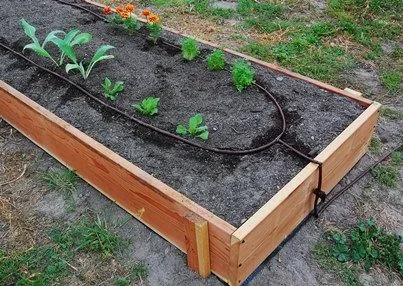
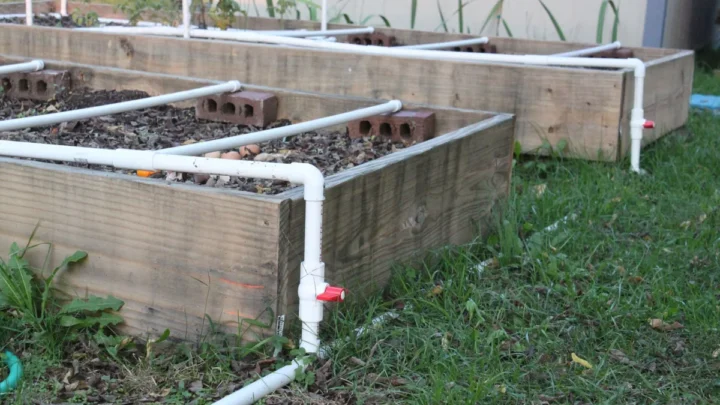
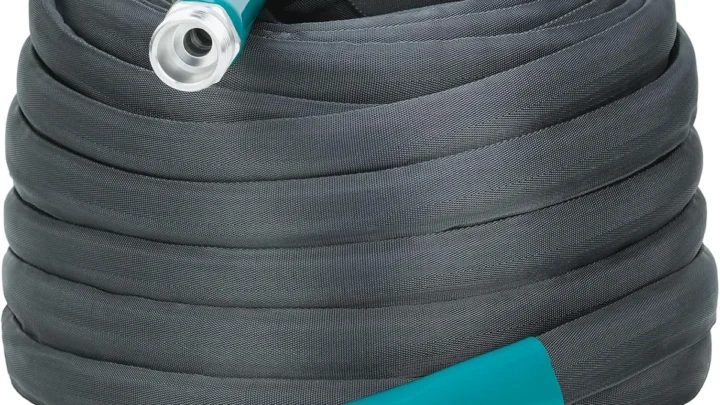
Image source: Bing (Web (fair-use with source credit))
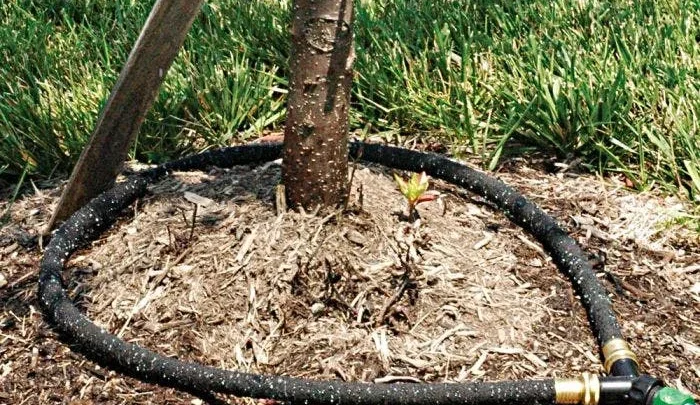
Soaker hoses are the quiet workhorse for raised beds. They lie flat, weigh almost nothing when empty, and deliver water directly to the soil surface. You can leave them in place permanently.
Just coil the supply line outside the bed and run the soaker along the rows. See how to connect a garden hose to a sprayer for a quick linkup tip that keeps connections tidy.
Hose reels solve the dragging problem completely. Mount a wall‑reel or freestanding reel at the bed's corner. Pull out only the length you need, water, then rewind.
The hose never touches plants. If you're curious about how to increase water pressure from your garden hose, know that a reel won't hurt pressure, but a clogged reel drum might.
Mulch barriers protect stems without moving the hose. Spread 2, 3 inches of straw or wood chips around plant bases. The hose rests on the mulch instead of crushing stems.
This works best when combined with a fixed watering station.
Choose one primary solution for your main scenario. Add a secondary tool if you have a mixed bed. The goal is simplicity: one reliable habit beats three half‑done experiments.
How to Set Up Your Chosen Solution Properly
A solution only works when installed correctly. Follow these steps to set up your chosen method and avoid common mistakes.
Measure and plan. Walk the bed with a tape measure. Note the distance from faucet to far corner. Mark where the hose will run with a line of stakes or garden tape. This visual guide prevents guesswork.
Install a fixed anchor. Attach a hose bib or outdoor faucet extender near the bed's edge. If you're using a reel, mount it at least 3 feet from the bed frame so the hose doesn't swing into plants.
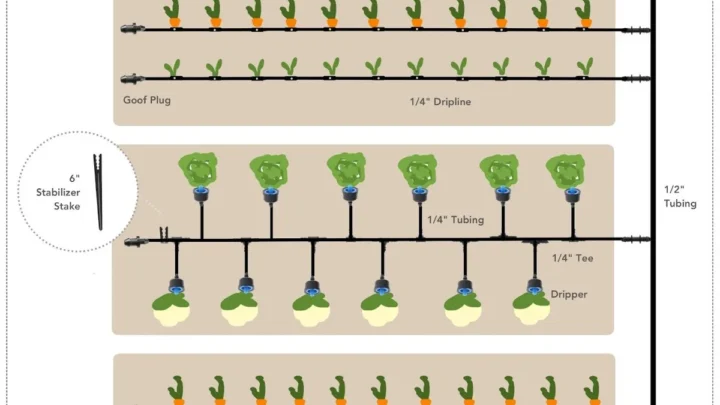
Lay the hose or soaker line. Keep the hose outside the bed whenever possible. For in‑bed soakers, run them along plant rows and secure with landscape pins every 18 inches. Avoid loops that trap water.
Add protective barriers. Place mulch, gravel, or stepping stones along the hose's resting zone. Create a clear path at least 18 inches wide between the bed edge and the plants.
Test and adjust. Turn on water at low pressure (under 40 psi) and watch for leaks, kinks, or hose movement. Adjust pin placement or mulch depth until the setup feels solid.
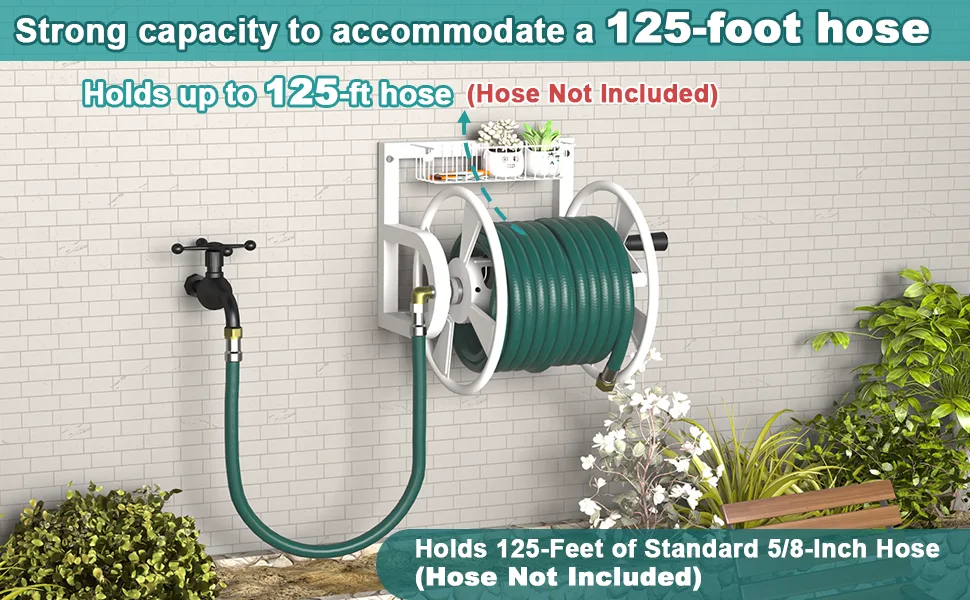
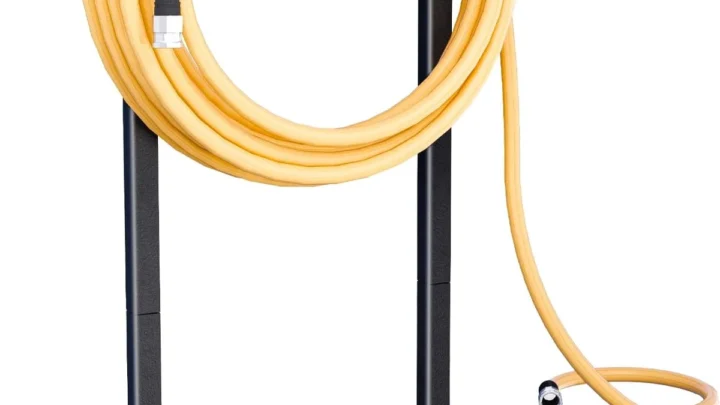
Image source: Web (Bing) / amazon.com (Web image (fair-use with source credit))
After installation, check your setup weekly during the first month. Look for signs of wear, new kink points, or shifts in mulch. Replace cracked hoses promptly, learn how long a garden hose typically lasts to spot age‑related risks early.
Secure all connections with #27 so they don't leak under pressure. Clean out any debris that could clog soaker pores.
When you're done, document the setup with a quick photo and notes. Next season, you'll thank yourself for having a clear reference that stops you from rebuilding from scratch.

Similar Posts