How Long Should You Run a Hose-End Sprinkler on Your Lawn?
How long should I run a hose-end sprinkler on a lawn? The honest answer is it depends on several factors unique to your yard. Most homeowners need between 20 and 60 minutes per session, but that range shifts based on soil type, grass variety, sprinkler output, and local weather conditions.
Per EPA WaterSense guidelines and university extension research, lawns typically need about 1 inch of water per week. Getting the timing right means testing your sprinkler first, then adjusting for your specific conditions. Here is how to figure out the right schedule for your lawn.

Image source: Bing (Web (fair-use with source credit))
Quick Answer
Run a hose-end sprinkler for 20 to 60 minutes per session. Most lawns need about 1 inch of water weekly. Always test your sprinkler output first.
Adjust runtime based on soil type and weather.
Why There's No One Answer for Watering Time
A single timeframe like "run it for 30 minutes" rarely works for every lawn. Your sprinkler flow rate, spray pattern, and coverage area differ from your neighbor's setup. Local climate conditions also play a major role in how quickly soil dries out.
Running the same duration everywhere leads to overwatering or underwatering. Overwatered lawns develop shallow roots and invite fungal disease. Underwatered turf shows stress within days during hot weather.
The right approach starts with understanding your own system.
Manufacturers provide flow rate specifications for most hose-end sprinklers. These ratings show gallons per minute at standard household pressure. You can use that data to calculate how long to run your sprinkler for proper saturation.
Step 1: Test Your Sprinkler Output
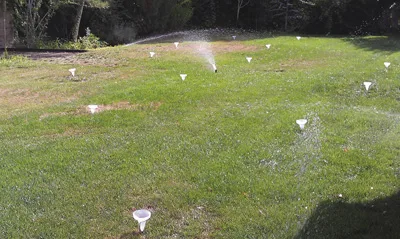
Finding your sprinkler's actual output takes about five minutes. Grab a few rain gauges or straight-sided containers and place them around your coverage area. Turn the sprinkler on and let it run for 15 minutes.
Afterward, measure how much water each container collected.

Image source: Bing (Web (fair-use with source credit))
This bucket test reveals your sprinkler's application rate. If you collected 0.5 inches in 15 minutes, your sprinkler delivers 2 inches per hour. Divide your weekly water goal by that rate to find your runtime.
For 1 inch of weekly water, you would run it for about 30 minutes per session.
uneven spray patterns show up clearly in this test. Containers near the sprinkler often collect more water than those at the edges. You can adjust by overlapping patterns or moving the sprinkler position slightly.
This simple test saves guesswork and prevents wasted water.
Step 2: Factor in Soil, Grass, and Weather
Soil type dramatically affects how fast water absorbs into your lawn. Sandy soils drain quickly and may need longer, more frequent watering. Clay soils hold water longer but absorb slowly, requiring shorter sessions to prevent runoff.
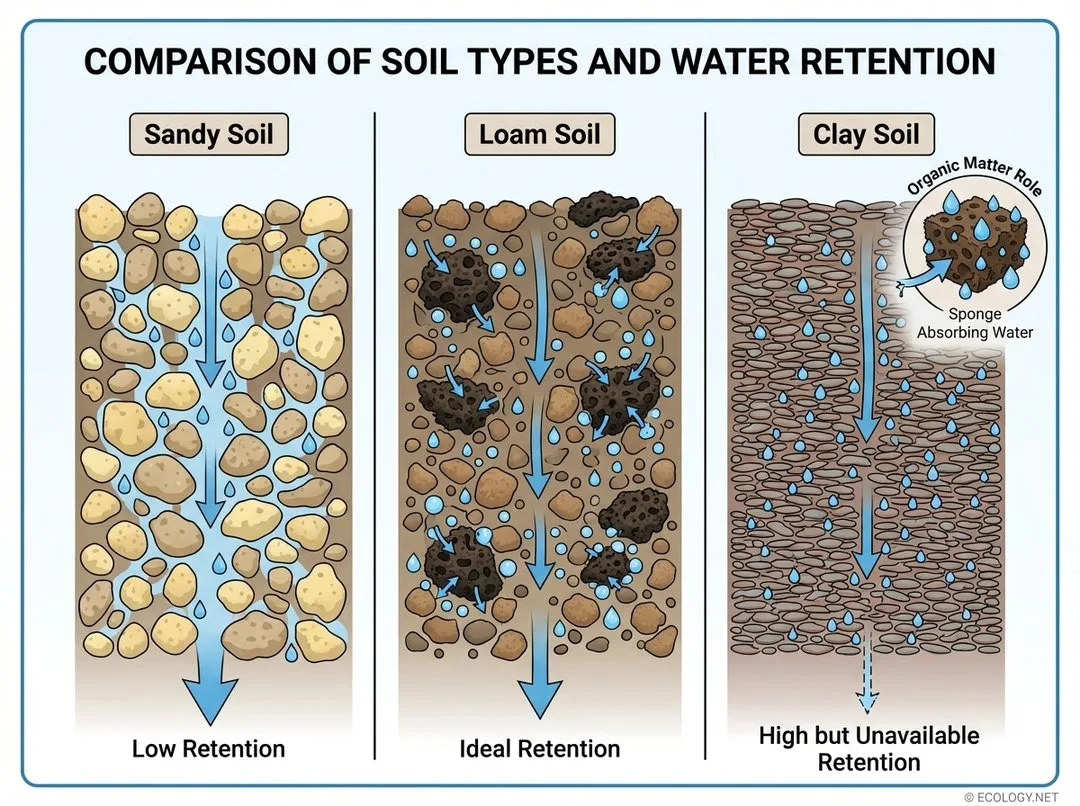
Image source: Bing (Web (fair-use with source credit))
Grass species also influence watering needs. Cool-season grasses like fescue and ryegrass prefer consistent moisture. Warm-season varieties such as Bermuda and Zoysia tolerate drought better once established.
Your local extension service can help identify which grass type you are growing.
Weather conditions change watering requirements throughout the season. Hot, windy days increase evaporation and dry out soil faster. Recent rainfall may mean you can skip a scheduled watering entirely.
Keeping track of seasonal shifts helps you adjust timing naturally.
How Long to Run It: Decision Breakdown by Scenario
Different lawn conditions call for different watering approaches. Use these scenarios as a starting point, then fine-tune based on your bucket test results.
- Sandy soil with fast drainage: Run sprinklers longer at lower frequency. Aim for deep soaking 2 to 3 times per week.
- Clay soil with slow absorption: Use shorter sessions split into multiple cycles. This prevents puddling and runoff on hard surfaces.
- Newly seeded lawns: Keep the top inch of soil consistently moist. Light watering every day or every other day works best until germination.
- Established cool-season grass: Water deeply once or twice weekly during active growth periods.
- Warm-season grass in summer: Provide 1 to 1.5 inches weekly, adjusted for rainfall and temperature.
These recommendations assume average temperatures and normal humidity. During extreme heat waves, you may need to increase frequency temporarily. The USDA soil survey provides regional soil data that can guide your decisions.
Mistakes That Waste Water and Damage Lawns
Many homeowners make timing errors that hurt their lawn health. Running sprinklers during midday heat wastes water through evaporation. Early morning watering between 6 AM and 10 AM gives grass the best chance to absorb moisture before heat hits.
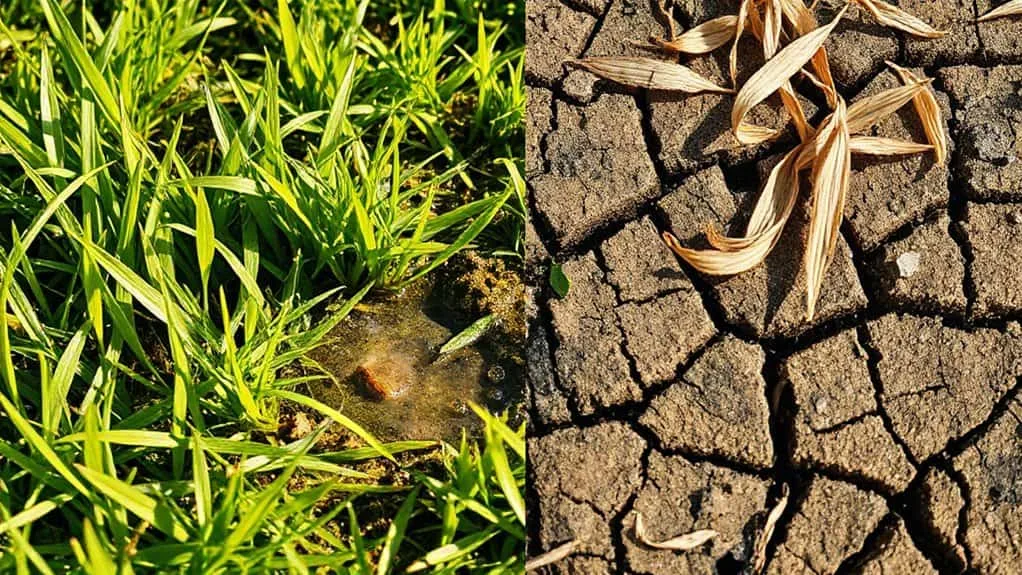
Image source: Bing (Web (fair-use with source credit))
Ignoring soil compaction is another common mistake. Compacted clay soils resist water penetration, causing runoff and uneven saturation. Aeration once a year improves water absorption significantly.
You can check compaction by trying to push a screwdriver into the soil.
Running the same schedule year-round ignores seasonal changes. Spring and fall often require less watering than summer months. Rain events should reduce your next scheduled session.
Smart timers can automate these adjustments based on local weather data.
Watch for warning signs like puddling, runoff, or brown patches. These indicate your timing needs adjustment. Healthy lawns show uniform green color and firm resilience underfoot.
Adjust your routine when you see stress symptoms rather than waiting for visible damage.
Maintenance & Optimization Tips
Keeping your hose-end sprinkler in good shape ensures consistent performance season after season. Cleaning the nozzles monthly prevents clogs that throw off your watering patterns. Soak plastic nozzles in vinegar if mineral buildup becomes visible.
Check your hose connections for leaks before each watering session. A small leak at the faucet end can waste gallons over a long run time. Inspect hoses regularly for cracks or soft spots that may develop over time.
Read more about extending your hose lifespan through proper care.
Drain and store your sprinkler indoors before freezing temperatures arrive. Trapped water expands and can crack plastic housings during winter. Most manufacturers recommend disconnecting and emptying all components before cold storage.
Learn how to troubleshoot low flow issues if your output seems weaker than expected.
Upgrade to a smart timer if you water multiple zones. These devices adjust schedules automatically based on local weather data. You can program different runtimes for various sprinkler heads and soil types.
Proper watering practices complement efficient hose maintenance.
Run your sprinkler on calm days whenever possible. Wind blows spray patterns off target and wastes water. Morning hours between 6 AM and 10 AM remain the gold standard for turf health.
Consistent scheduling builds deeper root systems over time.
FAQs
Can I use the same watering time year-round?
No, you should adjust your schedule seasonally. Spring and fall typically need less water than summer months. Reduce runtime by 20 to 30 percent during cooler periods.
Increase frequency only during heat waves or drought conditions.
How do I know if my lawn needs water?
Walk across your turf and watch for footprints. Lawns that spring back quickly have adequate moisture. If footprints stay visible, your grass needs water.
Check soil moisture with a screwdriver at least 2 inches deep.
Should I water every day?
Daily watering works only for newly seeded lawns. Established turf benefits from deep, infrequent sessions instead. Watering daily creates shallow roots that struggle during dry spells.
Aim for 2 to 3 sessions weekly during active growth.
What is the cycle and soak method?
This technique splits long watering sessions into shorter intervals. Run your sprinkler for 10 minutes, wait an hour, then run again. Clay soils absorb water slowly and benefit from this approach.
It prevents runoff while ensuring deep soil penetration.
How does rainfall affect my sprinkler schedule?
Skip scheduled watering after significant rain events. Measure precipitation with a rain gauge or your bucket test containers. If you collected half an inch or more, your lawn likely needs no extra water that week.
When should I stop watering before winter?
Reduce watering gradually as temperatures drop in autumn. Stop entirely once the ground freezes or temperatures stay below freezing. Dormant grass needs little moisture and excess water can cause ice damage.
This guide covers everything you need to time your hose-end sprinkler correctly. Test your output, factor in local conditions, and watch for warning signs. Your lawn will thank you with deeper roots and healthier growth.

Similar Posts