Can You Bury a Garden Hose? What to Know First

Yes, you can bury a garden hose, but whether you should depends entirely on your setup. The question "can garden hose be buried" gets a flat "sure" from most quick answers, and that's how people end up with split, useless hose come spring. A hose you drain and bury shallow for the season is fine.
A pressurized hose left underground through a hard freeze is a burst waiting to happen.
Most garden hoses run a working pressure around 40 to 80 PSI and aren't rated for continuous soil contact. In our research, the real dividing line is simple. Temporary routing is easy, but a permanent water line calls for proper pipe.
Here's how to tell which path is yours.
Can You Actually Bury a Garden Hose? The Short Answer First
Yes, but only in the right conditions. Bury a garden hose short-term and it works fine. Bury it permanently and leave water inside it over winter, and it'll likely crack.
Think of it as two very different jobs. One is hiding a hose under mulch so you don't trip over it. The other is running a buried supply line to a shed or garden bed for good.
The first is a weekend fix. The second really wants polyethylene pipe, not a rubber hose.
If you just want the hose out of sight for the season, you're clear to dig. If you want water on tap year-round without babysitting it, keep reading. The material you pick matters more than the hole you dig.
What "Buried" Really Means: Seasonal Routing vs a Permanent Water Line
"Buried" covers two setups people constantly mix up. Getting this straight saves you from a spring surprise.
- Seasonal routing: You lay the hose a few inches down, use it through the warm months, then drain and disconnect before frost. Low effort, low risk.
- Permanent water line: You want pressurized water underground all year, feeding a spigot, drip system, or an outbuilding. This needs freeze-proof pipe and a shutoff.
A standard garden hose handles the first job. It struggles badly with the second. The difference comes down to freeze cycles, soil pressure, and how long the hose sits full of water.
If you've been eyeing a tidy setup to feed a raised bed near your flower bed border fencing, a shallow seasonal line is often all you need. Only commit to a permanent pipe when you truly want water there every month of the year.
The Conditions That Change the Answer
This is where the decision tree kicks in. Four factors decide whether your buried hose thrives or splits.
Your Climate and Frost Line
The frost line is how deep the ground freezes in winter. In warm regions it's a few inches. In cold northern states it can reach 4 feet or more.
Any water sitting above that line will freeze solid.
You can check typical frost depths for your area through NOAA climate data or your local building office. If you're in a hard-freeze zone, a shallow buried hose full of water is asking for trouble.
Whether the Hose Stays Pressurized or Drains
This is the big one. Water expands as it freezes. Trapped water inside a sealed hose has nowhere to go, so it splits the wall.
- Drains fully before winter: Low freeze risk. Seasonal burial is fine.
- Stays pressurized year-round: High burst risk unless it's below the frost line with proper drainage.
Hose Material, Wall Thickness, and Pressure Rating
Not all hoses are built the same. Thin vinyl hose collapses under soil weight and cracks in cold. Thicker reinforced rubber holds up better, but still isn't made for permanent burial.
| Factor | Standard vinyl hose | Reinforced rubber hose |
|---|---|---|
| Wall thickness | Thin | Thicker, multi-ply |
| Kink resistance | Low | Higher |
| Freeze durability | Poor | Fair, still not freeze-proof |
| Best use buried | Very short-term only | Seasonal routing |
How Deep You're Actually Digging
Shallow burial (2 to 6 inches under mulch or gravel) is easy and reversible. It protects the hose from your mower and the sun. But shallow means unprotected from frost.
Deep burial below the frost line protects from freezing. At that point, though, the effort and digging make dedicated pipe the smarter call.
The Decision Branches: Which Path Fits Your Setup
Here's the simple if/then logic. Match your situation to one branch and act on it.
Branch 1 – Temporary Burial Under Mulch or Gravel
If you just want the hose hidden and out of the way for the season, this is you. Lay it a few inches deep, cover it, and use it freely. Drain and pull it before the first freeze, or at least disconnect it and let it empty out.
Branch 2 – Shallow Seasonal Line You Drain Every Winter
If you want a semi-fixed run to a garden bed or bird bath, bury it shallow with a slope. Add a shutoff at the spigot and a low drain point. Then blow it out each fall so no water stays inside.
Branch 3 – Permanent Buried Supply (Skip the Hose, Use Poly Pipe)
If you want pressurized water underground all year, don't use a garden hose at all. Run polyethylene pipe below your frost line. It's rated for continuous pressure and soil contact, and it'll outlast any hose by years.
This same "match effort to purpose" logic shows up in plenty of yard projects, from dressing up a plain boundary to running irrigation. Pick the permanent fix only when the permanent need is real.
Why a Standard Garden Hose Fails Underground
A garden hose is built for the surface, not the soil. It's designed to be coiled up, drained, and stored, not left buried and pressurized for months. Underground, a few weaknesses show up fast.
- Freeze-and-burst: Trapped water freezes, expands, and splits the wall. This is the number one failure.
- Crushing under soil weight: Thin hose collapses, choking your water flow.
- UV brittleness at the ends: Exposed sections go brittle and crack where hose meets spigot.
- Rodent and root damage: Buried rubber is fair game for chewing pests and invasive roots.
- Algae and stagnation: Water sitting inside a warm buried hose grows gunk over time.
None of this means burial is off the table. It means you match the method to the job. Seasonal routing forgives a hose's weaknesses because you drain it and pull it.
A permanent line punishes them, which is exactly why pipe wins that round.
Garden Hose vs Poly Pipe vs PVC vs PEX: What to Bury Instead
For anything permanent, skip the hose and pick a pipe built for the ground. Each option suits a different job, so match it to your climate and pressure needs.
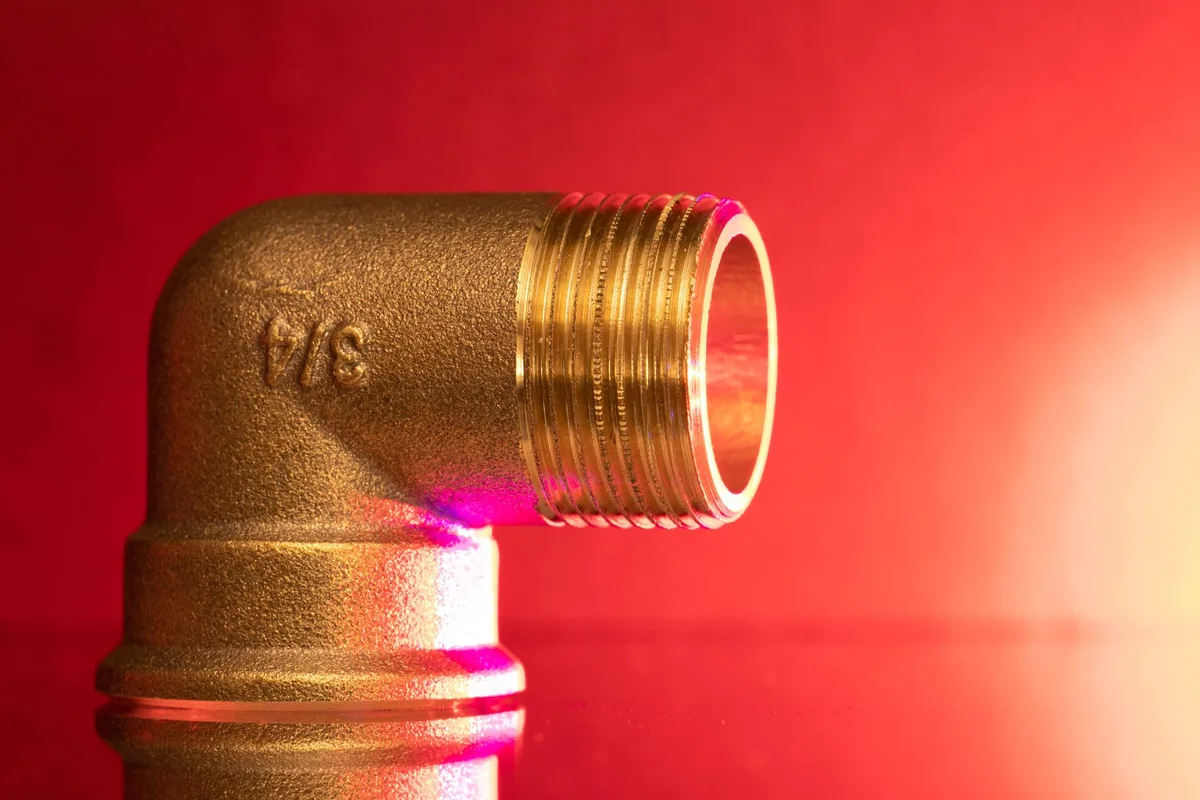
- Polyethylene (poly) pipe: Best for most buried irrigation runs. It's flexible, cheap, and handles freeze better because it can flex instead of crack.
- PVC (Schedule 40): Best for rigid, straight runs at moderate pressure. It's stiff and can crack if water freezes inside, so drain it in cold zones.
- PEX: Best where you need flexibility and freeze tolerance, often for potable lines. It resists bursting well but costs more.
- Garden hose: Best only for seasonal, drained routing. Not built for continuous buried pressure.
| Option | Typical pressure rating | Freeze behavior | Best for |
|---|---|---|---|
| Garden hose | 40 to 80 PSI | Splits if left full | Seasonal routing |
| Poly pipe | 100 to 200 PSI | Flexes, resists cracking | Buried irrigation |
| PVC Sch 40 | 200+ PSI | Cracks if frozen full | Rigid straight runs |
| PEX | 80 to 160 PSI | Strong freeze tolerance | Potable, flexible lines |
Here's the simple rule. If you're feeding a permanent spigot or a drip system, run poly pipe below the frost line. Save the hose for the jobs you can drain.
How to Bury a Hose the Right Way, Step by Step
If you've picked seasonal burial, do it cleanly so it lasts and stays repairable. These steps keep flow strong and freeze risk low.
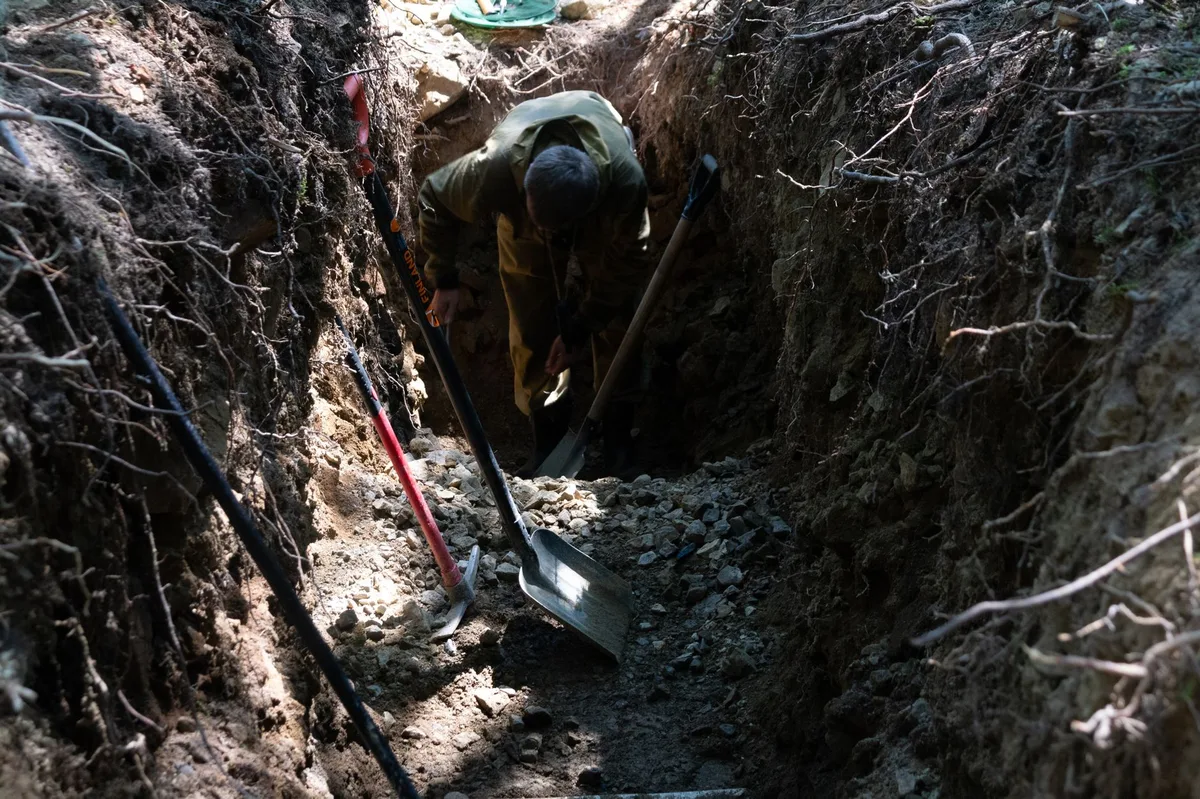
Call 811 and Mark Utilities First
Before any digging, call 811 or file online. It's a free service that marks buried gas, power, and water lines. Skip this and you risk hitting a live line, which is a safety and legal problem.
Dig, Slope, and Sleeve the Line
Dig a trench 4 to 6 inches deep for seasonal use. Give it a slight, steady slope toward a low point so water drains out. Slide the hose inside a corrugated conduit sleeve to shield it from soil weight, roots, and rodents.
Add a Shutoff and Drain Point
Install a shutoff valve at the spigot end. Add a drain valve or open cap at the low end of the slope. This lets you empty the whole line in seconds when the season ends.
Winterize and Blow Out Before the Freeze
Once temps start dropping, shut the water and open the drain. Push a bit of compressed air through to clear any leftover water. A dry hose can't freeze and split.
This one habit saves most buried lines. The same seasonal care pays off across the yard, much like the upkeep behind a tidy country-style boundary.
Mistakes That Lead to Burst Lines and Dead Hoses
Most buried-hose failures trace back to a handful of avoidable errors. Dodge these and your line lasts far longer.
- Leaving water in over winter: The top cause of burst hoses. Always drain before frost.
- Burying thin vinyl hose: It collapses and kinks under soil. Use reinforced hose or, better, pipe.
- No slope for drainage: A flat line traps water at low spots. Build in a fall toward a drain.
- Skipping the conduit sleeve: Bare hose gets crushed, chewed, or root-bound. Sleeve it.
- Burying it too deep for a hose: If you're digging below the frost line anyway, that's pipe territory, not hose.
- Forgetting the shutoff: Without one, you can't isolate or drain the line easily.
One more troubleshooting note. If flow drops suddenly on a buried line, suspect a kink or a partial crush before you assume a clog. Dig up the shallowest bends first.
Depth, Pressure, and Frost Numbers Worth Knowing
A few numbers settle most burial decisions. Keep these in your back pocket.
| Measurement | Typical range | Why it matters |
|---|---|---|
| Seasonal burial depth | 2 to 6 inches | Hides and protects a drained hose |
| Permanent line depth | Below local frost line | Prevents year-round freezing |
| Frost line (mild climate) | A few inches | Shallow lines may survive winter |
| Frost line (cold climate) | Up to 4 feet or more | Deep pipe required for permanent water |
| Garden hose working pressure | 40 to 80 PSI | Limits how hard you can push flow |
| Poly pipe pressure rating | 100 to 200 PSI | Handles permanent pressurized supply |
Long runs also cost you pressure. Every extra length of narrow hose drops flow at the far end. If you're feeding something 100 feet away, step up to a larger pipe diameter to keep pressure usable.
As of 2026, frost-depth guidance still comes from local building codes, so your county number beats any general chart.
Codes, 811, and Drinking-Water Safety You Can't Ignore
Some rules aren't optional, and ignoring them can cost you. Handle these before you commit to a permanent buried line.
- Call 811 first: Legally required in most areas before digging. It protects you from hitting utilities.
- Check local plumbing codes: Many places set minimum burial depths and require permits for permanent supply lines.
- Backflow prevention: Codes often require a device that stops dirty water from siphoning back into your supply.
- Potable-water safety: A standard garden hose isn't rated for drinking water. For anything you'll drink from, use hose or pipe certified to NSF/ANSI 61.
If the buried line feeds a home, a garden kitchen, or livestock water, don't guess on materials. Use components labeled drinking-water safe. It's a small cost that protects everyone using that water.
When a project crosses into permanent plumbing, a quick check with your local building office beats an expensive redo later, the same way planning ahead saves grief on bigger garden boundary builds.
Cold Climates vs Mild Climates: How Your Region Shifts the Plan
Your region changes everything about burial. The colder the winters, the deeper the freeze, and the higher the burst risk for any shallow line.
In mild, no-freeze climates, a shallow buried hose can often stay put year-round. Water rarely freezes, so a drained or lightly used line survives. You still want a slope and a shutoff for peace of mind.
In hard-freeze zones, treat every buried hose as seasonal. Frost heave can also shift shallow lines as the ground swells and settles. If you want winter water there, go permanent with pipe below the frost line, or use a frost-free option.
Frost-Free Hydrants and Other Permanent Alternatives
A frost-free yard hydrant is the cleanest way to get water outdoors all winter. It shuts the water off below the frost line, so nothing freezes in the exposed riser.
Here's how it works. When you close the handle, the valve deep underground stops flow. The water above it drains out through a small weep hole, leaving the pipe empty and freeze-safe.
Other permanent options worth knowing:
- Buried poly supply line with a shutoff: Reliable for drip and garden feeds.
- PEX to an insulated spigot: Good for potable, freeze-prone runs.
- Drip irrigation tubing: Low pressure, easy to bury shallow, simple to repair.
If year-round outdoor water is the goal, a frost-free hydrant usually beats fighting a buried hose every winter.
Keeping a Buried Line Working Season After Season
A little upkeep keeps a buried line healthy for years. The routine is short and mostly seasonal.
- Every fall: Shut off, drain, and blow out the line before the first freeze.
- Every spring: Reconnect, then check flow and watch for leaks at the fittings.
- Twice a year: Inspect exposed hose ends for UV cracking and swap worn washers.
- As needed: Flush the line if flow slows or water smells stale from standing.
Keep a simple map of where the line runs and where the drain sits. Future-you will thank present-you when a repair comes up. Sleeving the hose in conduit pays off here too, since you can pull and replace it without re-digging.
FAQs: Freezing, Depth, Pressure, and Repairs
Will a buried garden hose freeze?
Yes, if water stays inside it above the frost line. Freezing water expands and splits the hose wall. Drain and blow out the line before winter, or bury a permanent pipe below your local frost depth to avoid it entirely.
How deep should I bury a garden hose?
For seasonal use, 2 to 6 inches is enough to hide and protect it. For year-round water, go below your local frost line, which can reach 4 feet in cold regions. At that depth, use poly pipe instead of a hose.
Can I leave a buried hose pressurized all year?
Not safely with a standard garden hose. Constant pressure plus a freeze cycle leads to bursting. If you need permanent pressurized water, run poly or PEX pipe below the frost line with a shutoff and drain point.
Does burying a hose reduce water pressure?
Burial itself doesn't drop pressure, but kinks, crushing, and long narrow runs do. A collapsed spot chokes flow fast. Sleeve the hose in conduit and step up pipe diameter on long runs to keep pressure usable.
Is a buried garden hose safe for drinking water?
No, not a standard one. Most garden hoses aren't rated for potable water. For drinking, livestock, or kitchen use, choose hose or pipe certified to NSF/ANSI 61 and add proper backflow prevention.
Your Quick Decision Guide: Bury the Hose or Run a Pipe?
Match your goal to the right move and you're done.
- Want it hidden for the season? Bury the hose 2 to 6 inches deep, sleeve it, slope it, and drain it before frost.
- Want a semi-fixed line you drain each winter? Same shallow setup, plus a shutoff and a low drain point.
- Want pressurized water year-round? Skip the hose. Run poly pipe below the frost line, or install a frost-free hydrant.
- Live where it freezes hard? Treat any buried hose as seasonal only, and go permanent with pipe for winter water.
- Feeding drinking water? Use NSF/ANSI 61 rated materials and add backflow protection.
Get the drainage and freeze plan right, and burying a hose is a genuinely useful trick. Get greedy with a permanent pressurized hose, and you'll be digging up a cracked line next spring.

Similar Posts