How Pool Vacuums Work With a Garden Hose
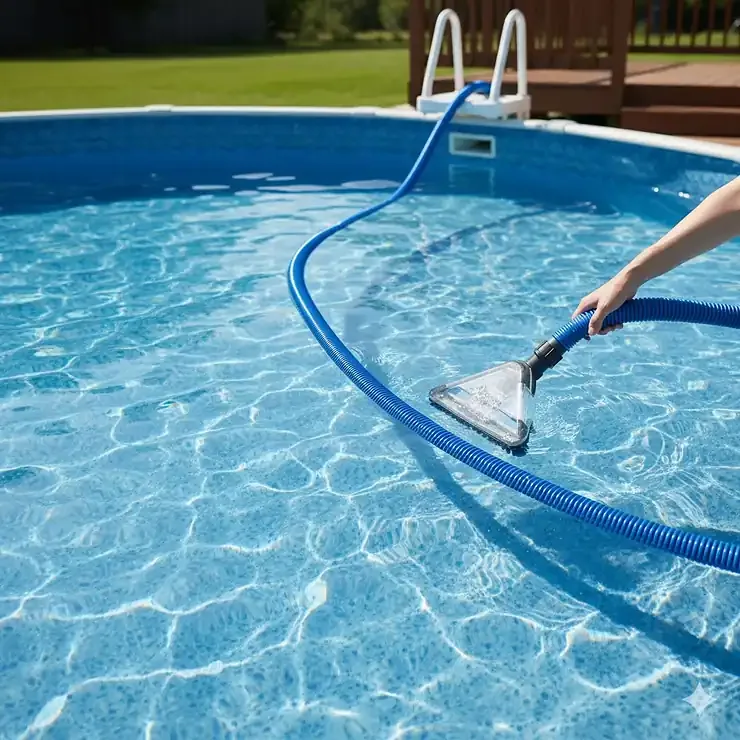
If you've ever searched for how do pool vacuums work with garden hose, the answer comes down to one piece of physics: the venturi effect. Water from your tap flows through a narrow internal jet inside the vacuum head, and that acceleration drops the local pressure enough to pull debris right off the pool floor. No electricity, no pump connection, no plumbing changes required.
Most residential garden hoses deliver between 40 and 80 PSI, which is plenty to drive a venturi vacuum head effectively. As of 2026, garden hose pool vacuums sell for $20 to $60, making them the most affordable active cleaning option for above-ground and small in-ground pools. The physics are simple once you see them laid out.
Quick Answer
Garden hose pool vacuums create suction using the venturi effect. Water rushes through a narrow internal nozzle inside the vacuum head. That acceleration drops the pressure at the nozzle exit.
Pool water and debris are pulled toward the low-pressure zone. No electricity or pool pump connection is required.
What Is a Garden Hose Pool Vacuum and How Does It Actually Work?
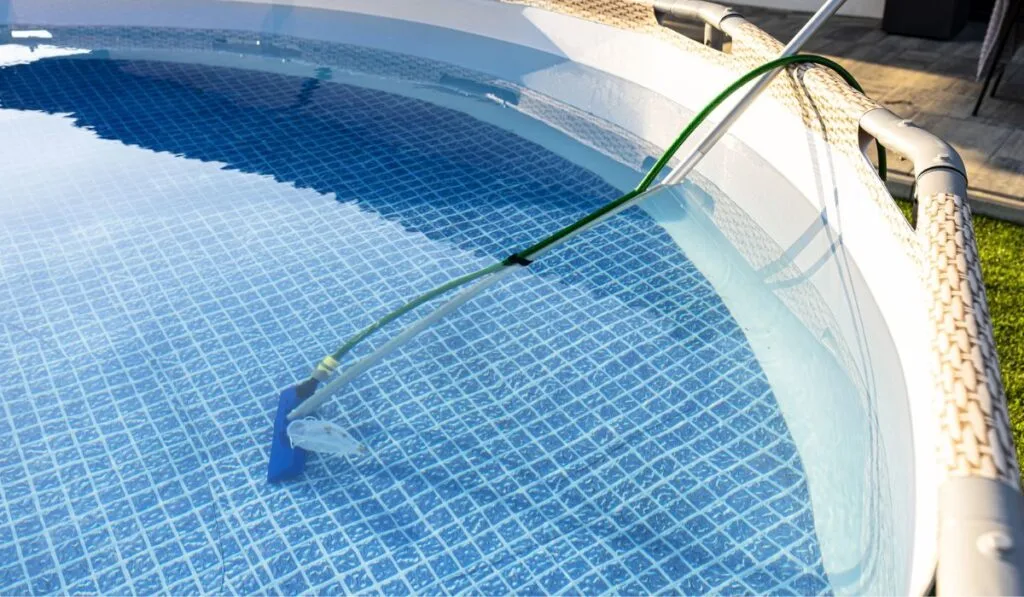
A garden hose pool vacuum is a cleaning head powered entirely by tap water pressure. Connect a standard garden hose to the inlet port, lower the head to the pool floor, and turn on the water. Suction begins almost immediately, with no priming and no electrical connection needed.
The mechanism relies on water pressure alone. A narrow internal jet accelerates the incoming water and creates a low-pressure zone that pulls debris upward. No motor, no filtration hookup, nothing to plug in.
Two design types exist:
- Bagged collection: Debris gets trapped in an attached mesh bag while water passes through. Best for sand, fine dirt, and algae.
- Discharge-style: Dirty water and debris get ejected through a side or rear port. Better for leaves and heavier material, but requires careful aiming to avoid disturbing areas you've already cleaned.
For most home pool owners, the bagged design is the practical choice. It captures debris rather than relocating it.
The Venturi Effect: The Physics Behind Hose-Powered Suction
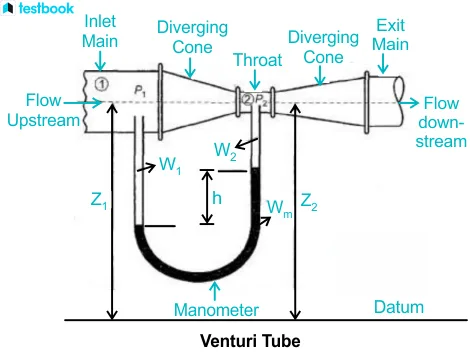
The venturi effect was documented by Italian physicist Giovanni Battista Venturi in the 1790s. The principle: when a fluid speeds up through a constriction in a pipe, its pressure drops. That pressure drop is what generates suction.
Inside a garden hose pool vacuum head, here's the exact sequence:
- Water from your garden hose enters the vacuum head through the inlet port.
- It's forced through a narrow internal jet nozzle, smaller in diameter than the inlet.
- Speed increases through the constriction. Pressure falls sharply at the nozzle exit.
- Higher-pressure pool water surrounding that exit zone rushes toward the low-pressure point.
- Debris near the vacuum head gets carried along in that surge of incoming water.
The Pool & Hot Tub Alliance (phta.org) recognizes this same venturi mechanism across pressure-side cleaners and chemical feeder systems. No moving parts means nothing to wear out or replace.
Water pressure controls suction strength. Below roughly 30 PSI, the jet can't generate a meaningful pressure drop. The 40 to 60 PSI range is the working sweet spot.
The internal diameter of your garden hose also matters: a wider bore delivers more gallons per minute, which feeds the jet nozzle more effectively at any given tap pressure.
Anatomy of a Garden Hose Pool Vacuum Head
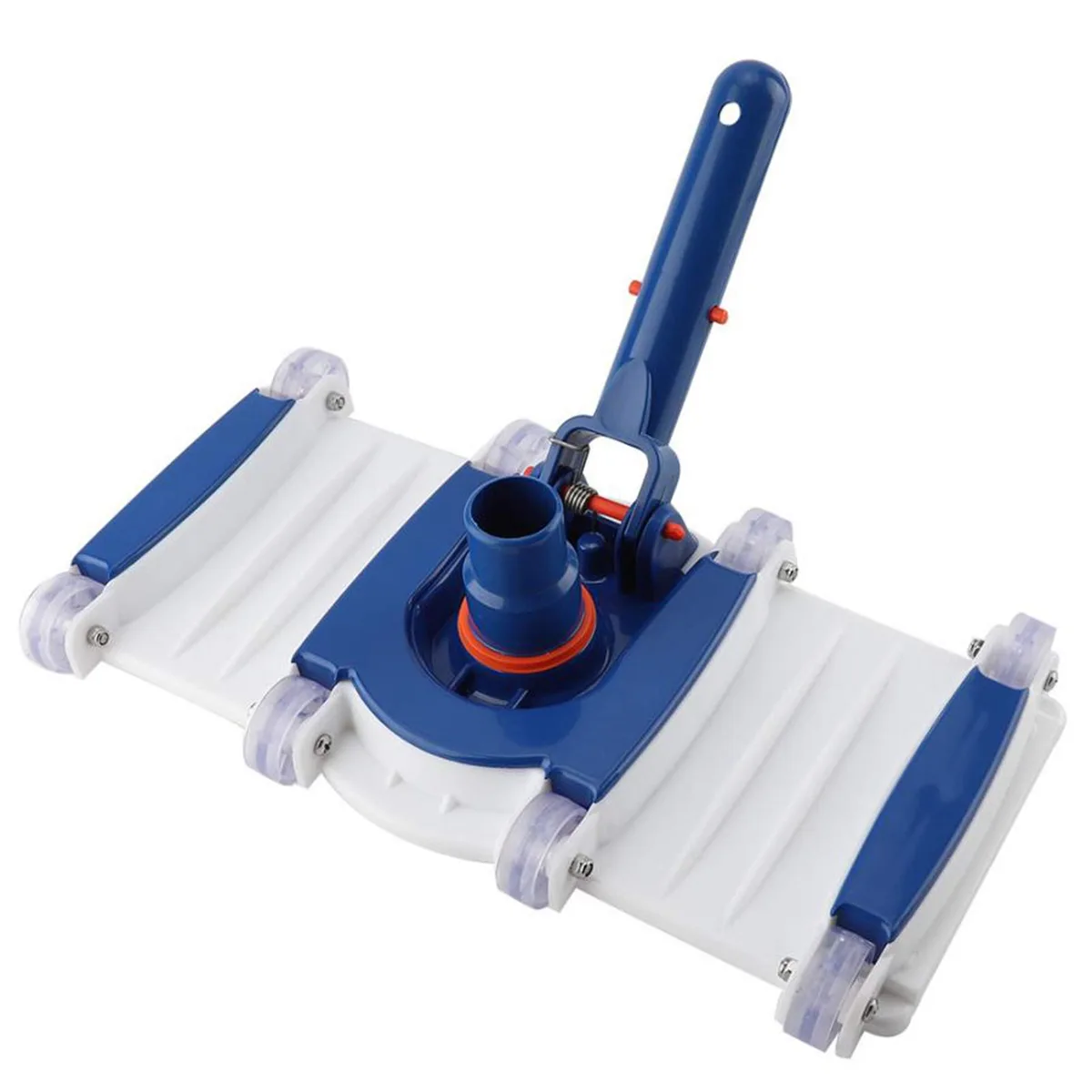
Knowing what each part does helps you troubleshoot problems faster and spot quality differences between models before buying.
| Component | Function |
|---|---|
| Hose inlet port | 3/4" GHT threaded fitting where the garden hose connects |
| Venturi jet nozzle | Internal constriction that accelerates water and creates the suction zone |
| Discharge port | Exit point for water (must point away from the cleaning path) |
| Collection bag | Mesh bag (2 to 6 L capacity) that traps debris while water flows through |
| Brush or wheel base | Bottom surface that slides across the pool floor without scratching |
| Pole socket | Standard 1-1/4" connector for a telescoping cleaning pole |
The venturi jet nozzle is the most critical component. If it's cracked, misaligned, or partially blocked, suction drops immediately. Aggregate reviews of budget-priced vacuum heads consistently identify this as the first failure point in lower-cost models.
Collection bag mesh rating determines what the vacuum actually captures. Coarser mesh handles leaves and large debris without clogging quickly. Finer mesh traps silt, algae dust, and fine sand but fills faster and needs emptying more often.
For pools with a persistent fine-sand problem, look specifically for a dual-layer or fine-filtration bag.
What You Need Before You Start (Hose, Pressure, and Pole)
You don't need much, but the details matter. Getting the hose setup right often determines whether the vacuum cleans effectively or just shuffles debris around.
Equipment checklist:
- Garden hose: Standard 5/8" diameter works fine. A 3/4" hose delivers more gallons per minute and can noticeably improve suction. Keep the run short. Every 50 extra feet reduces effective tap pressure by 5 to 10 PSI.
- Water pressure: At least 30 PSI at the hose bib. Check whether running other indoor fixtures drops your supply pressure significantly.
- Telescoping pole: At least 8 feet for a typical above-ground pool. Confirm the pole diameter matches your vacuum head's socket size.
- Discharge plan: Decide where the outflow water will go before you start. Keep it directed away from the area you're cleaning.
Check your hose fittings before starting. A cracked rubber washer inside the 3/4" GHT connector bleeds pressure silently and weakens suction with no obvious sign. Replacing a worn hose end fitting takes minutes and restores full suction right away.
A garden hose reel makes working around the pool much easier too. It keeps the hose organized, prevents kinks that choke water flow mid-session, and stops you from tripping over slack hose on a wet pool deck.
How to Use a Garden Hose Pool Vacuum: Step-by-Step
The most common first-session mistake is turning on the water before the vacuum head is fully underwater. That sends a pressurized jet into the pool and churns up settled debris. You could end up waiting an hour for the water to clear before you can clean effectively.
Follow this order every time:
- Attach the pole to the vacuum head socket and confirm the lock is engaged.
- Thread the garden hose onto the inlet port, turning fully clockwise. Give it a gentle tug to confirm it's seated.
- Lower the vacuum head to the pool floor before turning on any water.
- Aim the discharge port away from your planned cleaning path.
- Turn the hose on slowly at first and check the hose-to-head connection for leaks.
- Increase to full pressure once the connection is confirmed watertight.
- Move the head slowly across the pool floor in overlapping parallel rows. Fast movement breaks suction contact with debris.
- Check the collection bag every 10 to 15 minutes. A saturated bag reduces suction just as much as low water pressure does.
- Turn off the tap before lifting the head out of the pool. This prevents a pressure drop from pulling debris backward through the system.
- Rinse the collection bag straight after each session to stop algae from growing in trapped organic debris.
Water Pressure and Flow Rate: Why PSI Makes or Breaks Performance
PSI and GPM work together. PSI (pounds per square inch) determines how forcefully water enters the jet nozzle. GPM (gallons per minute) determines how much water feeds through it continuously.
You need both in a workable range for the venturi effect to generate real suction.
A typical 5/8" garden hose at 50 PSI delivers around 9 to 11 GPM. A 3/4" hose at the same pressure pushes 13 to 17 GPM. That extra volume makes a real difference when the collection bag starts filling and suction begins to drop.
Understanding how much water your hose moves per session is also useful if your area has seasonal water restrictions.
| Hose PSI | Suction Level | Practical Result |
|---|---|---|
| Below 30 PSI | Very weak | Debris barely lifts off the floor |
| 30 to 40 PSI | Marginal | Picks up light material only |
| 40 to 60 PSI | Strong | Normal effective cleaning range |
| Above 60 PSI | Diminishing return | No extra benefit, wastes water |
If your tap pressure is borderline, two adjustments help right away: shorten the hose run and switch to a 3/4" bore hose. Both reduce friction loss and deliver more pressure to the nozzle without any changes at the tap.
Common Problems and How to Fix Them
Weak or No Suction
Start by checking whether other taps are running inside the house. Competing demand can drop hose pressure by 10 to 20 PSI, which is often enough to collapse suction entirely. Also run your hand along the hose for kinks.
Even a partial kink chokes flow as effectively as closing the tap halfway.
If pressure is fine but suction is still weak, the venturi jet nozzle is likely blocked. A twig, clump of algae, or small stone lodged in the nozzle kills the venturi effect immediately. On most heads the nozzle can be rinsed out or cleared with a thin brush.
Debris Getting Stirred Up Instead of Collected
The discharge port is usually the culprit. If it's angled toward the pool floor or forward in your cleaning direction, the outflow jet disturbs settled debris faster than the suction can collect it. Rotate the head so the discharge faces the pool wall or exits over the edge.
Moving too quickly has the same effect. Slow, overlapping passes let the suction zone fully engage the floor before you advance. If the water clouds up mid-session, stop and let it settle before continuing.
Hose Fitting Leaks and Connection Issues
A leak at the inlet port is almost always a failed rubber washer inside the 3/4" GHT fitting. Unscrew the hose, pull out the old washer, and press in a new one. They're sold in multi-packs for a couple of dollars at any hardware store.
If the hose has seized at the tap rather than the vacuum head, a stuck hose connection usually loosens with warm water poured over the joint and a firm, steady twist. Never use pliers directly on plastic fittings.
Collection Bag Clogging Too Fast
Fine debris like algae dust and silty water fills bag mesh quickly. Empty the bag every 10 minutes when dealing with heavy contamination. For longer sessions, rinse the bag under a tap while still attached to the head, then lower it back in and continue.
If the bag clogs within minutes every session, the mesh rating doesn't match your pool's debris type. Coarser mesh lets fine particles pass straight through. Finer mesh traps them but needs emptying far more often.
Who This Type of Vacuum Actually Works Best For
This vacuum type suits specific situations well and performs poorly in others.
Best suited for:
- Above-ground pool owners without a pump vacuum port
- Spot cleaning between regular filter cycles
- Small pools hit by storm debris or seasonal leaf fall
- Renters and seasonal users who can't modify pool plumbing
- Anyone needing a backup option when the main pump system is offline
Less suited for:
- Large in-ground pools over 400 square feet of floor area (coverage takes too long)
- Pools with persistent fine-silt buildup that clogs the bag every few minutes
- Homes with well-water systems running below 30 PSI at the tap
- Anyone who wants an automated, hands-free cleaning solution
Garden Hose Vacuum vs. Skimmer-Connected Vacuum vs. Robotic Cleaner
| Feature | Garden Hose Vacuum | Skimmer-Connected Vacuum | Robotic Cleaner |
|---|---|---|---|
| Power source | Tap water pressure | Pool filtration pump | Electricity |
| Upfront cost | $20 to $60 | $30 to $80 | $200 to $1,500+ |
| Pool size | Small to medium | Medium to large | Any |
| Fine debris capture | Moderate | Good | Excellent |
| Manual effort | High | High | None |
| Works without pool pump | Yes | No | No |
The garden hose vacuum wins on cost and setup simplicity. A skimmer-connected vacuum has a filtration advantage because debris routes through the pool's own filter system, but that setup requires a working pump and a dedicated vacuum port. Robotic cleaners are a different league entirely.
They're autonomous, thorough, and completely hands-free, but the entry price is 10 to 30 times higher.
For a small above-ground pool on a tight budget, the garden hose vacuum is a capable standalone tool. For anything larger or more heavily used, treat it as a supplement to a proper filtration system rather than a replacement.
What to Look for When Buying a Garden Hose Pool Vacuum
The $20 to $60 price range covers a wide quality gap. Specs rarely reveal where corners were cut.
Jet nozzle construction: Look for a fixed, precision-fit nozzle rather than a loose plastic insert. Aggregate reviews consistently flag a poorly seated nozzle as the most common cause of weak suction straight out of the box.
Bag mesh quality: A dual-layer or fine-filtration bag is worth the small premium over single-layer coarse mesh. If the product listing doesn't specify a micron rating or filtration level, the bag is almost certainly coarse-only.
Head width: A 12" to 14" head covers ground faster. A 10" head maneuvers better around ladders, fittings, and corners. For a standard 12-foot-diameter above-ground pool, a 12" head strikes the right balance.
Pole socket thread: Most heads use the standard 1-1/4" aluminum pole thread. Confirm compatibility with your existing pole before ordering. Mismatched threads are a common and easily avoidable frustration.
Safety Tips When Running a Garden Hose Vacuum
Keep the hose and vacuum head away from electrical pool equipment while the water is running. That includes underwater lights, pump motors, and any corded device near the pool edge. A pressurized hose running across a wet deck also creates a slip hazard, so keep foot traffic clear of your work area.
Don't run hot water through the vacuum system. Heat warps plastic fittings, degrades the rubber collection bag, and isn't safe for standard garden hose materials either. Cold or ambient-temperature tap water is all this tool needs.
How to Clean and Store Your Vacuum Head After Each Use
Rinse the vacuum head and collection bag under fresh water immediately after each session. Debris left sitting in the bag overnight encourages algae and bacterial growth, which can transfer back into the pool at the next use. Shake the bag dry before putting it away.
Store the vacuum head out of direct sunlight. UV exposure degrades injection-moulded plastic faster than physical wear. At the end of the pool season, drain the hose fully, inspect the jet nozzle for hairline cracks, and store both the head and hose indoors away from freezing temperatures to prevent split fittings come spring.
Frequently Asked Questions
Can I use any garden hose with a pool vacuum?
Yes, any standard 5/8" or 3/4" garden hose with a 3/4" GHT fitting will connect to a garden hose pool vacuum. The key variable is water pressure, not hose brand. A 3/4" bore hose running at 40 to 60 PSI delivers the best suction performance.
How long does it take to vacuum a pool with a garden hose?
A typical 12-foot above-ground pool takes 20 to 40 minutes to vacuum thoroughly using slow, overlapping passes. Heavy debris loads or a filling collection bag will extend that time. Pools that haven't been cleaned in several weeks often need two full passes.
Why is my garden hose pool vacuum not picking up debris?
The most common causes are low water pressure, a kinked hose, a blocked jet nozzle, or a full collection bag. Check each in that order. If pressure is above 40 PSI and the nozzle is clear, the problem is almost always an overfull or clogged bag.
Can I use a garden hose vacuum on a vinyl liner pool?
Yes, provided the vacuum head uses a soft brush or smooth wheel base rather than stiff bristles. Hard bristle pads can scuff or snag a vinyl liner over repeated sessions, particularly on older liners that already have minor surface wear.

Similar Posts