How to Drain a Pool Using Just a Garden Hose
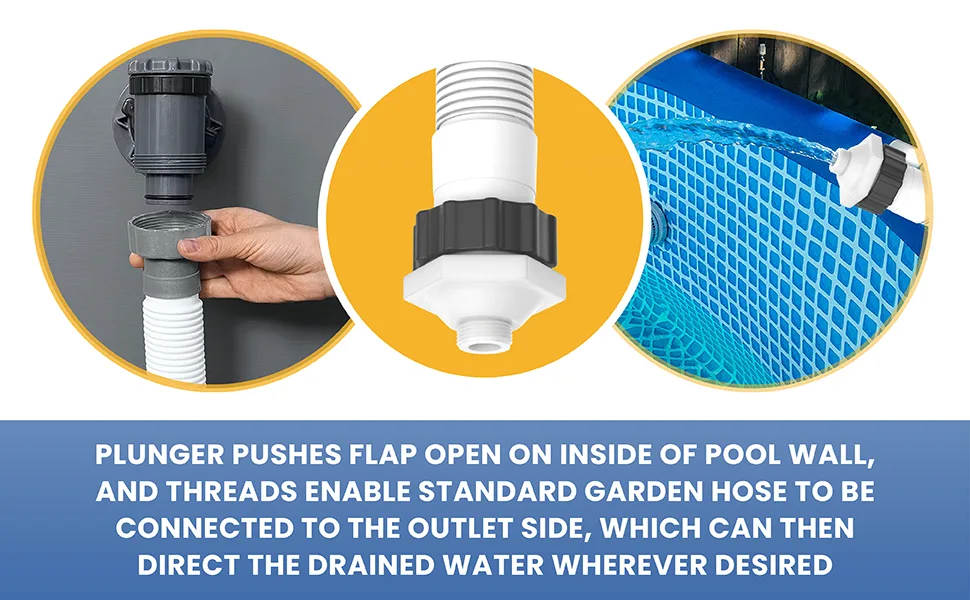
If you're wondering how do you drain a pool with a garden hose, the answer is yes, you can, by creating a siphon. Gravity pulls water through a fully primed hose with no pump and no electricity required. It's practical for smaller above-ground pools, but there are real limits worth knowing before you start.
A standard 5/8-inch garden hose flows at roughly 9 to 11 gallons per minute under good conditions. As of 2026, most municipalities have specific discharge rules for chlorinated pool water, so where the water goes matters as much as how the siphon is set up.
Quick Answer
You drain a pool with a garden hose by creating a siphon. Fill the hose completely with water first. Seal both ends, then submerge the pool end underwater.
Place the discharge end below the pool's water level. Release it and gravity does the rest.
Does Draining a Pool with a Garden Hose Actually Work?
Yes, it works, but with real limitations worth knowing upfront.
For above-ground pools in the 1,000 to 8,000 gallon range, the garden hose siphon is a legitimate option. It costs nothing if you already own a hose, needs no electricity, and can run unattended once correctly set up. For seasonal drains, closing the pool before cold weather arrives, or a partial water change, it's often the simplest tool available.
The limitation is volume. At 9 to 11 GPM, a 10,000-gallon pool takes roughly 15 to 18 hours. A large in-ground pool at 20,000 gallons pushes past 30 hours.
At those volumes, a submersible pump is the smarter call.
How the Siphon Effect Works (And Why It Stops)
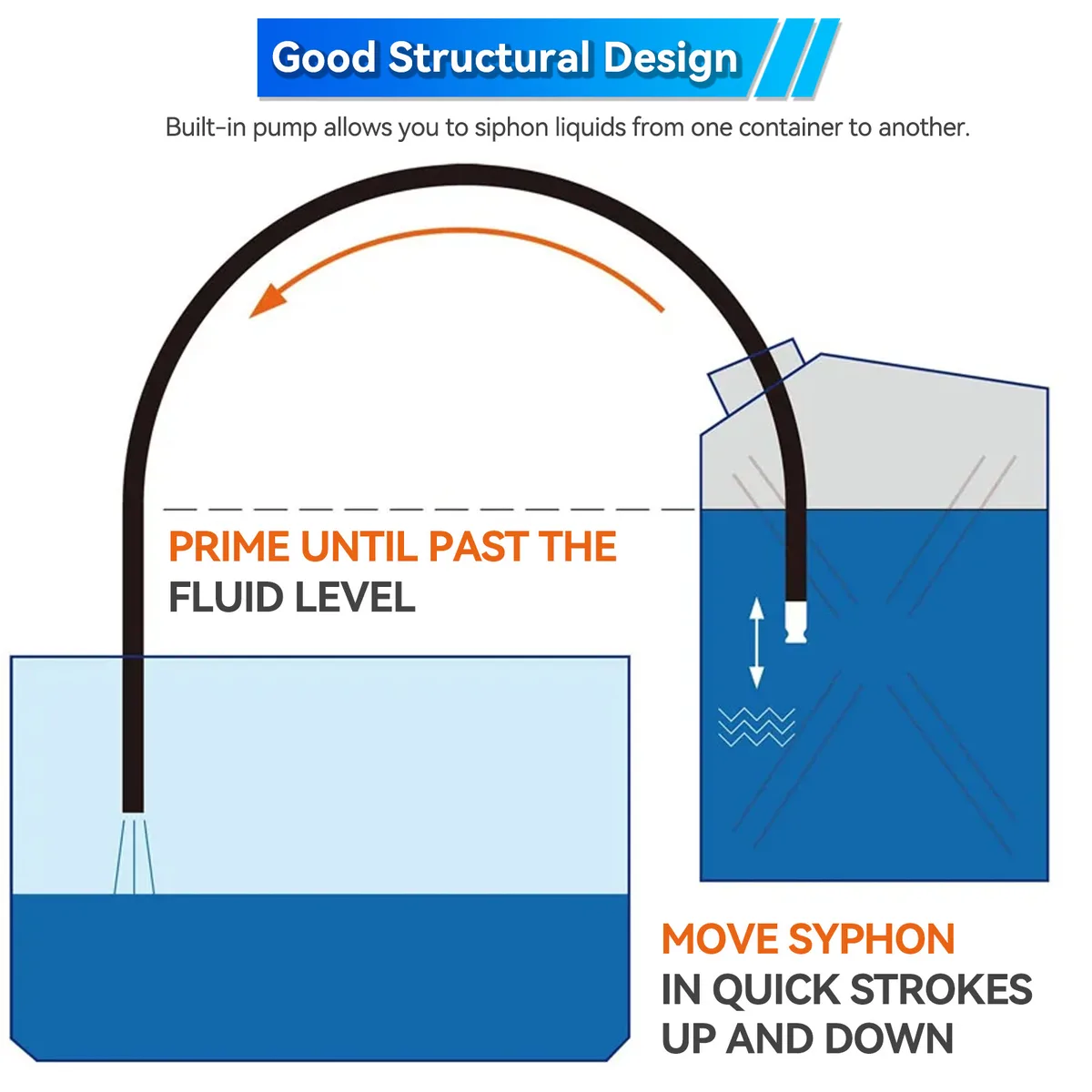
When a hose is completely full of water and one end sits in the pool, atmospheric pressure pushing down on the pool's surface forces water up into the hose. Gravity then pulls it down and out the discharge end, as long as that end stays lower than the pool's water level.
The flow keeps going under three conditions:
- The hose stays full of water with no air pockets
- The discharge end stays lower than the pool's water surface
- The hose isn't kinked or blocked
The moment air enters the line, the siphon collapses. This is the single most common reason a drain stops mid-job. Even a small bubble near the hose's highest point is enough to stop flow entirely.
Elevation difference also drives speed. A bigger drop between the pool's water level and the discharge point means faster flow. A flat yard with only a few inches of drop produces a slow trickle.
Even a one or two foot drop makes a real difference.
What You Need Before You Start
Garden Hose Size and Length: What Actually Matters
Two specs determine how well this works: diameter and length. Understanding how hose internal diameter affects flow rate is the first thing to get right.
| Hose Diameter | Typical Flow Rate | Best Pool Size |
|---|---|---|
| 5/8 inch | 9–11 GPM | Up to 6,000 gallons |
| 3/4 inch | 13–17 GPM | Up to 12,000 gallons |
| 1 inch | 18–25 GPM | Larger above-ground pools |
A 3/4-inch rubber hose is the best choice for this job. It moves more water per minute and resists kinking better than standard vinyl.
Hose length matters too. Every 100 feet adds friction that reduces actual flow. Use the shortest route from pool to discharge point.
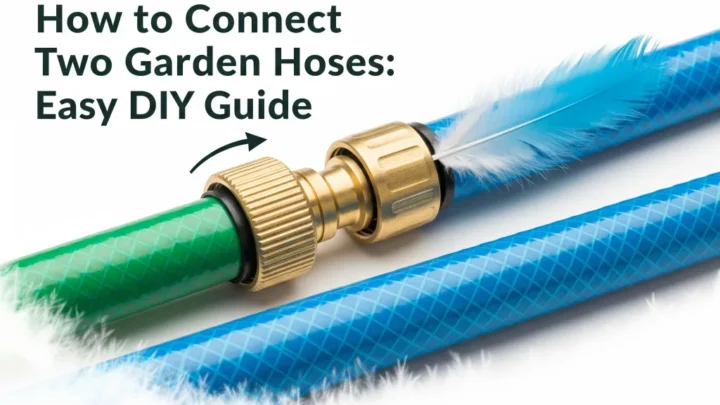
Also check your fittings before you start. A loose or worn connector quietly lets air into the line. If you spot a damaged hose end, fix it before you begin.
Choosing the Right Discharge Point
The discharge end must sit physically lower than the pool's current water level. No elevation drop means no flow.
Good options include a sloped area of the yard, a street gutter near a storm drain, or a sanitary sewer cleanout if local code permits. Discharge too close to the pool and water pools around the base, risking erosion and frame instability. Aim to move water at least 10 to 15 feet from the pool's edge.
How to Drain a Pool with a Garden Hose: Step-by-Step
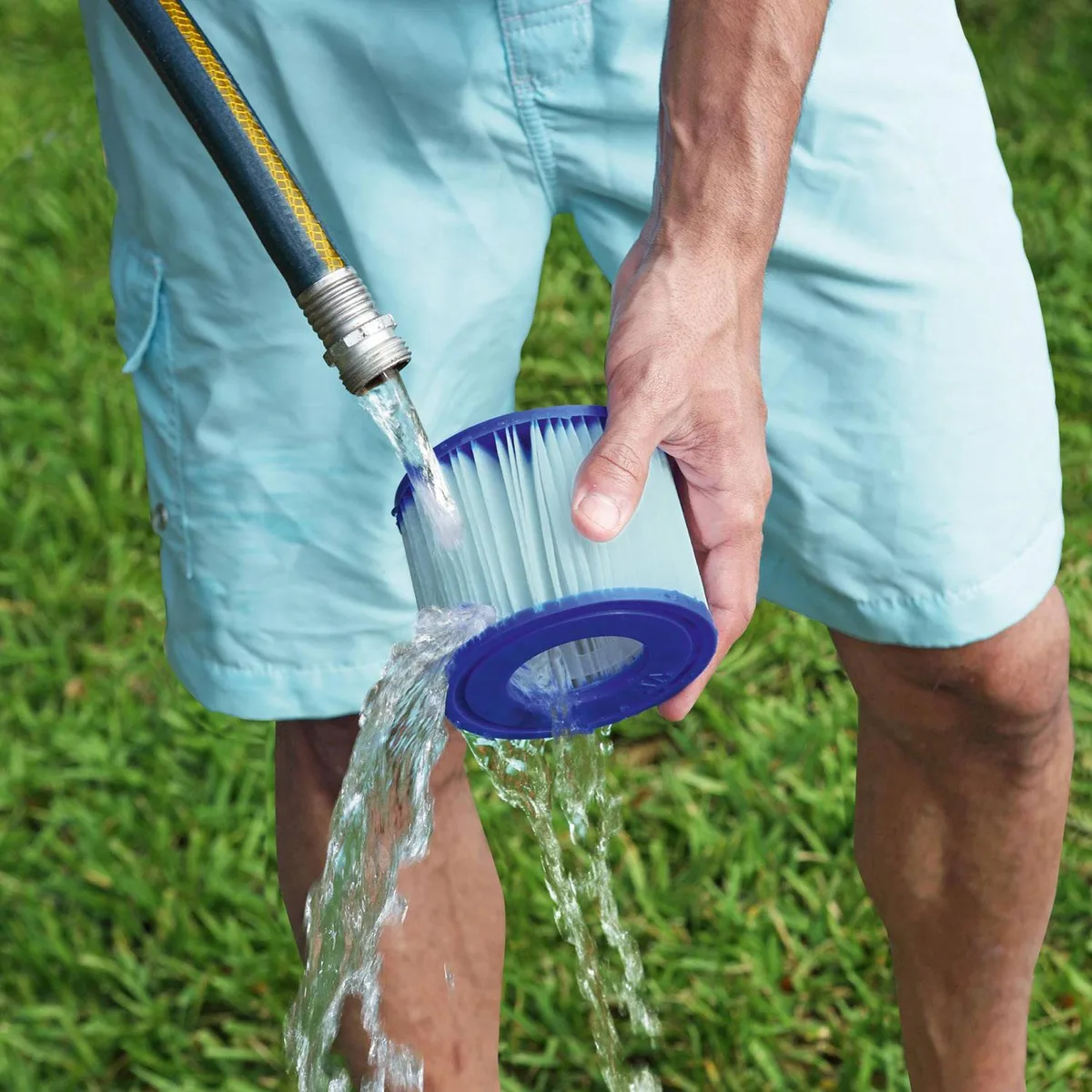
Before you start, dechlorinate the pool water if local discharge rules require it. The full process is covered in the dechlorination section below.
Step 1: Fill the hose completely with water.
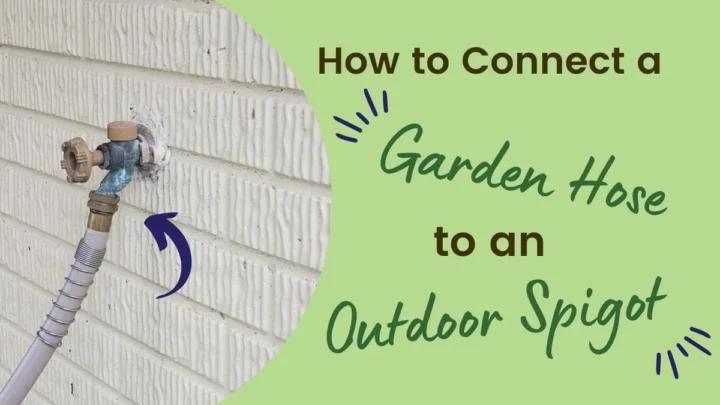
Connect the hose to your outdoor spigot and run it until a steady stream flows from the far end with no air breaks. The entire hose must be water-filled before you disconnect. This is called priming.
Skipping it guarantees the siphon will fail.
Step 2: Seal the discharge end.
Press your thumb firmly over the discharge end. Keep it sealed while you carry the pool end to the water.
Step 3: Submerge the pool end.
Lower the pool end below the water's surface. Feed several feet of hose toward the pool floor so the intake sits at the deepest point possible.
Step 4: Route the discharge end lower than the pool.
Walk to your chosen discharge point and position the outlet clearly below the pool's current water level.
Step 5: Release and check for flow.
Remove your thumb. Water should flow steadily within 5 to 10 seconds. No flow after 10 seconds means air entered the hose during the transfer.
Re-prime from the spigot and start again.
How to Prime the Siphon Without Using Your Mouth
Never create a siphon by sucking pool water through the hose. Pool water contains chlorine, algaecides, and potentially algae or bacteria.
Use the spigot-fill method from Step 1. It takes about 60 seconds and is more reliable. A hand siphon pump (under $10 at most hardware stores) also works well for anyone who wants a dedicated tool.
How to Tell the Siphon Is Working Correctly
A working siphon produces a steady, unbroken stream at the discharge point with no spurting or intermittent stops. You should see a visible drop in the pool's water level within the first hour.
What to Do When the Flow Stops Mid-Drain
Pull the entire hose out, return to the spigot, refill it completely, and restart from Step 2. There's no shortcut once the siphon breaks.
If you're leaving it running overnight, make sure the hose stays on without obstruction. A kink that develops unattended can stop the drain for hours before you notice.
How Long It Will Take to Drain Your Pool (By Pool Size)
These estimates assume a well-primed siphon, no kinks, and a meaningful elevation drop to the discharge point.
| Pool Volume | 5/8" Hose (~10 GPM) | 3/4" Hose (~15 GPM) |
|---|---|---|
| 1,000 gallons | ~1.7 hours | ~1.1 hours |
| 3,000 gallons | ~5 hours | ~3.3 hours |
| 5,000 gallons | ~8.3 hours | ~5.6 hours |
| 10,000 gallons | ~16.7 hours | ~11 hours |
| 15,000 gallons | ~25 hours | ~16.7 hours |
| 20,000 gallons | ~33 hours | ~22 hours |
Real-world times typically run 20 to 30 percent longer. How much water a garden hose delivers per hour depends heavily on hose condition, run length, and available elevation drop at your specific site.
Common Mistakes That Kill the Siphon Before the Job Is Done
The most common mistake is incomplete priming. A single air pocket near the hose's highest point collapses the siphon within minutes of starting.
The second most frequent problem is a discharge point that isn't low enough. If the exit end sits at or above the pool's water level, flow simply won't start.
Other consistent problems:
- Hose kinking mid-drain: A kink traps air and breaks the siphon with no sign visible at the pool end.
- Using a worn hose: Hairline body cracks or a loose fitting let air in continuously, making a stable siphon nearly impossible.
- Discharging too close to the pool base: Pooled water around the structure destabilizes above-ground frames and saturates the ground unevenly.
- Skipping the chlorine check: Heavily chlorinated discharge kills lawn grass and can violate local stormwater rules mid-drain.
Garden Hose vs. Submersible Pump: Honest Side-by-Side
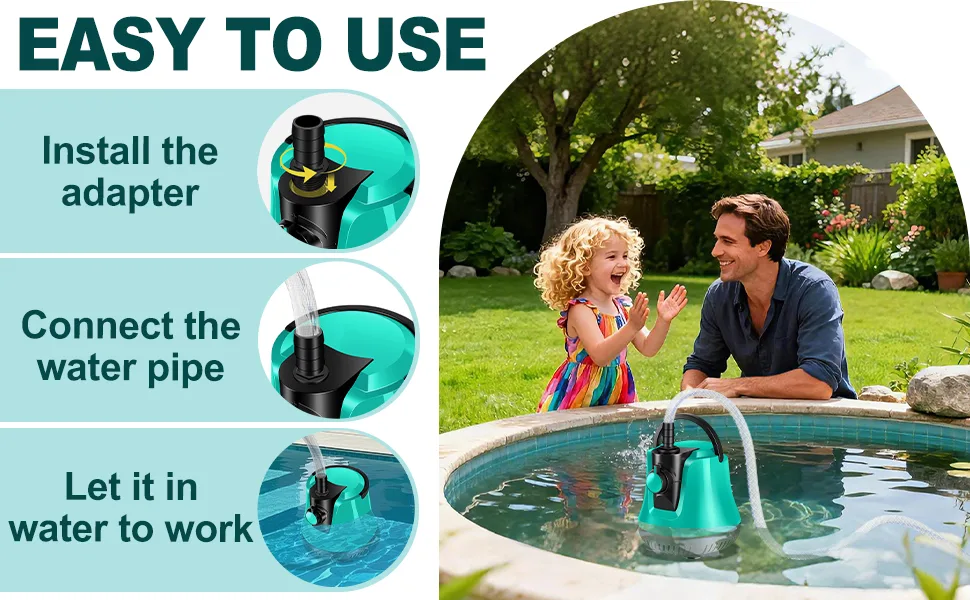
For pools under 5,000 gallons, a garden hose siphon is a practical choice. For larger volumes, the comparison shifts decisively toward a pump.
| Factor | Garden Hose | Submersible Pump |
|---|---|---|
| Cost | Free (if owned) | $30–$150 to buy / $20–$40 to rent |
| Flow rate | 9–17 GPM | 30–50+ GPM |
| Electricity needed | No | Yes |
| Best pool size | Under 8,000 gal | Any size |
| Failure risk | Siphon can break | Minimal |
A submersible pump drains a 10,000-gallon pool in roughly 5 to 6 hours. A garden hose takes 15 to 17 hours for the same job. For pools above 10,000 gallons, a daily pump rental at $20 to $40 eliminates siphon management and cuts drain time roughly in half.
When a Garden Hose Is the Wrong Tool for the Job
For in-ground pools, slow drain speed is the lesser concern. The bigger issue is structural. Draining an in-ground pool removes the water weight that counteracts groundwater pressure from outside the shell.
That pressure can push the pool upward, cracking the shell and shearing plumbing lines.
Skip the garden hose when:
- The pool holds more than 12,000 gallons
- You need a full drain completed within a single day
- The pool is in-ground with any groundwater concern in your area
- Structural repair or resurfacing requires a fast, controlled drain
Where You Can and Can't Legally Drain Your Pool Water
Most U.S. municipalities follow one consistent rule: untreated chlorinated pool water cannot go into storm drains. Those systems flow directly to local waterways, not treatment plants. Even low chlorine concentrations are toxic to aquatic life.
The U.S. Environmental Protection Agency regulates chemical water discharge through its stormwater program, and local ordinances typically mirror those standards.
Generally acceptable discharge options:
- Your own yard: Fine if the water is dechlorinated and drains away from the foundation.
- Sanitary sewer cleanout: Permitted in some cities, prohibited in others. Check with your local water authority first.
- Street gutter toward a storm drain: Restricted for chlorinated water in most jurisdictions.
Never discharge onto a neighbor's property. Even incidental flooding can result in a nuisance complaint.
Safety Warnings: What Can Go Wrong If You Drain Incorrectly
Above-Ground Pool Liner Risks
Vinyl liners are held in shape by water pressure. Remove that pressure and the liner loses tension fast, shrinking and stiffening in direct sunlight. A liner left empty for more than a few hours in warm weather can crack at the seams or pull away from the top rail permanently.
Have your next step ready before you start draining. Don't drain, then plan.
In-Ground Pool Hydrostatic Pressure Risk
The water inside an in-ground pool counteracts groundwater pushing in from outside the shell. Empty the pool and that counterweight disappears. In areas with a high water table or after heavy rain, external pressure can lift the pool shell out of the ground entirely, shearing plumbing in the process.
Pool professionals report this regularly in wet climates and on low-lying properties. According to the Pool & Hot Tub Alliance, fully draining an in-ground pool without a professional assessment carries real structural risk. Get that assessment before you drain, regardless of method.
How to Dechlorinate Pool Water Before You Discharge It
Add sodium thiosulfate dechlorinator at least 24 hours before draining. Most products recommend 1 ounce per 10,000 gallons as a starting dose. Run the pump briefly or stir the water to distribute it evenly.
After 24 hours, test the free chlorine level using pool test strips or a liquid kit. You're aiming for below 0.1 ppm. If it's still above that, add a second dose and wait another 24 hours before testing again.
For small above-ground pools under 2,000 gallons, crushed vitamin C tablets (ascorbic acid) are a simple alternative. A few tablets dissolved in a bucket and poured around the pool perimeter neutralizes residual chlorine quickly.
Don't assume an unshocked pool is safe to drain without testing first. Shaded pools degrade chlorine far more slowly than sun-exposed ones, and recently treated water can stay well above safe discharge levels for several days.
Frequently Asked Questions
Can I drain a pool overnight with a garden hose?
Yes, for pools under 7,000 gallons. An 8 to 12 hour window covers most small above-ground pools at 10 to 15 GPM. Larger pools won't fully drain in that timeframe with a garden hose.
Make sure the siphon is solid before you sleep and route the hose to prevent kinks from forming overnight.
Why does my siphon keep stopping?
Air in the hose is almost always the cause. Kinks, a poorly sealed connection, or an incompletely primed hose all introduce bubbles that collapse the flow. Re-prime from the spigot each time it stops.
If the problem keeps repeating, inspect the hose body and check for cracked end fittings that may be letting air in continuously.
Do I need to dechlorinate pool water before draining?
Yes, in most municipalities. Free chlorine must typically be below 0.1 ppm before you discharge into storm drains. See the dechlorination section above for dosage and testing steps.
Can I use a garden hose to partially drain a pool?
Yes, and this is one of the most practical uses for the siphon method. Once the water drops to your target level, raise the discharge end above the pool's water surface. Flow stops immediately, giving you precise control over the final depth.
Is it safe to drain an in-ground pool with just a garden hose?
The siphon itself isn't the risk. The danger is draining an in-ground pool at all without professional input. Hydrostatic pressure from groundwater can push an emptied shell out of the ground.
Always consult a pool contractor before fully draining any in-ground pool, regardless of drain method.
What do I do with an old garden hose after the job?
If the hose is still in good shape, coil it and store it properly. If it's cracked or past its useful life, check first whether old garden hoses can be recycled through a local program before putting it in general trash.

Similar Posts