Timeless English Cottage Garden Ideas for a Whimsical Outdoor Space
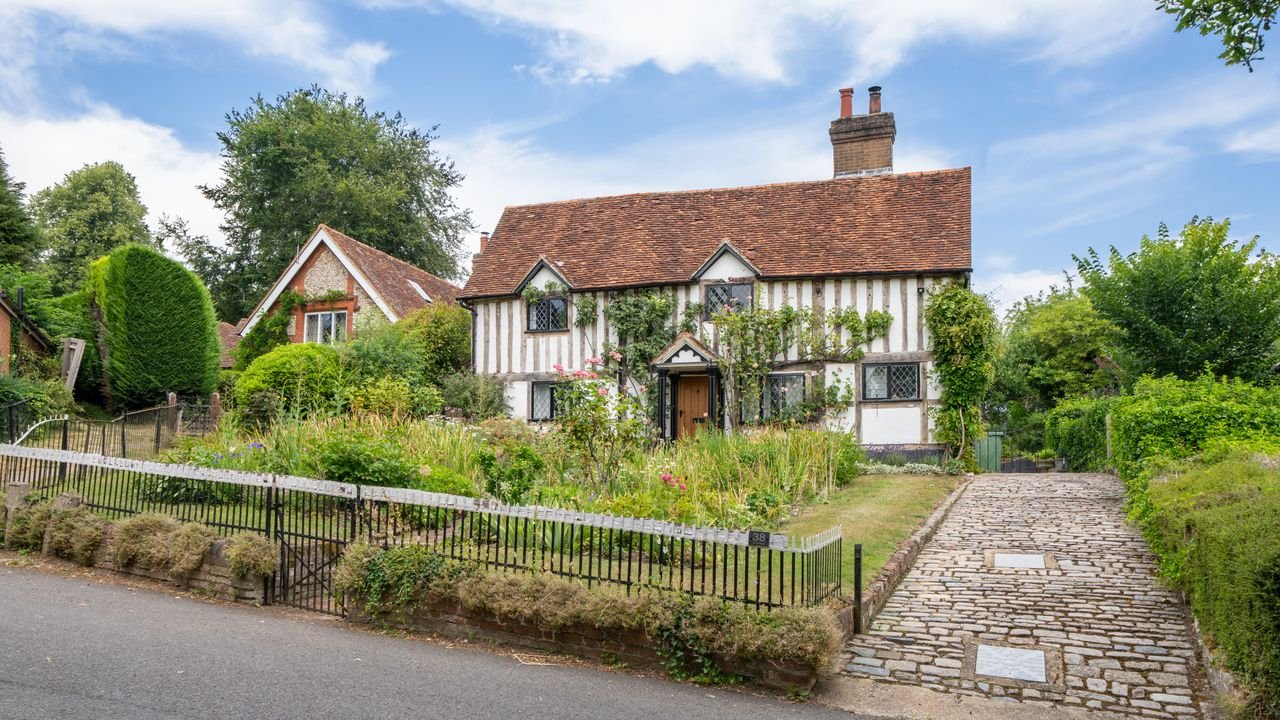
If you’ve ever dreamed of a soft, romantic outdoor retreat filled with wild blooms and cozy charm, english cottage garden ideas are the perfect starting point. These layouts blend casual abundance with thoughtful, traditional design elements that feel both lived-in and magical. You don’t need a sprawling estate to pull off this beloved style.
From selecting the perfect mix of flowering perennials to adding small, whimsical hardscaping touches, the possibilities are endless for every budget and space size. Below, we’ve rounded up 23 actionable, approachable tips to help you build your own slice of English countryside charm. Each idea is easy to adapt to fit your yard, patio, or even small balcony garden.
1. Mix Old-Fashioned Flowering Plants
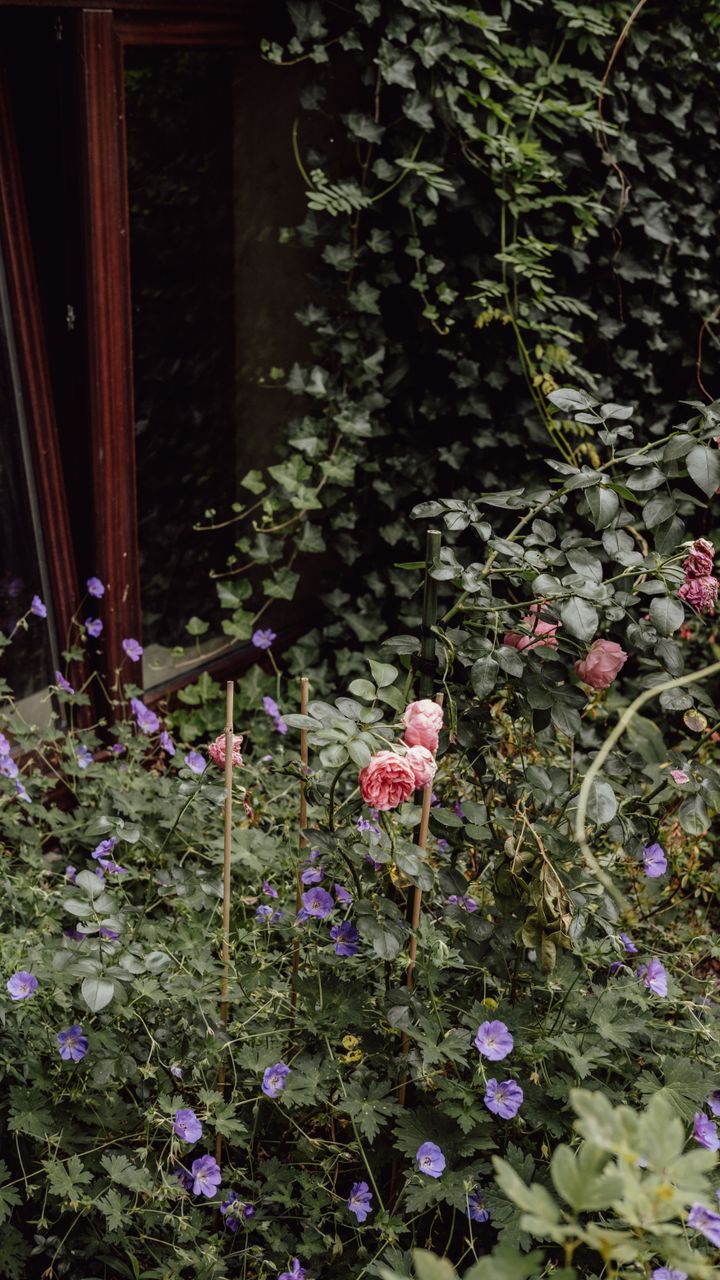
Start with a core mix of classic cottage blooms like hollyhocks, delphiniums, and sweet peas that bloom at different times for continuous color. Pair these with softer filler plants like feverfew and alyssum to create that abundant, slightly unkempt look the style is known for. Avoid rigid spacing to let plants mingle naturally as they grow.
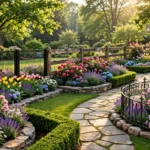
2. Add Winding Gravel Pathways
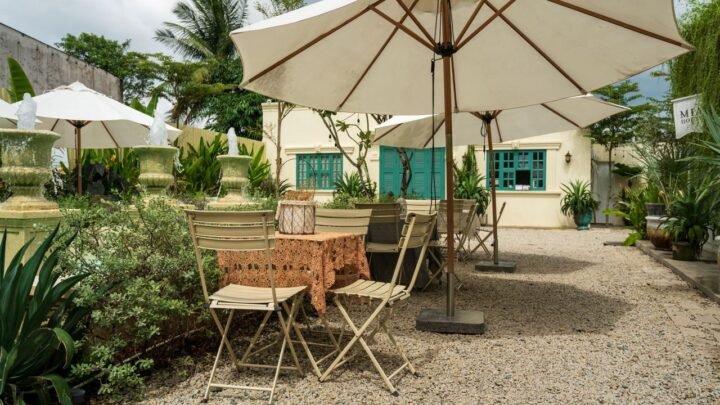
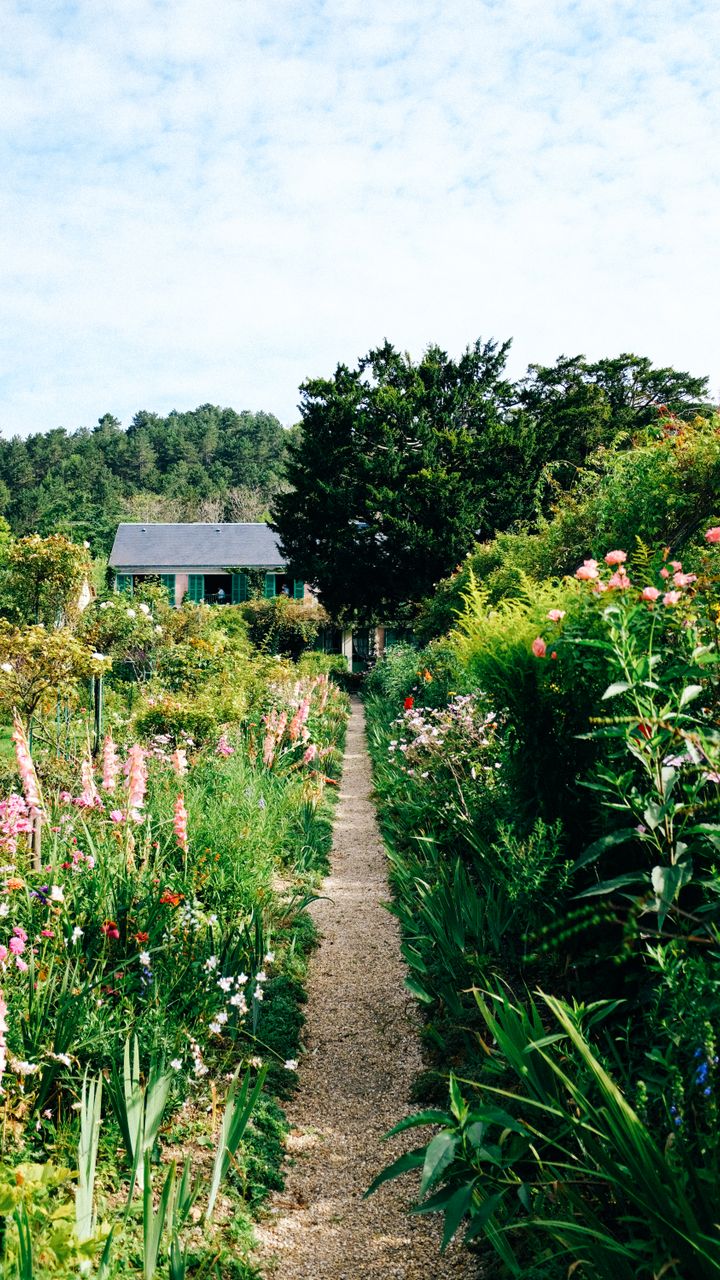
Narrow, meandering pathways break up planting beds and make exploring the garden feel like a little adventure. Use soft gravel or aged stone set in a loose, curved pattern to avoid harsh straight lines. Tuck low-growing creeping thyme between the stones for a soft, fragrant touch.
3. Incorporate a Rustic Wooden Arbor
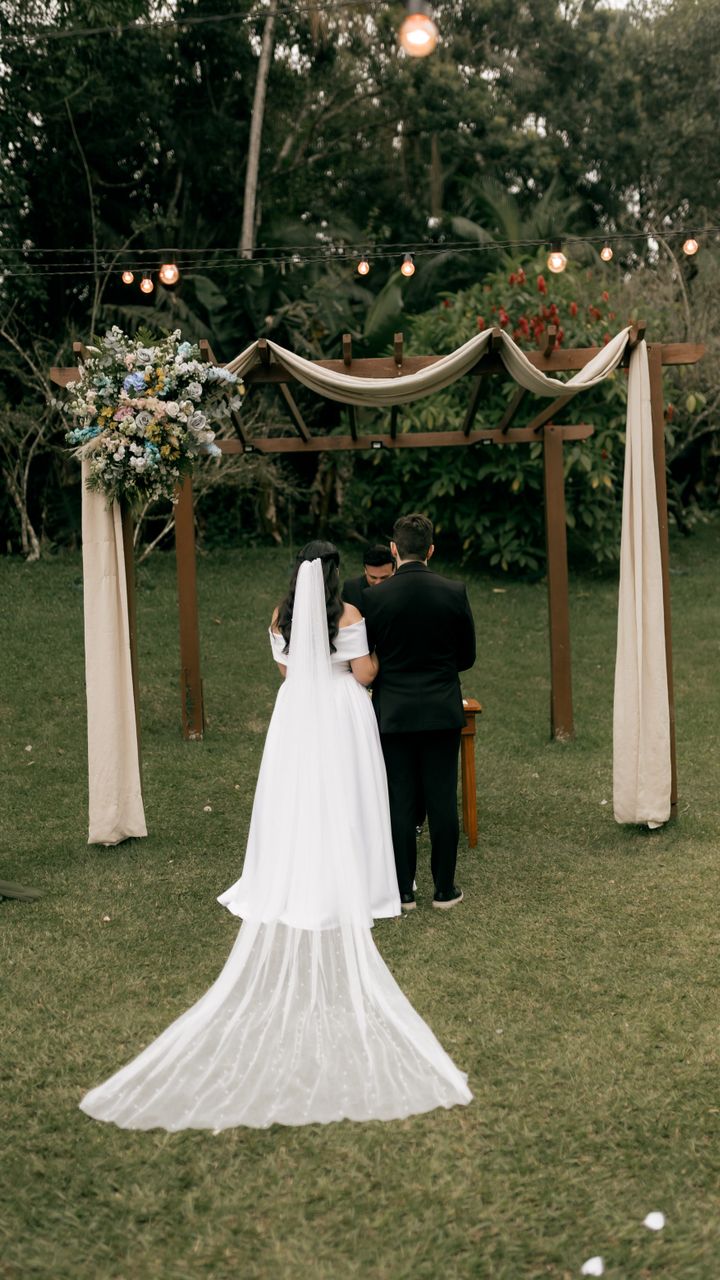
A simple wooden arbor draped with climbing roses or clematis creates a charming focal point and cozy seating nook. Choose a weathered, natural wood finish to match the relaxed, vintage vibe of the space. It also adds vertical interest for smaller garden plots.
4. Include Vintage Garden Decor
Tuck in small, whimsical vintage touches like cast iron planters, weathered bird baths, or old terracotta pots to add personality. These small details make the space feel lived-in and full of history rather than overly designed. Scatter them throughout planting beds for subtle pops of character.

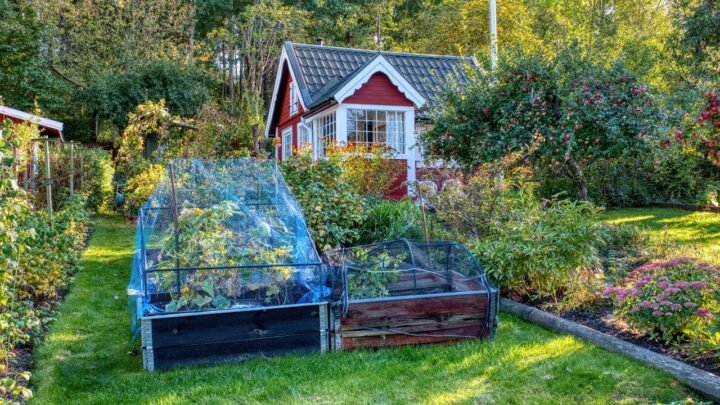
5. Plant Edibles Among Flowers
English cottage gardens traditionally blend ornamental and edible plants for both beauty and function. Tuck in herbs like lavender, rosemary, and chives alongside flowering plants, and add small vegetable patches hidden among blooms. This mix feels practical and adds extra texture and scent to the space.
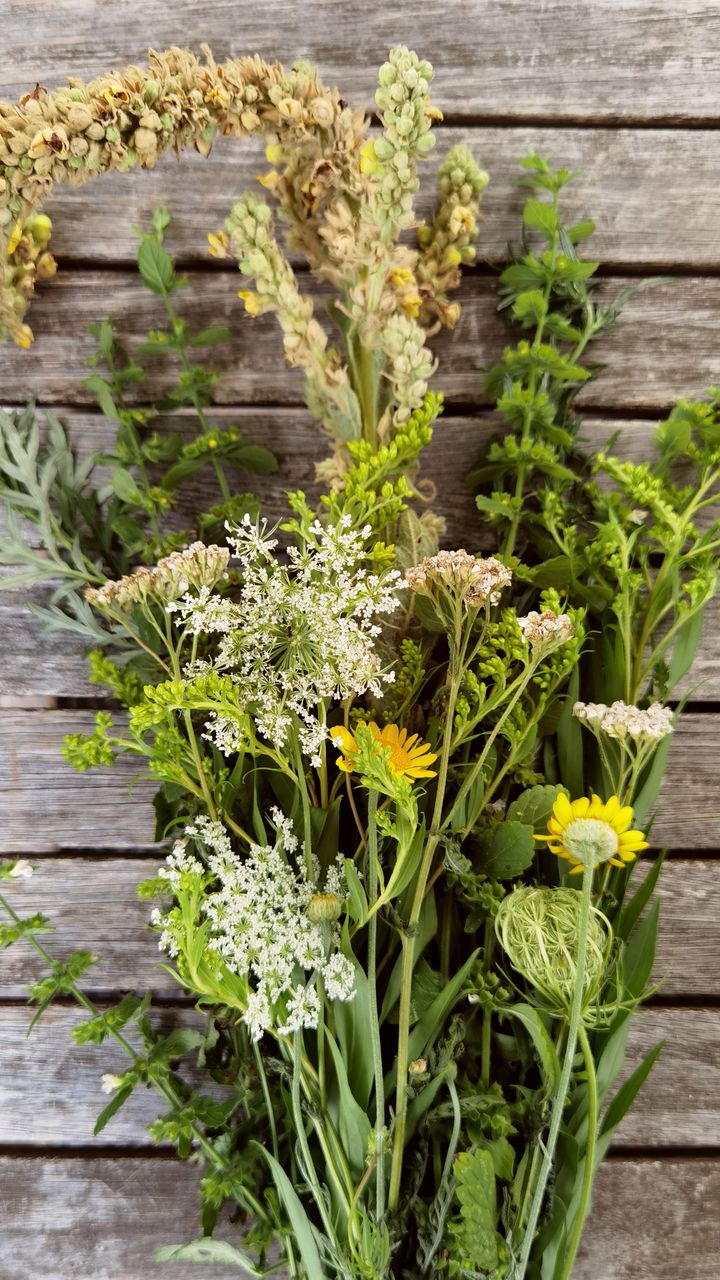
6. Use Soft, Muted Color Palettes
Stick to gentle, romantic color schemes of soft pinks, lavenders, buttery yellows, and creamy whites for a cohesive, dreamy look. Avoid bright, neon hues that feel out of place with the traditional style. Layer lighter and darker shades of the same color to add depth without clutter.
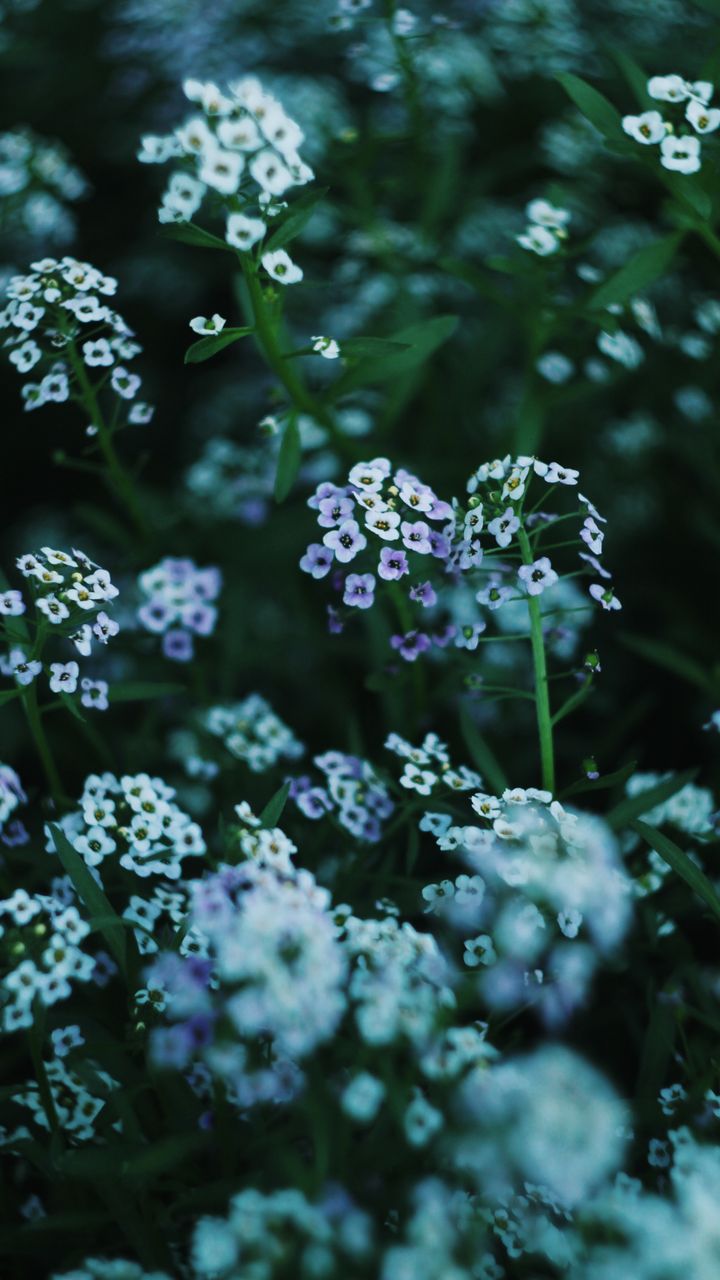
7. Add a Small Water Feature
A tiny stone fountain or shallow bird bath brings gentle movement and calming sound to the garden. Place it near a seating area so you can enjoy the trickle of water while relaxing outdoors. It also attracts birds and pollinators to your space.
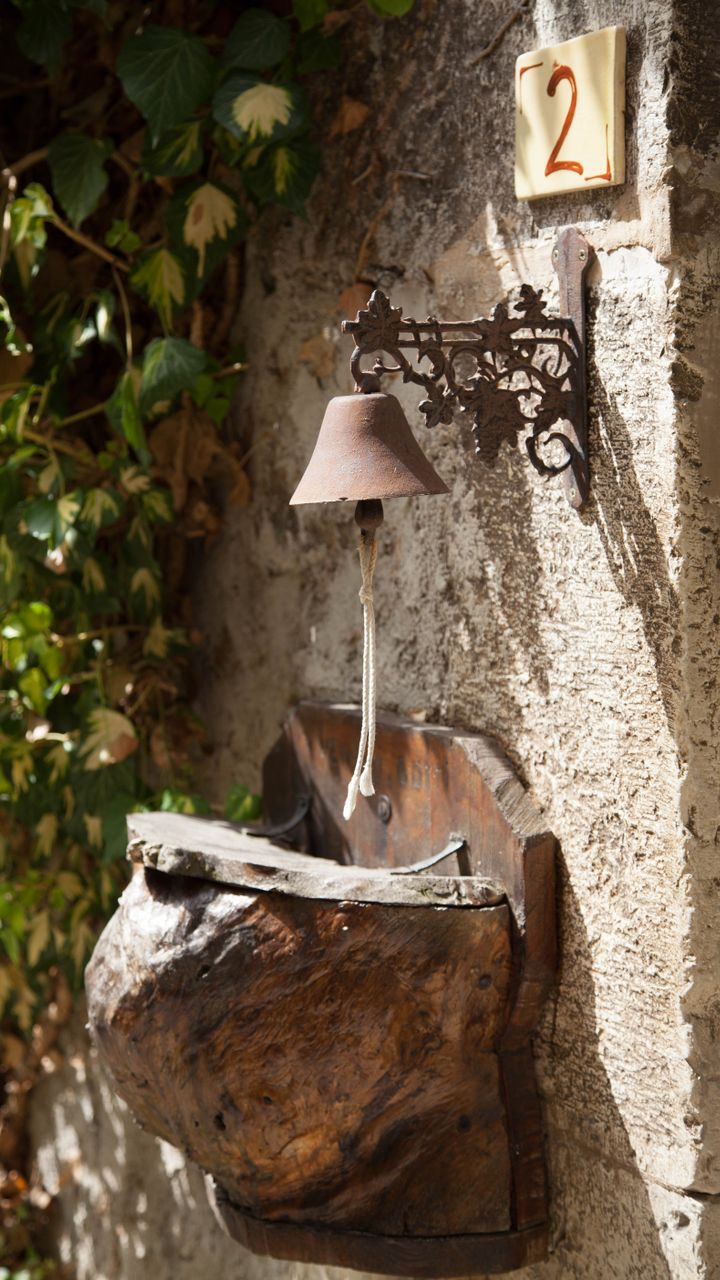
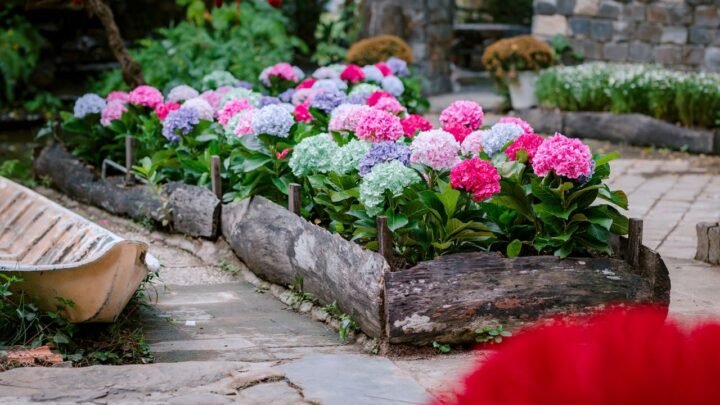
8. Let Plants Spill Over Edges
Avoid harsh, straight borders by letting trailing plants like ivy, petunias, and lobelia spill over the edges of raised beds, pathways, and planters. This softens hard lines and creates that lush, overflowing abundance the style is known for. It also makes small spaces feel more full and vibrant.
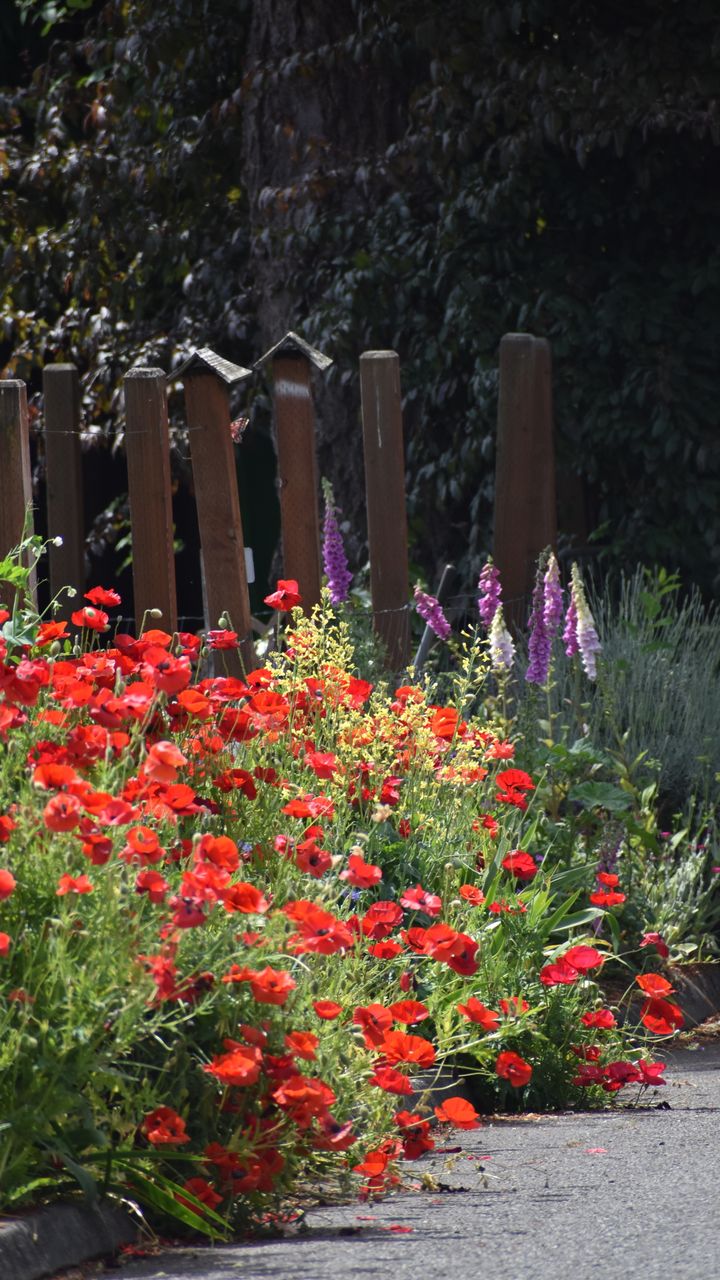
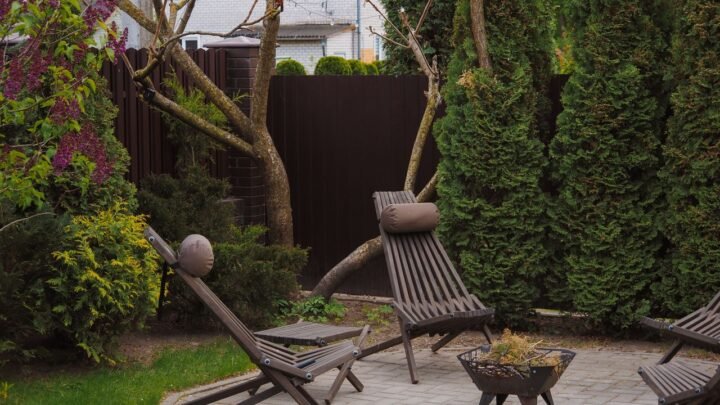
9. Include a Cozy Seating Spot
Tuck a small weathered wooden bench or a pair of wicker chairs in a quiet corner surrounded by blooms for a peaceful retreat. Drape a soft knit blanket over the back for extra charm and comfort. This makes the space usable for relaxing, reading, or enjoying afternoon tea.
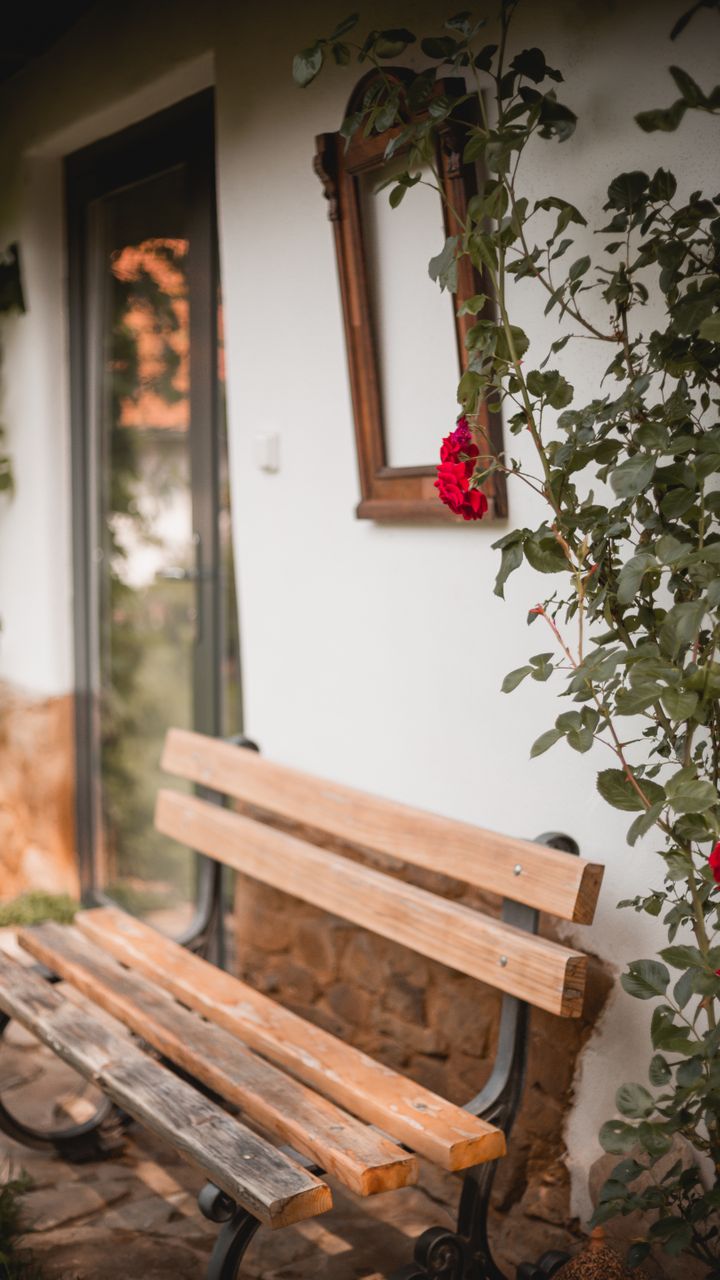
10. Plant Climbing Vines on Walls
If you have a fence, shed, or home exterior, cover small sections with climbing roses, honeysuckle, or jasmine for vertical bloom. This adds extra color and fragrance without taking up precious ground space. It also softens hard, plain walls to feel more integrated with the garden.
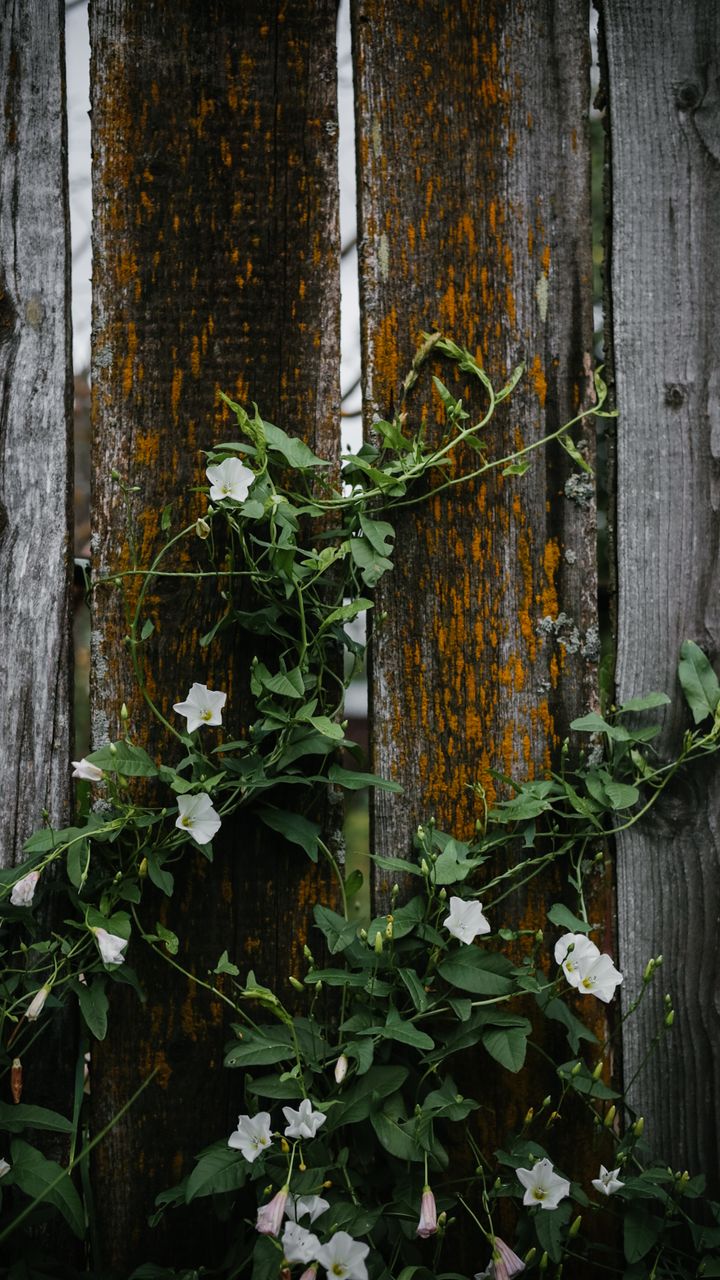
11. Add Whimsical Garden Ornaments
Scatter small, playful touches like fairy figurines, painted metal insects, or tiny ceramic mushrooms among your plantings. These small details add a sense of magic and personality that feels true to the cottage style. Choose a few cohesive pieces rather than cluttering the space with too many mismatched items.
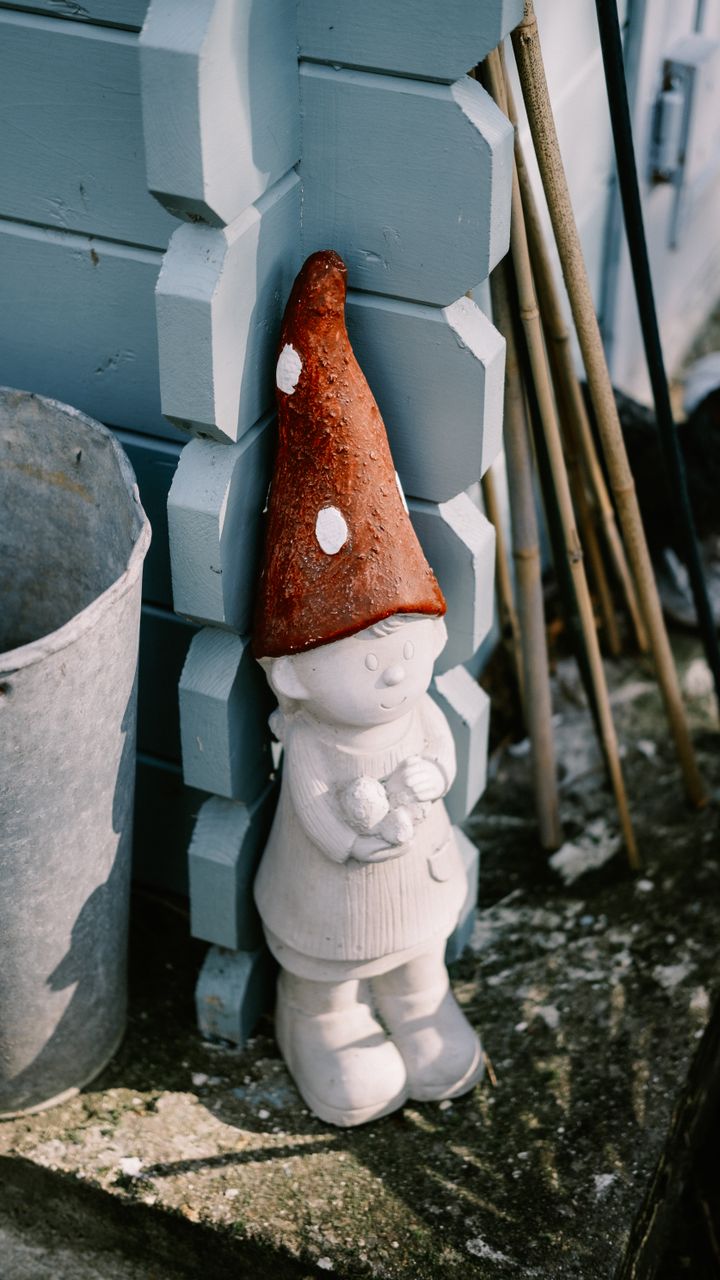
12. Use Natural, Weathered Materials
Stick to natural, aged materials like reclaimed wood, weathered stone, and rusted metal for hardscaping and decor. These materials develop a beautiful patina over time that matches the vintage, relaxed vibe of the garden. Avoid shiny, modern finishes that feel out of place.

13. Plant in Loose, Informal Clusters
Instead of planting single specimens or rigid rows, group 3-5 of the same plant together in loose, random clusters. This creates a more natural, abundant look that feels like the plants grew there on their own. It also makes bold color statements that stand out from a distance.
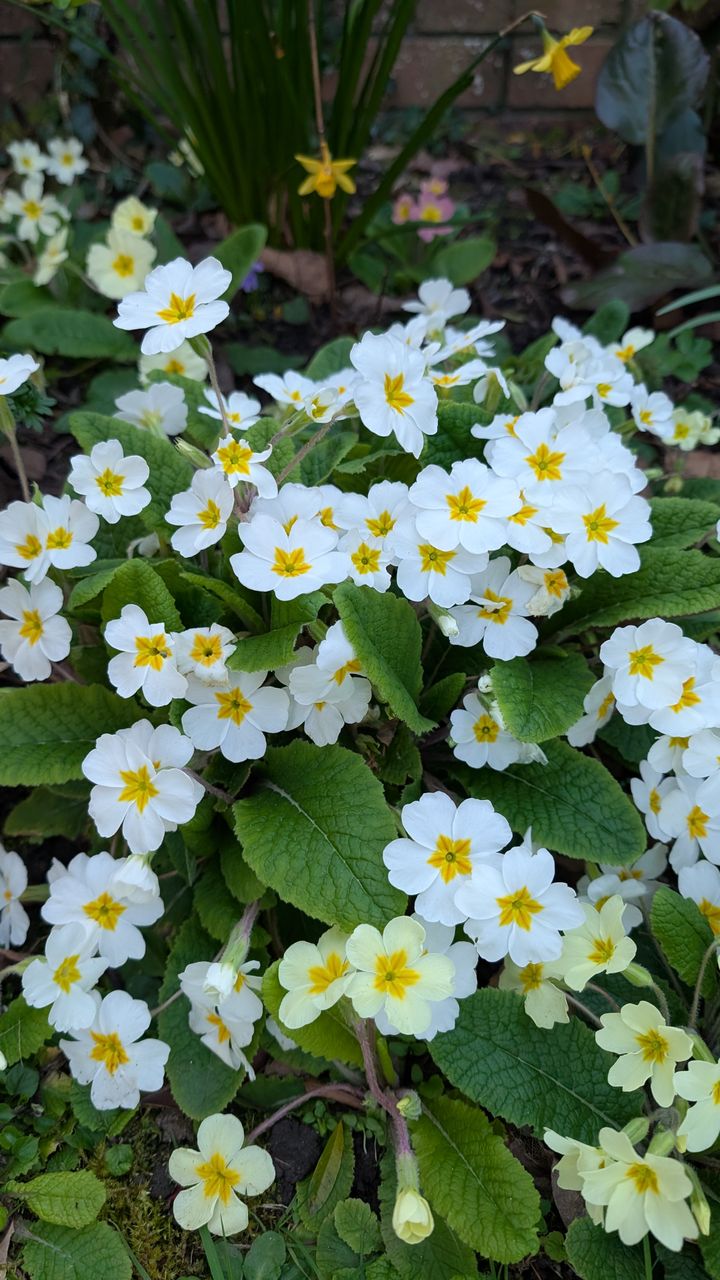
14. Include Fragrant Flower Varieties
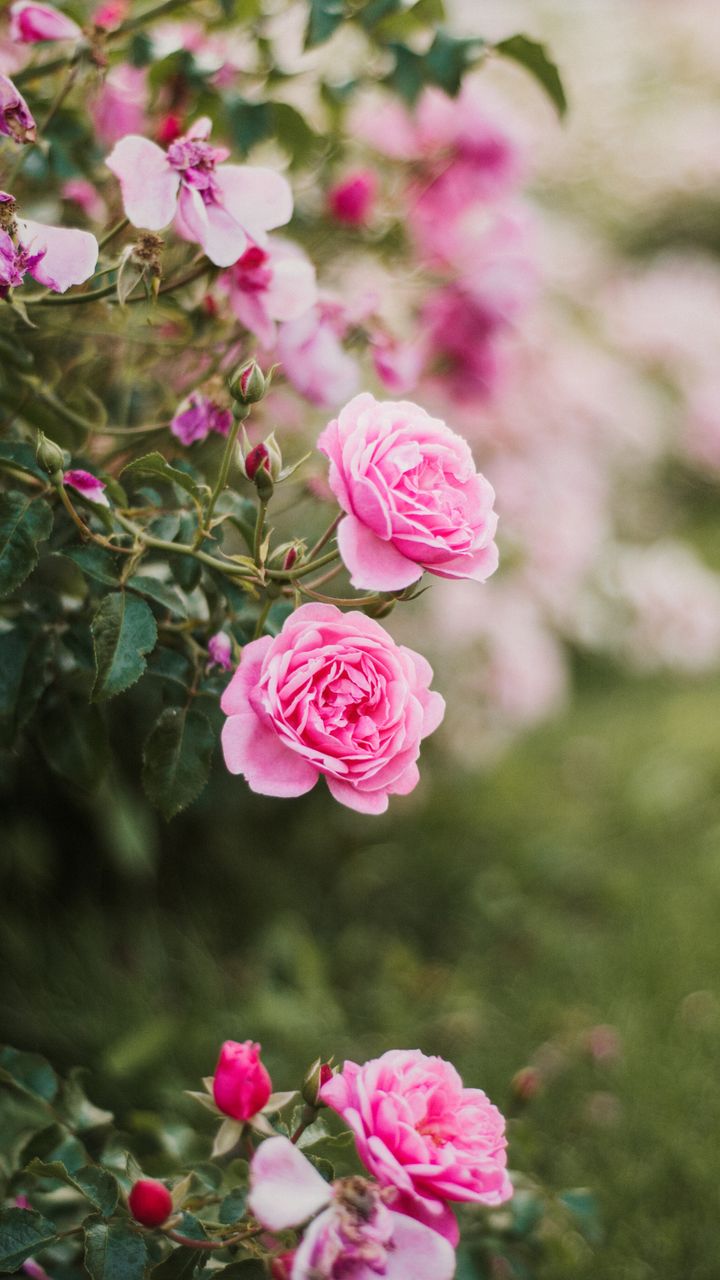
Prioritize heavily scented blooms like old garden roses, lilacs, and pinks to fill the air with gentle fragrance as you walk through the space. Scent adds an extra layer of charm that makes the garden feel even more immersive. Plant them near pathways and seating areas so you can enjoy their smell up close.
15. Add a Small Compost Bin
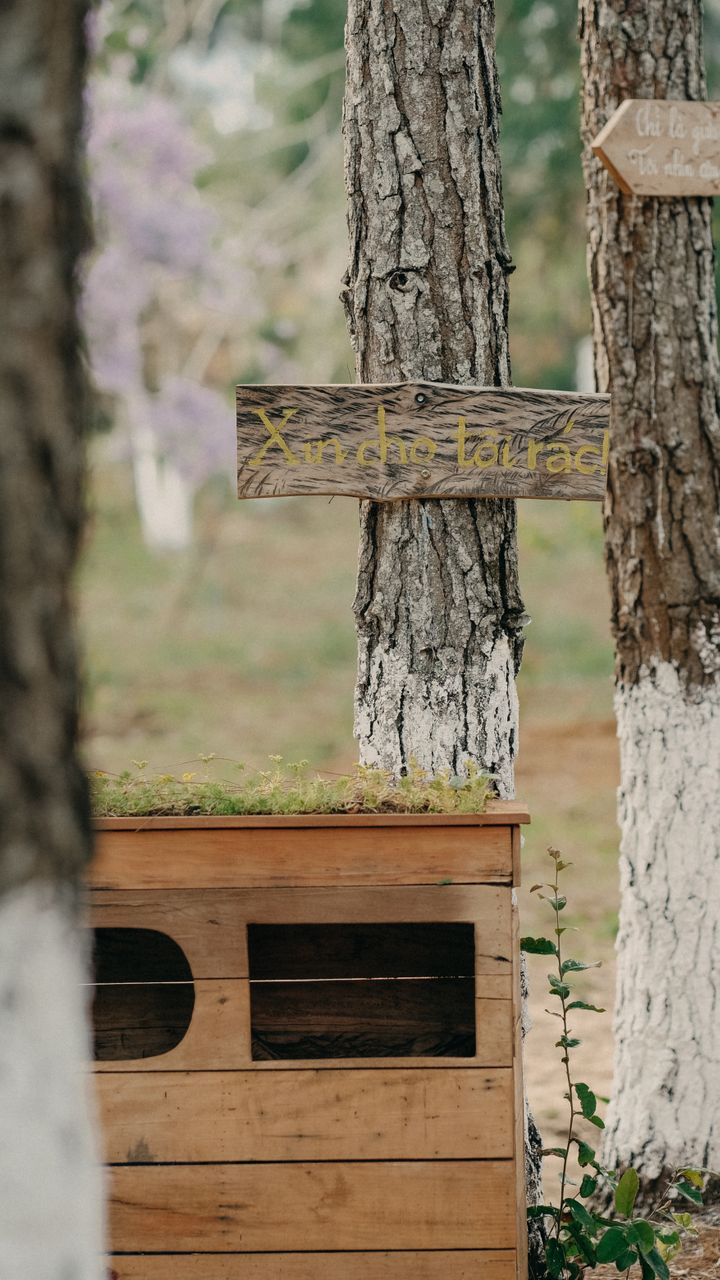
Hide a small, rustic compost bin in a quiet corner of the garden to recycle garden waste and enrich your soil. Choose a weathered wooden bin that blends in with the rest of your decor rather than a bright plastic one. This small practical touch fits seamlessly into the cottage aesthetic.
16. Let Some Areas Grow Wild
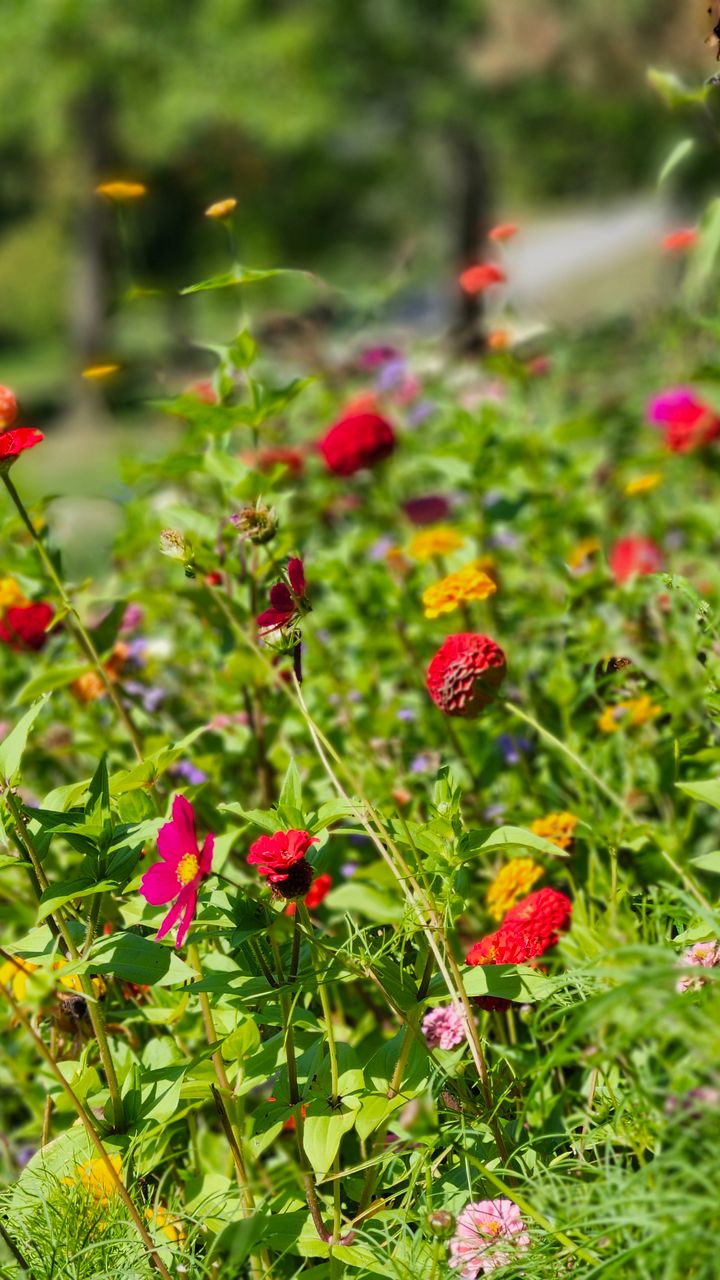
Leave a small section of the garden slightly unkempt to encourage native pollinators and wildflowers to grow. This small “wild zone” adds to the casual, natural vibe of the space and supports local wildlife. You can edge it with a low stone border to keep it from spreading too far.
17. Use Vintage-Style Planters
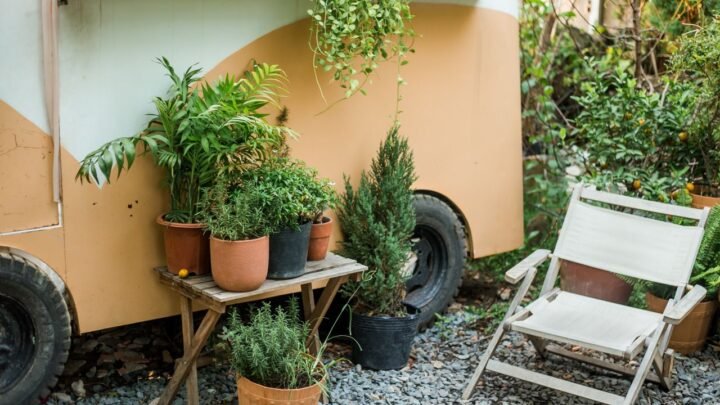
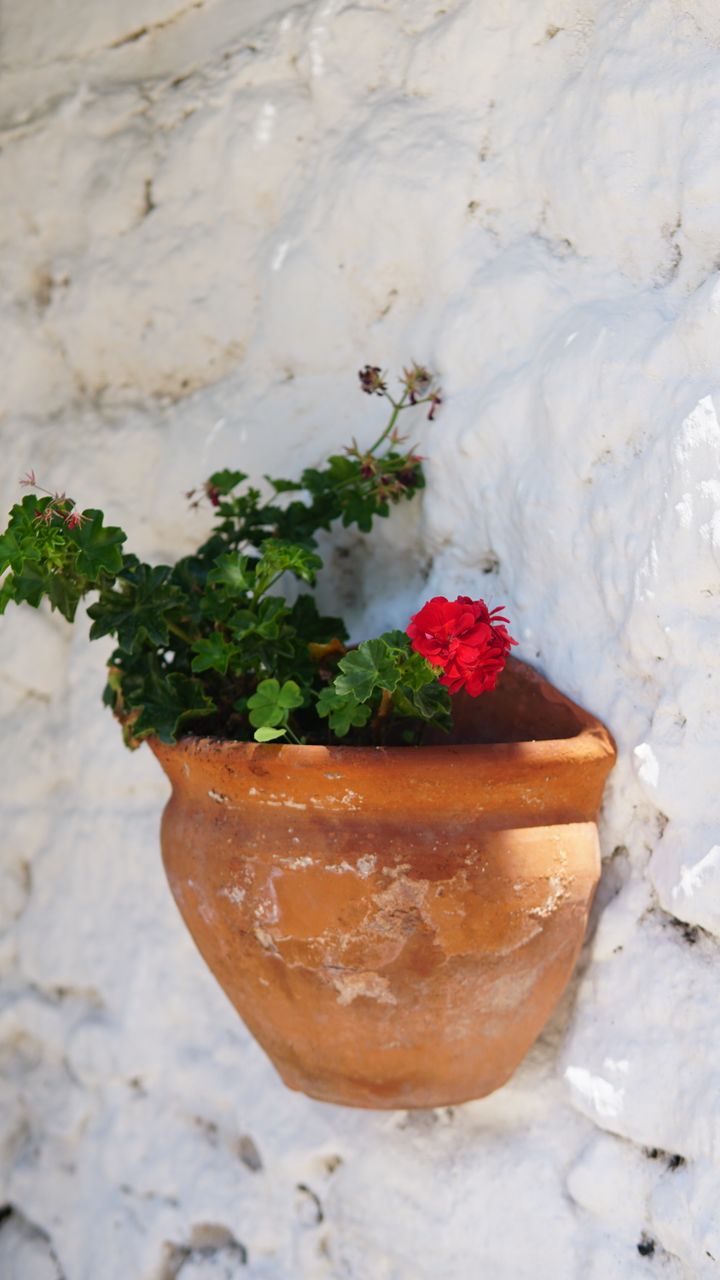
Choose aged terracotta pots, cast iron urns, or weathered wooden crates for your container plants instead of modern plastic planters. These classic styles feel true to the traditional cottage aesthetic and add character even to small balcony or patio gardens. Cluster them at different heights for visual interest.
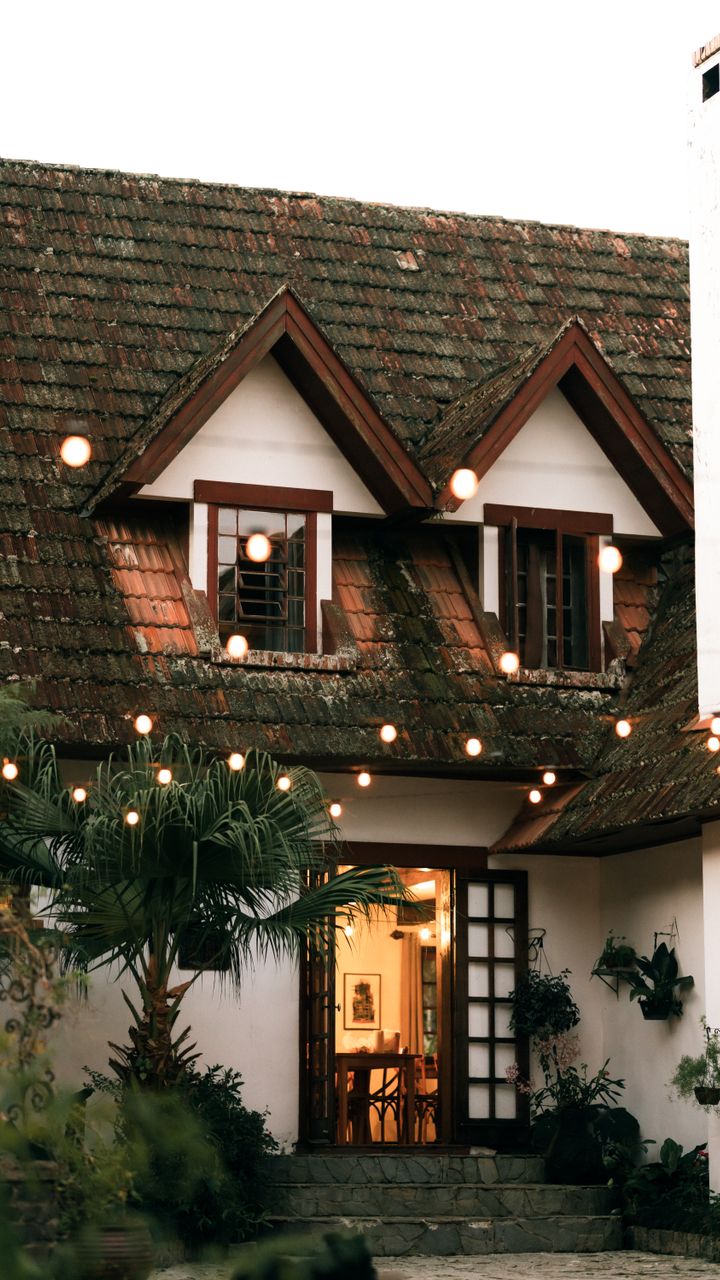
18. Install Soft Outdoor Lighting
Add small, warm string lights or solar-powered lanterns along pathways and around seating areas for evening ambiance. Choose vintage-style bulbs or frosted glass lanterns to match the cottage vibe. This lets you enjoy the garden long after the sun goes down.
19. Plant Low-Growing Ground Covers
Tuck low-growing plants like sedum, creeping thyme, and ajuga between stepping stones and along pathway edges. These soft covers fill in gaps, suppress weeds, and add extra texture and color to hardscaping. They also feel soft underfoot when walking through the garden.

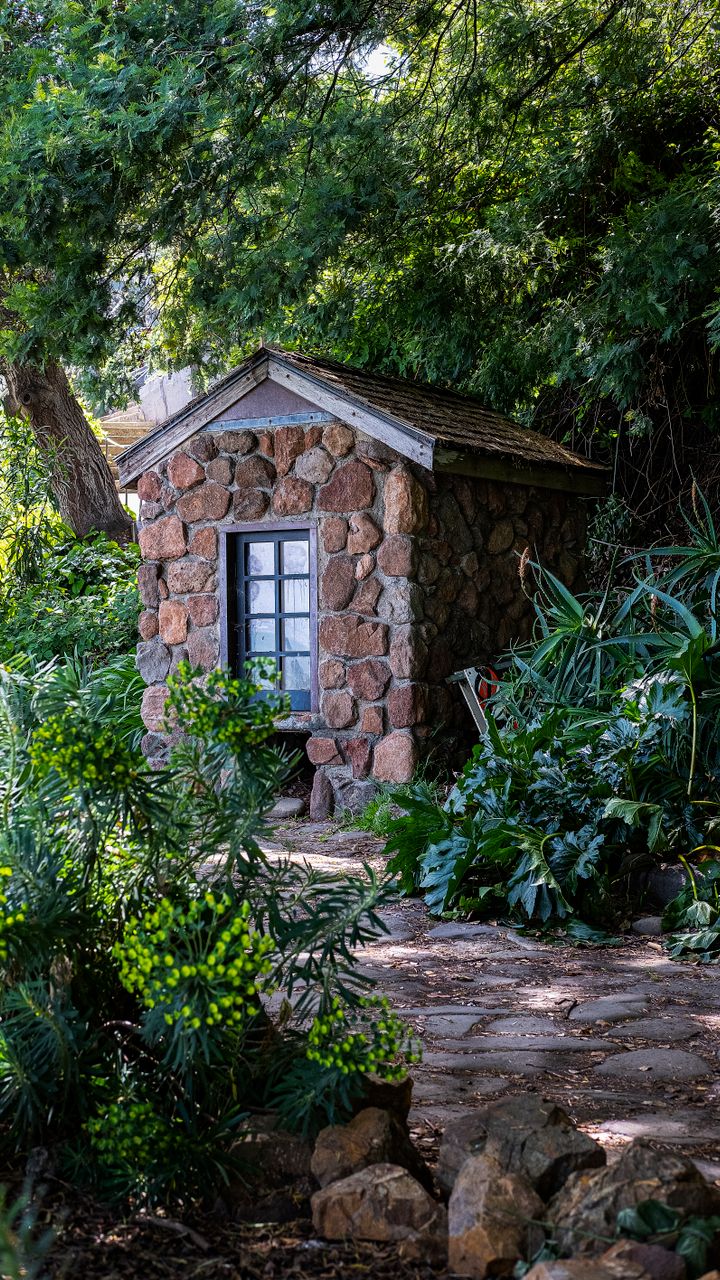
20. Add a Small Garden Shed
A tiny, weathered wooden shed painted a soft muted color or left natural adds charm and extra storage for tools and supplies. Drape a climbing vine over its roof or tuck potted plants around its base to blend it into the garden. Avoid large, modern sheds that feel out of place.
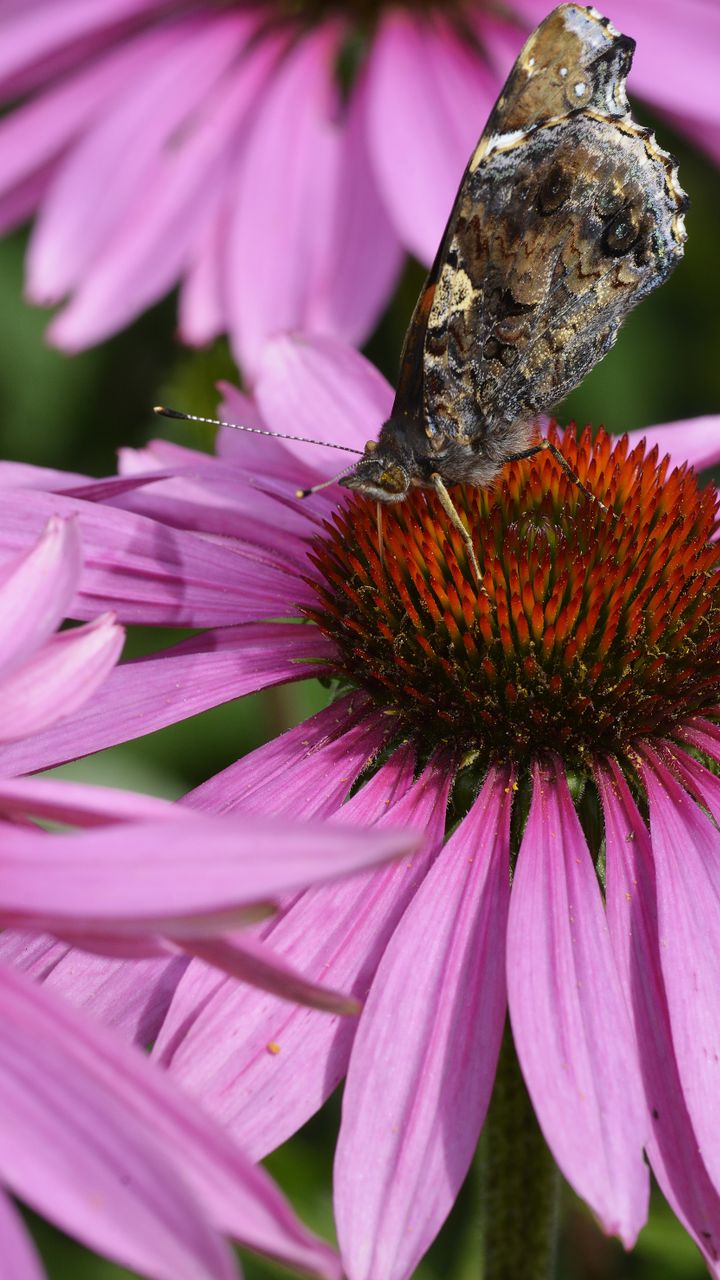
21. Include Pollinator-Friendly Plants
Fill your beds with plants that attract bees, butterflies, and hummingbirds to support local ecosystems and add extra movement to the garden. Flowers like coneflowers, bee balm, and buddleia are perfect for this. You’ll love watching the pollinators visit your blooms all season long.
22. Create Layered Planting Heights
Mix tall plants like hollyhocks and sunflowers in the back of beds, medium-height blooms in the middle, and low ground covers in the front. This layered layout adds depth and ensures every part of the garden has visual interest. It also makes the space feel larger and more lush.
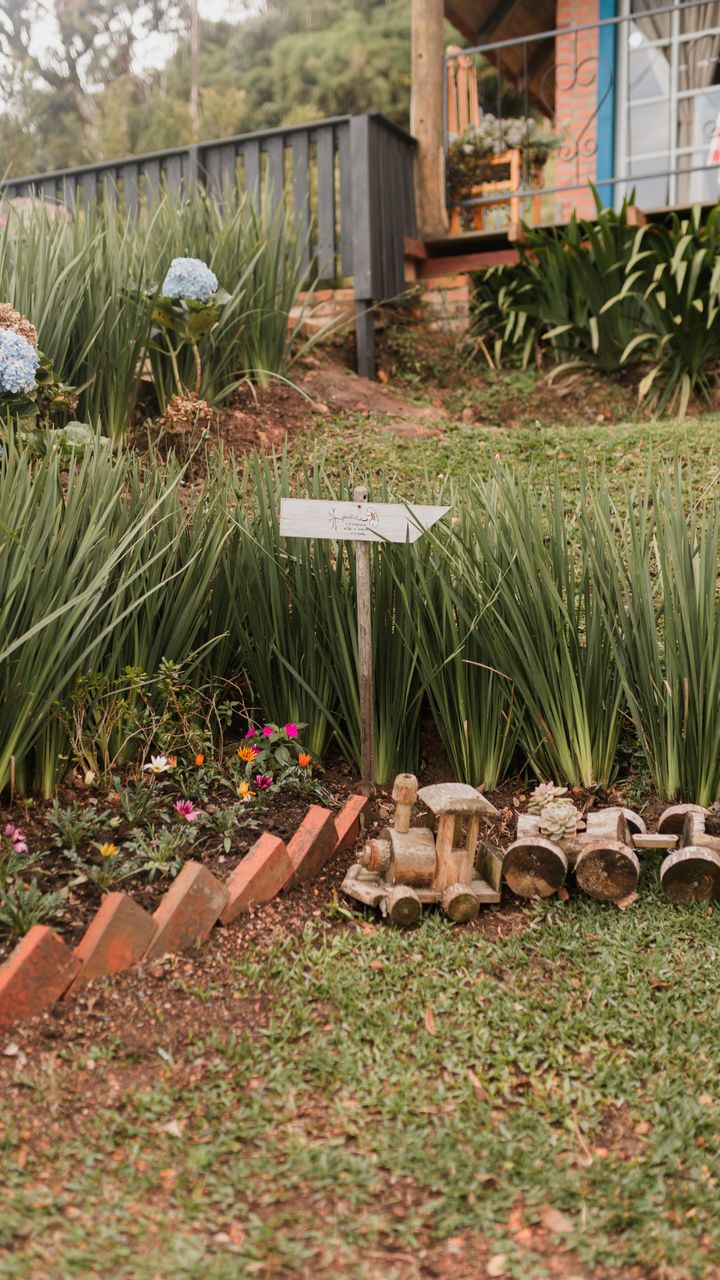
23. Personalize with Sentimental Touches
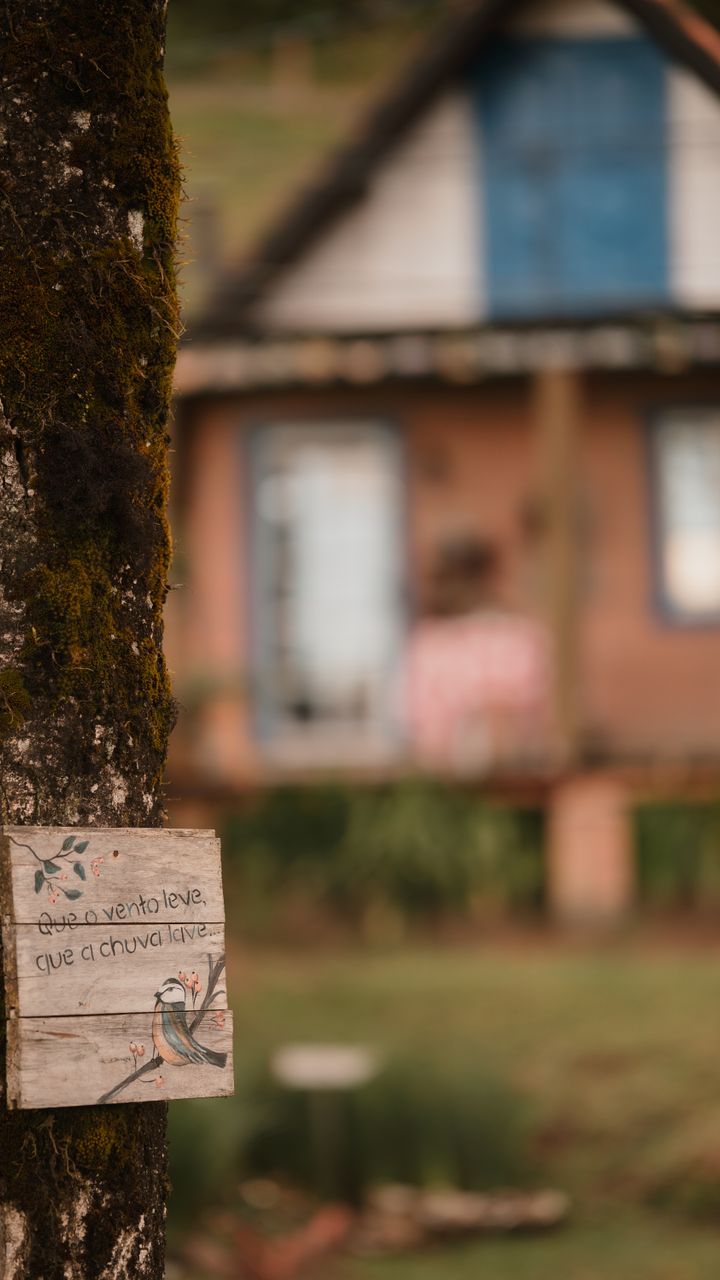
Add small, personal details like a hand-painted garden sign, a memorial plaque for a loved one, or a collection of stones from a favorite vacation to make the space feel uniquely yours. These small, sentimental touches turn a standard garden into a personal, meaningful retreat.
Frequently Asked Questions
Q. Do english cottage garden ideas work for small spaces?
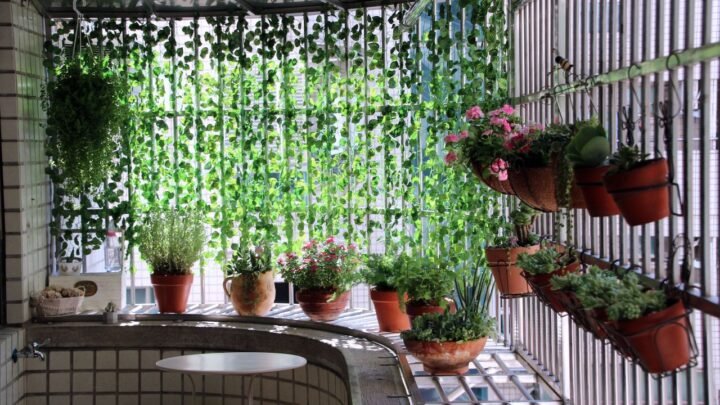
Ans. Absolutely! Many english cottage garden ideas are designed to maximize small areas by using vertical planting, container gardens, and compact plant varieties. You can create a charming cottage vibe even on a tiny balcony or patio by focusing on a few key blooms and small decorative touches.
Q. How much maintenance do english cottage garden ideas require?
Ans. While they look wild and abundant, most english cottage garden ideas are low-maintenance once established, as they rely on hardy, perennial plants that don’t need constant pruning. You’ll just need to do light deadheading and weeding a few times a season to keep them looking their best.
Q. Can I adapt english cottage garden ideas to a modern home?
Ans. Yes! english cottage garden ideas pair beautifully with modern exteriors, as the soft, organic plants and natural materials create a warm, welcoming contrast to sleek lines. You can even lean into the contrast by using cleaner hardscaping edges alongside the lush, informal planting.
Conclusion
Building a space inspired by english cottage garden ideas is all about embracing softness, abundance, and personal charm over perfect, rigid design. By mixing classic blooms, natural materials, and small, whimsical touches, you can create an outdoor retreat that feels both timeless and uniquely yours. The best part is that these ideas are easy to adapt to any space, budget, or skill level.
There’s no “right” way to execute these english cottage garden ideas, so feel free to tweak them to match your personal style and the unique features of your yard. Over time, your garden will grow and change, becoming even more charming and full of character as the plants mature. Soon, you’ll have a magical outdoor escape you’ll love spending time in all year long.
Photos via Pexels

Similar Posts