Design a Lush, Low-Maintenance Cottage Flower Garden in Your Backyard
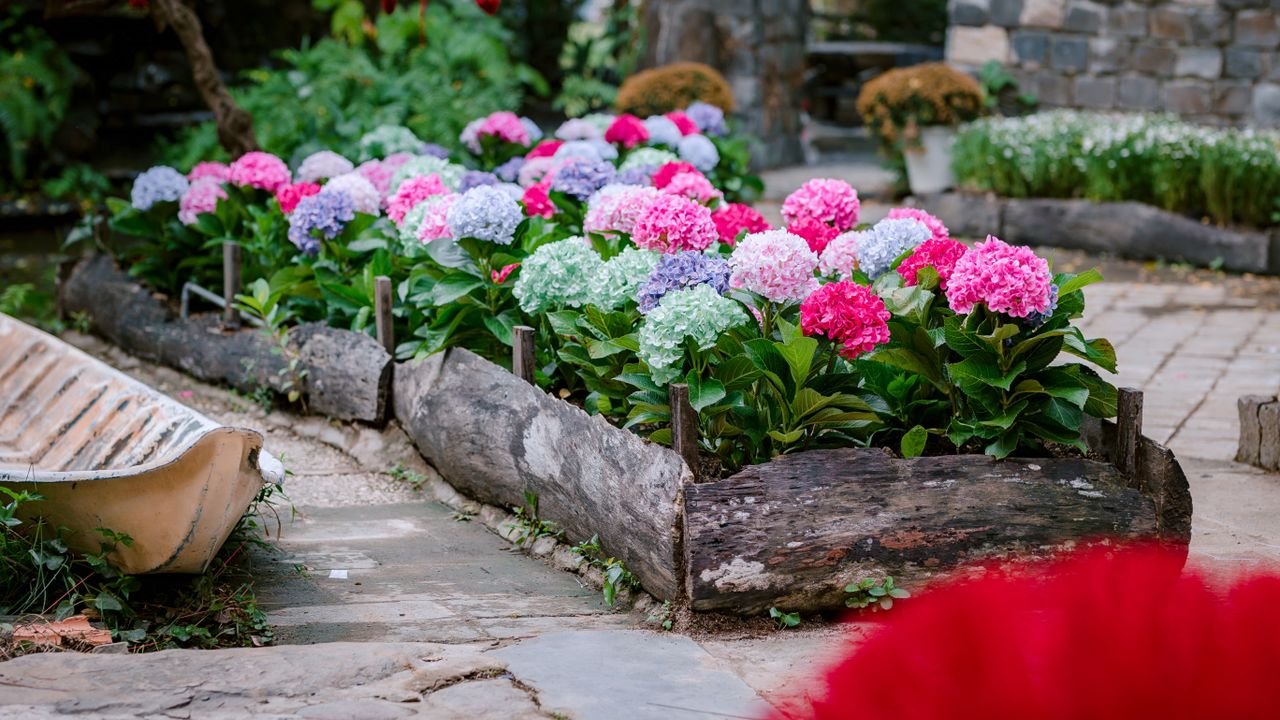
A cottage flower garden blends whimsical charm with practical, low-effort design, perfect for both new and experienced gardeners. Unlike formal structured beds, these spaces prioritize natural, abundant blooms that feel soft and welcoming. You don’t need a large plot or expert skills to create a space that feels like a storybook escape.
The following tips cover everything from site prep to seasonal care to help your cottage flower garden thrive for years. We’ll break down small, actionable steps so you can build your dream space without feeling overwhelmed. Read on to learn how to fill your yard with color, fragrance, and effortless charm.
1. Select a Sunny Site
Most cottage flowers need at least 6 hours of direct sunlight a day to produce abundant blooms. Pick a spot that gets morning sun and light afternoon shade to prevent delicate petals from scorching in peak summer heat. Avoid low-lying areas that hold standing water, as soggy soil will rot root systems quickly.

2. Amend Garden Soil
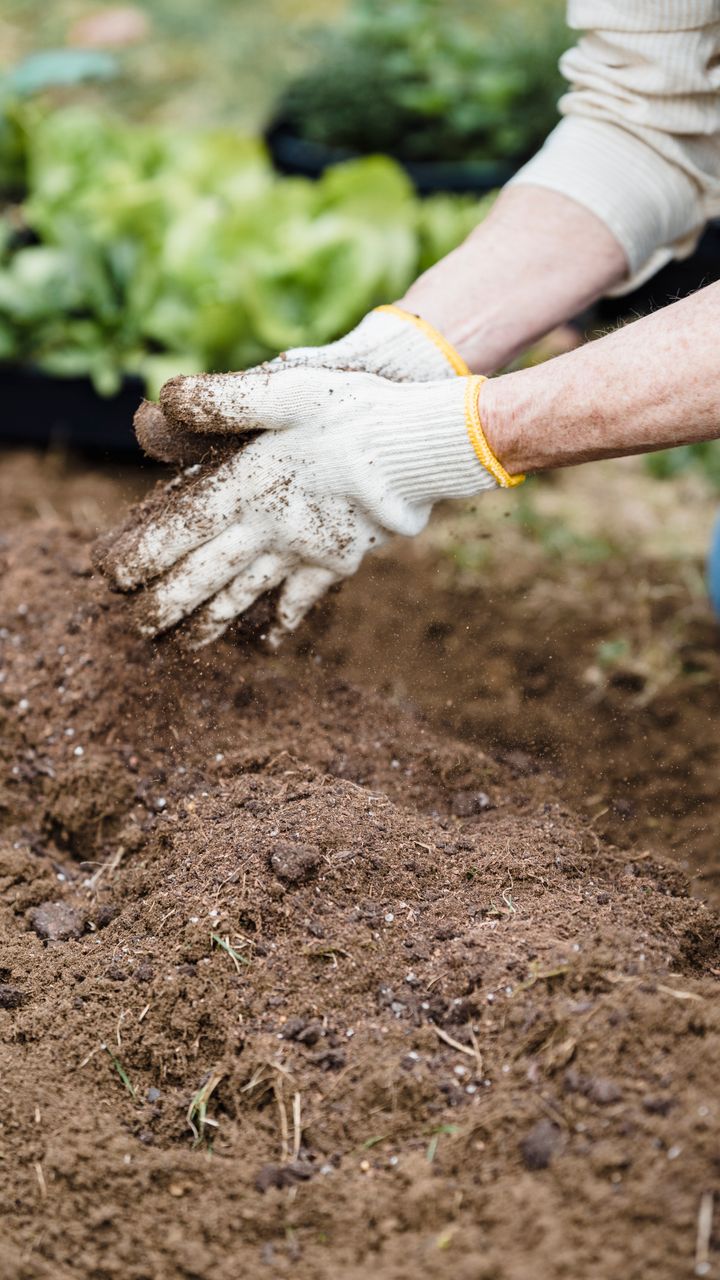
Cottage flower garden plants thrive in loose, nutrient-rich soil that drains well. Work 2-3 inches of compost into the top 6 inches of existing soil to boost organic matter and support healthy root growth. If your soil is heavy clay, add sand and compost to improve drainage so roots don’t sit in water.
3. Pick Hardy Cottage Blooms
Opt for old-fashioned, self-seeding varieties that come back year after year to keep your cottage flower garden low-maintenance. Good options include cosmos, zinnias, lavender, and peonies, all of which offer bright color and gentle fragrance. Mix heights and textures to create a lush, unstructured look that feels natural rather than overly planned.

4. Stagger Bloom Times
Select flowers that bloom at different points in the growing season so your cottage flower garden has color from early spring through late fall. Pair early bloomers like crocuses and tulips with mid-summer favorites like coneflowers and late-season asters. This ensures you never have a lull in color, even as temperatures shift.

5. Incorporate Vertical Growth
Tall climbing roses, sweet peas, or morning glories add height and visual interest to your cottage flower garden without taking up extra ground space. Train vines up a simple wooden trellis, an old ladder, or a weathered fence to create a layered, whimsical feel. Vertical elements also draw the eye upward, making small spaces feel larger and more dynamic.

6. Add Winding Pathways
A narrow, curving path made of stepping stones, gravel, or brick lets you navigate your cottage flower garden without trampling delicate blooms. Winding paths feel more natural than straight, rigid walkways, adding to the space’s relaxed, storybook vibe. Leave small gaps between stones so low-growing ground cover like creeping thyme can grow through for extra charm.

7. Include Cozy Seating
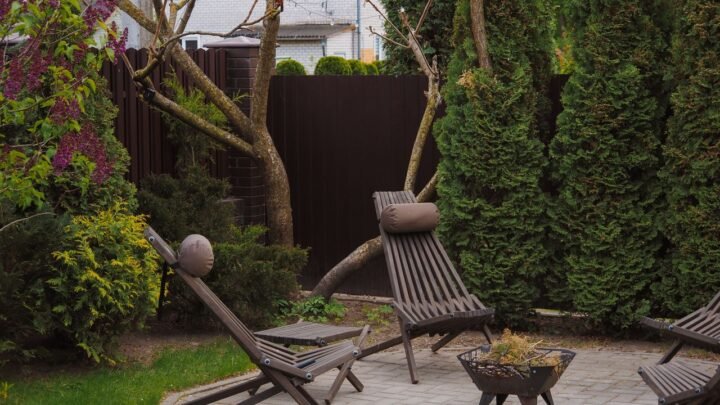
A small wooden bench or a pair of wrought-iron chairs tucked among the blooms gives you a spot to enjoy your cottage flower garden. Place seating near a fragrant patch of lavender or jasmine to make your rest time even more relaxing. Choose weathered, rustic pieces that blend with the natural aesthetic rather than standing out as too modern.

8. Add Edible Companions
Tuck herbs like rosemary, thyme, and chives among your ornamental blooms to make your cottage flower garden both beautiful and functional. Many herbs repel common garden pests, reducing the need for harsh chemical treatments. They also attract pollinators like bees and butterflies, which help your flowering plants produce more blooms.

9. Apply Organic Mulch
A 2-3 inch layer of shredded bark, straw, or wood chips around your plants suppresses weeds and retains soil moisture in your cottage flower garden. Mulch also breaks down over time to add nutrients to the soil, reducing the need for frequent fertilizing. Keep mulch a few inches away from plant stems to prevent rot and pest issues.

10. Water Deeply Infrequently
Water your cottage flower garden early in the morning, aiming for the base of plants rather than wetting leaves and petals. Deep, infrequent watering encourages roots to grow deeper into the soil, making plants more drought-resistant over time. Avoid overwatering, as most cottage flowers prefer slightly dry soil to constantly soggy conditions.

11. Deadhead Spent Flowers
Regularly snipping off faded blooms encourages your cottage flower garden plants to produce new flowers instead of putting energy into seed production. Use sharp, clean scissors to cut spent blooms just above the first set of healthy leaves on the stem. This simple task only takes a few minutes a week but will extend your bloom season significantly.

12. Invite Pollinators
Pollinators like bees, butterflies, and hummingbirds are essential for a thriving cottage flower garden, as they help plants produce seeds and new growth. Plant single-petal varieties, which are easier for pollinators to access than dense, double-bloom flowers. Add a small shallow birdbath or a few flat stones with water to give pollinators a place to rest and hydrate.

13. Add Whimsical Decor
Small, rustic decor pieces like a vintage metal watering can, a birdhouse, or a set of solar-powered fairy lights add personality to your cottage flower garden. Choose decor that feels weathered and natural, rather than shiny or modern, to match the space’s relaxed vibe. A few small touches go a long way to making the space feel uniquely yours.

14. Use Natural Pest Control
Avoid harsh chemical pesticides that can harm beneficial insects and pollinators in your cottage flower garden. Instead, use neem oil, insecticidal soap, or hand-pick large pests like Japanese beetles to keep populations under control. Plant marigolds and nasturtiums among your blooms, as they naturally repel common garden pests like aphids and whiteflies.

15. Divide Overgrown Perennials
Every 2-3 years, divide overcrowded perennials like hostas, daylilies, and peonies to keep them healthy and prevent them from taking over your cottage flower garden. Dig up the clump in early spring or fall, split it into smaller sections with a sharp spade, and replant the divisions around the bed. This also gives you extra plants to share with friends or add to other parts of your yard.

16. Save Annual Seeds
At the end of the growing season, collect seeds from annuals like cosmos, zinnias, and marigolds to plant in your cottage flower garden the next year. Saving seeds is free, and it lets you grow varieties that performed well in your specific soil and climate. Store seeds in a cool, dry place in labeled envelopes until you’re ready to sow them in spring.

17. Add Winter Interest
Even in colder months, your cottage flower garden can look charming with plants that hold structure or bloom late into fall. Add evergreen shrubs, ornamental grasses, and late-blooming plants like sedum to keep the space looking lively when temperatures drop. Leave dried flower heads and seed pods standing over winter to feed local birds and add visual texture to snowy beds.

18. Define Garden Edges
A simple edge of brick, stone, or weathered wood around your cottage flower garden keeps grass and weeds from creeping into your flower beds. Edging also makes the space look tidy and intentional, rather than messy or overgrown. You can even use repurposed materials like old terra cotta pots or broken slate for a unique, eco-friendly edge.

19. Add Potted Accents
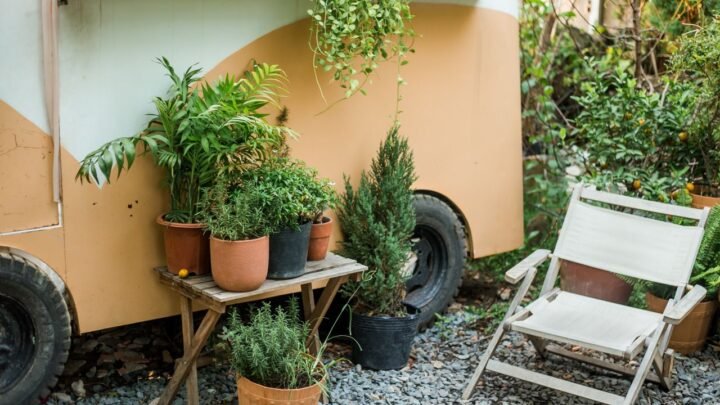
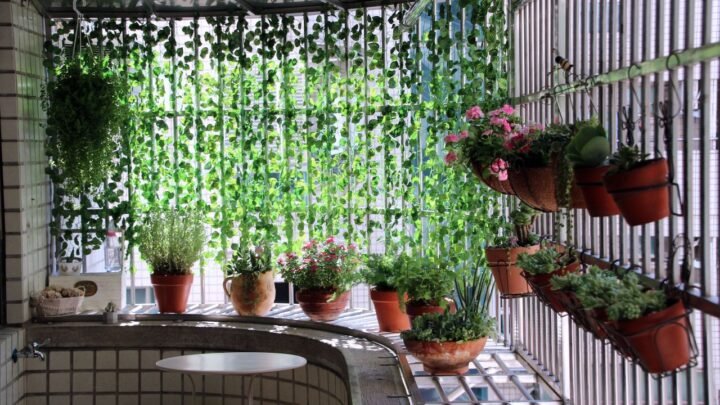
If you have limited yard space, add potted cottage flowers like petunias, geraniums, and sweet alyssum around the edges of your patio or walkway to extend the cottage flower garden feel. Use weathered ceramic, terracotta, or galvanized metal pots that match the rustic aesthetic. Move pots around easily to fill gaps in bloom or add color to bare spots.

20. Compost Garden Clippings
Instead of throwing away dead plant matter, trimmings, and weeds (that don’t have seeds), compost them to create free nutrient-rich soil for your cottage flower garden. A small compost bin tucked in a corner of your yard is all you need to turn waste into garden gold. Spread finished compost around your plants each spring to boost soil health and support abundant blooms.

21. Rotate Annual Placements
Each year, move annual flowers like zinnias and cosmos to new spots in your cottage flower garden to prevent soil-borne diseases from building up. Rotating plants also ensures that soil nutrients aren’t depleted in the same spot year after year. Keep a simple garden journal to track where you planted each variety so you can plan rotations easily the next season.

22. Embrace Natural Messiness
A cottage flower garden is supposed to feel relaxed and unstructured, so don’t stress if a few stems fall over or weeds pop up occasionally. Let a few native wildflowers grow among your cultivated blooms for a more natural, wild look. Small imperfections add to the space’s charm, making it feel warm and lived-in rather than overly manicured.

23. Share Cuttings and Seeds
One of the best parts of having a cottage flower garden is sharing extra plants, seeds, and cuttings with neighbors, friends, and local gardening groups. Passing along plants you’ve propagated builds community and lets others enjoy the beauty of cottage blooms. You can also swap varieties with other gardeners to add new colors and types to your own space without spending extra money.

Frequently Asked Questions
Q. Do I need a lot of space for a cottage flower garden?
Ans. No, you can create a charming cottage flower garden in a small backyard plot, a front yard strip, or even a series of pots on a balcony. The key is to plant dense, mixed blooms that feel abundant, regardless of the total square footage. Even a 4×4 foot bed can hold enough flowers to feel lush and storybook-like.
Q. What’s the best time to plant a cottage flower garden?
Ans. The ideal planting time depends on your climate, but most cottage flower garden plants are sown or transplanted in early spring after the last hard frost. For perennials, fall planting is also a great option, as it gives roots time to establish before winter. Annuals can be sown directly in the garden once soil temperatures consistently stay above 50°F.
Q. How do I keep weeds out of my cottage flower garden?
Ans. A thick layer of organic mulch around your plants is the most effective way to suppress weeds in a cottage flower garden. Pull weeds as soon as you see them, when they’re small and have shallow roots that are easy to remove. Planting dense, fast-growing blooms also shades the soil, leaving little room for weed seeds to germinate.
Conclusion
Building a cottage flower garden is all about balancing ease and charm, with small, consistent steps leading to a lush, welcoming space. You don’t need perfect conditions or expert skills to create a yard that feels like a quiet, blooming escape. Focus on picking hardy, low-maintenance plants and adding small personal touches that make the space feel uniquely yours.
Over time, your cottage flower garden will become a favorite spot to relax, watch pollinators, and enjoy the simple joy of watching blooms open each season. Don’t be afraid to experiment with new varieties and adjust your space as your tastes change. With a little care, your garden will bring you joy for years to come.
Photos via Pexels

Similar Posts