Sweet, Practical Cottage Garden Sheds to Elevate Your Outdoor Space
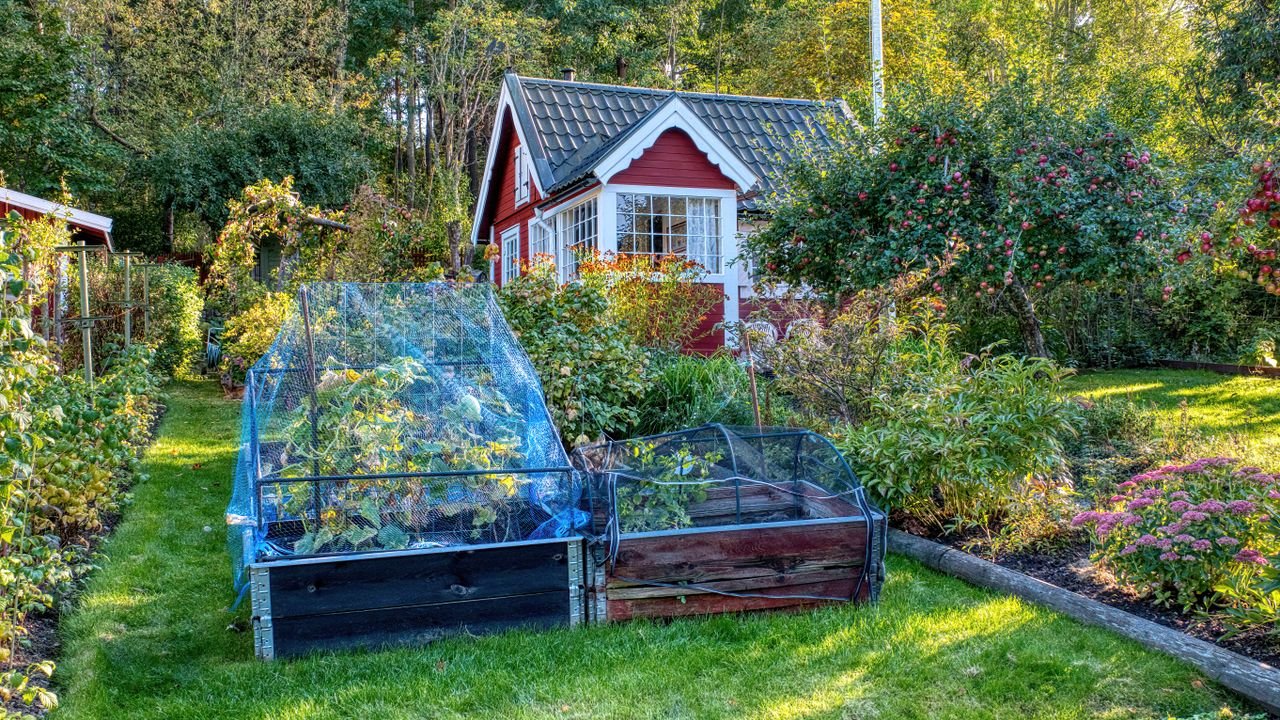
Cottage garden sheds are the perfect blend of whimsy and utility for any backyard, offering extra storage while tying your outdoor space together with cozy, charming style. Whether you have a sprawling lawn or a tiny urban patch, the right shed can become a beloved focal point instead of just an afterthought.
From rustic material choices to clever layout hacks, there are countless ways to make your cottage garden shed feel like a natural extension of your home. Below, we’re sharing 22 actionable tips to help you design a shed that’s as lovely as it is practical.
1. Choose Weathered Wood Siding
Opting for weathered, unfinished wood gives your cottage garden shed an instant vintage, lived-in feel that blends seamlessly with flower beds and greenery. Avoid perfectly smooth, new planks, as the natural gray patina only gets better with age and matches the relaxed vibe of a cottage garden.

2. Add a Climbing Flower Trellis
Attach a simple trellis to one side of your shed and train climbing roses, clematis, or sweet peas to grow up its walls. This softens the shed’s edges, adds vibrant color, and makes it look like it’s been part of the garden for decades, not just plopped down last summer.

3. Install a Steep, Shingled Roof
A steep, pitched roof covered in cedar shingles or terracotta tiles adds classic cottage character and helps rain and snow slide off easily. You can even add a small decorative finial or a cupola to the peak for an extra touch of old-world charm.

4. Include a Small Side Porch
Adding a tiny 2×3 foot porch to the front of your shed gives you a place to set down gardening tools or sit and rest while you work. You can even add a small bench and a potted fern or two to make it feel like a welcoming outdoor nook.

5. Use Rustic Metal Hardware
Swap out standard silver metal hinges, handles, and latch sets for aged bronze, black iron, or rusted steel versions. These small details make the shed feel intentionally designed, not just a basic storage unit, and match the vintage aesthetic of cottage gardens.

6. Add Window Boxes for Blooms
Attach wooden window boxes to any windows on your shed and fill them with trailing petunias, lobelia, or other cottage-friendly flowers. This brings splashes of color right to the shed’s walls and makes the whole structure feel lush and integrated with your garden.

7. Incorporate a Green Roof
A living green roof planted with sedum, thyme, or other low-maintenance succulents makes your shed feel extra eco-friendly and blends it into the surrounding landscape. It also helps insulate the shed and reduces runoff during heavy rain.

8. Add a Dutch Door
A Dutch door, where the top half opens independently of the bottom, is a classic cottage feature that lets in light and air while keeping pets or small children out of the shed. You can paint it a soft pastel shade like sage green or butter yellow to add a pop of color.

9. Use Gravel or Brick Pathways
Lay a small gravel or brick path leading up to your shed instead of leaving bare dirt or grass. This makes accessing the shed easier in wet weather and adds a polished, intentional look to your garden layout.

10. Add Exterior Lantern Lights
Mount a vintage-style lantern light on either side of the shed door or above the porch for warm, ambient lighting in the evenings. Solar-powered versions are easy to install without wiring and cast a soft glow that makes the shed feel magical after dark.

11. Incorporate Built-In Shelving
Install simple wooden shelves inside the shed to store pots, seeds, and gardening tools instead of cluttering the floor. You can even add a small workbench along one wall for potting plants or fixing tools when bad weather keeps you indoors.

12. Use Mismatched, Vintage Decor
Fill the inside of your shed with vintage finds like old ceramic pots, repurposed wooden crates, and faded gardening aprons to lean into the cozy, collected cottage vibe. Avoid matching, big-box storage sets to keep the feel personal and charming.

13. Add a Small Potting Bench
Tuck a narrow wooden potting bench along one wall of the shed for a dedicated space to repot plants and mix soil. You can add a small sink for easy cleanup and hooks to hang trowels, pruners, and other small tools.

14. Paint the Shed a Soft Pastel
Instead of a stark white or dark brown, paint your shed a soft, muted pastel like blush pink, sky blue, or buttery yellow to make it stand out as a cheerful garden feature. You can even paint the trim a slightly darker coordinating shade for extra depth.

15. Add a Small Outdoor Sink
Install a simple outdoor sink on the side of your shed so you can wash off muddy boots and tools without tracking dirt into your house. Look for a vintage-style porcelain sink mounted on a wooden bracket for an extra cottage touch.

16. Use Woven Baskets for Storage
Store loose gardening supplies like twine, seed packets, and hand tools in woven rattan or wicker baskets on your shed shelves instead of plastic bins. The natural texture fits the cottage aesthetic perfectly and keeps small items organized and easy to find.

17. Add a Small Awning Over the Door
Install a small striped or solid canvas awning over the shed door to protect the entrance from rain and add a cheerful, cottage-style detail. You can even match the awning color to your shed’s paint for a coordinated look.

18. Incorporate a Ladder Shelf
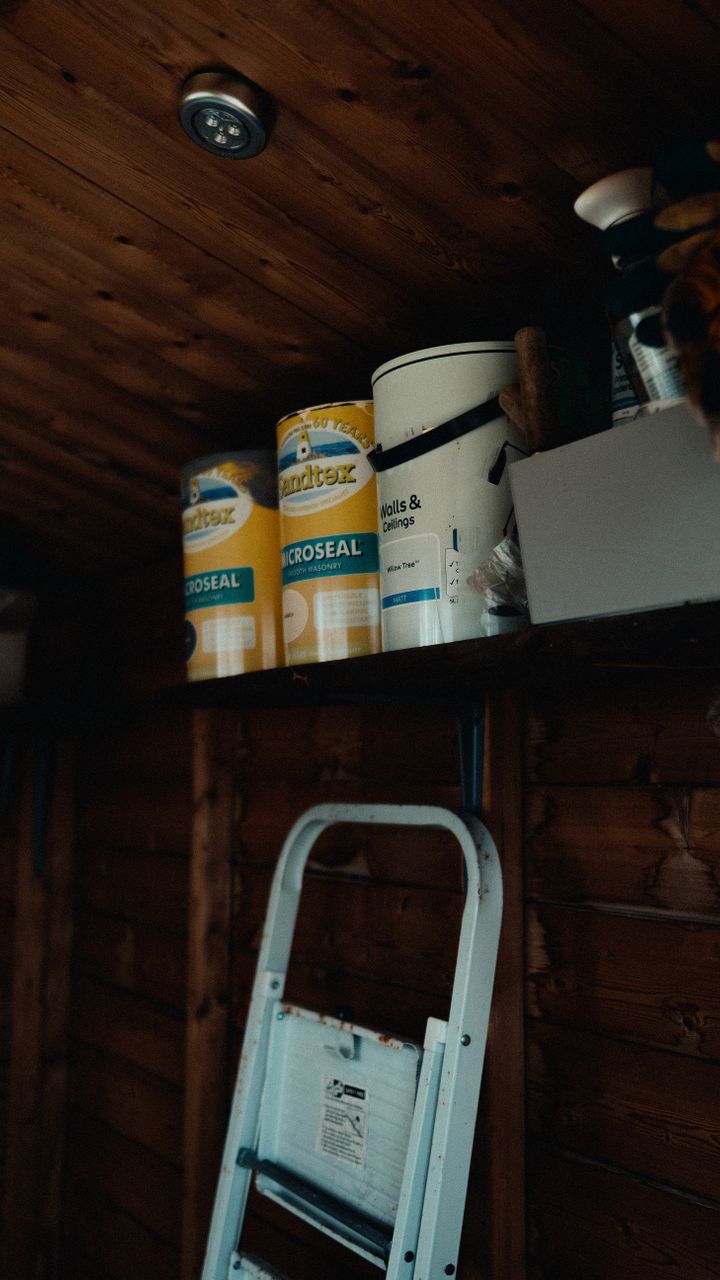
Lean a simple wooden ladder against one interior wall of the shed to create extra storage for potted plants, gardening books, and decorative items. You can also hang small hooks on the ladder rungs for hanging tools or garlands of dried flowers.
19. Add a Birdhouse or Bird Bath
Mount a small wooden birdhouse on the side of your shed or place a tiny bird bath on the shed’s roof or porch to invite local wildlife to your garden. This makes the shed feel like a welcoming part of the ecosystem, not just a man-made structure.

20. Use Reclaimed Materials for Accents
Add small reclaimed wood or brick accents to your shed, like a brick windowsill or a reclaimed wood doorstop, to give it extra character and reduce waste. These unique details make your shed feel one-of-a-kind and full of history.

21. Add a Small Outdoor Rug
Lay a small, weather-resistant jute or patterned rug on the shed’s porch to define the space and add a cozy, homey touch. Look for rugs made from recycled plastic that can hold up to rain, mud, and sun without fading.

22. Personalize with Handmade Signs
Hang a small, hand-painted wooden sign with your name or a fun gardening quote above the shed door to make it feel uniquely yours. You can make your own with a piece of scrap wood and outdoor paint for a personal, budget-friendly touch.

Frequently Asked Questions
Q. Do cottage garden sheds need a foundation?
Ans. While not strictly required, a small gravel or concrete foundation helps keep your cottage garden shed level, prevents water damage from pooling underneath, and extends its lifespan significantly, especially in areas with heavy rain or shifting soil.
Q. Can I build a cottage garden shed on a budget?
Ans. Absolutely! You can repurpose old windows and doors for the shed’s structure, use reclaimed wood for siding, and shop secondhand for decor and hardware to keep costs low while still achieving that charming cottage garden shed look.
Q. What plants work best around a cottage garden shed?
Ans. Climbing roses, clematis, sweet peas, and trailing ivy are perfect for growing up the shed’s walls, while hardy perennials like lavender, peonies, and hostas look great planted at its base to soften the edges and blend the structure into your garden.
Conclusion
Designing a charming cottage garden shed is all about balancing practical storage needs with soft, personal, vintage-inspired details that feel at home among your flowers and greenery. The best sheds feel like they’ve grown naturally with your garden, not like an afterthought added to the yard.
No matter your budget or yard size, small, thoughtful tweaks can turn a basic storage shed into a beloved feature of your outdoor space. Your cottage garden shed will quickly become your favorite spot to store tools, tend to plants, and even steal a quiet moment to enjoy your garden’s beauty.
Photos via Pexels

Similar Posts