24 Creative Side Patio Design Ideas for Narrow Spaces
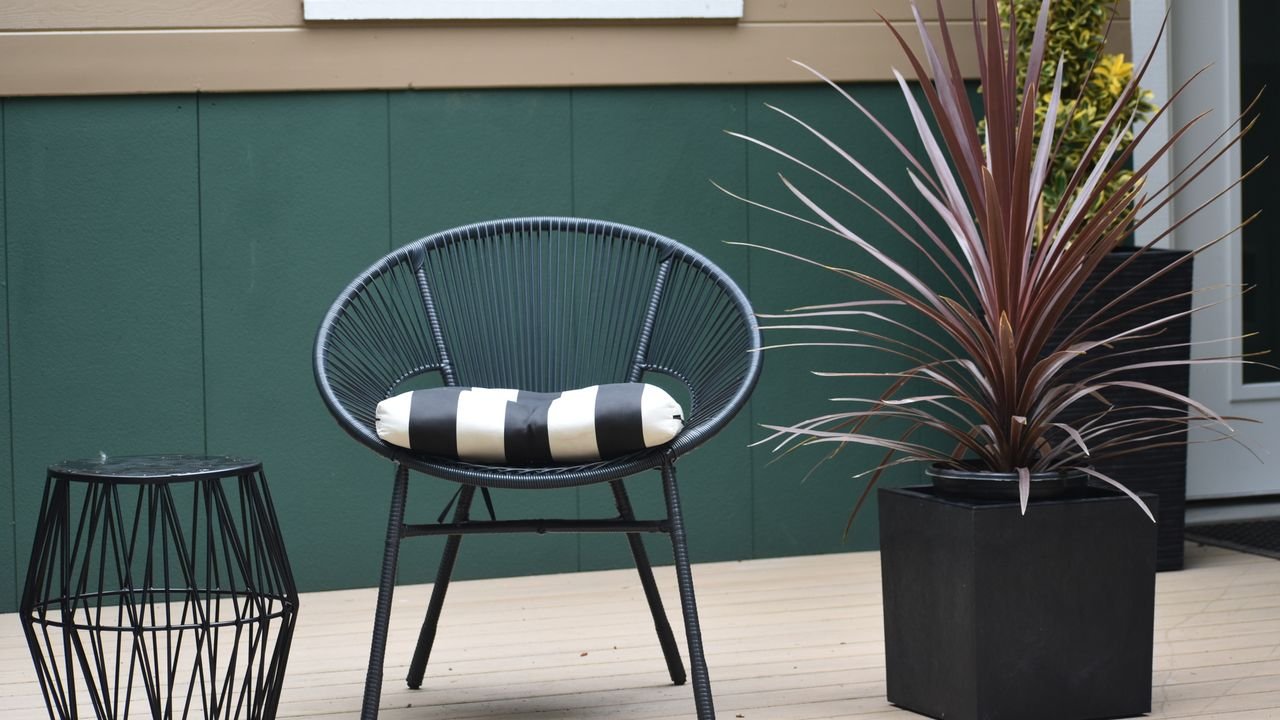
Small side yards often get overlooked, but a thoughtful Side Patio design can turn even a narrow sliver of outdoor space into a cozy, usable retreat. Whether you have a 3-foot-wide strip between your house and fence or a slightly larger nook, smart layout choices and compact decor make all the difference. You don’t need a huge budget to pull off a high-end look, either.
Below, we’ve rounded up 24 distinct, practical ideas tailored specifically for side patio layouts, so you can skip the generic outdoor tips that don’t fit your tight space. From vertical garden solutions to space-efficient furniture picks, each idea works with the unique constraints of a side yard rather than against them. Let’s dive into the best ways to maximize your side patio’s potential.
Top Side Patio Design Ideas to Try
1. Lay a Permeable Paver Patio Base
Permeable pavers are a game-changing base for side patio design, especially for narrow spaces where drainage can be a major headache. Unlike solid concrete slabs, they let rainwater seep through to the soil below, reducing runoff and preventing puddles that make a small side patio unusable after rain. Their interlocking design also works well for irregular side yard shapes, so you can fit the patio exactly to your space without cutting dozens of individual stones.
You can find permeable pavers in 12×12 inch or 16×16 inch sizes at most home improvement stores, with prices ranging from $3 to $8 per square foot, depending on material. For a standard 4×10 foot side patio, you’ll need roughly 40 pavers plus a layer of crushed gravel underneath for stability. Avoid skipping the gravel base, as it prevents shifting and keeps the pavers level even with heavy foot traffic, per EPA permeable paver guidelines.

2. Hang Vertical Garden Panels on the Fence
Vertical garden panels are a staple of smart side patio design, because they add lush greenery without taking up an inch of precious floor space. They attach directly to the side yard fence, so they’re perfect for narrow strips where ground-level planters would block walkways. Most panels use felt or plastic pockets that hold individual plants, so you can grow everything from herbs to trailing ivy depending on your sun exposure.
Look for panels with 8 to 12 pockets, which are wide enough to hold a good amount of plants but narrow enough to fit most side fence heights. You can mount them at eye level for easy harvesting if you’re growing edibles, or higher up for purely decorative trailing plants. Water them weekly during hot months, and opt for drought-tolerant varieties like sedum or lavender if you live in a dry climate to reduce maintenance.

3. Use a Slim Fold-Down Side Patio Table
Fold-down tables are one of the most practical space-saving solutions for side patio design, as they tuck completely flat against the wall when not in use. Unlike bulky permanent tables, they don’t eat into the narrow walkway that most side patios have, so you still have room to move freely even when the space is small. Many models also have built-in storage underneath for cushions or garden tools, adding extra functionality without extra footprint.
You can find fold-down tables in teak, metal, or recycled plastic, with standard sizes of 24×18 inches that fit easily in 3-foot-wide side patios. Mount them 30 inches off the ground for comfortable standing or seated use, and opt for a model with a weight capacity of at least 50 pounds if you plan to set down plates or drinks. For a budget-friendly pick, check IKEA’s outdoor fold-down table collection, which starts at just $29.

4. String Warm String Lights Along the Fence
Warm string lights are a low-cost, high-impact addition to side patio design, because they add ambient glow without requiring hardwired electrical work. They’re perfect for narrow side yards where overhead lighting fixtures might feel cramped or block the limited headspace. The soft light also makes the space feel cozy and inviting after dark, turning a plain side strip into a usable evening retreat.
Opt for solar-powered string lights to avoid running extension cords across the side yard, which can be a tripping hazard. Look for 25-foot strands with 25 LED bulbs, which are long enough to span most 10 to 12 foot side fences, and space them 12 inches apart for even light distribution. You can hang them with outdoor-rated Command hooks to avoid drilling into fence posts, which is ideal for renters.

5. Add a Lattice Privacy Screen to the Side
Lattice privacy screens are a versatile, affordable way to add seclusion to side patio design without blocking all the natural light. Unlike solid wood fences, the open grid pattern lets air flow through, keeping the narrow side patio from feeling stuffy in hot weather. You can also train climbing plants like clematis or jasmine to grow up the lattice, adding extra greenery and a natural privacy boost.
Choose a 4-foot-tall lattice panel to match standard side fence heights, and secure it to the existing fence with outdoor-rated zip ties or brackets for easy installation. For extra stability, set the bottom of the lattice in a 12-inch-deep hole filled with gravel if you’re placing it as a freestanding divider rather than attaching it to the fence. Paint or stain the lattice to match your house siding for a cohesive look that blends seamlessly into your side patio design.

6. Use Outdoor Rugs to Define Side Patio Zones
Outdoor rugs are a no-commitment, budget-friendly way to add color and texture to side patio design, while also visually defining separate areas in a narrow space. A rug can mark a seating zone, a dining nook, or even a pathway through the side yard, making the space feel more intentional and less like an afterthought. They also add a soft, comfortable surface underfoot that’s warmer than concrete or pavers on cool mornings.
Look for rugs made of polypropylene or recycled plastic, which are water-resistant, fade-proof, and easy to hose off if they get dirty. For a standard 3×8 foot side patio, a 4×6 foot rug works perfectly to cover most of the floor without sticking out past the edges. Avoid shag or thick plush rugs, as they trap moisture and can grow mold if they stay wet after rain.

7. Add a Compact Bistro Set for Dining
A compact bistro set is the perfect seating solution for side patio design when you want a dedicated spot for morning coffee or quick meals. Unlike full-size dining sets, bistro sets are designed for tight spaces, with small tables and two chairs that fit easily in 3-foot-wide side strips. Many sets also have stackable or foldable chairs, so you can tuck them out of the way when you need extra floor space.
Look for a set with a 24-inch round table and two chairs, which takes up less than 4 square feet of floor space total. Cast aluminum or wrought iron sets are the most durable for outdoor use, and you can find weatherproof options starting at $100 at most home goods stores. Add a small outdoor umbrella if your side patio gets direct sun, and make sure it’s weighted properly so it doesn’t blow over in wind.
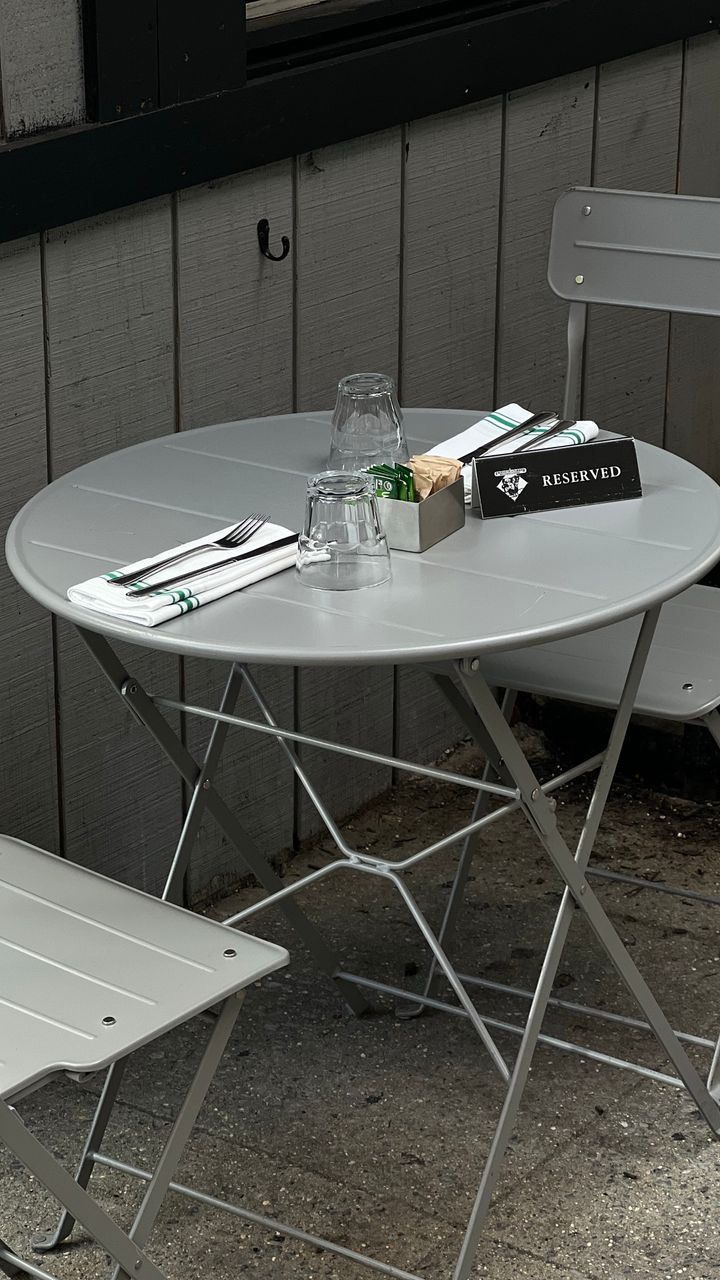
8. Install a Slim Side Patio Storage Bench
A slim storage bench is a dual-purpose must-have for side patio design, as it provides extra seating while hiding away garden tools, cushion storage, or pool supplies out of sight. Unlike bulky storage cabinets, a low bench doesn’t take up vertical space, so it won’t make a narrow side patio feel cramped. Many models are weatherproof, so you don’t have to worry about rain damaging the items stored inside.
Look for a bench that’s 48 inches long and 12 inches deep, which fits along most side fence lines without blocking walkways. Polyethylene or teak benches are the most weather-resistant, and you can find waterproof models with lift-up lids starting at $80. Place the bench against the back fence of your side patio to free up as much floor space as possible for other decor.

9. Add a Retractable Side Patio Awning
Retractable awnings are a great shade solution for side patio design, as they extend only when you need them and retract flat against the house wall when not in use. Unlike permanent pergolas, they don’t take up permanent floor or vertical space, which is ideal for narrow side strips where every inch counts. Most models are also water-resistant, so they provide light rain protection as well as sun shade.
Look for a 6-foot-wide retractable awning, which is large enough to cover a small bistro set or seating area without extending too far into the side yard. Manual retractable awnings start at around $200, while motorized models with remote controls cost $500 and up. Make sure to mount the awning at least 7 feet off the ground to avoid hitting your head when walking through the side patio.

10. Install a Narrow Side Patio Water Feature
A compact water feature adds soothing ambiance and masks street noise, which is a huge perk for side patios that are adjacent to busy roads or neighbor yards. Narrow, wall-mounted fountains or small tabletop bubblers work perfectly for side patio design, as they don’t take up floor space and fit easily along fence lines. The sound of running water also makes the space feel more private and secluded, even if you’re close to neighbors.
Look for a 12-inch-wide wall-mounted fountain that plugs into a standard outdoor outlet, or a solar-powered tabletop bubbler that doesn’t require wiring at all. Prices start at $30 for small plastic models, and go up to $150 for stone or ceramic fountains that match higher-end side patio design aesthetics. Place the fountain near your seating area so you can hear the water clearly, but make sure it’s on a stable, level surface to avoid tipping.

11. Train Climbing Vines Up a Side Patio Trellis
A trellis covered in climbing vines is a classic, low-cost addition to side patio design that adds both privacy and lush greenery. Unlike large shrubs, vines grow vertically, so they don’t encroach on the narrow walkway of a side yard. The dense foliage also blocks unwanted views from neighbors, making your side patio feel like a private oasis even in tight urban lots.
Choose a 4-foot-tall wooden or metal trellis that attaches directly to your side fence, and opt for fast-growing vines like clematis or trumpet vine if you want coverage in one growing season. You can also grow edible vines like pole beans or grapes if you want to add a functional element to your side patio design. Avoid invasive species like English ivy, as they can damage fence siding over time.

12. Add Raised Side Patio Garden Beds
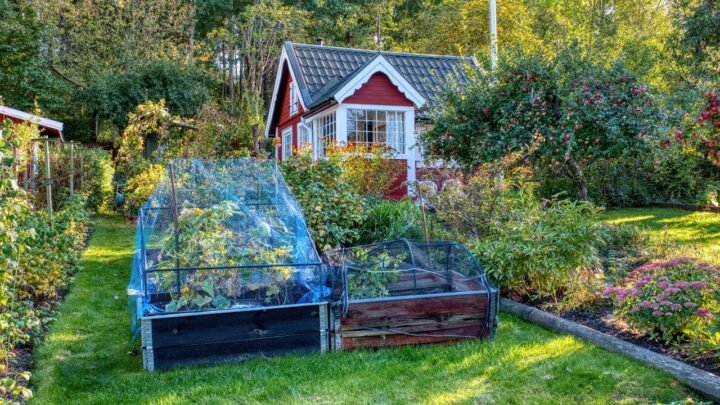
Raised garden beds are a fantastic way to add a productive, green element to side patio design, especially if you have a sunny side yard that gets 6+ hours of sun a day. Unlike ground-level gardens, raised beds have soil that warms up faster in spring, so you can grow veggies and herbs earlier in the season. They also keep the garden contained, so you don’t have to worry about invasive plants spreading into the rest of your yard.
Look for 2×4 foot cedar raised beds that are 12 inches deep, which are narrow enough to fit along most side fence lines without blocking walkways. Fill them with a mix of potting soil and compost, and plant low-growing veggies like lettuce, cherry tomatoes, or herbs that don’t spread wide. You can even add a small trellis to the back of the bed to grow vining plants like peas or cucumbers upward, saving even more floor space.

13. Install a Small Side Patio Pergola
A compact pergola is a semi-permanent shade structure that adds architectural interest to side patio design without taking up too much space. Unlike a full-size pergola, a narrow side patio version is only 3 to 4 feet wide, so it fits easily along the house or fence line without extending too far into the walkway. You can leave it open for filtered sun, or add a retractable canopy or climbing vines for extra shade and privacy.
Look for a 3×8 foot cedar or aluminum pergola, which is large enough to cover a small bistro set or storage bench. Cedar pergolas start at around $300, while lightweight aluminum models are available for $150 and up. Avoid placing the pergola too close to the house, as it can block windows or make the side patio feel cramped; leave at least 2 feet of clearance between the pergola and your home’s exterior walls.

14. Use Composite Decking for Side Patio Flooring
Composite decking is a low-maintenance, durable flooring option for side patio design, especially if you live in a climate with heavy rain or extreme temperature swings. Unlike wood decking, composite doesn’t rot, warp, or need to be stained every year, so it’s perfect for side patios that are tucked away and hard to access for regular maintenance. It also comes in a range of neutral colors that blend seamlessly with most house exteriors.
Look for 1×4 foot composite decking boards that are 5/4 inches thick, which are narrow enough to cut to fit irregular side yard shapes. Prices range from $5 to $10 per square foot, including installation, which is comparable to mid-range wood decking. For a 4×10 foot side patio, you’ll need roughly 10 boards, and you can install them over a gravel base just like pavers for a quick, easy DIY project.

15. Add Solar Side Patio Path Lights
Solar path lights are a low-effort, energy-efficient way to add safety and ambiance to side patio design, especially if you have a narrow pathway that’s hard to light with overhead fixtures. They don’t require wiring, so you can place them anywhere along the side yard without hiring an electrician. The soft, low glow also makes the space feel welcoming after dark, without creating harsh light pollution for you or your neighbors.
Look for path lights with 2 to 3 lumens, which are bright enough to see the pathway but dim enough not to be glaring. Space them 12 to 18 inches apart along the edge of your side patio for even coverage, and make sure they get at least 6 hours of direct sun each day to charge fully. You can find a pack of 8 solar path lights for around $20 at most home improvement stores.

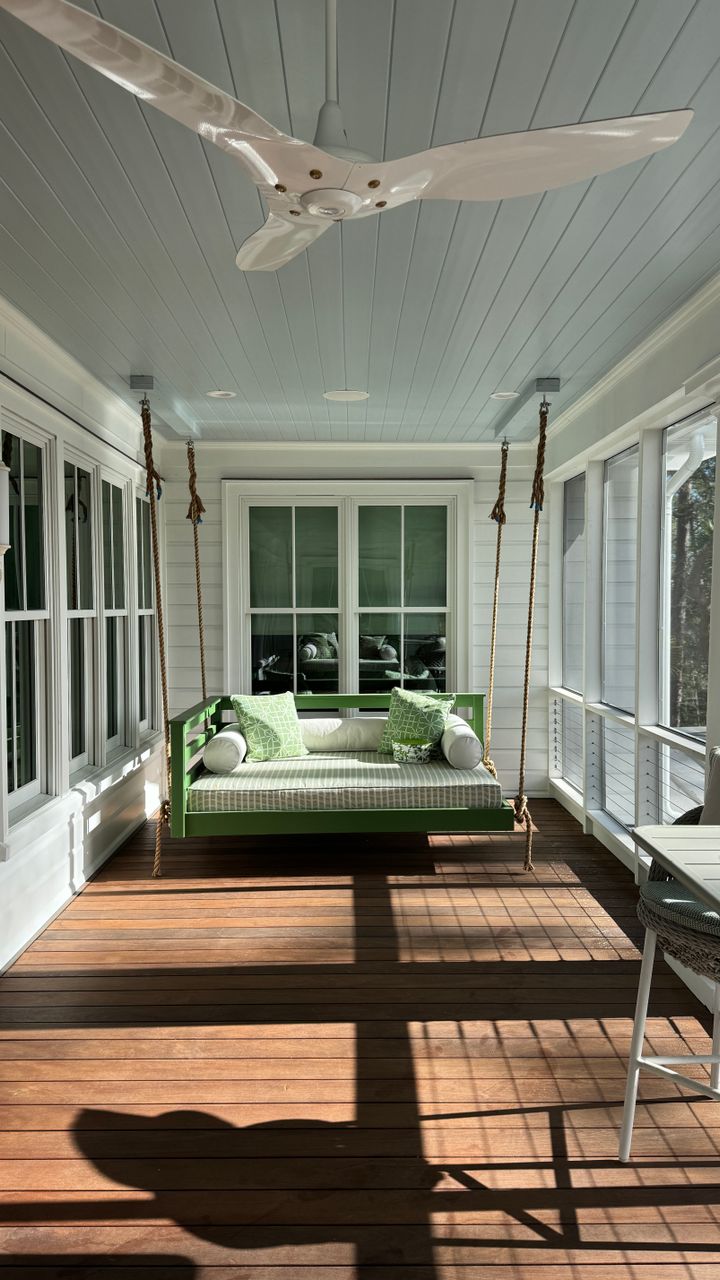
16. Use a Narrow Side Patio Porch Swing
A compact porch swing is a cozy, unique seating option for side patio design, especially if you have a little extra floor space along the fence line. Unlike stationary benches, a swing adds a playful, relaxing element that’s perfect for unwinding after a long day. Most narrow side patio swings are designed for 1 to 2 people, so they don’t take up much more space than a small bench.
Look for a 36-inch-wide porch swing that hangs from a freestanding A-frame or ceiling mount, which fits easily in 4-foot-wide side patios. Teak or recycled plastic swings are the most weather-resistant, and you can find cushions sized for 36-inch swings starting at $40. Make sure the swing has at least 12 inches of clearance on all sides so you can swing without hitting the fence or house wall.
17. Add Potted Plants Along Side Patio Edges
Potted plants are one of the easiest, most flexible ways to add color and life to side patio design, as you can move them around to suit your layout or change them out seasonally. Unlike in-ground plantings, pots don’t require you to dig into the soil, which is perfect for renters or people with poor soil quality in their side yard. You can use a mix of sizes and heights to add visual interest without taking up much floor space.
Look for lightweight resin or terracotta pots in sizes ranging from 6 to 12 inches in diameter, which are easy to move and won’t crack in freezing temperatures. Place larger pots in the corners of your side patio to anchor the space, and use smaller pots along the edges of the walkway to add pops of color. Opt for drought-tolerant plants like succulents, lavender, or ornamental grasses if you don’t want to water them frequently during hot summer months.

18. Add a Compact Side Patio Fire Pit
A small fire pit is a cozy focal point for side patio design, perfect for extending your outdoor use into cool fall and spring evenings. Narrow, tabletop fire pits are ideal for side patios, as they don’t take up much floor space and can double as a side table for drinks or snacks when not in use. The warm glow also makes the space feel extra inviting after dark.
Look for a 20-inch-diameter tabletop fire pit that uses propane or gel fuel, which doesn’t produce smoke and is safe for use in narrow side yards. Prices start at around $50 for basic models, and go up to $150 for larger, more decorative stone or metal fire pits. Always place the fire pit on a non-flammable surface like stone or concrete, and keep it at least 3 feet away from any fence or house siding to avoid fire hazards.

19. Install a Side Patio Umbrella with Base
A market umbrella is a simple, affordable shade solution for side patio design, as it can be placed anywhere on the patio without requiring permanent installation. Unlike a pergola or awning, you can move the umbrella around to follow the sun as it moves across the sky, so you always have shade where you need it. Most side patio umbrellas are 9 to 10 feet tall, so they provide plenty of coverage without blocking the view over your side fence.
Look for a 7.5-foot-diameter umbrella with a weighted base that’s at least 40 pounds, which is heavy enough to keep the umbrella stable in wind. Sunbrella fabric umbrellas are fade-resistant and water-repellent, so they last for years even with regular outdoor use, and start at around $80. Place the umbrella in the center of your seating area for maximum coverage, and make sure the base is on a flat, stable surface to avoid tipping.

20. Hang Outdoor Wall Art on the Side Fence
Outdoor wall art is a surprising, low-cost way to add personality to side patio design, as it turns a plain fence into a visual focal point. Unlike large decor pieces that take up floor space, wall art hangs on the fence, so it doesn’t interfere with the narrow walkway of a side yard. You can choose pieces that match your home’s exterior style, from modern metal sculptures to rustic wooden signs.
Look for wall art made of weather-resistant materials like powder-coated metal, teak, or resin, which won’t warp or fade in rain or sun. Hang the art at eye level, around 5 to 6 feet off the ground, so it’s visible from both inside your house and the side patio. Avoid heavy pieces that require large nails or brackets; opt for lightweight pieces that can be hung with outdoor Command strips for easy, damage-free installation, especially if you’re a renter.

21. Add Metal Edging to Side Patio Borders
Metal edging is a sleek, durable way to define the borders of your side patio design, keeping pavers, gravel, or mulch from spilling into the adjacent lawn or garden bed. Unlike plastic edging, metal won’t crack or warp over time, so it holds its shape even in areas with heavy foot traffic or harsh weather. It also adds a clean, finished look to the edge of the patio, making the narrow space feel more intentional and polished.
Look for 14-gauge steel or aluminum edging that’s 4 inches tall, which is tall enough to contain most paver and gravel bases. You can install it yourself with a rubber mallet and landscape stakes, and a 10-foot roll costs around $20 at most home improvement stores. Choose a black or brown finish to blend in with your pavers and fence, or a bright copper finish to add a pop of color to your side patio design.

22. Use a Narrow Side Patio Bench Set
A narrow bench set is a great seating option for side patio design if you regularly host small gatherings or have multiple people using the space. Unlike individual chairs, a bench with a backrest takes up less depth than two separate chairs, so it fits better in narrow side strips. You can pair it with a small side table for drinks and snacks, making it a functional spot for casual get-togethers.
Look for a 48-inch-long bench that’s only 15 inches deep, which fits along most side fence lines without blocking the walkway. Teak or recycled plastic benches are the most weather-resistant, and you can find waterproof cushion sets sized for 48-inch benches starting at $35. Place the bench parallel to the fence line to maximize floor space, and add a few small throw pillows for extra comfort.

23. Add a Shade Cloth to Your Side Patio Trellis
Attaching a shade cloth to an existing trellis or fence is a cheap, easy way to add extra shade to side patio design without building a permanent structure. Shade cloth blocks 70 to 90% of UV rays, keeping the side patio cool even on hot summer days. It’s also breathable, so it won’t trap heat like a solid awning would, making it perfect for narrow side yards that get full sun.
Look for a 3×10 foot shade cloth with 70% UV blockage, which is large enough to cover most 4-foot-wide side trellises. You can attach it to the trellis with zip ties or grommets, and it costs around $25, making it one of the most budget-friendly shade options for side patio design. Remove the shade cloth in winter if you live in a snowy climate, as heavy snow can tear the fabric.

24. Hang Outdoor Pendant Lights Over Side Seating
Outdoor pendant lights add a high-end, polished touch to side patio design, especially if you have a covered side patio or a pergola to hang them from. Unlike string lights, pendant lights provide focused, bright light that’s perfect for reading or dining after dark. They come in a range of styles, from modern metal to rustic woven, so you can pick a design that matches your home’s exterior.
Look for wet-rated outdoor pendant lights that are 12 to 16 inches in diameter, which are large enough to provide good light without being too bulky for a narrow side space. You can hang them 30 to 36 inches above the table or seating area for optimal lighting, and most models start at around $50 each. If you don’t have a covered patio, opt for solar-powered pendant lights that mount to the fence, which don’t require any wiring.

Frequently Asked Questions
Q. How can I make a narrow side patio feel larger?
Ans. Use light-colored flooring, vertical greenery, and multifunctional furniture to create the illusion of more space in your side patio design. Avoiding clutter and keeping pathways clear also helps the space feel open and airy, even if it’s only 3 feet wide.
Q. What is the best flooring for a side patio?
Ans. Permeable pavers, composite decking, and outdoor rugs are all top choices for side patio design, depending on your budget and climate. Pavers are durable and great for drainage, while rugs add color and softness without permanent installation.
Q. How do I add privacy to a side patio next to neighbors?
Ans. Lattice screens, climbing vines, and tall vertical planters are all effective privacy solutions for side patio design. You can also hang outdoor curtains on a pergola or trellis for an extra layer of seclusion without blocking all light.
Q. What size furniture fits in a 3-foot-wide side patio?
Ans. For a 3-foot-wide side patio, opt for compact bistro sets, fold-down tables, or narrow 12-inch-deep benches that leave at least 18 inches of clearance for walking. Avoid bulky furniture that takes up more than half the width of the space to keep it functional.
Q. How can I light a side patio without wiring?
Ans. Solar string lights, path lights, and pendant lights are all no-wire options for side patio design. You can also use battery-powered lanterns or LED strip lights attached to fence posts for extra ambient lighting.
Conclusion
With the right layout and decor choices, even the narrowest side strip can become a functional, beautiful outdoor extension of your home. The key to successful side patio design is prioritizing space-saving, multifunctional elements that work with your space’s unique constraints rather than against them. From permeable paver bases to vertical gardens, each of these ideas is tailored to make the most of a tight side yard.
Don’t be afraid to mix and match ideas to suit your style and needs—whether you want a cozy reading nook, a small dining spot, or a productive garden space. A little creativity goes a long way in side patio design, and you don’t need a huge budget to pull off a space you’ll love using every day.
Photos via Pexels

Similar Posts