12 Creative Outdoor Landscaping Ideas for a Stunning Yard
You're staring at a bare yard and a pile of Pinterest screenshots. Every idea looks gorgeous in someone else's photo, but you have no idea which one works for your space. That's the real problem.
Outdoor landscaping ideas only matter when they match your actual conditions. Sun, soil, water, and how you use the yard decide everything. Skip that filter, and you'll waste money on plants that die and patios you never sit on.
In our research, the most common landscaping failures trace back to ignoring those four variables. As of 2026, the USDA Plant Hardiness Zone Map remains the best starting point for choosing plants that survive your winters. But even that's just step one.
You need a decision process, not a random idea list. Let's build one that fits your yard, step by step.
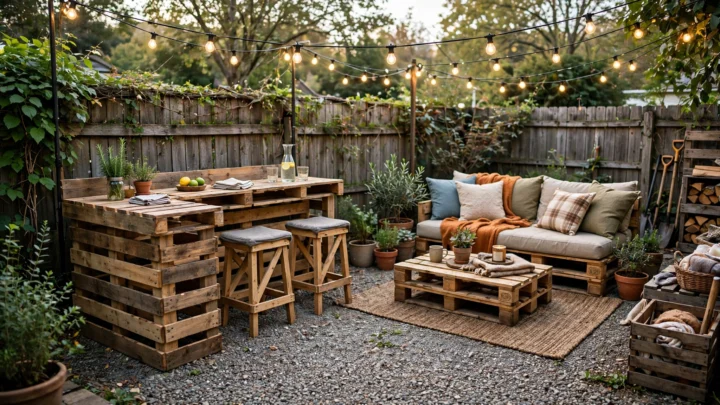
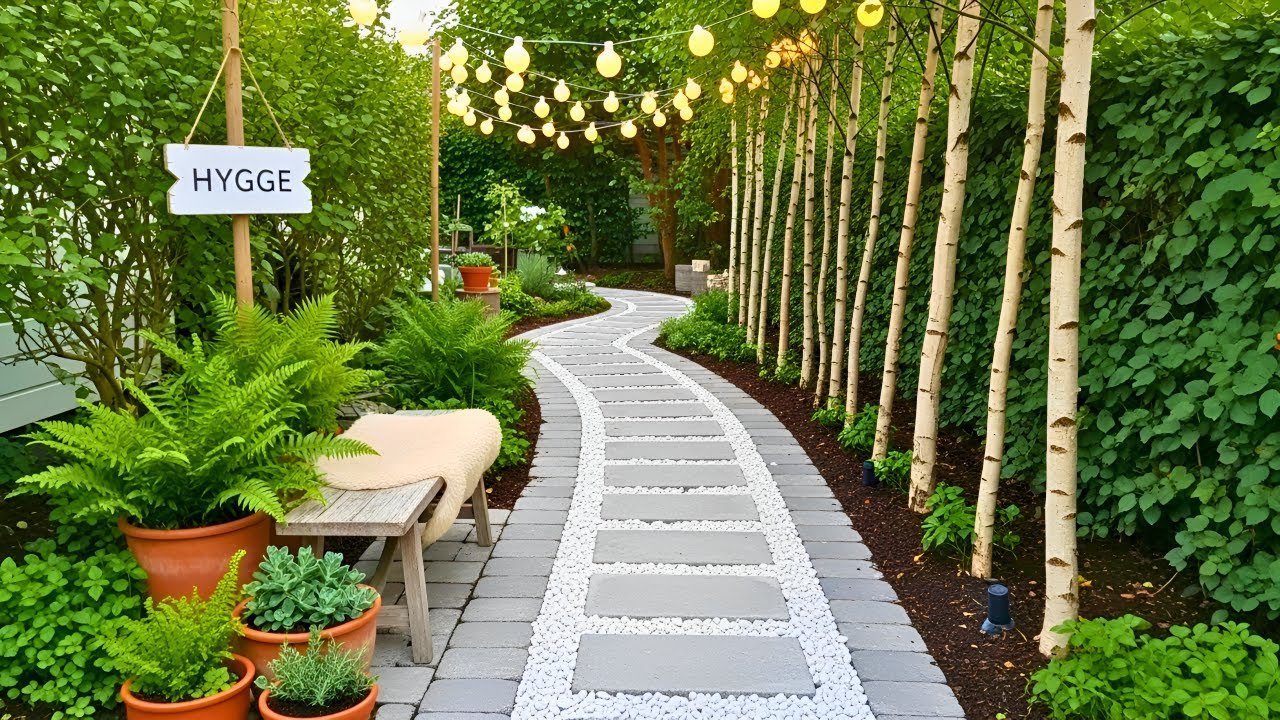
Image source: YouTube / Luxury Home Decor (YouTube thumbnail (fair-use with source credit))
Outdoor Landscaping Ideas: Quick Answer
The best landscaping ideas depend on your sun, soil, water, and lifestyle. Full sun and low water means native perennials. Heavy shade means hostas and ferns.
High foot traffic means hardscape. Low upkeep means lawn alternatives. Match the plan to your conditions.
Why Most Landscaping Advice Fails You
Generic landscaping advice is dangerous because it ignores context. A fire pit sounds amazing in a dry Arizona backyard. In a rain-heavy Pacific Northwest yard, it becomes a soggy brick circle you never use.
A lush lawn looks perfect in a magazine, but if you live somewhere with water restrictions, it's a constant battle.
Most popular ideas fail for one simple reason. They don't account for your specific site. The sunniest spot in your yard might be the front, but you want privacy in the back.
The soil might be dense clay that drowns plant roots. The slope might send water straight toward your foundation.
That's why we're using a decision workflow instead. You answer a few questions about your conditions, and the right landscaping ideas reveal themselves. No guesswork.
No trend-chasing.
If you're the hands-on type, you can absolutely tackle this yourself. Many projects are beginner-friendly, especially garden beds and basic hardscape. But you need to start with the right framework before you dig.
Our step-by-step backyard ideas guide walks through several projects you can actually build with basic tools. It pairs well with the decision process below.
How to Use This Decision Workflow
This isn't a listicle. It's a filter. You run your yard through a series of questions, and each answer narrows your options.
By the end, you'll have a short list of ideas that genuinely fit.
Here's the flow:
- Assess your conditions. Sun, soil, water, and slope.
- Answer the four key questions in the next section.
- Compare your top options using the lawn and hardscape breakdowns.
- Make a plan for cost, timeline, and maintenance.
- Check safety and regulations before you dig.
That's it. Each section builds on the last. You don't need to read everything if you already know your conditions.
But if you're starting from zero, go in order.
| Step | What You Do | Time Needed |
|---|---|---|
| 1 | Track sunlight across your yard | 1–2 days |
| 2 | Test soil type and pH | 1 hour |
| 3 | Check your water availability | 30 minutes |
| 4 | Define how you'll use the space | 30 minutes |
| 5 | Choose plants and materials | 1–2 weeks |
The workflow works for small front yards and multi-acre properties alike. The variables change, but the logic stays the same. Match the idea to the site.
The 4 Questions That Define Your Landscaping Approach
Before you think about aesthetics, answer these four questions. They'll determine which outdoor landscaping ideas survive contact with reality.
What's Your Sun Exposure?
Full sun means six or more hours of direct sunlight daily. Partial sun means four to six hours. Full shade means less than four, usually under tree canopy or on the north side of your house.
If you have full sun, you can grow vegetables, most flowering perennials, and warm-season grasses. If you have deep shade, skip the lawn entirely. Hostas, ferns, and woodland wildflowers will thrive where grass won't.
Planting sun-loving species in shade is the fastest way to kill them.
What's Your Soil Like?
Soil type determines drainage and nutrient availability. Clay soil drains slowly and stays wet. Sandy soil drains fast but loses nutrients quickly.
Loamy soil is the gold standard, but most yards don't have it naturally.
You can do a simple jar test at home. Add soil, water, and a pinch of dish soap. Shake it, let it settle, and check the layers.
Or get a proper test through your state's cooperative extension service. The results tell you exactly what amendments your soil needs. As of 2026, most extension offices still offer this for under $20, and it's the best money you'll spend on landscaping.

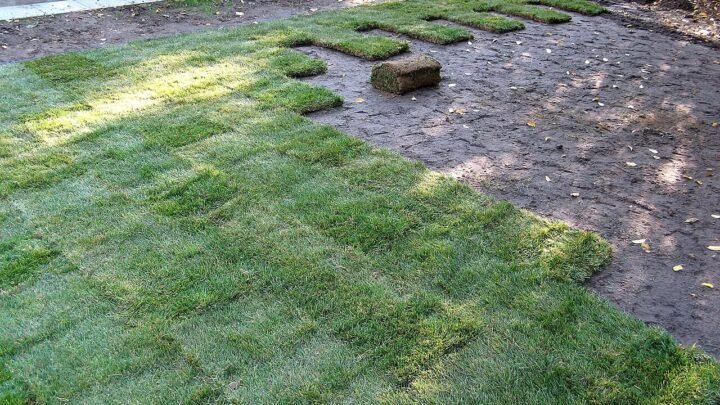
Image source: Wikimedia Commons / Cpl Mark Doran
If your soil is heavy clay, raised beds are your friend. If it's sandy, you'll need organic matter and more frequent watering. Knowing your soil type also tells you which plants are pre-adapted to your conditions.
Native plants usually perform best because they evolved in your local soil.
How Much Water Can You Provide?
Honesty matters here. A water-hungry English-style garden is a terrible fit if you live in a drought-prone area or you hate watering. Your irrigation setup matters too.
A standard hose setup might be fine for a small bed, but larger areas benefit from drip irrigation.
If water is scarce or you want low maintenance, go with xeriscaping. That means drought-tolerant plants, mulch, and minimal lawn. If you have abundant water and enjoy gardening, you have more freedom.
But even then, consider the long-term cost of high-water plants.
The EPA's WaterSense program estimates that landscape irrigation accounts for nearly one-third of residential water use. Switching to drip irrigation for your garden can cut that significantly. It delivers water directly to the roots, reducing evaporation and runoff.
Check out the EPA WaterSense page for more details on efficient outdoor watering.
How Do You Actually Use the Yard?
This is the question most people skip. They plant a huge lawn because it looks classic, then realize no one ever walks on it. Or they build a fancy patio but never entertain.
Be honest about your lifestyle. Do you have kids who need room to run? Do you want a quiet reading nook?
Do you love hosting summer cookouts? Are you someone who actually enjoys weeding and pruning, or do you want a set-and-forget yard?
Your answers change everything. A family with two dogs needs durable groundcover and a fenced play area. A couple who loves gardening needs vegetable beds and compost space.
A busy professional needs native plants and automated irrigation. There's no correct answer, only the one that fits your life.
Lawn vs. Alternatives: A Conditional Decision

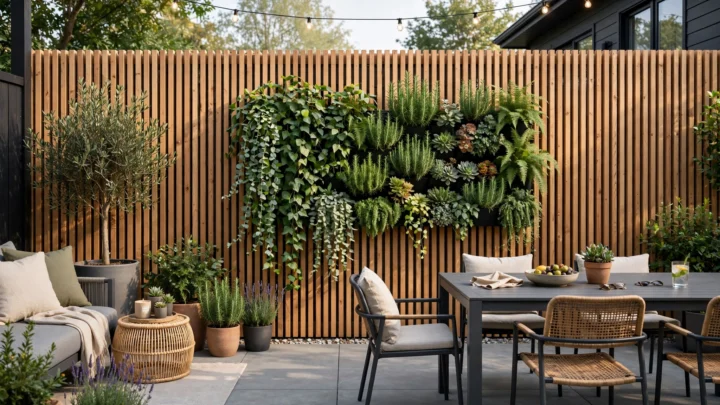
Image source: Wikimedia Commons / John Palmer (CC BY-SA)
The classic lawn is the default choice, but it's not the only one. As of 2026, more homeowners are replacing grass with options that save water, time, and money. The right choice depends on your climate and how much maintenance you actually want.
Here's the honest breakdown:
| Option | Best If… | Avoid If… |
|---|---|---|
| Traditional lawn | You have kids or pets who play on it | Drought-prone area, you hate mowing |
| Clover lawn | You want low-maintenance green cover | You need a formal look |
| Native meadow | You want wildlife and low water use | You need a flat play surface |
| Groundcover (like creeping thyme) | You want no-mow, walkable green | Heavy foot traffic |
| Mulch beds | You want clean look with minimal watering | You want a play surface |
| Artificial turf | You want perfect green with zero watering | Hot climates, eco-conscious installers |
Traditional grass has its place. It's the best surface for sports, pets, and barefoot summer days. But it demands consistent watering, fertilizing, and mowing.
If your climate gets less than 20 inches of rain a year, keeping a lawn is a constant fight.
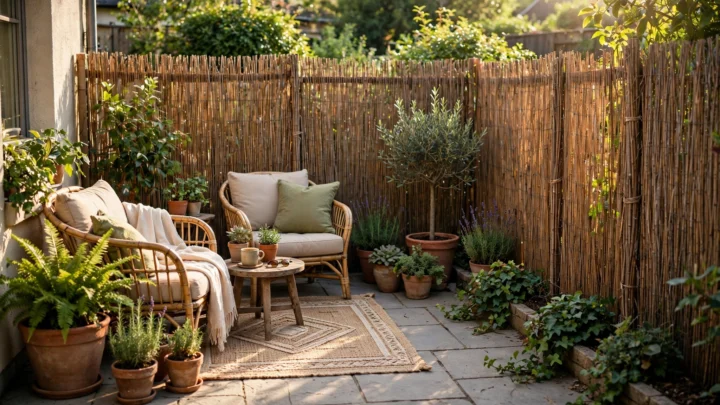
Image source: Wikimedia Commons / John Palmer (CC BY-SA)
Native meadow is the opposite. It's designed to thrive in local conditions with zero supplemental water once established. It attracts pollinators, changes with the seasons, and never needs mowing.
But it looks wild, which matters if your HOA has strict standards or you prefer a manicured aesthetic.
Groundcovers like creeping thyme and clover are the middle ground. They stay short, tolerate light foot traffic, and need far less water than grass. They're not ideal for intense play, but for a decorative front yard or low-use backyard, they're excellent.
The decision tree is simple. If you need a durable play surface, keep grass or go artificial. If you want minimal upkeep and wildlife, choose native meadow.
If you're in between, try clover or groundcover in low-traffic areas. You can always do a hybrid, with a small lawn for play and meadow or mulch everywhere else.
Hardscape vs. Softscape: How to Balance Your Yard
Hardscape includes patios, walkways, retaining walls, decks, and gravel. Softscape includes plants, grass, trees, and mulch. The right balance depends on how you use the space and how much maintenance you want.
A yard that's 100 percent plants looks lush but becomes a full-time job. A yard that's mostly concrete feels barren and hot. The sweet spot for most homeowners is somewhere between 60 and 40, either direction, depending on priorities.
If you entertain often, skew toward hardscape. A well-designed patio gives you a stable surface for furniture, grills, and foot traffic. It also reduces mud and lawn damage.
If you're a gardener, skew toward softscape. More planting area means more room for flowers, vegetables, and pollinator habitat.
Hardscape costs more upfront. A concrete patio runs roughly $8 to $15 per square foot installed. Pavers run higher, often $15 to $25 per square foot.
But hardscape lasts decades with minimal maintenance. Softscape costs less initially but requires ongoing investment in water, mulch, and replacement plants.
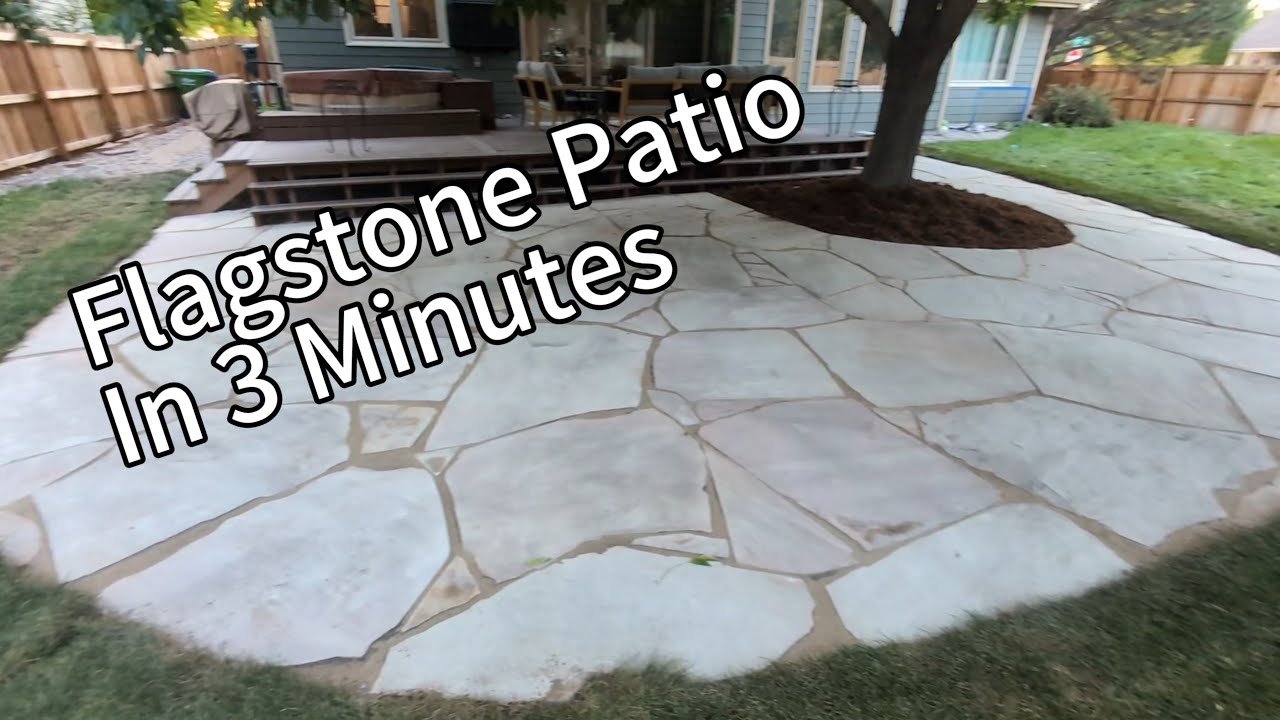
Image source: YouTube / Secure Fence and Gate (YouTube thumbnail (fair-use with source credit))
The best approach is to use hardscape to solve problems. Slope issues disappear with retaining walls. Muddy paths vanish with stepping stones or gravel.
Then fill the remaining space with plants that thrive in your conditions. That's the balance most professional designers use.
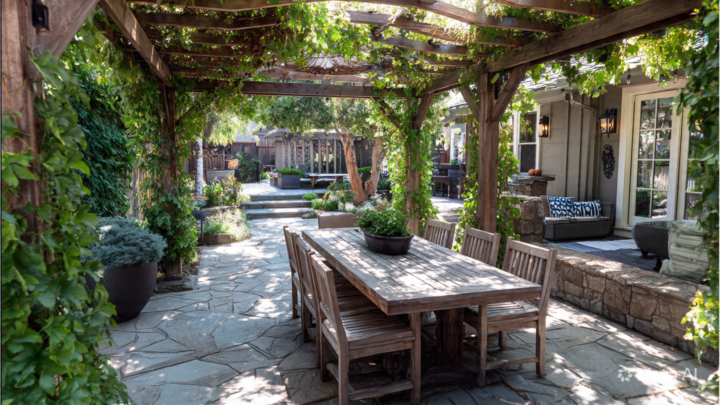
One practical tip: design for year-round use. A patio with a pergola gives shade in summer. A fire pit extends evenings into fall.
Paths connect the driveway to the front door and the patio to the garden. These features make your yard functional, not just decorative.
The USDA Plant Hardiness Zone Map can help you choose plants that survive your winters. Check your zone at planthardiness.ars.usda.gov before buying anything. It's the single most reliable reference for plant selection in North America.
For example, a gardener in Zone 7 can grow crepe myrtles and camellias. A gardener in Zone 4 cannot. Choosing plants outside your zone means replacing them every year.
That's wasted money and effort you could have spent on a plan that actually works.
If you have a sloped yard, hardscape becomes even more important. Retaining walls prevent erosion, create usable terraces, and add structure to your landscape. They're not cheap, but the cost is justified when the alternative is a muddy mess washing into your foundation.
The bottom line: you don't need to choose between hardscape and softscape. You need the right ratio for your lifestyle. Ask yourself what you'll do in the yard.
Then build the surfaces and plantings that serve those activities.
DIY vs. Hiring a Pro: What's Actually Worth It
Simple projects are almost always DIY. Planting beds, mulching, and installing drip irrigation all fall in that category. They need basic tools and a weekend, not a contractor.
Complex projects are the opposite. Retaining walls, grading, and large patios involve engineering and heavy equipment. Getting them wrong means sinking money into structural failures.
Our research suggests most homeowners overestimate their ability to handle drainage and load-bearing work.
The rule of thumb is simple. If a mistake could damage your foundation or send water toward your house, hire a pro. If it just means replanting a shrub, go ahead and try it yourself.
Before you start any hardscape, look at patio design options to see what fits your space and skill level.
| Project | DIY or Pro? | Why |
|---|---|---|
| Garden beds | DIY | Low risk, easy to fix |
| Mulch and edging | DIY | Simple labor, no special skills |
| Drip irrigation | DIY | Kits are straightforward |
| Patio installation | Pro for large areas | Base prep and leveling matter |
| Retaining walls | Pro over 3 feet | Structural and drainage requirements |
| Full landscape redesign | Either | Depends on scope and budget |
Cost and Timeline Expectations
Most landscaping budgets land between $5,000 and $15,000 for a full backyard makeover. That includes labor, materials, and plants for a typical quarter-acre lot.
Here's what individual pieces typically run as of 2026:
| Feature | Cost Range | Timeline |
|---|---|---|
| Garden beds (materials only) | $500 – $2,000 | 1–2 weekends |
| Patio (concrete, installed) | $8 – $15 per sq ft | 3–7 days |
| Drainage and grading | $1,500 – $5,000 | 2–4 days |
| Irrigation system | $1,500 – $3,500 | 2–3 days |
| Native plantings | $2 – $10 per plant | 1 season to establish |
Don't forget the ongoing costs. Perennial plants need replacement after 5 to 10 years. Mulch needs topping up annually.
If you're on a budget, start with beds and mulch, then add hardscape later.
When planning your watering system, remember that your watering needs drive both cost and maintenance. A basic hose works for small spaces. Larger yards practically require irrigation timers or drip lines.
Mistakes That Derail Outdoor Landscaping Projects
The most expensive mistakes happen before plants go in the ground. Here's what bites homeowners hardest:
- Skipping site assessment. Sun, soil, and slope determine everything. Ignoring them leads to dead plants and erosion.
- Choosing plants without checking mature size. That cute shrub near your foundation becomes a 15-foot monster. Research spacing before you buy.
- Poor drainage planning. Water pools on patios and against foundations. Fix grade issues before you pour anything.
- Forgetting seasonal maintenance. Fall leaves clog irrigation valves. Winter ice cracks un-drained hoses. Check your system each season.
- Overbuilding for your skill level. A slightly uneven paver patio looks worse than a rental tool bag. Know your limits.
One seasonal mistake we see constantly is leaving hoses attached during freeze. That's how connections crack. If you're in a cold climate, read up on winter hose damage so you know what to disconnect.
Before You Dig: Safety, Permits, and HOA Rules
Call your local utility locator service before any digging. In the US, that's 811. They mark underground gas, power, and water lines for free.
Hitting a line is dangerous and expensive.
Permits are the next hurdle. Retaining walls under three feet often need no permit. Anything taller usually does.
Fences, decks, and major grading also trigger local approval. Check with your city or county building department before you commit.
Homeowners associations add another layer. Many restrict plant types, lawn care, and visible hardscape. They can also require approval for changes to your front yard.
Read your HOA rules before you buy materials. A $200 application fee beats a $2,000 violation fine.
Also verify property lines. A fence built six inches into your neighbor's yard creates a legal headache. A quick survey, sometimes available through your mortgage paperwork, solves that.
Your Next Steps: A Simple Decision Framework
Start with the four questions from earlier. Sun, soil, water, and usage. Write down the answers.
That's your filter.
Then pick one area to tackle first. A small garden bed near the entry is a perfect starting point. It gives you visible results and a chance to learn the workflow.
Match your choices to your maintenance tolerance. If weekend yard work sounds fun, go plant-heavy. If it sounds like a chore, choose native plants and hardscape.
Let the decision framework guide you.
Finally, draft a rough budget and timeline. Break it into phases. Install hardscape first, then planting beds, then irrigation.
Phase the work across seasons if that helps.
For more project ideas that fit a hands-on approach, check out hands-on yard projects you can build yourself. Then start small, measure twice, and let the yard tell you what works.
Frequently Asked Questions
What's the cheapest way to start landscaping?
Start with garden beds and mulch. They cost a few hundred dollars and give immediate visual impact. Add native perennials over time instead of buying everything at once.
How do I know which plants survive my winters?
Check the USDA Plant Hardiness Zone Map for your area. Buy plants rated for your zone or colder. That's the most reliable way to avoid replanting every spring.
Can I landscape on a small budget?
Yes. Focus on one area, use mulch generously, and choose young plants. They're cheaper and catch up to larger ones within a couple of seasons.
Skip hardscape until you have the funds.
Should I remove my lawn completely?
Only if you don't need a play surface. If you do, keep a small lawn and replace the rest with native meadow or groundcover. That hybrid approach saves water without losing function.
Similar Posts