Can I Water My Garden With a Hose? What to Know
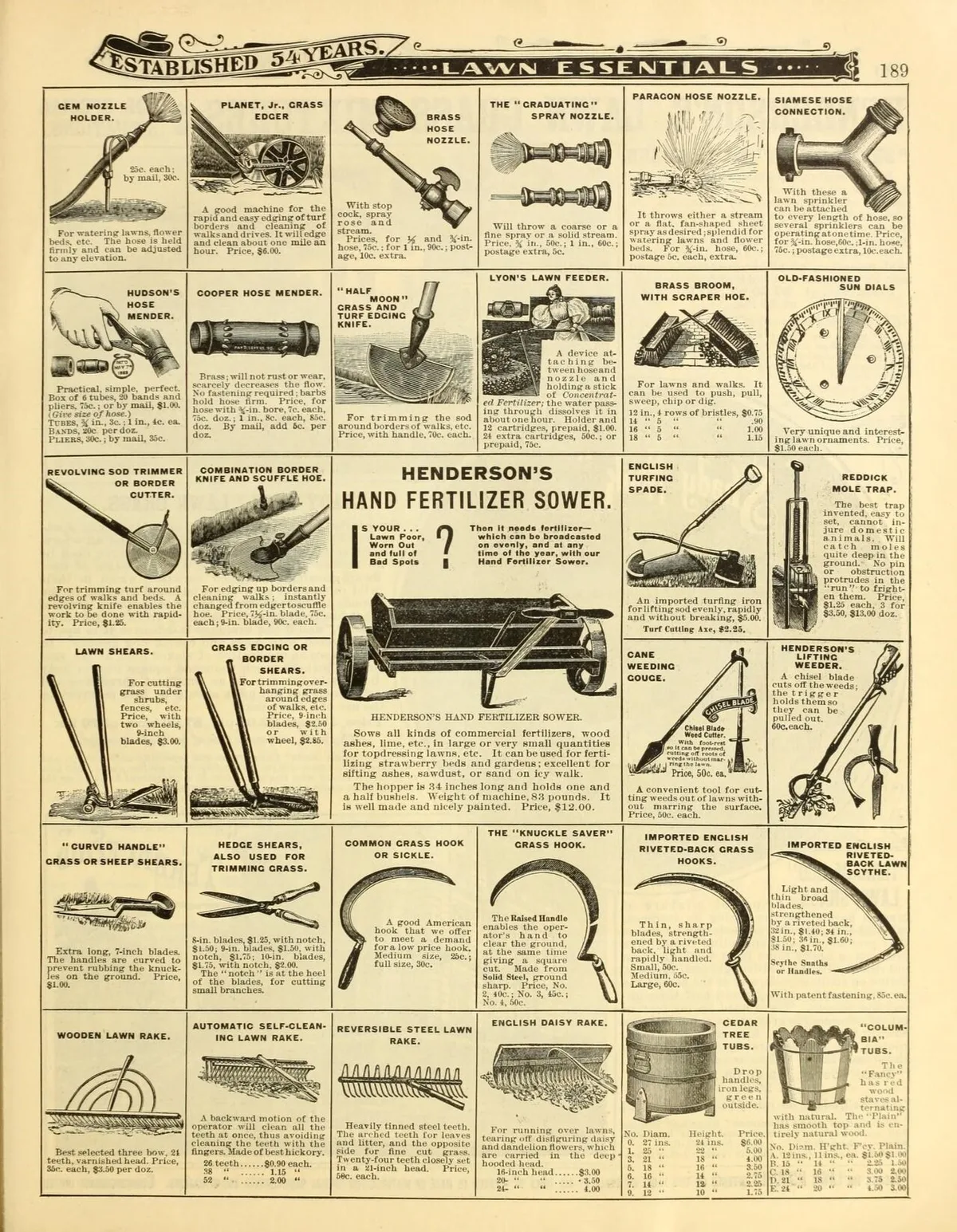
Yes, you can water your garden with a hose, and most gardeners do exactly that. The real question isn't whether you're allowed. It's whether the timing, your water source, and your plants make it a good idea today.
Get those right and a hose is one of the simplest tools you own.
The details matter more than people expect. A good soak reaches 15 to 20 cm (roughly 6 to 8 inches) into the soil, which is where deep, drought-tough roots grow. Water at the wrong time or blast the wrong plants, and you'll waste water or invite disease.
So let's walk through when a hose works, when it doesn't, and how to do it well.
Quick Answer
Yes, you can water your garden with a hose. It's safe for lawns, borders, and established beds. Water at the base of plants, not over the leaves.
Do it early in the morning for the least waste. Just check your area isn't under a hosepipe ban first.
Yes, You Can Water Your Garden With a Hose (The Short Answer)
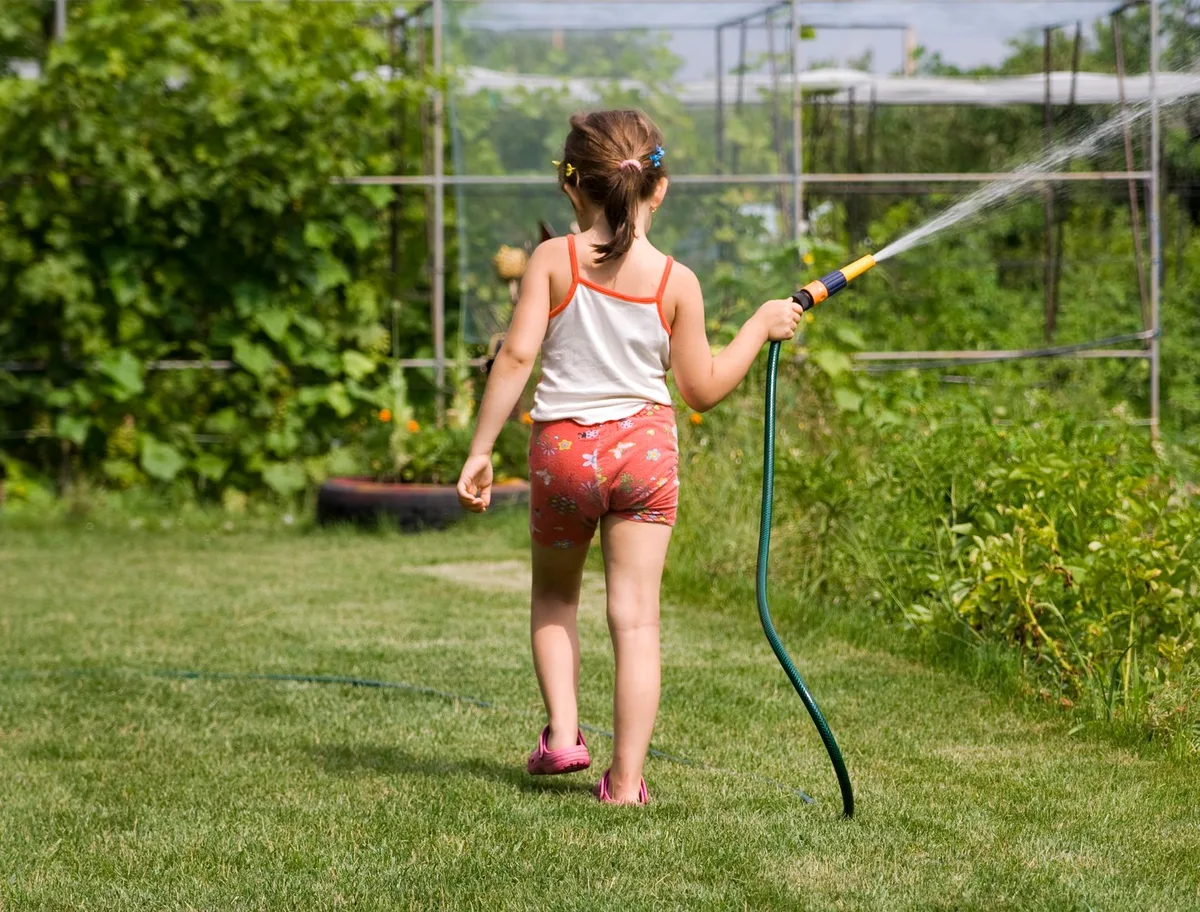
A hose is a perfectly good way to water almost any garden. It's fast, it reaches far, and it saves your back compared to hauling cans back and forth. For big jobs like lawns, shrubs, and long borders, nothing beats it for speed.
The catch is that "can I" and "should I right now" aren't always the same answer. Two things override everything else:
- Is there a hosepipe ban or watering restriction where you live?
- Are you watering the right way, at the right time?
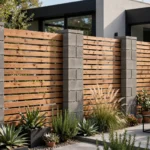
Sort those out and you're golden. If you're planting up borders around a new boundary, some of our country-style fencing designs pair nicely with beds that need regular watering. Everything else here is about doing it well, not whether you're allowed.
Check This First: Is There a Hosepipe Ban or Watering Restriction Near You
Before you unspool the hose, check for local restrictions. This is the one thing that can turn a normal chore into a fine. As of 2026, water shortages during dry summers trigger bans in many regions, and they change fast.
Here's the simple if/then:
- If your area has an active hosepipe ban (UK) or a drought watering order (US), then a watering can or saved rainwater is usually still allowed.
- If there's no ban, then a hose is fine, but smart timing still applies.
- If you're unsure, then check your water company or local utility website. They post current rules by postcode or zip.
In the UK, restrictions are called Temporary Use Bans, and each water company sets its own. The Royal Horticultural Society publishes clear guidance on what you can and can't do during one. In the US, many towns run odd/even day schedules, where your house number decides which days you may water.
One tip worth knowing: bans usually still let you use a watering can filled from a rainwater butt. Rainwater doesn't count as mains supply, so a barrel under your downpipe keeps plants going even in a drought.
The Conditions That Change the Answer: Water Source, Plants, Timing, and Soil
The right answer shifts based on four things. Run through them and you'll know how to water on any given day.
| Condition | What to check | Why it matters |
|---|---|---|
| Water source | Mains, well, or rainwater | Rainwater is free and ban-proof. Mains has chlorine but is fine for plants. |
| Plant type | Seedlings, veg, established beds | Young roots and disease-prone crops need gentler, targeted watering. |
| Timing | Morning, evening, midday | Midday watering loses a lot to evaporation in heat. |
| Soil | Sandy, loamy, or clay | Sandy drains fast and needs more often. Clay holds water and needs less. |
Think of these as dials, not switches. A sandy bed of young lettuce in July needs a light, frequent touch with a soft spray. An established shrub border in clay soil wants a long, deep soak once a week and little else.
Containers sit in their own category because pots dry out fast. If you grow anything on a patio or windowsill, the same base-watering logic applies as it does for houseplants and potted greenery. A small volume of compost means you'll water more often than you would in the ground.
When a Hose Is Perfectly Fine (and When It Isn't)
A hose is the right tool for most of the garden, but a few situations call for a gentler hand. Here's how to tell the difference.
Great For: Lawns, Borders, Established Beds, and Large Areas
These are the jobs a hose was made for. Established plants have deep roots and tough stems, so they shrug off normal water pressure. You want to move a lot of water efficiently, and a hose does that.
- Lawns and newly laid turf
- Shrub and perennial borders
- Established vegetable beds
- Trees and hedging
- Long runs of planting along a boundary
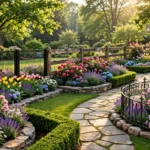
If you've dressed up a plain boundary with climbers or shrubs, like the planting in these flower bed and fence combinations, a hose lets you water the whole run in one pass.
Be Careful With: Seedlings, Foliage-Sensitive Plants, and Containers
Some plants don't want a firehose. A hard jet can flatten seedlings, wash away seeds, or splash soil onto leaves and spread disease.
- Seedlings and fresh transplants: use the softest spray or a fine rose, and aim low.
- Tomatoes, roses, courgettes, and squash: keep water off the leaves to avoid blight, black spot, and mildew.
- Hanging baskets and small pots: a gentle flow stops compost washing out over the sides.
The fix is never "don't use a hose." It's "dial down the pressure and aim at the soil." A good adjustable nozzle handles both extremes with a twist.
Does Hose Water Actually Hurt Plants? Chlorine, Temperature, and Pressure Explained
For most gardens, no, hose water doesn't hurt plants. Mains tap water is treated to be safe, and the small amount of chlorine used to disinfect it doesn't harm plants in the ground. The three worries people raise are usually overblown, but each has a grain of truth.
Chlorine and chloramine: the levels in drinking water are tiny. Soil microbes and open air disperse chlorine quickly once it hits the ground. Only very sensitive seedlings or certain container ferns might notice, and letting water sit in a can overnight solves it.
Water temperature: a hose left coiled in full sun holds a slug of hot water in the line. That first burst can scald tender foliage and roots. The fix is easy.
Run the hose onto a path for a few seconds until it cools, then water your plants.
Pressure: this is the one that actually causes damage. A tight jet compacts soil, exposes roots, and dislodges seeds. Use a spray setting that mimics gentle rain, and let the water soak in rather than pool and run off.
For more seasonal watering tips, our gardening articles cover the small habits that keep plants thriving through summer.
How to Water Your Garden With a Hose the Right Way
Good technique matters more than how often you turn the tap. Three habits do most of the work: water low, water deep, and control the spray. Nail these and your plants grow stronger roots on less water.
Water at the Base, Not Over the Leaves
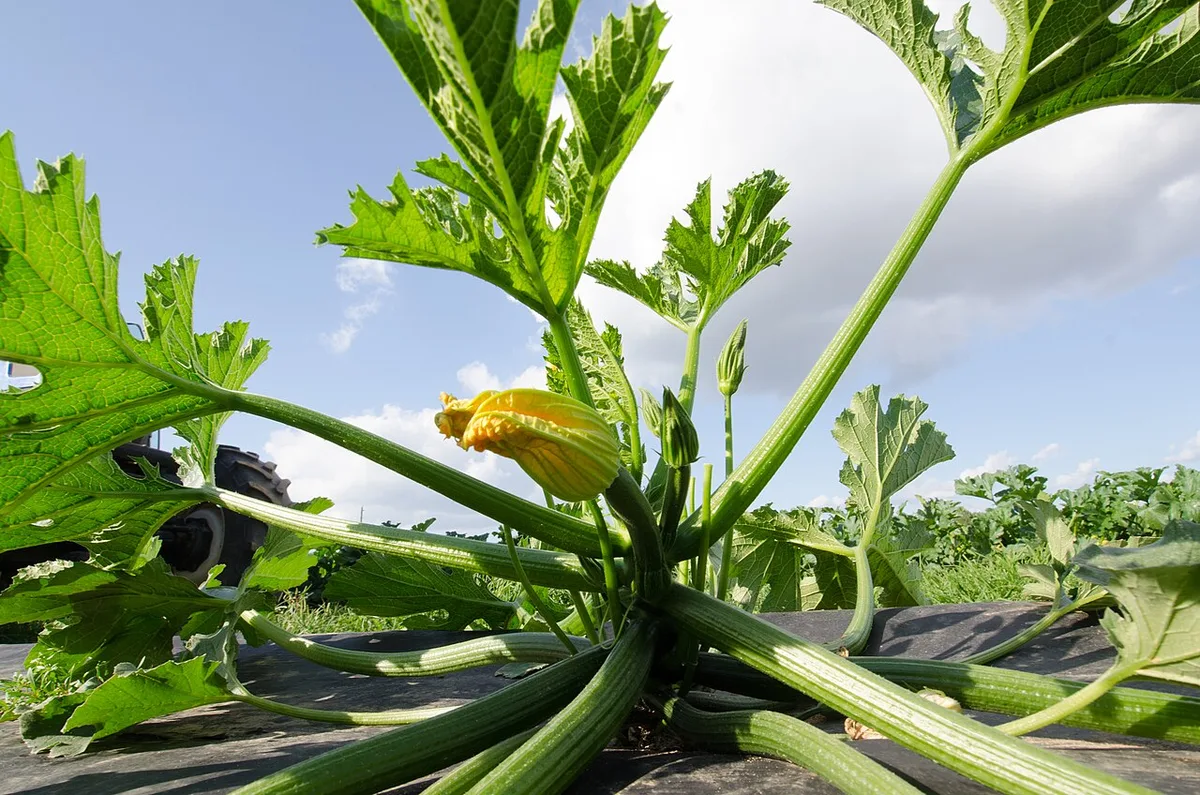
Aim the hose at the soil around the stem, not at the foliage. Wet leaves stay damp for hours and become a launchpad for fungal diseases like blight and mildew. Watering at the root zone puts moisture exactly where the plant drinks.
This single change prevents most common leaf problems on tomatoes, roses, and squash. Slip the nozzle under the canopy and let the water pool gently at the base.
Go Deep and Less Often
Water long and slowly so moisture sinks 15 to 20 cm down, then leave it a few days. Deep, infrequent watering trains roots to grow downward, which makes plants far tougher in dry spells. Shallow daily sprinkles keep roots stuck near the surface.
A quick test: push your finger 5 cm into the soil. If it's dry at your fingertip, it's time to water. If it's still damp, wait.
Pick the Right Nozzle and Pressure
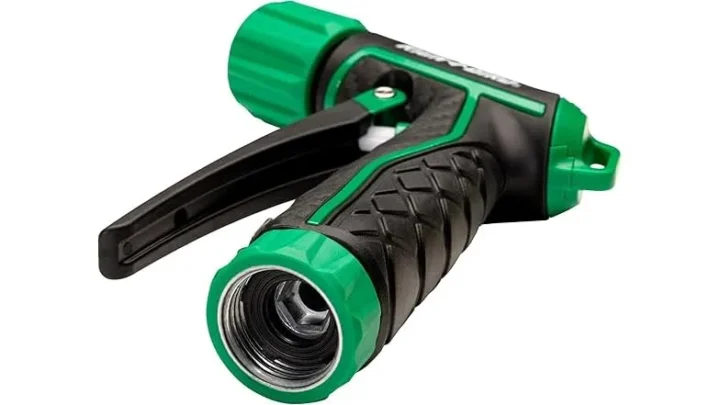
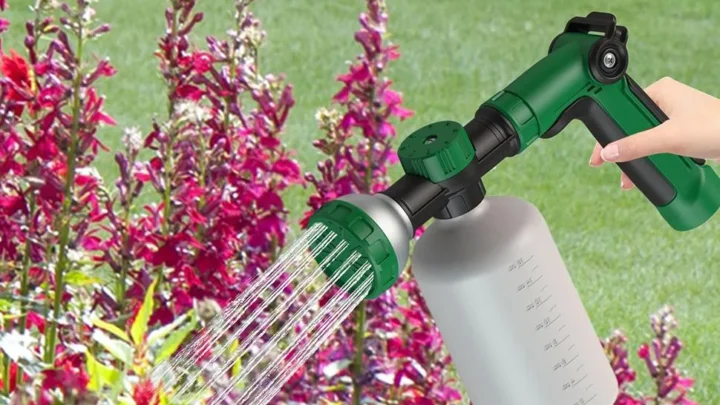
An adjustable spray nozzle is the difference between a helpful tool and a plant-flattening one. Use a soft shower or mist setting for seedlings and pots. Switch to a firmer flow for lawns and established shrubs.
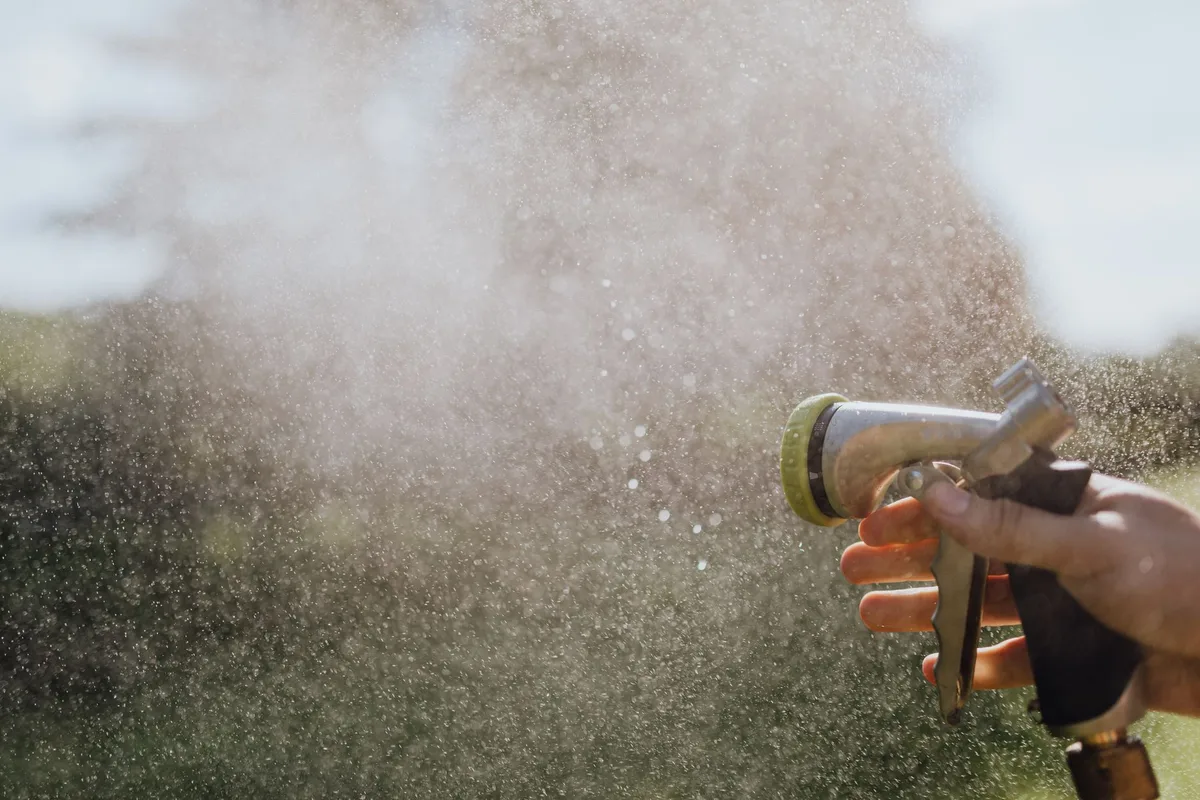
Whatever setting you choose, the goal is water that soaks in, not water that runs off. If puddles form and stream away, you're going too hard or too fast.
Best Time of Day to Water With a Hose
Early morning is the best time to water, ideally before 10 a.m. The air is cool, the soil soaks it up, and leaves dry as the sun rises. That combination cuts evaporation loss and starves fungal spores of the damp they need.
Here's the ranking:
- Morning (best): least evaporation, plants hydrate before the heat.
- Evening (second best): cool, but leaves can stay wet overnight and invite disease.
- Midday (worst): a chunk of water evaporates before roots ever get it.
If mornings don't fit your schedule, early evening works. Just water the soil, not the leaves, so foliage isn't sitting wet in the dark.
How Much Water Your Garden Really Needs
Most gardens want about 2.5 cm (1 inch) of water per week, from rain or the hose combined. That's a general guide, not a hard rule, and your soil changes the maths. Sandy soil drains fast and needs smaller, more frequent drinks.
Clay holds water and needs less.
| Plant or area | Rough water need | Frequency |
|---|---|---|
| Lawn (established) | 2.5 cm per week | 1 to 2 deep soaks |
| Vegetable beds | 2.5 to 4 cm per week | 2 to 3 times |
| Shrubs and perennials | 1 deep soak | Weekly, less in cool weather |
| Containers | Until it drains from the base | Daily in summer heat |
Skip watering after decent rain. Overwatering causes as much trouble as drought: waterlogged roots, yellow leaves, and rot. When in doubt, check the soil before you reach for the hose.
Hose vs. Watering Can vs. Drip Irrigation vs. Sprinkler
Each method suits a different job, so the best choice depends on what you're watering. A hose wins on speed and reach. A can wins on control and works during bans.
Drip and soaker systems win on efficiency for beds you water often.
| Method | Best for | Watch out for |
|---|---|---|
| Garden hose | Lawns, borders, large areas, fast jobs | Wets leaves if aimed high, wastes water without care |
| Watering can | Seedlings, pots, ban-proof rainwater use | Slow and tiring over big areas |
| Soaker hose | Veg rows and beds, low waste | Needs laying out, can clog over time |
| Drip irrigation | Precise root watering, holidays | Higher setup cost and effort |
| Sprinkler | Large lawns | Heavy evaporation, soaks foliage |
A practical combo works best for many gardens. Use a hose for the lawn and shrubs, a can with rainwater for pots, and a soaker hose through the veg patch. If you're planning beds along a screen, matching them to sturdy wire grid panels makes it easy to run drip lines and train climbers at once.
Common Hose-Watering Mistakes That Damage Plants
Most hose damage comes down to a handful of repeat offenders. Fix these and your plants bounce back fast.
- Watering the leaves instead of the soil. This spreads disease. Aim low, every time.
- Blasting on full pressure. It compacts soil and washes out seeds. Soften the spray.
- Light daily sprinkles. Shallow water keeps roots near the surface and weak. Go deep instead.
- Watering at midday in heat. Half of it evaporates. Shift to morning.
- Using hot water from a sun-baked hose. Run it off first until it cools.
- Ignoring drainage on containers. Pots that never drain will rot. Check the base flows freely.
One more that catches people out: watering on autopilot after rain. Feel the soil first. A garden that's already moist doesn't need a drop, and skipping a session is often the healthiest choice you can make.
For more seasonal ideas, our privacy planting suggestions pair well with beds that thrive on steady, sensible watering.
Expert Tips for Healthier Plants and Lower Water Bills
Small habits save the most water and grow the toughest plants. Mulch is the biggest win. A 5 cm layer of bark or compost over the soil slows evaporation and cuts how often you water.
- Fit a hose timer so you never overshoot a soak.
- Water fewer times but longer for deeper roots.
- Group thirsty plants together so you're not soaking the whole garden for a few divas.
- Check soil before every session to skip needless watering.
The US EPA's WaterSense program offers solid guidance on trimming outdoor water use without hurting your plants. Even swapping a sprinkler for a soaker hose can cut waste noticeably.
Rainwater, Mains Water, and Staying Within the Rules
Rainwater is the smartest source you've got, and it's usually exempt from hosepipe bans. A water butt on a downpipe fills fast, costs nothing to run, and plants love it. Keep a can beside it for pots and seedlings.
Mains water is perfectly fine for the garden, chlorine and all. Just remember two rules. Check for local restrictions before hose watering during dry spells.
And fit a backflow preventer on outdoor taps if your area requires one, which protects your drinking supply.
If you're unsure whether a ban is active, your water company's website is the source of truth. Rules change through the season, so a quick check beats a fine.
Frequently Asked Questions
Is it safe to water plants with tap water from a hose?
Yes, tap water from a hose is safe for garden plants. The chlorine used to treat mains water is present in tiny amounts and disperses fast in soil. Only very sensitive seedlings might notice.
Letting water stand overnight removes any lingering concern.
Why shouldn't I water in the middle of the day?
Midday watering wastes water to evaporation in the heat. A large share disappears before roots can drink it. Water can also cling to leaves and, combined with strong sun, stress the foliage.
Early morning is far more efficient and healthier for plants.
Does cold hose water shock plants?
For most plants, no, cold hose water doesn't cause harm. The real issue is the opposite: hot water sitting in a sun-baked hose. That first blast can scald tender leaves and roots.
Run the hose onto a path for a few seconds until it cools first.
How do I know if I'm overwatering?
Yellowing leaves, wilting despite wet soil, and a soggy, sour-smelling root zone all point to overwatering. Push a finger 5 cm into the soil before watering. If it's still damp, wait.
Consistently waterlogged roots rot and starve the plant of oxygen.
Your Quick Decision Guide: Should You Reach for the Hose Today
Run through this quick check before you turn the tap:
- If there's an active hosepipe ban, then use saved rainwater and a watering can.
- If the soil is still damp 5 cm down, then skip watering today.
- If it's midday and baking hot, then wait for the cool of the morning.
- If you're watering seedlings or pots, then soften the spray and aim at the base.
- If it's a dry morning and the beds are thirsty, then soak deeply and leave them a few days.
That's the whole game. Water low, water deep, water early, and mind your local rules. Do that, and a hose stays one of the easiest ways to keep a garden thriving.
Similar Posts