Can I Leave a Garden Hose Outside in Winter?
Wondering if you can leave a garden hose outside in winter? The short version: yes, but only if you drain it and disconnect it from the tap first. A hose left full of water and screwed to the spigot is where the real trouble starts.
That trapped water freezes, expands, and pushes damage back toward your plumbing.
Water expands about 9% when it freezes, and it stops flowing at 32°F (0°C). That pressure cracks couplings, splits cheap hoses, and, worst case, bursts the pipe behind your wall. As of 2026, nearly every manufacturer care guide still says the same three things: drain, disconnect, store.
So let's sort out when your hose is fine outdoors and when it isn't.
Can You Leave a Garden Hose Outside in Winter? The Short Answer First
Yes, you can leave a garden hose outside in winter. But it must be drained and unhooked from the faucet. Water left inside freezes and can crack the hose.
Worse, a connected hose can freeze the spigot and burst an indoor pipe. A drained, disconnected hose stored off the ground usually survives just fine.
That's the answer most people want. The hose itself is cheap and replaceable. The pipe running through your exterior wall is not.
So the goal of everything below is simple: get the water out and break the connection between the hose and the house.
Mild winters give you more slack. Hard freezes tighten the rules fast. We'll sort out which camp you're in next.
What Actually Freezes and Breaks (It's Usually Not the Hose)
Here's the part most quick answers skip. The hose is rarely the expensive casualty. A split vinyl hose costs you fifteen bucks and a mild annoyance in spring.
The real risk sits upstream, inside your wall. When a hose stays connected, water can't drain out of the faucet stem. That column of water freezes and expands, and the ice has nowhere to go.
Pressure builds backward into the copper or PEX line feeding the tap.
You often won't see the damage in winter. The pipe cracks while frozen but stays sealed by ice. Then it thaws in spring, you turn on the tap, and water pours inside the wall.
That's how a $15 hose turns into a four-figure repair.
Here's what's actually at stake, ranked by cost:
- Interior supply pipe behind the faucet. The big one. Burst pipes mean water damage, drywall, and a plumber.
- The spigot or sillcock itself. A frozen faucet body can crack at the valve.
- Brass or plastic couplings on the hose ends. These split before the hose wall does.
- The hose wall, especially thin vinyl. Cheapest to replace, easiest to prevent.
So "will the hose be okay" is the wrong question. The hose is the least of it. Protecting the faucet and the pipe is the whole game.
The Conditions That Decide It: Climate, Connection, and Water Left Inside
Whether your hose can stay out comes down to three variables. Get all three right and outdoor storage is fine. Miss one and you're rolling the dice.
Your Freeze Risk by USDA Hardiness Zone
Your climate sets the baseline. A quick way to gauge your winter is the USDA Plant Hardiness Zone Map, which maps average low temperatures across regions. Lower zone numbers mean colder, longer freezes.
| Zone range | Typical winter | Hose risk if left connected |
|---|---|---|
| 3–5 | Long, hard freezes | High. Winterize early, no exceptions |
| 6–7 | Regular overnight freezes | Moderate to high. Disconnect and drain |
| 8–9 | Occasional light frost | Low, but disconnect on cold snaps |
| 10–11 | Rare or no frost | Minimal. Basic care is enough |
Hard-freeze territory is anything with sustained temps below 28°F (-2°C). That's the threshold where a full hose reliably freezes solid overnight.
Connected vs. Disconnected From the Spigot
This is the single most important call you'll make. A connected hose traps water in the faucet stem. A disconnected one lets that stem drain and dry out.
Standard spigot? Disconnecting is non-negotiable before the first freeze. Even a frost-free faucet can't drain properly with a hose attached, because the hose blocks the outlet.
So the rule holds either way: hose off, always.
Drained vs. Water Still Trapped Inside
Even disconnected, a hose full of water is a problem. Ice expands and stresses the couplings and walls. A coiled hose with water pooled in the loops freezes into a solid ring that kinks for good.
Drain it fully and this risk basically disappears. Empty rubber and hybrid hoses shrug off cold. It's the leftover water that does the damage, not the temperature by itself.
Decision Branches: Can Your Hose Stay Out This Winter?
Now let's put those three variables together into clear if-then calls. Find the branch that matches your setup.
Hard-Freeze Zones (Sustained Temps Below 28°F)
If you're in Zones 3 through 7, treat winterizing as mandatory. Disconnect the hose, drain it fully, and store it somewhere that doesn't hit deep freezes. A garage or shed is ideal.
Then shut off the interior valve feeding the outdoor faucet, if you have one, and open the tap to bleed the line. Leaving a hose connected here gambles with your indoor plumbing. Don't.
Mild-Winter Regions (Occasional Light Frost)
If you're in Zones 8 through 9, you have breathing room. A drained, disconnected hose can stay outdoors through most of the season without drama. Just watch the forecast.
When a hard cold snap rolls in, disconnect the hose the night before and drain it. Slap an insulated cover on the faucet for those few brutal nights. Between cold spells, you're fine.
The Fully Drained, Disconnected Hose Left Outdoors
If the hose is empty, unhooked, and stored off the ground, it can survive winter almost anywhere. Freezing air alone won't destroy an empty rubber hose. The material stiffens in the cold, then flexes again when it warms.
Vinyl is the exception. Cheap vinyl hoses grow brittle and crack after repeated freeze-thaw cycles, even empty. If yours is thin and stiff already, bring it inside or plan to replace it in spring.
While you're out there, it's a natural time for other seasonal jobs, from dressing up a tired boundary to prepping your planting beds for the cold months.
How to Drain and Disconnect Your Hose the Right Way
Draining a hose takes about five minutes and saves you the most grief. Do it before the first hard freeze, not after. Gravity does most of the work.
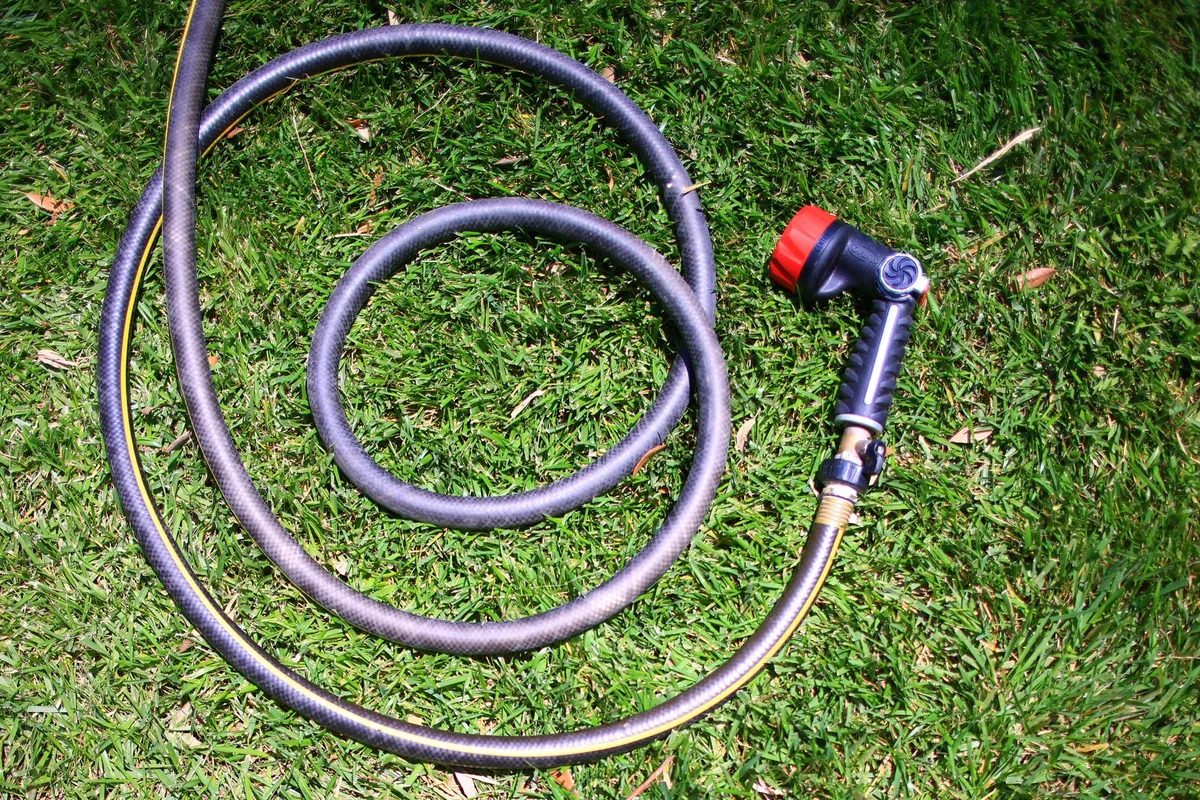
Follow these steps in order:
- Turn off the water at the spigot. If you have an interior shutoff for the outdoor line, close that too.
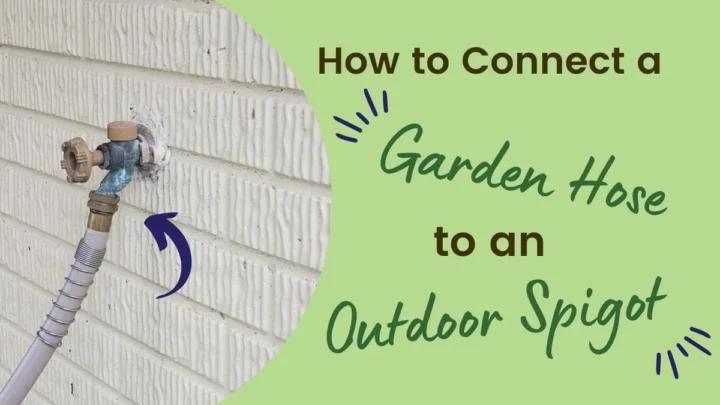
- Unscrew the hose from the faucet. This step protects your indoor pipe.
- Open the faucet briefly to let any water in the stem drain out.
- Stretch the hose downhill or across a slope. Walk its length so water runs out the low end.
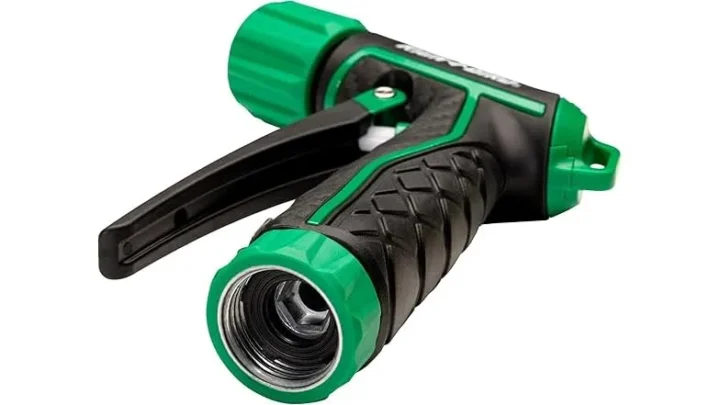
- Drain any attachments. Sprayers, nozzles, and quick-connects hold water and crack easily. Remove and empty them.
- Coil it loosely and store it off the ground, ideally indoors or in a shed.
Two pointers that make a real difference. Draping the hose over a fence rail lets both ends drip dry. And if you run a drip system, blow those lines out with compressed air the same day, since they hold water in low spots just like a hose.
Keep the coils loose and wide. Tight coils trap water in the bends, and those pockets are exactly where a frozen hose kinks or splits.
Storing the Hose: Off the Ground, Loosely Coiled, Out of the Freeze
Once the hose is drained, where you put it decides how long it lasts. The ground is the worst spot. It stays cold, holds moisture, and lets leftover water pool in the low loops.
Hang it instead. A wall hook, a hose reel, or even a sturdy nail keeps the coils open and draining. Loose, wide loops beat tight ones every time.
Indoors is best, a garage or shed second, an unheated porch third. If it has to stay outside, at least get it off the concrete and under cover. Store nozzles and sprayers separately, indoors, since those small parts crack from a single hard freeze.
Protecting the Faucet After the Hose Comes Off
With the hose gone, the faucet becomes your main line of defense. How you protect it depends on what kind you have.
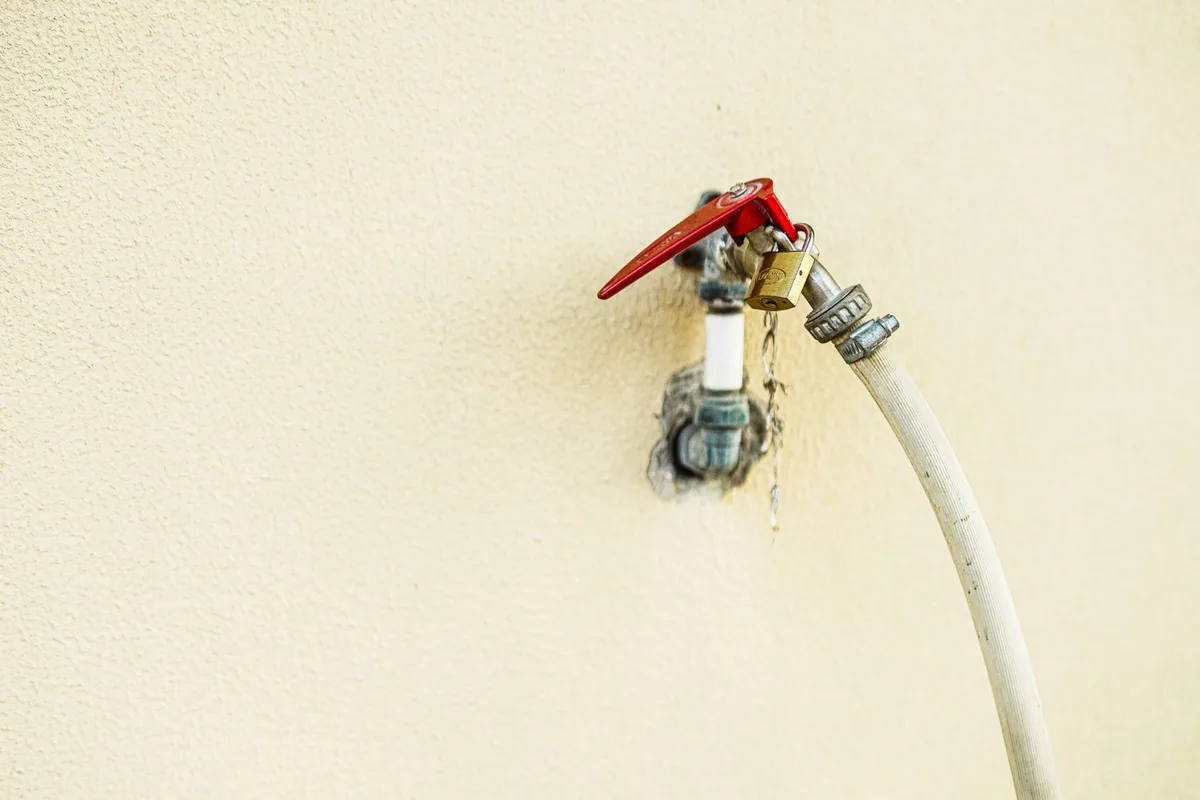
Standard Spigot Plus Interior Shutoff
If you have a standard spigot, find the interior shutoff valve on the pipe feeding it. Close that valve, then open the outdoor faucet to drain the pipe between them. Leave the outdoor tap open through winter so any trapped water has room to expand.
No interior shutoff? Then an insulated faucet cover is your backup, and disconnecting the hose matters even more. Watch the National Weather Service freeze advisories so a sudden cold snap never catches you off guard.
Frost-Free Faucet and Insulated Covers
A frost-free faucet (also called a frost-proof sillcock) shuts the water off deep inside the warm wall, not at the outside surface. That design drains the exposed stem automatically, as long as no hose is attached. Leave a hose on and it can't drain, which defeats the point.
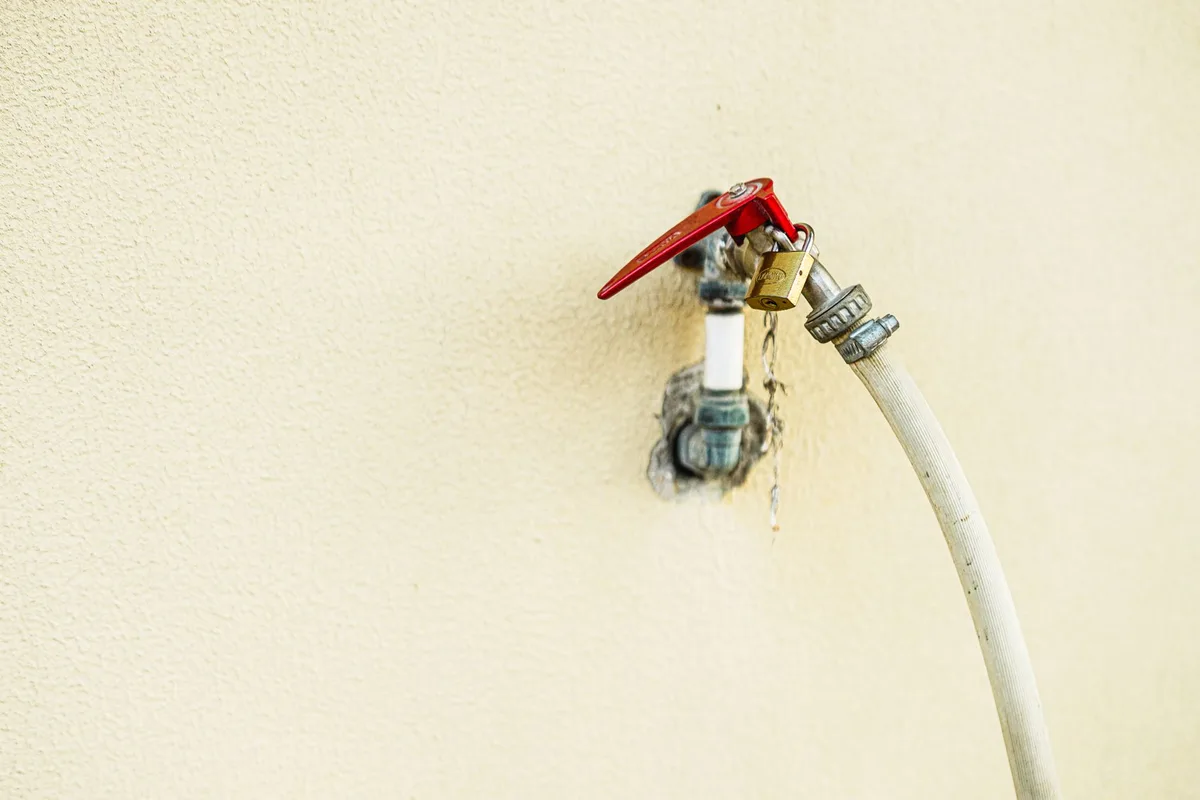
For a few dollars, a foam or hard-shell faucet cover adds insurance on the coldest nights. It slips over the spigot and traps a pocket of warmer air. Cheap, fast, and worth it in Zone 6 and colder.
Rubber vs. Vinyl: Which Hoses Survive the Cold
Rubber and hybrid hoses handle winter far better than vinyl. That gap matters most if you plan to leave a hose out, even a drained one.
| Feature | Reinforced rubber | Vinyl (PVC) |
|---|---|---|
| Cold flexibility | Stays pliable | Stiffens, cracks |
| Freeze-thaw durability | High | Low |
| Typical lifespan | 5–10 years | 1–3 years |
| Kink resistance | Better | Worse |
| Best for | Cold climates, year-round | Mild use, warm seasons |
Vinyl hoses are the ones that split over winter, even empty. Repeated freeze-thaw cycles make cheap PVC brittle, and brittle plastic cracks. If your hose feels stiff and light, it's probably vinyl.
Rubber and hybrid polymer hoses cost more upfront. But they shrug off cold, resist kinks, and last years longer. For anyone in a hard-freeze zone, that upgrade pays for itself.
Mistakes That Turn a Cheap Hose Into a Burst Pipe
Most winter hose damage comes from a handful of avoidable slip-ups. Here are the ones repair reports flag most often.
- Leaving the hose connected. The number-one mistake. It traps water in the faucet and risks the indoor pipe.
- Draining too late. Wait until after the first hard freeze and the damage may already be done.
- Coiling it tight and wet. Trapped water freezes in the bends and kinks the hose for good.
- Forgetting the nozzle. Sprayers and quick-connects hold water and crack from one freeze.
- Skipping the faucet cover on a standard spigot in a cold zone.
- Ignoring irrigation lines. Drip systems and buried lines freeze the same way a hose does.
The pattern is clear. Water left anywhere in the system is the enemy. Get it out, break the connection, and cover what's exposed.
It's the same routine you'd run closing down other parts of the garden, like winterizing a cozy cottage-style border or moving tender greenery you keep inside away from cold windows.
When a Heated Hose Makes Sense (Livestock, RVs, Winter Watering)
A heated hose earns its keep when you actually need running water through winter. For most homeowners, that's overkill. For a few setups, it's the right tool.
Heated hoses have a built-in heating element that keeps water flowing below freezing. They plug into an outlet and stay warm in deep cold, with manufacturer specs often rating them to around -40°F.
Who they suit best:
- Livestock and animal owners filling troughs daily in freezing weather.
- RV and boat owners who need a fresh-water hookup in cold months.
- Gardeners watering a greenhouse or winter crops when the tap still runs.
For everyone else, draining and storing a regular hose is cheaper and simpler. If you don't need water outdoors until spring, skip it. You'll find more cold-season prep tips across our other seasonal guides.
Spring Reconnection and Leak Check
When temperatures stay above freezing for good, bring the system back online. Don't rush it. A quick check now catches hidden winter damage before it floods a wall.
Start at the interior shutoff valve. Open it slowly and listen. Then head outside and inspect the faucet before you attach anything.
Run through these steps:
- Reopen the interior valve and turn on the outdoor spigot.
- Watch for spraying, dripping, or hissing at the faucet or inside the wall.
- Check the pipe behind the faucet if you can reach it. Damp drywall or a bulging line means a winter crack.
- Reattach the hose only after the faucet tests clean.
- Inspect the hose for cracks, stiff spots, or split couplings before first use.
If water pours from inside the wall when you open the tap, shut it off fast and call a plumber. That's the burst pipe we've been working to prevent all along.
Frequently Asked Questions
Will a garden hose freeze and burst if left full?
Yes, a hose full of water can freeze and split. Ice expands about 9% and stresses the walls and couplings. Cheap vinyl hoses crack first.
Drain the hose fully and this risk nearly disappears, even in hard-freeze zones.
Do I really need to disconnect the hose every winter?
Yes, disconnecting is the single most important step. A connected hose traps water in the faucet stem, which can freeze and crack the pipe inside your wall. Even a frost-free faucet won't drain with a hose attached.
Take it off before the first freeze.
Can I leave a hose out if it's completely drained?
Usually, yes. An empty, disconnected hose stored off the ground survives winter in most climates. Freezing air alone won't destroy rubber or hybrid hoses.
Vinyl is the exception, since repeated freeze-thaw cycles make it brittle enough to crack even when empty.
What temperature is too cold for a garden hose?
Water freezes at 32°F (0°C), but the real danger starts around 28°F (-2°C) sustained overnight. That's when a full hose or faucet reliably freezes solid. Below that, disconnect, drain, and cover any exposed spigot to stay safe.
Are faucet covers worth it?
Yes, for a few dollars they add cheap insurance. A foam or hard-shell cover traps warmer air around the spigot on the coldest nights. They matter most on standard faucets in Zone 6 and colder.
Pair one with a disconnected hose for the best protection.
Your Winter Hose Decision Guide at a Glance
Here's the whole call boiled down. Match your situation to the row and you'll know exactly what to do.
| Your setup | Can it stay out? | Do this |
|---|---|---|
| Full hose, connected to tap | No | Disconnect and drain now. Highest burst risk. |
| Drained, disconnected, hard-freeze zone | Store indoors | Bring inside or into a shed. Cover the faucet. |
| Drained, disconnected, mild winter | Yes | Hang off the ground. Cover faucet on cold snaps. |
| Vinyl hose, any cold zone | Bring inside | Store indoors or replace in spring. |
| Rubber or hybrid, drained | Yes, most climates | Loose coil, off the ground, under cover. |
The rule never really changes. Get the water out, break the connection to the house, and protect what's left exposed. Do those three things before the first hard freeze and your hose, your faucet, and your pipes all make it to spring in one piece.

Similar Posts