Can Garden Hose Be Buried Underground? What to Know
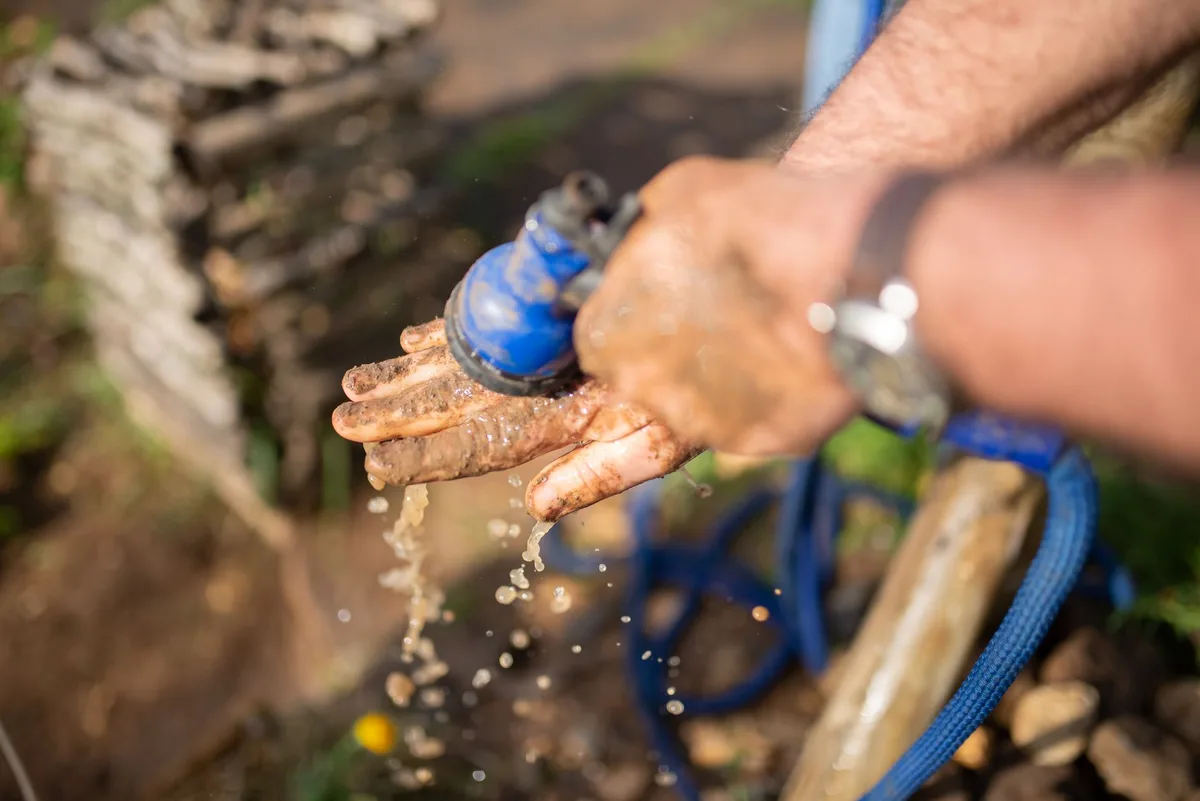
The question we hear most from homeowners is simple: can a garden hose be buried underground without turning into a buried problem? The honest answer is yes, but a standard hose was never really built for it. Bury the wrong hose the wrong way, and you'll be digging it back up by spring.
In our research, the biggest failure point isn't the burial itself. It's freezing. Trapped water expands about 9% when it turns to ice, and that's enough to split most rubber and vinyl hoses.
Whether that matters to you comes down to a few key things, so let's start there.
Quick Answer
Yes, a garden hose can be buried underground. Standard rubber and vinyl hoses aren't built for it, though. They work for seasonal, low-pressure runs only.
For permanent, year-round water lines, use poly tubing or PVC instead. Always bury below your local frost line to prevent freezing and bursting.
The Short Answer: It Depends on These 4 Things
Whether burying your hose is smart or a future headache hinges on four conditions. Run through these before you grab a shovel.
- Hose material. Rubber and vinyl degrade underground. A reinforced hose lasts longer, but none match rigid pipe.
- Pressure or drainage. A pressurized supply line has stricter rules. A gravity-fed drainage run is far more forgiving.
- Your climate. In warm zones, shallow burial is fine. In cold regions, freeze depth changes everything.
- Permanent or seasonal. A summer-only setup you dig up each fall is low-risk. A year-round line is not.
If your answers lean seasonal, warm, and low-pressure, you're in good shape. If they lean permanent, cold, and pressurized, a plain garden hose is the wrong tool. As of 2026, that basic split still drives every recommendation below.
Why a Regular Garden Hose Isn't Built for Burial
A garden hose is made to sit on the ground, get coiled up, and drain between uses. Bury it, and you strip away all three protections. Here's what goes wrong.
Rubber and Vinyl Break Down Below Ground
Constant soil contact is hard on hose material. Vinyl gets brittle, rubber softens and cracks, and moisture works into any weak spot. Roots press against the walls, and rodents chew through the softer stuff.
There's also the water sitting inside. A buried hose that never fully drains becomes a stagnant, warm pocket. That's a breeding ground for bacteria, which matters if the line feeds anything you'd call potable water.
The Freezing Problem Nobody Warns You About
This is the one that catches people off guard. Water left in a shallow-buried hose freezes solid when the ground gets cold. Ice expands, the hose can't flex enough, and the wall splits.
You won't even see it happen. Come spring, you turn on the spigot and get a soggy patch of lawn instead of pressure at the far end. Digging up a burst line is a miserable weekend, which is why depth and drainage matter so much later on.
Seasonal Burial vs. Permanent Line: Which Situation Are You In?
Almost every reader falls into one of two camps, and the right approach flips between them.
Seasonal burial means you run the hose in a shallow trench for the growing season, then pull it up before the first freeze. This is low-stakes and doable with a standard hose. Think of a summer line feeding a raised bed or a border you've dressed up with a tidy flower bed edge.
Permanent line means water stays in the pipe year-round, buried and forgotten. This is where a garden hose fails and proper materials earn their keep. If you're building out a long-term setup for a cozy cottage-style yard, skip the hose and run poly or PVC from the start.
Your climate decides how strict you need to be. A quick way to gauge your cold exposure is your USDA growing zone, and the official zone map from the USDA gives you a solid baseline. Colder zone, deeper you dig.
The Decision Tree: Should You Bury That Hose or Not?
Here's the logic we'd walk through, step by step. Follow the branch that matches your setup.
If It's Temporary and Warm-Season Only
Go ahead and bury it shallow. Use a reinforced hose, lay it 6 to 12 inches down, and pull it up before winter. Give the trench a slight slope so water drains when you disconnect it.
This is the one scenario where a plain garden hose is genuinely fine.
If You Need Water Year-Round
Don't use a garden hose. Run poly tubing or PVC below your frost line, add a low-point drain, and treat it like the permanent plumbing it is. A hose here will freeze, split, and leave you tearing up the yard to fix it.
If It Crosses a Path, Driveway, or High-Traffic Spot
Sleeve it, no matter the season. Slide the hose through a length of rigid PVC conduit before you backfill. The pipe takes the crushing load from foot and vehicle traffic, and you can pull the hose out for repairs without digging.
The same trick works when you're screening off an unsightly corner and want the water line hidden but accessible.
One rule applies to every branch: know what's already underground. Before any trench, call 811 for a free utility locate. The national Call Before You Dig service marks buried gas, electric, and water lines so you don't hit one by accident.
Garden Hose vs. Poly Tubing vs. PVC vs. PEX
If you've decided the run is permanent, the hose comes off the table and these three take over. Here's how they stack up for underground use.
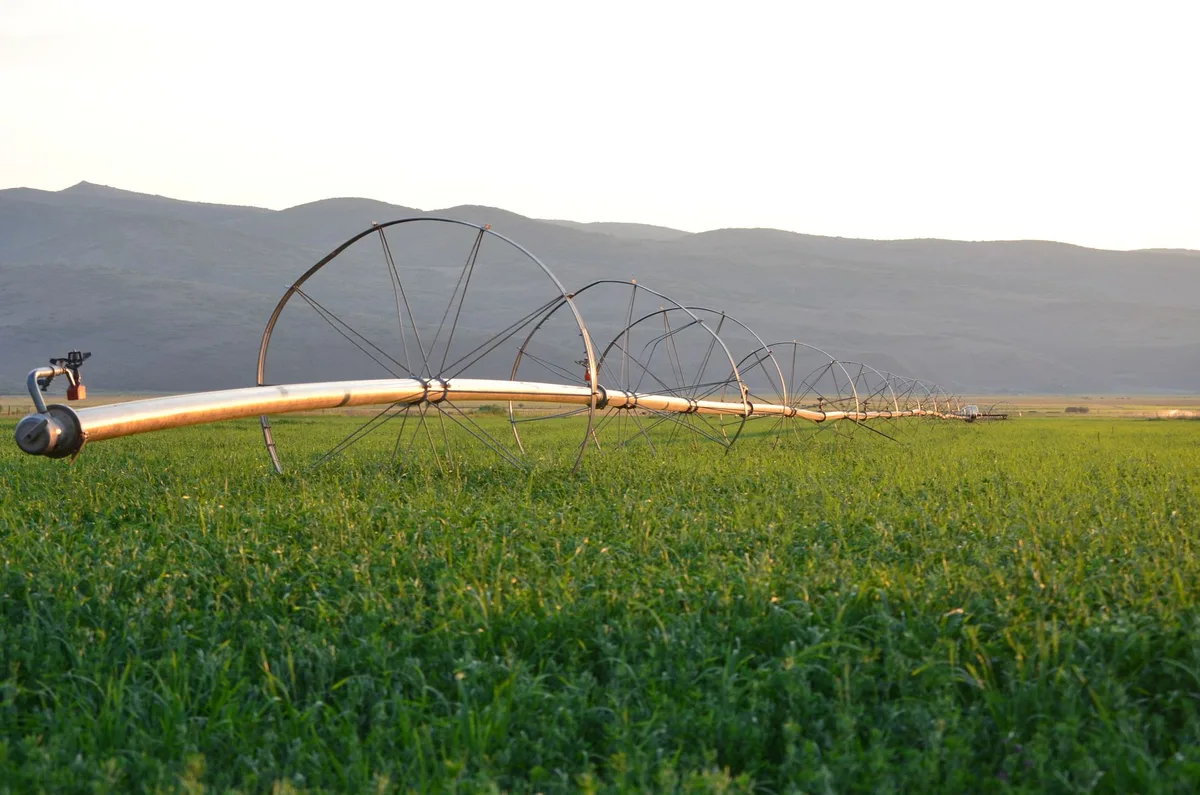
| Option | Best for | Buriable long-term? | Rough lifespan underground |
|---|---|---|---|
| Garden hose (rubber/vinyl) | Seasonal, temporary runs | No | 1 to 3 seasons |
| Poly tubing (PE) | Permanent low-pressure lines | Yes | 20+ years |
| PVC (Schedule 40) | Rigid permanent supply | Yes | 25+ years |
| PEX | Freeze-tolerant water lines | Yes | 25+ years |
A few quick takeaways:
- Poly tubing is the sweet spot for most DIY yard lines. It's flexible, cheap, and rated for direct burial, usually at 100 to 160 PSI.
- PVC is rigid and rugged, ideal where you want a fixed, protected run. It's the go-to for the sleeve trick above.
- PEX handles freezing better because it can expand slightly without splitting. That makes it a favorite in cold climates.
The garden hose only wins on one thing: convenience for a quick, pull-it-up-later setup. For anything you plan to leave in the ground, one of the other three will outlast it many times over. That same "right material for the job" thinking applies whether you're running water or picking out durable metal boundary panels for the property line, and it's a theme we come back to often on our gardening notes.
How Deep to Bury It (and Why Your Frost Line Decides)
Depth is the single number that makes or breaks a buried line. For a seasonal hose you'll pull up each fall, 6 to 12 inches is plenty. For anything that stays in the ground through winter, get below the frost line.

The frost line is how deep the ground freezes in your area. It swings hard by region. Southern states may see just a few inches, while northern states can freeze past 40 or even 60 inches down.
Here's the simple rule:
- Seasonal hose: 6 to 12 inches deep, slight slope for drainage.
- Permanent line, mild climate: 12 to 18 inches, still below typical frost.
- Permanent line, cold climate: below your local frost depth, often 24 to 48 inches.
Not sure of your local number? Your county building department or a local plumber can tell you the code-required depth. When in doubt, dig deeper.
A line one foot too shallow is the one that splits.
Burying a Hose the Right Way, Step by Step
Once you've picked your depth, the install is straightforward. Rushing it is where most leaks come from, so work through these in order.
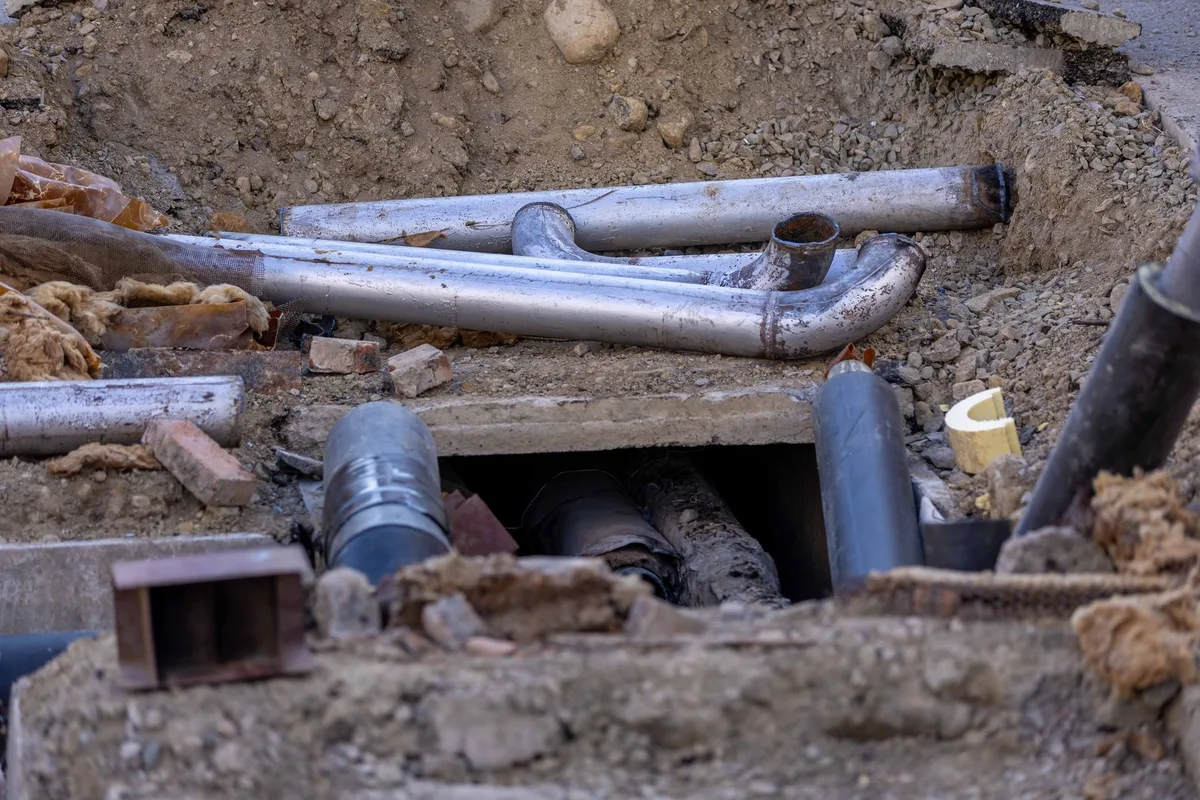
Call 811 Before You Dig
Call 811 first, every single time. It's free, and crews come mark your buried utilities within a few business days. Hitting a gas or power line is dangerous and expensive, so this step is never optional.
Trenching, Sleeving, and Backfilling
Dig your trench to the depth you settled on. Keep the bottom smooth so sharp rocks don't press into the hose over time.
For any high-traffic crossing, slide the hose through a rigid PVC sleeve before laying it in. Then backfill in layers, tamping the soil gently as you go. Loose fill settles later and leaves dips in your lawn.
Adding a Drain Point and Testing for Leaks
Set the lowest end of the run with a drain valve so water can escape before a freeze. Slope the whole line slightly toward that point.
Before you cover everything, turn the water on and check every fitting. A slow drip at a coupling is easy to fix now. It's a dig-up job once the trench is filled.
Winterizing a Buried Hose So It Doesn't Burst
Winterizing means getting every drop of water out before the freeze. This step saves a seasonal hose, and it takes ten minutes.
Shut off the supply at the spigot. Open the far end and the low-point drain, then let gravity empty the line. If you have an air compressor, a quick blow-out clears water hiding in low spots.
For a hands-off setup, pull the hose up entirely each fall. Coil it, store it in a shed or garage, and relay it in spring. That's the safest option and adds years to the hose's life.
If the line is permanent and buried below frost, still add a drain valve at the low point. Cold snaps sometimes reach deeper than expected. A drained pipe can't burst, no matter how far the frost creeps.
Mistakes That Turn a Buried Hose Into a Buried Headache
Most buried-hose failures trace back to the same handful of errors. Dodge these and you'll rarely dig twice.
- Burying too shallow. The number one cause of freeze splits. Match your depth to the frost line, not to how tired you are of digging.
- Skipping the 811 call. Guessing where utilities run is a gamble with real safety stakes.
- No slope or drain. Flat trenches trap water. Trapped water freezes and bursts.
- Using a cheap vinyl hose permanently. It'll rot and kink underground. Upgrade to poly or PVC for anything long-term.
- Backfilling over rocks. Sharp stones wear a hole through the wall under constant pressure.
One more that catches people: forgetting where the line runs. Snap a few photos of the open trench and note the distances. Next time you plant a tree or set a post, you'll know exactly what's down there.
Best For, Skip It: Who Should Bury a Hose and Who Shouldn't
Burying a garden hose makes sense for some setups and not others. Here's the honest split.
Bury a hose if you:
- Only need water during the growing season.
- Live somewhere with mild winters or plan to drain it fully.
- Want a quick, low-cost run to a bed, planter, or nearby tap.
- Can pull it up and store it each fall.
Skip the hose and use poly or PVC if you:
- Need water year-round without touching it.
- Live where the ground freezes hard.
- Run a pressurized line to a shed, hydrant, or outbuilding.
- Want something you install once and forget for 20 years.
For folks tending containers and greenery closer to the house, a simple above-ground line or drip kit often beats burying anything, much like how thriving indoor greenery rarely needs elaborate plumbing. Match the effort to the job, and the hose stays a tool instead of a problem.
Permits, Utility Lines, and Backflow Rules to Check First
A quick paperwork check saves you real trouble later. Most seasonal, pull-up hose runs need no permit. Permanent buried water lines are a different story.
If you're tying into your home's potable supply, many areas require a permit and a backflow preventer. That device stops dirty groundwater from siphoning back into your drinking water. It's a health rule, not red tape, so don't skip it.
Call your local building department before a permanent install. Ask about required depth, permits, and backflow rules for your area. HOA neighborhoods may add their own restrictions on trenching and outdoor plumbing.
And it bears repeating: locate your utilities before every dig. The free 811 service marks gas, electric, water, and telecom lines so your shovel never finds them the hard way.
Frequently Asked Questions
Can you bury a garden hose without any protection?
You can for a seasonal, shallow run, but a sleeve is smarter. Bare hose faces roots, rocks, and rodents that shorten its life. Sliding it through PVC conduit protects the wall and lets you pull the hose for repairs without digging the whole trench again.
How long will a buried garden hose actually last?
A standard rubber or vinyl hose usually lasts one to three seasons underground. Constant soil moisture, pressure, and freeze cycles wear it down fast. For a line that lasts 20 years or more, poly tubing or PVC is the right call, not a hose.
Will a buried hose freeze and burst in winter?
Yes, if water stays trapped inside and the ground freezes. Ice expands and splits the wall. Prevent it by burying below the frost line, sloping the line to a drain valve, or pulling the hose up and storing it each fall.
Can a buried garden hose be used for drinking water?
Only if it's rated safe for potable water and stays clean inside. Many hoses leach chemicals and grow bacteria when water sits idle underground. For drinking water lines, use potable-rated poly or PEX and add a backflow preventer where required.
How deep should a permanent water line be buried?
Below your local frost line, which ranges from a few inches in warm states to 48 inches or more up north. In mild climates, 12 to 18 inches often works. Your county building department can confirm the code-required depth for your area.
The Verdict: Bury It, Sleeve It, or Upgrade the Line
Here's where it all lands. Burying a garden hose works fine for one job: a seasonal, low-pressure run you'll drain or dig up before winter. Keep it shallow, slope it, and store it in the cold months.
Cross a driveway or busy path? Sleeve the hose in PVC so foot and vehicle traffic can't crush it. That single step turns a fragile run into a durable one you can service later.
Need water year-round, or live where the ground freezes hard? Upgrade the line. Run poly tubing or PVC below the frost line, add a drain valve, and install it once.
You'll skip the burst-and-dig cycle for decades.
Match the material to the job and the depth to your climate. Do that, and your buried water line stays out of sight and out of mind, exactly where you want it.

Similar Posts