Garden Hose Backflow: Could It Contaminate Your Drinking
Can water in a garden hose flow backward into household drinking water? Yes, it can, and it’s a real contamination risk that most homeowners overlook. Per CDC guidance, backsiphonage from outdoor hoses is a leading cause of residential cross‑connection events.
A simple pressure drop can pull bucket water, chemicals, or bacteria straight into your pipes.
The fix is often inexpensive and takes minutes. As of 2026, plumbing codes in all 50 states require vacuum breakers on hose bibbs, yet an estimated 40% of older homes still have unprotected spigots. Here’s what you need to know to keep your drinking water safe.
Quick Answer
Yes. Water in a garden hose can flow backward into household drinking water. This happens through a process called backflow.
Backflow occurs when water pressure drops inside your home’s pipes. That pressure drop creates suction. The suction pulls water from your hose into your plumbing.
A vacuum breaker on your outdoor faucet prevents this.
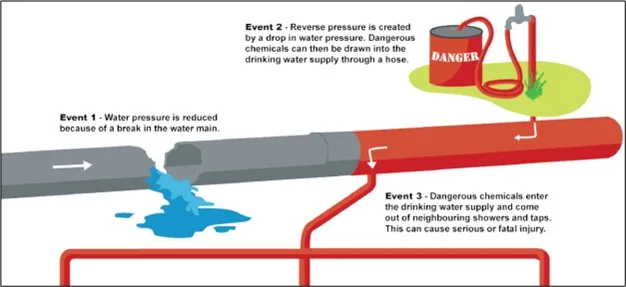
Image source: Bing (Web (fair-use with source credit))
The Quiet Danger in Your Garden Hose
Could Your Outdoor Spigot Contaminate Your Drinking Water?
Absolutely, and it’s easier to happen than most people realize. Your garden hose is just a tube, but when its end sits in standing water, it becomes a direct link between your yard and your home’s potable water supply. If pressure inside your house’s pipes falls even briefly, that connection can reverse.
Dirty water flows backward, bypassing every filter and treatment system you rely on.
This isn’t a rare edge case. Plumbing experts call it a “cross‑connection,” and it’s one of the most common sources of residential water contamination. The danger is especially high during summer months when hose usage peaks and municipal systems experience heavy demand.
A single moment of negative pressure can pull contaminants into your drinking water in seconds.
The good news is that prevention is straightforward. Most modern outdoor faucets come with a built‑in vacuum breaker, a small device that vents air into the line if suction starts, breaking the siphon before any contaminated water can be pulled backward. If your home was built after the early 1990s, you likely already have this protection.
Older homes are a different story.
We’ll show you exactly how to check your spigots, identify what’s missing, and upgrade what’s vulnerable. It’s a five‑minute inspection that could protect your family from chemical exposure, bacterial contamination, or worse.
Why This Matters More Than You Think
Backflow isn’t just an annoyance, it’s a public‑health issue. The EPA and CDC flag cross‑connections as a leading cause of drinking‑water contamination in residential settings. When backsiphonage occurs, you’re not just dealing with a little murky water in your hose.
You’re potentially introducing fertilizers, pesticides, pet waste, algae treatments, and other chemicals into the pipes that feed your kitchen tap.
Consider what’s typically sitting at the end of a garden hose:
- A bucket of water used for washing cars or cleaning decks
- A pond or pool where the hose end rests
- A container holding mixed lawn chemicals or herbicides
- A rain barrel or cistern collecting runoff
All of these can become contaminated sources. Once water flows backward, it travels through your home’s plumbing and can exit any cold‑water faucet, appliance line, or drinking‑water fixture. The risk isn’t limited to drinking water, you could also contaminate water used for cooking, brushing teeth, or preparing baby formula.
A single backflow event doesn’t always cause immediate illness, but repeated exposure to low‑level contaminants adds up. Chemical residues like those from hose‑end sprayers can cause gastrointestinal distress, skin irritation, or long‑term health effects. Bacterial contamination from standing water can introduce E. coli or other pathogens into your supply.
The consequences range from mild discomfort to serious illness.
That’s why plumbing codes mandate backflow prevention on every outdoor faucet. It’s a simple, proven safeguard, and one that’s too easy to overlook until it’s too late.
How Backflow Actually Works
Water always moves from high pressure to low pressure. Under normal conditions, municipal or well pressure pushes water through your pipes and out your faucet. When you attach a hose, that flow continues outward.
But two specific scenarios can reverse that direction entirely.
Backsiphonage happens when a sudden drop in supply‑line pressure creates a vacuum effect. Common triggers include:
- A water main break nearby
- Heavy firefighting activity drawing down local pressure
- Multiple high‑demand appliances running simultaneously inside the house
- A pump failure in your private well system
When pressure inside your home’s pipes falls below atmospheric pressure, water from anywhere connected to the system, including your garden hose, gets sucked backward. If that hose end is submerged in a bucket, pond, or chemical mix, the contaminated water follows the path of least resistance straight into your drinking supply.
Backpressure is a different mechanism. It occurs when an external source has higher pressure than your household lines. This might happen if:
- A sprinkler system is boosted by its own pump
- A hose is connected to a pressurized container or tank
- A contractor uses a pressure washer fed from your outdoor spigot
In backpressure scenarios, the external pressure actively pushes water backward into your pipes, even without a vacuum effect.
Both pathways rely on one critical condition: a direct connection between your potable water system and a non‑potable source. Without that physical link, backflow can’t occur. With it, even a brief pressure drop is enough to reverse the flow.
Understanding which type you’re dealing with matters because the prevention method can differ. A basic atmospheric vacuum breaker (AVB) stops backsiphonage but won’t protect against backpressure. Irrigation systems or commercial setups often require a more robust reduced‑pressure zone (RPZ) assembly.
We’ll cover what each device does and where it’s required.
Who’s Most at Risk
Not every home faces the same level of danger, but certain situations significantly increase your odds of a backflow event.
Older homes are the biggest vulnerability. Properties built before 1990 often lack vacuum breakers on outdoor faucets. Plumbing codes have tightened over the decades, but millions of homes still have original spigots with zero backflow protection.
If you’ve just moved into an older house, your first step should be inspecting every exterior faucet.
Homeowners who leave hoses connected are at daily risk. Even a short hose end resting in a puddle after watering creates a direct cross‑connection. The longer the hose stays attached, the longer the window for a pressure event to trigger backflow.
We recommend disconnecting and draining hoses when not actively in use.
Anyone using hose‑end sprayers or submerging hose ends should be especially cautious. Chemical mixes, fertilizers, and pool treatments become concentrated contaminants if sucked backward. A hose sitting in a bucket of soapy water or a pond with algae treatments is essentially a straw waiting to siphon toxins into your home.
Properties with irrigation systems often require more than a basic AVB. Sprinkler setups can create backpressure conditions, and many local codes mandate tested RPZ or PVB devices. If you have a landscaped yard with automatic watering, your system may already include professional‑grade prevention, but it still needs annual inspection.
Renters and new homebuyers should verify existing fixtures before assuming safety. Landlords are responsible for code‑compliant plumbing, but many never upgrade older spigots. A quick visual check during a walkthrough can reveal exactly what needs attention.
If any of these describe your situation, read on. We’ll walk you through a five‑minute inspection and show you how to fix what’s missing.
How to Check Your Outdoor Faucets Right Now
Grab a flashlight and walk outside to every hose bibb, the technical term for an outdoor spigot. You’re looking for one feature: a vacuum breaker. It’s usually a small brass or chrome cap protruding about an inch from the faucet body, or a visible vent port near the spigot’s neck.
If you see it, your fixture is protected. If you see a plain, smooth spigot with nothing attached, you need to take action.
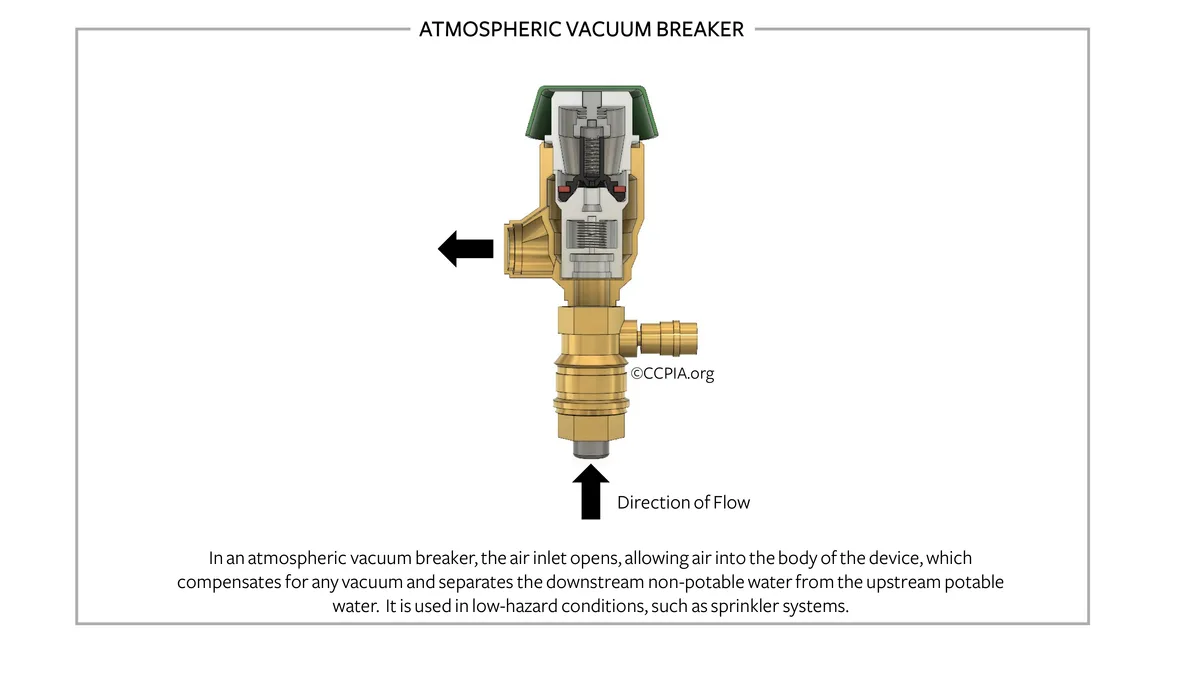
Image source: Web (Bing) / storage.googleapis.com (Web image (fair-use with source credit))
Here’s what to look for:
Signs of a safe fixture:
- A small cap or vent on the faucet body within two feet of the spigot
- A label or stamp reading “AVB,” “vacuum breaker,” or showing an ASSE certification number
- A visible air inlet port that breaks the siphon if pressure drops
Red flags that mean no protection:
- A smooth, unadorned spigot with no attachments or vents
- An older faucet that appears original to the home and shows signs of wear
- Any spigot where the hose threads connect directly to bare pipe
If you’re unsure whether a feature counts as a vacuum breaker, compare your faucet to the image above. A true AVB has a distinct raised cap or side vent; a plain spigot does not.
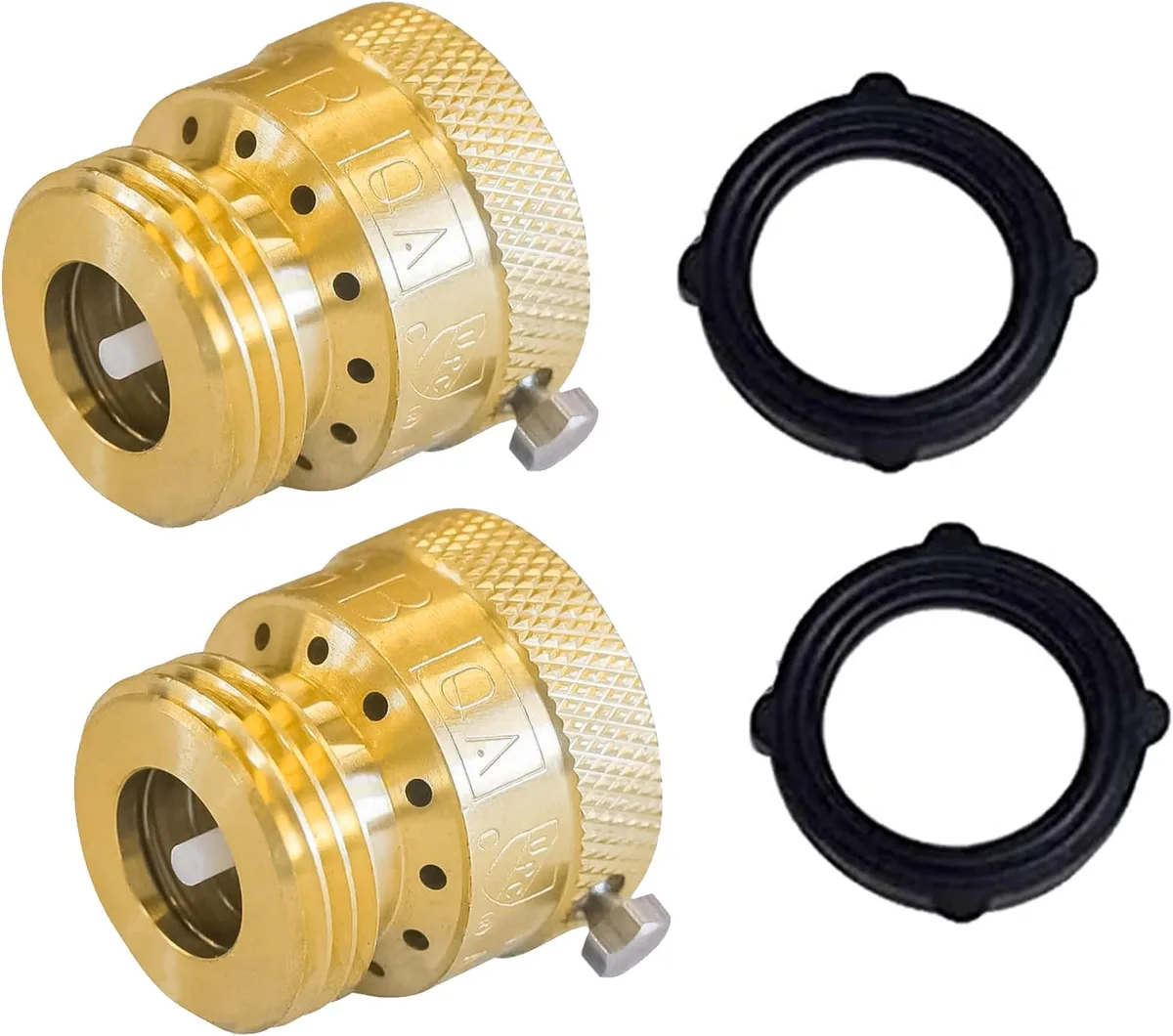
Image source: Web (Bing) / amazon.com (Web image (fair-use with source credit))
Still uncertain about your setup? Take a close‑up photo and compare it with manufacturer diagrams, or call a licensed plumber for a quick verification. It’s a five‑minute call that could save you from a much costlier mistake later.
Once you’ve identified which faucets need upgrades, we’ll show you exactly what to install and how to do it yourself, or when to hire a pro.
What to Do If Your Faucet Has No Backflow Protection
First, don't panic. This is fixable, and the solutions range from cheap and simple to more involved upgrades.
Option 1: Install a hose bibb vacuum breaker
This is a small brass device that screws between your existing spigot and your hose. Most cost between $15 and $40 and install in minutes with nothing more than an adjustable wrench. Look for one stamped with ASSE 1019 or CSA B64.4 certification.
This is the best fix for most homes and takes about five minutes to complete.
Option 2: Replace the entire faucet with a vacuum breaker model
If your current spigot is old, corroded, or lacks threads for an add-on device, swap it out entirely. A new AVB-equipped hose bibb runs $30 to $100 and is a straightforward job for anyone comfortable with basic plumbing. Make sure the new fixture matches your existing thread size, which is typically three-quarter inch GHT.
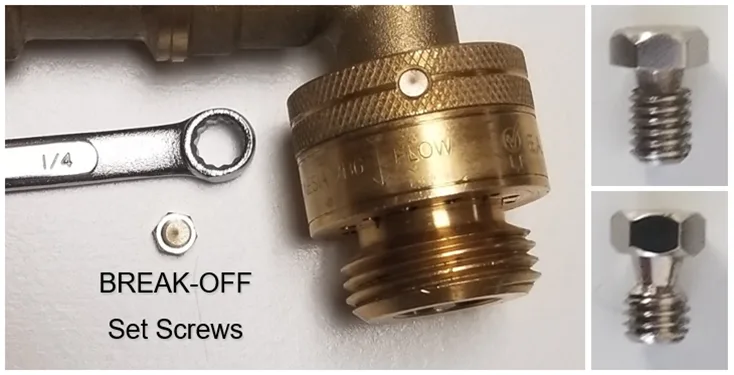
Image source: Web (Bing) / support.boshart.com (Web image (fair-use with source credit))
While you sort this out, follow these rules immediately:
- Never leave a hose connected to an outdoor spigot when you're not actively using it
- Never let a hose end sit submerged in a bucket, pond, pool, or chemical mix
- Disconnect and drain your hose after every use to prevent standing water from creating a siphon risk
- If you notice discolored water or an odd taste after a known pressure event, run your cold taps for a few minutes before using drinking water
These habits significantly reduce risk even before you install permanent prevention hardware.
When to Call a Professional
Some situations demand more than a hardware store trip. Call a licensed plumber if any of these apply to your home.
You have a dedicated irrigation or sprinkler system
These setups often require a pressure vacuum breaker (PVB) or reduced pressure zone (RPZ) assembly. Local codes frequently mandate professional installation and annual testing for these devices. A DIY approach won't satisfy inspection requirements.
You've noticed water quality issues after a pressure event
Discolored water, sediment, or unusual taste following a water main break or neighborhood firefighting activity suggests possible contamination. A plumber can flush your system and test for cross-connection points.
Your outdoor faucets are inaccessible or part of a complex setup
Buried spigots, underground supply lines, or multi-story homes with exterior faucets on different levels need expert assessment. Improper prevention device placement can void your plumbing warranty.
You're preparing to sell your home
Many municipalities require a plumbing inspection before sale. Unprotected outdoor faucets can become a negotiation point or a required repair. Getting ahead of this saves time and money during closing.
Your local code mandates periodic backflow device testing
RPZ assemblies and some PVBs require annual certification by a licensed tester. If you're unsure about your obligation, check with your local building department or review your municipal plumbing code.
A professional inspection typically costs between $75 and $200 depending on your area and scope. Compared to water system remediation or a health emergency, that investment is trivial.
Real-World Scenarios That Show Why This Matters
Let's look at what actually happens when backflow goes unchecked. These aren't hypothetical edge cases.
The bucket incident
A homeowner fills a bucket from their garden hose to water potted plants. The hose stays in the bucket overnight. The next morning, the city runs a fire hydrant nearby, causing a neighborhood pressure drop.
The bucket water, containing soil bacteria and possibly fertilizers, siphons back through the hose and into the home's plumbing. Residents don't notice anything unusual until they drink the water and get sick.
The chemical sprayer mistake
A gardener attaches a hose-end sprayer filled with pesticide to an outdoor spigot. A water main break causes backsiphonage. The pesticide concentrate reverses through the hose and into the household water supply.
The homeowner flushes their system weeks later because they didn't know backflow was possible.
The pool drain disaster
Someone uses a submersible pump to drain an above-ground pool through their garden hose. The hose end sits in the pool water. When the pump creates negative pressure, pool water containing algae treatment chemicals flows backward into the home's plumbing.
All three scenarios are documented backflow pathways that plumbing codes exist specifically to prevent. The common thread is a direct hose-to-standing-water connection without a vacuum breaker. Adding a $20 device eliminates that risk entirely.
FAQs About Backflow and Garden Hoses
Can tap water get contaminated from a garden hose?
Yes. If your outdoor hose connects to a spigot without a backflow preventer and the hose end sits in standing water during a pressure drop, contaminated water can flow backward into your drinking supply.
How do I know if my outdoor faucet has a vacuum breaker?
Look for a small cap or vent on the faucet body, usually within two feet of the spigot. A plain, smooth spigot with no attachments almost certainly lacks protection. Check for ASSE or CSA certification labels as well.
What's the difference between backsiphonage and backpressure?
Backsiphonage is caused by a pressure drop in your home's supply lines, creating suction that pulls water backward. Backpressure happens when an external source has higher pressure than your household supply, pushing contaminated water into your pipes.
Is backflow prevention required by code?
Yes, in most jurisdictions. Both the Uniform Plumbing Code and International Plumbing Code require vacuum breakers or equivalent protection on all outdoor hose bibbs. Local amendments may add further requirements.
How much does it cost to install a backflow preventer?
A basic hose bibb vacuum breaker runs $15 to $40 in parts and takes minutes to install. Full faucet replacement with an integrated AVB costs $30 to $100 plus labor if you hire someone. RPZ or PVB assemblies for irrigation systems range from $100 to $400 in parts and require professional installation.
Can I use my garden hose safely without a backflow preventer?
Only if you never leave the hose end submerged or in standing water and disconnect it when not in use. These habits reduce risk significantly but don't eliminate it entirely. A pressure event can still pull surface water backward through an open hose.
The Bottom Line
Your garden hose is a simple tool, but the connection between it and your drinking water is anything but simple. Backflow is real, it's preventable, and the fix is usually small and inexpensive.
Check your outdoor faucets today. If they don't have vacuum breakers, install one this weekend. Never leave a hose submerged in standing water.
And when in doubt, call a plumber.
Your drinking water is worth five minutes of your time.

Similar Posts