Why Does Water Pressure Drop When the Hose Flows?
You're at the spigot with your garden hose, ready to water the lawn, but the pressure seems weak compared to what you expected. That's the classic static versus flowing pressure puzzle. Why is static water pressure different from pressure while a garden hose is flowing?
The answer comes down to how water moves through pipes and hoses, creating friction that steals energy from your system.
Per American Water Works Association standards, typical residential static pressure ranges from 40 to 80 PSI, but flowing pressure often drops significantly depending on hose length and diameter. A short 25-foot 5/8-inch hose might lose only 3 to 5 PSI, while a 100-foot 1/2-inch vinyl hose can drop 15 to 25 PSI or more at the same flow rate. Understanding this difference helps you diagnose weak hose performance and choose the right equipment.
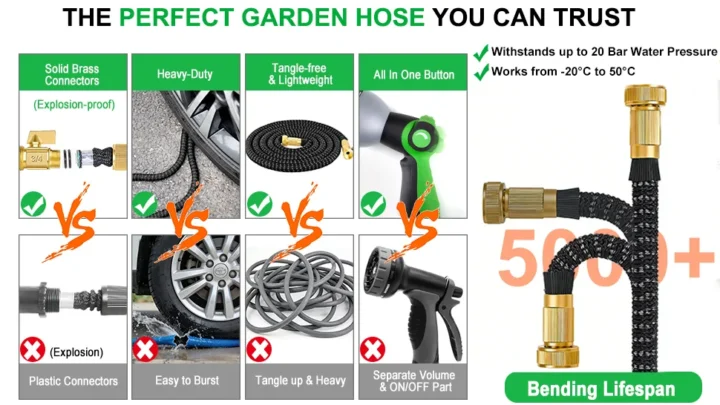
Image source: Web (Bing) / exploramadeira.com (Web image (fair-use with source credit))
Quick Answer
Why is static water pressure different from pressure while a garden hose is flowing? Static pressure measures water sitting still in your pipes, typically 40 to 80 PSI for most homes. Flowing pressure drops because water moving through pipes, fittings, and hoses creates friction that consumes energy.
The faster water flows, the more friction loss occurs. This is normal physics, not a plumbing problem. A typical garden hose running at 5 GPM might see a 5 to 15 PSI drop depending on hose size and length.
Static Pressure vs Flowing Pressure — The Core Difference Explained
Static pressure and flowing pressure sound similar, but they describe two completely different states in your plumbing system. Understanding which one you're measuring changes how you interpret weak hose performance.
Static pressure is what you see when no water is moving. It represents the potential energy waiting in your pipes, pushed by the municipal water main or your private well system. This is your baseline reading, and it tells you what your supply is capable of delivering under ideal conditions.
Flowing pressure appears the moment you open a valve or turn on a faucet. Water starts moving, and friction immediately kicks in. Every foot of pipe, every elbow fitting, and every foot of hose works against the water, consuming energy and dropping pressure along the way.
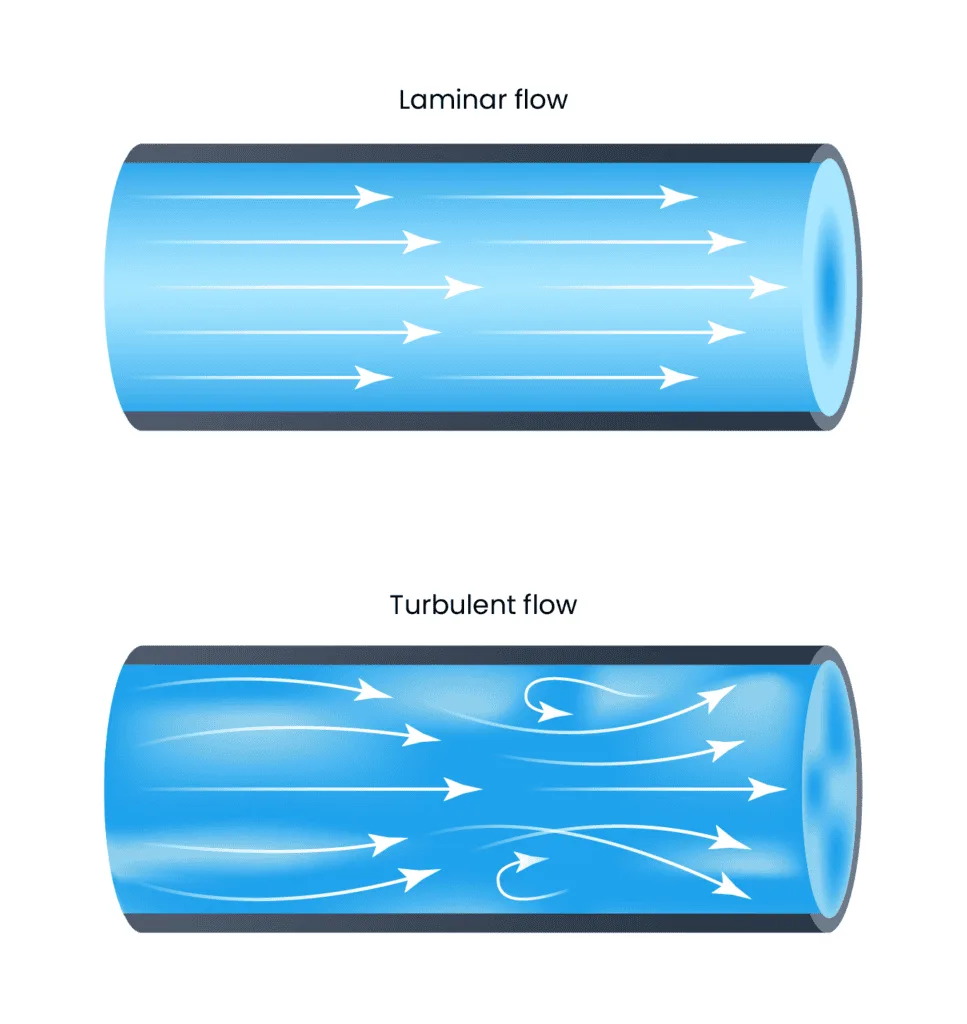
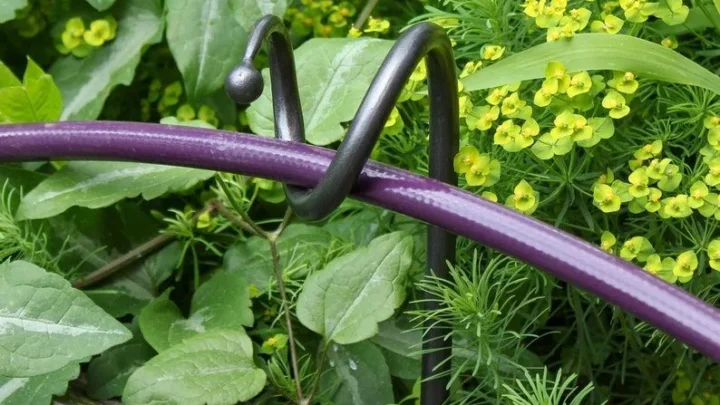
Image source: Web (Bing) / light.lab15.de (Web image (fair-use with source credit))
The key insight is simple: static pressure shows you what's available, while flowing pressure shows you what actually reaches your nozzle after friction takes its cut. If your static pressure reads 60 PSI but your flowing pressure drops to 35 PSI when the hose runs, that 25 PSI loss is purely friction fighting through your plumbing and hose setup.
This friction loss follows predictable patterns based on flow rate, pipe diameter, and hose length. A wider hose loses less pressure than a narrow one. Shorter runs beat longer runs every time.
Understanding these relationships helps you predict performance before you buy equipment or start a project.
Side-by-Side: Static Pressure vs Flowing Pressure
When you're troubleshooting garden hose pressure, knowing the difference between static and flowing readings prevents misdiagnosis. Many homeowners blame their hose for weak pressure when the real issue lies elsewhere in the system.
| Factor | Static Pressure | Flowing Pressure |
|---|---|---|
| Water state | Stationary, no movement | Actively flowing through pipes and hoses |
| Typical range | 40 to 80 PSI | Often 20 to 50 PSI lower than static |
| What it measures | Available supply potential | Actual pressure after friction losses |
| Main影响因素 | Municipal supply or well tank | Pipe friction, hose diameter, nozzle restriction |
| When to measure | No fixtures running anywhere | At least one fixture actively running |
Static pressure measurements matter when you're evaluating your home's overall plumbing health. If your static reading sits above 80 PSI, ASPE guidelines recommend installing a pressure reducing valve to protect pipes and fixtures from damage. Readings below 40 PSI might indicate supply issues or undersized service lines.
Flowing pressure tells you what actually reaches your tools and equipment. A 60 PSI static reading means nothing if your 100-foot narrow hose drops to 30 PSI by the time water reaches the nozzle. That's why measuring both numbers separately gives you the complete picture.
The gap between these two readings reveals your system's friction losses. Small gaps mean efficient plumbing. Large gaps point to restrictions, old pipes, or hoses that are too long or too narrow for your needs.
Real Scenarios: When the Drop Is a Problem vs When It's Normal
Not all pressure drops signal trouble. Some are just physics doing their job, while others reveal real issues that need attention. Learning the difference saves you money and frustration.
Normal scenario: You attach a 25-foot 5/8-inch reinforced hose and see a 4 PSI drop from static to flowing. This is textbook performance. The minor friction loss simply reflects water moving through a reasonably sized hose over a short distance.
Nothing needs fixing.
Problem scenario: Your static pressure reads 55 PSI, but your flowing pressure plummets to 20 PSI when the hose runs. This 35 PSI drop screams restriction somewhere in your system. Possible causes include a kinked hose, a partially closed valve, clogged nozzle screens, or corroded interior pipe surfaces from years of hard water buildup.
Shared supply scenario: You notice weak hose pressure only when someone flushes a toilet or runs an indoor shower. This points to a shared supply line doing double duty. The simultaneous demand exceeds what your service line can deliver at adequate pressure.
Installing a dedicated outdoor line or adding a booster pump might be necessary.
Aging infrastructure scenario: Homes with original galvanized steel pipes often show dramatically higher friction losses than modern PEX or copper systems. Corrosion builds up inside pipe walls, reducing effective diameter and increasing resistance. If your house predates 1970, consider upgrading your service line to restore proper flow.
Well system scenario: Private wells behave differently than municipal supplies. Well pressure depends on tank settings and pump capacity, not just elevation. If your well tank is set to 50 PSI but your pump delivers only 3 GPM, any high-demand fixture will cause visible pressure drops.
The solution involves matching pump output to household needs.
Recognizing these patterns helps you focus troubleshooting efforts where they matter most instead of wasting money on unnecessary equipment upgrades.
How to Test Your Own Pressure (Step-by-Step)
Measuring your water pressure takes five minutes and costs about $15 for a basic gauge. This simple test reveals whether your low hose pressure stems from your supply or your equipment setup.
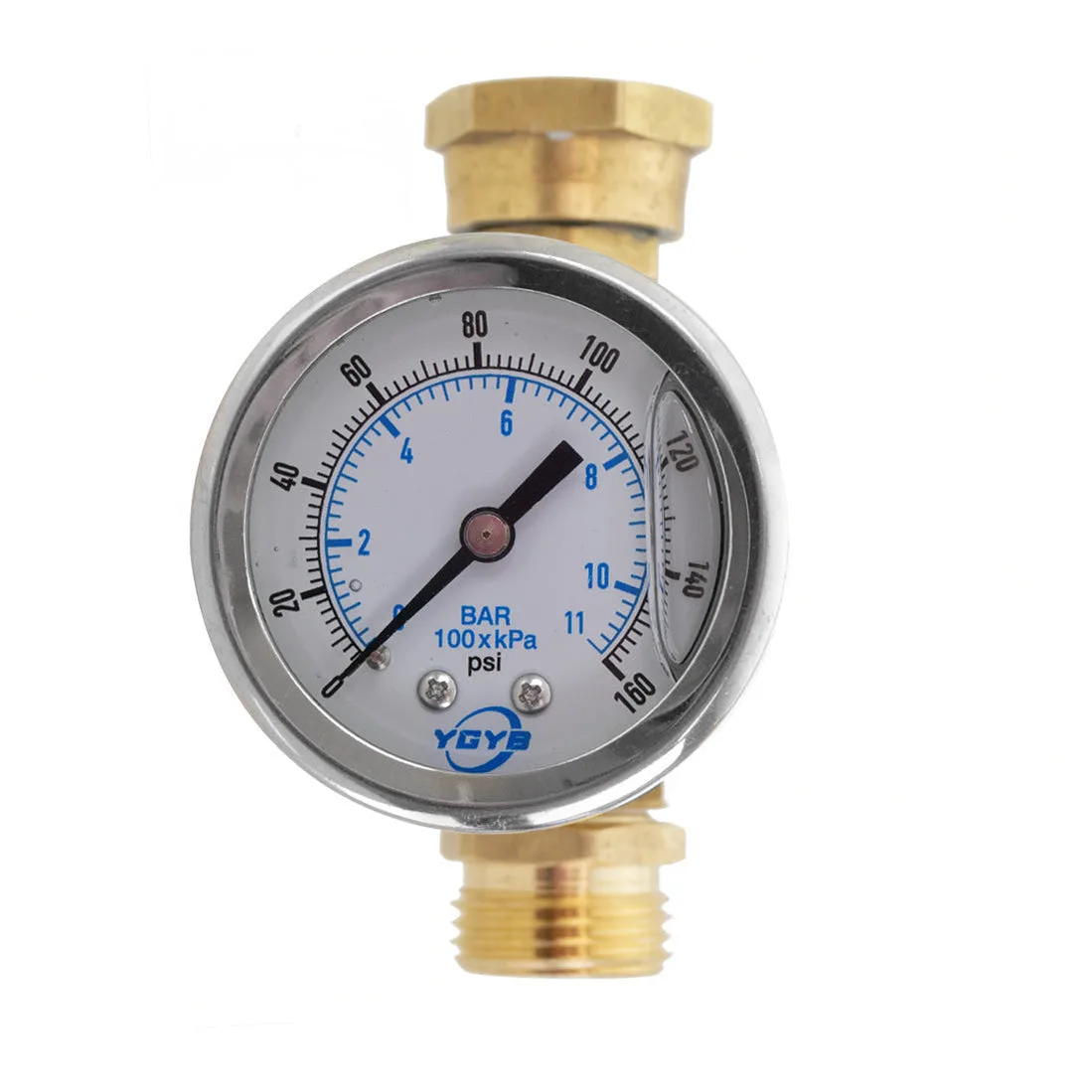
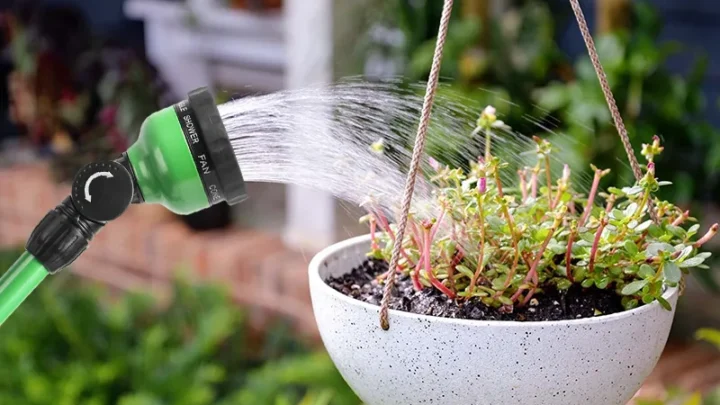
Image source: Web (Bing) / xeroproducts.com (Web image (fair-use with source credit))
What you need:
- An exterior-rated pressure gauge with 1/2-inch or 3/4-inch male pipe threads
- Adjustable wrench (optional, for tight connections)
- Teflon tape for thread sealing
Step 1: Measure static pressure. Attach the gauge to an outdoor spigot with no water running anywhere in the house. Turn the spigot fully open and wait five seconds for the reading to stabilize. Record this number as your static pressure.
Step 2: Measure flowing pressure. Keep the gauge attached and open the spigot fully while running water through your garden hose at normal flow. Record the new reading as your flowing pressure. Make sure no other fixtures operate during this test.
Step 3: Calculate and interpret. Subtract flowing pressure from static pressure to find your system's friction loss. A drop under 10 PSI indicates healthy plumbing. A drop between 10 and 20 PSI warrants investigation.
Drops exceeding 20 PSI signal serious restrictions requiring immediate attention.
Step 4: Compare against expectations. Use friction loss tables from hose manufacturers to verify whether your measured loss matches theoretical values for your hose length and diameter. Significant deviations point to hidden problems like partial blockages or undersized supply lines.
Step 5: Troubleshoot based on results. If static pressure is low, contact your water utility or inspect your well system. If static pressure is normal but flowing pressure drops excessively, check for kinks, clogs, or restrictors in your hose and nozzle setup. Start with the simplest explanations before considering major repairs.
This diagnostic approach isolates problems accurately and prevents costly mistakes like replacing good hoses or installing unnecessary boosters.
Mistakes to Avoid and Pro Tips That Actually Help
Most homeowners make the same mistakes when troubleshooting low garden hose pressure. Avoiding these errors saves time and money while leading to the right solutions faster.
Don't confuse flow rate with pressure. Weak spray doesn't always mean low pressure. A clogged nozzle or partially closed valve restricts flow while pressure stays normal upstream. Check your spray pattern first before assuming a plumbing problem.
Clean nozzle screens and verify full valve opening as simple starting points.
Don't blame the hose when the real issue lives elsewhere. Many homeowners replace good hoses chasing phantom pressure problems. Your service line, spigot, or indoor plumbing might be the culprit. Always measure static pressure at the spigot before buying new equipment.
If static reads low, the problem originates upstream, not in your hose setup.
Don't upgrade to a wider hose without checking your spigot size first. A 3/4-inch hose won't help if your outdoor faucet is only 1/2-inch. The spigot becomes the bottleneck regardless of hose diameter. Match hose size to your existing faucet threads before investing in larger equipment.
Pro tip: Measure both inside and outside pressures to isolate problems. Attach a gauge to an interior laundry sink spigot and note the reading. Then test the outdoor spigot under identical conditions. Large differences point to supply line issues between your house and the street.
Small differences suggest problems within your outdoor setup.
Pro tip: Run single-fixture tests to find true available pressure. Turn on only the outdoor hose with nothing else running indoors. Note the pressure drop. Then run an indoor shower while keeping the hose open.
If pressure crater s, your service line can't handle simultaneous demand. This test reveals whether you need a dedicated outdoor line or a booster pump solution.
Pro tip: Check for partial valve closures you forgot about. Homeowners frequently shut valves partially during winterization or maintenance and forget to reopen them fully. A spigot valve stuck at 80% opening creates dramatic pressure loss. Verify every valve between your meter and outdoor faucet sits fully open.
Pro tip: Inspect hose reels for flow restriction. Some hose reels internally restrict water flow when wound. If pressure improves when you disconnect the reel and run the hose directly, your reel assembly needs servicing or replacement. Choose reels designed for full-flow operation.
These tips transform guesswork into targeted diagnostics. Most pressure problems have simple explanations once you know where to look.
FAQs
Frequently Asked Questions
Is a 20 PSI drop normal when the hose is running?
A 20 PSI drop sits at the upper edge of normal for most residential setups. Drops under 10 PSI indicate healthy plumbing with minimal friction losses. Drops between 10 and 20 PSI warrant investigation but often have straightforward fixes.
Drops exceeding 20 PSI typically signal restrictions requiring immediate attention.
Why does my pressure drop more in the evening?
Evening pressure drops occur because entire neighborhoods draw water simultaneously. Municipal systems maintain adequate pressure during low-demand periods, but peak usage times stress the infrastructure. Your local utility may also throttle supply to meet neighborhood-wide demand.
Check with your water provider about evening pressure patterns if drops seem seasonal.
Does a wider hose really fix low pressure?
Wider hoses reduce friction loss significantly compared to narrow alternatives. Moving from a 1/2-inch to a 5/8-inch hose typically cuts pressure loss by roughly one-third at equivalent flow rates. However, wider hoses only help if your spigot and supply line can deliver adequate volume.
Match hose diameter to your system's capacity for best results.
Can I install a booster pump for my garden hose?
Booster pumps work well for dedicated outdoor irrigation systems but add complexity to residential setups. They increase pressure but don't create additional flow volume from your supply line. If your static pressure measures above 40 PSI but flowing pressure drops excessively, a booster might help.
If static pressure itself is low, address the supply issue first before adding pumps.
Should I get a pressure regulator installed?
Pressure regulators become necessary when static pressure exceeds 80 PSI per plumbing code guidelines. High pressure damages hoses, fittings, and household plumbing over time. If your static reading sits above this threshold, installing a regulator protects your investment and extends equipment life.
Most hardware stores carry adjustable models suitable for outdoor use.
What's the best hose diameter for maximum flow?
For most residential applications, 5/8-inch diameter hoses provide the best balance between flow capacity and maneuverability. They reduce friction loss substantially compared to 1/2-inch options while remaining manageable for extended use. Consider 3/4-inch hoses only for commercial or heavy-duty irrigation where maximum flow justifies the weight and cost tradeoffs.

Similar Posts