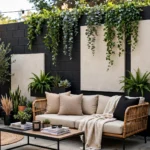
Build a Dream Cottage Garden Filled with Perfect Plants
Creating a cozy, vibrant outdoor retreat starts with picking the right cottage garden plants. These hardy, charming varieties bring soft color, texture, and effortless romance to any backyard space, no fancy gardening skills required. Whether you have a sprawling plot or a tiny patio nook, the right blooms and foliage can make your space feel like a storybook escape.
We’ve rounded up 22 practical, approachable tips to help you select, arrange, and care for your cottage garden plants so they thrive year after year. From low-maintenance perennials to delicate trailing blooms, you’ll find ideas to match your style and growing conditions. Let’s dive into how to build the cottage garden of your dreams.
1. Choose Hardy Perennials First
Start your cottage garden with tough, long-lived perennials that come back every year, so you don’t have to replant from scratch annually. Hardy cottage garden plants like lavender, coneflower, and coral bells shrug off frost and drought with minimal care. They form the backbone of your planting scheme, providing consistent structure and color through the seasons.

2. Add Soft Annual Blooms
Fill in gaps between perennials with delicate, fast-growing annuals for pops of color all summer long. Cottage garden plants such as sweet peas, cosmos, and zinnias bloom prolifically and self-seed in many climates, so they’ll return each year without extra work. Their airy, unstructured growth habit keeps the garden feeling relaxed and informal, just like classic cottage plots.

3. Include Climbing Varieties
Add vertical interest by training climbing cottage garden plants up trellises, fences, or garden arches. Sweet peas, clematis, and climbing roses scramble upward to create soft, flowering walls that frame your space and add height without taking up ground room. They also attract pollinators like bees and butterflies to boost your garden’s health.

4. Mix Foliage Textures
Don’t just focus on flowers—mix different foliage types to add depth and visual interest to your cottage garden. Plants with fuzzy lamb’s ear, feathery fennel, and broad hosta leaves create contrast against delicate blooms, so the garden looks lush even when flowers aren’t in season. This layered texture is key to the casual, abundant feel of classic cottage gardens.

5. Plant in Natural Drifts
Arrange your cottage garden plants in loose, wavy drifts instead of rigid rows or blocks for a more organic, relaxed look. Group 3-5 of the same variety together, then tuck a different plant in between the clusters to mimic how flowers grow in the wild. This planting style makes the space feel fuller, more abundant, and far less formal.

6. Choose Pollinator-Friendly Varieties
Select cottage garden plants that attract bees, butterflies, and hummingbirds to keep your outdoor space thriving and full of life. Flowers like bee balm, phlox, and butterfly bush provide nectar for pollinators, which in turn help your plants produce more blooms and seeds. A pollinator-friendly garden also supports local ecosystems and makes your space feel more alive.

7. Add Fragrant Favorites
Incorporate scented cottage garden plants to fill your outdoor space with sweet, subtle aromas on warm days. Lavender, garden roses, and jasmine release their fragrance when you brush past them, making every trip outside feel like a small sensory escape. Many fragrant varieties also bloom for weeks, so you get both scent and color for months at a time.

8. Include Edible Options
Mix edible cottage garden plants in with your ornamental blooms for a functional, beautiful space that feeds you too. Strawberries, blueberries, and herbs like rosemary and thyme grow well alongside flowers, adding texture, color, and fresh produce to your garden. Edible plants also attract beneficial insects that keep pest populations in check naturally.

9. Use Vintage-Style Containers
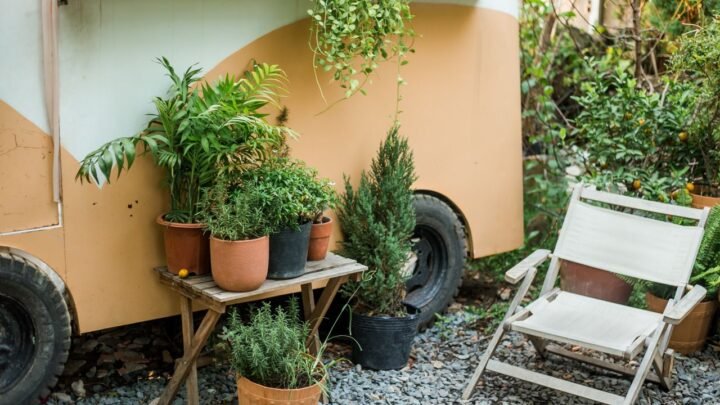
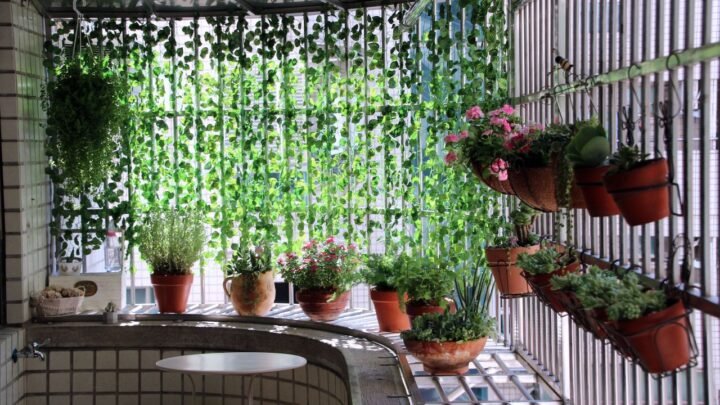
If you have limited ground space, grow your cottage garden plants in charming, vintage-style containers to add character to patios or balconies. Terracotta pots, galvanized tubs, and weathered wooden crates give the space a cozy, lived-in feel that fits the cottage garden aesthetic perfectly. Just make sure containers have drainage holes to keep your plants healthy.

10. Layer Heights for Depth
Plant cottage garden plants of varying heights to create a lush, layered look that feels full and abundant from every angle. Put tall varieties like delphiniums and hollyhocks at the back of the bed, mid-height plants like coneflower in the middle, and low-growing ground covers like creeping thyme at the front. This tiered arrangement makes even small garden spaces feel larger and more dynamic.

11. Embrace Self-Seeding Varieties
Choose cottage garden plants that self-seed freely to save you time and effort year after year. Varieties like forget-me-nots, poppies, and love-in-a-mist drop seeds at the end of the season that grow into new plants the following spring. Let a few of these volunteers pop up in random spots for a casual, ever-changing garden feel that feels truly unique.

12. Add Delicate Trailing Blooms
Tuck trailing cottage garden plants along the edges of garden beds, walls, or containers to soften hard lines and add a whimsical touch. Creeping phlox, alyssum, and trailing nasturtiums spill over edges, creating a soft, cascading effect that makes the space feel more romantic and abundant. These low-maintenance plants also suppress weeds by covering bare soil.

13. Choose Native Adapted Varieties
Opt for native cottage garden plants that are already adapted to your local climate and soil for a low-maintenance, thriving garden. Native varieties require less water, fertilizer, and pest control than non-native plants, and they support local wildlife far better. Check with your local nursery to find the best native cottage garden plants for your region.

14. Incorporate Structural Foliage
Add a few plants with bold, structural foliage to anchor your cottage garden and keep it from looking too messy. Plants like ornamental grasses, hostas, and Japanese forest grass provide strong, consistent shape that contrasts with delicate, floppy flowers. They also provide winter interest, so your garden looks good even when blooms are gone.

15. Plant for Continuous Bloom
Stagger your cottage garden plants so there’s always something in bloom from early spring through late fall for months of color. Combine early bloomers like tulips and peonies with mid-summer favorites like coneflower and late-season plants like sedum and aster. This way, your garden never has a bare, boring period, no matter the time of year.

16. Add Vintage Garden Decor
Pair your cottage garden plants with small, charming vintage decor pieces to enhance the cozy, storybook feel of the space. Old watering cans, bird baths, and weathered garden statues tuck into planting beds for extra character without feeling cluttered. Just make sure decor doesn’t overwhelm the plants, which should always be the main focus.

17. Use Mulch to Suppress Weeds
Spread a thin layer of organic mulch around your cottage garden plants to keep weeds at bay and retain soil moisture. Shredded bark, straw, or compost works well for cottage gardens, and it breaks down over time to feed your plants. Mulch also gives the soil a neat, tidy look that makes your vibrant plants pop even more.

18. Leave Space for Plants to Spread
Don’t overcrowd your cottage garden plants when you first plant them—leave room for them to grow to their full mature size. Many cottage garden varieties spread quickly over time, so giving them extra space at planting time prevents them from competing for nutrients and sunlight. As they fill in over the years, your garden will look lush and full without any extra work.

19. Add a Seating Nook
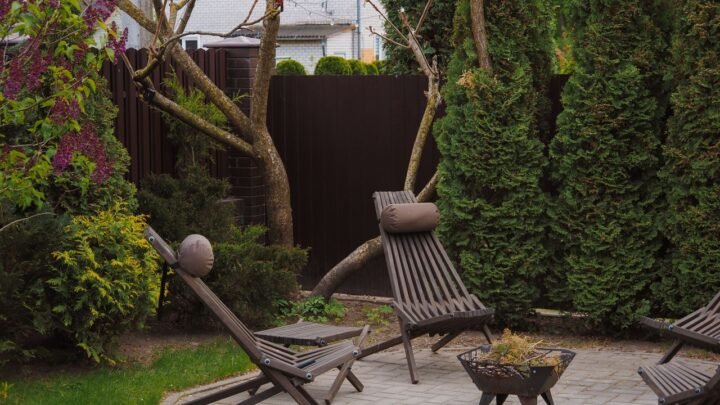
Tuck a small bench or bistro set among your cottage garden plants to create a cozy spot to sit and enjoy the space you’ve built. Place it near your favorite fragrant blooms or pollinator-friendly plants so you can watch bees and butterflies while you relax. A seating nook makes your cottage garden feel like a true personal retreat, not just a pretty display.

20. Protect Plants from Pests Naturally
Use natural pest control methods to keep your cottage garden plants healthy without harsh chemicals that harm pollinators. Introduce beneficial insects like ladybugs, use neem oil for aphids, and plant pest-repelling varieties like marigolds alongside your other blooms. This keeps your garden thriving while protecting the bees and butterflies that make cottage gardens so special.

21. Prepare for Winter Dormancy
Cut back dead foliage and add a layer of compost around your cottage garden plants in late fall to help them survive cold winter months. Leave seed heads on plants like coneflower and poppy to feed local birds, and cover tender perennials with burlap if you live in a very cold climate. Proper winter care ensures your plants come back strong and healthy in the spring.

22. Adjust for Your Climate
Tailor your cottage garden plant choices to your local growing conditions, whether you live in a hot, dry desert or a cool, rainy coastal region. Succulents and drought-tolerant varieties work well for dry climates, while ferns and shade-loving plants thrive in cooler, wetter areas. Working with your climate instead of against it makes your garden far easier to maintain and more likely to thrive long-term.

Frequently Asked Questions
Q. What are the easiest cottage garden plants for beginners?
Ans. Beginners should start with hardy, low-maintenance cottage garden plants like lavender, coneflower, and cosmos, which tolerate neglect, drought, and poor soil while still producing abundant blooms.
Q. Can I grow cottage garden plants in containers?
Ans. Absolutely! Most cottage garden plants grow well in large containers with drainage holes, so you can create a charming cottage garden on even a small balcony or patio.
Q. How do I keep my cottage garden from looking messy?
Ans. Use simple edging to define planting beds, trim back overgrown stems regularly, and arrange plants in loose drifts instead of random spots to keep your cottage garden plants looking neat but still relaxed.
Conclusion
Building a cottage garden full of beautiful, thriving plants is all about embracing a relaxed, natural approach instead of strict perfection. By mixing hardy perennials, delicate annuals, and functional edibles, you can create a space that feels both charming and low-maintenance. No matter your skill level or garden size, these tips make it easy to grow a space that feels like your own personal storybook escape.
Don’t be afraid to experiment with different cottage garden plants and arrangements until you find what feels right for your space and style. Your garden will evolve over time, adding new character and charm with each passing season. With a little care and creativity, your cottage garden will become a beloved spot you’ll enjoy for years to come.
Photos via Pexels

Similar Posts