Cultivate a Relaxed French Cottage Garden Full of Soft, Romantic Flair
The french cottage garden is the perfect blend of wild, unstudied charm and intentional, cozy design, ideal for anyone who loves an outdoor space that feels both magical and livable. Unlike stiff formal gardens, it embraces soft edges, fragrant blooms, and little whimsical details that make every corner feel warm and inviting. If you’ve ever dreamed of a backyard that feels like a postcard from the French countryside, this guide is for you.
Below, you’ll find 24 simple, actionable tips to bring your french cottage garden to life, no fancy landscaping skills required. From choosing the right plants to adding tiny, charming accents, each step will help you build a space that feels uniquely yours, full of quiet joy and natural beauty.
1. Mix Old-Fashioned Blooms
Fill your french cottage garden with heirloom flower varieties like sweet peas, peonies, and lavender that have soft, romantic hues and delicate petals. These classic blooms feel timeless and pair beautifully with more casual, wild plantings to create that signature effortless look. Avoid overly bright, hybrid varieties to keep the palette feeling soft and cohesive.

2. Let Paths Meander Gently
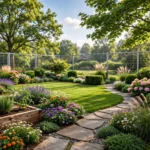
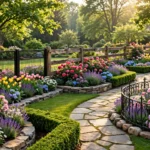
Instead of straight, formal walkways, use curved, uneven stone or gravel paths that wind lazily through your french cottage garden. This mimics the natural flow of countryside cottage grounds and invites slow, leisurely strolls to enjoy the blooms. Add small, low-growing creeping thyme between the path stones for extra fragrance and charm.

3. Add a Rustic Arbor
A simple wooden or wrought iron arbor draped with climbing roses or clematis is a staple of the french cottage garden aesthetic. It creates a cozy, shaded nook and adds vertical interest without feeling too structured or formal. You can even hang small fairy lights or vintage bird cages from it for extra whimsy.

4. Incorporate Wrought Iron Accents
Tuck small, weathered wrought iron details like planters, garden stakes, or a vintage watering can into your french cottage garden for a touch of old-world European charm. These metal accents feel rustic and timeless, and they contrast beautifully with soft green foliage and pastel blooms. Look for slightly worn pieces at flea markets to keep the look authentic.

5. Plant in Loose Clusters
Avoid rigid, evenly spaced plantings — instead, group flowers in loose, natural clusters of 3-5 stems each throughout your french cottage garden. This mimics how plants grow in the wild and creates a fuller, more organic look overall. Mix different heights and textures in each cluster to add visual depth without feeling messy.

6. Include Herbs Among Flowers
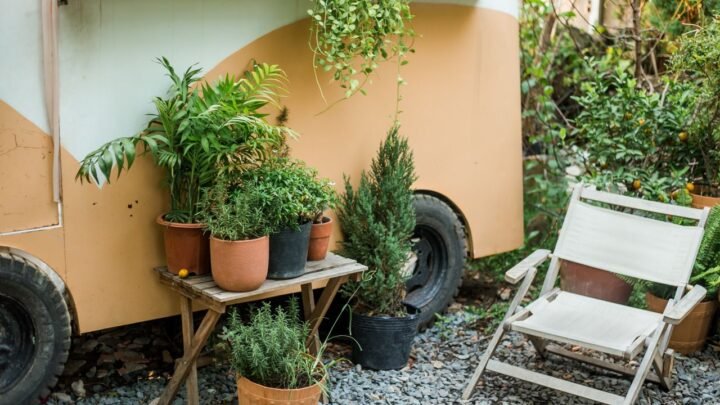
Tuck culinary and fragrant herbs like rosemary, thyme, and chamomile in between your flowering plants in the french cottage garden. They add soft silvery-green foliage that contrasts with bright blooms, and they make the space smell wonderful on warm days. Many herbs also attract pollinators, which helps your flowers thrive.

7. Add a Vintage Water Feature
A small, weathered stone birdbath or tiered fountain is a perfect addition to any french cottage garden, adding a soft trickling sound that makes the space feel extra peaceful. Look for pieces with a worn, aged patina to fit the relaxed, vintage vibe. Position it near seating so you can enjoy the sound while you relax outdoors.

8. Use Soft, Muted Color Palettes
Stick to soft pastels, creamy whites, dusty pinks, and muted purples for your french cottage garden blooms to keep the look feeling romantic and calm. Avoid overly saturated, bright colors that feel jarring next to the soft green foliage. You can add tiny pops of deeper color with deep purple lavender or burgundy foliage for subtle contrast.

9. Let Some Plants Self-Seed
Allow a few hardy, easy-to-grow flowers like poppies, nigella, or cosmos to self-seed naturally in your french cottage garden each year. This creates an ever-changing, organic look that feels less planned and more whimsical over time. You can thin out extra seedlings if they grow in awkward spots, but leave most to grow freely.

10. Add Cozy Outdoor Seating
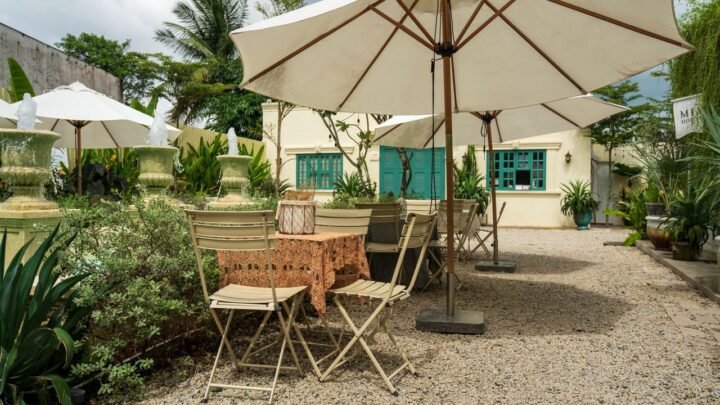
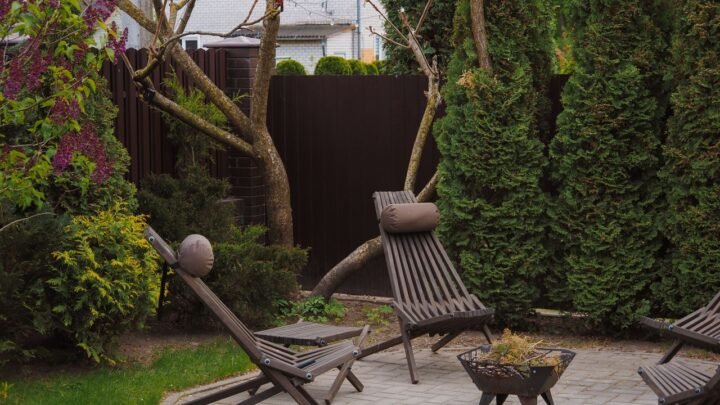
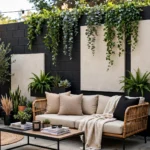
Tuck a small, weathered wooden bench or a pair of wrought iron chairs in a sunny, bloom-filled spot in your french cottage garden. This gives you a place to sit and enjoy the space, and it makes the garden feel like a true outdoor living area. Drape a soft, linen throw over the bench for extra coziness.

11. Use Weathered Wooden Edging
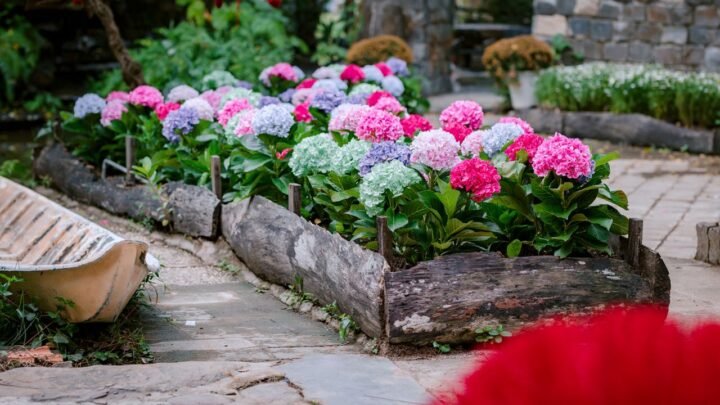
Define the edges of your garden beds with uneven, weathered wooden planks or reclaimed railway sleepers instead of perfect plastic edging. This adds a rustic, aged feel that fits perfectly with the french cottage garden aesthetic. The soft, worn wood blends naturally with the surrounding soil and plants.

12. Incorporate Climbing Vines
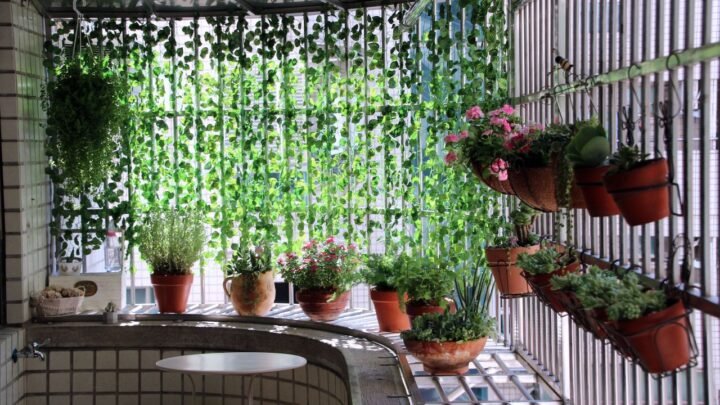
Train climbing vines like old-fashioned climbing roses, clematis, or wisteria to grow up garden walls, fences, or the sides of your house near the french cottage garden. They add soft, romantic height and cover up plain, hard surfaces with lush green foliage and blooms. Choose varieties that bloom at different times for color all season long.

13. Tuck in Whimsical Decor
Add small, playful touches like vintage ceramic garden gnomes, tiny bird feeders, or hand-painted garden signs to your french cottage garden for a touch of personality. These little details make the space feel warm and lived-in, rather than perfectly staged. Look for pieces that feel personal and meaningful to you, rather than generic decor.

14. Plant a Mix of Perennials and Annuals
Fill your french cottage garden with a mix of hardy perennials that come back year after year and bright annuals that add pops of color each season. This ensures the garden looks full and vibrant from spring through fall, with minimal replanting each year. Choose perennials like peonies and lavender, and annuals like sweet peas and nigella for a classic mix.

15. Add Soft Lighting for Evenings
String warm, fairy lights across your arbor or fence, or tuck small solar lanterns along your garden paths to make your french cottage garden usable after dark. The soft, warm glow makes the space feel magical and cozy on cool summer evenings. Avoid harsh, bright lights that feel too modern for the vintage vibe.

16. Leave a Little Wild Space
Set aside a small corner of your french cottage garden to leave slightly wild, with tall grasses, wildflowers, and even a small pile of logs for insects and small wildlife. This adds to the relaxed, unstudied charm of the space and supports local pollinators. You can even plant a small patch of native wildflowers here for extra ecological benefit.

17. Use Vintage-Style Containers
Tuck potted plants in weathered ceramic, terracotta, or galvanized metal containers throughout your french cottage garden, especially along paths and near seating areas. These containers add charm and let you move plants around easily to fill in gaps as needed. Look for slightly chipped, aged containers to keep the look authentic.

18. Incorporate Faded Foliage
Include plants with soft, silvery, or muted green foliage like lamb’s ear, dusty miller, or Russian sage in your french cottage garden to add texture even when flowers aren’t in bloom. These foliage plants fill in gaps and keep the garden looking full and lush all season long. Their soft, muted tones also complement the pastel flower palette perfectly.

19. Add a Small Garden Gate
Install a small, weathered wooden or wrought iron gate at the entrance to your french cottage garden to create a sense of arrival and charm. You can drape a small wreath of dried flowers or greenery on it for extra seasonal charm. The gate also helps define the space as a special, separate area of your yard.

20. Plant Roses Generously
Roses are a non-negotiable staple of the french cottage garden, so plant a mix of climbing, shrub, and ground-cover roses in soft pink, cream, and white hues. Their romantic, fragrant blooms fit perfectly with the soft, whimsical vibe of the space. Choose disease-resistant, old-fashioned varieties to keep maintenance low.

21. Tuck in Dried Flower Arrangements
Bring the charm of your french cottage garden indoors by cutting a few stems of your favorite blooms to dry and arrange in small vases around your home. Dried sweet peas, lavender, and statice look beautiful and keep the garden’s vibe going inside your house. You can also hang dried flowers upside down in the garden shed or arbor for extra decor.

22. Use Mulch That Blends Naturally
Cover exposed soil in your french cottage garden with natural mulch like shredded bark, straw, or fallen leaves instead of bright, dyed wood mulch. This keeps the soil moist, suppresses weeds, and blends seamlessly with the natural, rustic vibe of the space. You can also tuck small low-growing plants between mulch patches to make it look even more organic.

23. Attract Local Wildlife
Add small bird feeders, a shallow water dish for bees and butterflies, and a small bug hotel to your french cottage garden to attract local wildlife. The sound of birds and the sight of pollinators visiting your blooms make the space feel alive and connected to nature. Avoid using pesticides that could harm the visiting creatures.

24. Embrace Small Imperfections
Don’t stress if your french cottage garden has a few uneven patches, a stray weed here or there, or plants that grow a little wild — that’s all part of its charm. The goal is to create a space that feels relaxed and joyful, not perfectly manicured. Over time, the small, imperfect details will make the garden feel uniquely yours and full of character.

Frequently Asked Questions
Q. Do I need a large yard to grow a french cottage garden?
Ans. Not at all! You can create a charming french cottage garden in a small backyard, a front yard plot, or even a collection of large containers on a patio. The key is to focus on soft, romantic plantings and whimsical details, no matter the size of your space.
Q. What plants are best for a low-maintenance french cottage garden?
Ans. Stick to hardy, drought-tolerant perennials like lavender, Russian sage, and shrub roses, along with self-seeding annuals like cosmos and nigella, for a french cottage garden that needs minimal upkeep. These plants thrive with little watering and pruning, so you can spend more time enjoying the space.
Q. Can I grow a french cottage garden in a shady spot?
Ans. Yes! Choose shade-loving plants like hostas, ferns, foxgloves, and climbing hydrangeas to build a french cottage garden that thrives in low light. Add soft fairy lights and a small bench to make the shady spot feel cozy and inviting.
Conclusion
Building a french cottage garden is all about embracing soft, natural charm rather than striving for perfect, structured design. Each of the tips above works together to create a space that feels relaxed, romantic, and full of personality, no matter your skill level as a gardener. The best part is that you can adjust and add to the space over time as you find what you love most.
Your french cottage garden will become a peaceful retreat where you can unwind, watch pollinators flit between blooms, and enjoy the simple joy of growing something beautiful. Don’t be afraid to experiment with different plants and accents to make the space feel uniquely yours, full of the quiet magic of the French countryside. Over time, it will grow into the cozy, charming outdoor oasis you’ve always dreamed of.
Photos via Pexels

Similar Posts