How to Fix a Garden Hose That Won’t Unkink
How can I repair a garden hose that stays flattened after a kink? You fix it by either gently heating and stretching the collapsed section back into shape, or by cutting out the permanently deformed section and installing a hose mender. The right approach depends on how deep the kink went and what your hose is made of.
Most garden hoses use a soft vinyl inner tube surrounded by fabric or polymer reinforcement layers. When that tube gets folded past its recovery point, the material can take on a permanent flat set, especially in inexpensive single-layer hoses. As of 2026, homeowners still struggle with this issue most years, but the fix is straightforward once you understand which path your hose needs.
Here's how to decide and what to do next.
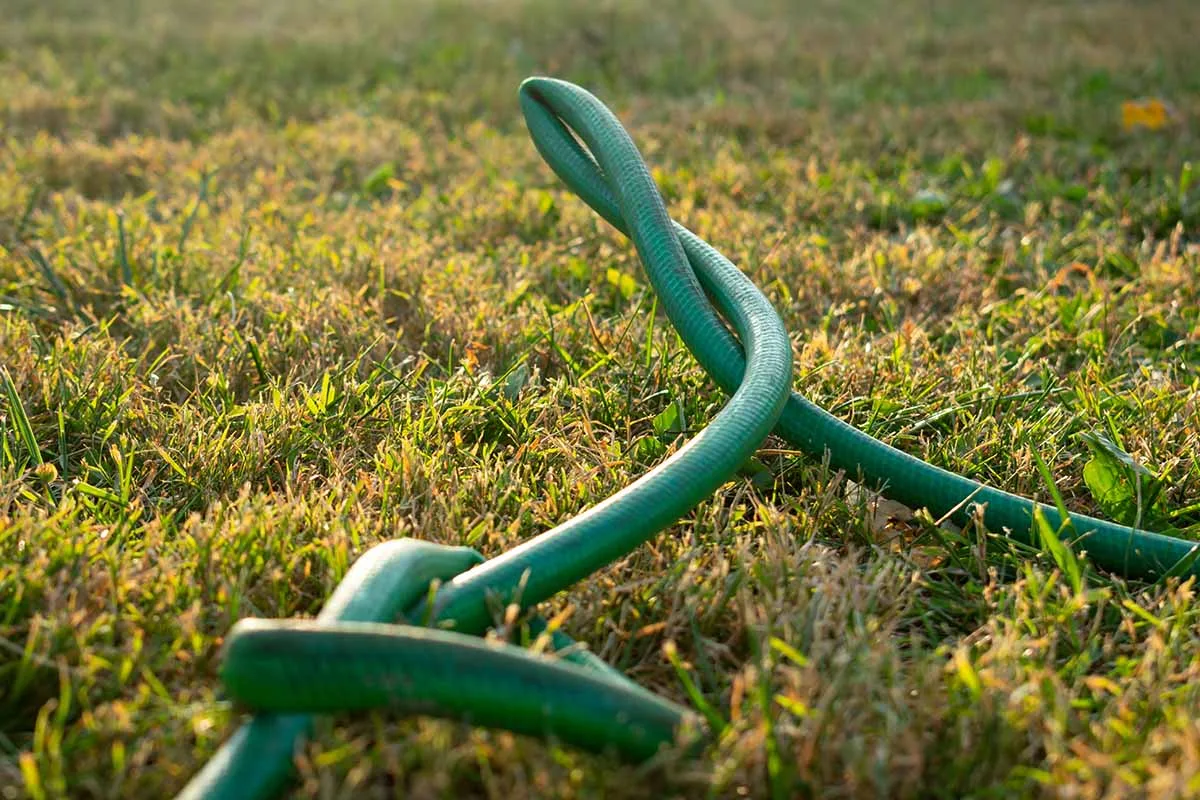
1. Quick Answer: The 30-Second Repair Decision
How can I repair a garden hose that stays flattened after a kink? Heat the flat spot gently, then massage it back to round. Use warm water or a hair dryer on low heat.
Do not use a torch or high heat. If the hose is cracked or split, cut out the bad section. Install a hose mender connector.
This gives you a fast working repair. For permanent damage, replace the entire hose. Always store your hose properly afterward to prevent repeat kinks.
2. Why Your Garden Hose Stays Flattened After a Kink
What Actually Happens Inside the Hose
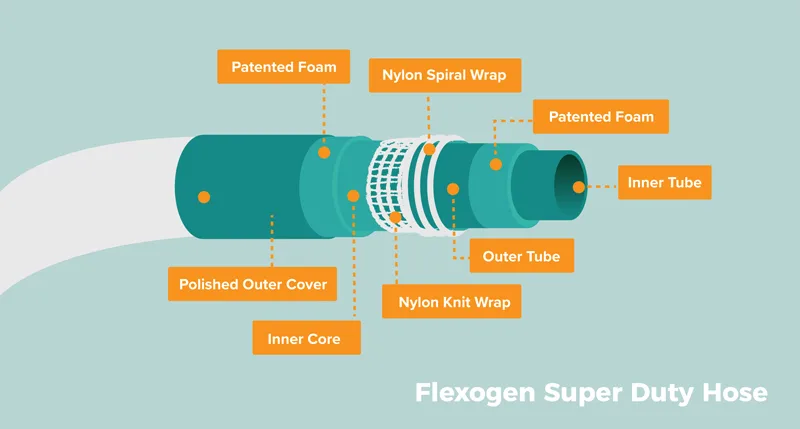
A garden hose has an inner tube that carries water, reinforcement layers that give it strength, and an outer jacket that protects everything. When you bend the hose sharply, the inner tube collapses inward. That collapse creates a flat spot.
In most cases, the hose springs back once you straighten it. But sometimes the material gives in and stays flat.
Vinyl hoses are the most common type. They are also the most prone to permanent kinks. Cheap vinyl lacks reinforcement.
It folds easily and then holds that fold shape. Even mid-grade vinyl can suffer if you store it tightly coiled or walk on it repeatedly. Rubber hoses resist kinking far better, but they are heavier and cost more.
The Three Main Causes of Permanent Set
A permanent set means the hose material has literally memorized the kink shape. Think of it like creasing a piece of paper. Fold it hard enough, and it stays folded.
The same idea applies to hose material.
Storage is the biggest culprit. When you coil a hose around a reel or rack it up, the curve of the coil becomes the hose's new normal. If you kink it while storing, that flat spot locks in place.
Over weeks or months, the memory deepens. Cold weather makes things worse. Low temperatures stiffen vinyl and rubber, making them less forgiving when bent.
Repeated crushing adds up too. Driving over a hose, stepping on it, or letting furniture sit on it creates small flat spots everywhere. Each one weakens the structure.
Eventually, one kink refuses to recover on its own.
How Hose Construction Affects Kink Behavior
Single-layer vinyl hoses have no mesh or braid inside. They bend easily but also flatten completely under pressure. These are the hoses most likely to need a repair.
Double-layer reinforced hoses contain polyester or nylon mesh that resists collapse. A sharp kink might still dent them, but they usually bounce back faster. Triple-layer braided hoses offer the best kink resistance.
They are heavier, more expensive, and far less likely to develop a permanent flat spot.
If you want to learn how hose diameter and length choices play into durability, check out our guide on garden hose sizing basics.
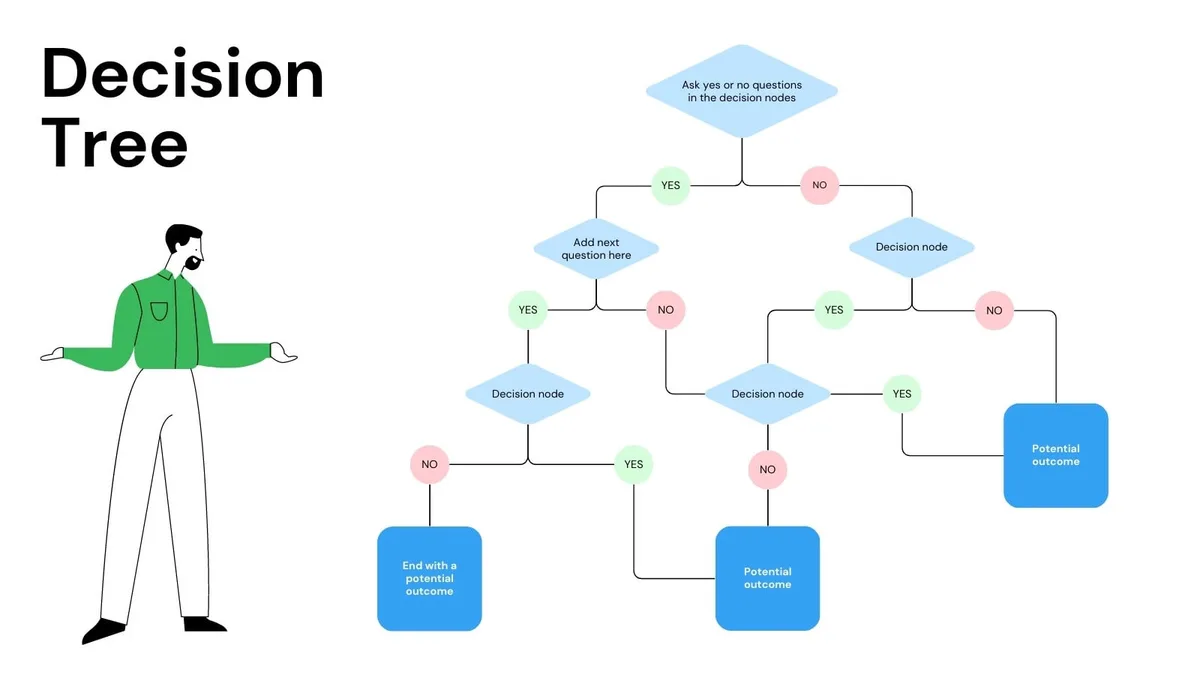
3. The Decision Tree: Which Repair Path Fits Your Situation
When your garden hose stays flattened after a kink, you need a decision path that matches your specific situation. The repair you choose depends on three factors: the hose material, the severity of the damage, and how much of the hose is affected.
Step One: Identify Your Hose Material
Start by checking what your hose is made of. Look at the packaging label or read the text printed along the hose itself. You will usually see vinyl, rubber, or polyurethane listed.
Single-layer vinyl is soft and flexible but weak. Reinforced vinyl has a mesh liner but is still vulnerable to permanent kinks. Rubber and polyurethane are far more durable and resist flattening.
If your hose is rubber or polyurethane, you have a better chance of reviving a kinked section. These materials are more elastic and recover better from deformation. If it is cheap vinyl, expect a shorter lifespan and be prepared for more frequent repairs.
Step Two: Assess the Kink Severity
Gently run your fingers along the flattened section. Note whether the hose feels hard or soft. A hard, rigid flat spot means the material has set.
A soft flat spot may still be salvageable.
Check for cracks, splits, or bulges near the kink. If you see any of these, the damage goes beyond a simple kink. The inner tube has likely weakened or failed at that point.
A reshape or mender may not hold. Replacement is the safer call here.
Step Three: Match the Fix to Your Situation
Here is a quick decision guide:
- Mild flat spot in reinforced or rubber hose, no cracks: try gentle reshaping first
- Moderate flat spot in vinyl hose, no cracks: heat and reshape, then monitor closely
- Severe flat spot with hardening or cracking: cut out the damaged section and install a hose mender
- Multiple kinks spread across the hose or repeated failures near fittings: replace the entire hose
If you want more context on choosing the right hose size for your setup, read this quick sizing reference before committing to a repair or replacement.
4. Step-by-Step: Reshape, Reseat, or Cut and Mend
Method A: Gentle Reshaping for Soft Flat Spots
This method works when the kink is recent, the hose material is still flexible, and no cracks are present.
First, turn off the water and disconnect the hose. Lay it out straight on a flat surface. Locate the flattened section and mark both ends with a piece of chalk or tape.
Run your fingers along the entire length to find the exact boundaries of the flat spot.
Next, apply gentle heat. Use a hair dryer on medium heat, holding it about six inches from the flat area. Move the dryer constantly to avoid overheating any single spot.
Warm the section for two to three minutes until the vinyl feels slightly pliable. Do not use an open flame or a heat gun on high, as these will melt or warp the hose.
Once the material is warm, gently massage the flat spot. Roll it between your palms, applying steady but light pressure. Work from the outside of the flat area toward the center.
Rotate the hose slowly so you treat all sides evenly. The goal is coaxing the inner tube back into a round shape, not forcing it aggressively.
After shaping, let the hose cool completely in its new form. Leave it straight on the ground for at least one hour. Then reconnect it, turn the water on low, and check for even flow through the repaired section.
If water flows freely and no leaks appear, the reshape worked.
Method B: Heat Stretch for Stiff Vinyl Hoses
Sometimes gentle massage alone is not enough. If the flat spot feels firm or slightly springy, a controlled stretch can help.
Warm the flattened area with a hair dryer until the hose is noticeably softer. While still warm, use a hose stretcher tool or a smooth wooden dowel slightly larger than the hose inner diameter. Insert the tool into the hose end near the flat spot and gently work it through the deformed section.
The tool pushes the collapsed inner tube back open from the inside.
Move slowly. Do not force the tool through a section that resists. If you feel significant resistance, stop and apply more heat.
Repeated slow passes usually work better than one aggressive shove.
Once the tool has passed through, remove it and let the hose cool while kept straight. Test the water flow before coiling or storing the hose again.
Method C: Cut and Mend for Permanent Damage
When the kink has cracked the inner tube, caused a visible bulge, or created a hard ridge that will not reshape, cutting out the damaged section is the only reliable fix.
Gather your tools: a sharp utility knife or hose cutter, a matching hose mender or splice connector, and adjustable pliers if your mender uses clamp rings. Disconnect the hose from the spigot and lay it flat.
Measure the damaged section. Mark two points on either side of the kink, leaving at least one inch of clean hose beyond each mark. Cut straight across at both marks.
A clean, square cut matters. Angled cuts create uneven gaps that are harder to seal.
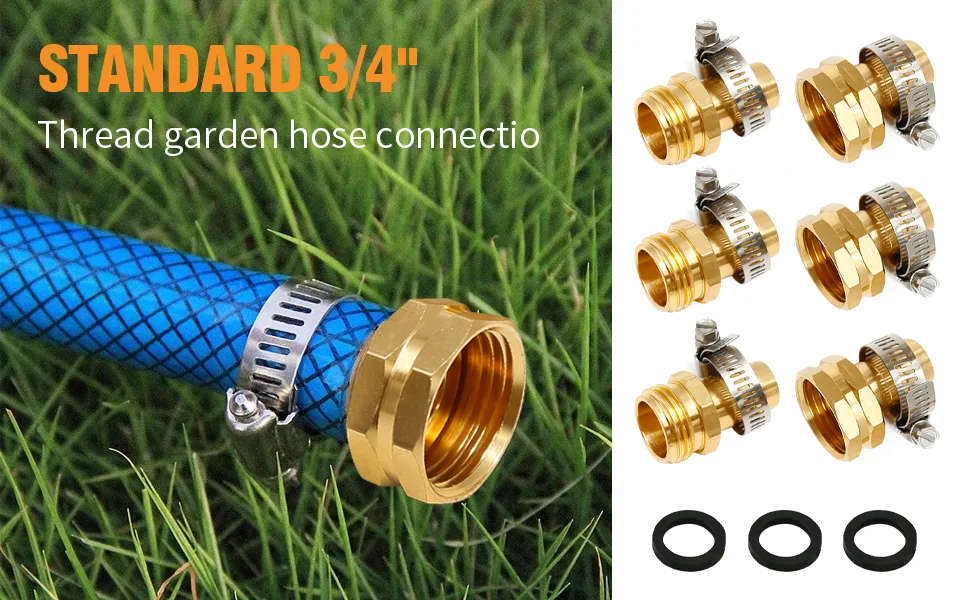
Insert the hose mender into each cut end. Push the hose onto the connector barbs firmly. If your mender uses hose clamps, slide the clamps over the connection points and tighten them with pliers.
Wipe the area dry before testing.
Turn the water on slowly and inspect the repair. Look for leaks at the connection points. Check that water flows through the mender without reduced pressure.
If you notice a leak, tighten the clamp slightly and recheck.
For more details on the right connector types, see this hose connection guide.
5. Mistakes That Turn a Simple Kink Into a Broken Hose
Using Too Much Heat
Heat helps, but too much heat destroys the hose. An open flame or a high-heat gun can melt the inner tube, weaken the reinforcement layers, and create a weak point that fails soon after repair. Always use a hair dryer on medium or low setting.
Keep the tool moving and maintain distance from the hose surface.
Ignoring Hidden Cracks
A kink might look surface-level, but the inner tube can crack internally long before you see it on the outside. If you skip the inspection step and go straight to a quick fix, the hidden crack will likely burst under normal water pressure within days or weeks. Always check for splits, thinning, or soft spots before deciding on a repair path.
Cutting at the Wrong Angle
A sloppy diagonal cut leaves an uneven gap that a hose mender cannot seal properly. Water pressure will push against the weak edge of the joint and eventually cause a leak. Always cut perpendicular to the hose length for a clean, flush surface.
Skipping the Flow Test After Repair
Some people finish the repair and immediately coil the hose away. If the mender is loose or the reshape did not fully restore the inner tube, the problem will not show until you try to use the hose again. Turn the water on and verify proper flow and zero leaks before storing or reusing the hose.
Storing the Hose Incorrectly After Repair
Fixing the kink is only half the battle. If you coil the hose the same way you always have, you will likely recreate the problem. Store your hose on a reel or hang it in wide loops to prevent tight bends.
For long-term storage tips that prevent future kinks, explore our prevention strategies here.
Improper storage is the number one reason repaired hoses fail again. A hose that sits tightly coiled in a corner puts constant stress on the same weak spot. Wide, relaxed loops give the material a chance to recover and stay round.

Similar Posts