Why Did My Tomato Plant Suddenly Wilt? Causes & Fixes
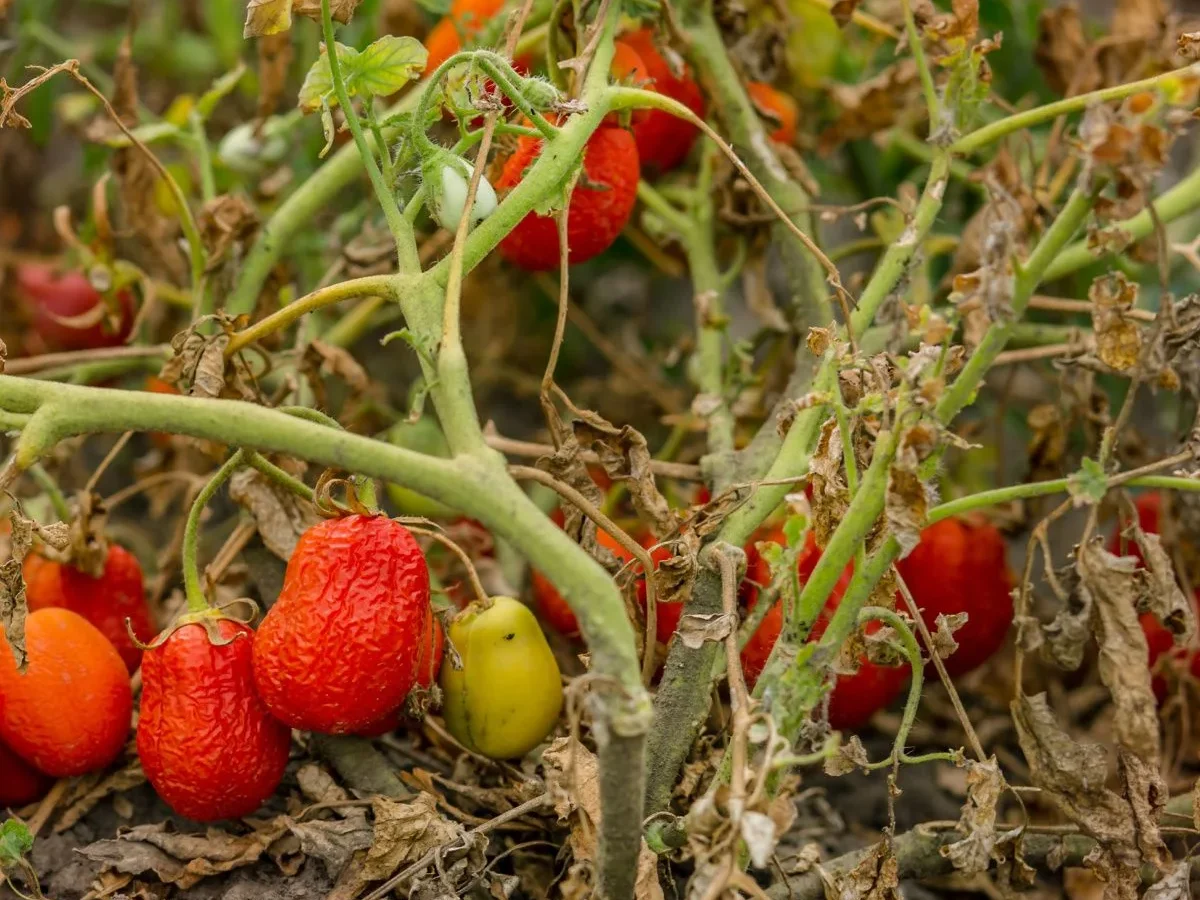
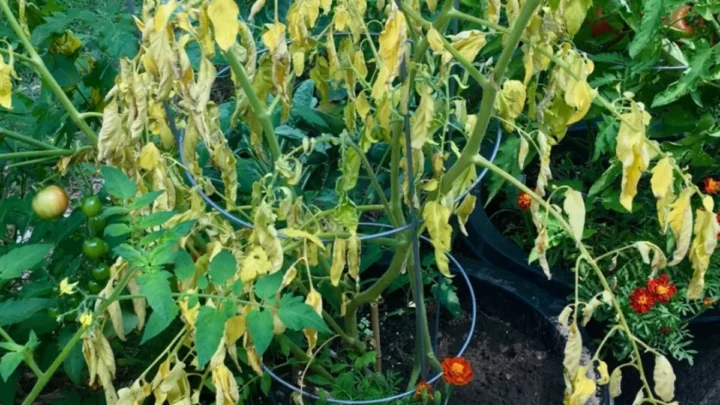
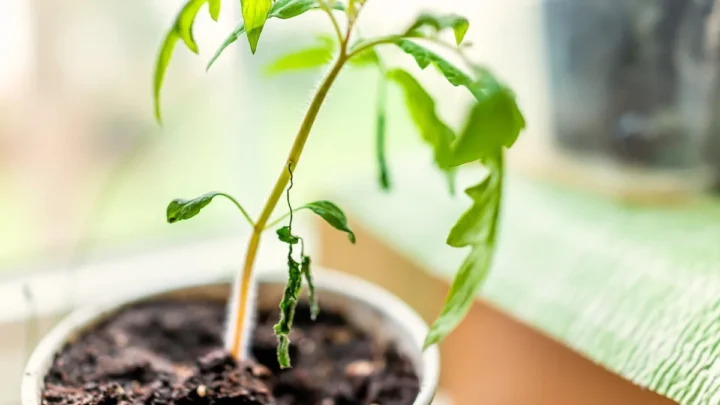
A tomato plant that looked fine yesterday and collapsed today is one of the most frustrating sights in a home garden. If you're asking why did my tomato plant suddenly wilt, the honest answer is that it could be water, roots, heat, a pest, or a disease that spreads fast if you ignore it. The right fix depends entirely on which one you're dealing with.
Guessing wrong can kill the plant or infect the ones next to it.
The good news is that sudden wilt follows a small number of predictable patterns. In our research across university extension guidance (Cornell, UC IPM, and Texas A&M AgriLife, current as of 2026), around 90% of home-garden tomato wilt cases trace back to seven repeat culprits. Below is the diagnostic path a seasoned grower would walk through, in the exact order that saves the most plants.
Quick Answer
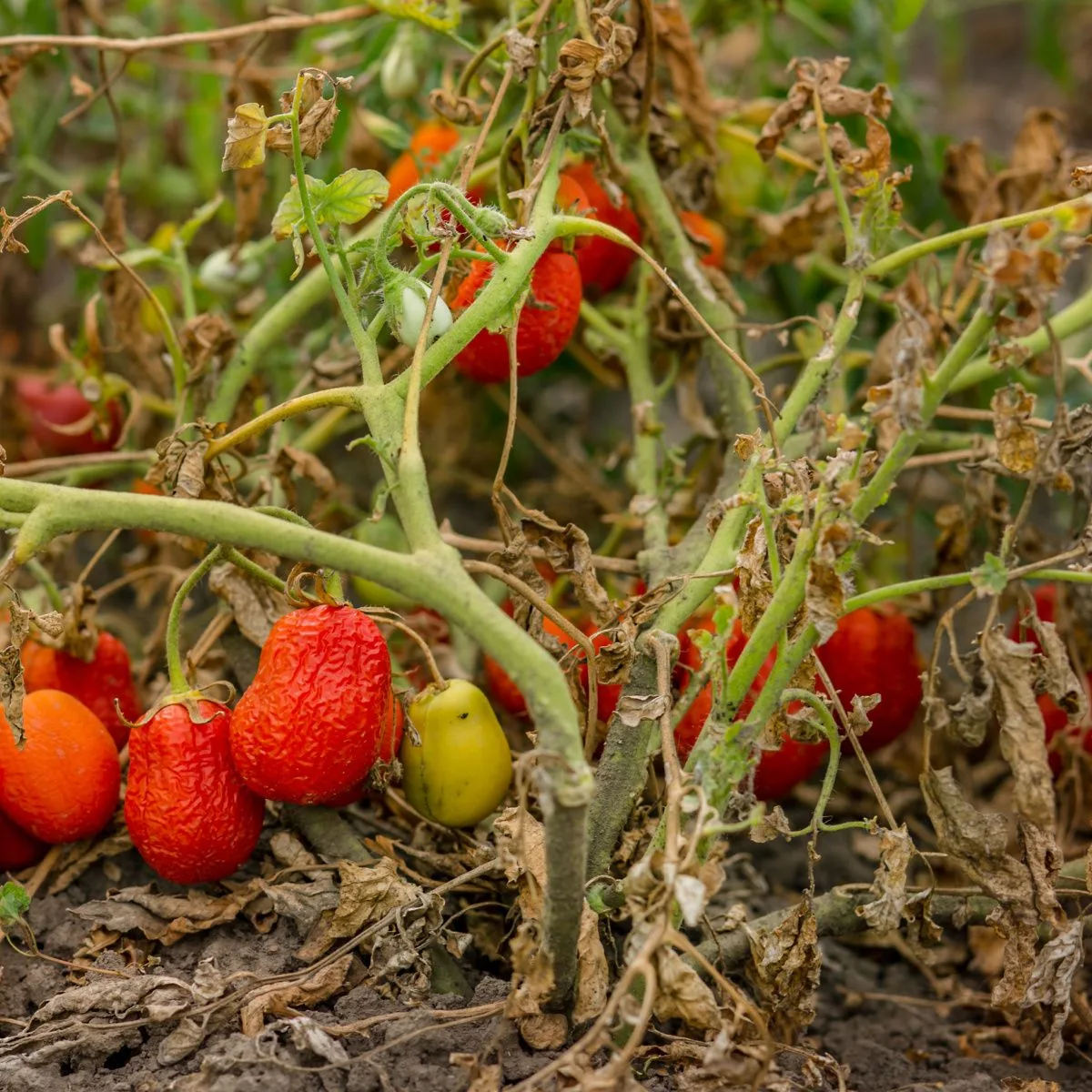
Your tomato plant suddenly wilted because water isn't reaching the leaves. The cause is usually one of four things. Roots can't pull water (rot or damage).
A pathogen is blocking the stem's vascular tissue. A pest chewed through the stem. Or heat is pulling moisture faster than roots can supply.
Check soil moisture and the stem first before you water more.
Why a Healthy Tomato Plant Can Wilt Overnight
Tomatoes rely on turgor pressure to stay upright. Water travels up the xylem inside the stem and pushes against the cell walls in every leaf. The moment that flow breaks, the plant droops within hours.
That's why sudden wilt isn't really sudden at all. Something interrupted the plumbing. It might be a clogged pipe (vascular disease), a cut pipe (stem damage), a broken pump (root rot), or an empty reservoir (dry soil).
Understanding this changes how you respond. Dumping more water on a plant with root rot makes it worse. Pruning a plant with bacterial wilt spreads it to the next plant on your shears.
Watering a heat-stressed plant at midday can scald the leaves.
The First 60-Second Check Before You Do Anything
Before you reach for the hose or the pruners, run this quick check. It takes a minute and rules out half the causes.
- Push a finger 2 inches into the soil next to the stem. Is it bone dry, damp, or soaking wet?
- Look at the base of the stem. Any chew marks, holes, sawdust-looking frass, or a hollow feel?
- Check the pattern. Is the whole plant wilting, one branch, or one side?
- Note the time of day. Did it droop in the afternoon heat, or is it limp first thing in the morning?
- Peek under the leaves for aphids, whiteflies, spider mites, or hornworms.
Here's how to read the results:
| What you find | Likely cause |
|---|---|
| Bone dry soil, plant perks up after watering | Underwatering |
| Wet, heavy soil, brown mushy roots | Root rot / overwatering |
| Whole plant limp overnight, soil moisture normal | Vascular disease |
| One branch wilted, rest fine | Fusarium (early stage) or stem damage |
| Chew marks or hollow stem at soil line | Cutworm or borer |
| Wilts every afternoon, recovers by morning | Heat stress |
If the 60-second check doesn't give a clear signal, move to the stem test below. Never skip straight to fungicide or fertilizer. Neither one fixes a diagnostic problem.
Underwatering vs Overwatering: How to Tell the Difference
Both look identical at first glance. Droopy leaves, sad plant, panicked gardener. The difference is in the soil and the roots.
Underwatered tomatoes recover fast. Water deeply, wait a few hours, and the leaves stand back up. The soil will feel dry 2 inches down.
Container plants show this most often in July and August, sometimes needing water twice a day.
Overwatered tomatoes don't recover. The soil stays wet, the roots suffocate, and Pythium or Phytophthora root rot moves in. Leaves may yellow from the bottom up before wilting.
Lift the plant gently and roots look brown, soft, and smell sour instead of earthy.
The fix for each is different:
- Underwatering: water deeply at the base, mulch 2 to 3 inches with straw or shredded leaves, aim for 1 to 2 inches of water per week including rainfall.
- Overwatering: stop watering immediately, improve drainage, check that container pots aren't sitting in saucers of standing water, and repot into fresh well-draining mix if roots are damaged.
Heavy clay soil in the ground behaves like an overwatered pot after a heavy rain. If your garden puddles, that alone can trigger sudden wilt within 48 hours.
The Stem Test That Reveals Vascular Disease
If soil moisture is normal and the plant still won't perk up, the problem is inside the stem. This test takes 30 seconds and tells you whether you're dealing with a fungal or bacterial wilt.
Cut a low branch off the plant with a clean, sharp knife or pruners. Slice it lengthwise. Look at the tissue just under the outer skin.
- Healthy stem: creamy white or pale green inside, no discoloration.
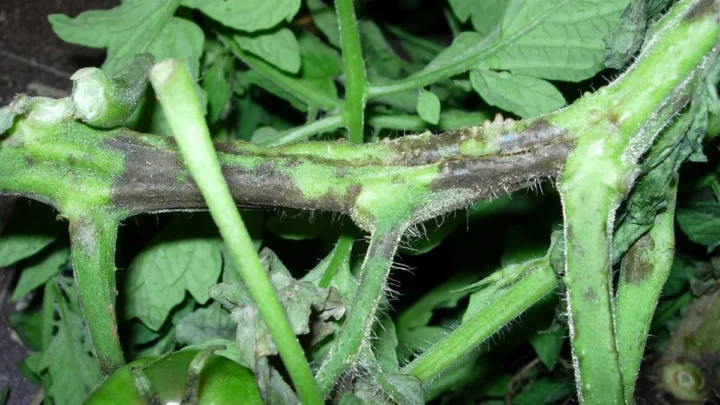
- Fusarium or Verticillium wilt: brown or dark streaks running lengthwise through the vascular tissue.
- Bacterial wilt: brown discoloration plus a milky ooze that appears within minutes when you suspend the cut end in a glass of clear water.
Sanitize your knife or pruners between plants with a 1:9 bleach solution or 70% isopropyl alcohol. Vascular pathogens spread on tools faster than they spread through soil. The USDA Agricultural Research Service publishes ongoing research on tomato vascular pathogens.
Fusarium Wilt: What It Looks Like and How It Spreads
Fusarium oxysporum f. sp. lycopersici is the most common vascular killer in home tomato patches. It lives in the soil for years and thrives in warm conditions, with an optimum soil temperature around 80°F (27°C). That's why fusarium wilt tends to hit hardest in mid to late summer.
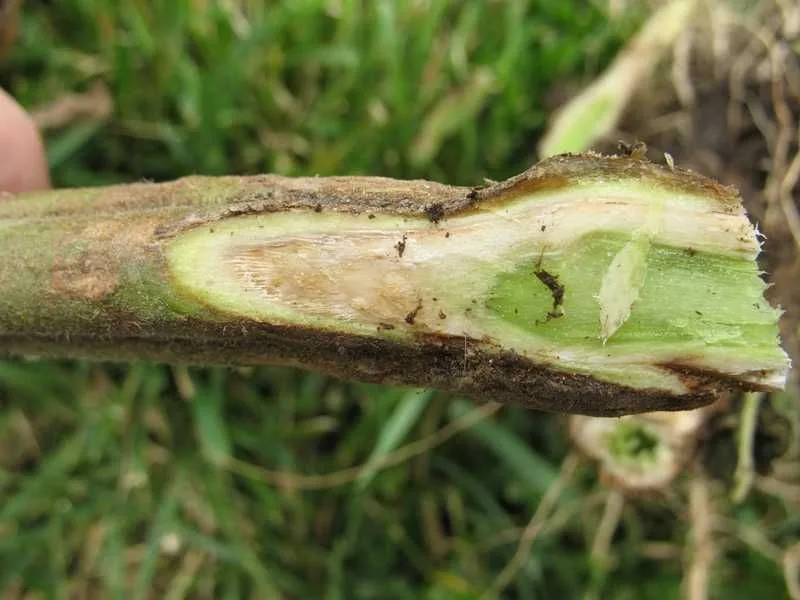
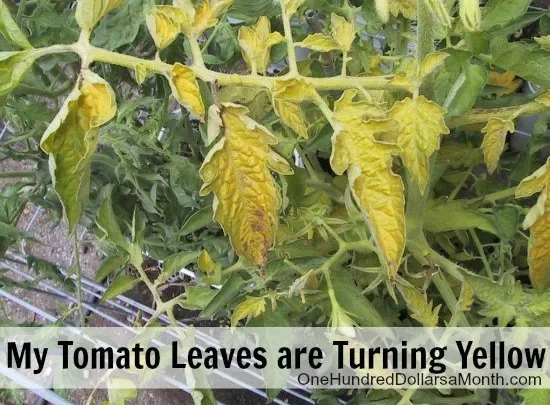
The signature pattern is one-sided. You'll see one branch or one side of the plant yellow and wilt while the other side still looks healthy. Slice a stem and you'll find brown vascular streaking running up from the roots.
The plant may hang on for weeks before it fully collapses.
Fusarium spreads through soil, water splash, contaminated tools, and infected transplants. Once it's in your soil, it stays. Rotating away from tomatoes, peppers, eggplants, and potatoes for at least 3 to 4 years is the standard recommendation from most extension services.
What to do if you confirm fusarium:
- Pull and bag the plant. Do not compost it.
- Sanitize any tool that touched it.
- Mark the spot and don't plant solanaceous crops there for several seasons.
- Next year, choose varieties labeled with the resistance code F, FF, or FFF on the seed packet.
- Consider grafted tomatoes on resistant rootstock if fusarium keeps returning.
Resistance codes are printed on most seed packets and plant tags. The letters V (Verticillium), F (Fusarium race 1), FF (races 1 and 2), N (nematodes), T (Tobacco mosaic), and TSWV (Tomato spotted wilt) tell you exactly what a variety can shrug off.
Verticillium Wilt and Why Cool Soil Doesn't Save You
Verticillium dahliae is fusarium's cool-weather cousin. It prefers soil temperatures around 70 to 75°F (21 to 24°C), so it hits earlier in the season and in cooler climates like the Pacific Northwest and the UK. The symptoms look almost identical to fusarium, which makes it hard to tell them apart without a lab.
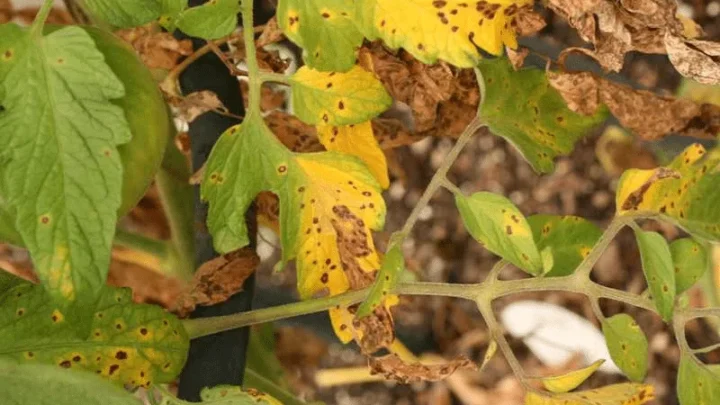
The tells are subtle. Verticillium often causes V-shaped yellow patches on the lower leaves, starting at the leaf margin. Wilt tends to spread more evenly across the whole plant rather than showing up on one side first.
Verticillium has a wider host range than fusarium. It can attack potatoes, eggplants, peppers, strawberries, and even some ornamentals. That makes crop rotation harder, since your break crop might be feeding the pathogen.
Management is the same as fusarium in most home gardens:
- Remove and bag infected plants.
- Rotate out of solanaceous crops for 3 to 4 years minimum.
- Choose varieties labeled V (Verticillium race 1) or VV.
- Consider soil solarization with clear plastic during peak summer to knock back pathogen levels.
Southern Bacterial Wilt and the Ooze-in-Water Test
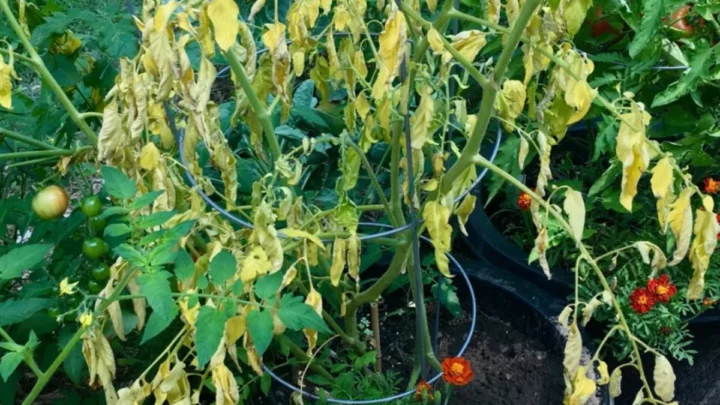
Ralstonia solanacearum is the fastest killer of the bunch. A tomato plant can look fine at breakfast and be flat by dinner, with leaves still green. That green-wilt collapse is the signature.
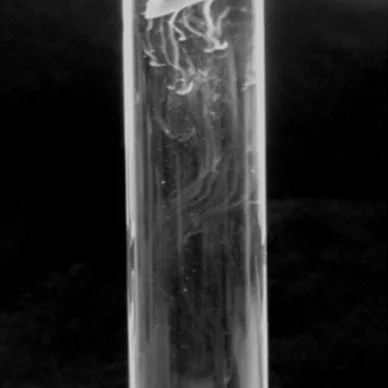
The ooze test is definitive. Cut a 2 to 3 inch section of wilted stem and suspend it in a clear glass of room-temperature water. Watch for 5 minutes.
If you see white or cream-colored threads streaming from the cut end like smoke, that's bacterial ooze. No other tomato disease does this.
Southern bacterial wilt thrives in warm, wet soil above 75°F (24°C). It's most common across the southeastern US, Gulf Coast, and any humid subtropical region. Once it's in your soil, it can persist for years, especially in low, poorly drained spots.
There is no cure. Response steps:
- Pull the plant with the root ball intact.
- Bag it and put it in the trash. Never compost.
- Sanitize tools with a 1:9 bleach solution.
- Avoid replanting tomatoes, peppers, or eggplants in that spot for at least 3 years.
- Look for varieties bred with bacterial wilt tolerance, such as Kewalo, Neptune, or grafted plants on resistant rootstock.
Root Damage, Cutworms, and Hornworm Stem Attacks
Sometimes the wilt has nothing to do with disease or water. Something physically severed the plant's plumbing. This is more common than most gardeners realize, especially in the first few weeks after transplanting.
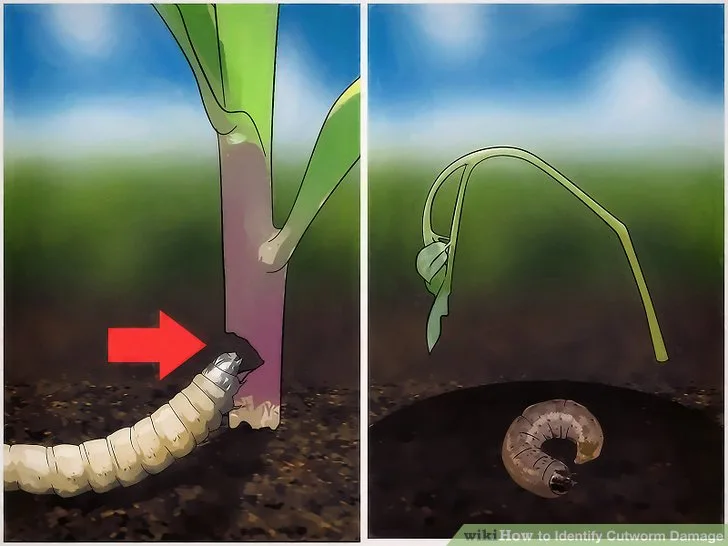
Cutworms are the classic seedling killer. They chew through the stem at or just below the soil line overnight. You'll wake up to a plant lying on its side, cleanly cut like someone took a knife to it.
Push soil away from the base and you'll often find a fat gray caterpillar curled up nearby.
Tomato hornworms usually strip leaves rather than cut stems, but a large hornworm can girdle a young plant. Look for dark green droppings the size of small pellets on the leaves below.
Other physical causes:
- Voles or mice chewing roots underground.
- Root-knot nematodes causing swollen galls on roots that look like tiny beads.
- Careless hoeing that severed feeder roots near the surface.
- Stem breakage from wind, dogs, or an overloaded cage.
Wrap cardboard or foil collars around seedling stems to block cutworms. Handpick hornworms in the evening. If root-knot nematodes are the culprit, choose N-coded resistant varieties next season.
Heat Stress and Afternoon Droop That Recovers by Morning
If your plant droops in 95°F afternoon sun and stands back up by 8 p.m., that's not a disease. It's transpiration outpacing root uptake. Tomatoes lose water through their leaves faster than roots can replace it during a heat wave.
This kind of wilt is temporary and mostly cosmetic. The plant is protecting itself by reducing leaf surface area exposed to the sun. If soil moisture is adequate, no action is needed.
When heat wilt turns dangerous:
- Soil is also dry, so the plant can't recover overnight.
- Temperatures stay above 90°F for multiple days.
- Container plants dry out completely between waterings.
- Blossom drop starts at sustained temps above 90°F daytime or 75°F nighttime.
Practical fixes during a heat wave:
- Water early morning at the base, deeply, so moisture reaches the root zone.
- Mulch 2 to 3 inches thick with straw, shredded leaves, or grass clippings.
- Use 30 to 40% shade cloth during the hottest part of the day.
- Avoid overhead watering at midday, which can cause leaf scald.
Herbicide Drift and Contaminated Compost Damage
This one blindsides a lot of gardeners. Your plant wilts, twists, and cups its leaves for no obvious reason. Nothing on the disease list quite fits.
The culprit is often an herbicide, and it didn't necessarily come from your garden.
Herbicide damage doesn't look like disease wilt. Leaves cup upward or downward, stems twist and fatten, new growth comes in narrow and strappy. The whole plant may look distorted rather than simply limp.
Spotting Aminopyralid Carryover in Straw and Manure
Persistent herbicides like aminopyralid, clopyralid, and picloram can survive composting, animal digestion, and even a full season in a hay bale. If you mulched with straw from a treated pasture or used composted manure from cattle fed treated hay, your tomatoes will show it.
Watch for these signs within 2 to 3 weeks of applying suspect material:
- Fern-like, twisted new growth
- Cupped leaves that curl downward
- Stunted plants that never recover
- Symptoms appearing across multiple unrelated crops at the same time
Stop using the suspect mulch or compost immediately. Remove as much as you can from around affected plants. Contaminated soil may need one or two seasons of active composting before it grows tomatoes again.
2,4-D and Dicamba Leaf Symptoms
2,4-D and dicamba drift from a neighbor's lawn spray or a nearby field can hit tomatoes at very low doses. Both are volatile and can travel hundreds of feet on a warm, breezy day.
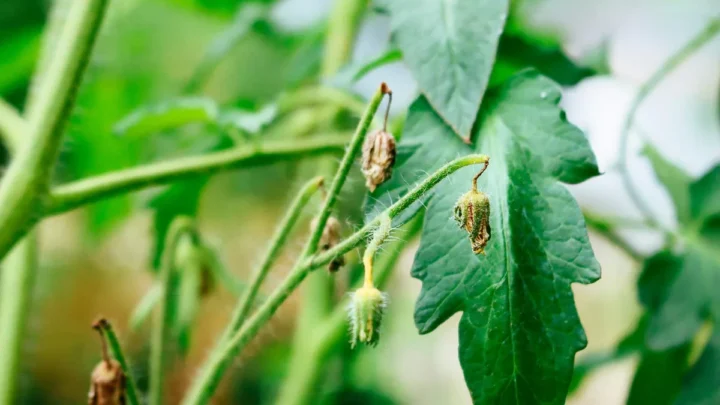
Classic signs include upward leaf cupping, thickened stems, and leaves bending down from the petiole. Damage often shows on the newest growth first while older leaves stay normal. Mild exposure may let the plant recover with reduced yield.
Heavy exposure kills it.
If you suspect drift, document with photos and dates. Report significant damage to your state agriculture department.
Container Tomato Wilt: Pot-Bound Roots and Salt Buildup
Containers dry out faster and accumulate salts from fertilizer over the season. Both cause sudden wilt that mimics disease.
Pull the plant partly from the pot. If roots circle the inside walls in a dense mat, it's root-bound. If you see a white crust on the soil surface or pot rim, salt buildup is limiting water uptake.
Fixes:
- Repot into a container one size larger with fresh potting mix.
- Flush existing pots by watering with plain water until it runs freely from the drainage holes, three times in a row.
- Switch to half-strength liquid feed more often instead of heavy monthly doses.
- Move plants off hot concrete, which can push root-zone temps past 100°F.
The Tomato Wilt Decision Tree (Match Symptoms to Cause)
Run through these branches in order. Stop at the first match.
| Symptom pattern | Most likely cause | Action |
|---|---|---|
| Dry soil, recovers after watering | Underwatering | Deep water, mulch |
| Wet soil, brown mushy roots | Root rot | Stop watering, improve drainage |
| Green leaves, plant collapsed overnight | Bacterial wilt | Ooze test, pull if positive |
| One-sided yellowing, brown stem streaks | Fusarium | Remove and rotate |
| Cut stem at soil line | Cutworm | Collar seedlings |
| Twisted, cupped new growth | Herbicide damage | Trace mulch or drift source |
| Afternoon droop, morning recovery | Heat stress | Shade cloth, mulch |
When to Save the Plant and When to Pull It
Save it if the cause is water, heat, physical damage, or a container issue. These plants usually recover within 24 to 72 hours once the root cause is fixed.
Pull it if the ooze test is positive, if fusarium or verticillium streaking runs the length of the main stem, or if more than half the plant has collapsed. A dying disease plant is a spore factory feeding your soil and neighboring plants.
Bag pulled plants for the trash. Never compost diseased tissue.
Mistakes That Turn a Fixable Wilt Into a Dead Plant
- Watering more when the soil is already saturated.
- Using the same pruners on healthy and infected plants without sanitizing.
- Composting diseased plant material.
- Fertilizing a stressed plant, since feeder roots can't handle the salt load.
- Ignoring the pattern. One branch vs whole plant tells you fungal vs bacterial vs physical.
- Planting tomatoes in the same spot every year.
Preventing Wilt Next Season: Rotation, Resistance Codes, and Soil Care
Rotate solanaceous crops on a 3 to 4 year cycle. Add 2 to 3 inches of compost each spring to feed soil biology that suppresses pathogens.
Choose varieties with resistance codes matching your problem diseases. VFN, VFNT, and VFFNT are the most common combinations. Grafted tomatoes on resistant rootstock are worth the extra cost in soils with a fusarium or bacterial wilt history.
Mulch consistently, water deeply and less often, and stake plants so foliage stays off the soil. Consistent moisture and airflow prevent more wilt than any spray ever will.
Frequently Asked Questions
Will a wilted tomato plant come back?
Yes, if the cause is underwatering, heat, or transplant shock. Water deeply and shade the plant. If it doesn't recover within 48 hours, or the stem shows brown streaking, the cause is likely vascular disease and recovery is unlikely.
Can I still eat tomatoes from a wilted plant?
Fruit already ripening on a plant with fungal wilt is usually safe to eat if it looks and smells normal. Avoid fruit from plants confirmed with bacterial wilt. Wash all produce thoroughly before eating.
How fast does bacterial wilt kill a tomato plant?
Southern bacterial wilt can collapse a mature tomato in 24 to 48 hours once symptoms show. The leaves stay green while the whole plant flops. Pull and destroy immediately to protect nearby plants.
Does epsom salt fix wilting tomatoes?
No. Epsom salt adds magnesium, which doesn't address any of the real causes of sudden wilt. Adding it to a stressed plant can worsen salt buildup in container soil.

Similar Posts