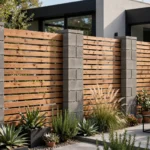
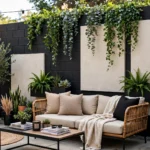
Hide Your Ugly Fence With These Clever Ideas
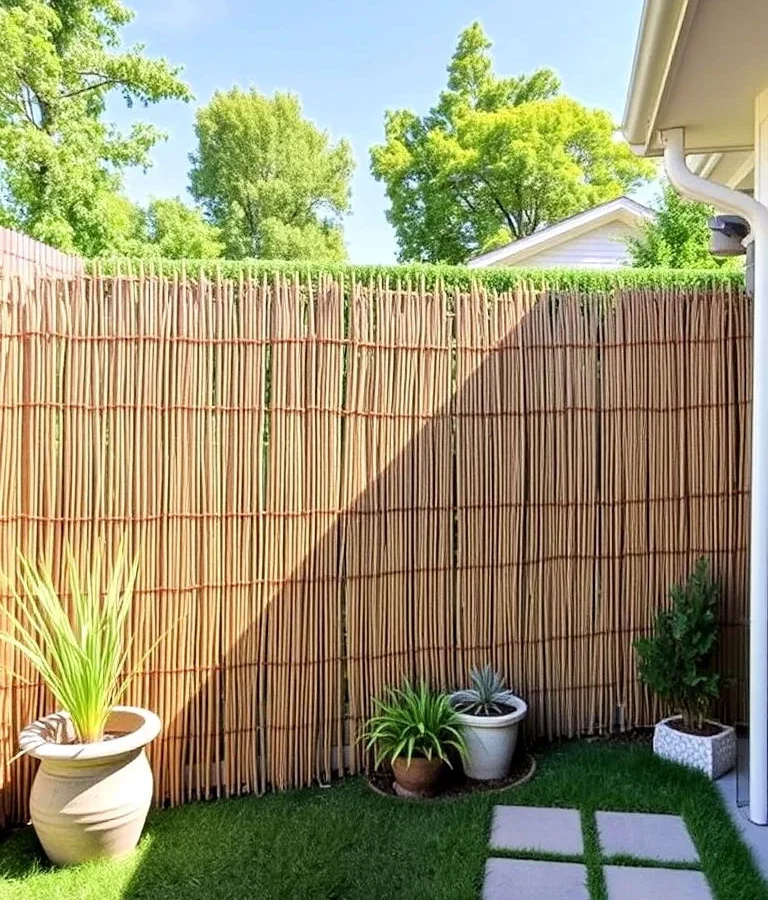
That eyesore in your backyard doesn't have to ruin your summer. You're looking for ugly fence cover up ideas because a full replacement is expensive, messy, or just not an option, especially if you're renting. The good news is you've got plenty of clever, budget-friendly ways to hide that fence and finally love your outdoor space again.
We've researched the most effective methods, from quick bolt-on solutions to beautiful living walls, so you can find the perfect fix for your situation.
Most cover-up projects can be completed in a weekend for a few hundred dollars, a fraction of the cost of a new fence installation as of 2026. The key is picking the right approach for your specific fence type, climate, and how much maintenance you're willing to handle. Let's walk through your options, starting with the most important step you can't afford to skip.
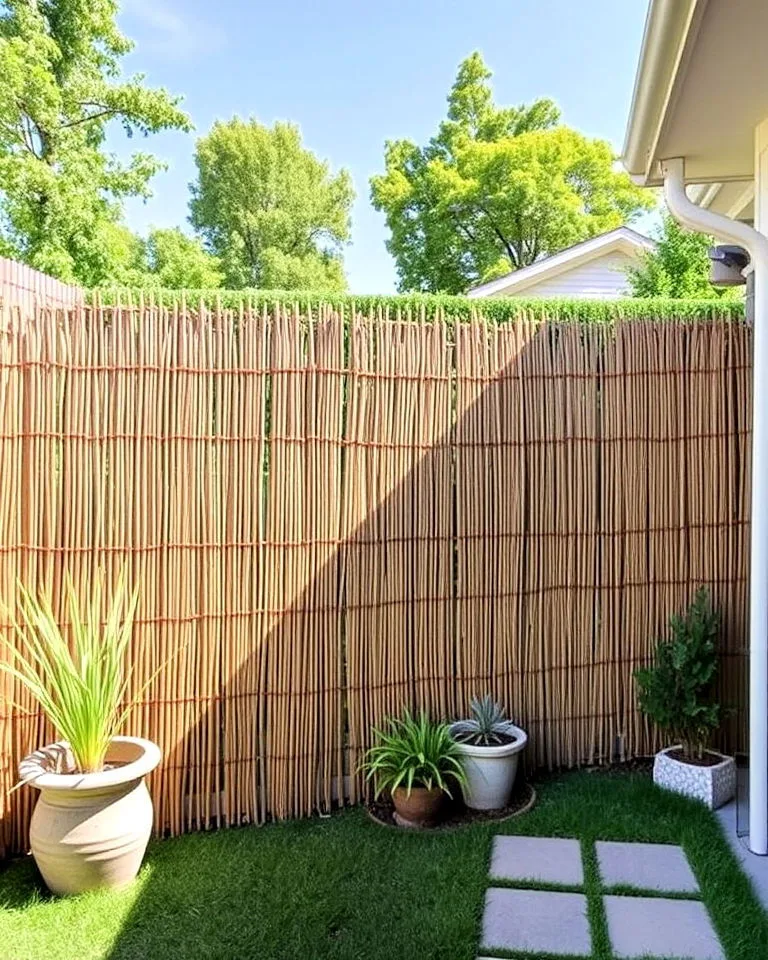
Image source: Bing (Web (fair-use with source credit))
Quick Answer
The fastest ugly fence cover up ideas use roll-out screens or paint. Bamboo or reed fencing rolls attach with zip ties for instant privacy. A fresh coat of opaque exterior stain or dark paint can completely transform a solid wood fence in just one day.
For a permanent, natural look, plant fast-growing climbers like clematis or install a vertical garden system.
First Things First: Check Your Rules & Regulations
Before you buy a single roll of bamboo screening or a gallon of paint, you need to do a quick legality check. This is the most common mistake homeowners make, and it can lead to expensive fines or being forced to take your beautiful new cover-up down.
Your first stop is your local municipal zoning office's website. Most cities and towns have clear regulations on fence height, typically capping it at 6 or 8 feet in residential backyards. Anything you add to the top of your existing fence, like extending posts for taller screens, could push you over that limit.
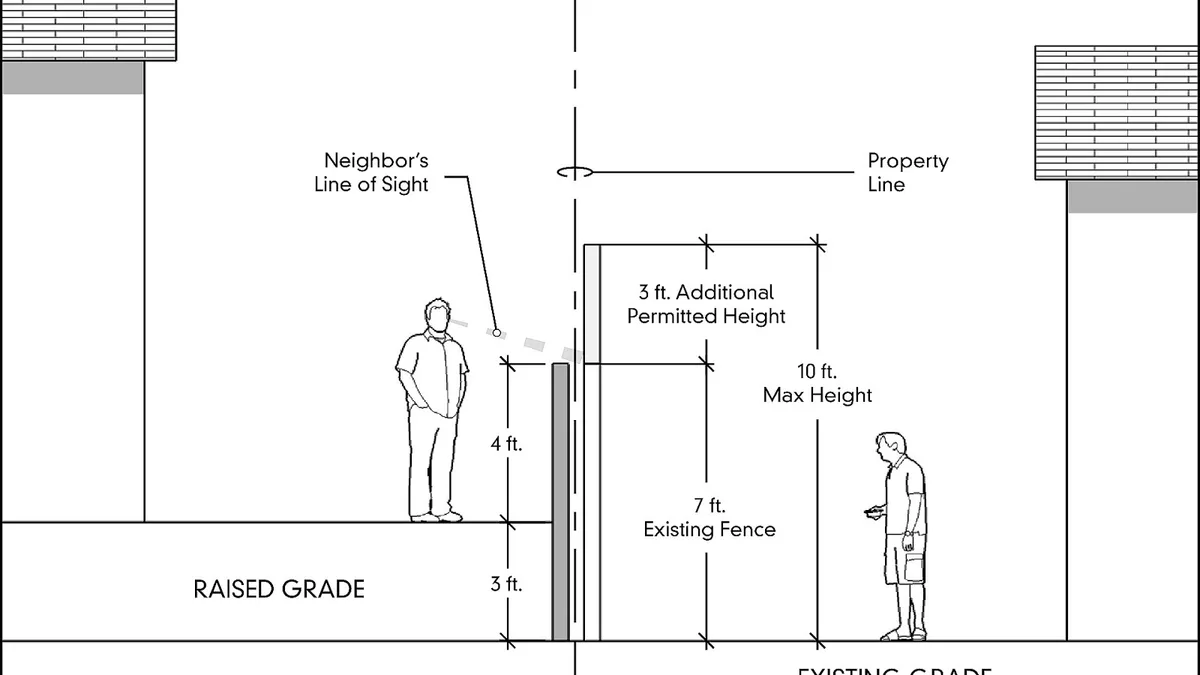
If you live in a community with a Homeowner's Association (HOA), you must review its covenants, conditions, and restrictions (CC&Rs). These documents often specify approved materials, colors, and styles for any exterior modification, including fence cover-ups. Even something as simple as a color change might need pre-approval.
For renters, the rule is simple. Check your lease agreement and get written permission from your landlord before making any modifications, even temporary ones. A quick email approval can save your security deposit.
Why You Shouldn't Just Rip That Old Fence Out
A brand new fence is a major investment. The average cost for a professional installation can run anywhere from $2,500 to over $8,000, depending on materials and the size of your yard. A cover-up project, on the other hand, typically costs between $200 and $800 and can be done yourself in a weekend.
But cost isn't the only reason to choose a cover-up. A lot of older fences are still structurally sound even if they look terrible. The posts might be set in concrete and perfectly stable, while just the panels are rotting or ugly.
It makes far more sense to work with that solid foundation.
There's also the practical issue of shared property lines. If your ugly fence is also your neighbor's fence, replacing it becomes a joint project requiring agreement and shared cost. A cover-up is something you can do entirely on your side, avoiding any potential disputes.
Finally, cover-ups offer flexibility. If you're testing out a new garden style or think you might want to change the look in a few years, a non-permanent solution like reed screens or outdoor curtains lets you do that without another major construction project.
The Quick & Simple Cover-Ups
When you want results now, these are your go-to solutions. They require minimal tools and almost no DIY experience. Your main goal here is to create a visual barrier between you and the fence itself.
Roll-On & Bolt-On Screens
This is the ultimate quick fix. Products like bamboo screening rolls or reed fencing come in large rolls, often 4 feet high and up to 25 feet long. You simply unroll them against your existing fence and secure them with heavy-duty zip ties, galvanized staples, or u-nails every 12 inches or so.
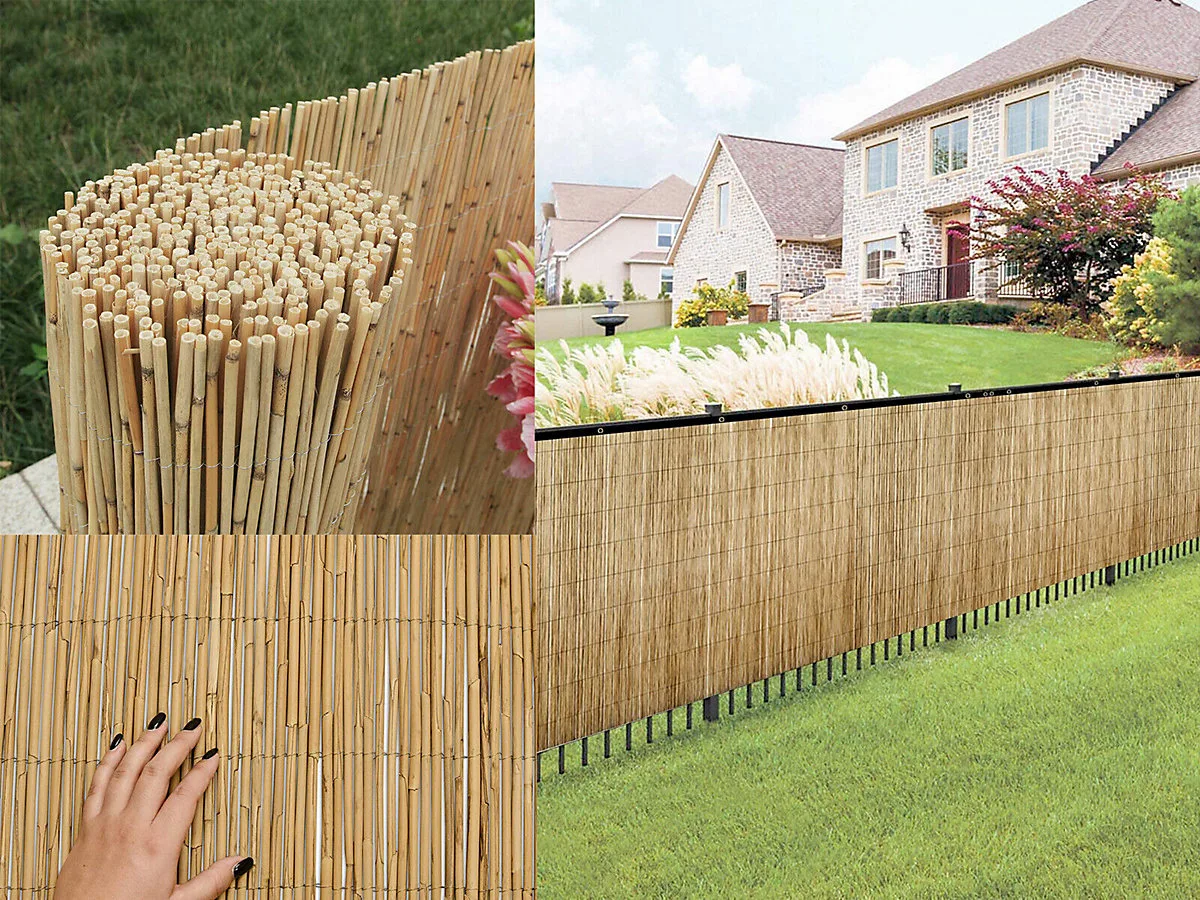
Pros:
- Incredibly fast installation, often under an hour for a small yard.
- Very affordable, usually $1-$3 per square foot.
- Perfect for renters; it's completely reversible.
- Provides instant privacy and a natural, textured look.
Cons:
- Lifespan is shorter than other options, typically 3-5 years before it becomes brittle.
- Can be damaged in very high winds if not secured properly.
- Not as rigid as a solid panel; might billow in strong gusts.
Lattice panels are a step up in durability. These wooden or vinyl grids are sold in 4×8 or 2×8 foot sheets at any home improvement store. They need to be attached to your existing fence posts or a simple wooden frame you build.
Once up, they provide a sturdy structure you can leave as-is or use as a trellis for lightweight climbing plants.
The Power of Paint & Stain
Never underestimate the transformative power of color. If your fence is structurally sound but just faded, stained, or an awful color, a couple of coats of the right product can make it look brand new.
For a truly effective cover-up, you need an opaque product. Look for "solid" or "opaque" exterior stains or acrylic masonry paints if you're covering concrete or cinder block. These are designed to completely hide the previous color and texture underneath.
Dark colors like forest green, charcoal gray, or black are particularly effective at making a fence recede visually into the background.
The key to success is preparation:
- Clean: Use a power washer or a stiff brush and a mildewcide cleaner to remove all dirt, grime, and peeling old finish.
- Dry: Let the fence dry completely for at least 24-48 hours. Painting on damp wood is a recipe for peeling.
- Prime: If you're making a drastic color change (especially going from dark to light) or painting over previously painted wood, use an exterior-grade primer. This ensures better adhesion and truer color.
This method works best on solid wood, vinyl, or metal fences where the surface is mostly uniform. It's not ideal for chain-link.
The Green & Growing Solutions
If you're not in a rush and want a cover-up that gets better with time, going green is your best bet. This approach turns a functional problem into a beautiful garden feature.
Fast-Growing Climbers
This is the most natural way to hide a fence. You're essentially training plants to do the work for you. The best choices are vigorous, self-clinging climbers or those that twist their stems around a support.
Top Picks for Fast Coverage:
- Clematis: Many varieties grow several feet a year. They provide beautiful flowers and aren't overly aggressive.
- Star Jasmine: An evergreen option that offers lush foliage and incredibly fragrant white flowers in spring.
- Climbing Roses: For a classic cottage garden look. They need tying in but provide stunning color and scent.
- Honeysuckle: A vigorous grower that attracts pollinators with its sweet-smelling flowers.
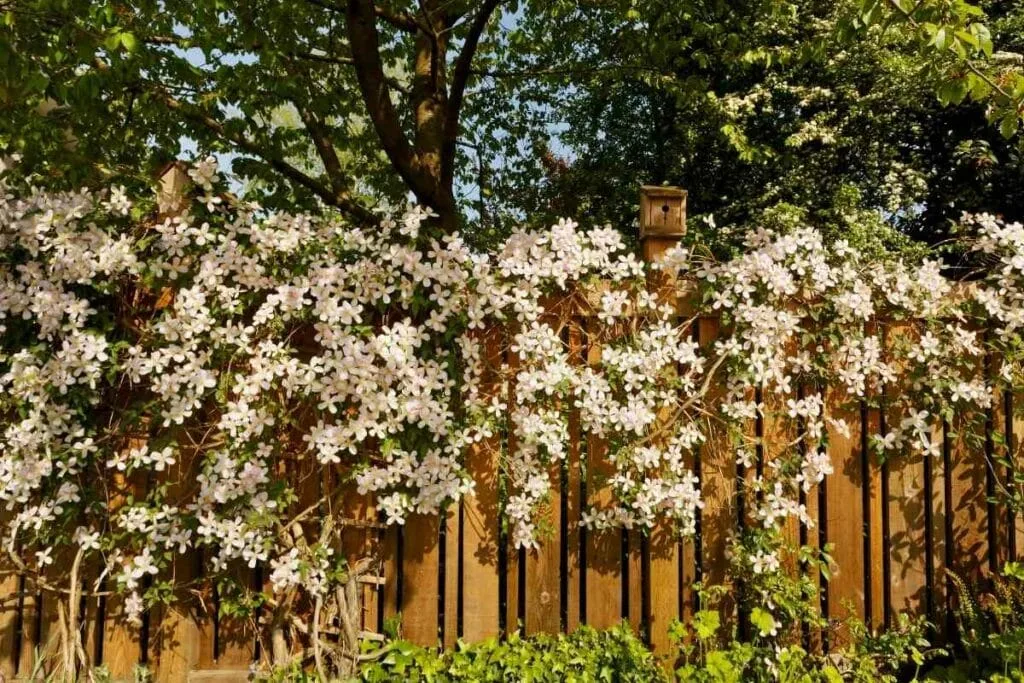
You'll need to provide some support for most climbers. Attach a trellis panel to your fence or simply install a system of wires or galvanized garden twine taut between screws or eye hooks along the fence posts. Plant them about 12-18 inches away from the base of the fence to ensure good air circulation and root health.
Vertical Gardens & Living Walls
For the ultimate in modern garden design, consider a vertical garden system. These are kits that allow you to grow plants directly on your fence in pockets, trays, or felt panels. They're fantastic for small spaces and can turn a blank wall into a work of art.
You can grow anything from ornamental flowers and ferns to herbs and leafy greens. It requires a bit more setup, often involving an irrigation system to keep the plants watered efficiently, but the visual impact is unmatched.
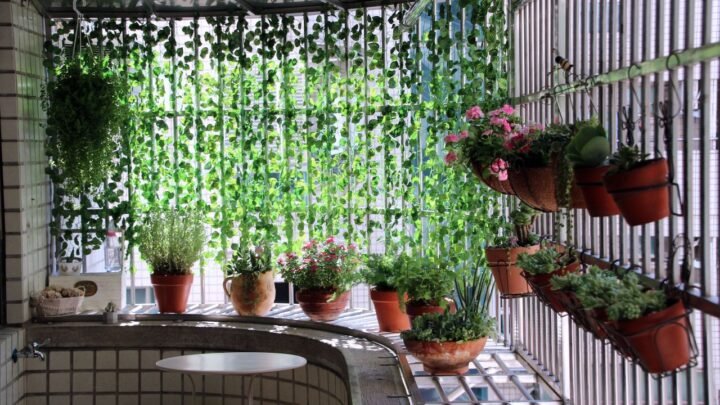
A simpler, lower-maintenance alternative is to hang a series of wall planters or shelves and fill them with trailing plants like ivy, sweet potato vine, or petunias. The cascading effect quickly softens hard fence lines.
Pros:
- Creates a truly unique and personalized garden feature.
- Improves air quality and provides habitat for beneficial insects.
- Can be a fun DIY project with modular kits readily available.
Cons:
- Higher initial cost for the system and plants.
- Requires consistent watering and feeding, more maintenance than other options.
- Not ideal for very shady areas where plants will struggle to grow.
The Creative & Decorative Approaches
When your goal is less about total privacy and more about turning your fence into a backdrop for your style, these ideas let your creativity shine. This is where you can really have fun and make your space feel like an outdoor room.
Outdoor Fabric & Curtains
Think of your fence as a wall that needs drapes. Outdoor-rated fabric curtains are a surprisingly effective and luxurious way to cover up an ugly fence. You can buy them ready-made or DIY them with Sunbrella or other solution-dyed acrylic fabric, which is fade-resistant and waterproof.
Hang them from a sturdy cable wire or a rust-resistant curtain rod mounted to your fence posts. This works especially well for covering a single ugly section, like along a deck or patio, rather than an entire yard. You can pull them closed for privacy on demand and tie them back for an open feel.
Shade cloth is a more utilitarian cousin to curtains. This polyethylene mesh fabric is designed to block a certain percentage of the sun (e.g., 30%, 50%, 70%) and comes in various colors. It’s lightweight, easy to install with grommets and zip ties, and provides a soft, diffused light effect in your yard while hiding the fence behind it.
Art, Lighting & Personal Touches
Sometimes, the best cover-up is a distraction. By adding eye-catching elements to the fence, you draw attention away from its condition and toward your decor.
A few impactful ideas:
- Hanging Planters: A collection of pots filled with colorful annuals or greenery breaks up the large, flat plane of a fence. Mix sizes and hang them at different heights for visual interest.
- String Lights: The ultimate magician's trick. Once the sun goes down, a web of cafe lights or draped bulb strings makes everyone look at the twinkling lights, not the fence they're hanging on. It instantly creates a cozy, inviting atmosphere.
- Outdoor Art: Don't be afraid to hang weather-resistant metal wall sculptures, mosaics, or even a large, framed mirror (secured properly!) to create a focal point.
- Wooden Trellis Accents: Instead of covering the whole fence, build a few decorative wooden trellis squares and mount them strategically. Paint them a contrasting color and let a single climbing plant grow on each one.
The goal here is to add layers and dimensions. A flat, boring fence is an eyesore. A fence with texture, color, and things attached to it becomes part of the garden's design.
Side-by-Side: Your Cover-Up Options Compared
| Solution | Cost (per 10ft) | DIY Difficulty | Lifespan | Best For |
|---|---|---|---|---|
| Reed/Bamboo Screening | $20 – $40 | Easy | 3-5 years | Renters, quick fixes, temporary privacy |
| Lattice Panels | $50 – $100 | Moderate | 5-10 years | Adding structure, supporting light climbers, a more finished look |
| Outdoor Fabric/Curtains | $30 – $80 | Easy | 2-4 seasons | Patios/decks, creating a soft, luxurious feel, temporary shade |
| Paint/Opaque Stain | $60 – $120 | Easy | 5-8 years | Solid wood or vinyl fences that are structurally sound but ugly |
| Climbing Plants | $40 – $100 (plants) | Moderate | 10+ years | Homeowners wanting a permanent, natural solution, garden lovers |
| Vertical Garden System | $150 – $300+ | Hard | 10+ years (with upkeep) | Urban gardens, modern aesthetics, those who enjoy gardening |
How to Install Popular Cover-Ups: A Visual Guide
Seeing how something goes together is half the battle. While every project is slightly different, these are the universal steps that will set you up for success, no matter which cover-up you choose.
Prepping Your Fence for Success
A cover-up will fail if what's behind it is falling apart. Before you attach anything, you need a stable canvas.
Start by giving your fence a good inspection. Push on the posts and panels to check for wobbling. Look for signs of significant rot, especially at the base of the posts and along the bottom rail.
If a post is loose, you may need to dig down and repack the soil or add concrete. For minor rot, you can often sister a new piece of treated wood alongside the rotten one or use a wood hardener product.
Next, clean off all the grime, moss, and cobwebs. A pressure washer on a low setting is fantastic for this, but a stiff-bristle brush and a garden hose will work too. Let the fence dry completely for a day or two.
This is a crucial step if you're painting or staining, but it also helps any new material last longer by preventing mold growth underneath.
Attaching Reed & Bamboo Screens
This is one of the simplest installations. You'll need a staple gun with galvanized staples or a box of heavy-duty UV-resistant zip ties.
- Unroll the screen along the length of your fence. It's easier to have a friend hold one end taut.
- Start at one end and work your way down. If using a staple gun, place a staple every 8-12 inches along the top rail, bottom rail, and each intermediate fence rail. Sink the staples firmly into the wood.
- If using zip ties, loop them around the fence's horizontal rails and through the bamboo screen. Pull them tight and trim the excess tail.
- For a super-secure job in windy areas, you can also attach a few vertical strips of thin wooden lath over the screen, screwed directly into the fence rails. This holds everything flat and prevents billowing.
Securing Lattice or Wooden Panels
Lattice panels are heavier and need a more robust mounting solution. They are best attached directly to your fence posts for maximum strength.
- Measure the distance between your fence posts. You may need to trim a panel to fit.
- Lift the panel into place. Use a level to ensure it's perfectly vertical.
- Secure it using exterior-grade screws (deck screws work well) driven through the lattice frame and into the fence post. Use at least two screws per post.
- If your posts are too far apart or you're attaching to the flat surface of a solid fence, you may need to build a simple framework of 2x2s first. Screw the framework to the fence, then screw the lattice panel to the framework.
Hanging Fabric & Curtains Securely
The last thing you want is for your new outdoor curtains to come crashing down in a breeze.
- Install a support system strong enough to hold the weight of wet fabric. A galvanized steel cable kit (turnbuckle and wire) is a great option. Screw eye hooks into your fence posts or the side of your house and run the cable through them, tightening it with the turnbuckle until it's taut.
- Alternatively, use a thick-walled, rust-resistant metal conduit pipe or a dedicated outdoor curtain rod. Mount it with sturdy brackets screwed into the fence posts, not just the weaker fence panels.
- Slide your curtain rings onto the cable or rod before securing the ends. Once it's all up, you can adjust and style the curtains as you like.
Common Mistakes That Can Ruin Your Project
A little foresight can save you from a lot of frustration and wasted money down the line. Here are the pitfalls we see most often.
Skipping the Prep Work: Attaching anything to a dirty, mildewed, or unstable fence is a shortcut to failure. The new cover-up won't adhere properly, and rot will continue to spread underneath. Always clean and repair first.
Ignoring the Wind: If you live in a breezy area, a flimsy attachment job won't last the season. Reed screens need staples or zip ties every foot. Fabric needs a super taut cable.
For tall, lightweight panels, consider adding a few concrete footer blocks at the base for ballast.
Choosing the Wrong Material for the Conditions: That beautiful untreated wood lattice will look great for about a year before it warps and grays if you don't stain or seal it. Always opt for materials rated for exterior use. For full-sun areas, make sure fabrics and plastics are UV-treated to prevent rapid fading.
Forgetting About Maintenance: A living cover-up like climbing plants requires watering and pruning. A vertical garden needs feeding. Even stained wood needs reapplication every few years.
Pick a project that matches the amount of upkeep you're actually willing to do.
How Much This Will Actually Cost You
Your budget will be the biggest deciding factor for most projects. Here’s a realistic breakdown of what you can expect to spend for a standard 30-foot long fence line.
| Cover-Up Method | Material Cost (Low) | Material Cost (High) | Notes |
|---|---|---|---|
| Reed/Bamboo Screening | $60 | $120 | Price varies by roll length and material thickness. |
| Lattice Panels (Wood) | $150 | $300 | Requires buying full 4×8 sheets, plus screws and potential wood for frame. |
| Exterior Paint/Stain | $90 | $180 | Includes primer, paint, brushes/rollers, and cleaner. |
| Climbing Plants (3-5 plants) | $75 | $150 | Cost for established plants in 1-gallon pots, plus trellis wire. |
| Outdoor Curtains & Hardware | $200 | $400+ | Highly variable based on fabric quality and rod/cable system. |
These estimates are for materials only and assume you already have basic tools like a hammer, drill, staple gun, and brushes. The high end often reflects higher-quality materials that will last significantly longer.
Pro Tips for a Cover-Up That Lasts
A few extra minutes of effort during installation can add years to the life of your project.
- Go Beyond the Stapler: For reed fencing, reinforce the top and bottom edges with a bead of exterior-grade construction adhesive before stapling. This creates a dual bond that resists wind uplift.
- Seal Cut Edges: If you cut lattice panels or wood to size, seal all the freshly exposed edges with an end-cut wood preservative. This prevents water from wicking into the wood and causing rot.
- Create an Air Gap: When attaching any panel directly to a fence, use small spacers (like washers or chunks of wood) between the panel and the fence. This tiny air gap dramatically improves airflow and reduces moisture buildup, which is the enemy of both your cover-up and the original fence.
- Buy 10% Extra Material: Whether it's paint, screening, or fabric, always buy a little more than you think you need. This accounts for mistakes, pattern matching, and future repairs. There's nothing worse of a project-stopper than running out of material with just two feet left to cover.
Final Thoughts: Picking the Right Idea for Your Fence
The best ugly fence cover up idea isn't the one that's most popular, it's the one that fits your specific situation. Be honest about your budget, your DIY skill level, and how much maintenance you'll realistically perform.
If you need a fix for next weekend, grab a roll of bamboo screening and a box of zip ties. If you're dreaming of a lush garden retreat, invest in a few quality climbing plants and wait for nature to do its thing. And if you're somewhere in between, a fresh coat of dark, opaque stain might be all you need to fall back in love with your backyard.
Frequently Asked Questions
Will a fence cover-up damage my existing fence?
A properly installed cover-up should not cause damage. In fact, many options, like screens or panels, can protect the old fence from sun and rain, potentially extending its life. The key is to avoid trapping moisture.
Always ensure good airflow behind whatever you install.
What's the best cover-up for a chain-link fence?
Chain-link is a special case. The best solutions are privacy slats woven through the links, or a roll of reed/bamboo fencing attached to the outside with zip ties. Dense, fast-growing climbers like evergreen clematis or honeysuckle also work beautifully to soften the metal grid.
Can I cover a rotten fence, or does it need to be replaced?
You can cover minor, localized rot if the overall structure is still sound. However, if the posts are wobbling or the rails are spongy and breaking, a cover-up is just a temporary bandage. You must address significant structural rot first, as it's a safety hazard.
How long do these cover-up solutions typically last?
Lifespan varies wildly by material. Reed screens last 3-5 years. Painted stains last 5-8.
Wooden lattice lasts 5-10 with proper maintenance. Climbing plants, once established, are a permanent solution. Always check manufacturer warranties for specific products.
Do I need to treat or seal wood-based cover-ups like lattice?
Absolutely. Any cut wood exposed to the elements will last much longer if you brush on a coat of water-repellent preservative or exterior stain before installation. This protects it from moisture, sun, and insect damage, preventing warping and graying.
Safety / Legal / Compliance / Warnings
Always prioritize safety when working on any DIY project. Wear safety glasses when cutting materials or using a staple gun. Gloves protect your hands from splinters and sharp edges.
Be aware of underground utilities. Before you dig to repair a fence post or set a new one, call 811 to have your local utility company mark the locations of underground lines. This free service prevents serious injury and costly damage.
Check your property line with a recent survey before building anything permanent. Accidentally building on a neighbor's land can lead to legal disputes and the costly removal of your work.
Maintenance & Long-Term Optimization
Your cover-up needs occasional care to look its best. Reed and bamboo screens benefit from a yearly spray with a clear waterproofing sealant to slow down fading and brittleness.
Wooden lattice and panels need re-staining or sealing every two to three years. Focus on the top edges and any cut ends where moisture enters most easily.
For climbing plants, regular pruning is essential. Train new growth to cover bare spots and prevent plants from becoming too heavy for their support structure.
Real Scenarios & Case Examples
A common scenario is a renter with a rusty chain-link fence. A bamboo screen attached with zip ties provides instant privacy and is completely removable upon moving out.
A homeowner with a sagging but stable wooden fence might use dark opaque stain to hide imperfections. Adding a few strategically placed trellis squares with climbing roses draws the eye upward, away from the fence's flawed base.
In an HOA community with strict rules, using approved colors for stain or adding removable planters and art complies with regulations while still personalizing the space.
Frequently Asked Questions
What is the cheapest way to cover an ugly fence?
Reed or bamboo screening rolls are the most affordable option. They cost between $1 and $3 per square foot and require only a staple gun or zip ties for installation.
How can I cover a fence without blocking sunlight?
Use a shade cloth with a low percentage rating, like 30%, or a simple trellis with very open spacing. Both options provide visual screening while allowing plenty of light through.
Will my fence cover-up attract pests?
Wood-based materials can attract wood-boring insects if not properly sealed. Keep any vegetation trimmed back from the fence line to discourage pests from nesting.
Can I use a tarp to cover my fence?
We don't recommend it. Tarps are not UV-stable and will degrade quickly, becoming brittle and tearing. They also lack aesthetic appeal and often violate HOA rules.
How do I clean my fence cover-up?
Most materials can be sprayed with a garden hose. For mildew on fabric or wood, use a soft brush and a mix of water and mild detergent. Rinse thoroughly.
Location & Market Context
Your local climate directly impacts which cover-up will work best. In rainy, humid regions, prioritize rot-resistant materials like vinyl lattice or metal panels. Avoid untreated wood that will warp and decay quickly.
Sunny, hot climates demand UV-resistant solutions. Fabric curtains and reed screens must be specifically rated for sun exposure to prevent rapid fading. Dark-colored stains can also help protect the underlying wood from sun damage.
Windy coastal or plains areas need sturdy mounting. Lightweight screens require extra reinforcement with screws instead of staples. Avoid large solid panels that can act like sails and put excessive stress on your fence structure.
Authoritative Sources
For definitive rules on fence height and placement, always refer to your local municipal government's zoning code website. These .gov sources provide legally binding information specific to your address.
Product installation manuals from manufacturers like CertainTeed or Ames are invaluable for proper mounting techniques. They provide specific guidance on weight limits, required fasteners, and spacing for their panels and systems.
The American Society of Landscape Architects offers design guidance for integrating fences into your overall landscape plan. Their resources help you choose solutions that are both functional and aesthetically pleasing.
Related Terms & Semantic Entities
Other common searches include backyard privacy screens, DIY fence makeovers, and cheap fence alternatives. People also look for how to hide chain link fences specifically or cover concrete block walls.
Vertical gardening is a closely related topic that combines fence covering with food or flower production. Other semantic terms include garden screening ideas, outdoor room dividers, and non-permanent fence solutions for renters.
Final Recommendation
Choose reed screens or outdoor fabric for a quick, temporary fix. These solutions work well for renters or anyone needing immediate results on a tight budget.
Opt for paint or stain if your fence is structurally sound but visually dated. This approach provides the most dramatic visual change for the effort and offers good longevity.
Invest in climbing plants or a vertical garden for a permanent, evolving solution. This choice adds the most ecological value and beauty to your space over time, though it requires patience and ongoing care.

Similar Posts