Creative Flower Bed Fence Ideas for Gardens
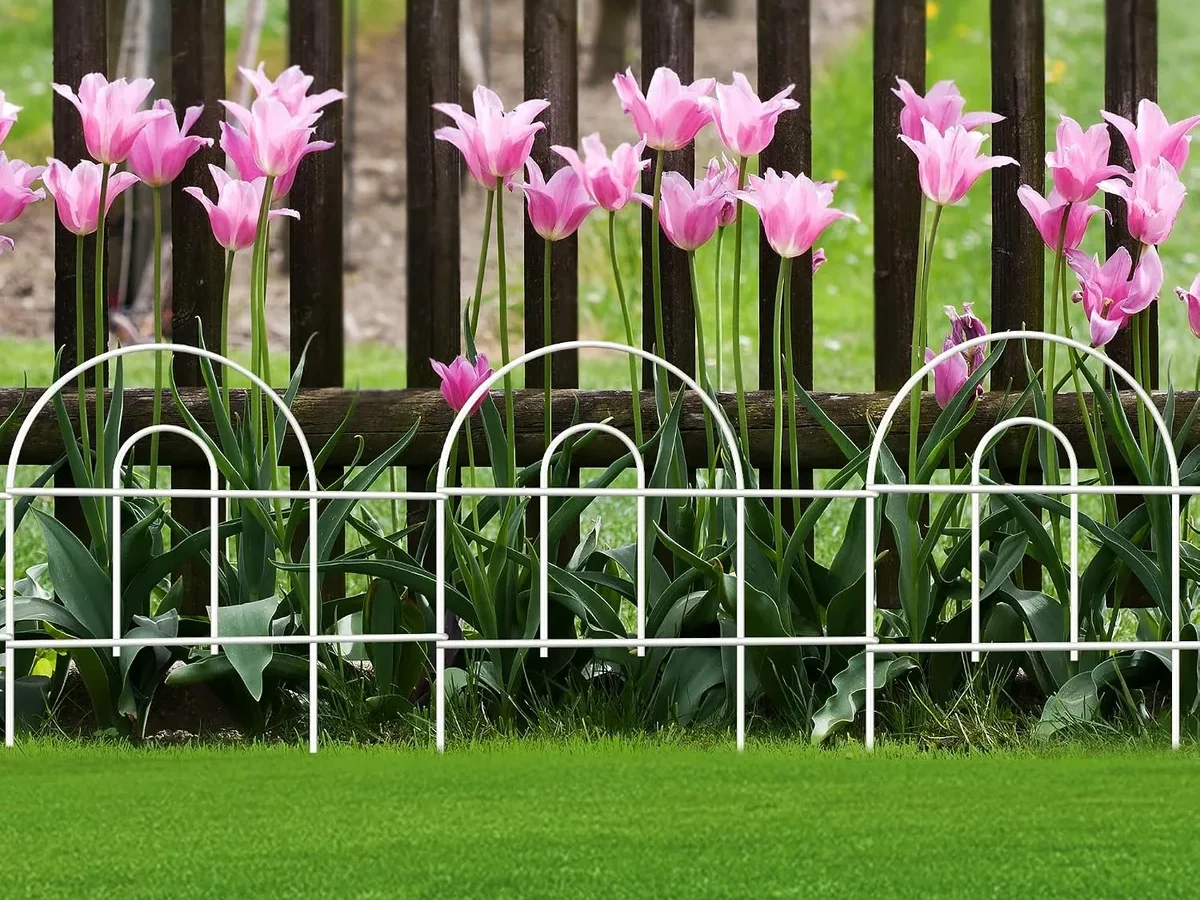
You've put all that work into your flower beds, but something's missing. They might look a bit unfinished, or maybe the neighbor's dog keeps treating your prized petunias like his personal digging spot. Finding the right flower bed fence ideas solves both problems at once, turning a functional border into a key part of your garden's design.
It’s the finishing touch that pulls everything together.
The best height for a decorative border typically ranges from 6 to 18 inches, which is enough to define the space without overwhelming your plants. As of 2026, the most popular materials are metal, wood, and vinyl, each offering a different look and level of durability. Let's break down your options to find the perfect fit for your yard.
Quick Answer
The best flower bed fence ideas combine style with function. Choose a low, decorative metal or picket fence for a classic look and to contain mulch. Install a taller, sturdier wire mesh or wooden fence to keep pets and wildlife out.
Your main choices are wood, metal, vinyl, stone, or creative upcycled materials. Always check for underground utilities before you start digging.
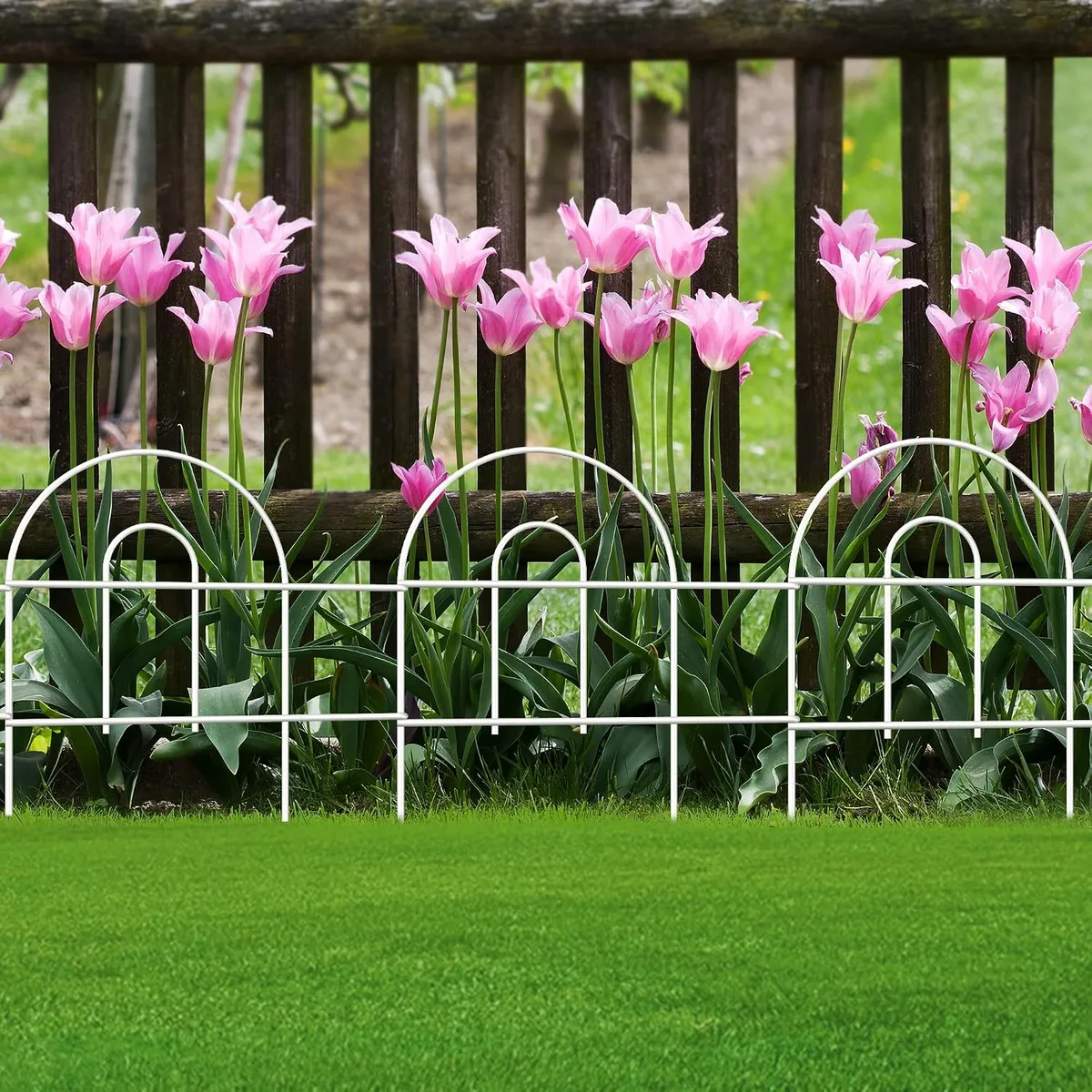
Image source: Bing (Web (fair-use with source credit))
Why Your Flower Beds Need a Fence (It's Not Just About Looks)
A flower bed fence does a lot more than just sit there looking pretty. Think of it as a multi-tool for your garden. First, it creates a clean, defined edge that makes your entire landscape look intentional and well-maintained.
This single feature can significantly boost your home's curb appeal.
It's also a huge time-saver for garden maintenance. A solid border keeps mulch, soil, and stones contained right where you want them. It gives you a clear line to mow and trim up to, which means you'll spend less time weeding and re-edging the bed itself.
Most practically, it protects your investment. A good fence can deter digging dogs, curious rabbits, and even larger pests like deer from treating your plants like a salad bar. It also helps keep foot traffic, both human and animal, from accidentally trampling your delicate flowers.
The 6 Main Types of Flower Bed Fences: A Visual Guide
Your choice of material will define the entire look and feel of your garden. Each type has its own personality, from rustic and traditional to sleek and modern. Understanding these core categories is the first step to narrowing down your options.
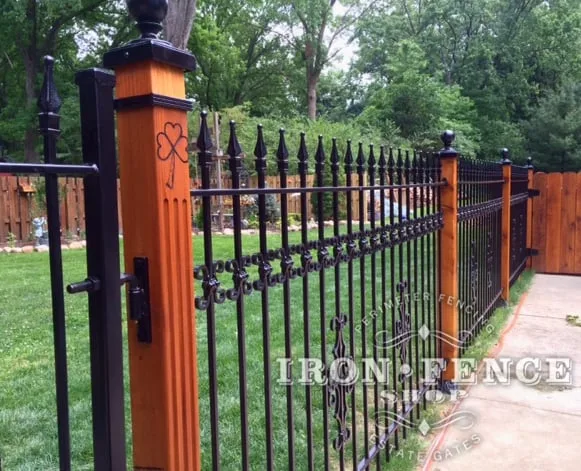
Image source: Bing (Web (fair-use with source credit))
Classic Wood: From Picket to Wattle
Wood is the go-to for a reason. It brings warmth and a traditional feel that works with almost any garden style. Cedar and redwood are top choices because they're naturally rot-resistant, meaning they'll last for years even with ground contact.
You've got a few styles within the wood category:
- Picket Fences: The all-American classic. Perfect for cottage gardens and adding a cheerful, defined border.
- Split-Rail or Log-Style: Offers a more rustic, casual look. Great for larger properties or naturalistic planting schemes.
- Wattle Fencing: Made by weaving flexible branches between upright stakes. It’s a beautiful, old-world technique that feels organic and handmade.
The main thing to watch with wood is maintenance. You'll likely need to re-stain or seal it every few years to keep it looking fresh and to protect it from the elements.
Sleek Metal: Wrought Iron & Modern Aluminum
Metal fences offer structure and elegance. They're incredibly durable and can create a look that's either ornate and traditional or clean and contemporary.
- Wrought Iron: Known for its intricate scrollwork and classic beauty. It's exceptionally strong but can be prone to rust if the finish isn't maintained. It's also one of the more expensive options.
- Aluminum: A modern alternative that gives you the look of wrought iron without the weight or maintenance. Most aluminum fencing is powder-coated, making it rust-proof and a great low-maintenance choice. You'll often find it in pre-made panels that are surprisingly easy to install.
Metal works brilliantly in formal gardens or to add a touch of sophistication. It's also a great choice if you want an open fence that provides a barrier without blocking the view of your plants.
Flexible & Modern: Vinyl and Composite
If your top priority is durability and zero upkeep, vinyl and composite materials are worth a close look. They're engineered to withstand sun, rain, and temperature swings without warping, rotting, or fading.
- Vinyl Fencing: Often comes in white or black and mimics the look of painted pickets. It never needs painting and can be cleaned with just a hose. The downside is that it can look a bit artificial if not chosen carefully, and cheaper versions can become brittle in cold weather.
- Composite Edging: Made from a blend of wood fibers and plastic. It has the textured appearance of wood but with the rot-resistance of plastic. It's a fantastic option for a natural wood look without any of the maintenance headaches.
These materials are a smart investment if you never want to think about maintenance again. They do come with a higher upfront cost, but you save on time and materials down the road.
Natural & Rustic: Stone, Brick, and Bamboo
For a truly permanent and organic look, hardscapes and natural materials are unbeatable. These options blend seamlessly into the garden itself, often looking like they've always been there.
- Stone and Brick: These are the most permanent solutions. A dry-stacked stone wall or a row of bricks set on edge creates a timeless, sturdy border that will last for decades. The installation is more labor-intensive, but the result is virtually indestructible.
- Bamboo: Offers a quick, eco-friendly, and affordable option. It's usually sold in rolls made of bamboo canes tied together with wire. It creates a lovely, lightweight Asian-inspired feel and is great for informal gardens. Just know that bamboo won't last as long as other materials, eventually succumbing to weather.
These choices are less about being a "fence" and more about being a foundational part of your garden's hardscape. They add incredible texture and character.
The Upcycled & Creative: Unique DIY Ideas
Your fence doesn't have to be store-bought. If you love a unique, personal touch, upcycling other materials can lead to the most charming results. This is where you can really let your personality shine.
Think outside the box:
- Old wine bottles buried neck-down to create a glass border.
- Repurposed Victorian-era bed headboards and footboards.
- Salvaged roofing tiles set on an angle.
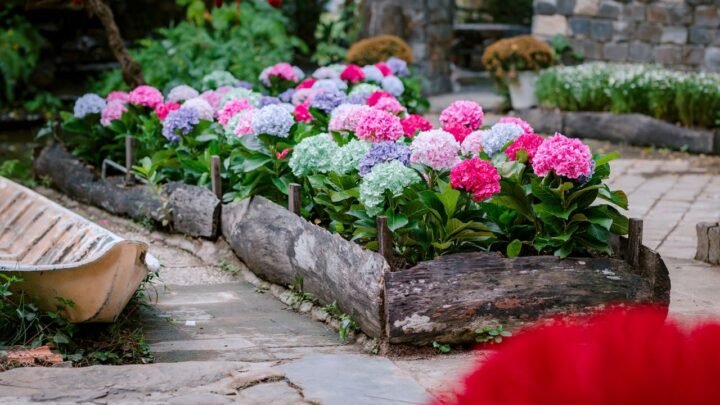
- Logs and fallen branches from your property.
The only limit is your imagination. The key to making upcycled ideas work is consistency. Pick one material and use it throughout the entire bed to create a cohesive look, rather than a jumble of random objects.
Matching the Fence to Your Garden's Vibe
The right fence should feel like it belongs with your house and your plants. It's the frame for your living artwork, so it needs to complement the picture. A sleek metal fence might look out of place in a wild, cottage-style garden, just as a rustic wattle fence might feel odd next to a modern minimalist home.
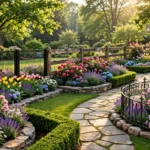
For a cottage garden, think charming and a little informal. White picket fences, wattle hurdles, or simple wire edging are perfect. They provide structure without looking too rigid or formal.
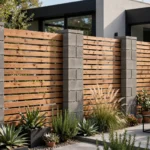
If your style is more modern or contemporary, clean lines are your friend. Powder-coated aluminum in black or dark gray, horizontal slat fences, or even low corten steel edging can create a stunning, architectural effect.
Formal gardens demand symmetry and elegance. Here, ornate wrought iron, boxwood hedges with low brick borders, or crisp white vinyl pickets are classic choices that maintain a sense of order and refinement.
First, Solve the Big Problem: Are You Keeping Something In or Out?
Before you fall in love with a style, get brutally honest about its job. The primary function will dictate the height, sturdiness, and even the material you choose. This is the most practical step in the entire process.
For Containing Mulch and Defining Space (Low Barriers)
If your main goal is aesthetics, to create a clean edge and keep your mulch from washing onto the lawn, you have the most flexibility. Almost any low-profile edging will do the trick.
This is where short, decorative fences shine. Look for options that are 6 to 12 inches tall. Rolled metal edging, short pickets, low brick borders, and even plastic composite edging all work perfectly.
The goal here is to be seen, not to be a barrier.
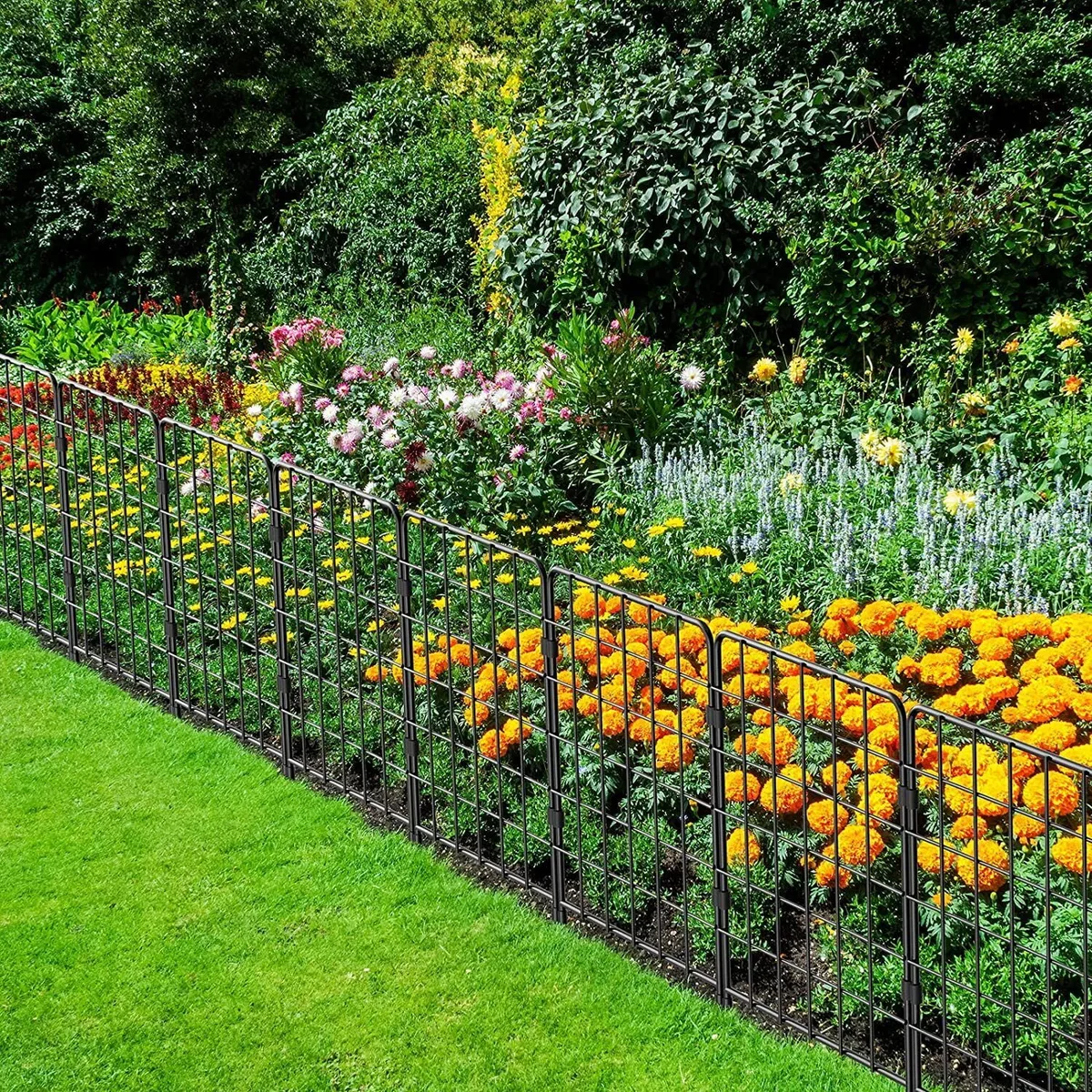
Image source: Bing (Web (fair-use with source credit))
For Deterring Dogs and Digging Pets (Sturdy, Knee-High)
This is a job for something sturdier. A small dog can easily jump over a short decorative fence, and a determined digger will laugh at flimsy plastic. You need a physical and psychological barrier.
A fence that's at least 18 to 24 inches tall is a good starting point. Material matters, too. A sturdy wooden picket fence, a solid vinyl panel, or a metal fence with closely spaced bars are all effective.
The key is to make it a hassle for the pet to get through. Ensure it's secured firmly into the ground to prevent them from pushing underneath it.
For Keeping Out Rabbits, Deer, and Other Wildlife
This is your biggest challenge and requires the most strategic approach. Rabbits can squeeze through small gaps, and deer can jump astonishingly high. Your fence needs to be both tall and smart.
For rabbits and groundhogs, a wire mesh fence is often the most effective solution. It should be buried at least 6 inches underground to prevent digging and stand about 2 feet tall.
Deer are a different story. To truly deter them, you need a fence that's at least 6 to 8 feet tall. This is often impractical for a front flower bed.
In these cases, a shorter fence (3-4 feet) can still be useful as a visual reminder not to enter, especially when paired with deer-resistant plants. For a more comprehensive approach, resources from university agricultural extensions provide valuable data on effective fencing heights and types for wildlife management.
The Penn State Extension is one such authoritative source that offers research-based guidance on managing wildlife in residential landscapes.
Key Features to Look For: Height, Material, and Style
Once you know your fence's main job, it's time to get into the specifics. These three factors, height, material, and style, will determine its final look, function, and cost. Let's break down what each one means for your project.
Getting the Height Right
Height is your first functional decision. It’s not just about looks; it directly impacts what the fence can do.
- Low (6-12 inches): Purely decorative. Perfect for defining a space, edging a path, or containing mulch. It won't stop anything but offers a clean, finished look.
- Medium (1-2 feet): The functional sweet spot. This height is ideal for keeping most dogs and small children out of the beds. It's a clear physical barrier without feeling imposing.
- Tall (3+ feet): For serious privacy or wildlife control. A fence this high can help block wind, screen an unsightly view, or, as we discussed, attempt to deter deer.
Choosing a Material That Lasts
The material dictates durability, maintenance, and cost. Your local climate plays a big role here.
| Material | Pros | Cons | Best For |
|---|---|---|---|
| Wood | Natural look, customizable, can be inexpensive | Requires regular maintenance, can rot | Cottage gardens, traditional homes, DIYers |
| Metal | Very durable, elegant, low-maintenance (aluminum) | Can rust (iron), often more expensive | Formal gardens, modern landscapes, long-term solutions |
| Vinyl/Composite | Zero maintenance, won't rot or fade, easy clean | Higher upfront cost, can look artificial | Busy homeowners, modern designs, wet climates |
| Stone/Brick | Extremely durable, timeless, adds value | Expensive, difficult to install, permanent | High-end landscapes, permanent borders |
| Bamboo | Eco-friendly, inexpensive, quick install | Less durable, weathers quickly, informal | Temporary solutions, Asian-inspired gardens |
Style: The Final Touch
Style is the personality of your fence. It’s how the material is shaped and formed.
- Picket: Timeless and cheerful. The pointed tops and gaps between pickets are iconic.
- Solid Panel: Offers more privacy and a stronger windbreak. Good for creating "garden rooms."
- Lattice: Allows light and air to pass through and can provide support for climbing plants like clematis or sweet peas.
- Wrought Iron Scrollwork: Adds a touch of classic elegance and formality.
- Rolled Edging: Simple and minimalist. It’s more about defining a line than being a visual feature.
The Real Cost: Pricing Per Foot and Project Scope
Let's talk numbers. The cost of your flower bed fence can vary wildly depending on your choices. A simple DIY project with upcycled materials might cost you almost nothing but your time.
A professionally installed stone wall could run into the thousands.
Here’s a rough breakdown of material costs per linear foot as of 2026, to give you a ballpark figure. Remember, installation costs can double these numbers if you hire a pro.
- Bamboo / Wattle: $\2, $\5
- Wire Mesh / Rolled Metal: $\3, $\8
- Wood (Picket panels): $\10, $\25
- Vinyl (Picket panels): $\15, $\30
- Aluminum (Ornamental): $\20, $\40
- Wrought Iron: $\30, $\60+
- Stone/Brick (Installed): $\50, $\100+
The other huge factor is the perimeter of your flower bed. A small, round bed might only need 15 feet of fencing. A large, sprawling border could need 50 feet or more.
Always buy about 10% more material than your measurements to account for curves, errors, and waste.
Your Installation Playbook: A Step-by-Step Guide
Ready to get your hands dirty? Installing a flower bed fence is a very achievable DIY project for a weekend. The process will vary slightly depending on your material, but the core steps remain the same.
The One Crucial Step Everyone Forgets (Call 811)
Before you dig a single hole or pound in a single stake, you must call 811. This free service will have all your local utility companies come out and mark the location of any underground lines (gas, water, electric, fiber) in your work area. It’s not just a good idea; it’s the law in most places, and it keeps you safe.
Do this at least a few business days before you plan to start.
Pre-Made Panels vs. Roll-Out Edging: Which is Easier?
Your two main installation methods are panels or rolls.
- Pre-Made Panels: These are sections of fence, usually 4-8 feet long. They’re great for getting a uniform look quickly. Installation involves setting posts at regular intervals and attaching the panels. It requires more precision to keep everything level and spaced correctly.
- Roll-Out Edging: This is typically flexible metal or plastic that comes in a long roll (10-50 feet). It’s fantastic for curved beds because it bends easily. Installation is often as simple as unrolling it and using provided stakes to secure it into the ground. It’s generally the quicker, easier option.
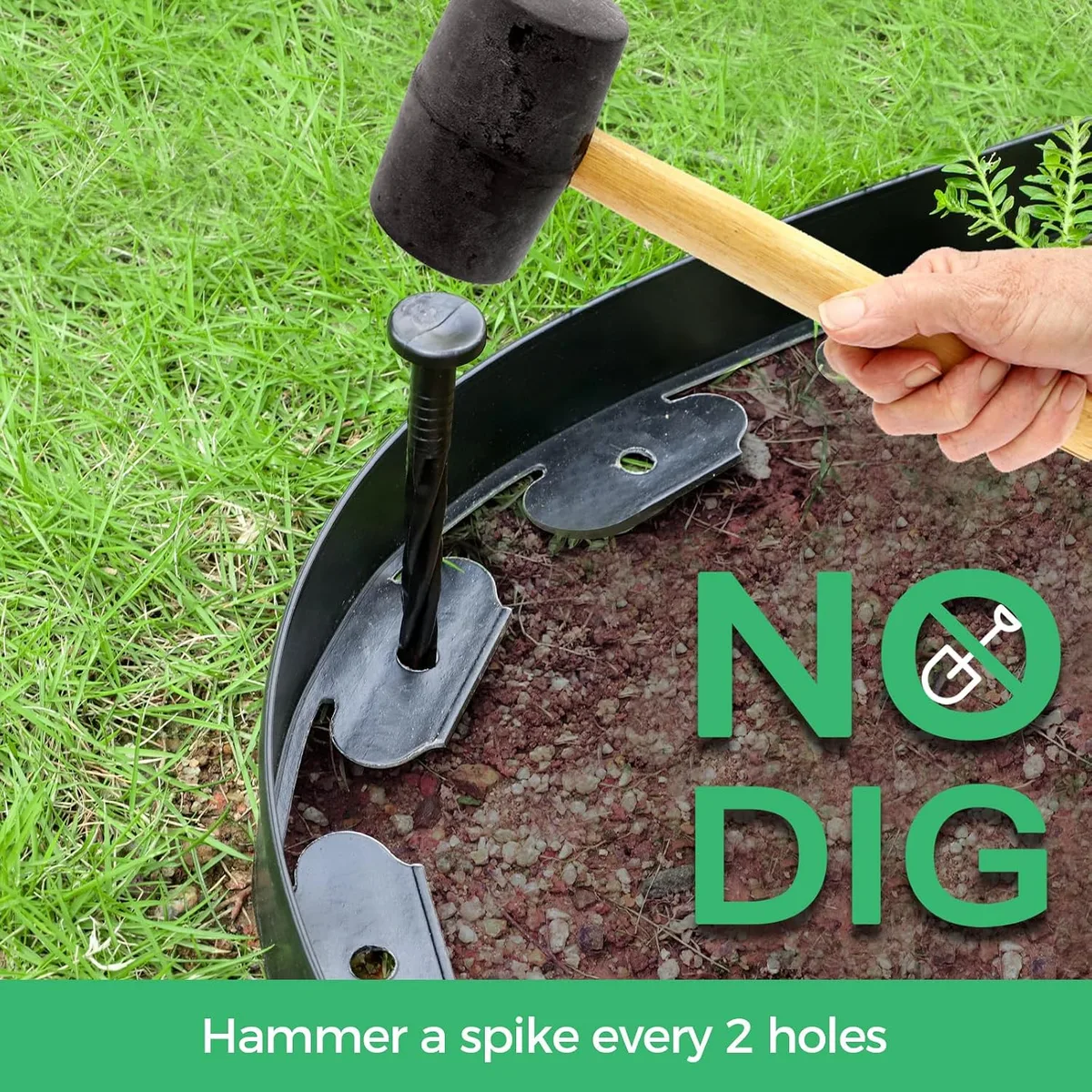
Image source: Bing (Web (fair-use with source credit))
Securing Your Fence for the Long Haul
A wobbly fence is an eyesore and a failure. How you secure it depends on the type.
- For Sturdy Wood/Metal Panel Fences: You need proper posts. Dig post holes 18-24 inches deep (deeper in colder climates to get below the frost line). Set the posts in concrete for maximum stability. This creates a permanent, rock-solid foundation.
- For Lighter Fences and Edging: Metal stakes are usually sufficient. Drive them into the ground at regular intervals and attach the fence to them. For roll-out edging, the stakes are often built-in or pushed through the material itself.
- The Ground Contact Rule: Any part of the fence that touches the soil should be made of rot-resistant material (cedar, redwood, composite, metal) or treated for ground contact. This prevents premature failure.
5 Common Mistakes That Can Ruin the Look
Even with the best plans, it's easy to make a misstep. Avoiding these common errors will ensure your project looks professional and lasts for years.
Mistake #1: Ignoring the Grade of Your Yard
Installing a rigid panel fence on a slope without accounting for the grade is a classic error. It results in awkward, stair-stepped gaps at the bottom or a fence that looks like it's leaning. For sloped yards, use a flexible material that can follow the contour, or carefully step your panel installation to match the slope.
Mistake #2: Choosing a Material That Won't Last
It’s tempting to grab the cheapest option, but that false economy will cost you later. A flimsy plastic fence might yellow and crack in a single season of sun. A non-treated wood will rot quickly where it meets the soil.
Invest in a quality material suited to your climate from the start.
Mistake #3: Forgetting About Maintenance
Be honest about how much upkeep you're willing to do. That beautiful white picket fence will need scraping and painting every few years. If you hate the idea of maintenance, lean toward vinyl, aluminum, or composite.
If you enjoy puttering in the garden, wood is a great choice.
Mistake #4: Creating a Tripping Hazard
Make sure your fence is either low enough to easily step over or high enough that people clearly see it as a barrier. An awkward mid-shin height is a perfect toe-catcher. Also, ensure any stakes or posts are driven fully into the ground and don't protrude.
Mistake #5: Clashing With Your Home's Style
The fence should complement your home's architecture, not fight it. A sleek, black metal fence might look fantastic with a modern home but utterly out of place with a rustic log cabin. Look at your home's lines, colors, and materials, and choose a fence that feels like a natural extension of them.
Beyond the Fence: Using Plants to Soften the Look
A fence doesn't have to stand alone. The right plants can help it blend seamlessly into your garden, softening hard edges and making it look like it's always been there.
Consider planting low-growing, sprawling plants that will spill over the edge of the border. Creeping phlox, sweet alyssum, or sedum can beautifully mask the fence's foundation. For taller fences, train climbing plants like roses, clematis, or morning glories to grow up and cover it, turning a functional object into a living feature.
Pro Tips for a Flawless Finish
A few extra touches can take your project from good to great.
- Use a String Line: For straight lines, nothing beats a simple string line stretched between two stakes. It’s your guide for keeping everything perfectly aligned.
- Paint or Stain Before Installing: It’s infinitely easier to paint or stain fence panels on a sawhorse than it is on your hands and knees after they’re installed.
- Mind the Gap: Leave a small gap between the bottom of the fence and the ground. This allows for air circulation, prevents moisture buildup, and makes mowing and trimming much easier.
- Protect Your Plants: Be careful when working around existing plants. Cover them with a tarp to protect them from falling tools and debris during installation.
Frequently Asked Questions
What's the cheapest way to fence a flower bed?
For a truly budget-friendly option, look to flexible roll-out edging made of powder-coated steel or plastic. It's inexpensive per foot and requires no special tools to install, usually just a hammer to drive in the stakes. Upcycling materials like old bottles or fallen branches is the absolute cheapest route if you're handy.
How deep should posts be for a small garden fence?
For a lightweight decorative fence around 2-3 feet tall, setting posts 18 inches deep is usually sufficient. For anything taller or sturdier meant to contain pets, aim for 24 inches. In colder climates, always dig down below the frost line to prevent the posts from heaving during freeze-thaw cycles.
Do I need to worry about my HOA?
Absolutely. Before you buy anything, review your Homeowners Association's covenants, conditions, and restrictions (CC&Rs). Many have specific rules about fence styles, materials, colors, and heights.
Getting approval first can save you from having to take down a finished project.
What's the best no-dig option?
No-dig options are fantastic for renters or anyone who wants to avoid major landscaping. The best choices are flexible metal edging that stakes directly into the soil, pre-made vinyl panels that spike into the ground, and lightweight decorative fences that are more of a visual placeholder than a structural barrier.
Safety / Legal / Compliance
Always check your local building codes before installing any permanent fence structure. Regulations often dictate maximum heights for front yard fences, typically around 3 to 4 feet, to maintain visibility and a open streetscape. These rules are especially common in areas governed by a homeowners association.
The most critical safety step is calling 811 to have underground utilities marked. Hitting a gas or electrical line can cause serious injury, service outages, and expensive repairs. This free service is non-negotiable for any project involving digging.
Ensure your finished fence has no sharp, protruding edges at face or hand level. Blunt any cut metal ends with a file and cap post tops if necessary. A stable installation is also key; a wobbly fence is a tripping hazard for everyone.
Maintenance / Long-Term Optimization
Your fence's maintenance needs are almost entirely determined by its material. Vinyl, composite, and aluminum require the least effort. A quick rinse with a garden hose is usually enough to keep them looking new.
They're truly set-and-forget options.
Wood demands the most attention. You'll need to inspect it annually for signs of rot, splintering, or fading. Reapplying a fresh coat of stain or sealant every two to three years protects it from moisture and UV damage, significantly extending its life.
Even metal needs a quick check. While powder-coated aluminum is carefree, wrought iron can develop rust spots if the finish is compromised. Sanding those spots and touching them up with a rust-inhibitive paint prevents small problems from becoming big ones.
Real Scenarios / Case Examples
Imagine a suburban garden with a persistent rabbit problem. A 2-foot tall roll of galvanized wire mesh fence, buried 6 inches underground, would be the ideal solution. It's nearly invisible among the plants but creates an effective physical barrier that stops digging and entry.
For a modern home with sleek lines and a minimalist landscape, a low, horizontal slat fence made from stained cedar or black aluminum would complement the architecture. It defines the planting area without feeling heavy or traditional, perfectly matching the home's contemporary vibe.
A cottage garden overflowing with blooms calls for a classic white picket fence. The cheerful, traditional style enhances the romantic feel of the plantings. Choosing a rot-resistant wood like cedar ensures it weathers gracefully without detracting from the lush, informal aesthetic.
Final Recommendation / Verdict / Decision Guide
The best flower bed fence for you isn't about the trendiest option. It's about the one that solves your specific problem in a way that looks like it belongs.
If your top priority is keeping pets or wildlife out, choose function first. Invest in a sturdy, taller metal or wood fence installed properly with secure posts. For pure decoration and mulch containment, a simple low metal or vinyl edging is affordable and easy.
Always let your home's style be your guide. A fence should feel like a natural extension of your property, not a random addition. And never, ever skip the call to 811 before you start digging.
That one free phone call is the most important step for a safe and successful project.
The article appears to be complete. The previous response included the final H2 sections from the approved TOC: "Safety / Legal / Compliance", "Maintenance / Long-Term Optimization", "Real Scenarios / Case Examples", and "Final Recommendation / Verdict / Decision Guide". All key topics have been addressed, from initial planning and material selection to installation, maintenance, and final decision-making guidance.
The content has covered the full scope of the topic, providing a comprehensive guide to flower bed fence ideas that balances practical advice with aesthetic considerations. The natural ending point has been reached with the conclusive final recommendation section.

Similar Posts