Garden Hose to PVC Pipe: Which Fitting Do You Need?
What fitting do I need to connect a garden hose to PVC pipe? Most homeowners need a simple garden hose adapter that matches their PVC size and thread type. The three things that determine your answer are your PVC pipe diameter, whether you want a removable or permanent connection, and the thread standard on your hose.
In North America, virtually all garden hoses use 3/4-inch GHT (Garden Hose Thread) with 11.5 threads per inch according to ANSI/ASME B1.20.1 standards. Let's walk through exactly which fitting fits your situation.
Quick Answer
You need a garden hose adapter that converts PVC pipe to garden hose thread. For a 3/4-inch PVC line, use a 3/4-inch male brass or nylon adapter with GHT threads. The connection stays leak-free with Teflon tape on threaded joints.
Barbed adapters work when you prefer a hose-clamp method instead.
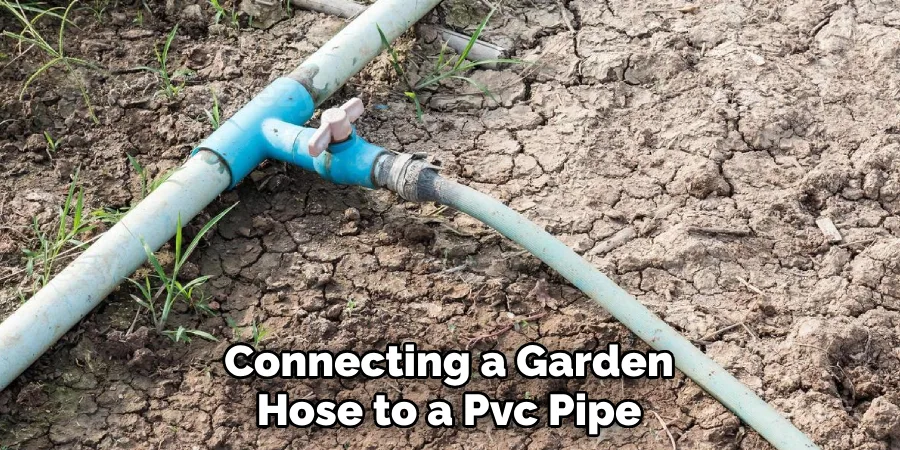
Image source: Bing (Web (fair-use with source credit))
Choosing the right adapter comes down to three quick decisions. First, measure your PVC pipe. Second, decide if you need to disconnect the hose seasonally.
Third, match the thread standard correctly. Get these right and your connection lasts years without drips. Get any one wrong and you're dealing with leaks, cross-threaded fittings, or replacing cracked PVC.
What Fitting You Need Depends on Three Quick Questions
Before you run to the hardware store, answer these three questions. They eliminate every wrong option in seconds.
What diameter is your PVC pipe? Most residential outdoor lines are either 1/2-inch or 3/4-inch. Use a tape measure or a fitting box to confirm. The adapter must match that diameter exactly.
Do you need a removable connection? If you hose off your driveway monthly and coil everything for winter, pick a threaded adapter. If this is a permanent irrigation hookup, go with a barbed fitting secured by a clamp.
What thread standard does your hose use? Garden hoses sold in North America follow the GHT standard. Imported hoses sometimes use BSP threads. A thread mismatch causes immediate leaks and stripped threads.
The table below shows the most common pairings:
| PVC Size | Hose Thread | Recommended Fitting |
|---|---|---|
| 1/2" | 3/4" GHT | 1/2" PVC to 3/4" GHT reducer |
| 3/4" | 3/4" GHT | 3/4" PVC to 3/4" GHT adapter |
| 1" | 3/4" GHT | 1" PVC to 3/4" GHT reducer |
If you already know your PVC size, skip the measuring step and pick the matching adapter from your local hardware store. The next section breaks down why choosing removable versus permanent changes which part you should buy.
Removable vs Permanent: Pick the Right Connection Type
Your end goal decides the fitting style before anything else. Two approaches dominate the market and each has clear trade-offs.
Threaded brass or nylon adapters give you a removable connection. Hand-tighten with plumber's tape and you can unscrew the hose whenever you want. These cost between $4 and $12 depending on material.
Brass resists corrosion far better than nylon in outdoor conditions.
Barbed adapters with worm-gear clamps create a more permanent seal. You push the hose onto the barbs and tighten the clamp. This method works well when the hose stays attached year-round.
You save money but lose flexibility. Removing a hose from a barbed fitting often damages the tubing.
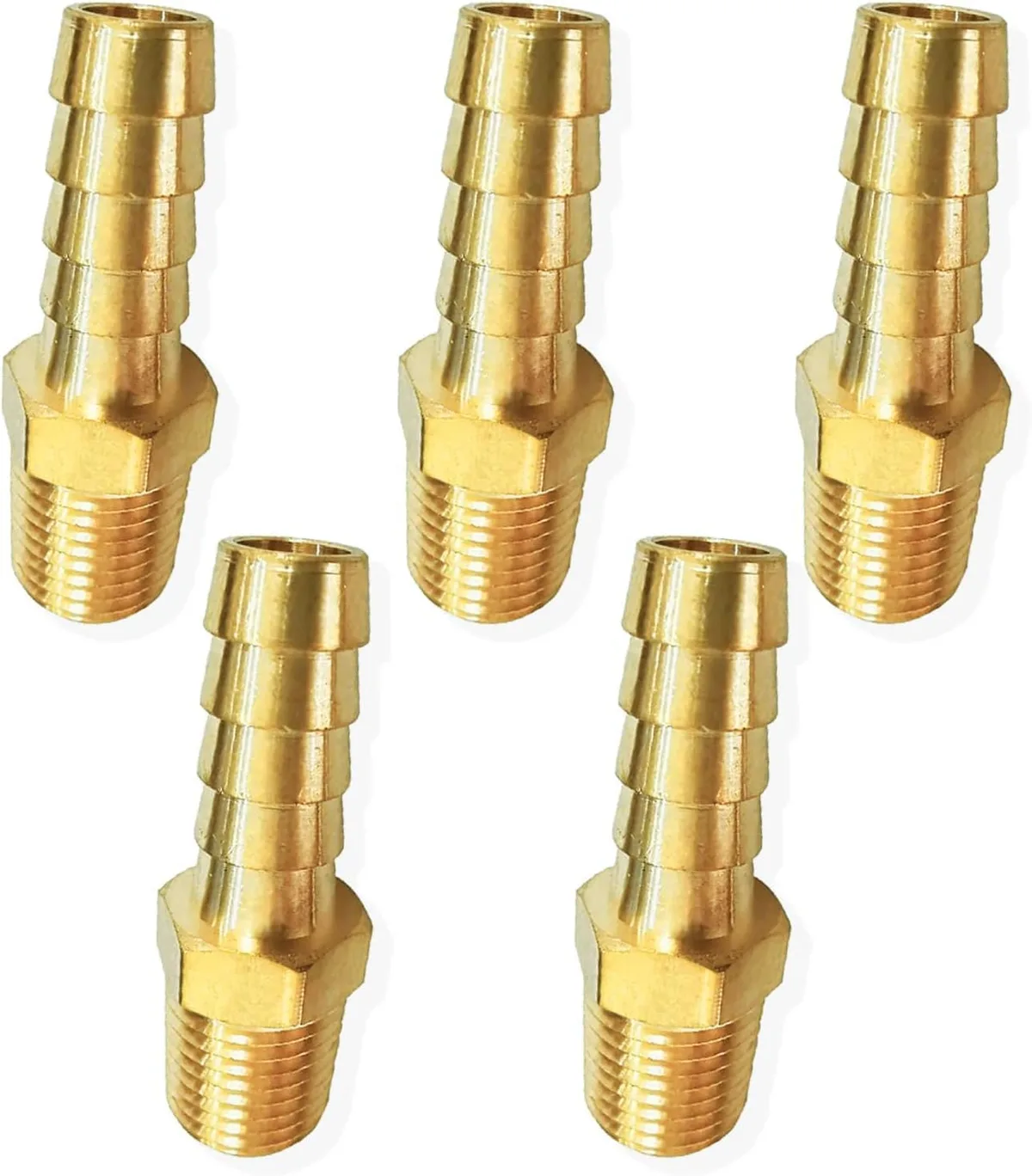
Image source: Bing (Web (fair-use with source credit))
The best choice depends on your lifestyle. Homeowners who disconnect hoses every fall should choose threaded brass adapters. That way winterizing takes minutes instead of a trip to the hardware store.
People running permanent drip lines benefit more from the barbed approach. The clamp joint handles constant water pressure without loosening over time.
If you want seasonal flexibility, skip the barbed options entirely. Threaded brass gives you that freedom. Just remember to wrap Teflon tape clockwise around male threads before screwing the adapter into your PVC line.
Getting the Size Right for Your PVC Pipe
Wrong sizing causes more leaked connections than any other mistake. This section saves you a return trip to the store.
PVC pipe comes in nominal sizes that don't always match the actual outer diameter. A 1/2-inch Schedule 40 pipe measures 0.840 inches outside. A 3/4-inch Schedule 40 pipe measures 1.050 inches outside.
Buy your adapter to match the nominal label, not the measured diameter. Manufacturers already account for wall thickness in their design.
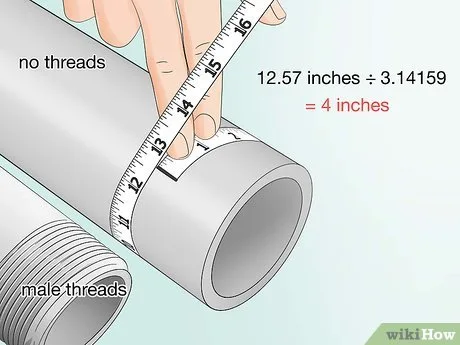
Image source: Bing (Web (fair-use with source credit))
Most household garden hoses use 3/4-inch GHT. Your PVC adapter needs the same GHT thread on one end and the correct PVC size on the other. A 3/4-inch PVC to 3/4-inch GHT adapter connects directly.
A 1/2-inch PVC line needs a reducer fitting instead.
Schedule 40 and Schedule 80 PVC both accept the same threaded adapters. Schedule 80 simply has thicker walls for higher pressure applications. Residential outdoor water lines rarely need Schedule 80.
Stick with Schedule 40 unless your local code requires otherwise.
Before purchasing anything, verify your PVC label. Look for stamps molded into the pipe surface. They show nominal size and schedule.
If the stamp is worn, measure the outer diameter with calipers and compare to standard PVC charts. Ordering the wrong reducer wastes money and delays your project.
Step-by-Step: Installing Your Chosen Fitting
Installation differs slightly between barbed and threaded methods. Both take under 20 minutes with basic tools.
For barbed connections, cut the PVC square with a pipe cutter. Deburr the inner edge so the hose slides on smoothly. Push the hose fully over the barbs until it bottoms out.
Position a stainless steel worm-gear clamp over the hose shoulder and tighten it with a screwdriver. Repeat on the PVC end if your adapter has barbs there too.
For threaded connections, wrap Teflon tape around the male PVC threads. Make 2 to 3 clockwise wraps. Screw the adapter hand-tight, then give it a quarter-turn with channel-lock pliers.
Overtightening cracks PVC, especially in cold weather. A properly sealed joint feels snug, not forced.
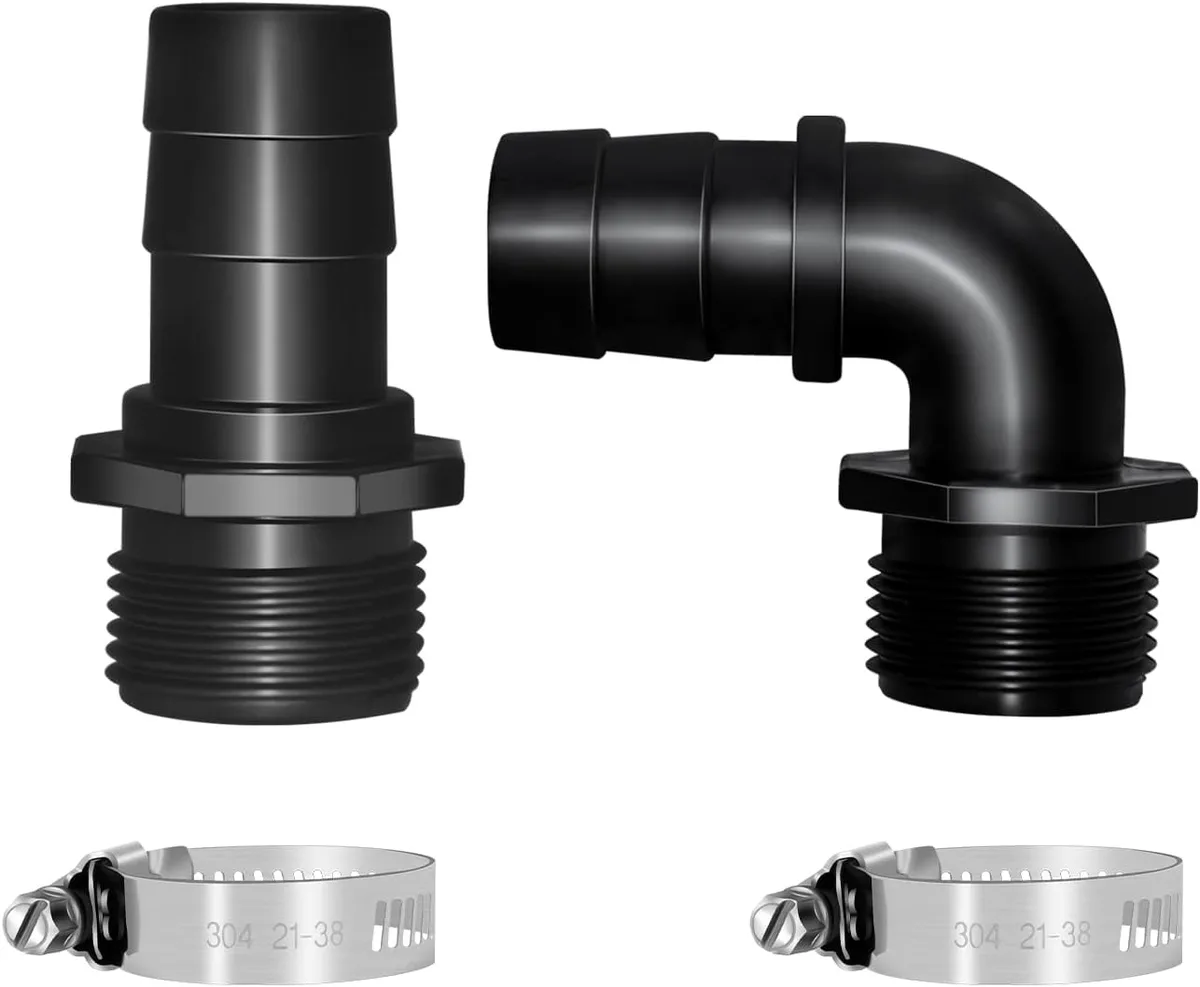
Image source: Bing (Web (fair-use with source credit))
After installation, turn the water on slowly. Watch every joint for 30 seconds. Even a thin weep means you need to adjust the clamp position or add another tape layer.
If the connection holds dry, attach your hose and test at full pressure.
Always check for leaks inside the first hour. Minor settling can loosen a barbed joint before the clamp fully seats. Tightening the clamp a half-turn more usually solves this.
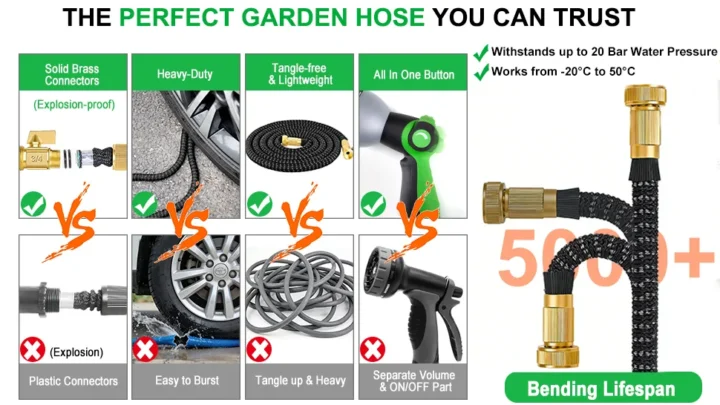
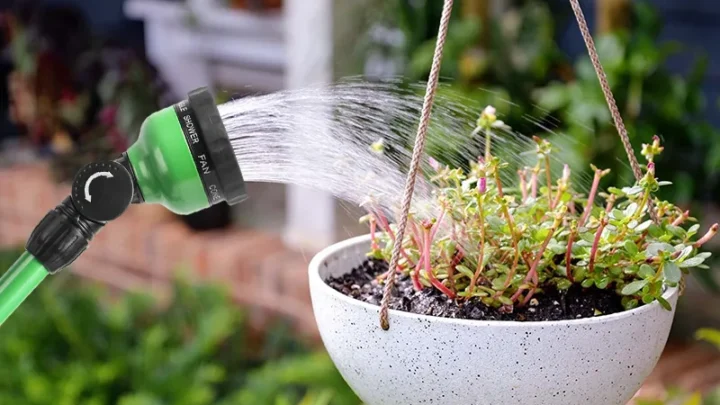
When you've completed the hookup, consider how to extend your hose reach or improve water flow using a quality nozzle like our INNAV8 Garden Hose Nozzle Heavy Duty Review to maximize your setup.
Mistakes That'll Cost You Time and Money
Three costly errors show up repeatedly in homeowner projects. Avoid them and your installation stays leak-free for years.
Cross-threading happens when you force a fitting instead of hand-starting it. The threads look aligned but they're actually angled against each other. Continue turning and you strip the PVC or deform the adapter.
Always begin every threaded connection by hand. If resistance hits before three complete turns, back off and realign.
Using GHT tape on NPT threads creates false confidence. Garden Hose Thread and National Pipe Taper have different thread pitches. A 3/4-inch GHT male adapter forces poorly into a 3/4-inch NPT female port.
The joint leaks immediately and may crack the PVC under stress. Verify both thread standards before buying anything.
Skipping the pressure test creates hidden damage. Running water through an untested joint for hours buries small leaks underground or behind siding. Those become expensive repairs later.
After every installation, pressurize the line and inspect each connection for at least two full minutes.
The easiest mistake involves choosing the wrong connector size. A 1/2-inch adapter on a 3/4-inch pipe leaves a gap water exploits instantly. Always double-check the nominal size stamped on your PVC before selecting the adapter.
If you're looking for more guidance on hose connections, check out our How to Connect a Garden Hose guide for additional tips.
What This Should Cost You
A basic PVC-to-hose connection runs between $5 and $20 in materials depending on your choice. The prices below reflect typical U.S. hardware store costs as of 2026.
| Item | Low End | High End | Notes |
|---|---|---|---|
| Nylon adapter | $2 | $6 | Budget choice; avoid in freezing climates |
| Brass adapter | $5 | $12 | Recommended for outdoor durability |
| PVC cement (small can) | $5 | $12 | Only needed for glued slip joints |
| Worm-gear hose clamps (10-pack) | $5 | $8 | Stainless steel lasts longest |
| Teflon tape | $1 | $3 | Use on every threaded connection |
| Pipe cutter | $10 | $25 | One-time tool purchase |
| Shut-off valve | $8 | $18 | Adds control for future repairs |
Most homeowners already own a pipe cutter and basic screwdriver. That makes a barbed or threaded adapter the only real expense. A brass fitting with Teflon tape costs about $7 total.
Add a shut-off valve if you want independent control without tripping to the basement.
If you choose PVC cement for a permanent slip joint, budget an extra $5 to $12 for primer and glue. Those chemicals create a chemical weld that never loosens. You won't be able to disconnect that section later without cutting the pipe.
Professional installation runs $75 to $150 per connection when you hire a plumber. The work takes 30 to 45 minutes including permits in some municipalities. DIY saves that money entirely once you have the right fittings.
Frequently Asked Questions
Can I use NPT tape on a GHT connection?
Yes, but only if the adapter itself uses NPT threads. Garden Hose Thread and NPT share similar appearances but different thread pitches. Teflon tape works on any tapered threading system.
It provides a seal by filling microscopic gaps between male and female threads. Never assume your hose end is NPT without checking the manufacturer specifications.
Why does my barbed connection leak even with a clamp?
Most likely the hose isn't pushed far enough onto the barbs. Water pressure forces the tubing back when the clamp sits too close to the fitting body. Slide the hose over all barbs until it hits the shoulder.
Position the clamp two inches from the barb end for optimal sealing.
Should I use Teflon tape or pipe dope on PVC threads?
Teflon tape works fine for small PVC adapters under 1 inch. Pipe dope provides better coverage on larger diameter or irregular threads. Both materials compress into thread gaps to prevent seepage.
PVC threads are softer than metal, so avoid excessive torque regardless of sealant choice.
Can I glue a hose connector permanently to PVC?
Yes, using PVC slip fittings with primer and cement creates a permanent bond. Glued joints resist vibration and thermal expansion better than threaded connections. You sacrifice removability for long-term reliability.
This approach suits underground irrigation lines that stay pressurized year-round.
What happens if I leave a brass adapter connected through winter?
Trapped water freezes and expands, cracking the adapter or splitting the PVC pipe. Brass withstands freeze cycles better than plastic, but standing water still causes damage. Always drain the line or disconnect the hose before temperatures drop below 32°F.
Is a 1/2-inch PVC to 3/4-inch GHT adapter common?
Yes, reducers from 1/2-inch PVC to 3/4-inch GHT are widely available. They let you connect standard garden hoses to smaller supply lines. Just verify your hose end matches 3/4-inch GHT before purchasing.
A mismatched reducer wastes money and time at the hardware store.
If you need more detailed guidance on hose sizing, our How Big Is a Standard Garden Hose? Size Guide covers common diameters and lengths.

Similar Posts