Garden Hose Sizes: Is 5/8 or 3/4 More Common?
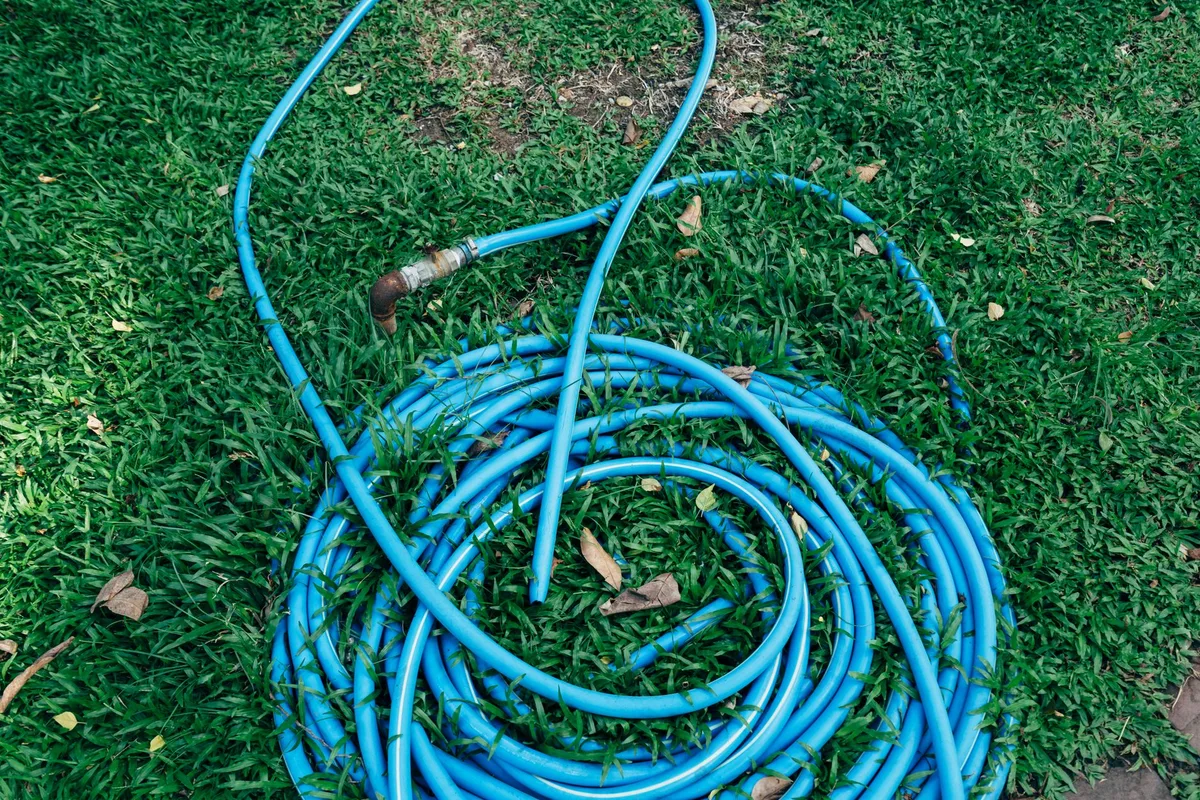
If you're standing in the hardware aisle wondering are most garden hoses 5/8 or 3/4, here's the short version. The 5/8-inch hose wins by a mile. It's the size most homeowners reach for, and most brands treat it as their default.
The 3/4-inch hose is real, but it plays a specialist role, not the standard one.
In our research across manufacturer spec sheets, the 5/8-inch inner diameter shows up as the go-to residential size. The 3/4-inch version stays reserved for long runs and high-flow work. One detail trips almost everyone up, though.
Both sizes share the exact same 3/4-inch-11.5 NH garden hose thread, so the coupling looks identical. Let's clear that up before anything else.
So, Are Most Garden Hoses 5/8 or 3/4? The Straight Answer
Most garden hoses are 5/8-inch, not 3/4-inch. The 5/8 measurement refers to inner diameter. It's the standard residential size sold worldwide.
As of 2026, 3/4-inch hoses remain the exception. They're built for long distances and heavy water flow.
That 5/8 number balances three things well: water volume, weight, and price. It moves plenty of water for a lawn, garden bed, or car wash. It stays light enough to drag around without a fight.
And it won't cost a fortune per foot.
The 3/4-inch hose isn't better or worse. It's just aimed at a different job. If your run is short and your yard is normal-sized, 5/8 is almost certainly what you want.
Why the 5/8 vs 3/4 Question Trips People Up
The confusion is baked right into the labels. A hose gets described by two different measurements, and both can read as "3/4." One is the inner diameter of the tube. The other is the thread size where it screws onto your spigot.
Here's what happens in practice. You flip a 5/8-inch hose over, read "3/4 NH" on the packaging, and assume you're holding a 3/4-inch hose. You're not.
That "3/4" is the thread, shared across nearly every consumer hose sold in North America.
Retail listings make it worse. Some sites bury the inner diameter and lead with the fitting spec. Aggregate reviews report buyers who thought they'd upgraded to a wider hose, then wondered why the flow felt the same.
They'd bought the same 5/8 bore with clearer marketing.
So before you compare flow rates or prices, you need to know which number you're actually looking at.
Hose Diameter vs Hose Thread: Two Different "3/4s"
The diameter is the width of the water channel inside the hose. The thread is the standardized screw fitting on each end. They're separate specs, and mixing them up is the root of almost every sizing mistake.
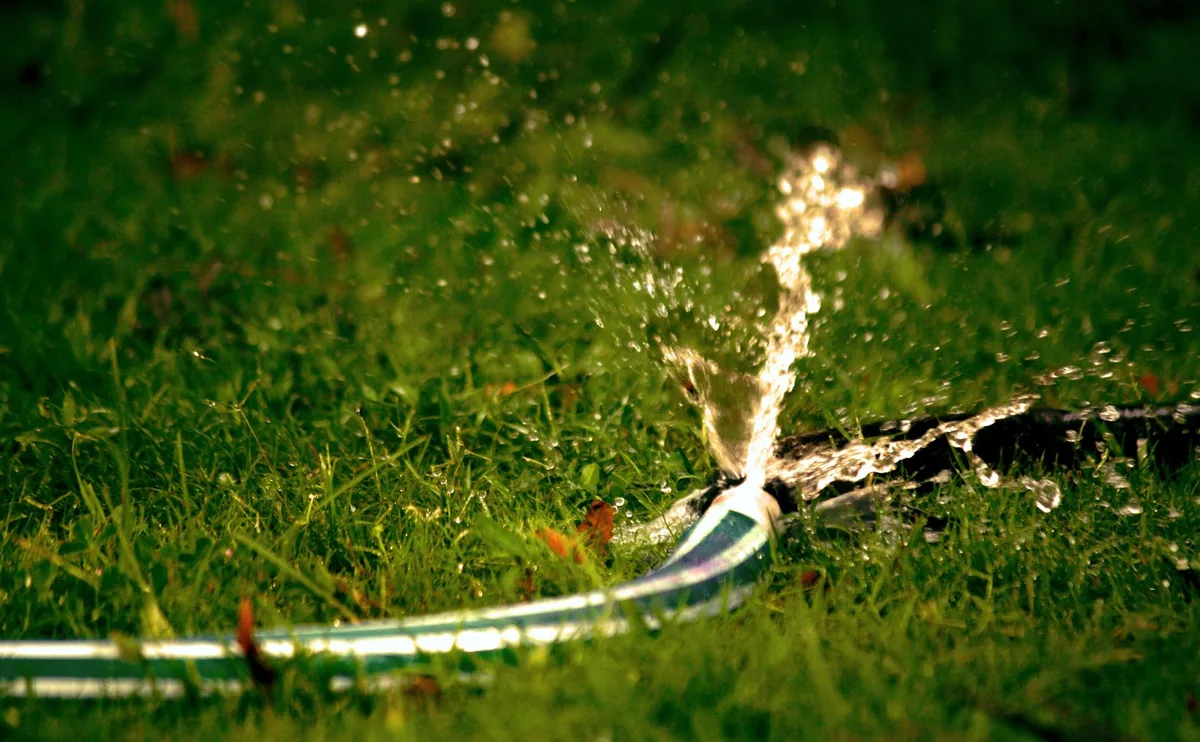
In the United States, the fitting follows a national standard called Garden Hose Thread, or GHT. Its full callout is 3/4-inch-11.5 NH. That "3/4" describes the thread, and it stays the same whether the hose bore is 1/2, 5/8, or 3/4-inch.
You can read the thread definition through the ASME standards body that maintains it.
Here's the quick breakdown:
- Inner diameter (ID): the actual water path. This is 1/2, 5/8, or 3/4-inch. It controls flow.
- Thread size (GHT): the connector. Almost always 3/4-11.5 NH on consumer hoses. It controls compatibility.
- Outer diameter (OD): the full width including the wall. Not a spec you shop by.
So a 5/8-inch hose and a 3/4-inch hose can wear the exact same brass coupling. That's actually good news. It means nozzles, splitters, and quick-connects fit across sizes.
Just don't let the shared thread fool you into thinking the water channels are the same width.
What 5/8-Inch Garden Hoses Are Really Built For
The 5/8-inch hose is the workhorse of the home garden. It's the size manufacturers assume you'll buy unless you say otherwise. For the vast majority of yards, it's the right call.
It hits a sweet spot the other sizes miss. Wide enough to feed a sprinkler or a decent nozzle. Narrow enough to stay light and coil neatly on a reel.
At a typical home water pressure of 40 to 60 PSI, a 5/8-inch hose delivers plenty of volume for everyday tasks.
Where it shines:
- Watering lawns, raised beds, and borders along a country-style garden boundary
- Filling watering cans, buckets, and small ponds
- Running a standard oscillating or impact sprinkler
- Washing cars, bikes, patios, and outdoor furniture
- Feeding most consumer pressure-washer inlets
It's also the easiest size to store. Empty, a 50-foot 5/8-inch hose stays manageable to loop over a hook or wind onto a reel. Full of water it's heavier, but still nothing like hauling a 3/4-inch line.
If your reach is under 100 feet, this is your default.
Where 3/4-Inch Hoses Earn Their Keep
The 3/4-inch hose exists for one main reason: moving more water over longer distances. Its wider bore fights something called friction loss, the drop in pressure and flow that builds up the farther water travels down a hose.
On a short run, that loss barely registers. Stretch a hose past 100 feet, though, and a narrow bore starts choking your flow at the nozzle. The extra width of a 3/4-inch line keeps more of your gallons-per-minute intact all the way to the end.
That makes it the pick for a specific crowd:
- Large properties with the spigot far from the garden or paddock
- Commercial landscapers running long lines all day
- Farms and stables filling troughs and tanks fast
- High-flow jobs where filling speed matters, like topping off a pool
The trade-offs are real, though. A 3/4-inch hose holds more water, so it's noticeably heavier and stiffer to drag. It costs more per foot.
And it can be overkill on a small lawn, where you'd feel the weight without ever using the extra flow. If you're edging plants near a decorative flower-bed border, the bulk just gets in your way. Buy 3/4-inch when distance or volume is the actual problem, not before.
And Don't Forget the 1/2-Inch Lightweight Option
The 1/2-inch hose is the featherweight of the group. It carries the least water, weighs the least, and costs the least. For light, close-up jobs, that's exactly what you want.
Think small balconies, patio planters, and hanging baskets. A 1/2-inch hose coils tight and stores in almost no space. It's easy to hand to a kid or wind around a small reel.
The catch is flow. That narrow bore starves a sprinkler and struggles on any run over 50 feet. Aggregate reviews report weak nozzle pressure once these hoses stretch out.
Buy 1/2-inch only for short reach and gentle watering, never as your main yard hose.
5/8 vs 3/4 vs 1/2: Side-by-Side Comparison
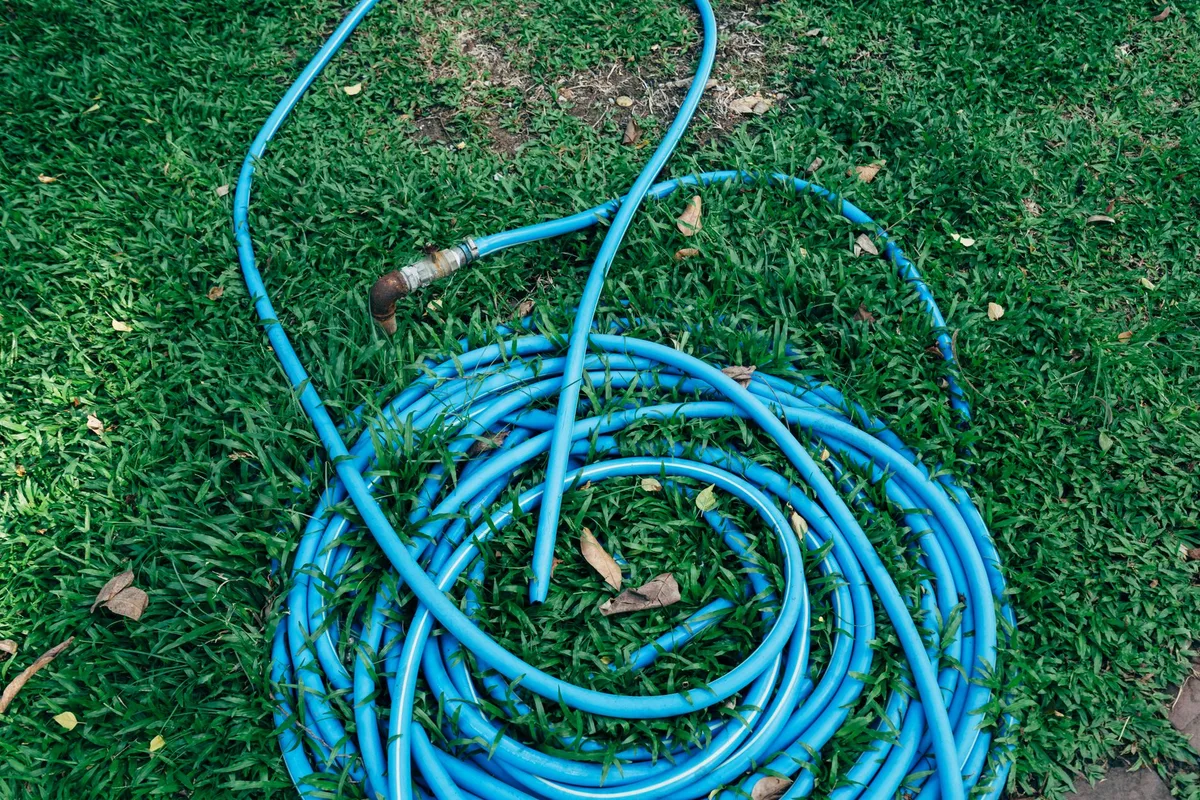
Here's how the three sizes stack up when you line them next to each other. The bore width drives almost everything else: flow, weight, and price all follow from it.
| Feature | 1/2-inch | 5/8-inch | 3/4-inch |
|---|---|---|---|
| Typical use | Light, short jobs | Everyday home use | Long runs, high flow |
| Relative flow (GPM) | Lowest | Balanced | Highest |
| Weight when full | Lightest | Moderate | Heaviest |
| Price per foot | Cheapest | Mid-range | Most expensive |
| Best reach | Under 50 ft | Up to 100 ft | 100 ft and beyond |
| Thread (GHT) | 3/4-11.5 NH | 3/4-11.5 NH | 3/4-11.5 NH |
Notice the thread row. It's identical across all three. That's why a nozzle bought for one hose screws onto the others without an adapter.
Flow Rate (GPM) and Pressure Loss by Diameter
Flow climbs fast as the bore widens. A wider channel simply lets more water through per second at the same pressure.
The real gap shows up over distance. A 5/8-inch hose holds its flow well up to about 100 feet. Push past that and a 3/4-inch bore keeps noticeably more gallons-per-minute at the nozzle.
On a 25-foot run, honestly, you'd barely tell the three apart.
Weight, Handling, and Price
Weight is where 3/4-inch loses points for home users. More water inside means more to drag, coil, and lift. Filled, a long 3/4-inch line can feel like wrestling a python.
Price tracks the same way. Wider bore and thicker walls cost more per foot. For most yards, 5/8-inch gives you the flow you'll actually use without the weight or the sticker shock.
How Length Changes the Whole Equation
Length can matter more than diameter. Every foot of hose adds friction loss, so a long thin hose can out-choke a short wide one. Get the length right and you often solve a "weak flow" problem without upsizing at all.
Here's the practical rule. Match the hose length to the distance you actually cover, then add maybe 10 feet of slack. Buying a 100-foot hose for a 30-foot reach just adds friction, weight, and coils to trip over.
If your flow feels weak at the end of a long 5/8-inch line, you have two fixes:
- Shorten the run. Move to a closer spigot or a shorter hose.
- Widen the bore. Step up to 3/4-inch only if you truly need the reach.
For watering beds along a privacy screen of climbing plants, a right-sized 5/8-inch hose usually beats a longer, wider one you have to haul around.
Which Hose Size Is Right for Your Situation
Match the size to the job, not to whatever's on sale. The right pick comes down to three things: distance, flow needs, and how much weight you want to drag. Here's how it breaks down.
Best for Everyday Home Use
Go with 5/8-inch. It handles lawns, beds, sprinklers, and car washing without complaint. For a standard suburban yard with the spigot a reasonable distance away, this is the default that just works.
It's also the safest buy if you're unsure. The flow suits nearly every consumer nozzle and pressure washer. The weight stays manageable for most adults and older kids.
Best for Long Runs and High-Flow Jobs
Choose 3/4-inch when distance or volume rules the job. Large properties, stables, commercial crews, and fast tank-filling all benefit from the wider bore. If your spigot sits 100-plus feet from where the water needs to go, the extra flow pays off.
Just accept the weight and cost that come with it. This is a tool for a real need, not a general upgrade.
Best for Light, Quick Tasks
Reach for 1/2-inch when the job is small and close. Balcony pots, patio planters, and quick rinses fit it perfectly. Anyone who wants a hose that's easy to lift and store will appreciate the low weight.
Keep the run short, though. Stretch it too far and the flow disappoints.
How to Measure and Confirm Your Hose Size
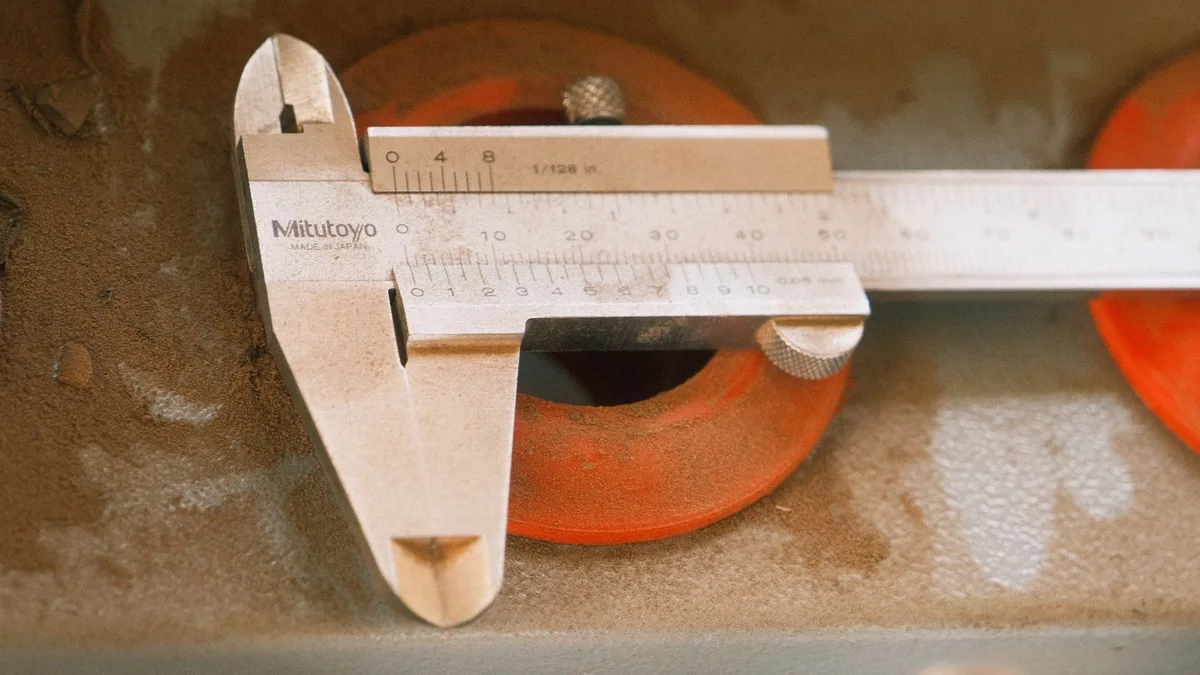
Measure the inner diameter, not the outside. The inside bore is the number that defines your hose as 1/2, 5/8, or 3/4-inch. The outer wall thickness varies by material and doesn't tell you the size.
Here's the quick way to check:
- Cut off the water and disconnect the hose from the spigot.
- Look at the open end. Measure straight across the inside opening, edge to edge of the water channel.
- Read the result. Roughly 0.5 inch means 1/2. About 0.625 inch is 5/8. Around 0.75 inch is 3/4.
- Check the print. Many hoses stamp the ID right on the jacket near the coupling.
Don't measure the brass fitting. That's the GHT thread, and it reads about 3/4 inch on almost every hose. Measuring there is the classic mistake that sends people home with the wrong idea about what they own.
A quick caliper or even a ruler across the bare tube settles it in seconds.
Fittings, GHT Threads, and Making Sizes Work Together
Because every consumer size shares the 3/4-11.5 NH thread, mixing hoses is easy. A 5/8-inch hose links to a 3/4-inch hose with no adapter. The thread lines up, and water flows through.
One thing to watch: the flow narrows to the smallest bore in the chain. Connect a 3/4-inch hose to a 1/2-inch one, and the 1/2-inch section becomes the bottleneck. You lose the wider hose's advantage at that pinch point.
A few tips for clean connections:
- Use brass couplings where you can. They resist stripping better than plastic.
- Add a rubber washer to every joint. A worn washer is the top cause of leaks.
- Try quick-connect adapters if you swap tools often. They keep the GHT thread from wearing out.
For splitting one spigot into two lines, say one for a lawn and one for a bed near your metal grid boundary panels, a Y-splitter with the same thread does the job.
Mistakes People Make When Choosing a Hose Size
The biggest error is buying by the fitting instead of the bore. Reading "3/4 NH" and assuming you've got a 3/4-inch hose leads to the wrong purchase every time.
Here are the traps we see most:
- Oversizing for a small yard. A 3/4-inch hose on a tiny lawn just adds weight and cost.
- Going too long. Extra length means more friction loss and weaker flow, not more convenience.
- Chaining mismatched bores. A narrow section chokes the whole line.
- Ignoring water pressure. No hose fixes a weak spigot. Check your source first.
If your flow disappoints, diagnose before you upsize. Nine times out of ten it's length, a kink, or a clogged nozzle, not the diameter.
Getting the Most Life Out of Your Hose
A good hose lasts years if you store it right. Heat, sun, and sharp kinks are what kill them early. Treat those three and you'll rarely replace one.
Keep these habits in mind:
- Drain and coil after use. Standing water breeds mildew and adds strain.
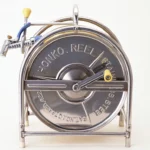
- Store on a reel or hook. Loose piles create kinks that crack the wall.
- Keep it out of direct sun. UV degrades rubber and vinyl over time.
- Winterize before the freeze. Drain fully so trapped water can't expand and split the hose.
If you want drinking-water-safe watering for edible beds, look for a hose labeled lead-free and potable. Guidance from the EPA on water efficiency is a solid starting point for safe outdoor use. For more seasonal care ideas, our gardening guides cover storage and upkeep in depth.
Common Questions About Garden Hose Sizes
Is a 5/8 or 3/4 hose better for water pressure?
Neither changes your water pressure. Pressure comes from your spigot and supply line. What diameter affects is flow volume, or gallons per minute.
A 3/4-inch bore delivers more water over long runs, but a 5/8-inch hose keeps flow strong for most home distances under 100 feet.
Can I connect a 5/8 hose to a 3/4 hose?
Yes, easily. Both use the same 3/4-11.5 NH garden hose thread, so they screw together without an adapter. Just remember the water flow narrows to the smaller bore.
The 5/8-inch section becomes the limiting factor for total volume through the combined line.
What size garden hose do most homeowners buy?
Most homeowners buy the 5/8-inch hose. It's the standard residential size and the default for nearly every major manufacturer. It balances flow, weight, and price for lawns, beds, and washing tasks.
The 3/4-inch size stays niche, aimed at long runs and high-volume jobs.
How do I tell what size hose I already have?
Measure the inner diameter across the open end. Around 0.625 inch means 5/8. Roughly 0.75 inch means 3/4.
Don't measure the brass fitting, since that reads 3/4 inch on almost every hose. Many jackets also print the size near the coupling.
Does hose length affect water flow more than diameter?
Often, yes. Every extra foot adds friction loss, which weakens flow at the nozzle. A long 5/8-inch hose can deliver less than a short one of the same size.
Match the length to your actual reach before blaming the diameter for weak flow.
The Final Verdict: Which Size You Should Actually Buy
For nearly everyone, buy the 5/8-inch hose. It's the standard for good reason. It moves enough water for lawns, gardens, sprinklers, and washing, without the weight or price of a wider bore.
Step up to 3/4-inch only when distance or volume forces your hand. Long commercial runs, big properties, and fast tank-filling are its real home. If that's not you, the extra bulk isn't worth it.
Drop to 1/2-inch for small, close jobs like balconies and patio pots. It's light and cheap, just not built for reach. Whichever you pick, measure the bore, not the fitting, and match the length to your yard.
Get those two right, and the size question sorts itself out.

Similar Posts