12+ Backyard Patio Furniture Ideas
You've stared at your empty patio for the last two summers, knowing it could be something great but not knowing where to start. The 12+ Backyard Patio Furniture Ideas list you're about to read isn't just about buying chairs; it's about building a space that actually works for how you live. The trick is understanding that layout and scale matter more than any single product you choose.
Before you spend a dollar, know this: the average homeowner replaces outdoor furniture every 5 to 7 years, per industry data, which means your choices matter long-term. The right layout can make a $500 setup feel luxurious, while a poor one makes a $5,000 set feel cramped. Let's break down how to see your patio like a designer would.
Quick Answer
The best patio furniture ideas start with zoning your space into dining, lounging, and transition areas. Measure your patio first and mark boundaries. Choose deep-seating sectionals for comfort, bistro sets for small slabs, and fire pit sets for gathering.
Match materials to your climate. Arrange seating in conversation circles with clear walkways.
The Real Key to Patio Furniture: Layout Beats Product
Most people shop backwards. They pick a sofa they love online, measure their patio after it arrives, and then discover it blocks the door or towers over the space. Real-world usability comes from the floor plan you create before you ever click "add to cart."
Think about how you actually use your yard. Are you hosting dinner parties? Lying in the sun with a book?
Watching kids run through the sprinkler? Your furniture should support those activities first, and look good second. When you draw a simple sketch of your patio and place furniture blocks on it, the mistakes become obvious before you spend money.
As of 2026, outdoor living remains a top home improvement priority, with homeowners investing heavily in extending their indoor comfort outside. The secret those glossy magazine spreads share is proportion. A massive sectional on a small balcony eats all your floor space, while a tiny bistro set on a sprawling deck looks lost and sad.
Balance comes from matching furniture scale to the physical dimensions of your space.
Before You Shop: How to Define Your Patio Zones
Your patio is not one blank canvas; it's actually several small rooms that flow together. The first step is deciding which activities matter most, then carving out dedicated zones for each. This prevents the common mistake of buying one giant set that tries to do everything and does none of it well.
Start with a simple list. How many people do you host regularly? Do you need a dining table for six, or is it really just you and a partner?
Do you grill frequently and need space near the BBQ? Answering these questions tells you whether to prioritize a lounge setup, a dining arrangement, or a mix of both.
Image source: YouTube / My Happy Home (YouTube thumbnail (fair-use with source credit))
The 3-Zone System (Dining, Lounging, and Transition)
The most functional patios break down into three distinct zones, and understanding them will transform how you arrange everything.
Dining zone: This is your table and chairs, ideally placed closest to the kitchen or grill for easy serving. You need at least 30 inches of clearance around the table for chairs to slide out and people to walk past.
Lounging zone: This is your sofa, sectionals, or Adirondack chairs, positioned for conversation and relaxation. It should face a focal point like a fire pit, a garden view, or an outdoor TV if that's your thing.
Transition zone: This is the space between your door and the main areas. It's a landing zone for shoes, towels, or drinks, often just a small bench or a pair of chairs that don't block traffic.

Image source: YouTube / SONGMICS HOME (YouTube thumbnail (fair-use with source credit))
The beauty of the three-zone system is flexibility. A small patio might combine dining and transition into one corner. A large one can feature two separate lounging spots for different times of day.
The point is intentionality, not strict separation.
How to Measure and Map Your Space (Without Fancy Tools)
Grab a tape measure, some chalk, and about fifteen minutes. Measure the length and width of your patio, then note any obstructions: doors, stairs, vents, or permanent planters. Write these numbers down, because you'll reference them every time you consider a new piece.
Now, mark your zones directly on the ground with chalk or a garden hose. Outline where you think your dining table should go, where the sofa should sit, and how much walking room remains between them. This visual test is worth more than hours of scrolling through product photos.

Image source: YouTube / The Honest Carpenter (YouTube thumbnail (fair-use with source credit))
A quick rule of thumb: a standard dining chair needs about 2 feet of pull-back space, and a walkway between furniture pieces should be at least 3 feet wide. If your chalk lines overlap, you're shopping too big. If there's awkward dead space, consider adding a small bench or planters to fill it.
This process is your safety net against the most common and expensive patio mistakes.
12+ Patio Furniture Ideas to Steal for Your Yard
Now for the fun part. These ideas cover different sizes, budgets, and lifestyles, so pick the ones that match your space and habits. Each concept works best in specific conditions, so pay attention to the "best for" notes.
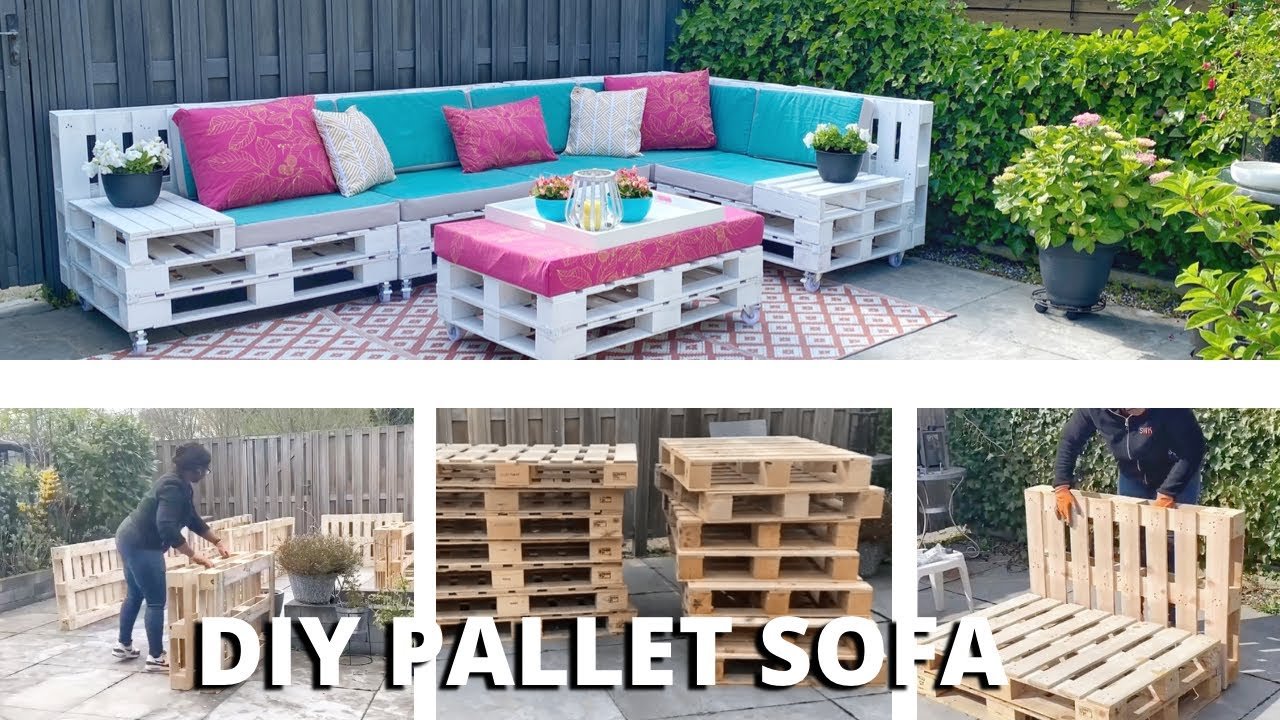
1. The Deep-Seating Sectional for a True Outdoor Living Room
The deep-seating sectional is the crown jewel of outdoor comfort. Unlike standard chairs with upright backs, these have cushions 24 to 30 inches deep, encouraging you to sink in and stay a while.
Best for: Large families, frequent entertainers, and anyone who wants their patio to feel like a second living room. It works well on patios over 200 square feet where there's room to walk around it. Pair it with a large coffee table and an outdoor rug to anchor the space.
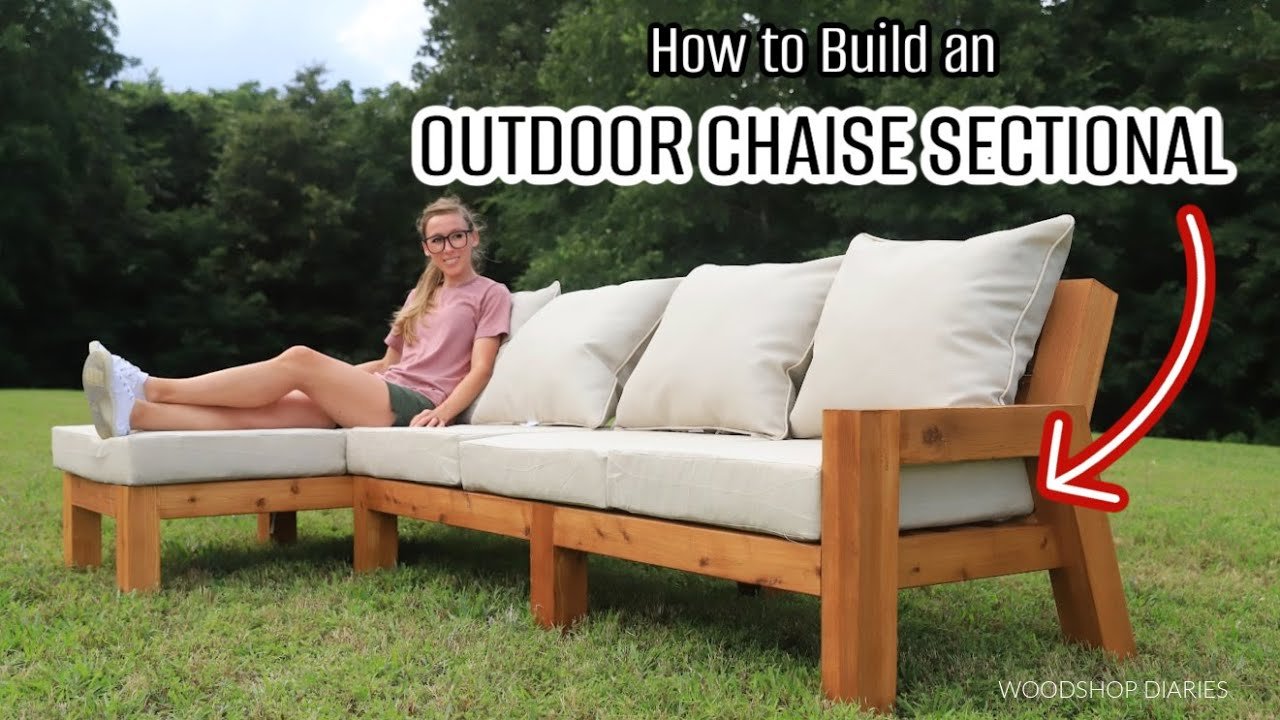
Image source: YouTube / Shara Woodshop Diaries (YouTube thumbnail (fair-use with source credit))
The downside is the footprint. A standard L-shaped sectional measures roughly 90 by 60 inches, which can overwhelm a small space. If your patio is tight, consider a two-piece modular set that lets you reconfigure between a chaise and a loveseat as needed.
For more inspiration on blending furniture with your overall yard, you might check out some broader outdoor living design ideas.
2. Round Bistro Set for Balconies and Cozy Corners
A round bistro set is the ultimate space-saver. Typically measuring 24 to 30 inches in diameter, it fits on tiny balconies, small concrete slabs, or awkward corners that a full dining set can't touch. The round shape also softens the visual lines of a rectangular patio.
Best for: Apartments, condos, or anyone with under 100 square feet of patio space. It's also fantastic for creating a dedicated coffee spot away from the main dining area. Choose a foldable model if you need to store it indoors during winter.
The trade-off is capacity. Most bistro sets seat just two people comfortably, so it's not a crowd-pleaser. But for a morning coffee ritual or an intimate evening glass of wine, nothing beats it.
3. Fire Pit Conversation Set for Year-Round Gathering
A fire pit conversation set combines a central fire feature with seating arranged around it, usually a mix of chairs and a wrap-around bench or sectional. This setup extends your patio's usable season well into cooler months, making it a favorite for fall and spring evenings.
Best for: Social butterflies and families who love hosting. It works on almost any patio size, as long as you maintain proper clearance. The U.S.
Consumer Product Safety Commission (CPSC) recommends placing fire features at least 10 to 20 feet from structures, so check your local codes before committing.
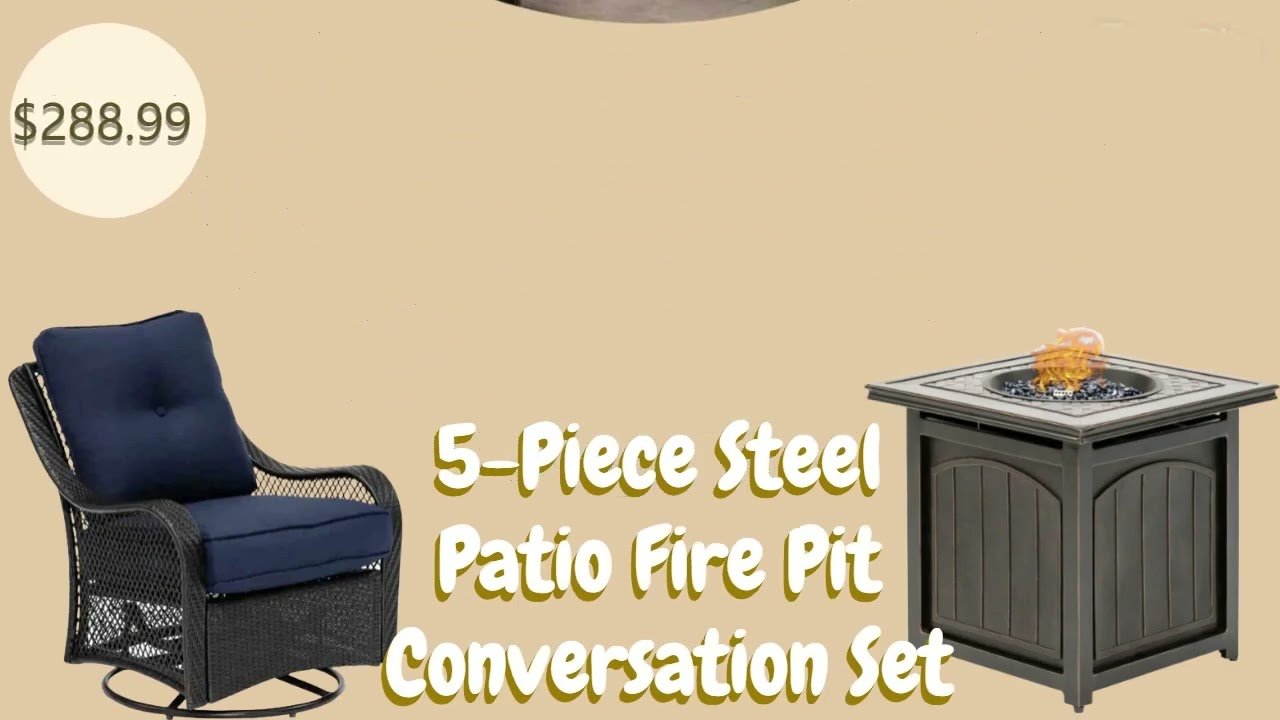
Image source: YouTube / Vecdik (YouTube thumbnail (fair-use with source credit))
Look for sets with weather-resistant cushions and a table rim around the fire pit for drinks and plates. Gas fire pits are easier to manage than wood-burning models, but they cost more upfront. This is one of those DIY backyard ideas where the layout matters as much as the furniture itself.
4. Teak Dining Table with Mixed Seating
A teak dining table is the workhorse of outdoor furniture. Teak naturally resists moisture, insects, and rot, lasting 15 to 20 years with basic maintenance. Pair it with a mix of chairs, benches, and even a built-in corner seat to create a relaxed, collected look rather than a rigid matching set.
Best for: Hosts who love dinner parties and anyone who values longevity. Teak's warm honey color fades to a silver-gray patina over time, which many people adore. If you prefer the golden hue, apply teak oil twice a year.
The main drawback is price and weight. Teak is heavy, so moving it around is a workout, and quality pieces don't come cheap. But given the lifespan, it's often cheaper per year than cheap resin sets that crack within three seasons.
5. Adirondack Chairs for a Classic Relaxed Vibe
The Adirondack chair is an American icon for a reason. Its slanted seat and wide armrests are designed for total relaxation, making it perfect for reading, napping, or just staring at the yard. They work equally well in a tight cluster or lined up along a deck railing.
Best for: Cabins, lakeside retreats, and anyone who prioritizes lounging over entertaining. They're also surprisingly versatile in terms of material; you'll find them in classic wood, recycled plastic, and powder-coated aluminum. Wood models need annual sealing, while plastic versions never require maintenance.
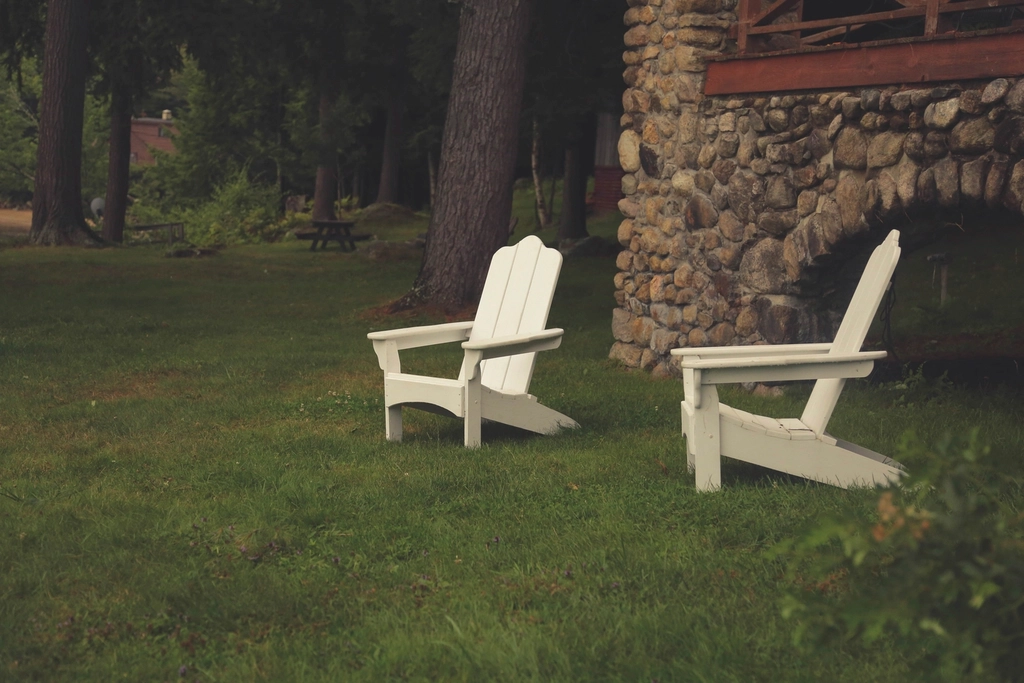
Image source: Openverse / Openverse contributor
The flat, wide armrest is a built-in drink holder, which is a subtle but brilliant design detail. Just know that traditional wood Adirondack chairs are not comfortable for sitting up straight for long periods. They force you to lean back, which is exactly the point.
How to Arrange Your Patio Furniture Like a Designer
You've chosen your pieces, now comes the hard part: making them look intentional. The difference between a patio that feels random and one that feels designed comes down to a few key principles. Get these right and your space will look professionally styled.
The Conversation Circle Rule
The most comfortable seating arrangements create a natural circle. People should be able to make eye contact without shouting or craning their necks. Position sofas across from chairs rather than all facing the same direction, and keep the distance between seats between 5 and 8 feet.
That's close enough for conversation but far enough to respect personal space.
The Walkway Rule (and Why 30 Inches Matters)
Never block the path from your door to the main seating area. You need at least 30 inches of clear walking space, and more is better if you're moving drinks or food. If someone has to shuffle sideways to pass your new coffee table, your layout is wrong.
Visual Weight and Balancing Bold Pieces
A huge sectional on one side needs a counterweight on the other. That could be a large planter, a tall umbrella, or a pair of substantial chairs. The goal is visual balance so the eye moves around the space without landing on one heavy spot.
Anchoring the Space: Rugs, Planters, and Lighting
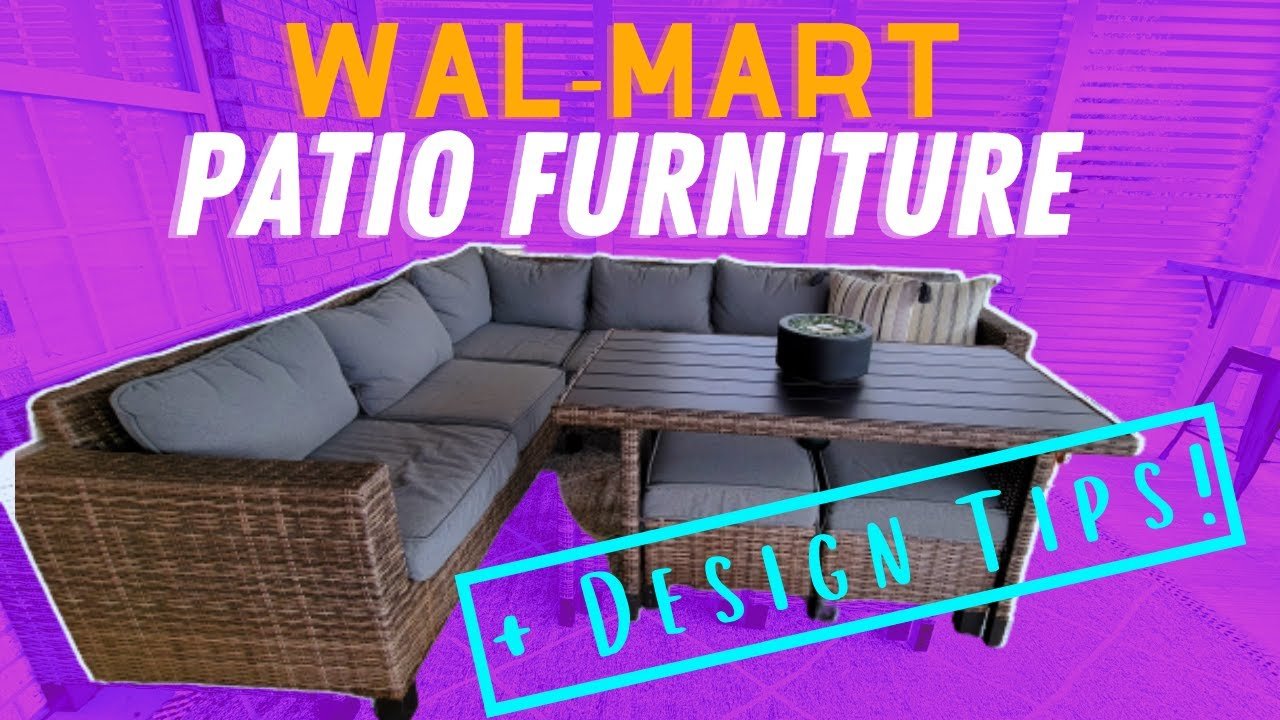
Image source: YouTube / Second Shift FM (YouTube thumbnail (fair-use with source credit))
An outdoor rug defines the seating zone and adds warmth underfoot. Choose one that's larger than your main furniture footprint, with at least 6 inches of rug visible beyond the front legs of your sofa. Add planters at corners to soften hard edges, and string lights overhead to create a ceiling where none exists.
For more ways to combine these elements, a look at European backyard landscaping styles can offer fresh perspective on scale and placement.
Patio Furniture Materials: A Visual Breakdown
The material you choose determines how your furniture looks, how long it lasts, and how much upkeep it demands. There's no single best option, only the right option for your climate and lifestyle. Here's how the main contenders stack up.
Aluminum (Sleek and Rust-Free)
Powder-coated aluminum is the modern default. It's lightweight, which makes it easy to rearrange, and it never rusts, making it ideal for coastal areas. The frames are typically thick and sturdy, though cheaper models can feel hollow and flimsy.
It's also one of the most affordable durable options on the market.
Teak and Cedar (Warm, Natural Grain)
Wood brings warmth that metal and resin can't replicate. Teak is the gold standard for longevity, while cedar is a budget-friendly alternative that resists rot naturally. Both require some care: teak needs occasional oiling to maintain its golden color, and cedar needs a sealant every couple of years.
They age gracefully, developing a silver-gray patina that many people love.
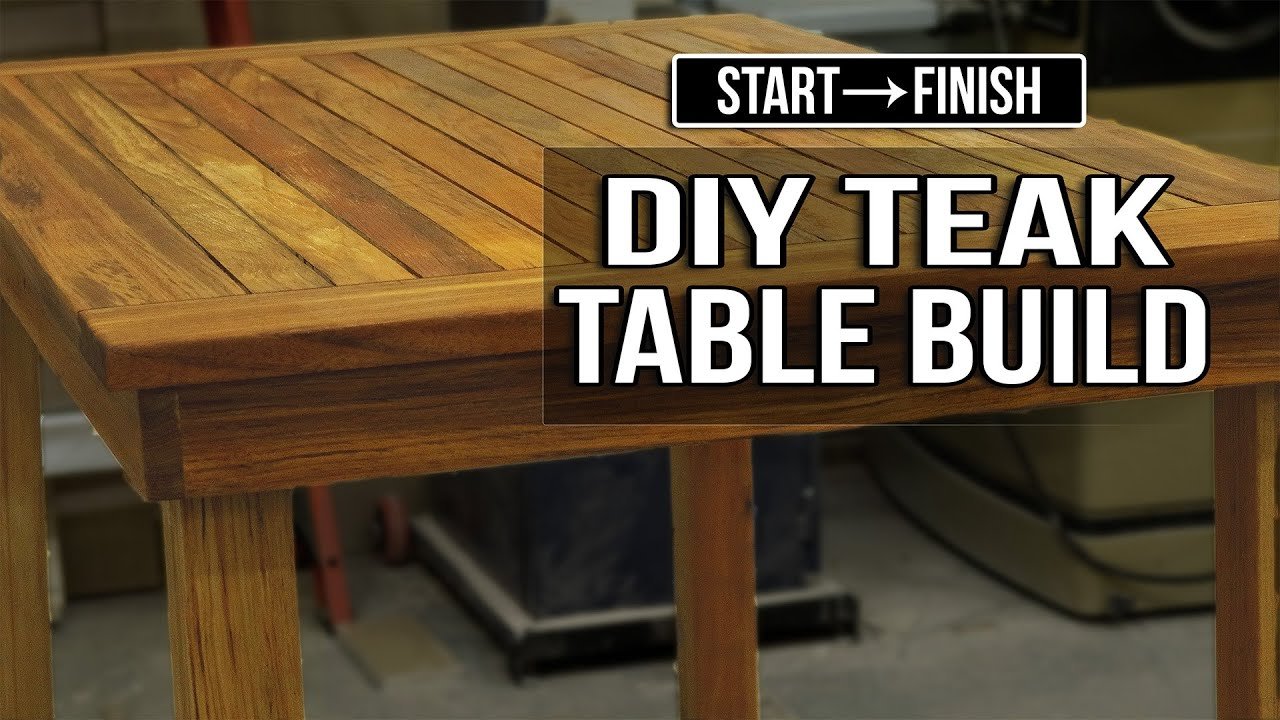
Image source: YouTube / Old Guy Woodworks (YouTube thumbnail (fair-use with source credit))
Synthetic Rattan and Resin Wicker (Texture and Resilience)
Resin wicker offers the classic woven look without the breakdown of natural wicker in rain and sun. It's highly durable and available in a range of colors and weaves. The catch is the frame underneath; make sure it's aluminum, not steel, to prevent rust.
This material is popular for sectional sets and conversation sets.
Wrought Iron (Heavy, Ornamental, Old-World Charm)
Wrought iron is the heavyweight champion for both durability and style. It's incredibly sturdy, resists wind, and has an ornate look that suits traditional homes. But it's heavy to move, requires painting if the finish chips, and can be uncomfortable without thick cushions.
It also heats up in direct sun, so it's best for shaded patios.
Common Patio Furniture Visual Mistakes (And How to Fix Them)
Even with great furniture, it's easy to fall into traps that make your patio look off. These are the most common visual mistakes we see, and they're all fixable with a little adjustment.
The "Floating Furniture" Problem
This happens when furniture sits in the middle of the patio with no connection to anything else. It feels random, like the pieces landed there by accident. The fix is to anchor each zone with a rug, or place one edge of the furniture against a wall, railing, or planter edge.
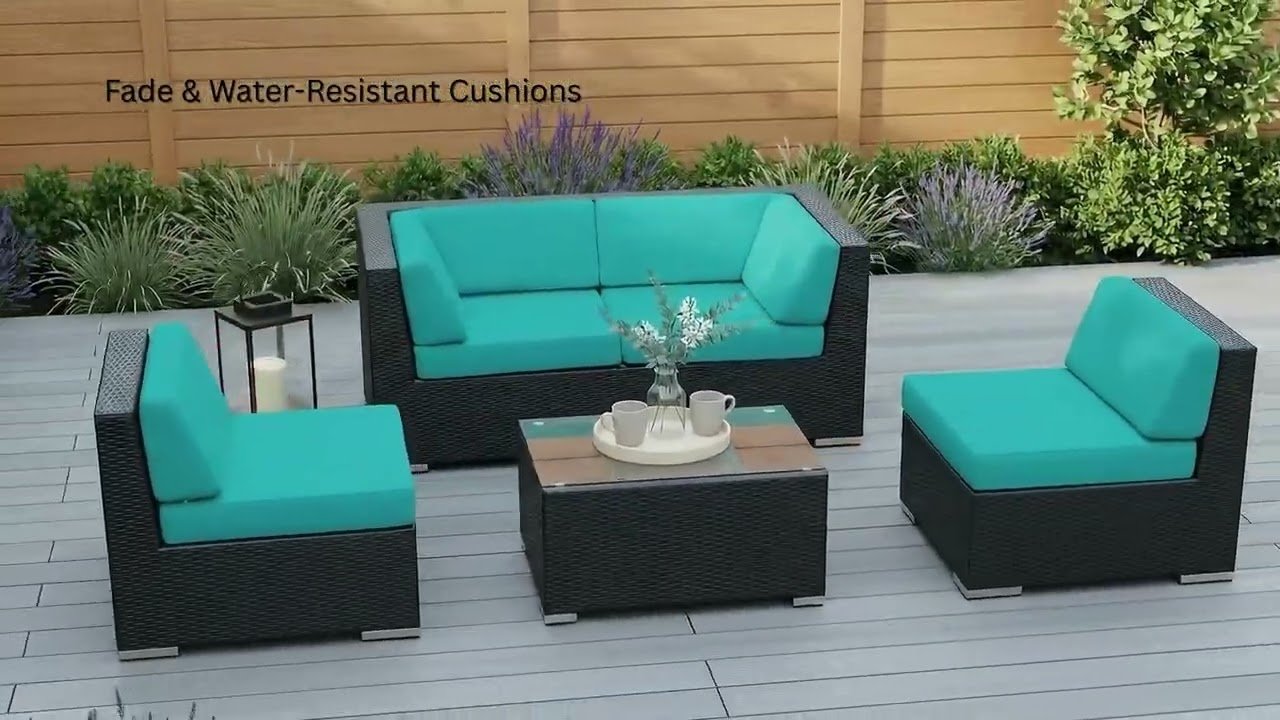
Image source: YouTube / Ohana Depot (YouTube thumbnail (fair-use with source credit))
Overcrowding vs. Underfurnishing
A patio that's too full feels claustrophobic and hard to use. A patio that's too empty feels cold and unwelcoming. The right balance leaves enough open floor space to move comfortably but enough furniture to create a destination.
When in doubt, err on the side of fewer, larger pieces rather than many small ones.
Ignoring the Viewing Angles from Inside the House
You'll look at your patio from inside your home far more often than you'll sit on it. Make sure the furniture arrangement looks good from your kitchen or living room window. Avoid blocking a nice view with the back of a tall sofa, and keep the arrangement visually balanced from the inside looking out.
Mismatched Heights and Proportions
A low-profile sectional next to a 42-inch tall bar table creates a jarring visual jump. Keep furniture heights within a reasonable range of each other. Your coffee table should be at or slightly below the seat height of your sofa, and side tables should sit close to armrest height for easy access.
Skipping the Outdoor Rug (Foot and Eye Comfort)
Bare concrete or decking underfoot feels harsh and makes furniture look unfinished. An outdoor rug softens the space visually and physically, defines the zone, and ties your color palette together. This is perhaps the single most impactful styling addition you can make.
Image source: Wikimedia Commons / David E. Lucas

Similar Posts