15+ Japanese Backyard Ideas
Your backyard could be the calmest place on your property. But most people look at a plain lawn and a fence, then give up before they start. These 15+ Japanese backyard ideas change that.
They turn ordinary outdoor spaces into quiet, purposeful retreats that feel bigger than their actual size.
Japanese garden design leans on a few simple principles: asymmetry, negative space, and natural materials. You do not need a massive budget or a landscape architect to pull it off. As of 2026, decomposed granite costs around $2 to $4 per square foot, which makes a dry zen garden one of the most affordable hardscape upgrades available.
The real work is planning, not spending. Let's walk through the design ideas first, then figure out which ones fit your yard.
Quick Answer
Japanese backyard ideas center on natural materials and mindful placement. The most popular concepts include dry rock gardens, moss beds, stone lanterns, and bamboo water features. Each idea works on any budget or yard size.
Start with one corner rather than the whole yard. Choose plants and stones suited to your climate zone.
15+ Japanese Backyard Ideas: A Visual Guide to Designing a Serene Outdoor Space
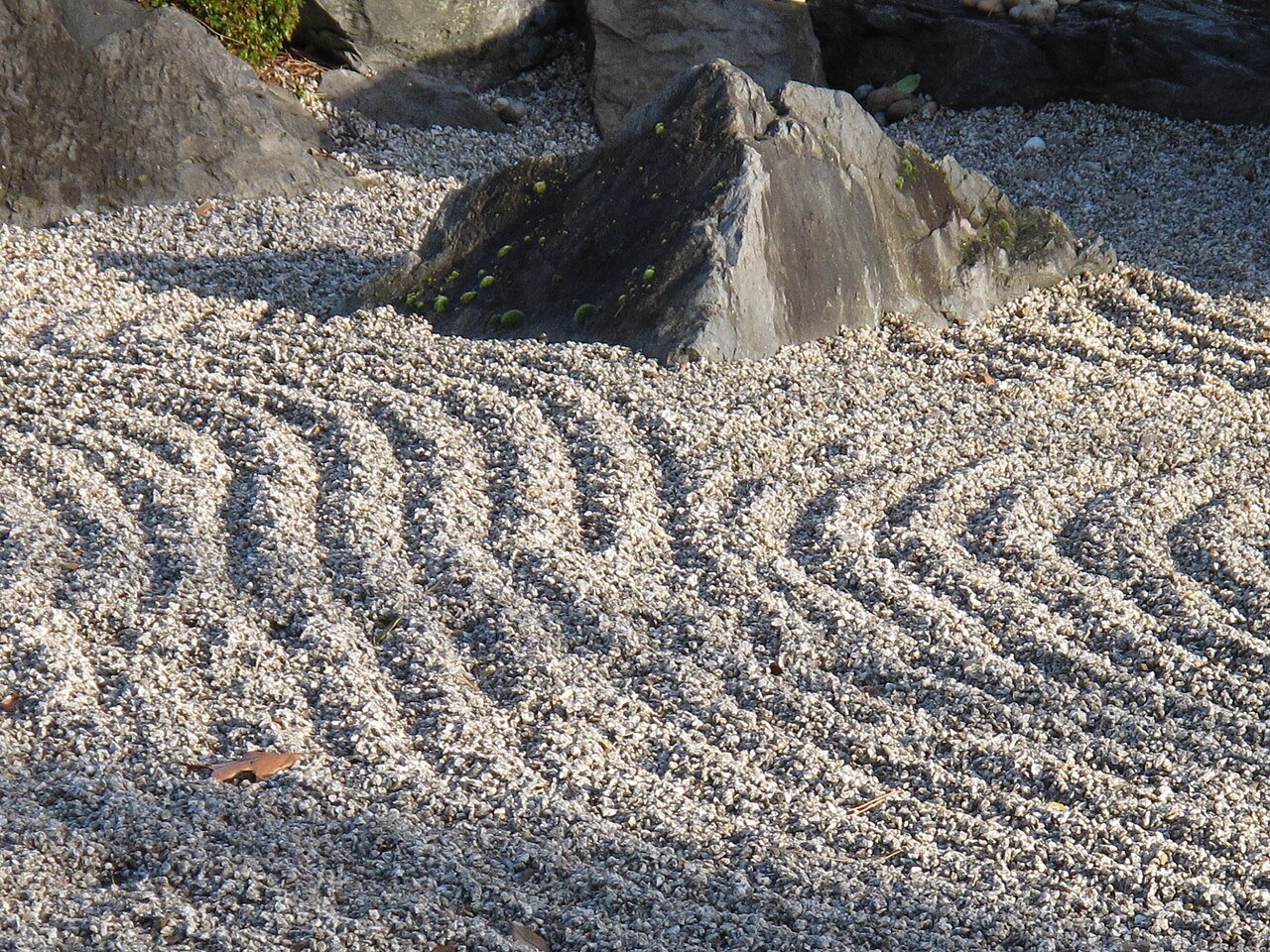
Image source: Wikimedia Commons / David Hawgood (CC BY-SA)
Some of these ideas are full projects. Others are small accents you can finish in an afternoon. Mix and match based on your space, sun exposure, and patience level.
Here is the full list.
Idea 1: Karesansui (Dry Rock Zen Garden)
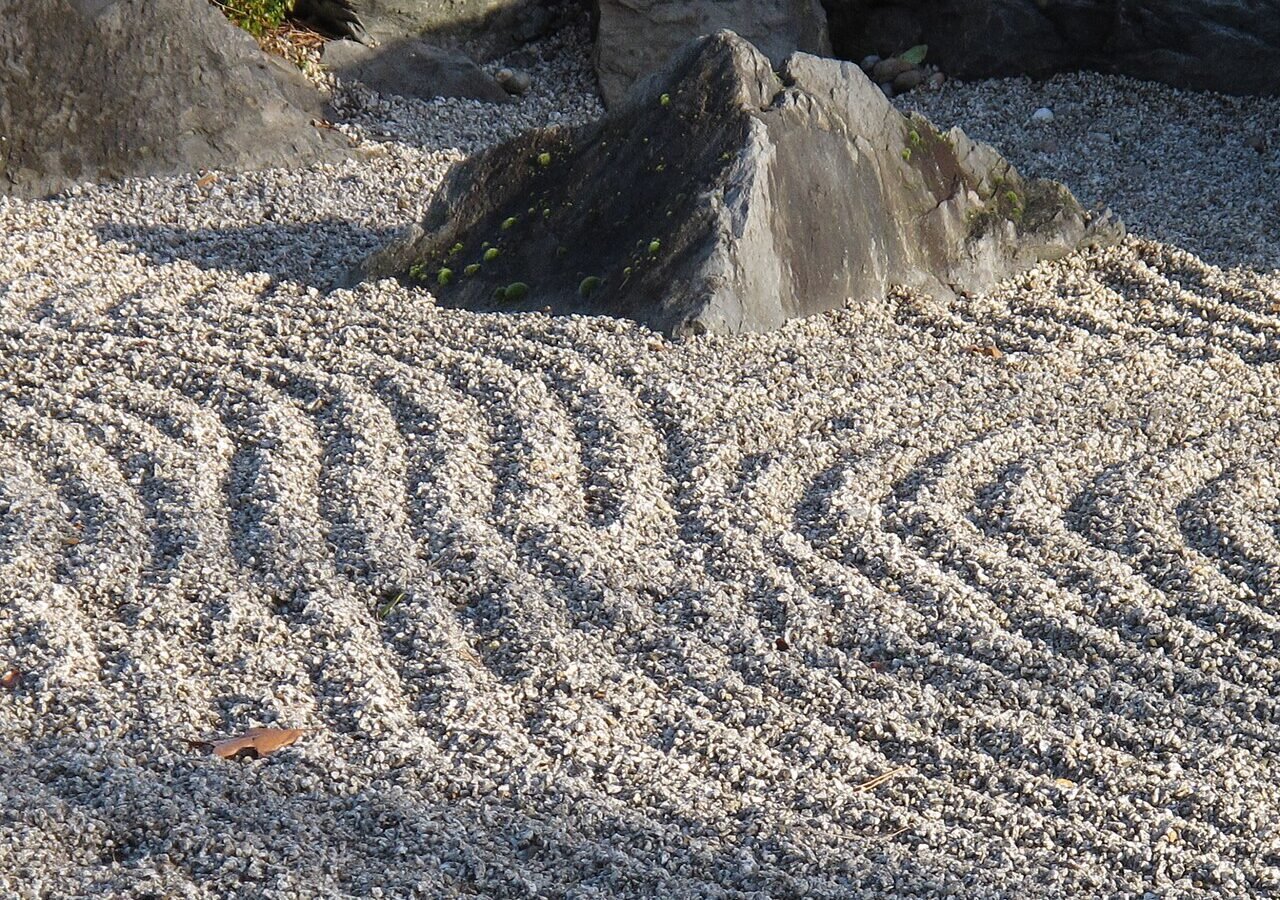
This is the classic raked gravel garden you see at temples. It uses smooth river stones, fine gravel, and a wooden rake to create wave patterns that represent water. The look is minimalist, but the effect is deeply calming.
It works best in full sun or partial shade, and it needs almost no water. You can build one in a corner as small as 6 by 6 feet.
Idea 2: Tsukubai (Stone Water Basin)
A tsukubai is a low stone basin filled with water, usually with a bamboo ladle resting across it. Traditionally used for a ritual hand rinse, it adds a quiet, contemplative focal point. You can install a simple recirculating pump to keep the water moving.
Place it near a seating area or at the start of a garden path. It is one of the easiest water features to DIY.
Idea 3: Shishi-Odoshi (Bamboo Water Feature)
The shishi-odoshi is the bamboo deer scare that fills with water, tips, and clacks against a stone. That rhythmic tap is the signature sound of a Japanese garden. It needs a steady water source and a small pump.
It is a showpiece element, so give it room to breathe. Expect to hear that satisfying knock every 30 to 60 seconds.
Idea 4: Tōrō (Stone Lantern)
Stone lanterns are the vertical accents that anchor a garden. They come in many styles, from squat and mossy to tall and elegant. Place one at a path bend, near a water feature, or beside a seating area.
They look best when they look slightly aged. Let moss grow on them naturally over time. You can find replica lanterns for under $150.
Idea 5: Japanese Maple as Focal Point
A Japanese maple (Acer palmatum) is the single best plant investment for a Japanese style yard. It provides structure, color, and year-round interest. Dwarf varieties stay around 6 to 8 feet tall, perfect for small spaces.
They prefer morning sun and afternoon shade. Protect them from harsh afternoon heat and drying winds.
Idea 6: Moss Garden (Koke-Niwa)
Moss is the ultimate ground cover for shady, damp areas where grass struggles. It creates a soft, green carpet that feels ancient and peaceful. You can transplant moss from your own property or buy plugs online.
It takes 6 to 12 months to establish fully. Keep it moist and walk on it sparingly.
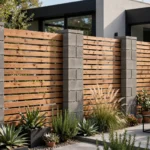
Idea 7: Bamboo Fencing (Yotsume-Gaki)
The crisscross bamboo fence you see around tea gardens is called yotsume-gaki. It adds privacy and texture without feeling heavy. You can buy pre-made panels or build your own from split bamboo.
For a natural look, let climbing vines grow over it. Clumping bamboo is easier to manage than running bamboo, which spreads aggressively.
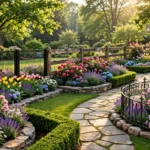
Idea 8: Stepping Stone Paths (Tobi-Ishi)
Stepping stones guide visitors through the garden at a slower, more mindful pace. They are called tobi-ishi, which means flying stones. Space them 18 to 24 inches apart, center to center.
Use flat, natural stones with irregular shapes. Avoid perfectly round or uniform stepping stones. They look manufactured, not natural.
Idea 9: Koi Pond with Waterfall
A koi pond is the most ambitious water feature on this list. It requires a minimum depth of 3 feet, a filtration system, and winter management in cold climates. Installation costs run from $5,000 to $15,000 on average.
The payoff is a living, moving centerpiece that attracts birds and wildlife. If you want the look without the upkeep, try a large ceramic water basin instead.
Idea 10: Engawa (Covered Veranda Transition)
The engawa is the covered wooden strip between the house and the garden. It blurs the line between indoors and outdoors. You can recreate this with a low wooden deck or platform that extends a few feet from the house.
Add cushions and a low table, and you have a natural viewing spot for the garden. It works beautifully next to sliding glass doors.
Idea 11: Shakkei (Borrowed Scenery)
Shakkei means borrowed scenery. It frames a distant view, like a neighbor's tree or a hillside, as part of your garden. You can create this effect with a carefully placed opening in a fence or hedge.
The goal is to make your garden feel larger than it is. It requires thoughtful sight lines rather than new construction.
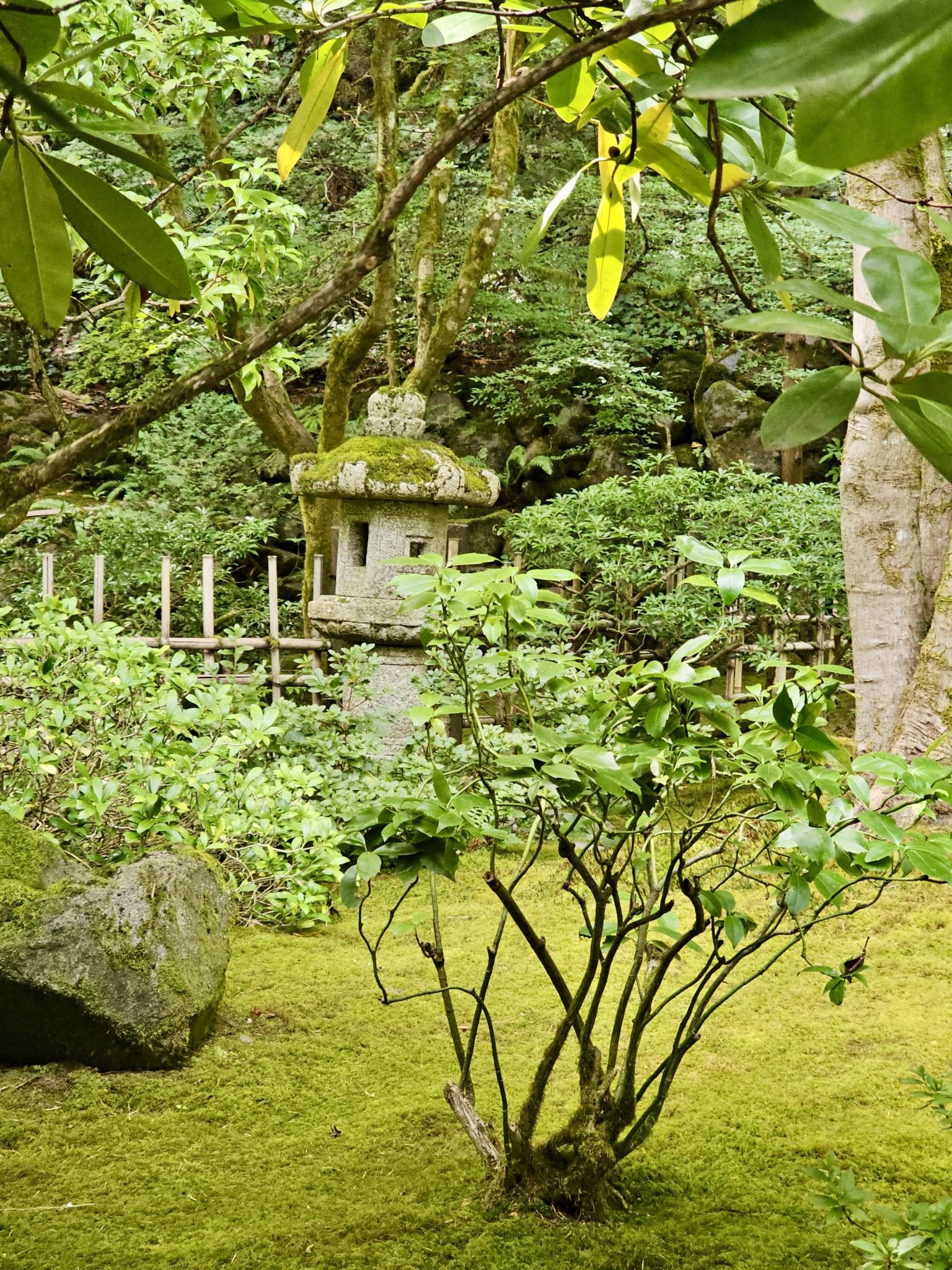
Image source: Openverse / Bigul Malayi
Idea 12: Gravel Rake Patterns (Suikei)
Raking gravel into flowing lines is both maintenance and meditation. The patterns, called suikei, represent water ripples. You only need a wooden rake and 10 minutes a week.
The trick is to start at one edge and move in steady, unbroken curves. If rain or wind ruins the pattern, simply rake it again.
Idea 13: Zen-Inspired Planting Palette
Stick to a restrained palette of evergreens, ornamental grasses, and a single flowering accent. Pine, juniper, and dwarf holly provide structure. Hakone grass (Hakonechloa) adds soft movement.
One camellia or azalea gives a seasonal pop of color. Avoid the temptation to plant one of everything. Japanese gardens thrive on repetition, not variety.
Idea 14: Japanese Tea Garden (Roji)
A tea garden, or roji, is designed around the path to a teahouse. It includes a waiting bench, stone steps, and a tsukubai. You do not need an actual teahouse to borrow the concept.
Create a winding path that leads to a quiet seating corner. The journey is the point, not the destination.
Idea 15: Tsubo-Niwa (Tiny Urban Courtyard)
A tsubo-niwa is a micro garden designed for very small spaces. It fits in a narrow side yard, an entryway, or a light well. It usually combines one small tree, a stone, and a ground cover.
This is the most realistic starting point for most homeowners. It proves you do not need a big yard to get the Japanese garden feel.
Idea 16: Rain Chains Instead of Downspouts
Rain chains replace the standard gutter downspout with a decorative chain that guides water down into a basin or drain. They turn a functional element into a visual one. Copper chains develop a beautiful patina over time.
They are easy to install and cost between $30 and $100. During a storm, the sound of water is surprisingly soothing.
Idea 17: Stone Pagoda Accents
Small stone pagodas are a traditional garden accent that adds vertical interest. They are available in granite, basalt, or concrete. Place one on a bed of gravel or at the base of a tree.
Keep it in proportion with the rest of the garden. A large pagoda in a tiny yard will look like a toy.
Idea 18: Container Bonsai Display
You do not need a greenhouse to keep bonsai. A raised wooden stand with a few container bonsai makes a beautiful display. Juniper and Japanese maple are forgiving species for beginners.
Bonsai need consistent watering, especially in summer. This idea works perfectly on a patio, balcony, or deck.
How to Match a Japanese Garden Style to Your Yard
The best Japanese garden idea for you depends on what your yard looks like right now. Let's walk through the three big factors that decide which style fits.
Does Your Yard Get Sun or Shade?
Dry rock gardens and gravel patterns need sun to look their best. The gravel reflects light and warms the space. Moss gardens need shade and consistent moisture.
If your yard is mostly shaded, skip the gravel and go straight for moss, hostas, and ferns. If you have full sun, a karesansui or a container bonsai display will thrive.
What Hardiness Zone Are You In?
Your USDA plant hardiness zone tells you which plants will survive winter in your area. A Japanese maple that thrives in Oregon might struggle in Arizona. Check your zone against the plant tags before you buy.
For cold climates, pick cold-hardy species like pine and juniper. For hot, dry climates, focus on stone and gravel with drought-tolerant accents.
How Much Space Do You Have?
A 20 by 20 foot yard needs a different approach than a 50 by 100 foot lawn. For small spaces, choose one focal point, like a tsukubai or a single Japanese maple. For larger yards, you can combine multiple elements into a cohesive design.
A good rule: one third hardscape, one third plants, one third open space. If you have a tiny patio, consider a container-based design instead. You can get the same effect with less commitment, much like a simple DIY backyard upgrade.
Planning Your Layout: Key Design Principles
Before you buy anything, sketch your yard on paper. You do not need drafting skills. A rough diagram works fine.
The layout matters more than any individual element.
Achieving Visual Flow
Walk the path you want visitors to take. Note where they stop, where they look, and where they feel cramped. Place your focal point where they naturally pause.
In a Japanese garden, every sight line should lead somewhere intentional. Avoid placing two large features that compete for attention.
Using Ma (Negative Space)
The Japanese concept of ma refers to the empty space between objects. It is not wasted space. It is what gives the garden breathing room.
Resist the urge to fill every corner. Leave open gravel or bare stone where the eye can rest. A crowded garden feels chaotic.
An empty garden feels unfinished. Balance is the goal.
Creating Depth with Layering
Layered planting makes a small yard feel deep. Use low ground cover in the front, mid-sized shrubs behind them, and taller trees or structures in the back. Place stones and lanterns in the middle layer.
This three-tier approach mimics natural landscapes. It also hides fence lines and utility views effectively.
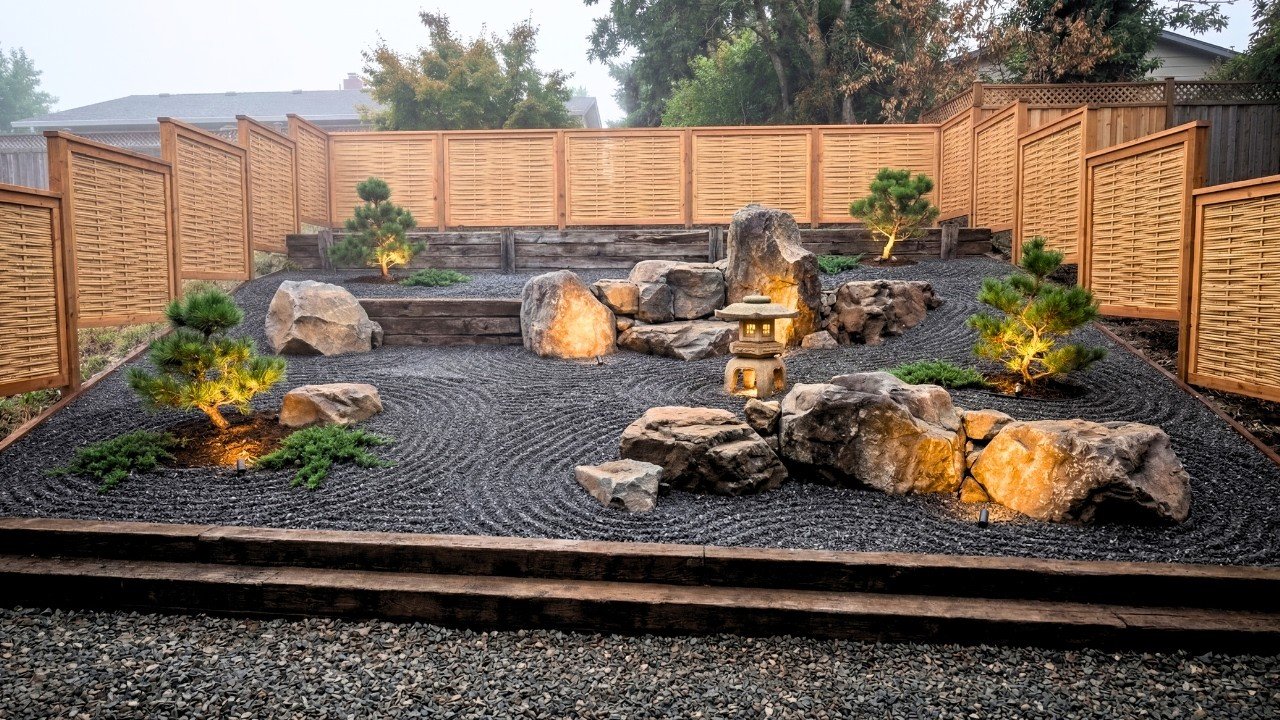
Image source: YouTube / Sakura & Stone (YouTube thumbnail (fair-use with source credit))
For more layout inspiration across different aesthetics, you can borrow ideas from European backyard landscaping and adapt the structure to a Japanese palette.
Essential Elements: Stones, Water, Plants, and Structures
Every Japanese garden relies on the same four building blocks. Here is what you need to know about each.
Stone Selection and Arrangement
Use gravel for ground cover and larger stones for accents. Decomposed granite is the standard for dry gardens. River stones come in sizes from 1 to 6 inches.
When placing large stones, follow the rule of odd numbers. Three or five stones arranged asymmetrically look natural. Two or four look staged.
Bury the base of each stone so it looks settled, not placed.
Water Features That Fit Your Budget
| Water Feature | Approximate Cost | DIY Feasibility | Maintenance Level |
|---|---|---|---|
| Tsukubai (stone basin) | $150-$500 | High | Low |
| Shishi-odoshi | $200-$800 | Medium | Medium |
| Ceramic water basin | $50-$200 | High | Very low |
| Koi pond (full install) | $5,000-$15,000 | Low | High |
A tsukubai is the best entry point. It gives you the sound and movement of water without the biology. A koi pond is the most rewarding but also the most demanding.
If you cannot commit to filtration and winter care, go with a container basin.
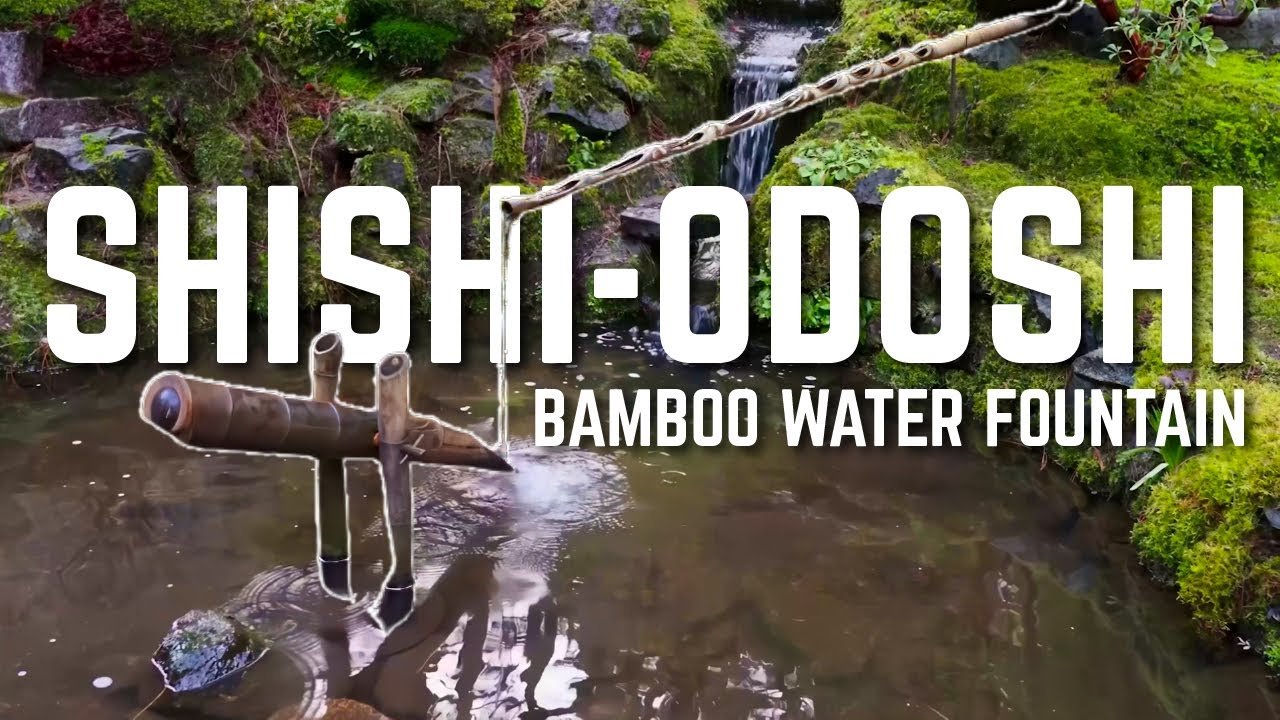
Image source: YouTube / Positive Energy (YouTube thumbnail (fair-use with source credit))
Plant Palettes for Japanese Gardens
For shade, use moss, ferns, hostas, and acorus. These plants thrive where grass fails. For sun, choose pine, juniper, and ornamental grasses.
They tolerate heat and look good year-round. For seasonal interest, add one camellia or azalea for spring color, and a Japanese maple for autumn red. A reliable watering method matters, so make sure your garden hose fittings are in good shape before planting season.
Bamboo and Wood Structures
Bamboo fencing and structures bring vertical texture to the garden. Clumping bamboo stays where you plant it. Running bamboo can spread 10 to 20 feet per season.
Always choose clumping varieties. Treat wooden posts with exterior-grade sealant to prevent rot. Plan to replace bamboo panels every 3 to 5 years, depending on your climate.
Common Mistakes to Avoid in Japanese Garden Design
Even a well-planned Japanese garden can go wrong with a few easily avoided errors. Here are the biggest ones we found in our research.
Buying Too Many Accent Pieces
A stone lantern is good. A lantern plus a pagoda plus a Buddha statue plus five deer figurines is a yard sale. Japanese gardens rely on restraint.
Pick one or two accent pieces and let them breathe. If you want a different focal point each season, rotate them, do not add to them.
Using the Wrong Kind of Gravel
Pink or white pea gravel ruins the natural feel immediately. Stick to gray, tan, or earth-toned gravel. Crushed granite compacts well and stays in place.
Smooth river stones work for decorative beds but shift underfoot. Match the stone color to your local landscape for a cohesive look.
Choosing Running Bamboo
Running bamboo is attractive but aggressive. It sends underground rhizomes into your lawn, your neighbor's yard, and your foundation. If you want screen, plant clumping bamboo like Bambusa or Fargesia species.
If you already have running bamboo, install a physical rhizome barrier at least 30 inches deep. Skip it entirely if you live in a dry climate, since it needs consistent water.
Ignoring Drainage
Gravel drains well, but clay soil does not. If water pools in your garden after rain, fix the grading first. Add a 2 to 4 inch layer of crushed stone as a base.
Direct excess water away from the house foundation. A soggy garden attracts mosquitoes and kills moss.
Overwatering a Zen Garden
A dry rock garden should not have standing water. The whole point is dryness. If your gravel bed stays wet, you have a drainage problem.
Check for downspout runoff and fix the grading. Conversely, a moss garden needs constant moisture. Know which style you have and water accordingly.
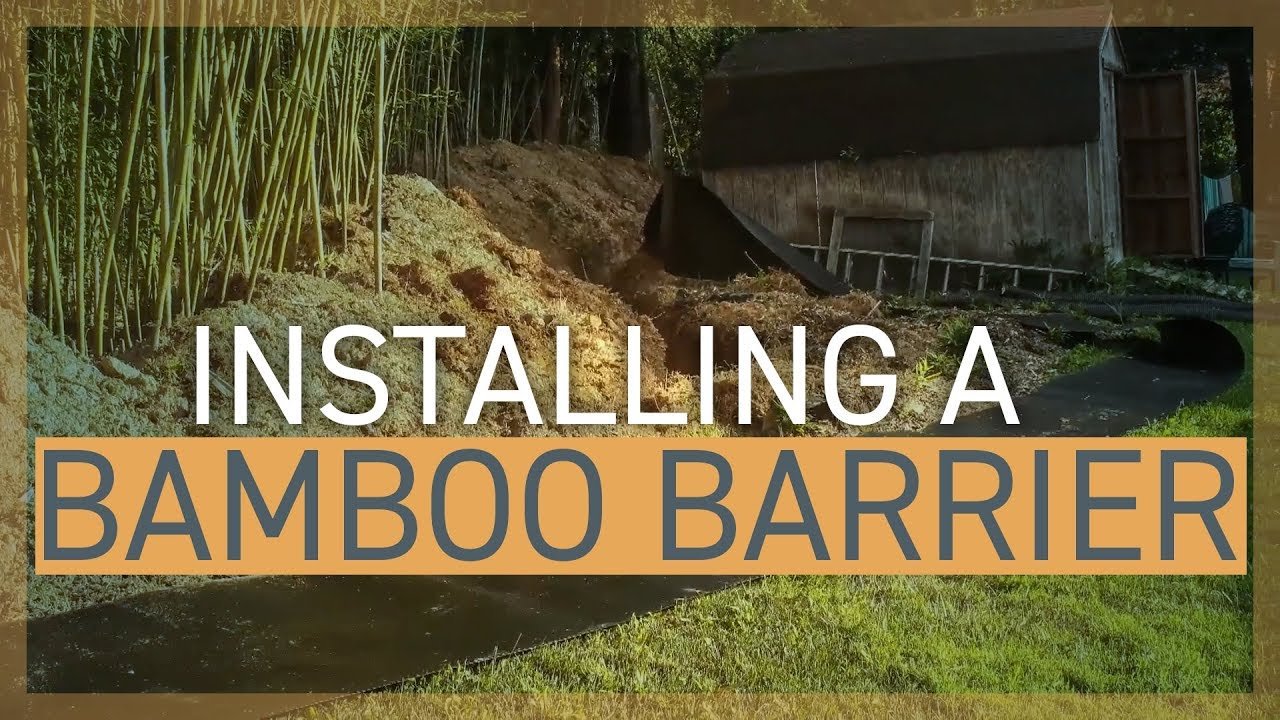
Image source: YouTube / UMDHGIC (YouTube thumbnail (fair-use with source credit))
Picking Plants That Are Not Cold Hardy
A Japanese maple rated for zone 5 will die in a zone 3 winter. Always check the plant's hardiness range before buying. Your local cooperative extension office is the authoritative source for plant recommendations in your area.
Use the USDA plant hardiness zone map as your baseline. For more on designing a functional outdoor space, consider how your layout works with outdoor landscaping principles.
How to Create Your Own Zen Corner: A Step-by-Step Mini Guide
Start with one corner of your yard. A 6 by 6 foot space is enough. You can always expand later.
Step 1: Clear and Level the Space
Remove grass, weeds, and debris. Dig down 3 to 4 inches. Tamp the soil flat and smooth.
Step 2: Lay a Weed Barrier
Use landscape fabric over the soil. Overlap the edges by 6 inches. This stops weeds from pushing through your gravel.
Step 3: Add Edging
Install steel, stone, or bamboo edging around the perimeter. It keeps gravel in place and creates a clean line between garden and lawn.
Step 4: Spread the Gravel
Pour 2 to 3 inches of decomposed granite or pea gravel. Rake it smooth and level. For a dry garden, skip the sand and use crushed stone instead.
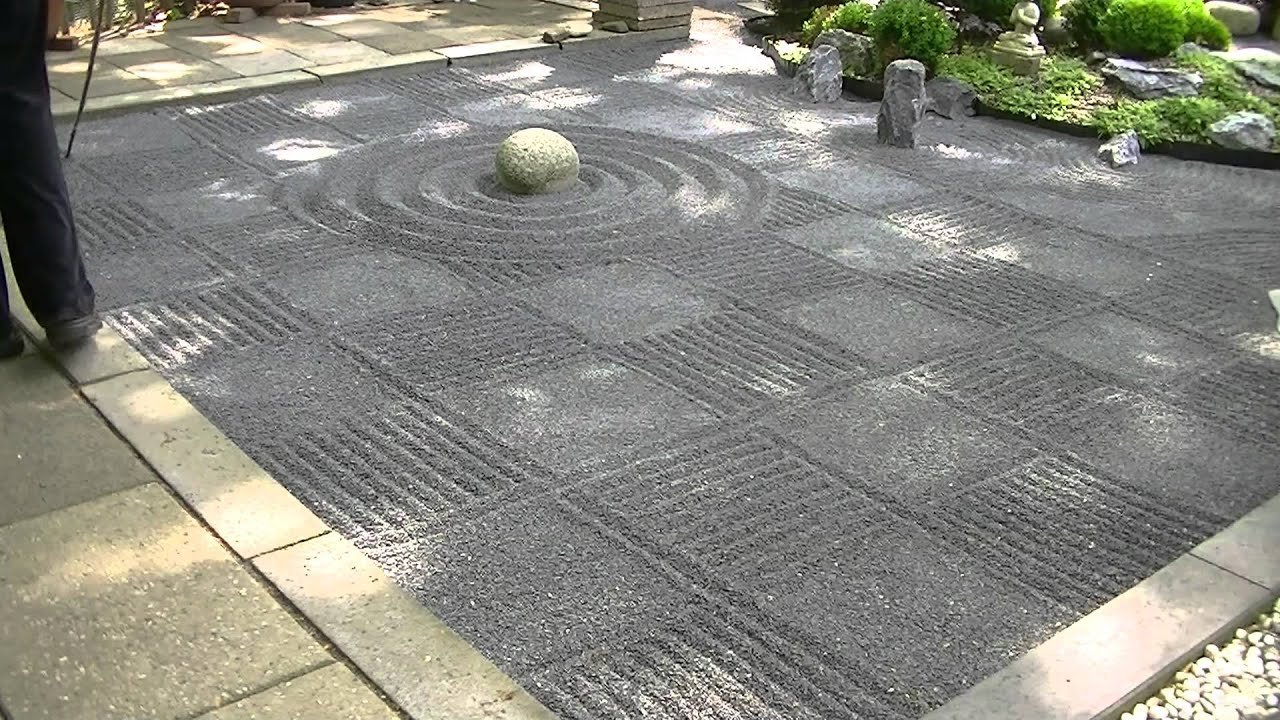
Image source: YouTube / Kikiyaya Zen Gardens (YouTube thumbnail (fair-use with source credit))
Step 5: Place Your Stones
Set one large stone off-center. Add two to three smaller stones nearby. Bury each base so it looks settled.
Step 6: Add Plants and Accents
Tuck a small Japanese maple or pine at the edge. Add a stone lantern or a simple basin. Step back and adjust the spacing until it feels balanced.
Maintenance: Keeping Your Japanese Garden Beautiful Year-Round
A Japanese garden gets easier to maintain over time. The first year takes the most effort. After that, it is mostly routine.
Weekly Tasks
Rake gravel patterns with a wooden rake. Remove fallen leaves before they stain stones. Check water levels in any basin or pond.
Seasonal Tasks
In spring, prune maples before leaves emerge and divide moss that has spread too far. In summer, water deeply and check for algae growth. In fall, remove leaves from ponds and trim back ornamental grasses.
In winter, drain pumps and cover tender plants.

Image source: YouTube / Growing Bonsai by Jelle (YouTube thumbnail (fair-use with source credit))
Refresh gravel every 2 to 3 years. Replace bamboo panels every 3 to 5 years. The rest is simply observation.
Realistic Cost Breakdown for Japanese Backyard Ideas
| Project | Low End | High End |
|---|---|---|
| Container bonsai display | $50 | $200 |
| Tsukubai with pump | $150 | $500 |
| Dry rock garden corner | $300 | $1,500 |
| Bamboo fencing (per linear foot) | $20 | $60 |
| Koi pond (full install) | $5,000 | $15,000+ |
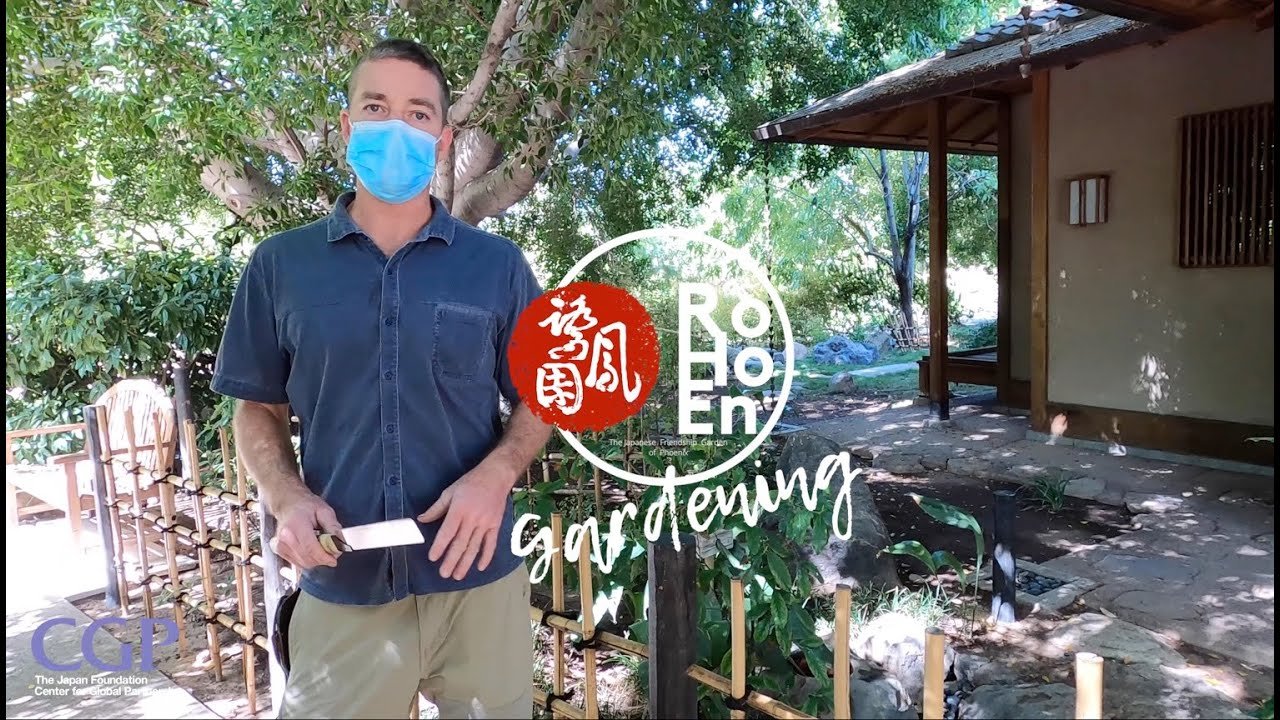
Image source: YouTube / The Japanese Friendship Garden of Phoenix (YouTube thumbnail (fair-use with source credit))
Start with the cheapest idea that speaks to you. A tsukubai and a container bonsai give you the look for under $300.
Frequently Asked Questions
Can I create a Japanese garden on a tight budget?
Yes. Focus on gravel, one stone, and a single accent plant. You can start a small zen corner for under $200.
How much maintenance does a zen garden require?
Plan on 15 to 30 minutes per week. Raking gravel and pulling stray weeds are the main tasks.
Is bamboo invasive?
Clumping bamboo stays put. Running bamboo spreads aggressively. Always confirm the species before planting.
What is the easiest water feature to install?
A ceramic water basin with a submersible pump. No digging, no liner, no winterizing.
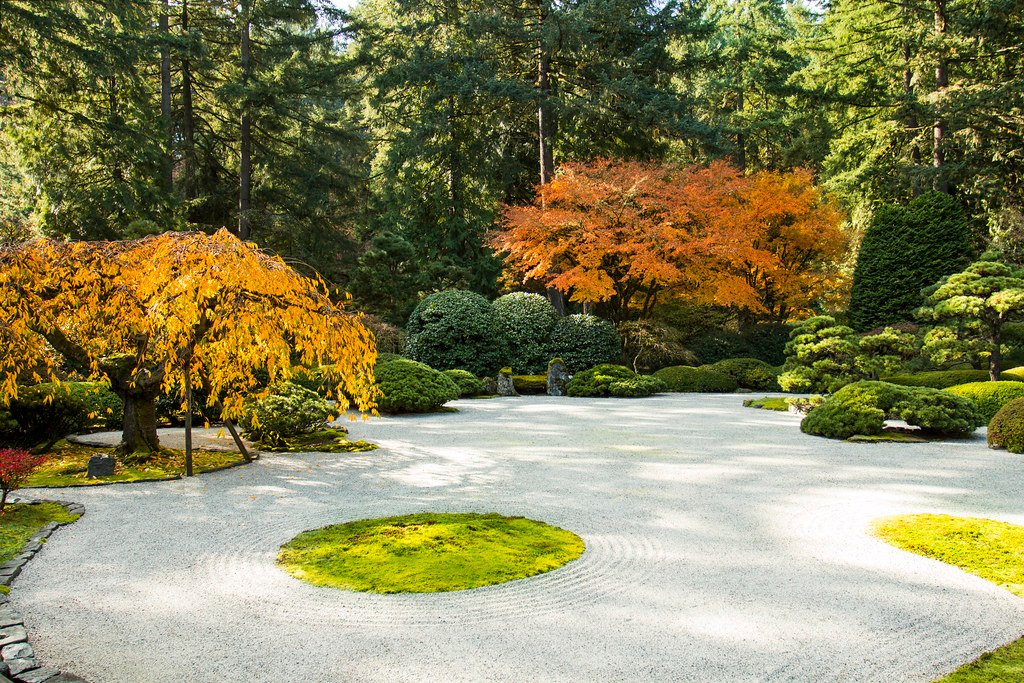
Image source: Openverse / Bonnie Moreland (free images)
Final Verdict: Starting Small vs Going All In
A small start beats a stalled grand plan every time. A container bonsai on a stand is a complete garden. A dry rock corner can become a tea garden over the years.
Match the project to your budget, your climate, and your patience. Japanese garden design rewards restraint. One well-placed stone, a raked gravel bed, and a quiet corner is enough.
If you want a more structured outdoor area, check out backyard patio designs for hardscape ideas that pair well with Japanese elements.
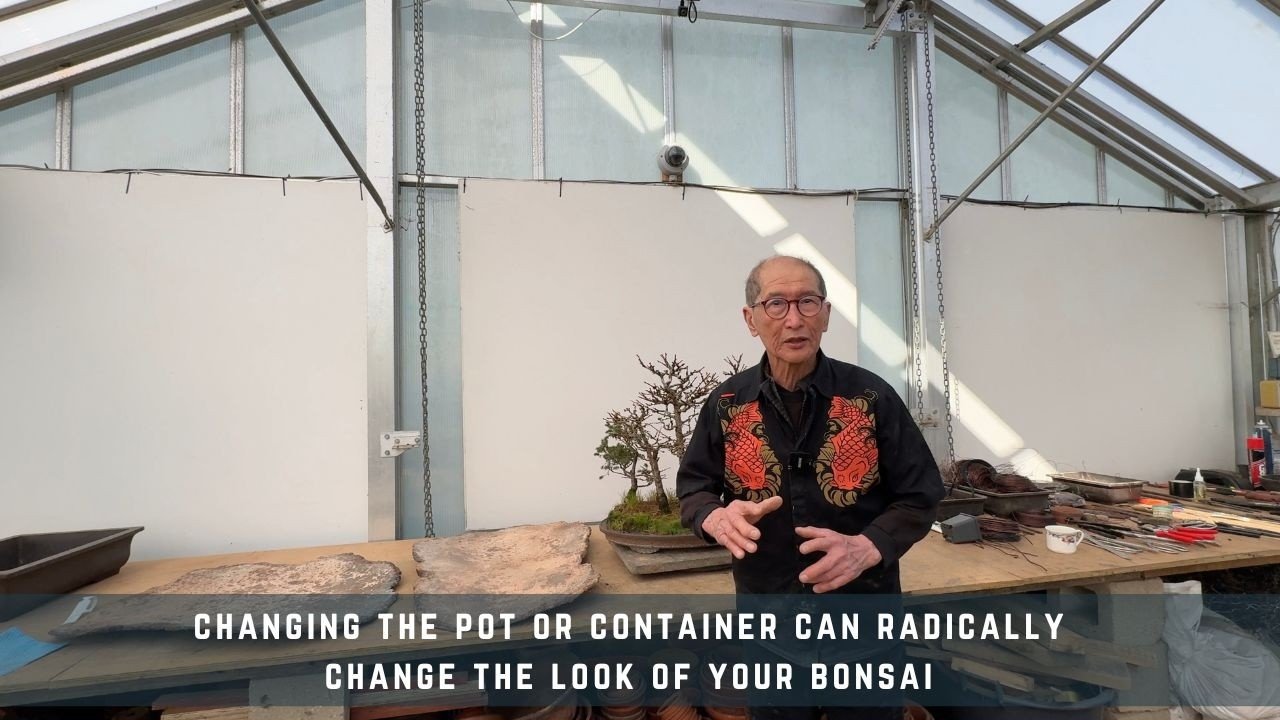
Image source: YouTube / Herons Bonsai (YouTube thumbnail (fair-use with source credit))
The goal is not to recreate Kyoto. It is to carve out a calm place where you can breathe. Start there, and the garden will grow with you.
Practical Next Steps
A single corner is enough to start. Choose one idea from this list that excites you, then commit to it this weekend.
Begin with a dry rock garden or a container bonsai. Both are forgiving for beginners. Both give you the Japanese aesthetic without heavy labor or cost.
If you want more structured guidance, check out our backyard patio designs for hardscape ideas that pair well with these elements. For families, consider how the space will be used, you might want to blend a quiet corner with play areas for kids.
Take photos of your space now. Compare them in a year. The transformation will surprise you.

Similar Posts