Can Garden Hoses Be Recycled? What You Need to Know
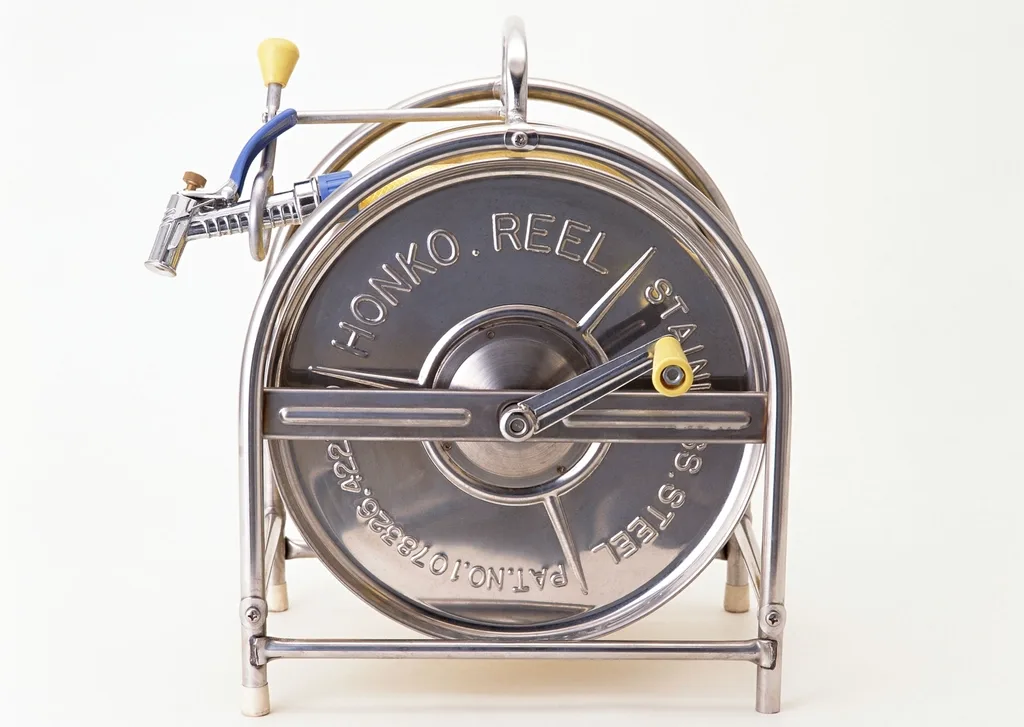
Old garden hoses are one of those things that pile up in the shed, and sooner or later you wonder if the recycling bin is fair game. So can garden hoses be recycled? Not through your normal curbside bin, and tossing one in there causes real problems at the sorting plant.
The good news is you've got better options than the landfill.
Most hoses are a mix of vinyl or rubber wrapped around reinforcing layers, with brass or plastic fittings on the ends. That mixed build is exactly why standard recyclers won't take them. As of 2026, the smart move is to match your hose to the right path: scrap, specialty recycling, reuse, or trash.
Let's start with the quick answer.
Can You Actually Recycle a Garden Hose? The Short Answer
Garden hoses can be recycled, but not in your curbside bin. Standard recycling machines can't process them. The brass and metal fittings can go to a scrap yard for cash.
Rubber hoses sometimes qualify at specialty rubber recyclers. For most people, reuse or landfill is the realistic end point.
Think of it as a decision, not a yes or no. If your hose still holds water, reuse beats recycling every time. If it's split and dead, strip the fittings for scrap and bin the rest.
Why Garden Hoses Get Rejected at the Recycling Bin
Garden hoses are what the recycling industry calls "tanglers." They wrap around the spinning discs and axles inside a material recovery facility (MRF), the plant that sorts your mixed recycling. When that happens, workers have to stop the line and cut the hose out by hand.
That's not a minor hiccup. A single hose can shut down a sorting line and put staff at risk near the machinery. The US Environmental Protection Agency, whose recycling guidance you can read at epa.gov, flags this kind of contamination as a top reason batches get downgraded or trashed.
There's a second problem too. Hoses carry no resin identification code, the little number inside the recycling triangle. Without it, sorters can't tell what plastic they're dealing with.
So even if a hose survived the machinery, there's no clean stream to send it to.
First, Figure Out What Your Hose Is Made Of
Before you decide anything, work out what you're holding. The material sets the whole path. Here's how the three common types break down.
| Hose type | What it's made of | Best disposal route |
|---|---|---|
| Vinyl (PVC) | Layered PVC plastic | Reuse or landfill |
| Rubber | Natural or synthetic rubber | Rubber/specialty recycler or scrap |
| Expandable | Latex or TPC core, fabric outer | Landfill (rarely recyclable) |
Vinyl (PVC) Hoses
These are the lightweight, cheaper hoses most homes own. They're flexible, kink-prone, and made of layered PVC. Curbside programs won't touch them, and few specialty streams exist.
If a vinyl hose is dead, reuse it or bin it after removing the fittings.
Rubber Hoses
Rubber hoses are heavier, tougher, and last longer, often 10 years or more with decent care. Because they're a more uniform material, some tire and rubber recyclers will accept them. Call ahead first.
This is your best shot at actually recycling the hose body itself.
Expandable and Reinforced Hybrid Hoses
Expandable hoses hide a stretchy latex or TPC core inside a fabric sleeve. Reinforced hybrids stack several bonded layers. Both are almost impossible to separate, so recycling isn't realistic.
Salvage the fittings, then landfill the rest.
Your Disposal Options, Branch by Branch
Once you know the material, pick a branch. Work down this list in order, since the earlier options keep more out of the trash.
Curbside Recycling: Almost Always a No
If you're tempted to drop a hose in the blue bin, don't. Nearly every municipal program bans hoses because of the tangler issue. Putting one in anyway is "wish-cycling," and it can get your whole load rejected.
When in doubt, check your local solid-waste department's accepted-items list.
Scrap Yards for the Brass and Metal Fittings
Here's the overlooked win. The brass couplings on a quality hose have real scrap value. Cut them off, collect a handful, and a local scrap metal yard will pay by weight.
Brass prices move with the market, so a few fittings won't make you rich. Still, it beats sending recoverable metal to landfill. Plastic fittings have no scrap value, so just bin those.
Rubber and Specialty Recyclers
Rubber hoses can sometimes join the stream at a tire recycler or a specialty program. Some mail-in services also accept hard-to-recycle items for a fee. Availability depends heavily on where you live, so a quick phone call saves a wasted trip.
Donation and Reuse Before You Toss It
A hose that still works shouldn't be scrapped at all. Community gardens, school plots, animal shelters, and allotment groups often take working hoses gladly. If you're rethinking your outdoor space anyway, a tired hose can find a second life in projects like dressing up a plain boundary or edging a new bed.
Gardeners planning cozy cottage-style borders can repurpose old hose lengths as soft plant ties.
Landfill as the Last Resort
Sometimes the trash really is the answer, and that's OK. A dry-rotted vinyl or expandable hose with no scrap fittings has nowhere else to go. Coil it tight, tape it, and put it in your regular waste, never the recycling.
Doing that protects the recycling stream for everything else in your bin.
How to Prep an Old Hose for Recycling or Scrap
A little prep makes every branch above go smoother. It also keeps the metal separate from the plastic, which is the whole point.
Separating the Metal Fittings
You only need basic tools. Follow these steps.
- Grab a utility knife or a hacksaw and work gloves.
- Cut through the hose about an inch behind each metal coupling.
- Twist or pry the fitting free of the hose stub.
- Drop brass fittings in a scrap tub and bin plastic ones.
- Set the hose body aside for reuse, specialty recycling, or trash.
Draining, Drying, and Coiling
Empty the hose fully before you store or transport it. Standing water invites mold and adds weight. Let it dry for a day, then coil it loosely and secure it with a tie or tape.
A neat coil is easier to haul to a scrap yard and safer to bin, since a loose hose is exactly what tangles machinery.
Smart Ways to Repurpose a Dead Hose
A cracked hose still has plenty of life left in other jobs. Before it hits the bin, cut it into pieces and put it to work around the yard.
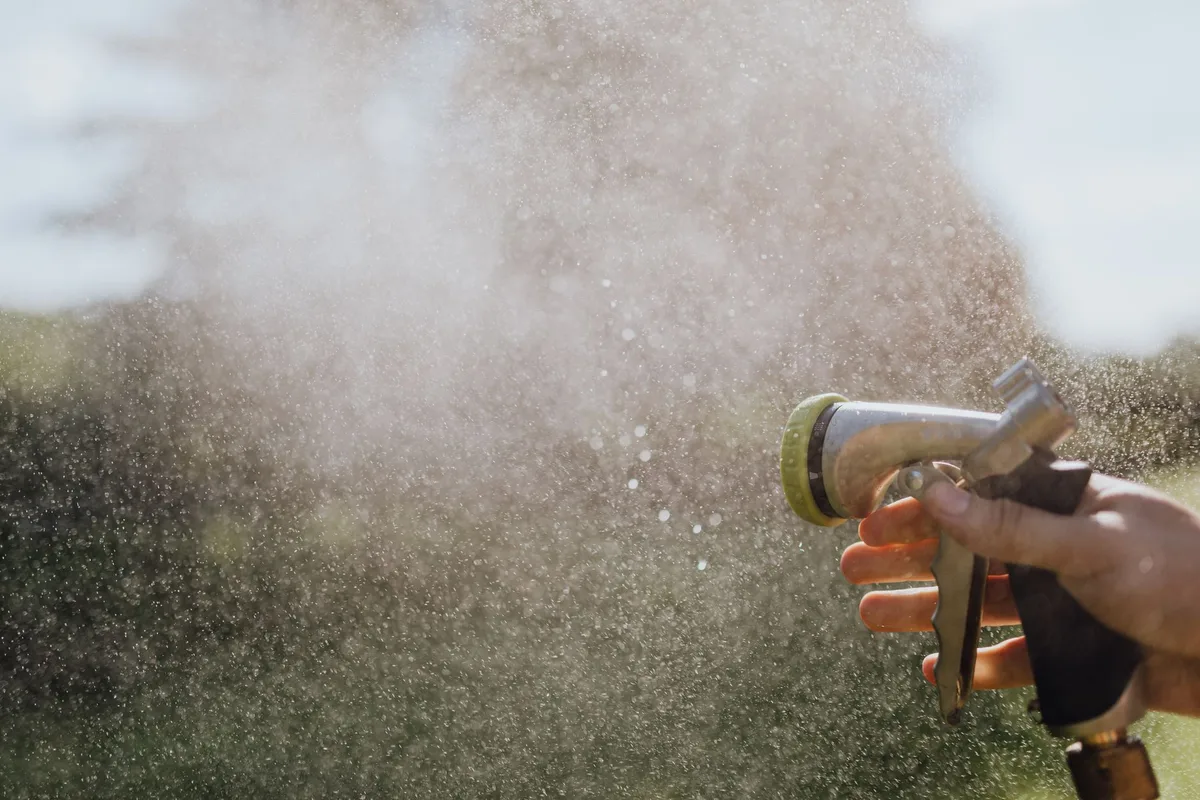
- Punch small holes along a length to make a DIY soaker hose for garden beds.
- Slit a short piece lengthwise and slip it over bucket handles or wheelbarrow grips.
- Wrap sections around tree stakes or wire to stop bark and stems chafing.
- Use short lengths as soft plant ties, gentler than string on stems.
- Thread it over the top edge of chain-link to protect hands and clothing.
Gardeners planting up raised borders and edging often use hose loops to hold young plants upright. If you keep greenery inside, hose offcuts also make handy no-slip pads under heavy potted houseplants.
Mistakes That Wreck a Recycling Batch (and Get You Fined)
The single biggest mistake is dropping a hose in curbside recycling. It tangles the sorting gear and can get an entire truckload sent to landfill.
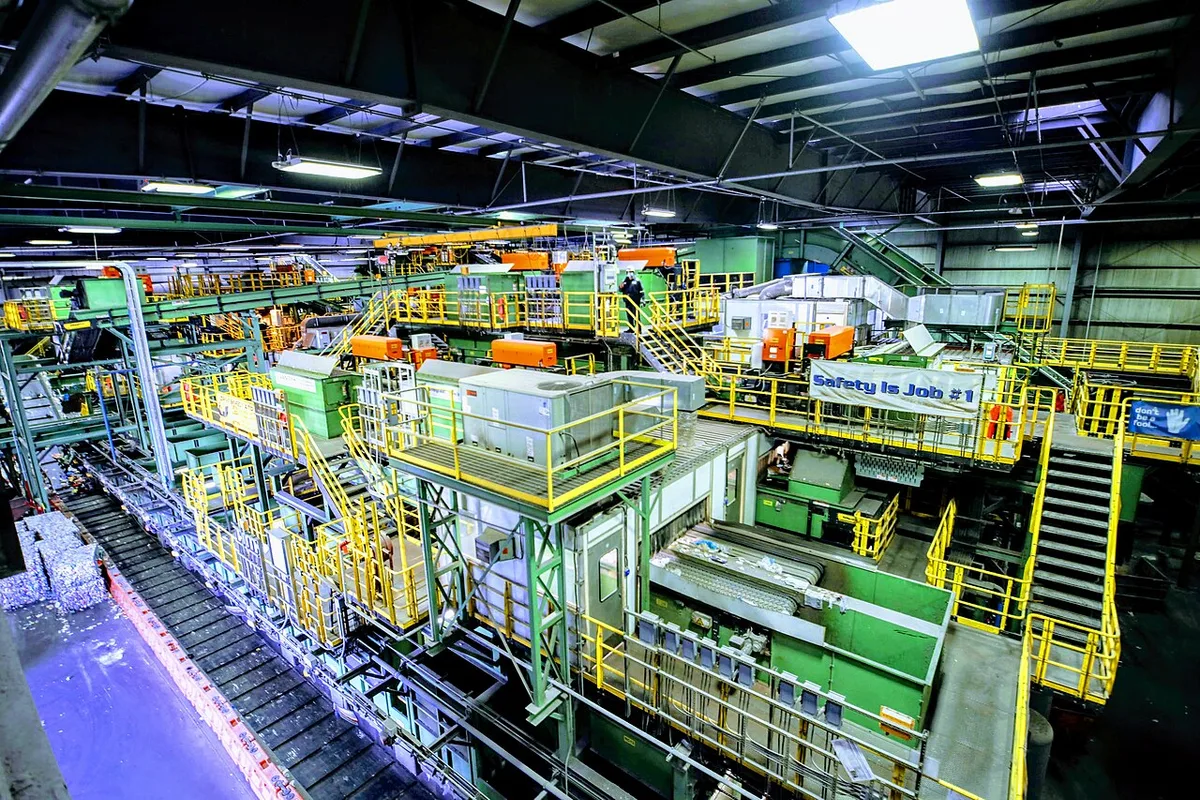
Some areas issue contamination fines or reject bins outright when banned items show up. Here are the errors we see most often.
- Wish-cycling: tossing a hose in "hoping" it gets recycled. It won't.
- Leaving brass fittings on before scrapping, so the metal never gets recovered.
- Binning a hose that still holds water and could be donated.
- Storing hoses wet, which breeds mold and adds haul weight.
- Assuming all hoses are the same. Rubber and vinyl take different routes.
When you're not sure, treat the hose as trash rather than risk the whole load. That one habit protects everything else you recycle.
US vs. UK: How Local Rules Change the Answer
Where you live changes the disposal path more than anything else. Rules and facilities vary widely, so a route that works in one town falls flat in the next.
In the US, recycling is set by your municipal or county solid-waste department. Almost none accept hoses curbside, but scrap yards and tire recyclers are common. Earth911's recycling locator is a handy directory for finding a drop-off near you.
In the UK, household recycling runs through your local council. Councils typically won't take hoses in kerbside or garden-waste bins either. Household waste recycling centres (HWRCs) sometimes have a rigid-plastics or scrap-metal skip that fits the bill.
| Factor | US | UK |
|---|---|---|
| Who sets rules | Municipal / county | Local council |
| Curbside hose pickup | Almost never | Almost never |
| Scrap metal access | Common | Common |
| Drop-off term | Recycling center | HWRC |
The takeaway is simple. Check the official page for your exact area before you load the car.
What It Costs, What You Get Back, and How Long Hoses Last
Recycling a hose usually costs nothing but your time, and scrap fittings can even pay a little. Disposal itself is cheap, but the numbers are worth knowing before you decide.
Brass scrap sells by weight and the price shifts with the metal market. A handful of couplings won't cover lunch, yet it keeps good metal in use. Specialty mail-in recycling programs, by contrast, often charge a box fee that outweighs a hose's value.
The bigger money question is how long a hose lasts. A cheap vinyl hose may last around 5 years, while a quality rubber one runs 10 years or more.
| Item | Typical figure |
|---|---|
| Vinyl hose lifespan | ~5 years |
| Rubber hose lifespan | 10+ years |
| Common lengths | 25, 50, 75, 100 ft |
| Standard thread | 3/4-inch GHT |
| Scrap fitting value | Small, by brass weight |
Buying one durable rubber hose instead of replacing cheap ones every few seasons cuts both cost and waste. It's the same logic behind choosing sturdy metal grid boundary panels over flimsy fixes that fail fast.
Handling Older Hoses Safely: Lead and PVC Cautions
Some older hoses carry safety flags worth knowing before you cut them up or reuse them. This matters most if you plan to repurpose one near food or drinking water.
Older vinyl hoses not labeled "drinking-water-safe" can contain lead in the fittings or brass. Never drink from one, and don't use offcuts in a veggie-bed watering setup meant for edibles. Wear gloves when cutting weathered hose, and wash your hands after.
PVC and its softening additives, called phthalates, are why hoses shouldn't be burned or loose-dumped. Landfilling a tightly coiled hose in your regular waste is the accepted route, per general EPA disposal guidance. If a hose is labeled lead-free and food-grade, it's the safest candidate for reuse projects that touch plants you eat.
Pro Tips to Cut Down Hose Waste for Good
The best recycling problem is the one you avoid. A hose that lasts longer means fewer trips to the scrap yard and less plastic in the ground.
- Drain and coil the hose after each use so water doesn't freeze and split it.
- Store it out of direct sun. UV is what dries out and cracks the material.
- Fix small leaks with a repair coupling instead of binning the whole hose.
- Buy a rubber hose over vinyl if you use it hard. It pays off over a decade.
- Fit a hose reel or hanger to stop kinks that weaken the layers.
One more habit helps. Keep the original brass fittings even after a hose dies, since they screw onto replacement lengths and save you buying new ones.
Common Questions About Recycling Garden Hoses
Can I put a garden hose in my recycling bin?
No. Curbside and kerbside bins reject hoses because they tangle the sorting machinery at recovery plants. A single hose can shut down a line or contaminate a full load.
Cut off the metal fittings for scrap, then bin the hose body with regular trash.
Are rubber hoses easier to recycle than vinyl ones?
Yes, somewhat. Rubber hoses are a more uniform material, so certain tire and rubber recyclers will take them. Vinyl (PVC) hoses rarely have a recycling stream.
Call the facility first, since acceptance varies by location and not every recycler handles hose rubber.
What can I do with a hose that still works?
Donate it or reuse it. Community gardens, schools, and animal shelters often welcome working hoses. Around your own yard, turn one into a soaker hose, plant ties, or padding for tool handles.
Reuse always beats recycling because it skips processing entirely.
Is it worth scrapping the brass fittings?
For the metal, yes, though don't expect much cash. Brass sells by weight and prices swing with the market, so a few couplings earn only a little. The real win is keeping recoverable metal out of landfill.
Collect fittings over time, then take them together.
Are old garden hoses safe to reuse for watering vegetables?
Only if labeled drinking-water-safe or lead-free. Older vinyl hoses can contain lead in the fittings, which isn't ideal near edibles. Wear gloves when cutting weathered hose.
Save food-grade, lead-free hoses for veggie-bed watering and use the rest for non-edible jobs.
Your Quick Decision Guide: Recycle, Scrap, Reuse, or Bin It
When you're standing over a tired hose, run through this quick logic. It gets you to the right route in seconds.
- If it still holds water, reuse or donate it. Don't scrap a working hose.
- If it's dead but has brass fittings, cut them off for the scrap yard.
- If it's a rubber hose, call a tire or specialty recycler before binning.
- If it's vinyl or expandable with no scrap value, coil it tight and trash it.
- If you're ever unsure, treat it as regular waste, never curbside recycling.
The pattern is easy to remember. Reuse first, scrap the metal second, specialty recycle the rubber third, and landfill only as a last resort. Match the hose to its material, check your local rules, and you'll always land on the right call.

Similar Posts