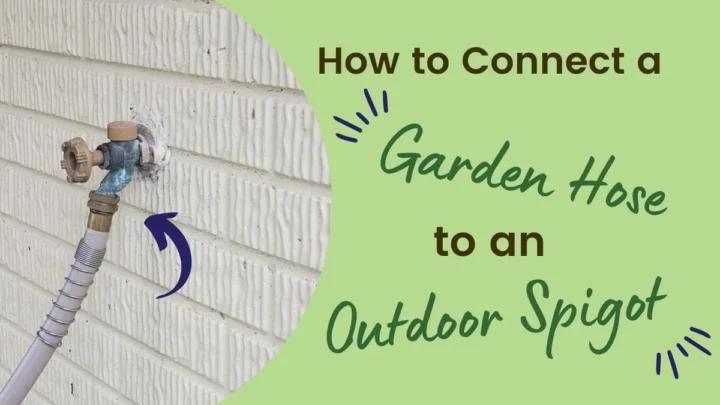
Can You Bury a Garden Hose Underground? What to Know

So you've got a spigot on one side of the yard and a thirsty garden bed on the other. You're wondering: can I bury a garden hose underground and just be done with it? You can physically drop a hose in a trench, sure.
But a standard garden hose isn't built for it, and it'll kink, collapse, or split the first hard freeze.
Most garden hoses are rated for the roughly 40 to 60 PSI of typical household water pressure. They're made from vinyl or reinforced rubber that degrades without sun protection and cracks when water freezes inside. Bury one as-is and you're trading a tidy yard for a buried repair job.
Here's how to decide what actually belongs in that trench.
Can You Actually Bury a Garden Hose? The Short Answer First
Yes, you can bury a garden hose underground. But a standard hose isn't rated for burial. It kinks and collapses under soil weight.
It also splits when trapped water freezes. For anything permanent, run poly pipe or PVC instead.
If you just want a hose hidden for a single growing season, slide it inside a rigid conduit so you can pull it out before winter. That's the safe workaround. Anything you plan to leave in the ground year-round should be proper buried-rated pipe, not a hose.
The rest of this guide helps you pick the right path for your yard.
Why Burying a Standard Garden Hose Usually Backfires
A garden hose is designed to sit on top of the ground, get coiled up, and drain between uses. Bury it and you strip away everything it needs to survive. Soil load, trapped water, and no way to drain it all work against you.
Here's what tends to go wrong once a plain hose goes under:
- Freeze splits. Water left inside expands when it freezes and cracks the wall. This is the number one killer of buried hoses in cold regions.
- Collapse and kinks. Soil weight and settling pinch a soft hose shut, so flow drops or stops.
- UV and chemical breakdown. Cheap vinyl gets brittle over time, and buried damage is hard to spot until it leaks.
- Stagnant water and biofilm. Water sitting in a dead hose run can grow a slimy bacterial layer inside.
- Buried repairs. When it fails, you're digging up the whole run to find one pinhole.
A tidy yard is a fair goal, and burying the line is one way to hit it. It's the same instinct behind a lot of privacy-minded fence cover ideas: hide the ugly, keep the useful. The difference is that a hose needs the right material to survive down there.
The Conditions That Decide Your Answer
There's no single yes or no here. The right move depends on four things about your setup. Run through these before you dig, because they change the answer completely.
Your Climate and Frost Line Depth
The frost line is how deep the ground freezes in winter, and it drives everything. Any water line that holds water through winter has to sit below that depth or it will freeze and burst. Frost depth ranges from a few inches in the deep South to 4 to 6 feet or more across the far northern states and Canada.
If you're in a mild, mostly frost-free climate, a shallow line is realistic. If your ground freezes hard, a seasonal hose you remove each fall is far simpler than trenching below frost.
Seasonal Use vs. Year-Round Water
If/then logic makes this easy:
- If you only need water spring through fall, then a removable hose in a conduit works fine.
- If you need water available all year, then you need buried pipe below the frost line plus a frost-free hydrant.
Permanent Line or Removable Setup
Renters and anyone who might rework the yard should lean removable. A hose inside a sleeve pulls out in minutes. A solvent-welded PVC line is there for good, so only commit to it once the route and endpoints are settled.
Water Pressure and Distance to the Endpoint
Long runs and small diameters cost you pressure. A 5/8-inch hose feeding a spigot 80 feet away delivers noticeably weaker flow than a 3/4-inch poly line over the same distance. The general rule still holds as of 2026: for longer runs, go up a size and use rigid pipe to hold pressure and resist collapse.
Your Options, Branch by Branch
Match your situation from the last section to one of these three branches. Each one suits a different reader, so pick the one that fits rather than the fanciest.
Branch 1: Bury the Hose Inside a Conduit (Removable, Seasonal)
Best for renters, mild climates, and anyone who wants the hose gone before winter. You dig a shallow trench, lay a rigid conduit or split sleeve, and thread the hose through it. The conduit takes the soil load, and you pull the hose out each fall to drain and store it.
This is the only setup where burying an actual garden hose makes sense. The sleeve protects it, and removal solves the freeze problem for you.
Branch 2: Switch to Poly Pipe (Permanent, Cold-Climate Friendly)
Best for year-round water in freezing regions. Black polyethylene (poly) pipe is flexible, tough, and made to be buried. You run it below the frost line, connect with barbed or compression fittings, and it lasts for decades instead of seasons.
Poly handles ground movement and freeze-thaw cycles far better than a hose. It's the workhorse choice for feeding a remote garden, a greenhouse, or a set of tidy raised flower beds at the back of the property.
Branch 3: Run PVC or PEX to a Frost-Free Hydrant
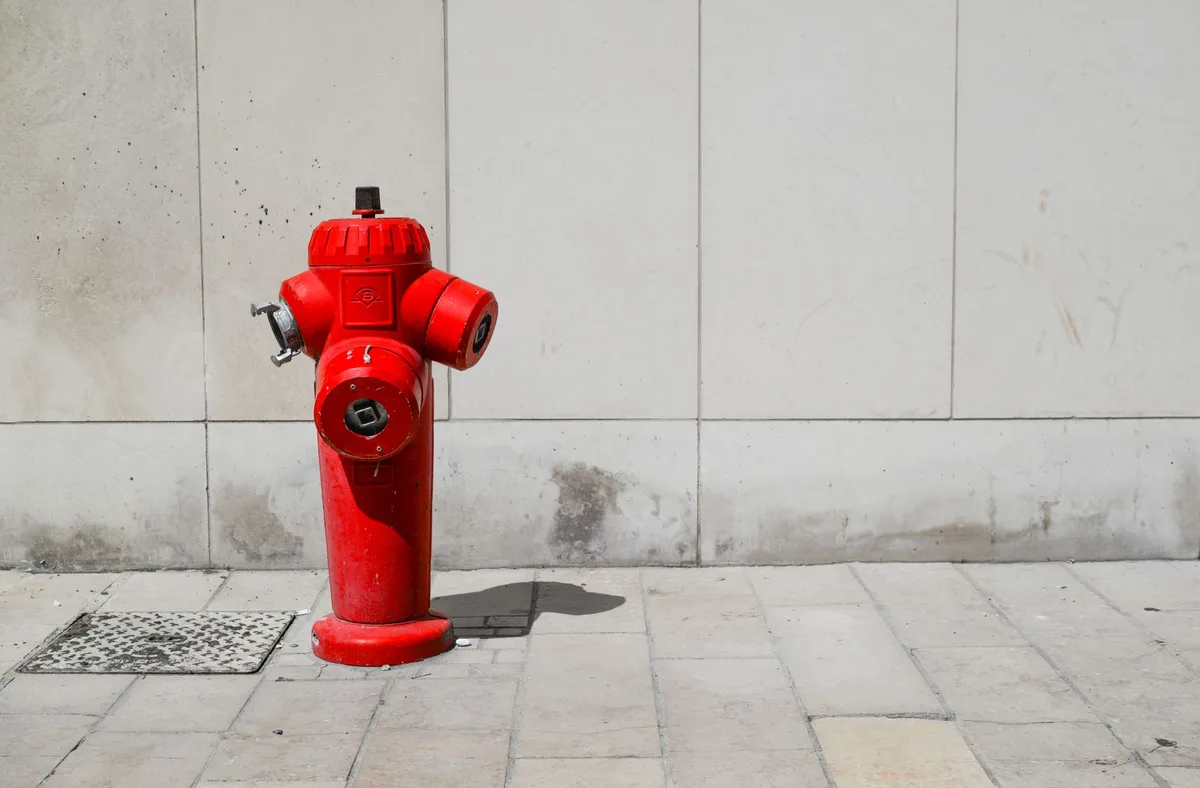
Best for a permanent, tap-anywhere water point. You bury PVC or PEX supply pipe and cap the far end with a frost-free yard hydrant. The hydrant's shutoff sits underground below the frost line, so the standpipe drains itself and won't freeze even in deep cold.
This is the most finished setup and the one that behaves like a real outdoor faucet. Before any of these branches, call 811 so you're not digging into a buried utility. You can schedule a free locate through the national Call Before You Dig service.
Garden Hose vs. Poly Pipe vs. PVC vs. PEX
Here's the quick side-by-side so you can match material to job. A garden hose is the weakest option for burial, and the other three are all built for underground service.

| Material | Buried-rated? | Freeze tolerance | Best for | Typical pressure class |
|---|---|---|---|---|
| Garden hose | No | Poor | Seasonal, inside a conduit only | ~40–60 PSI use |
| Poly (PE) pipe | Yes | Good, flexible | Permanent runs, cold climates | 100–160 PSI |
| PVC (Sch 40) | Yes | Rigid, needs drain | Straight permanent supply lines | High, glued joints |
| PEX | Yes | Very good | Runs to a hydrant, tight turns | High, freeze-forgiving |
Quick takeaways:
- Garden hose: only underground when sleeved and removed each winter.
- Poly pipe: the go-to for flexible, buried, cold-weather runs.
- PVC: cheap and strong for straight permanent lines, but rigid and needs a drain point.
- PEX: the most freeze-forgiving, great for the last stretch to a hydrant.
If your main goal is just hiding the line for looks, weigh that against the work involved. Sometimes a smart above-ground route dressed up like a cozy country-garden edge gets you most of the tidiness with none of the trenching.
How Deep to Dig: Trench Depth by Climate and Use
Trench depth comes down to two questions: does the line hold water in winter, and what's your local frost depth? Get those right and the rest is just digging. A seasonal line you drain each fall can sit shallow.
A year-round line must go below the frost line.
Here's a practical depth guide:
| Setup | Typical trench depth | Why |
|---|---|---|
| Seasonal hose in conduit | 6 to 12 inches | Deep enough to hide and protect it |
| Drip/irrigation supply, mild climate | 8 to 12 inches | Below mower and foot traffic |
| Year-round line, cold climate | Below local frost line (often 3 to 6+ feet) | Stops freeze-and-burst |
Your local frost depth is the number that matters most. Check with your building department or water utility, since codes often set a minimum burial depth for water service. When in doubt, dig deeper rather than shallower.
Step-by-Step: Running a Buried Water Line the Right Way
Whether you're sleeving a hose or laying poly pipe, the workflow is the same. Take these in order and you'll avoid the reruns that cost a weekend.
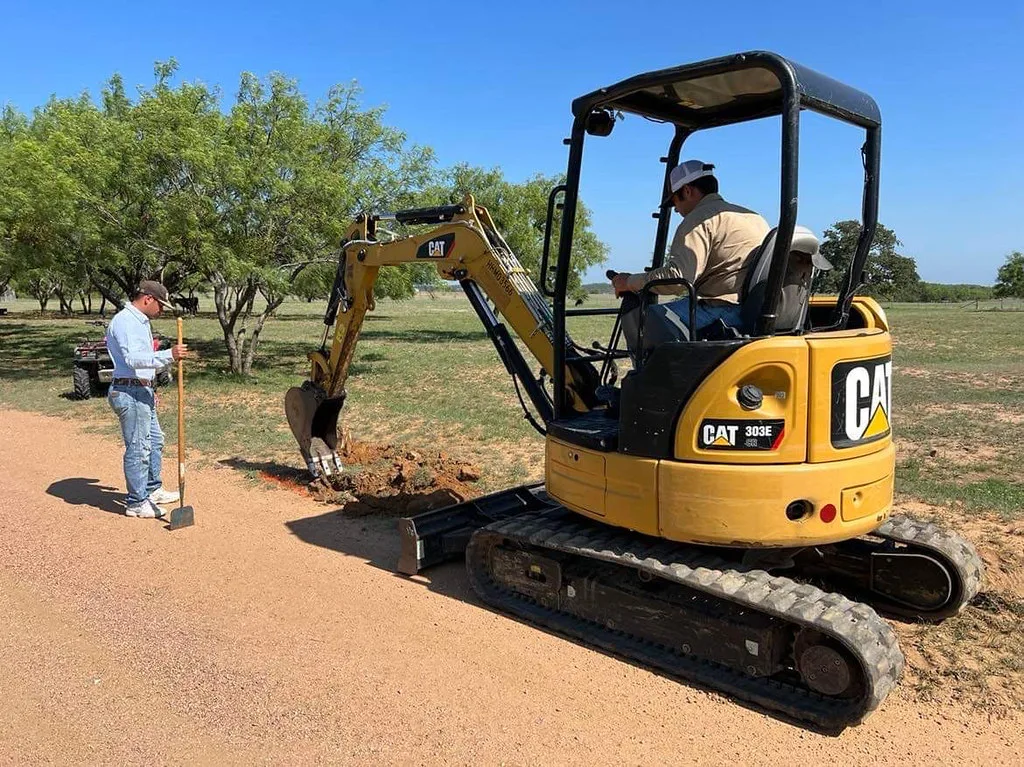
Call 811 Before You Dig
Call 811 or file online at least a few business days before digging. It's free, and crews come mark buried gas, electric, water, and cable lines. Hitting a utility is dangerous and expensive, so never skip this step.
Trenching, Bedding, and Fittings
Mark your route from the spigot to the endpoint and dig a clean, even trench. Clear out sharp rocks and lay an inch or two of sand or fine soil as bedding. Sharp stones under pressure are a slow leak waiting to happen.
Then set your pipe and connect the fittings. Use barbed or compression fittings for poly, and solvent-weld PVC. Keep every joint accessible until you've tested it.
Adding a Shutoff and Blow-Out Point
Install a shutoff valve at the source and a drain or blow-out fitting at a low point. This is what lets you clear the line before winter. Skip it and you've built something you can't safely drain.
For year-round setups, cap the far end with a frost-free hydrant so the standpipe self-drains below the frost line.
Pressure-Test and Backfill
Turn the water on and check every joint before you bury anything. Look for drips, weeping fittings, and pressure that holds steady. Once it's dry and solid, backfill in layers and tamp gently.
Mark the route with a buried tracer or a simple sketch. Future you will be grateful when a repair comes up.
Backflow, Codes, and Staying on the Right Side of the Rules
Backflow is when dirty water gets siphoned back into your clean supply, and a buried line makes that risk real. A hose lying in a puddle or fertilizer runoff can pull contaminants back toward the house if pressure drops. That's why an anti-siphon device matters here.
Fit a vacuum breaker or anti-siphon valve at the hose bib. Many outdoor spigots already have one built in, but buried lines and hydrants may need a dedicated backflow preventer. The EPA's cross-connection control guidance explains why this protection isn't optional on potable lines.
A few compliance basics worth checking:
- Local plumbing codes may require permits, minimum depth, and approved backflow devices.
- NSF/ANSI 61 and 372 cover potable, low-lead components if the water is for drinking or edible gardens.
- Cross-connection rules apply anytime a hose end could sit in contaminated water.
When your line feeds vegetables or connects to household plumbing, treat it like real plumbing. A quick call to your local building department clears up what your area requires.
Mistakes That Lead to Split Lines and Leaks
Most buried-line failures trace back to a handful of avoidable errors. Knowing them upfront saves you the dig-it-all-back-up headache.
- Leaving water in the line over winter. The classic freeze split. Always drain or blow out before the first freeze.
- Using a plain hose with no conduit. Soil load crushes it and you lose flow within a season.
- Skipping the bedding layer. Sharp rocks wear a hole under pressure over time.
- No drain or shutoff point. You can't winterize what you can't empty.
- Burying joints before testing. One weeping fitting means excavating the whole run.
- Undersizing the pipe. A long, skinny line starves your endpoint of pressure.
- Forgetting to call 811. Hitting a utility turns a garden project into an emergency.
One more that catches people: routing the line where you'll later want to plant or build. Plan around trees, future beds, and any fencing work. It's the same forethought you'd give before installing metal grid boundary panels.
Measure once, dig once.
Winterizing and Long-Term Care for a Buried Line
Winterizing is the single most important habit for any buried water line in a freezing climate. Skip it and you'll be replacing pipe every spring. The goal is simple: get all the water out before it can freeze.
Here's the fall routine:
- Shut off the water at the source valve.
- Open the drain or lowest blow-out point to let gravity empty the line.
- Blow it out with an air compressor at low pressure to clear the last water.
- Pull removable hoses from their conduit, drain, and store them indoors.
Frost-free hydrants handle most of this on their own, but still confirm the standpipe drains after each use. Through the season, watch for soft spots or wet patches in the lawn, which often signal an underground leak. A sudden drop in flow at the endpoint points the same direction.
For edible gardens, flush the line at startup each spring before watering. That clears any stagnant water and biofilm that built up while it sat. A little seasonal upkeep keeps a good buried line running for decades.
You'll find more seasonal watering and bed-care tips over on our gardening blog.
What It Costs: Hose vs. Poly vs. PVC Setup
Cost tracks closely with how permanent you want the line. A sleeved seasonal hose is the cheapest to start. A buried poly or PVC run to a hydrant costs more upfront but lasts for decades.
| Setup | Rough material cost | Lifespan |
|---|---|---|
| Garden hose in conduit | Lowest (hose + sleeve) | A few seasons |
| Poly pipe run | Moderate (pipe by the roll + fittings) | 20+ years |
| PVC or PEX + frost-free hydrant | Highest (pipe, hydrant, valves) | Decades |
The hidden cost is repair. A cheap hose that splits underground costs you a dig-up every failure. Spending more on poly or PVC once usually beats replacing a buried hose over and over.
Best Setup for Your Situation: A Quick Decision Guide
Run your answer through this quick if/then and you'll land on the right choice.
- If you rent or might redo the yard, then sleeve a hose in conduit and pull it each fall.
- If you water spring through fall in a mild climate, then a shallow conduit line is plenty.
- If you need water all winter in freezing ground, then bury poly pipe below the frost line.
- If you want a permanent, faucet-like tap out back, then run PVC or PEX to a frost-free hydrant.
Two rules apply no matter which branch you pick. Call 811 before digging, and build in a way to drain the line before winter. Get those two right and the rest is forgiving.
Frequently Asked Questions
Can I bury a regular garden hose without a conduit?
You can, but it won't last. Soil weight kinks and collapses an unprotected hose, and trapped water splits it in the first freeze. If you must bury an actual hose, sleeve it in rigid conduit and pull it out before winter.
How deep should a buried water line go?
Deep enough to clear your local frost line if it holds water year-round, often 3 to 6 feet in cold regions. A seasonal line you drain each fall can sit 6 to 12 inches down. Check your local code, since many areas set a minimum depth.
What kind of pipe is best for burying underground?
Black polyethylene (poly) pipe is the top all-around choice for buried water lines. It's flexible, freeze-tolerant, and rated for burial. PVC works well for straight rigid runs, and PEX handles freezing best on the final stretch to a hydrant.
How do I keep a buried line from freezing?
Drain it completely before the first freeze. Shut off the source, open a low drain point, and blow out the last water with a compressor at low pressure. Frost-free hydrants self-drain below the frost line, which handles this for you.
Do I need a backflow preventer on a buried hose line?
Yes, if the line connects to your drinking water. A vacuum breaker or anti-siphon valve stops contaminated water from siphoning back into your supply. It's especially important for lines feeding vegetable gardens or lying near fertilizer and runoff.
Is it worth burying a line just to hide the hose?
Only if you also want protection and permanence. If looks are the sole goal, a smart above-ground route often gets you there with far less work. Burying pays off when you want a tidy yard plus a durable, year-round water point.

Similar Posts