Can You Bury a Garden Hose? What to Know First
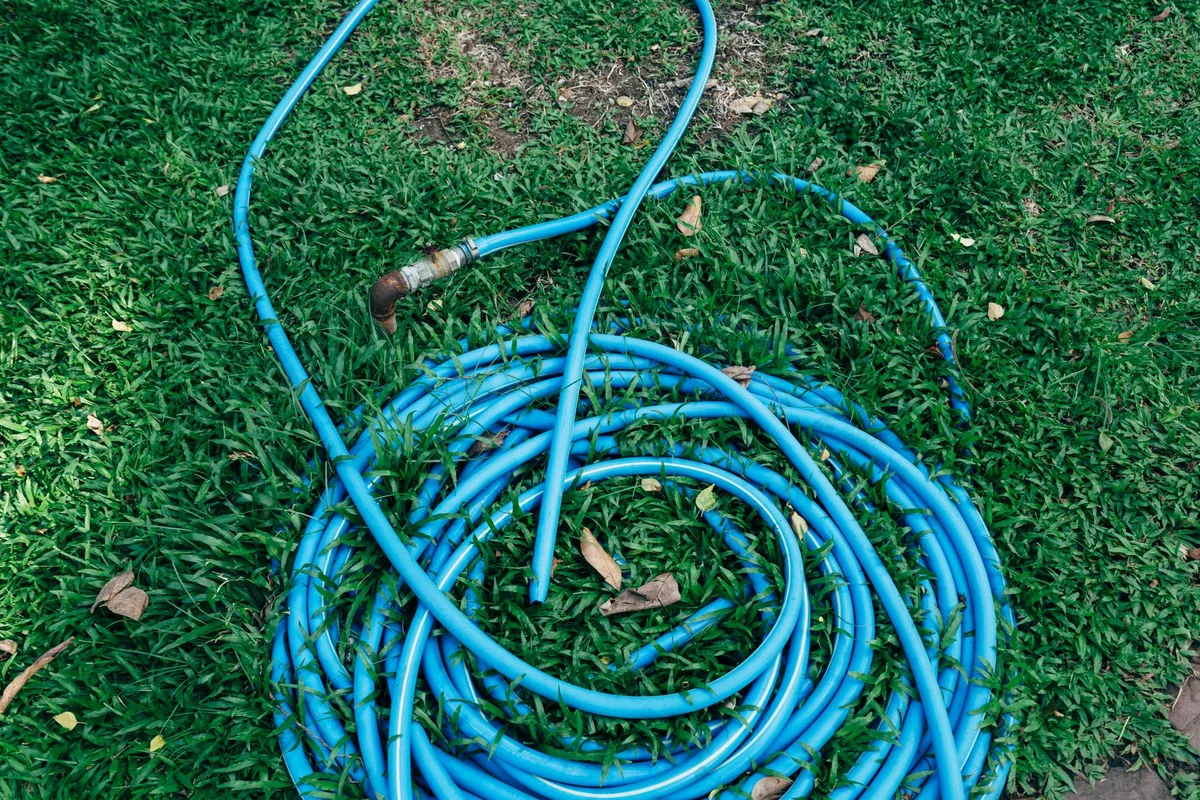
You can bury a garden hose, and plenty of people do it to hide an ugly line running across the lawn. But "can I bury garden hose" and "should I" are two different questions. A standard rubber or vinyl hose isn't built to live underground for years.
It kinks, collapses under soil, grows mildew inside, and splits the first time trapped water freezes.
The right move depends on your climate and how you plan to use the line. Most garden hoses handle a supply pressure of roughly 40 to 80 PSI, while a proper direct-burial poly pipe is rated for 100 PSI or more. That gap matters once dirt and freeze cycles start working against you.
Here's how to tell whether burying your hose is smart or a slow leak waiting to happen.
Quick Answer
Yes, you can bury a garden hose. It works best for seasonal, low-pressure jobs like feeding a garden bed. Drain it fully before winter to prevent freeze cracks.
For year-round pressurized water, bury rigid PVC or poly pipe below your frost line instead. A bare hose is not a permanent underground water line.
Can You Bury a Garden Hose? The Honest Answer First
Yes, but only in the right situation. Burying a garden hose is fine as a short-term or seasonal fix. It's a poor choice for a permanent, pressurized supply line.
Think of it this way. A hose is made to be flexible, drained, and coiled up, not crushed under 8 inches of wet soil for years. If you just want to hide a line running to a raised bed for the summer, a buried hose works fine.
If you're plumbing water to a shed or a remote spigot that stays on year-round, you'll want a real pipe.
The same logic applies to hiding unsightly lines in general. Many folks bury a hose for the same reason they reach for creative ways to mask a plain boundary: a cleaner, tidier yard. Just know the tradeoff going in.
What Actually Happens to a Hose Underground
A buried hose faces stress it was never built for. Once you cover it with soil, four problems start ticking away.
- Collapse and kinking. Soft rubber and vinyl flatten under soil weight, choking off flow. Cheap hoses fail here fastest.
- Freeze splitting. Water trapped inside expands as it freezes. That pressure cracks the hose wall from the inside out.
- Mildew and rot. Standing water and darkness breed algae and mildew inside the line. Over time the material degrades.
- Hidden leaks. When a buried hose fails, finding the break means digging up the whole run.
Our research into hose failures points to freeze damage as the number one killer of buried lines in cold climates. A hose left full and pressurized through a hard frost rarely survives its first winter. Drainage and slope are what keep a buried line alive, and we'll cover both shortly.
The Two Questions That Decide Everything: Seasonal or Permanent, Freeze or No Freeze
Before you dig, answer two questions. They decide whether a hose will do or whether you need pipe.
Question one: Is this line seasonal or permanent?
- If seasonal (summer irrigation you drain each fall), then a buried hose is a reasonable option.
- If permanent (water you want on tap all year), then skip the hose and bury rigid pipe.
Question two: Does the ground freeze where you live?
- If no hard freeze, then depth is mostly about protection from mowers and shovels.
- If yes, then any water left in a shallow hose can freeze and burst.
Here's the simple logic. Seasonal plus no freeze is the easiest case, and a hose works fine. Permanent plus freeze is the hardest, and it demands pipe buried below the frost line.
Everything else sits in between. The table below maps it out.
| Your Situation | Freeze Risk | Best Choice |
|---|---|---|
| Seasonal, drained each fall | Low or none | Buried garden hose is fine |
| Seasonal, drained each fall | Cold winters | Hose OK if fully drained and sloped |
| Year-round pressurized | Low or none | Poly pipe, shallow trench |
| Year-round pressurized | Cold winters | Poly or PVC, below frost line |
If you're planning garden beds around that buried line, think about layout early. A few tidy border-and-bed pairings can hide access points and shutoff valves without much effort.
Know Your Frost Line Before You Dig
The frost line is the deepest point in the soil where water freezes in winter. Bury a water line above it and the water inside can freeze. Bury below it and the ground stays warm enough to protect the line.
Frost depth varies a lot by region. In the far southern US it can be near zero. Across the northern US and Canada it can reach 48 inches or more.
As of 2026, the most reliable way to check your local number is your regional weather data or your town's building department, which sets the required depth-of-cover for water lines.
- Warm/southern zones: often 0 to 12 inches
- Middle zones: roughly 12 to 30 inches
- Cold/northern zones: 30 to 48 inches or deeper
For official climate and freeze data, the National Oceanic and Atmospheric Administration publishes regional records worth checking before you commit to a depth. When in doubt, dig deeper. A line below the frost line rarely freezes, while a shallow one gambles on a mild winter.
Decision Branch: When Burying a Garden Hose Is Fine
Burying a garden hose makes sense in a handful of clear cases. If your setup matches one of these, go for it.
- Seasonal irrigation. You run water to a bed or greenhouse in summer, then drain the line before the first frost.
- Low-pressure soaker lines. A buried soaker hose feeding raised beds sees gentle pressure and short runs.
- Hiding a short run. You want to cross a path or lawn without a tripping hazard, and you can drain the line easily.
- Rented homes. You want a reversible setup you can pull up later without tearing out plumbing.
- Frost-free climates. The ground never freezes hard, so trapped water isn't a threat.
A few rules keep even a "fine" buried hose healthy. Use a good-quality reinforced hose, not the thinnest one on the shelf. Lay it in a shallow trench of 6 to 12 inches.
Give it a slight slope so it drains by gravity. Add a shutoff and a drain point at the low end.
If that sounds like more work than you want, that's your sign to rethink the plan. Buried hose rewards people willing to drain and maintain it. For true set-and-forget water, the next branch, using poly pipe or PVC, is the smarter road.
A buried hose can even tuck neatly along the base of a boundary, much like the homey rustic edging many gardeners use to soften a fence line.
Decision Branch: When You Should Use Poly Pipe or PVC Instead
Skip the hose and bury real pipe when the line needs to stay pressurized year-round. If you answered "permanent" earlier, this is your branch. Pipe costs a little more up front and pays you back in decades of trouble-free water.
Here's when pipe wins:
- Water to a shed, cabin, or outbuilding that runs all year.
- A permanent spigot at the far end of the yard.
- Cold-climate lines that must survive hard freezes below the frost line.
- Long runs where pressure drop would starve a hose.
- Anything feeding a fixture you can't easily drain each fall.
Polyethylene pipe, usually called poly pipe or HDPE, is the go-to for buried water. It's flexible, comes in long coils, and handles freeze better than rigid PVC because it flexes slightly. Schedule 40 PVC is rigid and cheap, and it's common for irrigation mains.
PEX shows up mostly where the line enters heated space.
Garden Hose vs Poly Pipe vs PVC vs PEX for Burial
Each option fits a different job. The short version: hose for seasonal, poly for flexible permanent runs, PVC for rigid mains, PEX for the transition indoors.

Pressure Ratings and Collapse Resistance
Pressure rating is where a hose loses badly. A garden hose runs on your 40 to 80 PSI supply and has no structural spine once buried. Poly pipe is commonly rated 100 to 160 PSI, and PVC Schedule 40 handles well over 100 PSI depending on diameter.
That headroom means the pipe shrugs off soil load that would flatten a hose.
| Material | Typical Pressure Rating | Collapse Resistance | Best For |
|---|---|---|---|
| Garden hose | 40 to 80 PSI supply | Low | Seasonal, drained lines |
| Poly pipe (HDPE) | 100 to 160 PSI | High | Permanent flexible runs |
| PVC Sch 40 | 100+ PSI | High (rigid) | Straight irrigation mains |
| PEX | 80 to 160 PSI | High | Indoor transitions |
Freeze Tolerance and Lifespan
Freeze tolerance separates a one-winter hose from a decades-long pipe. Poly pipe flexes as ice forms, so it often survives a stray freeze that would split rigid PVC. Rigid PVC cracks when water freezes inside it, which is why depth below the frost line matters most for that material.
Lifespan tells the same story. A buried garden hose might last a season or two before mildew and cracks set in. Properly buried poly or PVC can run 20 to 50 years.
If you want to set it and forget it, pipe is the answer.
How to Bury a Hose the Right Way (Step by Step)
Do it in order and the line lasts far longer. Rushing the trench or skipping the drain point is what kills buried hoses early.
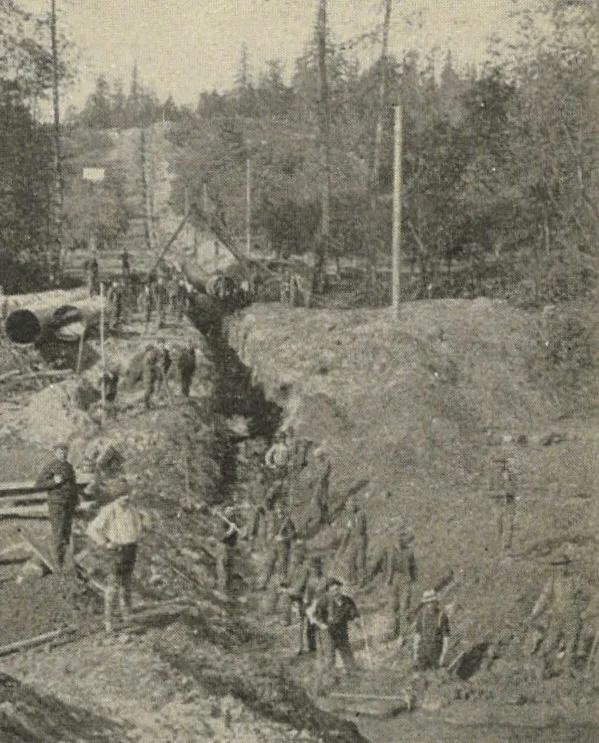
- Mark your route. Plan a straight, gentle path and call 811 first (more on that shortly).
- Set your depth. Seasonal hose: 6 to 12 inches. Permanent pipe: below your local frost line.
- Dig the trench. Keep the bottom smooth and free of sharp rocks.
- Slope it slightly. A gentle fall toward one end lets water drain out by gravity.
- Bed the line. A couple inches of sand cushions the hose or pipe from stones.
- Add valves. Fit a shutoff at the source and a drain point at the low end.
- Pressure-test. Run water and check for leaks before you cover anything.
- Backfill carefully. Cover with sand first, then soil, tamping gently as you go.
Using Conduit vs Direct Burial
Running the hose inside a conduit sleeve is the upgrade worth making. A rigid PVC or corrugated sleeve protects the hose from soil pressure, roots, and rodents. It also lets you pull the hose out and replace it later without digging.
Direct burial (hose straight in the dirt) is faster and cheaper. It's fine for a shallow seasonal soaker line you don't mind replacing. For anything crossing a high-traffic spot, the sleeve earns its keep.
Adding a Drain and Shutoff Valve
A shutoff valve at the source and a drain at the low end make winterizing painless. Open the drain, cut the supply, and gravity empties the line. Without these two fittings, you're stuck blowing the line out with a compressor every fall.
Spend the few dollars now.
Winterizing a Buried Hose or Line
Draining the line before the first hard freeze is the single most important thing you'll do. Water left inside a shallow buried hose freezes, expands, and cracks the wall. This is the failure our research sees most often in cold regions.
Follow this each fall:
- Shut off the water at the source valve.
- Open the drain point at the low end and let the line empty.
- For lines without a slope, blow them out with an air compressor at low PSI.
- Disconnect and store any removable end fittings indoors.
- Leave the drain valve open through winter so no water collects.
If your line sits below the frost line and stays pressurized, depth protects it and it usually doesn't need draining. Shallow seasonal hoses always do. When in doubt, drain it.
An empty hose can't burst.
Mistakes That Lead to Cracked, Collapsed, or Leaky Lines
Most buried-line failures trace back to a handful of avoidable errors. Dodge these and your line will outlast the season by years.
- Using a cheap thin hose. Thin vinyl flattens and kinks under soil. Choose a reinforced hose or step up to poly pipe.
- Leaving water in over winter. The top freeze-crack cause. Always drain shallow lines.
- Burying too shallow in cold country. Above the frost line, the ground freezes right through your pipe.
- No slope or drain valve. Trapped water has nowhere to go, so it sits and freezes.
- Skipping the sand bed. Sharp rocks press into the line and wear a hole over time.
- Not calling 811. Hitting a buried gas or power line is dangerous and expensive.
- Burying a pressurized hose permanently. It's a slow leak waiting to happen. Use pipe for permanent supply.
One quieter mistake is poor planning around access. If a shutoff or drain gets buried under a new bed or a run of metal grid boundary panels, you lose the ability to service the line easily. Map your valves where you can always reach them, and jot the route down before you start your next yard project.
Running a Hose Under a Walkway, Driveway, or Path
Crossing under hard surfaces needs a rigid sleeve, not a bare hose. A PVC conduit protects the line from the weight above and lets you replace the hose later without breaking concrete. Slide the hose through the sleeve, then bury the sleeve.
For a short path, you can often push a length of pipe under the gap by hand. Under a driveway, use a longer sleeve and dig access pits on both sides. Never run an unprotected hose directly under pavers or slabs.
The load will crush it.
Call 811 and Other Rules You Can't Skip
Call 811 before you dig, every time. It's the free national "call before you dig" number in the US. A locator marks buried gas, power, and water lines so your shovel doesn't hit them.
Schedule it a few business days ahead through the official 811 service.
A few other rules worth checking:
- Local depth-of-cover codes for water lines.
- Backflow prevention if the line connects to potable water.
- HOA limits on trenching or irrigation.
- Permits for any permanent plumbed supply.
Skipping the locate is the one shortcut that can seriously hurt you. Make the call.
Costs, Depths, and Specs at a Glance
Here are the numbers that guide most buried-line decisions. Use them as a quick reference before you dig.
| Factor | Typical Value |
|---|---|
| Seasonal hose trench depth | 6 to 12 inches |
| Permanent line depth | Below local frost line |
| Frost line range (US) | 0 to 48+ inches |
| Garden hose supply pressure | 40 to 80 PSI |
| Poly pipe pressure rating | 100 to 160 PSI |
| Buried pipe lifespan | 20 to 50 years |
| Utility locate (811) | Free |
Costs scale with the job. A buried hose is the cheapest path. Poly pipe, fittings, and valves cost more up front but last decades.
Best Setup for Your Situation: A Quick Decision Guide
Match your answer to the line below and you're set.
- Seasonal watering, mild climate: bury a reinforced garden hose, 6 to 12 inches, drain it in fall.
- Seasonal watering, cold climate: same, but add a slope and drain valve, and empty it before frost.
- Year-round water, any climate: bury poly pipe below the frost line with a shutoff and drain.
- Crossing a path or driveway: run the line through a PVC sleeve, always.
- Renting or unsure: choose the reversible hose-and-sleeve setup you can pull up later.
When the line stays pressurized all year, pipe beats hose every time. For summer-only jobs, a well-drained hose does the work for a fraction of the cost.
Frequently Asked Questions
How deep should I bury a garden hose?
For a seasonal hose, 6 to 12 inches is plenty to hide it and protect it from mowers. For any line that stays pressurized through winter, bury it below your local frost line. That depth ranges from near zero in the far south to 48 inches or more up north.
Will a buried garden hose freeze and burst?
Yes, if water is left inside during a hard freeze. Trapped water expands as it freezes and cracks the hose wall. Drain shallow buried hoses fully before the first frost, or bury the line below the frost line so the ground protects it.
Can I leave a garden hose buried all year?
You can, but only if you drain it each fall or bury it below the frost line. A pressurized hose left shallow through winter usually splits. For true year-round water, poly pipe or PVC is the reliable choice over a hose.
Is poly pipe better than a garden hose for burying?
For permanent lines, yes. Poly pipe handles 100 PSI or more, resists collapse under soil, flexes during freezes, and lasts 20 to 50 years. A garden hose suits short, seasonal, low-pressure runs you plan to drain and maybe replace.
Do I really need to call 811 to bury a hose?
Yes. Even a shallow trench can strike a buried gas, power, or water line. The 811 locate is free and marks those hazards before you dig.
It's the one step you should never skip, no matter how small the job.

Similar Posts