Can I Hook a Garden Hose to a Washing Machine?
You've probably stood there staring at a portable washer, an empty faucet, and a coiled-up green hose in the corner, wondering: can i hook a garden hose to washing machine and just get the laundry done? It's a fair question, and the honest answer is "sometimes, but it depends on which end you mean and how you do it." Get it right and you've got a cheap, renter-friendly fix. Get it wrong and you're mopping up a flooded floor.
Here's the thing most quick answers skip. A standard garden hose and a washing machine inlet often share the same 3/4-inch thread, so they physically connect. But garden hoses carry a burst rating as low as 200 psi, while braided steel washer lines handle 1,500 psi or more.
That gap is exactly where floods happen. Let's break down when a hose works, when it's a hard no, and how to do it safely.
Can You Hook a Garden Hose to a Washing Machine? The Short Answer
Yes, you can hook a garden hose to a washing machine, but only for a temporary, cold-water fill. The threads usually match at 3/4 inch. A garden hose should never be a permanent supply line.
It isn't built for constant household water pressure. Left pressurized, it can burst and flood the room.
What "Hooking Up" Actually Means: Supply Inlet vs. Drain Hose
Before anything else, figure out which end you're talking about. "Hooking up a hose" means two completely different jobs depending on the side of the machine.
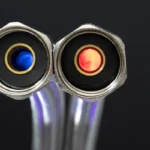
The supply inlet is where clean water enters. Most washers have two ports, hot and cold, each with a female 3/4-inch thread. This is the side people usually mean when they ask about a garden hose.
The drain hose is where dirty water leaves. It empties into a standpipe, laundry sink, or utility tub. You don't pressurize this end, so the rules are different.
- If you're feeding water in, you're dealing with pressure, thread match, and burst risk.
- If you're routing water out, you're dealing with air gaps and siphoning, not pressure.
Mixing these up is the first mistake we see in aggregate user reviews. Someone connects a garden hose to the drain expecting it to "pump water" and floods the utility area. Know your end first.
The Thread Question: Why GHT and Your Washer Inlet Sometimes Match
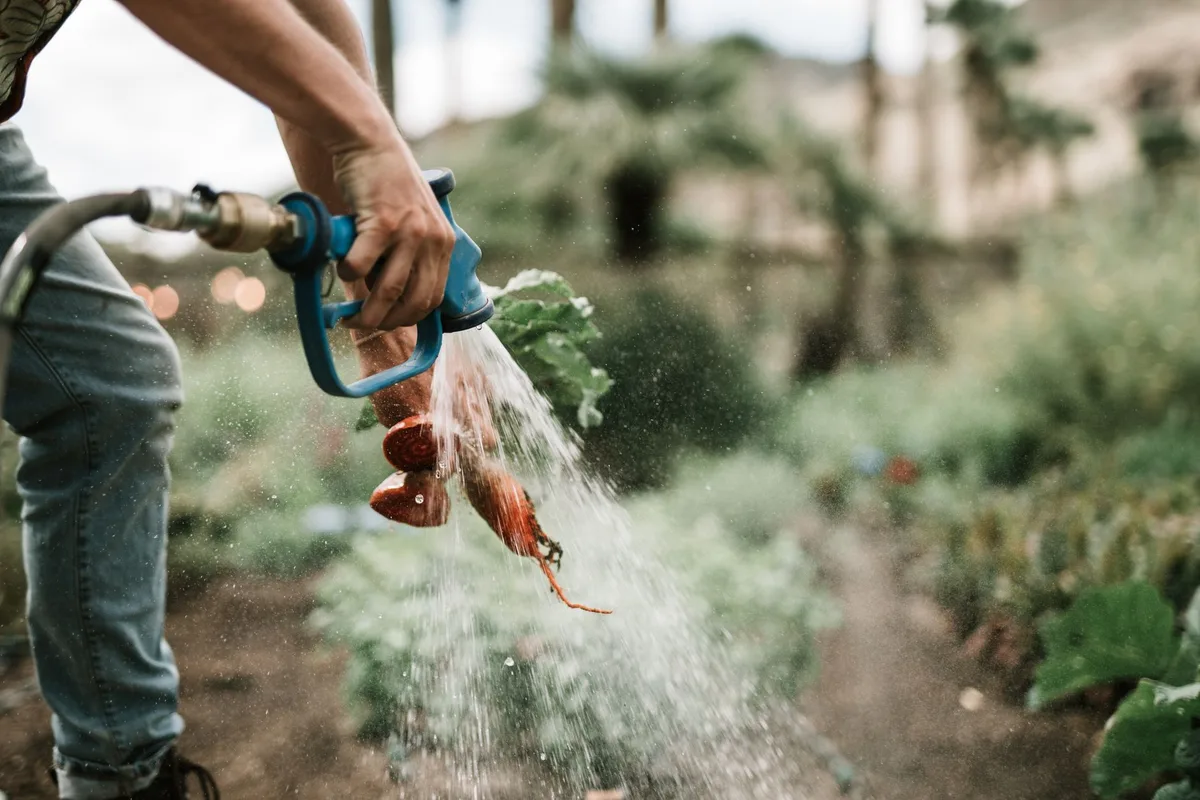
The good news is that a garden hose and a washer inlet often share the exact same thread. Both commonly use 3/4-inch, 11.5 threads per inch, known as Garden Hose Thread (GHT or 3/4"-11.5NH). That's why the coupling frequently spins right on.
But "often" isn't "always." Here's where people get tripped up.
- The washer inlet thread is not the same as NPT (National Pipe Taper), the tapered thread on many plumbing fittings.
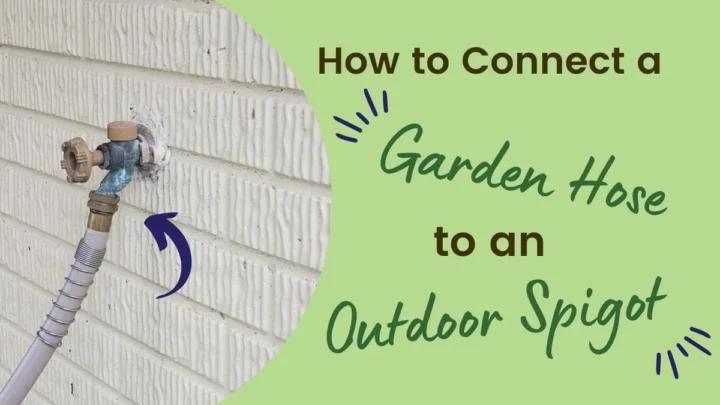
- A wall hose bibb (outdoor spigot) uses GHT, so a garden hose connects there easily.
- Indoor laundry valves also use GHT, which is why braided washer hoses and garden hoses look interchangeable.
The flexible-connector standards behind these fittings are published by bodies like ASME, which sets specs for water supply connectors. If your threads don't seat smoothly, stop. Don't force it.
A cross-threaded coupling leaks under pressure and strips the fitting.
One more check. Every GHT coupling needs a rubber washer inside. No washer, no seal, guaranteed drip.
If your hose is missing one, a spare from any faucet kit fixes it.
When It's Fine, When It's Risky: The Decision Branches
This is where the real answer lives. Whether a garden hose is smart or dangerous comes down to how you're using it. Walk through these branches.
Temporary Manual Fill (Cold Water Only)
If you just need to fill the drum by hand, a garden hose is fine. Run it from a cold tap, fill the tub, then shut the water off and disconnect. The hose is never left under pressure, so burst risk drops to almost nothing.
- Then: use cold water only, stay in the room, and turn off the tap the second it's full.
- Never: walk away with the water running.
This is a common trick for renters and anyone whose only tap sits out near the garden. If you're working around an awkward outdoor setup, some of the same layout thinking in these privacy-friendly boundary ideas helps you route a hose neatly without tripping hazards.
Portable Washer Through a Faucet Adapter
Portable and compact washers are built for this. They ship with a faucet adapter that clicks onto a kitchen or bathroom tap. You run water only during the fill cycle, then the machine signals to shut off.
If your portable unit uses a quick-connect adapter, that's the intended path. A plain garden hose can work as an extension, but keep the run short and cold-only.
Permanent Supply Line (Why This One's a Hard No)
Never use a garden hose as a permanent, always-connected supply line. This is the setup that floods homes. A full-time supply line sits under 40 to 80 psi of household pressure around the clock, even when the machine is off.
Garden hoses aren't rated for that constant load. Over months, the material fatigues and the coupling weakens. One quiet failure at 2 a.m. and you've got water everywhere.
For anything permanent, use a proper braided washer line.
Garden Hose vs. Braided Washer Hose: What Actually Handles the Pressure
The difference between these two hoses is the whole reason this question matters. They look similar and thread the same way, but they're built for different jobs.
A garden hose is made for open-ended, on-demand watering. A braided stainless steel washer hose is made to sit under constant pressure and take temperature swings. That reinforced steel sleeve is what resists bursting.
| Factor | Garden Hose | Braided Steel Washer Hose |
|---|---|---|
| Typical burst pressure | ~200 to 500 psi | ~1,500 psi or higher |
| Constant-pressure use | Not recommended | Designed for it |
| Hot water tolerance | Often capped near 100 to 140°F | Rated for hot inlet |
| Best role | Temporary cold fill only | Permanent supply line |
| Replace every | Not for permanent use | 3 to 5 years |
The takeaway is simple. Use a garden hose only for a supervised, temporary, cold fill. For any connection you'll leave hooked up, spend the few dollars on a braided washer line.
It's cheap insurance against a very expensive flood, and it's the same thinking behind maintaining any outdoor water setup properly rather than improvising.
Hot Water and Garden Hoses: The Mistake That Melts Fittings
Never run hot water through a garden hose into your washer. This is one of the most common and damaging errors we see. Standard garden hoses are rated for cold, ambient water, with many capped somewhere between 100 and 140°F.
Feed hot supply through them and the plastic softens. The coupling warps, the seal fails, and the hose can split at the fitting. You also get that unmistakable plasticky smell leaching into the water.
- If your washer needs a hot feed: use a braided steel line rated for hot water.
- If you're stuck with a garden hose: connect the cold inlet only and let the machine run a cold cycle.
Most modern detergents clean well in cold water anyway, so a cold-only workaround rarely hurts your results. Just cap or plug the unused hot port so the machine doesn't error out.
Step-by-Step: Connecting a Garden Hose for a Safe Temporary Fill
Here's the safe way to do a supervised, cold-water fill. Follow the order and don't skip the leak test.
- Confirm you're on the cold source. A hose bibb or laundry cold valve is ideal.
- Check both threads are 3/4-inch GHT and seat smoothly by hand.
- Make sure a rubber washer sits inside each coupling.
- Hand-tighten first, then add a gentle quarter-turn with pliers. No cranking.
- Point the free end into the drum or connect to the cold inlet.
- Open the tap slowly to about half and watch for drips.
- Fill, then shut the tap off completely before you walk away.
If your only water source sits outside near a planting bed, keep the hose run clear of foot traffic. The same tidy routing that works around raised planting borders keeps a temporary laundry hose from becoming a trip hazard.
Never leave the tap open unattended. That single habit prevents almost every hose-related flood.
Adapters and Parts You'll Actually Need
Most hookups fail because of one missing part, not the hose itself. Here's the short kit that covers nearly every situation.
- Rubber washers: the cheap gasket inside each coupling. Always keep spares.
- Faucet-to-hose adapter: threads onto an indoor tap so a hose can connect. Sizes vary, so measure your aerator.
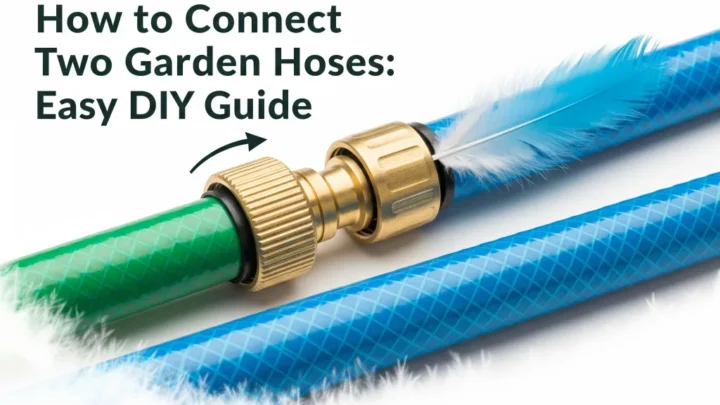
- Female-to-female GHT connector: joins two female-threaded ends when a portable washer hose and a garden hose won't mate directly.
- Y-splitter: lets you keep a garden line and a washer feed on one bibb.
- Backflow preventer: stops dirty water siphoning back toward your supply.
Verified buyer feedback reports that most leaks trace back to a worn or missing washer, not a bad adapter. Inspect that little rubber ring first whenever you get a drip.
Adapters are inexpensive, usually running about $5 to $15. Buy the right thread size once instead of forcing a mismatched fit. A good outdoor tap setup pays off the same way well-planned country-style garden features do: fewer headaches later.
Mistakes That Lead to Floods and Leaks
Most washer floods aren't freak accidents. They're the same handful of avoidable mistakes. Here's what to watch for.
- Leaving a garden hose pressurized full-time. The number one cause of burst-and-flood damage.
- Cross-threading the coupling. Forcing a GHT fitting onto NPT strips the threads and guarantees a leak.
- Skipping the rubber washer. No washer means a steady drip, every time.
- Over-tightening with pliers. Too much torque cracks the plastic collar and deforms the washer.
- Running hot water through a cold-rated hose. Softens fittings and taints the water.
- Kinking the hose. Restricts flow and stresses the fitting where it bends.
Troubleshooting a slow fill? Check for a kink first, then a clogged inlet screen at the valve. A drip at the joint almost always means a bad washer or a coupling that needs a slight snug-up, not a whole new hose.
If water pools under the machine during a cycle, stop and shut the supply. Pressurized leaks get worse fast, and a garden hose has far less margin than a braided line.
Water Safety, Backflow, and the Drain Air Gap
A garden hose can affect water safety in ways people rarely think about. Standard garden hoses aren't certified for potable water. Many contain compounds that shouldn't sit in water you'd touch to clean clothes worn against skin.
If water quality matters to you, use a hose labeled drinking-water safe or RV/marine rated. The U.S. Environmental Protection Agency publishes guidance on lead and drinking water worth a quick read at epa.gov.
Lead-free, potable-rated hoses cost a little more and remove the guesswork.
Backflow is the other hidden risk. A cross-connection can let dirty water siphon back toward your clean supply. A simple backflow preventer on the tap stops this, and many local plumbing codes require one on hose connections.
On the drain side, the rule is different. You need an air gap, a physical space between the drain hose end and any standing water. Without it, the machine can siphon dirty water back into the drum.
- Keep the drain hose end above the water line in the standpipe or sink.
- Don't submerge or seal the drain hose fully into the pipe.
- Never try to pressurize the drain hose. It only carries water out.
These aren't optional niceties. Backflow prevention and drain air gaps are basic cross-connection safeguards baked into standard plumbing codes for a reason.
Pressure Ratings, Costs, and Specs at a Glance
Here's the quick-reference table that ties the numbers together. Keep it handy before you connect anything.
| Spec | Typical value |
|---|---|
| Standard hose thread | 3/4-inch, 11.5 TPI (GHT / 3/4"-11.5NH) |
| Home water pressure | 40 to 80 psi |
| Garden hose burst pressure | ~200 to 500 psi |
| Braided steel hose burst | ~1,500 psi or higher |
| Garden hose temp limit | often ~100 to 140°F |
| Washer hose replacement | every 3 to 5 years |
| Adapter cost | about $5 to $15 |
Notice the gap between home pressure and a garden hose burst rating. It looks like plenty of headroom. But material fatigue over months, plus pressure spikes, is what closes that gap and causes failures.
A braided washer line runs only a few dollars more than a basic garden hose. For any semi-permanent setup, that's the smarter spend as of 2026.
Pro Tips for Renters and Portable Washer Setups
A few small habits make hose laundry safe and painless, especially in rentals. These come straight from patterns in aggregate user reviews.
- Fit a single-lever shutoff at the tap so you can kill the water fast.
- Coil the hose loosely between uses to avoid permanent kinks.
- Label your cold-only hose so nobody hooks it to a hot tap by mistake.
- Store a spare rubber washer taped to the hose end.
- Set the machine on a shallow drip tray to catch small leaks early.
If you're renting, never hard-plumb anything without permission. A portable washer with a faucet adapter leaves no marks and moves with you. Our editorial research team, whose background you can see on the team page, consistently finds quick-connect adapters cause fewer callbacks than improvised hose rigs.
One more habit. Disconnect and drain the hose after each wash day. Standing water breeds odor and stresses the fittings.
Frequently Asked Questions
Can I leave a garden hose connected to my washing machine permanently?
No. A garden hose isn't rated for constant household pressure. Left connected, it sits under 40 to 80 psi around the clock, even when the machine is idle.
Over time the material fatigues and can burst. Use a braided steel washer line for any permanent connection.
Will a garden hose fit my washing machine inlet?
Usually, yes. Most garden hoses and washer inlets share the same 3/4-inch GHT thread, so they connect by hand. Always check that a rubber washer sits inside the coupling.
If the threads don't seat smoothly, stop and confirm you're not mixing GHT with tapered NPT fittings.
Can I run hot water through a garden hose to my washer?
No, stick to cold water. Standard garden hoses are often capped near 100 to 140°F. Hot water softens the plastic, warps the coupling, and can taint the water.
If you need a hot feed, use a hose rated for hot supply, usually a braided steel line.
Is garden hose water safe for washing clothes?
For clothes, occasional use is generally fine, but standard hoses aren't certified potable. Many contain compounds you wouldn't want in drinking water. If you're sensitive to that, choose a drinking-water safe or RV-rated hose.
Add a backflow preventer at the tap to protect your supply.
How do I stop my washer hose from leaking at the connection?
Check the rubber washer first. A missing or worn washer causes most drips. Replace it, hand-tighten the coupling, then add just a quarter-turn with pliers.
Don't over-tighten, since too much torque cracks the collar and deforms the seal.
The Verdict: Should You Do It or Not?
For a quick, supervised, cold-water fill, a garden hose is a perfectly reasonable workaround. The threads usually match, the parts cost pocket change, and it gets your laundry done. Just stay in the room and shut the tap off the moment you're finished.
For anything permanent, the answer is no. Swap in a braided steel washer line and spend the extra couple of dollars. That single choice removes the burst-and-flood risk that catches people out.
Match the hose to the job and you're set. Cold, temporary, supervised fills get a garden hose. Constant, always-connected supply gets a proper braided line, every time.

Similar Posts