Can You Put Heat Tape on a Garden Hose? What to Know
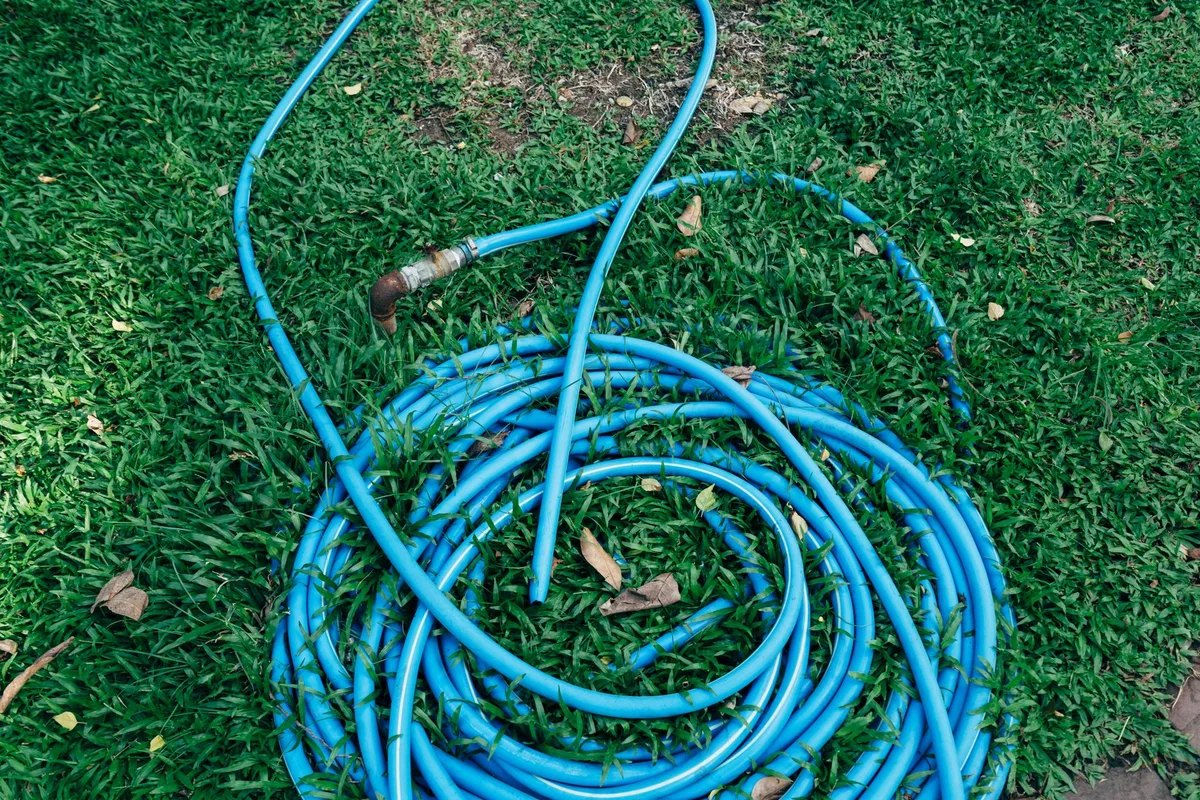
If you've been wondering "can i put heat tape on a garden hose" to keep water running through a cold snap, the honest answer is no, at least not the ordinary pipe heat tape in most garages. That product is built for rigid metal and specific plumbing pipe, not a flexible vinyl or rubber hose. Wrap it on the wrong material and you risk a melted jacket, a short circuit, or a fire.
There's a safer route, and it's cheaper than a house fire. Standard pipe heating cable can push surface temperatures past the point where vinyl softens, around 150°F. As of 2026, the smarter fix is a purpose-built heated water hose that's already listed for the job.
Let's start with the quick verdict, then walk through why.
Quick Answer
No, you should not put ordinary heat tape on a garden hose. Pipe heat tape is rated for rigid metal or plumbing pipe, not flexible hose. It can melt vinyl, cause a short, or start a fire.
Use a factory-made heated water hose instead. For freezing weather, draining and storing the hose is the safest option of all.
Why Getting This Right Matters More Than You'd Think
This isn't a "measure twice" DIY tip. It's a fire-and-shock question. Heat tape draws real current, and it lives outdoors around water.
Mismatch the parts and you've built a hazard, not a fix.
The U.S. Consumer Product Safety Commission has linked improperly used heat tape and de-icing cable to house fires. You can read the guidance straight from the federal product-safety agency.
The stakes are property damage and injury, so "close enough" doesn't cut it.
A garden hose also carries water you might drink, wash produce with, or fill a stock tank from. Overheat the wall and you can degrade the plastic and taint that water. Getting this right protects your home and what comes out of the tap.
What Heat Tape Actually Is (and What It's Rated For)
Heat tape, also called heat trace cable, is an electric cable that warms a surface to stop it freezing. It's designed for pipes, not hoses. The rating on the box tells you what it's built for, and hoses rarely make that list.
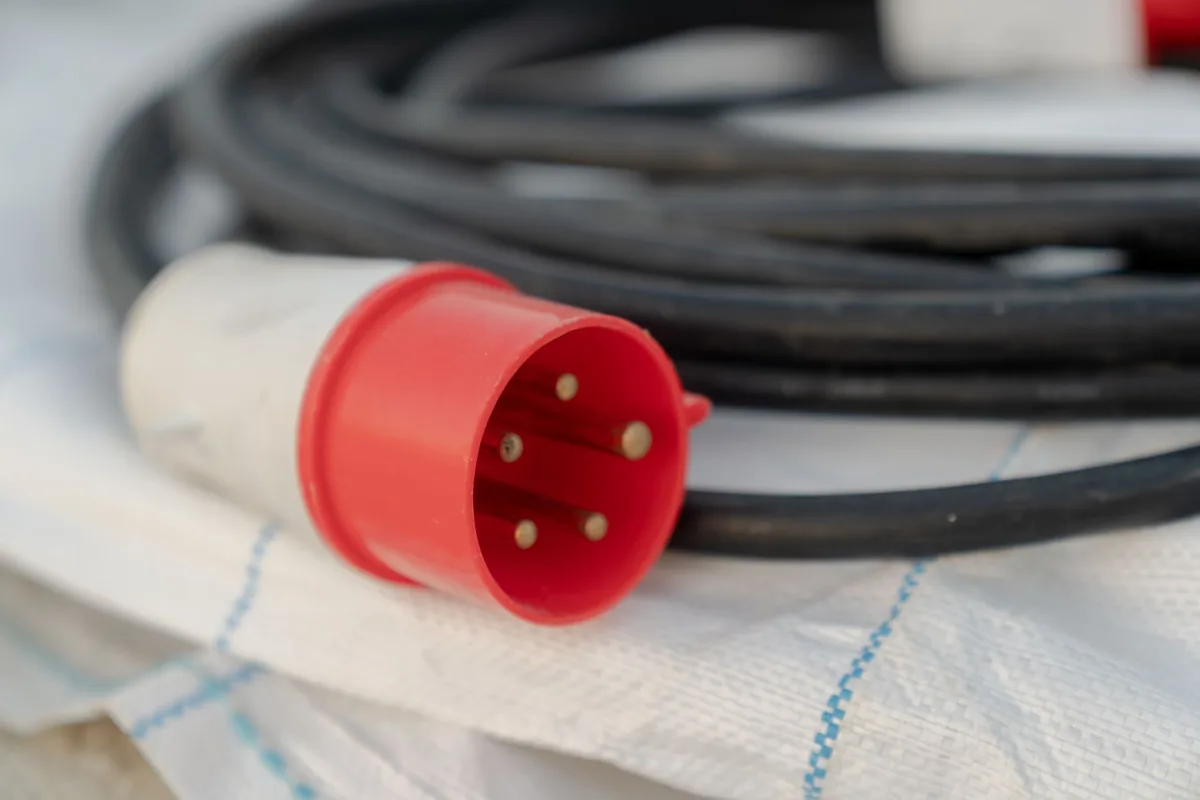
Most residential cable runs on 120V and puts out 3 to 9 watts per foot. That heat has to go somewhere. On metal pipe it spreads evenly.
On a thin hose wall, it concentrates in one spot.
Self-Regulating vs. Constant-Wattage Cable
These two types behave very differently, and that matters for safety.
- Self-regulating cable adjusts its output as temperature rises. It backs off where things are already warm, which lowers the chance of a hot spot.
- Constant-wattage cable pumps out the same heat no matter what. Overlap it or trap it under insulation and it can cook one spot until something fails.
Near meltable material, self-regulating cable is the less risky family. Neither type, though, is a green light to wrap a plain hose.
Why It's Made for Metal and Rigid Pipe, Not Hoses
Rigid pipe handles heat, holds its shape, and won't collapse when warm. A hose does none of that. Vinyl softens, rubber degrades, and the wall deforms under pressure once it's hot.
Manufacturer specs tie each cable to a pipe material and diameter for a reason. Use it off-label and you void the listing, the warranty, and any safety assurance behind it.
What Happens When Heat Tape Meets a Vinyl or Rubber Hose
Put simply, the hose loses. Heat tape is built to warm something that shrugs off heat. A garden hose can't do that, so the failure shows up in the hose first.
Melting, Softening, and the Vinyl Temperature Problem
Vinyl softens before it visibly melts, often around 150°F to 160°F. Standard pipe cable can reach that at contact points. The result is a squishy, warped, or pinched wall.
Once the wall deforms, flow drops and pressure builds unevenly. A weak spot can balloon or split. That's the opposite of the freeze protection you wanted.
Fire, Shock, and Short-Circuit Risks
The bigger danger is electrical. A damaged cable jacket around water is a shock hazard. A pinched or overlapped cable can arc and ignite nearby material.
Without ground-fault protection, a fault has no fast way to cut power. That's the exact scenario safety agencies warn about. It's not a freak event, it's the predictable outcome of using the wrong tool.
The Safer Fix: Purpose-Built Heated Water Hoses
A heated water hose has the heating element built in at the factory. It's engineered, tested, and listed as one unit. That's the fix most cold-climate users actually want.
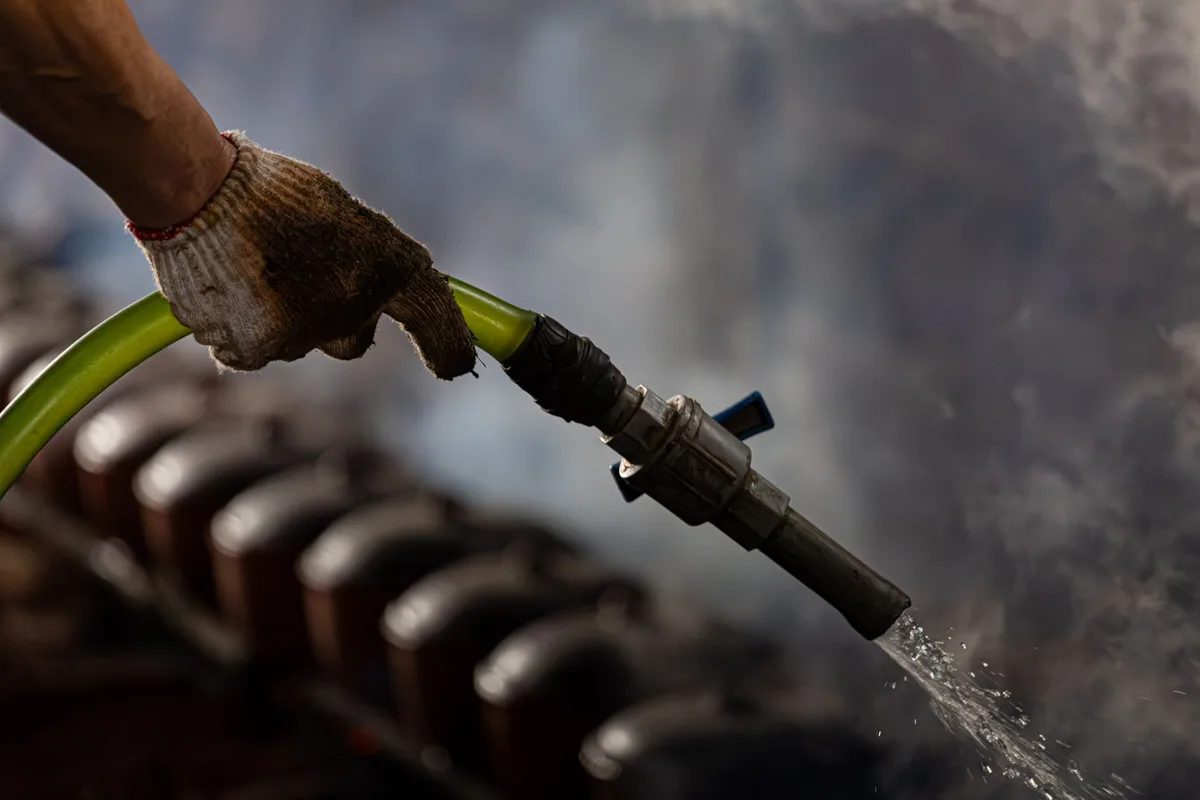
These hoses come in 25, 50, and 100-foot lengths. They plug into a standard outlet and often include a thermostat that only heats when it's cold. You're not guessing at wattage or wrap spacing, the maker already did that.
How Heated Hoses Are Engineered and Listed
The element, hose wall, and connectors are matched so nothing overheats. The whole assembly carries a safety listing for its intended use. A DIY wrap can never give you that assurance.
Because the output is tuned to the hose material, you skip the melt-and-soften problem. It's the same reason a factory extension cord beats splicing your own.
Drinking-Water-Safe Options for RVs and Livestock
If the water is for drinking, look for a hose rated to NSF/ANSI 61. RV owners and livestock keepers rely on these all winter. They deliver safe running water without gambling on fire risk or chemistry.
Heat-Taped Hose vs. Heated Hose vs. Just Draining It
Here's how the three common approaches stack up. If you skim one thing here, make it this.
| Approach | Safety | Cost | Best for |
|---|---|---|---|
| DIY heat tape on a hose | Poor, melt and fire risk | Low upfront | Nobody, off-label use |
| Factory heated water hose | Good, listed and tested | Medium | RVs, farms, cabins in freezing weather |
| Drain and store the hose | Best, zero electrical risk | Free | Anyone who doesn't need winter water |
The pattern is clear. If you don't need water during a hard freeze, draining beats every powered option. If you do, buy the hose that's built for it.
Who Actually Needs a Freeze-Proof Hose
Most homeowners don't. If your hose is just for summer watering, disconnect it and skip the electrical question entirely. That holds whether you've got tidy planting beds along a border or a sprawling lawn.
The people who genuinely need running water in freezing temps are a narrow group:
- RV owners parked through winter
- Hobby farms and stock keepers filling water tanks
- Cabins, tiny homes, and off-grid setups
- Greenhouses and chicken coops that need daily water
If that's you, a heated hose earns its keep. If not, the freeze problem solves itself with a good drain routine. Our seasonal how-to library covers the off-season checklist in more depth.
If You Still Insist on Heating a Hose: The Least-Risky Approach
If you're going to do it anyway, at least stack the odds in your favor. This is harm reduction, not a recommendation. A factory heated hose is still the safer buy.
Matching Cable Rating, Voltage, and Length
Read the cable's listing first. Confirm the voltage matches your outlet and the length suits your run. Use self-regulating cable, never constant-wattage, so output drops where it's already warm.
Never buy roof or gutter de-icing cable for this. It's a different product with different heat behavior, and people mix the two up constantly.
GFCI Protection and Correct Wrapping
Plug into a GFCI-protected outdoor outlet, no exceptions. A ground-fault interrupter trips at around 4 to 6 milliamps and can cut power before a shock turns serious.
- Spiral the cable loosely, following the maker's spacing.
- Never overlap the cable on itself, that's a classic hot-spot cause.
- Add outdoor-rated insulation only if the instructions allow it.
- Inspect for melted spots after the first cold run, then regularly.
Mistakes That Turn a Frozen Hose Into a Fire Hazard
A few errors show up again and again. Any one of them can move you from "annoying frozen hose" to "call the fire department."
- Overlapping the cable, which traps heat and melts the wall.
- Skipping GFCI protection on an outdoor circuit.
- Leaving a pressurized hose connected during a freeze.
- Using indoor cable outdoors, or de-icing cable on a pipe.
- Ignoring the melt point of vinyl and cranking the heat.
Most of these are shortcuts, not accidents. The safe path is boring on purpose. If a step feels like a workaround, that's your signal to stop.
What It Costs: Heat Cable, Heated Hoses, and Replacement
Money often decides this, so let's be plain. A DIY wrap looks cheap until it fails.
| Item | Rough cost | Notes |
|---|---|---|
| Pipe heat cable kit | Low | Not rated for hoses, high failure risk |
| Factory heated water hose | Medium | Listed, thermostat-controlled, ready to use |
| New burst hose | Low to medium | The cost after a bad DIY job |
| Water damage from a fault | High | The cost nobody budgets for |
The heated hose lands in the middle, and it's the only line with no hidden downside. Cheap upfront rarely stays cheap here.
Safety Standards and Listings to Look For
Listings aren't red tape. They tell you a product was tested for exactly what you're about to do.
UL 130, NEC GFCI Rules, and NSF/ANSI 61
Keep three references in mind. Each covers a different piece of the safety picture.
- UL 130 covers electric heating cables. A listed cable was tested for its rated use.
- The National Electrical Code (NFPA 70) requires GFCI protection on outdoor and wet-location circuits. The standards body publishes it at the fire-protection association's site.
- NSF/ANSI 61 covers drinking-water safety, which matters for potable hoses.
If a product or plan can't point to the right listing, treat that as a no.
Winter Hose Care That Skips the Heat Tape Entirely
For most people, the whole problem disappears with a five-minute routine. No wattage math, no fire risk, no cost.
- Disconnect the hose from the spigot before the first hard freeze.
- Drain it fully by stretching it downhill or looping it over a rail.
- Coil and store it somewhere above freezing.
- Add foam insulation to the outdoor spigot itself.
A drained, disconnected hose can't freeze and burst. That same low-effort mindset keeps a cozy backyard setup looking good through winter, and it applies just as well to dressing up a plain boundary. If your green thumb moves indoors when it's cold, our notes on greenery you keep inside are worth a look too.
When to Call an Electrician or Plumber
Some jobs deserve a pro, and there's no shame in it. Call for help when the work touches permanent wiring or water lines.
Ring an electrician if you need a new outdoor GFCI outlet or a dedicated circuit. Ring a plumber if your actual pipes, not just the hose, keep freezing, or you want a frost-free spigot. The team behind our research follows that same rule: if a mistake carries fire, flood, or shock risk, get a licensed set of hands on it.
Frequently Asked Questions
Can I put heat tape on a garden hose safely at all?
Not standard pipe heat tape. It's rated for rigid metal or plumbing pipe, not flexible hose. It can melt vinyl, short out, or start a fire.
If you need heat, buy a factory heated water hose that's listed for the job instead of wrapping a plain hose.
Will heat tape melt a vinyl garden hose?
It can. Vinyl softens around 150°F to 160°F, and standard pipe cable can reach that at contact points. The wall warps, flow drops, and weak spots can split under pressure.
That's why hose material almost never appears on a cable's approved-use list.
What's the best way to keep a garden hose from freezing?
Disconnect it, drain it fully, and store it above freezing. That costs nothing and removes all electrical risk. If you truly need running water in a freeze, use a purpose-built heated water hose with a thermostat and a GFCI outlet, not DIY heat tape.
Is a heated water hose safe to drink from?
Many are, if they carry a potable-water rating like NSF/ANSI 61. RV owners and livestock keepers use them for exactly that. Always check the label for a drinking-water-safe rating, since not every heated hose is built for potable use.
Do I need a GFCI outlet for heated hose gear?
Yes. The National Electrical Code requires GFCI protection on outdoor and wet-location circuits. A GFCI trips at around 4 to 6 milliamps and can cut power before a shock becomes dangerous.
Never run heated hose equipment from an unprotected outdoor outlet.
The Bottom Line on Heat Tape and Garden Hoses
Skip the heat tape on a plain garden hose. It's built for rigid pipe, it can melt vinyl, and it turns a minor freeze into a real fire and shock risk. The listings and safety agencies all point the same way.
If you don't need water in a freeze, drain and store the hose. If you do, buy a factory heated water hose with a thermostat and run it on a GFCI outlet. That's the safe, boring, correct answer, and it keeps both your home and your water clean.

Similar Posts