Can I Recycle a Garden Hose? What You Need to Know
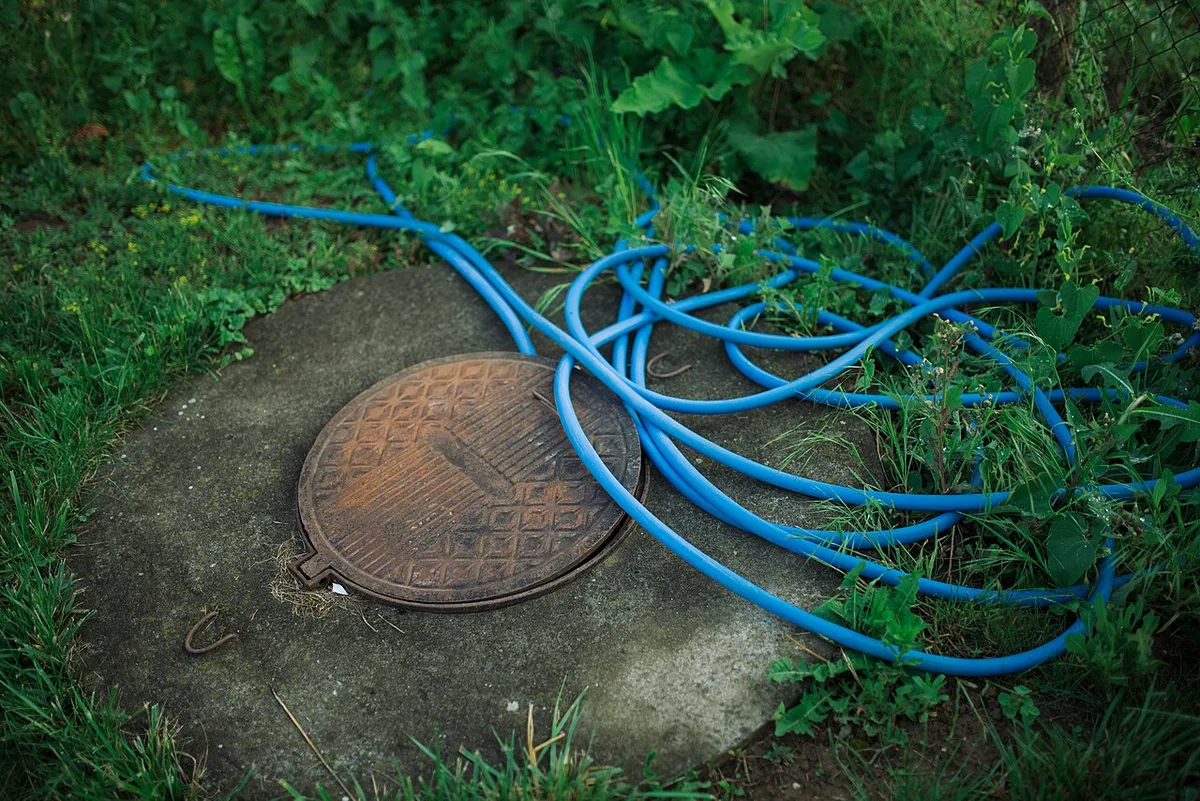
So you've got a cracked, kinked hose coiled in the corner of the garage, and you're wondering: can I recycle a garden hose the same easy way you toss a milk jug in the blue bin? Short version, not usually. A garden hose almost never belongs in curbside recycling.
But the landfill isn't your only move either.
Most hoses blend rubber, vinyl, polyester reinforcement, and metal fittings into one product. That mix makes them nearly impossible for a standard Materials Recovery Facility (MRF) to sort. As of 2026, the U.S.
EPA still puts the national municipal recycling rate at roughly 32%, and floppy items like hoses fall well outside that stream. Here's how to work out what your specific hose actually needs.
Can You Actually Recycle a Garden Hose? The Short Answer First
No, you can't put a garden hose in your curbside recycling bin. It'll get pulled out and landfilled, or worse, it'll jam the sorting machines.
That said, "not curbside" doesn't mean "no options." The right path depends on the hose's condition and what it's made of. Here's the quick logic:
- If the hose still holds water, donate it or reuse it.
- If it's cracked or split, cut off the metal fittings for scrap and repurpose the rest.
- If it's true rubber (not vinyl), a specialty mail-in program may take it.
- If none of that fits, it goes in general household waste as a last resort.
Treat recycling as the least likely answer here, and reuse or repurpose as the most likely win. We'll walk through each branch below so you land on the right one for your hose.
Why Garden Hoses Get Rejected From Curbside Bins
Garden hoses get rejected because they're what the recycling industry calls "tanglers." They wrap around the spinning discs and screens inside a sorting facility and grind the whole line to a halt.
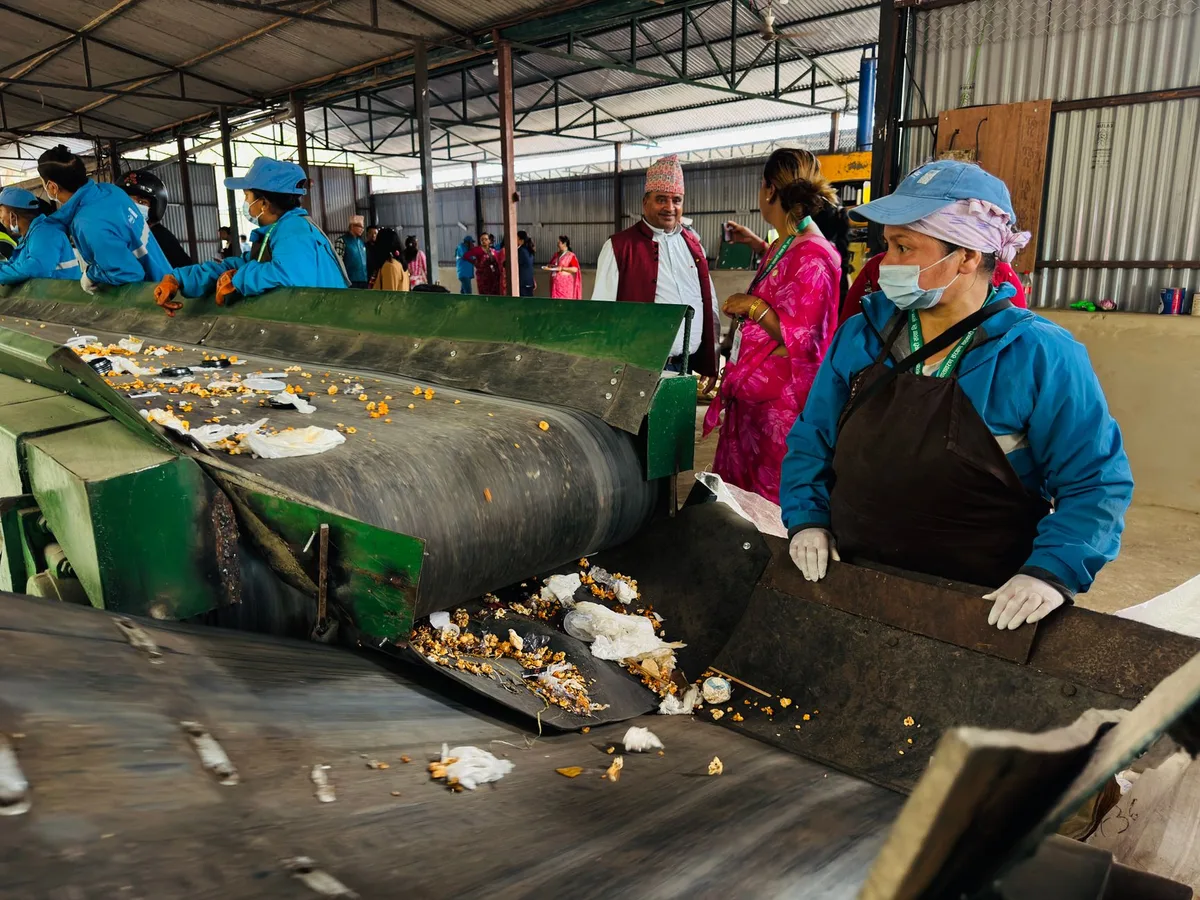
A modern MRF runs paper, cans, and bottles across fast conveyor belts and rotating screens. A long, flexible hose behaves like a rope in that setup. Workers have to climb in and cut tanglers out by hand, which is slow and genuinely dangerous.
Hoses, string lights, cables, and chains all get banned for the same reason.
There's a second problem: material soup. A single hose can layer PVC, rubber, and woven reinforcement, then cap it with brass or aluminum. Recyclers can't cheaply separate those layers, so the hose has no clean resale value.
The EPA's guidance on recycling basics is blunt on this point: when in doubt, keep questionable items out of the bin. Tossing a hose in and hoping (often called "wishcycling") just contaminates everything around it.
- Tanglers jam and damage MRF equipment.
- Mixed materials can't be separated at a profit.
- Most hoses carry no resin identification code to guide sorters.
- One rejected hose can spoil a whole batch of good recyclables.
Figure Out What Your Hose Is Made Of
Your disposal options hinge on one question: is this hose rubber, vinyl, or expandable? Each type routes to a different path, so nail this down before you do anything else.
Rubber vs. Vinyl (PVC) vs. Expandable Hoses
Rubber hoses are the heavy, thick-walled ones that stay flexible in the cold. They're the most likely candidate for a specialty rubber-recycling program. Vinyl (PVC) hoses are lighter, cheaper, and kink more easily, and they rarely find a recycler.
Expandable hoses use a latex or TPC inner tube inside a fabric sleeve, and that combo is effectively unrecyclable.
| Hose Type | How to Spot It | Recycling Path |
|---|---|---|
| Rubber | Heavy, thick wall, stays soft in cold | Specialty rubber program possible |
| Vinyl / PVC | Light, glossy, kinks easily | No recycler, reuse or repurpose |
| Reinforced hybrid | Visible mesh layer between walls | Not recyclable, salvage fittings |
| Expandable | Fabric outer, shrinks when empty | General waste, salvage fittings |
Where to Find the Material Clues on Your Hose
Check the printing along the hose length first. Manufacturers usually stamp the material, diameter, and sometimes a "drinking water safe" note right on the jacket.
No printing left? Do the weight-and-flex test. Heavy and rubbery points to rubber.
Light and stiff points to vinyl. A fabric-feel outer that collapses flat means expandable.
While you're at it, note the fitting material. Brass fittings have real scrap value. Plastic fittings don't, but they still need removing before any repurpose step.
Is It Worth Saving? Repair, Reuse, or Retire
Before you dispose of anything, ask whether the hose has life left. A single pinhole leak or one cracked fitting is a cheap fix, not a reason to toss a whole hose.
Here's the honest triage:
- Pinhole leak or split mid-hose: cut out the bad section and join the ends with a hose mender coupling. Ten-minute fix.
- Leaking or stripped fitting: swap in a replacement male or female coupling kit.
- Brittle, cracked in multiple spots, or won't uncoil: it's done as a working hose. Move to reuse or salvage.
A good rubber hose can last 5 to 10 years with basic care, so retiring one early is often a waste. If it still holds pressure, it can water a community garden or protect the wire on a raised bed for years yet. When you're planning those beds, some of the tidy edging tricks in these flower bed border ideas pair nicely with a repurposed hose.
If the hose fails the triage, don't just bag it. The next section sorts it into the exact right pile.
The Garden Hose Disposal Decision Tree
Follow the branch that matches your hose. Each one ends with a clear action, so you're not guessing.
If the Hose Still Works
Donate or reuse it. A hose that holds water is a resource, not trash.
- Offer it to a community garden, allotment, or school garden.
- Drop it at a Habitat for Humanity ReStore.
- Keep it as a backup, or coil it as a bumper guard along a fence or driveway edge. If you're dressing up a plain boundary anyway, a few of these fence disguise tricks work well alongside a reused hose.
If It's Cracked, Split, or Leaking
Salvage the metal, then repurpose or bin the tubing.
- Cut off both fittings with a utility knife or hacksaw.
- Set brass fittings aside for scrap.
- Turn usable lengths into soaker lines, plant ties, or tool-handle grips.
- Send anything left over to general household waste.
If You Only Care About the Metal Fittings
Strip the brass and scrap it. Even a handful of fittings adds up at a scrap yard, and it keeps metal out of the landfill.
Cut the tubing back a couple of inches behind each fitting so no rubber rides along. Collect fittings in a jar until you've got enough to bother weighing in. The tubing itself follows the "cracked" branch above.
Specialty Recycling Programs That Actually Take Hoses
A few mail-in and drop-off programs will take garden hoses that curbside won't. They cost money, but they keep the material out of the landfill.
TerraCycle runs paid "Zero Waste" boxes for hard-to-recycle items, and flexible garden goods often qualify. You buy the box, fill it, and ship it back prepaid. It's the go-to when you've got a pile of dead hoses rather than a single one.
Scrap and rubber recyclers are the other route. Some tire and rubber processors accept clean rubber hose as feedstock, though most won't touch vinyl. Call ahead and ask two things: do they take rubber hose, and do the fittings need to come off first?
A five-minute phone call saves a wasted trip.
- Best for a batch of hoses: a paid mail-in specialty box.
- Best for genuine rubber hose: a local rubber or scrap processor.
- Best for one vinyl hose: skip the program, go straight to reuse.
Salvage the Brass: Scrapping Your Hose Fittings
The brass fittings are the one part of your hose with real cash value. Cut them off before the rest goes anywhere.
Brass is a copper alloy, and scrap yards pay by weight for it. Fittings are small, so save them up in a jar until you've got a decent handful. Yellow brass typically fetches a few dollars a pound, though rates swing with the copper market.
Here's the clean way to strip them:
- Slice through the hose an inch behind each collar with a utility knife.
- Peel or twist the tubing off the barb.
- Check with a magnet: brass won't stick, plated steel will.
- Toss magnetic (steel or aluminum) fittings in your regular scrap metal pile instead.
Don't bother scrapping plastic couplings. They have no melt value, and they'll just get culled at the yard. Bin those with the tubing.
Smart Ways to Upcycle an Old Garden Hose
Upcycling is the highest-value ending for a hose that can't be recycled. You skip disposal entirely and get a free tool out of it.
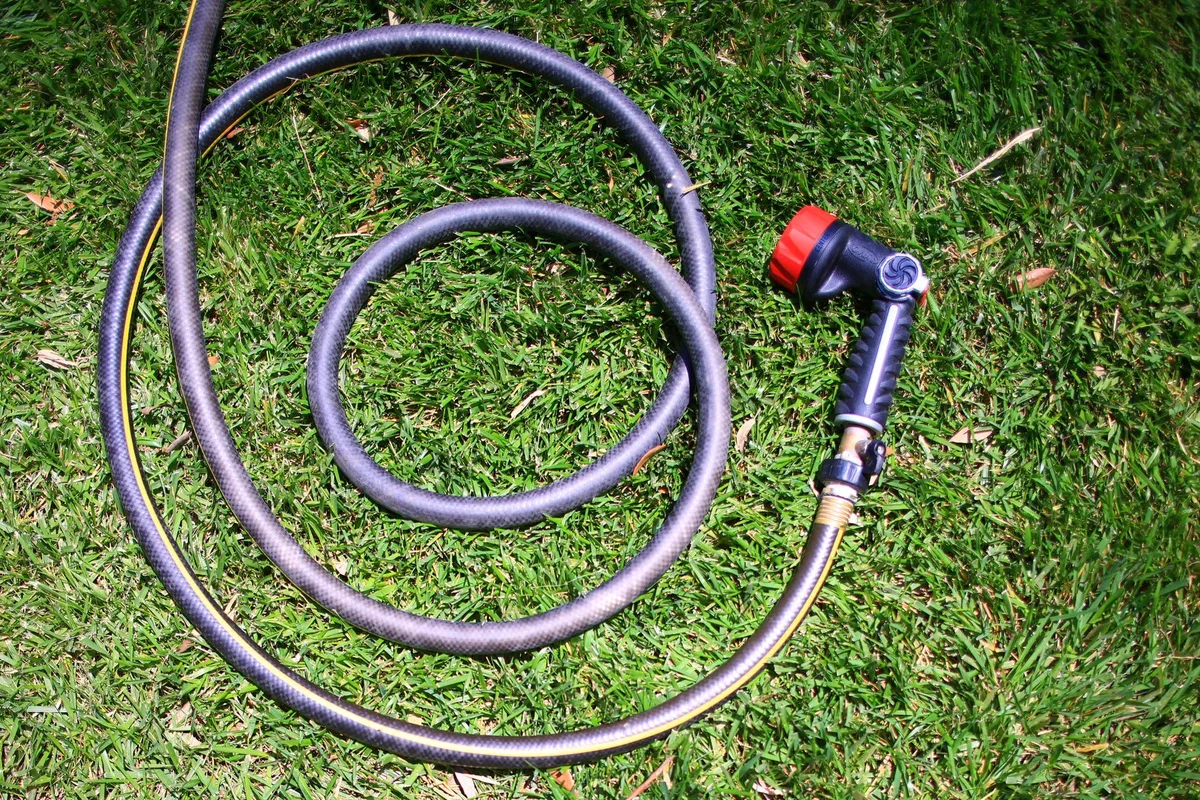
The classic move is a DIY soaker hose. Drill small holes every few inches along a leaky hose, cap the far end, and lay it along a plant row. Low pressure turns it into a slow-drip line that waters roots without soaking leaves.
A few more that actually hold up:
- Slit a length lengthwise and slip it over sharp fence wire as a hand guard. It works well on the mesh boundaries covered in these wire panel fencing setups.
- Coil and zip-tie a hose into a bucket handle cushion or knee pad.
- Wrap short sections around tree ties so the cord doesn't cut into bark.
- Use split hose to pad the edges of a metal wheelbarrow or trailer.
For a cottage-style plot, a coiled hose also makes a rustic border marker. It slots right into the relaxed look behind these country garden touches.
Where to Donate a Hose That Still Has Life Left
Donate any hose that still holds water without a major leak. Plenty of groups will happily take a working hose off your hands.
Community gardens and allotments run through hoses fast and rarely have the budget for new ones. Schools with garden programs, animal shelters, and car-wash fundraisers are all reliable takers too. A quick post on a local buy-nothing or neighborhood group usually finds a home in a day.
For a resale route, drop it at a Habitat for Humanity ReStore. They accept usable garden gear and sell it cheap to fund builds. Give the hose a rinse and coil it neatly first.
A clean, tidy hose is far more likely to get picked up than a muddy tangle.
Mistakes That Wreck Your Recycling (and Everyone Else's)
The biggest mistake is tossing a hose in the curbside bin and hoping it works out. That single act can send a whole load to the landfill.
Watch out for these common slip-ups:
- Wishcycling the hose: it jams machines and contaminates good recyclables.
- Bagging the hose in plastic: sorters can't see inside, so the bag gets pulled and trashed.
- Leaving brass fittings on: you throw away real scrap value for nothing.
- Assuming all hoses are rubber: vinyl and expandable types have no recycler.
- Binning a repairable hose: a pinhole leak is a coupling fix, not a death sentence.
One more that trips people up: mixing hose with garden waste. Hoses aren't compostable or green-waste material, and they'll contaminate a yard-waste load just as badly as a recycling one. When you're unsure which pile something belongs in, our team's other garden how-to guides break down the tricky cases.
PVC, Lead, and Phthalates: What to Know Before You Toss
Older vinyl (PVC) hoses can contain lead, phthalates, and BPA, which is exactly why you shouldn't drink from a standard garden hose. Handle a cracked vinyl hose with the same caution you'd give any old PVC product.
Many hoses carry a California Prop 65 warning about lead exposure. That warning is the reason "drinking water safe" hoses exist as a separate, pricier category. If your hose isn't labeled safe, keep it off the vegetable patch for edible watering.
This matters for reuse, not just disposal. A questionable vinyl hose is fine as a soaker line for ornamental beds or a wire guard. It's a poor choice for anything touching food crops or a pet's water bowl.
- Rubber and "drinking water safe" hoses: fine for most reuse.
- Unlabeled vinyl hoses: keep away from edibles and drinking water.
- Cracked, chalky old PVC: repurpose for non-food jobs or bin it.
US vs. UK vs. Canada: How Local Rules Change Your Options
Your country and even your town change which routes are open. There's no single global rule for hose disposal.
In the US, options vary by county. Some private haulers run bulky-waste or hard-plastics drop-offs, while others offer nothing beyond the landfill. Check your municipal solid waste department page before assuming.
In the UK, hoses are almost never accepted in home recycling. Your Household Waste Recycling Centre (the local tip) is the standard drop-off, often under "rigid plastics" or general waste. Recycle Now's official guidance treats hoses as non-kerbside items.
Canada and Australia follow the same pattern: council or regional depots, not curbside. Seasonal spikes matter too. Spring and fall cleanups flood these centers, so go early in the day to skip the queue.
Frequently Asked Questions
Can I put a garden hose in my recycling bin?
No. A garden hose jams sorting machines and gets pulled out and landfilled. It also contaminates the rest of your recycling.
Take it to a specialty program, scrap the brass fittings, repurpose it, or use general waste instead.
Are rubber garden hoses recyclable?
Rubber hoses stand a better chance than vinyl, but not through curbside. Some rubber and tire recyclers accept clean rubber hose as feedstock. Call ahead to confirm they take it and ask whether the metal fittings need removing first.
What can I do with an old leaky hose?
Turn it into a soaker hose by drilling small holes along a section. You can also cut it into wire guards, tree ties, or tool cushions. Cut off and scrap the brass fittings before repurposing the tubing.
Is it worth removing the brass fittings?
Yes. Brass is a copper alloy with real scrap value, often a few dollars a pound. Cut the fittings off, save them in a jar, and weigh them in at a scrap yard.
Use a magnet to confirm brass, which won't stick.
Where can I donate a working garden hose?
Community gardens, allotments, and school garden programs usually take working hoses. Animal shelters and Habitat for Humanity ReStores accept them too. Rinse and coil the hose first, since a clean one is far more likely to get picked up.
Your Quick Decision Guide by Hose Condition
Match your hose to the row below and take the listed action. It's the whole flow in one glance.
| Hose Condition | Best Action | Notes |
|---|---|---|
| Holds water, no major leak | Donate or reuse | Community garden, ReStore, or backup |
| Single pinhole or split | Repair with a mender coupling | Ten-minute fix, keep using |
| Cracked in several spots | Scrap fittings, repurpose tubing | Soaker line or wire guards |
| Genuine rubber, fully dead | Specialty rubber recycler | Call first, remove fittings |
| Vinyl or expandable, dead | General waste, last resort | No recycler accepts it |
| Any hose with brass ends | Cut and scrap the brass | Do this before every other step |
When in doubt, work top to bottom: try reuse first, salvage the metal second, and treat the landfill as the final option. That order keeps the most value in your hands and the most material out of the ground.

Similar Posts