Can You Use a Garden Hose with a Pressure Washer?
Can I use a regular garden hose to supply a pressure washer, or do I need a special hose? You can use a standard garden hose in many cases, but only if it delivers enough water flow. Your machine's pump needs a steady stream of water, not just high pressure from your spigot.
Using the wrong hose or an undersized one can destroy your pump within minutes.
Our research into pressure washer specifications shows that most consumer models require between two and four gallons per minute. A typical 5/8-inch garden hose at household pressure can often meet this minimum. If your setup is undersized, you risk cavitation and costly repairs.
Let's walk through how to make sure your water supply won't let your machine down.
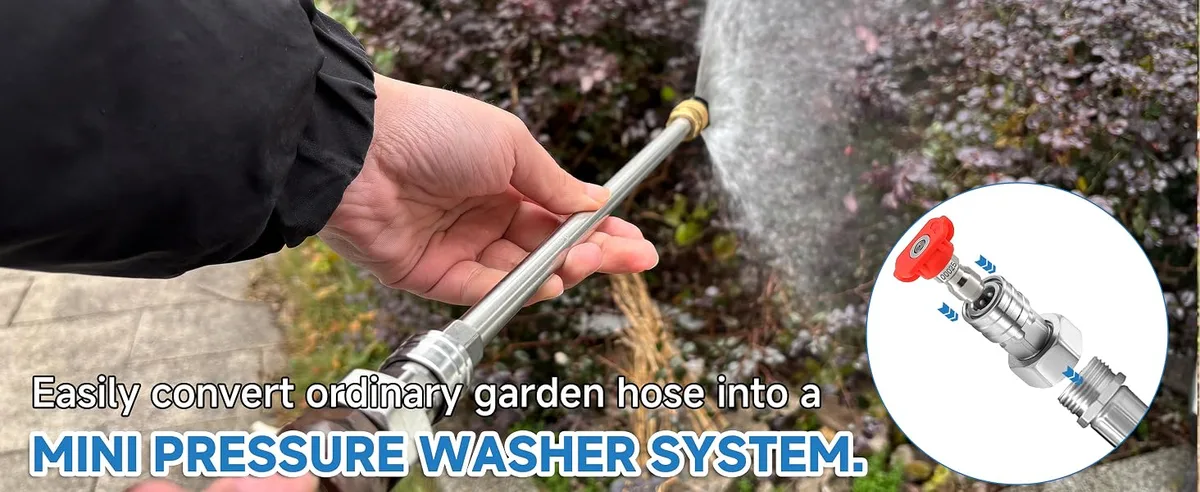
Image source: Bing (Web (fair-use with source credit))
How Pressure Washer Water Supply Actually Works
It's easy to misunderstand how a pressure washer gets its water. The pump isn't pushing water from the hose. It is pulling water in and then pressurizing it on the other side.
The inlet side runs at almost zero pressure. Your garden hose is just a delivery pipe at this point.
The real work happens inside the pump assembly. Water enters through a dedicated inlet fitting. From there, a seals and pistons create the high-pressure output.
If that inlet stream is weak or intermittent, the pump starts sucking air. This is the exact moment things go wrong.
That air causes cavitation inside the pump. Tiny air bubbles form and then collapse with immense force. They blast away the metal surfaces inside your pump head.
The damage is often silent until the pump starts knocking loudly. By then, the internal seals and valves are already ruined.
Manufacturer specifications consistently warn against low inlet flow. They state clearly that adequate GPM is more critical than inlet PSI. You need a steady river of water.
Think of your hose as a simple straw. The pump can't build pressure if it has nothing to push.
You can learn more about getting better flow from your outdoor faucet by checking guides on how to increase water pressure from your garden hose. A proper water source is the foundation of any cleaning project. Without it, even the most expensive machine will fail.
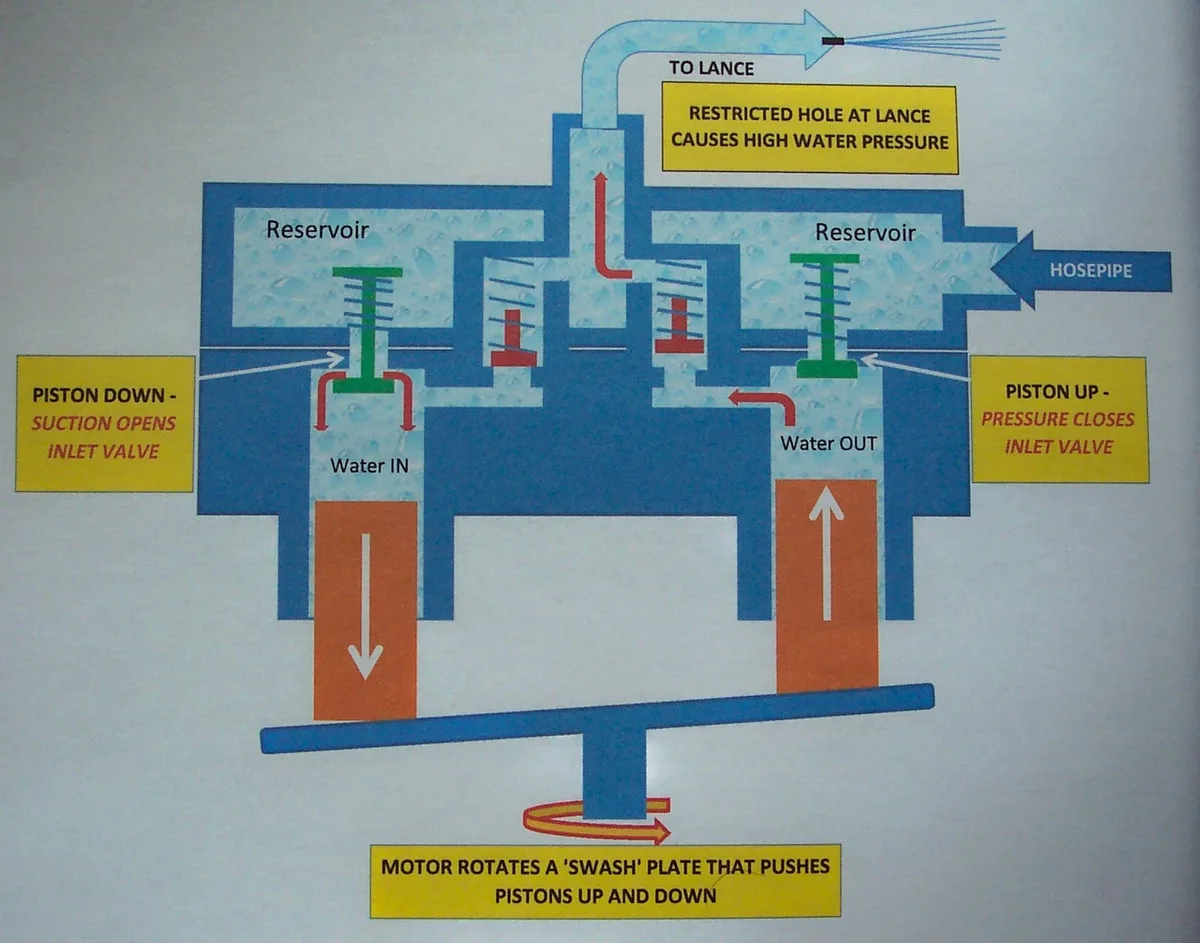
Image source: Bing (Web (fair-use with source credit))
The Decision Test: Can Your Garden Hose Handle It
You need to run a few quick checks before connecting anything. Start by looking at your pressure washer's manual. Find the inlet GPM requirement on the spec sheet.
Most consumer units ask for two to three GPM. Professional models might need four or more.
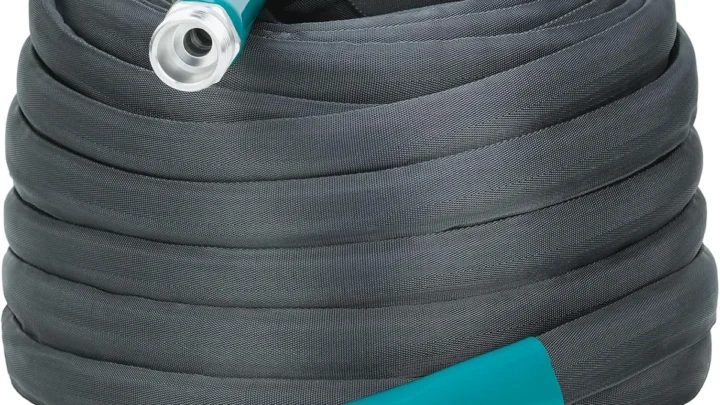
Next, check the diameter of your garden hose. Use a ruler or tape measure on the inner tube. A 5/8-inch hose is the modern standard for good reason.
A 1/2-inch hose will struggle to deliver enough volume for most machines. The difference in flow can be massive.
Then check your spigot's actual flow rate. Turn it fully on and fill a five-gallon bucket. Time how long it takes to fill.
If it fills in less than sixty seconds, you have over five GPM. That is usually plenty for a light-duty unit. Slower fills mean you need a larger hose.
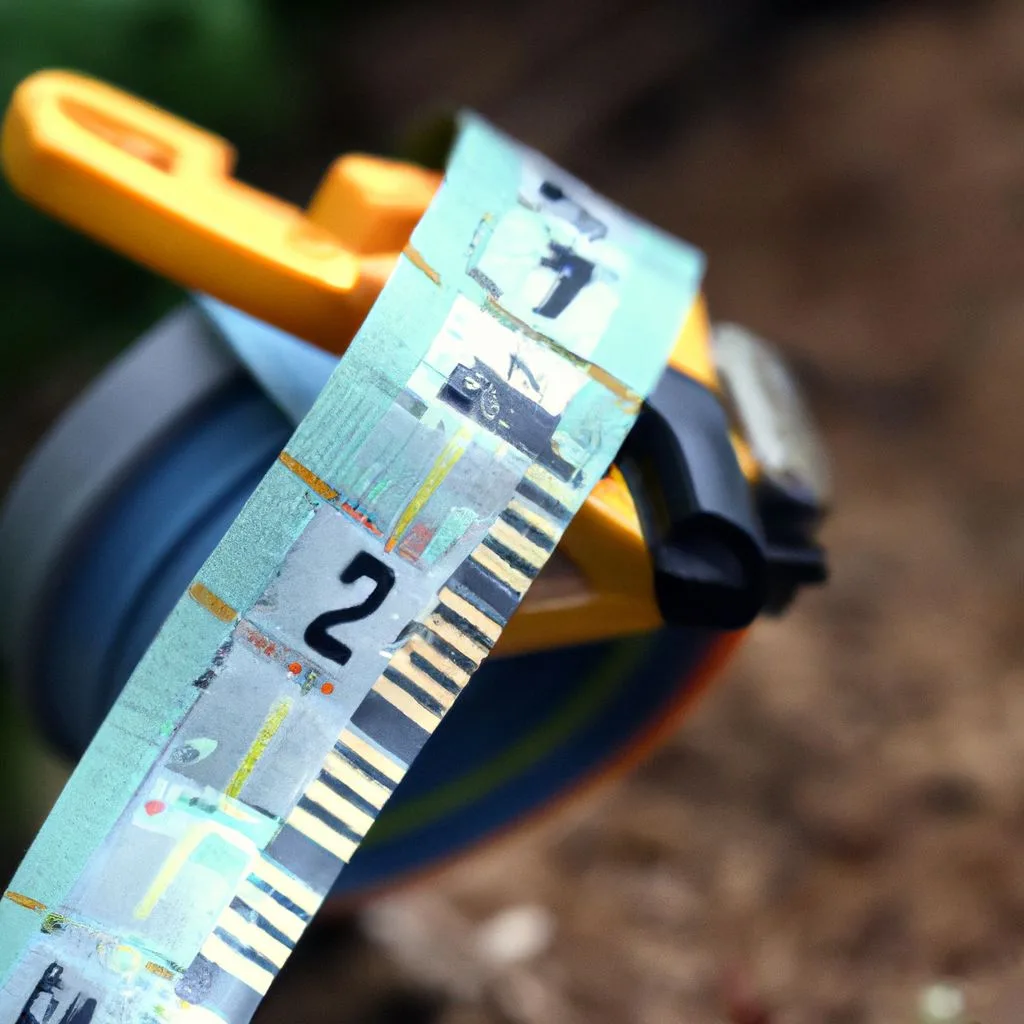
Image source: Bing (Web (fair-use with source credit))
Inspect the hose itself for kinks or damage. Check our detailed guide on how to identify your garden hose size easily if you're unsure. Old, cracked vinyl hoses can collapse under suction.
They restrict flow exactly when you need it most. A stiff-wall hose is always a safer choice.
Finally, connect the hose and test the machine. Watch for any unusual knocking sounds from the pump. Listen carefully for a change in tone when you squeeze the trigger.
A smooth hum means good flow. A rattling noise means you've found your limit.
If your bucket test shows low flow and you have a 1/2-inch hose, you need an upgrade. Consider using a heavy-duty nozzle like the INNAV8 garden hose nozzle heavy duty review to understand flow restrictions. The goal is a continuous, strong stream.
Garden Hose vs. Dedicated Supply Hose: What's the Difference
A dedicated supply hose looks similar but is built differently. It often has a reinforced inner core that won't collapse. The material resists crushing if you drive over it.
You'll also find built-in flow control valves on many models.
These supply lines use a 3/4-inch diameter as a standard. That larger bore moves significantly more water than a 5/8-inch hose. The difference in GPM can be the line between success and failure.
It's not just about the plastic; it's about the volume.
The fittings are another key difference. A proper supply hose uses brass or durable polymer connectors. They mate perfectly with your pressure washer's inlet.
Garden hose threads are often weaker and can strip over time. Loose connections introduce air into the system.
You can see a clear garden hose vs pressure washer supply hose comparison in most hardware stores. The supply hose is heavier and more expensive upfront. However, it pays for itself by protecting your pump investment.
For occasional users with a light-duty machine, a quality garden hose is fine. Keep it short, around twenty-five feet, to minimize friction loss. If you run a professional unit or wash large areas daily, skip the garden hose.
The dedicated supply line is non-negotiable for that level of use.
Understanding how garden hoses are measured properly ensures you buy the right equipment initially. This knowledge saves time and prevents costly mistakes later.
Common Mistakes That Damage Pressure Washers
Using a kinked or stepped hose is the fastest way to kill a pump. Even a gentle bend can restrict flow enough to cause trouble. Avoid stepping on the hose while the machine is running.
Keep the path as straight and open as possible.
Another major error is using a hose that is too long. Every extra foot of small-diameter hose creates friction loss. A hundred feet of 1/2-inch hose will starve your pump.
Stick to the shortest length that reaches your work area.
Many people forget to attach a inlet filter. Debris like sand or small pebbles can get sucked into the pump. This ruins seals and blocks internal passages quickly.
Always use the mesh filter that came with your machine.
You might be surprised to learn about how cold is garden hose water in winter months. Running cold water through a unheated pump can cause internal damage from ice expansion. Never leave water trapped in the pump after use.
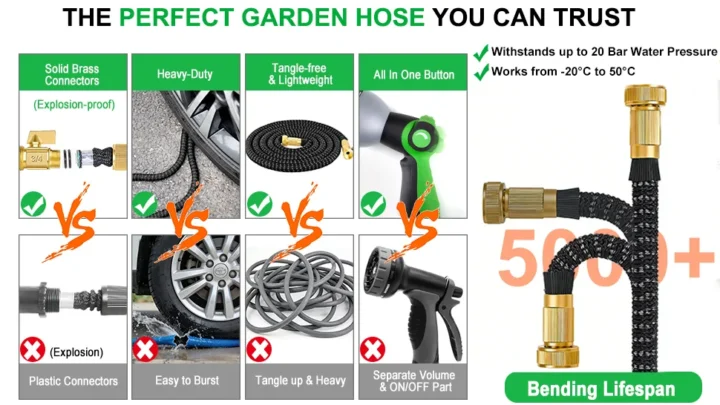
Check our advice on how expandable garden hoses work to avoid common pitfalls. Expandable hoses often have small inner diameters that cannot support high flow. They are great for watering plants but terrible for pressure washers.
Always shut off the water before disconnecting the hose. This prevents water hammer from stressing your connections. It also protects the garden hose from sudden pressure spikes that can damage it.
A quick tip from our how to increase my garden hose pressure guide is to ensure your main spigot is fully open before testing.
Maintaining Your Water Supply Setup
Proper hose care extends its life significantly. Drain all water after each use to prevent freezing damage. Coil your hose loosely rather than wrapping it tightly around a reel.
This prevents internal kinks that can restrict flow over time.
Store your hose in a shaded area when not in use. UV exposure breaks down vinyl and rubber materials. A dark garage or shed keeps your hose flexible and durable.
Inspect it seasonally for cracks or soft spots.
Check our complete guide on how to dispose of a garden hose properly for end-of-life disposal methods. Knowing when to replace your supply line prevents surprises mid-project.
Regular maintenance includes checking coupler washers. Replace cracked or flattened rubber seals immediately. A simple washer costs pennies compared to a new pump assembly.
Keep spare washers in your toolkit for quick fixes.
Frequently Asked Questions
Can I connect my pressure washer directly to a bucket?
Yes, but only if you use a proper inlet hose adapter. These adapters connect to a 5/8-inch hose and have a filter screen. The bucket must sit above the pump inlet for gravity feed.
This method works for emergency situations but limits your working radius.
What is the maximum hose length I should use?
Keep your supply line under fifty feet whenever possible. Each additional foot of 5/8-inch hose reduces flow slightly. At one hundred feet, you may lose over two GPM of flow.
Shorter hoses maintain better pressure and protect your pump.
Do I need a special fitting for my garden hose?
Most pressure washers accept standard 3/4-inch garden hose threads. Some models use a 1/4-inch quick-connect fitting instead. Check your machine's inlet specification before connecting anything.
An incorrect fitting will leak or fail to seal properly.
Will using a garden hose void my warranty?
Using an undersized or inadequate garden hose can void your warranty. Manufacturers specify minimum GPM requirements in the manual. If your hose cannot meet those specs and the pump fails, coverage may be denied.
Always verify your water supply meets manufacturer requirements first.
How do I know if my garden hose is too small?
Listen for a knocking or rattling sound from the pump. This indicates cavitation from insufficient water flow. Check your manual for the required GPM rating.
If your hose struggles to deliver that volume, upgrade to a larger diameter or dedicated supply line immediately.
Common Mistakes That Damage Pressure Washers
Using a kinked hose is the fastest way to kill your pump. Even a gentle bend can restrict flow enough to trigger cavitation. Never let anyone step on the supply line while the machine runs.
Keep the path as straight and clear as possible.
Another major error is using a hose that is too long for your setup. Each additional foot of small-diameter hose creates friction loss. A hundred feet of 1/2-inch hose can strip over two gallons per minute from your available flow.
Stick to the shortest length that reaches your work area comfortably.
Many users forget to attach the inlet filter screen. Debris like sand or small pebbles will get sucked straight into the pump internals. This destroys seals and blocks tiny passages almost instantly.
Always keep that mesh filter clean and installed.
You might not realize how cold garden hose water gets overnight. Running freezing water through an unheated pump can crack housings from ice expansion. Never leave standing water inside the unit after you finish.
Purge it completely before storage.
Some people try to bypass the pressure relief valve for "more power." This is dangerous and can rupture the pump body. Those valves exist to protect your machine from dead-heading. Never remove or block safety components.
Check our article on how to fix a leaking garden hose for good to understand how simple leaks waste water and strain your system. A steady drip at the connection point reduces effective flow to your washer.
Always shut off the water before disconnecting the supply line. This prevents water hammer from stressing your fittings. It also protects the hose from sudden pressure spikes that damage internal reinforcement layers.

Similar Posts