Can You Use a Garden Hose With a Pressure Washer?
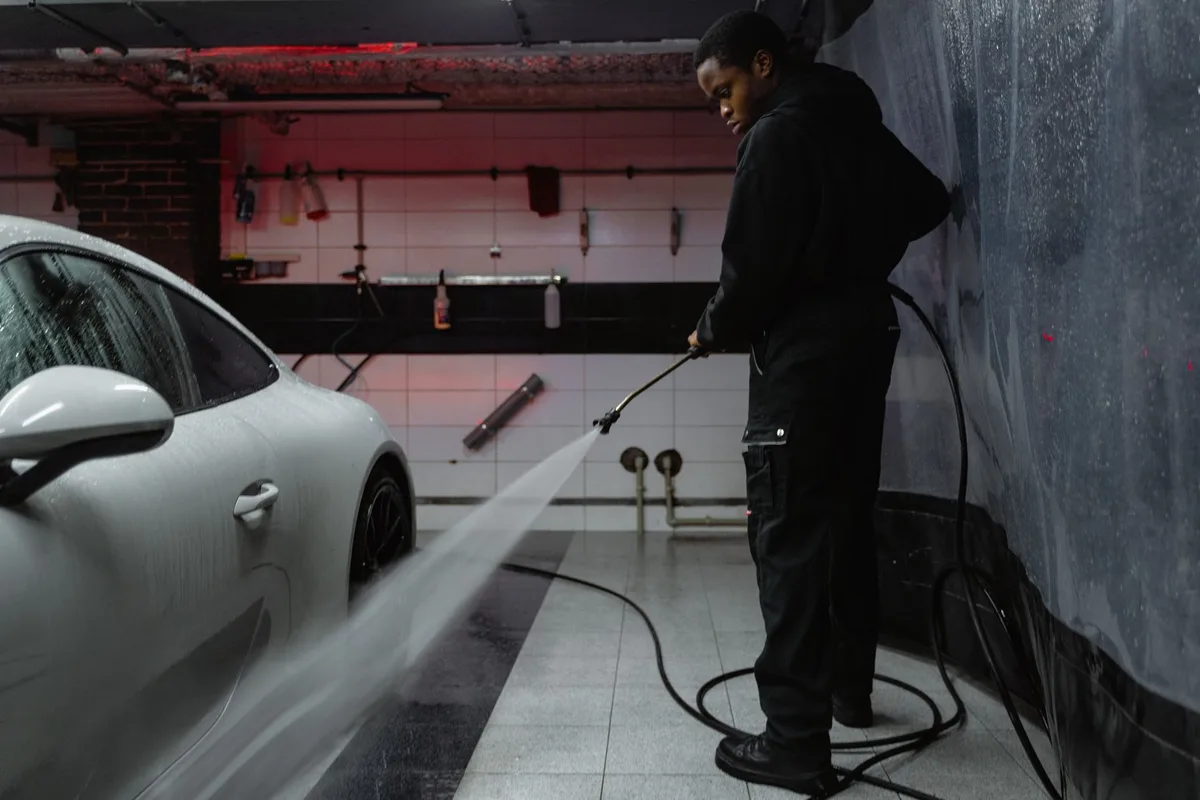
If you've ever stood in the driveway asking, "can i use garden hose with pressure washer," the honest answer is yes, but with one big string attached. Nearly every consumer pressure washer is built to run off a standard garden hose. The connection almost always fits.
The catch isn't the fitting, it's the water flow behind it.
Here's the number that matters. Most home machines need between 1.2 and 2.5 gallons per minute (GPM) at the inlet, and a hose that's too skinny or too long can't keep up. Starve the pump and you'll get weak pressure, pulsing spray, or a burned-out unit.
Let's sort out when your hose works and when it doesn't.
Quick Answer
Yes, you can use a garden hose with a pressure washer. Most machines connect to a standard 3/4-inch garden hose thread. The hose must deliver enough water, usually 1.2 to 2.5 GPM.
Use a 5/8-inch or 3/4-inch hose, kept short and kink-free. Too little flow starves the pump and damages it.
Yes, You Can Use a Garden Hose, but Flow Is the Catch
Pressure washers don't suck water in on their own. They rely on your home's water supply to feed the pump, then they multiply that pressure. So the garden hose isn't the star here.
It's the delivery pipe.
Think of it this way. The pump can only pressurize the water it actually receives. If your hose can't hand over enough volume, the pump runs half-empty and pulls air.
That's called cavitation, and it chews up seals and pistons fast.
A decent garden hose handles this job fine for most electric and light gas units. You rarely need a special hose. What you need is the right diameter, a sensible length, and a faucet flowing at full tilt.
If your plan is blasting a patio or freshening a tired boundary before you tackle some privacy-minded fence updates, a standard hose usually gets you there. The trouble starts when people focus only on whether the parts screw together.
The One Number That Decides It: Your Machine's Inlet GPM
Your machine's required inlet GPM settles this whole question. GPM stands for gallons per minute, the amount of water the pump needs coming in to run safely.
You'll find it in the owner's manual, near the specs for max pressure and flow. Match your water supply to that number and you're golden. Fall short and the pump suffers.
Here's the simple if/then logic:
- If your hose and faucet deliver more GPM than the machine needs, you're set.
- If they deliver roughly the same, keep the hose short and wide to stay safe.
- If they deliver less, expect low pressure and possible pump damage.
As of 2026, manufacturer specs for popular consumer units still cluster in a predictable range. Electric models tend to sit around 1.2 to 1.5 GPM. Gas models push higher, often 2.0 to 2.8 GPM.
The higher the demand, the less forgiving your hose choice becomes.
One more spec to note: the inlet PSI limit. Many machines cap incoming pressure around 60 to 100 PSI. Standard home water pressure of 40 to 80 PSI sits comfortably under that, so your faucet won't overwhelm the inlet.
Flow is the worry, not incoming pressure.
How a Pressure Washer Actually Pulls Water From the Hose
The pump doesn't create water. It borrows it from your supply and squeezes it hard. That flow path explains every problem people run into.
Water travels from the spigot, through your garden hose, past a small inlet screen, and into the pump. The pump's pistons then raise the pressure dramatically before firing it out the high-pressure hose to the wand. Two different hoses, two different jobs.
That inlet screen matters more than folks expect. It's a tiny filter that keeps grit out of the pump. If it clogs, flow drops even when your hose is perfect.
When the pump can't get enough water, it pulls in air pockets instead. You'll hear it stutter and feel the wand pulse. Run it dry and the pump overheats and the seals fail.
That's the exact failure most warranties won't cover, so matching supply to demand is worth two minutes with the manual.
Does Your Garden Hose Deliver Enough Water?
The answer comes down to three things: diameter, length, and your faucet's real output. Get all three right and almost any modern machine runs happily.
Hose Diameter: Why 1/2", 5/8", and 3/4" Aren't the Same
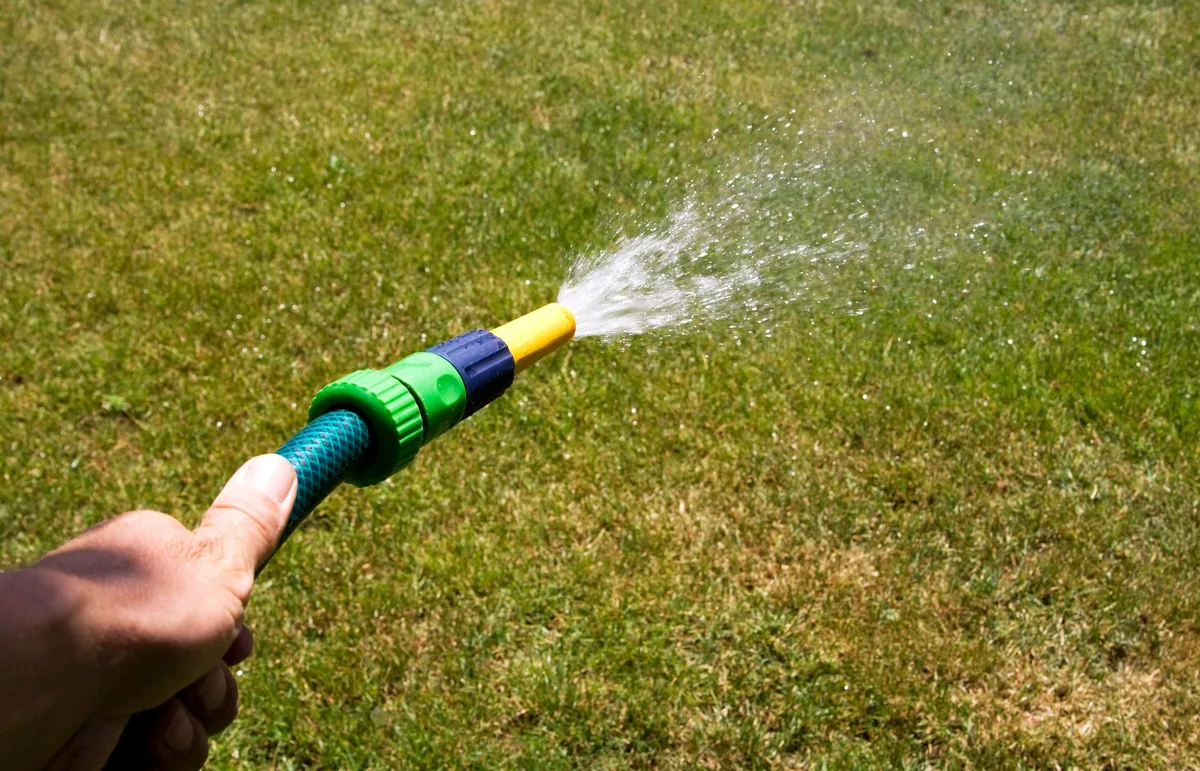
Diameter is the biggest flow factor, and the one people overlook. A wider hose carries far more water at the same pressure. The jump from 1/2-inch to 5/8-inch isn't small.
Here's how the common sizes stack up for feeding a pressure washer:
| Hose inner diameter | Flow capacity | Best for |
|---|---|---|
| 1/2 inch | Lowest | Short runs, low-GPM electric units only |
| 5/8 inch | Solid all-rounder | Most electric and mid-range gas machines |
| 3/4 inch | Highest | High-GPM gas units, long hose runs |
If you own a 1/2-inch hose and a thirsty gas washer, that mismatch alone can starve the pump. Stepping up to 5/8-inch fixes it for most homeowners.
Hose Length and the Coiled-Hose Trap
Length works against you. The longer the hose, the more friction slows the water, and the less flow reaches the pump. A 100-foot hose delivers noticeably less than a 25-foot one of the same width.
Then there's the coiled-hose trap. Running your machine while the hose sits looped on a reel adds resistance and restricts flow. Always uncoil the full length before you start.
Quick length rules:
- Use the shortest hose that reaches your work area.
- If you need distance, go wider (5/8-inch or 3/4-inch) to offset the loss.
- Uncoil fully. Never run water through a tightly wound reel.
- Watch for kinks. One sharp bend can choke supply instantly.
Testing Your Faucet With the 5-Gallon Bucket Method
Before you blame the hose, check the faucet itself. Some homes, especially older plumbing or well systems, just don't push much water. The bucket test tells you in under a minute.
Here's the method:
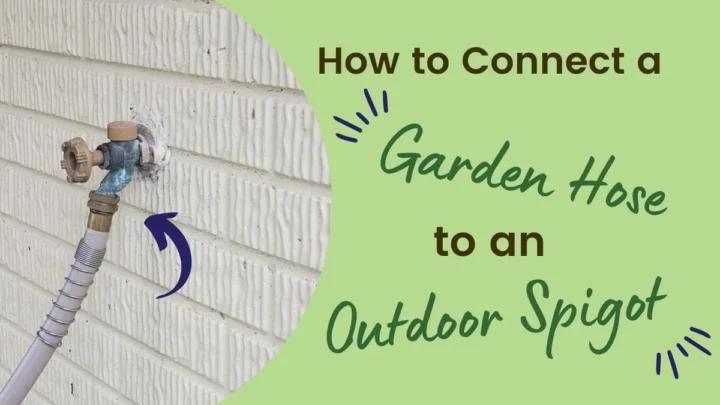
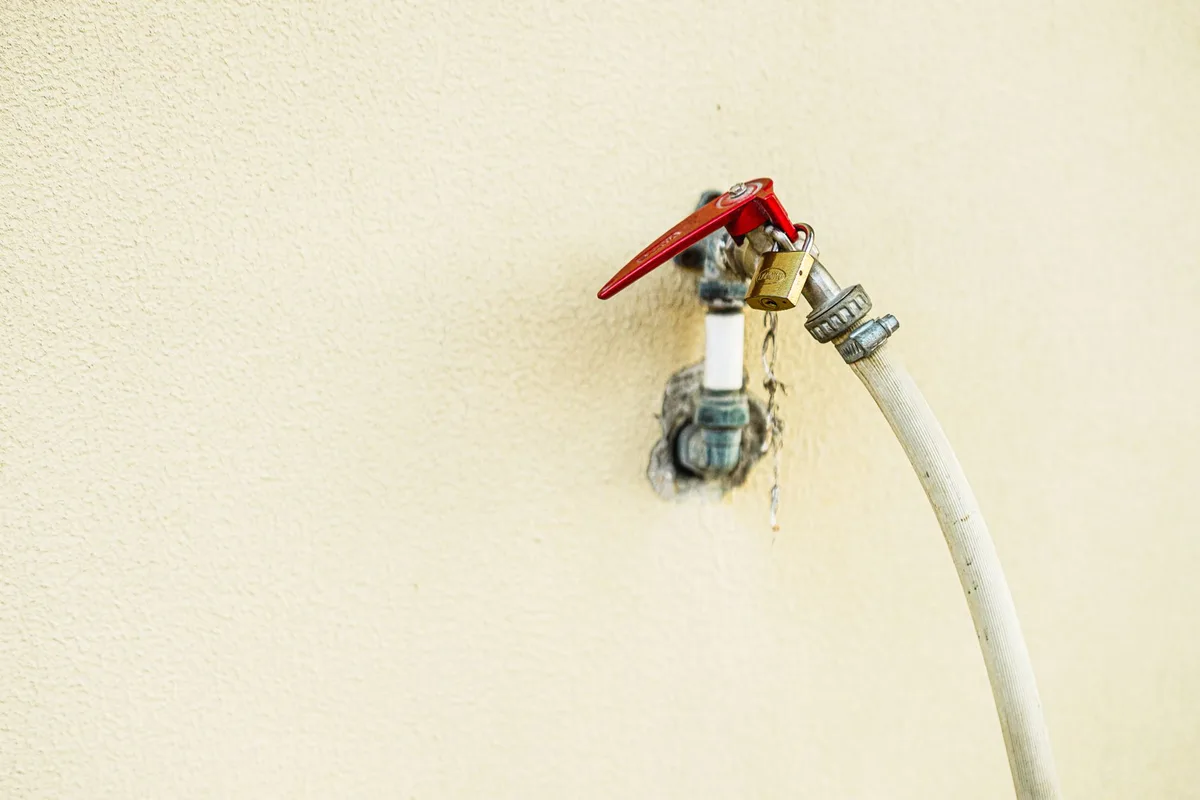
- Hook up your garden hose to the outdoor spigot.
- Open the faucet all the way.
- Time how long it takes to fill a 5-gallon bucket.
- Do the math: 5 gallons divided by seconds, then multiply by 60.
Fill a 5-gallon bucket in about 60 seconds and you're getting 5 GPM, plenty for any home unit. Fill it in two minutes and you're at 2.5 GPM, borderline for a big gas machine. Slower than that, and you'll want a wider hose or a different water source.
Municipal water usually clears this easily. Well and pump systems sometimes don't, so test before buying a demanding machine. The EPA WaterSense program is a handy reference for understanding household water flow.
The Decision Path: Match Your Hose to Your Washer
Now let's put it together by machine type. Your hose needs shift depending on whether you're running electric, gas, or dealing with weak water pressure. Match the branch to your setup and you'll skip the guesswork.
Electric Units (Lower GPM, More Forgiving)
Electric pressure washers are the easy case. They typically need 1.2 to 1.5 GPM, so a standard 5/8-inch hose up to 50 feet handles them without drama. Even a 1/2-inch hose works on short runs.
These are the machines most renters and casual users own. If you're rinsing a car, tidying a deck, or prepping fence panels before adding some cozy country-style touches, an electric unit and a basic hose are a comfortable match.
Gas Units (Higher GPM, Less Room for Error)
Gas machines are hungrier and far less forgiving. Many demand 2.0 to 2.8 GPM, which pushes a 1/2-inch hose out entirely. Go with 5/8-inch minimum, and 3/4-inch if your hose run is long.
Skimp here and you'll feel it fast. The pump pulses, pressure sags, and you risk cavitation damage. Bigger machine, bigger hose, shorter run.
That's the rule.
Low-Pressure or Well-Water Homes
If your bucket test came back slow, you're in the tricky branch. Low-flow homes and well systems can't always feed a demanding pump straight off the spigot. You've got a few moves.
- Switch to the widest hose you own and keep it short.
- Choose a lower-GPM electric unit instead of a big gas one.
- Consider a buffer tank or reservoir feed if your machine supports it.
The mismatch between a thirsty pump and a weak supply is the top cause of premature pump failure flagged in aggregate owner reviews. Fix the supply first, and the machine lasts.
Hooking It Up Right: Step-by-Step Setup
A clean setup takes about two minutes and saves your pump. The order matters more than people think. Water on first, machine on second, every time.
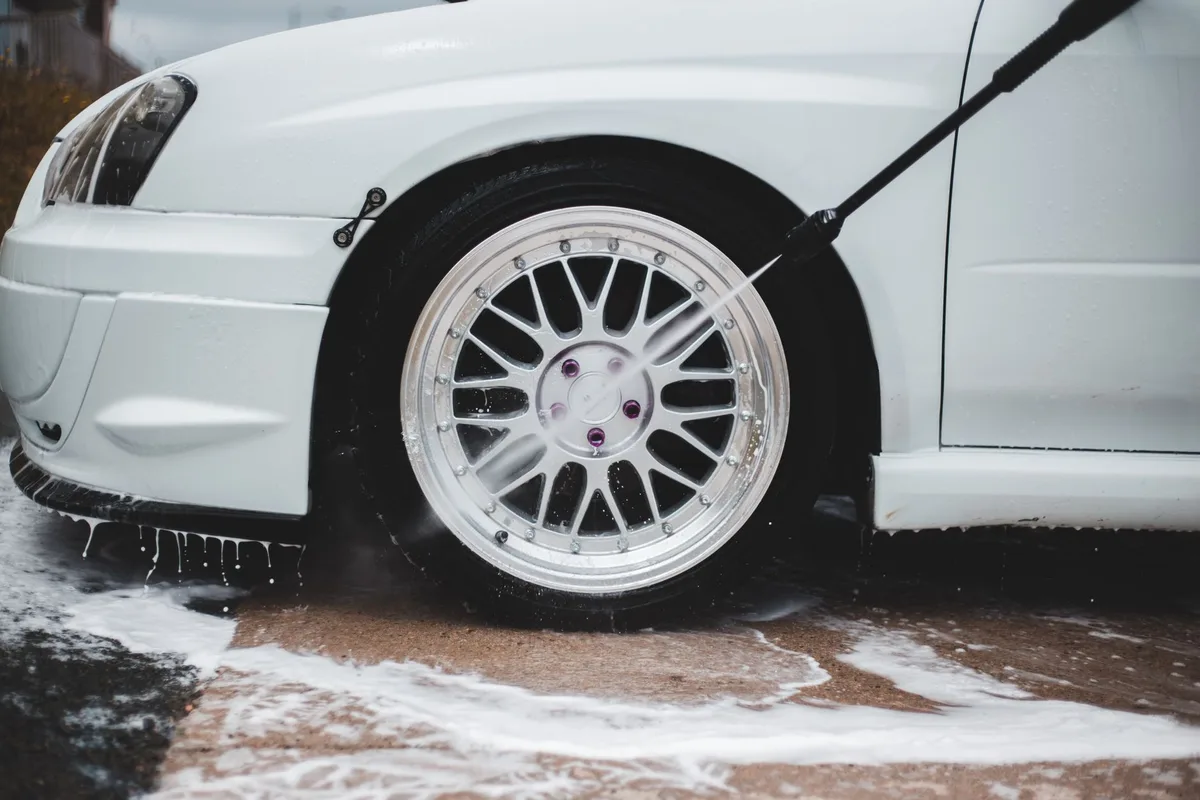
Run through these steps before you pull the trigger:
- Flush the hose. Let water run through it for a few seconds to clear grit.
- Check the inlet screen. Make sure that little filter is clean and seated.
- Confirm the rubber washer. A missing or cracked washer means leaks and lost pressure.
- Thread the hose onto the inlet. Hand-tight is plenty. Don't crank it.
- Uncoil the full hose length. No loops on the reel.
Seat the Washer, Purge the Air, Then Start the Pump
Turn the spigot fully open before touching the machine. Let water flow through the system with the wand trigger held open. This purges trapped air so the pump primes properly.
You'll know it's ready when steady water, not sputtering, runs out the wand. Only then should you start the motor or engine. Skip this purge and you can run the pump dry on the very first pull.
Mistakes That Starve the Pump and Kill It Early
Almost every failure traces back to a handful of avoidable errors. Aggregate owner reviews show the same culprits over and over. Here's what to sidestep.
- Using a 1/2-inch hose on a high-GPM gas unit.
- Running water through a coiled hose reel.
- Adding an inline shutoff valve or narrow quick-connect at the inlet, which chokes flow.
- Leaving a kink in the line and not noticing the pressure drop.
- Starting the engine before the water's fully on.
- Feeding hot water into a cold-water-only machine.
That last one bites people who tap a utility sink. Most consumer pumps carry a cold-water rating. Hot water warps the internal seals and voids the warranty.
Restricting the inlet is the sneakiest mistake. People add a shutoff for convenience, then wonder why pressure tanks. The inlet side should stay wide open, always.
If you're prepping panels for a fresh look with some flower-bed border ideas, keep that supply line unobstructed the whole time.
Warning Signs of Water Starvation While You Work
Your machine tells you when it's thirsty. Learn the signals and you can shut down before damage sets in. The symptoms show up at the wand.
Watch and listen for these red flags:
- Pulsing or surging spray instead of a steady stream.
- Pressure that fades after a few seconds of triggering.
- A rattling or knocking sound from the pump (that's cavitation).
- Air spitting out with the water.
- The motor working harder while output drops.
Spot any of these and stop right away. Kill the machine, then check the obvious stuff first. Is the faucet fully open?
Any kinks? Is the hose too narrow or too long for the job?
Fixing supply usually clears it instantly. Swap to a wider hose, uncoil fully, or shorten the run. Catching this early is the difference between a quick fix and a new pump.
Garden Hose Feed vs Bucket, Tank, or Direct Spigot
A garden hose isn't your only feed option, and each method suits a different situation. Here's how they compare for the average homeowner.
| Feed method | Best for | Watch out for |
|---|---|---|
| Garden hose from spigot | Everyday home cleaning | Diameter and length limits |
| Direct short spigot connect | Max flow, close-up jobs | Limited reach |
| Bucket or tank (gravity feed) | Off-grid, low-pressure sites | Only some machines support it |
Most people should stick with the garden hose feed. It's the sweet spot of reach and reliability. The direct spigot connect gives slightly better flow but ties you to the tap.
Bucket or tank feeding is a niche move. Only machines rated for suction feed can pull from a reservoir, and gravity-fed setups deliver low pressure. Check the manual before you try it.
Our research shows most consumer units aren't built to draw water from a standing tank.
Inlet Limits, Cold-Water Ratings, and Backflow Safety
Three safety limits protect both your machine and your home's water. Ignore them and you risk damage or a compliance headache. None are hard to follow.
First, the inlet PSI limit. Your machine caps how much incoming pressure it accepts, often 60 to 100 PSI. Home water sits below that, so it's rarely an issue.
Just don't add a booster pump on the supply side.
Second, the cold-water rating. Nearly all consumer units want cold water only. Hot water breaks down seals and O-rings quickly.
Third, backflow prevention. Connect any hose to a potable supply and local plumbing codes often require a backflow preventer or anti-siphon device. It stops dirty water from being drawn back into your drinking supply.
Check with your local water utility, and the manufacturer documentation that ships with your unit spells out the exact requirement. If you're cleaning near a boundary you plan to upgrade with metal grid panel systems, that same anti-siphon rule still applies.
Cold-Climate Storage and Long-Term Hose Care
Freezing weather is a pump killer. Water left inside expands as it freezes and cracks the internal parts. Drain everything before the first hard frost.
After each use, shut off the water and squeeze the trigger to release leftover pressure. Then disconnect the garden hose and drain both the hose and the pump. Store the hose uncoiled or loosely looped to prevent permanent kinks.
For winter, run pump antifreeze through the machine if the manual recommends it. A quick rinse of the inlet screen now and then keeps grit from building up. These small habits, covered across our seasonal upkeep guides, add years to a machine.
Quick-Reference Specs: Diameter, Length, and GPM
Here's the whole decision boiled down to one table. Match your machine type to the right hose and you're covered.
| Machine type | Typical inlet need | Recommended hose | Max length |
|---|---|---|---|
| Electric | 1.2 to 1.5 GPM | 5/8 inch | 50 ft |
| Mid-range gas | 2.0 to 2.4 GPM | 5/8 inch | 50 ft |
| High-output gas | 2.4 to 2.8 GPM | 3/4 inch | 50 ft |
| Low-pressure home | Any | Widest available | Keep short |
When in doubt, go wider and shorter. Extra flow never hurts. Too little always does.
Frequently Asked Questions
Does a longer garden hose reduce pressure washer power?
Yes, longer hoses cut the flow reaching the pump. More length means more friction and less water volume. If you need distance, step up to a 3/4-inch hose to offset the loss.
Always uncoil the full length before starting.
Can I run a pressure washer without a garden hose?
Only if your machine is rated for suction or tank feed. Most consumer units aren't. They rely on pressurized supply from a spigot to feed the pump.
Check your manual before attempting a bucket or reservoir feed.
What size garden hose is best for a pressure washer?
A 5/8-inch hose suits most electric and mid-range gas machines. Move up to 3/4-inch for high-GPM gas units or long runs. Avoid 1/2-inch except on short feeds for low-demand electric models.
Diameter matters more than any other hose factor.
Will low water pressure damage my pressure washer?
Low flow, not low pressure, causes the damage. When the pump can't get enough water, it pulls air and cavitates. That overheats the seals and wrecks the pump.
Test your faucet's output first and match it to the machine's GPM.
Can I use hot water through a garden hose into my pressure washer?
No, unless the unit is specifically rated for hot water. Most consumer machines take cold water only. Hot water warps the internal seals and O-rings, and it voids the warranty.
Stick to cold supply.
Your 30-Second Decision Guide
Here's the whole call in a nutshell. If your machine is electric and your hose is 5/8-inch, connect it and go. If it's a gas unit, confirm the diameter first.
If your faucet fills a 5-gallon bucket in under two minutes, you've got enough flow. If it's slower, widen the hose and shorten the run. And if you're on well water, lean toward a lower-GPM electric unit.
Keep the inlet unrestricted, water on before the motor, and drain before frost. Do that, and a plain garden hose will feed your pressure washer reliably for years. Questions on a specific setup?
The team behind our garden guides is worth a look.

Similar Posts