Can I Wash My Dog With a Garden Hose? What to Know
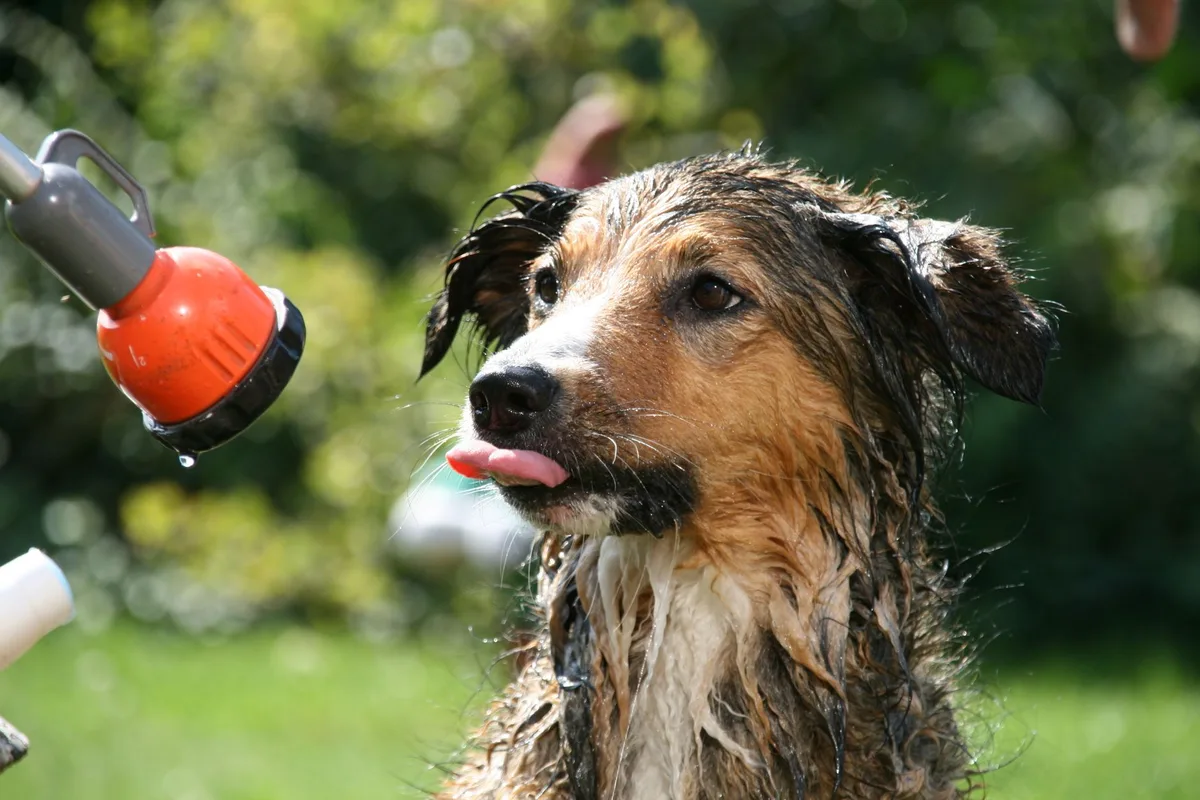
Can you rinse the dog off in the backyard, or is that asking for trouble? For most dogs, the answer to "can I wash my dog with garden hose" is yes, with a few conditions. A hose works great for muddy paws, sandy coats, and post-swim rinses.
But the water temperature, the pressure, and your dog's size all decide whether it's safe or stressful.
Here's the part people skip. Water sitting inside a sun-baked hose can top 40°C (over 104°F) in the first burst, hot enough to scald skin. Cold tap water, on the other hand, runs close to 10°C (50°F) in many regions.
Both extremes can hurt your dog. As of 2026, the safe target most vets point to is lukewarm, near a dog's own body temperature. Let's break down when the hose is fine and when to skip it.
Quick Answer
Yes, you can wash your dog with a garden hose. Use lukewarm water, not cold or sun-heated water. Set the nozzle to a gentle, low-pressure spray.
Keep water out of the ears and eyes. Skip the hose in cold weather, and for small, senior, or short-coated dogs that chill fast.
Can You Wash Your Dog With a Garden Hose? The Short Answer First
Yes, a garden hose is a perfectly good way to wash many dogs. It rinses mud, grass, and salt fast, and it keeps the mess outside. For big dogs that don't fit in a tub, it's often the easiest option you've got.
The catch is that "a hose" isn't one thing. A hose in July sun holds scalding water. A hose in November runs icy cold.
The same tool can be safe or risky depending on the day.
So think of it as a conditional yes. If the weather's mild, the water's lukewarm, and your dog has a decent coat, hose away. If it's cold, or your dog is tiny, old, or thin-coated, move the bath indoors.
When a Hose Is Fine and When It's a Bad Idea
A hose is fine when three things line up: mild weather, lukewarm water, and a dog that handles it well. It's a bad idea when any of those fall apart. Let's split it into the two checks that matter most.
The Weather and Water Temperature Test
Start with the air, then the water. Both need to pass.
- If it's warm and calm (above 15°C / 60°F), the hose is a good candidate.
- If it's cold, windy, or damp, skip it. A wet dog loses heat fast.
- If the hose sat in the sun, run it 30 to 60 seconds first to flush the hot water.
- If the water feels cold on your wrist, warm it up before it touches the dog.
Test the temperature on the inside of your wrist, the way you'd check a baby's bottle. You want lukewarm, not cold and not warm. If it makes you flinch either way, it's wrong for your dog too.
A well-drained backyard helps here, and if your wash spot doubles as a hangout, a few privacy-friendly backyard touches make the routine more pleasant.
Your Dog's Coat, Size, and Age
Now look at the dog. The same water that suits a Labrador can chill a Chihuahua.
| Dog type | Hose-friendly? | Why |
|---|---|---|
| Large, double-coated (Lab, Husky, Golden) | Usually yes | Thick coat, good body mass, holds heat |
| Short or thin-coated (Greyhound, Boxer) | With care | Chills faster, needs lukewarm water and quick drying |
| Toy or small breed (Chihuahua, Yorkie) | Often no | Low body mass, loses heat quickly |
| Puppies under 8 weeks | No | Can't regulate temperature yet |
| Senior or unwell dogs | Usually no | Poor temperature control, more fragile |
If your dog lands in a "no" or "with care" row, lean toward an indoor rinse. When in doubt, warm water and a fast towel-dry cover most situations.
The Sun-Heated Hose Problem Nobody Warns You About
The biggest hose danger isn't cold water. It's hot water you didn't expect. A hose left in direct sun acts like a thin black kettle, and the trapped water can climb past 40°C.
That first blast can burn sensitive skin, especially on the belly and inner thighs where fur is thin. Dogs can't tell you it's too hot until they're already yelping and pulling away. By then the damage may be done.
The fix takes under a minute:
- Point the nozzle at the ground and run the water until it feels lukewarm.
- Feel the stream on your wrist before it reaches your dog.
- Store the hose in the shade so it doesn't cook between uses.
A drinking-water-safe, lead-free hose is the smarter pick for anything touching your pet. Standard PVC hoses can leach chemicals when heated, so choose a lead-free model for backyard washing.
Cold Hose Water and Why It's Risky for Some Dogs
Cold hose water is the opposite trap, easy to miss on a nice day. Groundwater feeding your tap can sit near 10°C (50°F). That feels bracing to us and genuinely cold to a small dog.
A quick rinse might be fine. A full cold bath is not.
The risk is chilling, and for vulnerable dogs it can tip toward hypothermia. Watch for these red flags:
- Shivering that doesn't stop once the dog is out of the water
- Hunched posture, tucked tail, or reluctance to move
- Cold ears and paws
- Whining or clear distress at the water
Cold water also rinses shampoo poorly. It can tighten the coat around soap and leave residue that irritates skin later. Lukewarm water lifts dirt and suds far more easily.
For dogs that chill fast, the guidance from the American Veterinary Medical Association leans the same way: keep bath water comfortably warm and dry the dog promptly. If you can't warm the hose water, a warm indoor rinse beats a cold outdoor one every time.
Water Pressure, Ears, and Eyes: Getting the Spray Right
Pressure matters as much as temperature. A jet setting meant for the car or the flower beds along a path is far too harsh for a dog. Household water runs around 40 to 60 PSI, and a narrow nozzle turns that into a stinging blast.
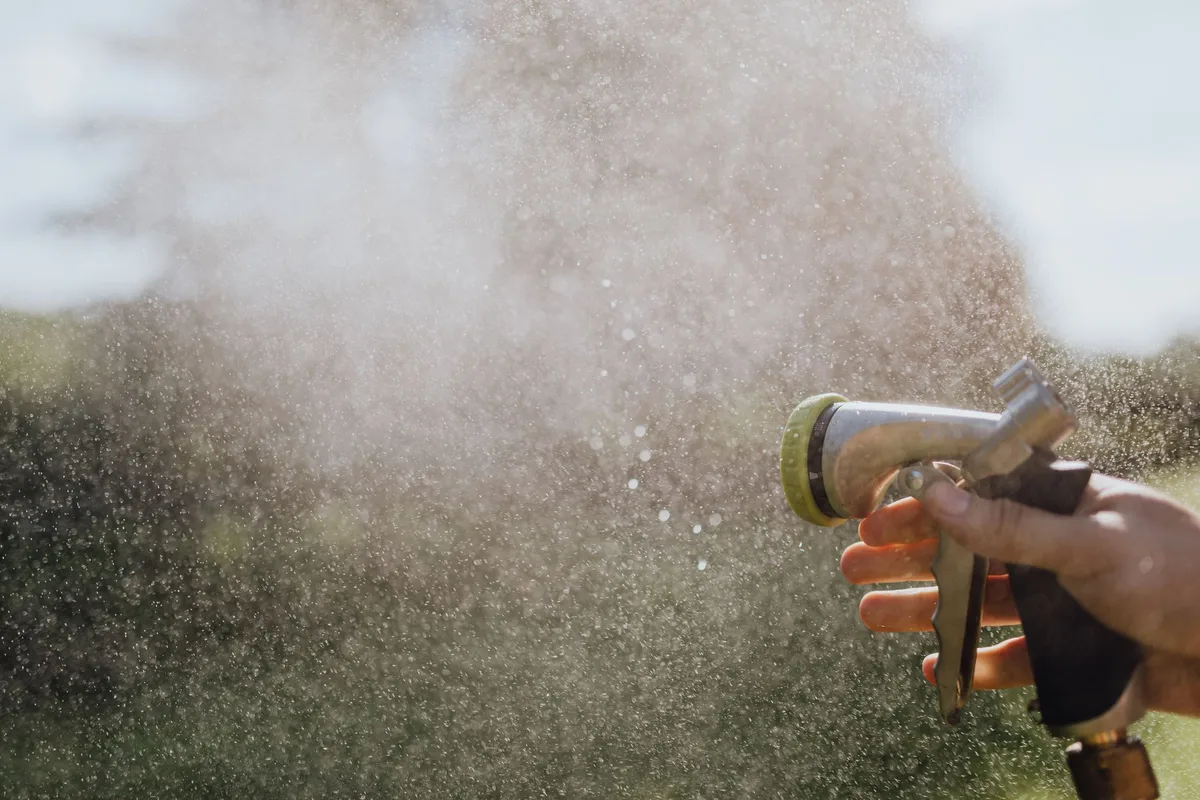
Use an adjustable nozzle and dial it down. You want a soft "shower" or "soaker" pattern, not a pinpoint stream. A gentle flow rinses just as well without the sting.
Keep the spray away from three areas completely:
- Ears. Water in the ear canal invites painful infections. Tuck a cotton ball in each ear, and wipe the face with a damp cloth instead of spraying it.
- Eyes. Direct pressure stings and can scratch. Clean around them by hand.
- Nose and genitals. Both are sensitive to force. Aim from the neck down and let water run off.
Hold the nozzle about 15 to 20 cm from the coat, and let the water flow rather than fire. Work from the shoulders toward the tail. If your dog flinches, ease the pressure before you push on.
Step-by-Step: Washing Your Dog With a Hose the Safe Way
With the conditions checked, the wash itself is quick. It takes 10 to 15 minutes for most dogs. Work in the same order every time so your dog knows what's coming.
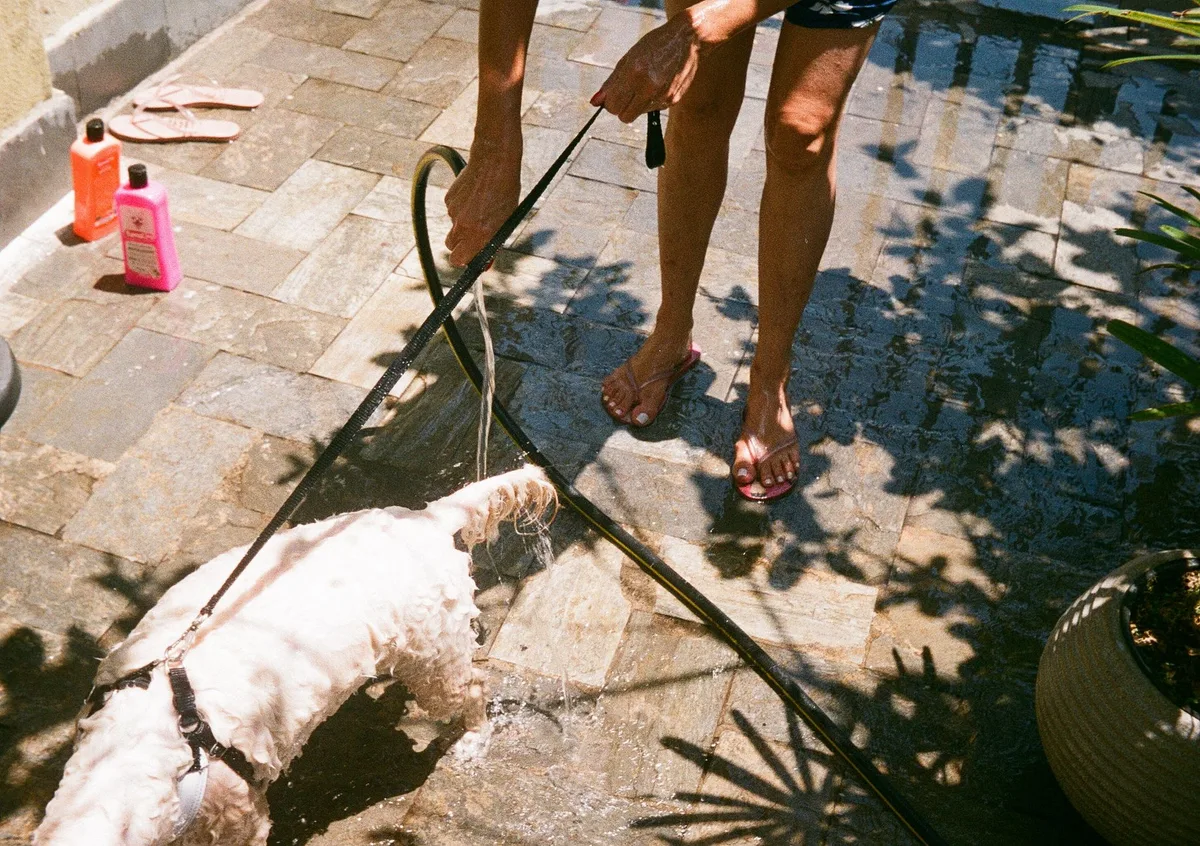
Before You Turn the Water On
Prep first, because a soaking-wet dog won't wait around. Brush out mats and loose fur while the coat is dry. Wet tangles tighten into a bigger job.
- Gather your kit: dog shampoo, two towels, cotton balls, and a non-slip mat.
- Pop a cotton ball in each ear to block water.
- Clip a leash or grab a helper if your dog tends to bolt.
- Flush the hose until the water runs lukewarm, then wrist-test it.
Pick a spot with good drainage so your dog isn't standing in a puddle. A quiet corner keeps stress low.
Wetting, Lathering, and Rinsing
Start at the shoulders and work back, never the face. Wet the coat down to the skin, since double coats shed water at first. Take your time on thick fur.
Then lather with a dog-formulated shampoo. Human shampoo and dish soap sit at the wrong pH and dry out canine skin, so stick to a pet product. Massage it in and let it sit if the label says so.
Rinse until the water runs completely clear. Leftover suds are the top cause of post-bath itching. Rinse the belly, armpits, and groin twice, because soap loves to hide there.
Drying and Warming Up After
Get your dog dry fast, especially in cooler air. A wet coat pulls heat away long after the water stops. Towel first, hard, then let the shake do its work.
That full-body shake sheds a surprising amount of water, so let your dog do it. Then towel again and keep them warm until fully dry. Double coats stay damp at the skin for hours, so check down deep before you call it done.
Skip cold-air drying for small or short-coated dogs.
Mistakes That Turn a Quick Rinse Into a Vet Visit
Most hose-wash injuries come from a handful of avoidable slip-ups. Here are the ones that send dogs to the vet.
- Spraying scalding water from a sun-heated hose. Flush and wrist-test first.
- Bathing a small or senior dog in cold water. Chilling follows fast.
- Blasting the ears. Trapped water leads to infections within days.
- Using human shampoo or dish soap. It strips coat oils and dries skin.
- Rinsing badly. Shampoo residue itches more than the dirt ever did.
- Washing too often. Over-bathing dulls the coat.
One quiet mistake: leaving the dog wet in a breeze. Even mild wind chills a soaked coat quickly. Dry thoroughly before anything else.
Hose vs. Tub vs. Sink vs. Groomer: What's Actually Best
There's no single winner. The best option depends on your dog's size, the weather, and how dirty they are. Here's how the four stack up.
| Method | Best for | Watch out for |
|---|---|---|
| Garden hose | Large dogs, mud, warm days, post-swim rinses | Temperature swings, water pressure |
| Bathtub or shower | Cold weather, small dogs, full baths | Big dogs won't fit, wet bathroom |
| Utility or laundry sink | Puppies, toy breeds, quick jobs | Only works for small dogs |
| Professional groomer | Matted coats, nervous dogs, deep cleans | Costs money, needs booking |
If your dog is big and muddy in July, the hose wins on speed and mess control. If it's cold, or your dog is tiny, warm indoor water is safer. For heavy matting or a dog that panics, a groomer earns the fee.
Many owners mix and match: hose for rinses, tub for real baths.
Better Hose Setups: Warm-Water Adapters and Pet Wash Nozzles
A few cheap upgrades fix the hose's two biggest weaknesses: cold water and harsh pressure. If you wash outdoors often, they pay for themselves in comfort.
- Warm-water adapters. These tap an indoor hot line or your water heater, so you skip the icy groundwater. Some outdoor faucets can run hot and cold both.
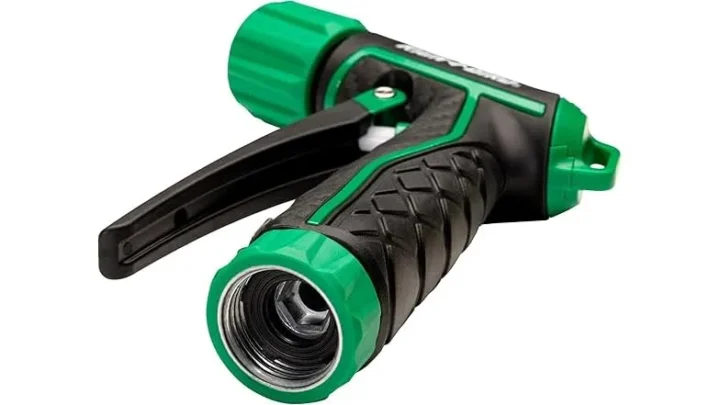
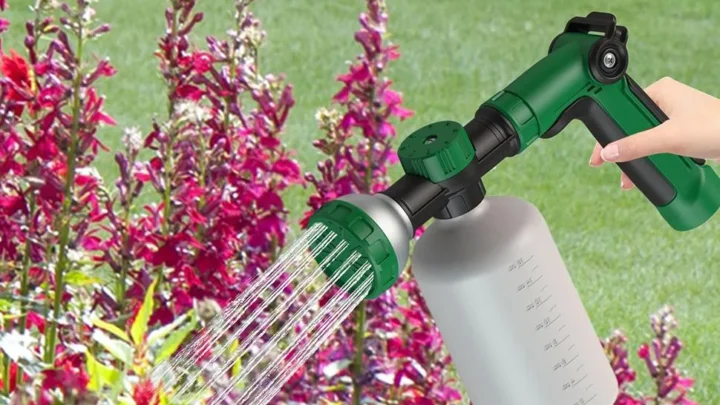
- Pet wash nozzles. A dedicated dog-wash sprayer softens the flow and often adds a soap reservoir. The gentle "rain" pattern suits sensitive dogs.
- Lead-free, drinking-water-safe hoses. Worth it for anything touching your pet, and they don't leach chemicals when warm.
You don't need all three. Even a basic adjustable nozzle and a shady storage spot solve most problems. Keep the washing corner tidy, and if you're sprucing up the yard, some cozy country-garden fencing can screen the area off nicely.
Quick Rinse or Full Bath? Matching the Method to the Mess
Match the wash to the job, and you'll bathe less and stress your dog less. Not every muddy paw needs shampoo. Most days, plain water is plenty.
Use this simple if/then:
- If your dog is just muddy, sandy, or salty, do a plain-water rinse. No soap, quick towel, done.
- If your dog rolled in something smelly or greasy, do a full shampoo bath.
- If your dog swam in chlorine or saltwater, rinse with fresh water to protect the skin.
- If your dog has fleas or allergens on the fur, rinse before entering the house to keep it outside.
A rinse takes two minutes and skips the skin-drying downside of soap. Save full baths for real dirt or odor. The coat keeps its natural oils, and you save yourself the bigger cleanup.
How Often Your Dog Actually Needs a Bath
Most dogs need a full bath every four to six weeks, not weekly. Bathing too often strips the coat's natural oils and leaves skin dry and itchy. Between baths, plain-water rinses handle the mud without the downside.
Coat type shifts the schedule. Oily breeds and heavy shedders may want a wash sooner. Short-coated, low-odor dogs can go longer.
Let your nose and the dirt decide, not the calendar.
If the skin flakes or the coat looks dull, you're likely washing too much. Stretch the gap and switch to rinses. Fewer, gentler washes keep the coat healthier long-term.
Garden Hose Dog Wash FAQs
Is hose water too cold for dogs?
It can be. Groundwater often runs near 10°C (50°F), which chills small, senior, or short-coated dogs fast. A quick rinse on a warm day is usually fine.
For a full wash, warm the water or move indoors instead.
Can I use a pressure washer instead of a hose?
No, never use a pressure washer on a dog. The force can injure skin, eyes, and ears. Even household hose pressure needs softening with a nozzle.
Stick to a gentle shower or soaker setting.
Do I need special dog shampoo, or is any soap fine?
Use a dog-formulated shampoo. Human shampoo and dish soap sit at the wrong pH for canine skin and strip protective oils. Regular use leads to dryness and itching.
Pet shampoos match your dog's skin and rinse clean.
How do I stop my dog running off during a hose bath?
Prep everything first, then keep control. Use a leash, a helper, or a tie-out on a non-slip surface. Start with lukewarm water at low pressure so the first touch isn't a shock.
Reward calm behavior with treats.
Can I wash a puppy with a garden hose?
Skip the hose for puppies under eight weeks, since they can't regulate temperature yet. For older puppies, use a warm indoor rinse or a sink. Keep it short, gentle, and dry them quickly afterward.
Your Go-or-Skip Decision Guide
Run through these checks before you reach for the hose. If every answer is yes, wash away.
- Is it warm and calm outside? Go.
- Is the water lukewarm after flushing the hose? Go.
- Does your dog have a decent coat and good body mass? Go.
- Is your dog small, senior, sick, or a young puppy? Skip the hose, rinse indoors.
- Is it cold, windy, or damp out? Skip it and wait for a better day.
When the conditions line up, a garden hose is a fast, safe way to keep your dog clean. Keep the water gentle and lukewarm, protect the ears and eyes, and dry your dog well. Get those basics right, and the backyard becomes the easiest bath your dog has ever had.

Similar Posts