Can I Wash My Car With a Garden Hose? Yes, Here’s How
So you've got a dusty car, a garden hose coiled by the spigot, and one honest question: can I wash my car with garden hose water, or will I wreck the paint? Good news. A garden hose is one of the safest ways to wash a car at home.
The trick is what you do before you ever touch the panels.
A standard garden hose runs at roughly 40 to 60 PSI, far gentler than a pressure washer's 1,300 PSI or more. That low pressure won't strip wax or force water past your door seals. What actually causes damage is dragging grit across the clear coat.
As of 2026, that's still the number one cause of swirl marks on hand-washed cars, and it's exactly what we'll help you dodge.
Quick Answer
Yes, you can wash your car with a garden hose. A hose puts out about 40 to 60 PSI, gentle enough for paint. Always rinse loose dirt off first.
Then use two buckets and a soft microfiber mitt. Dry with a clean towel to stop water spots.
Yes, You Can Wash Your Car With a Garden Hose, With One Catch
A garden hose is more than enough water to wash a car well. Millions of people do it every weekend without a single scratch. The catch is technique, not the tool.
Here's the simple logic. If the paint is coated in dust and you wipe it dry, that dust turns into sandpaper. If you rinse it off first, most of that grit is gone before your mitt ever lands.
So the hose isn't the risk. Skipping the rinse is.
Think of the hose as your rinse tool and your soap-carrier, nothing more. It flushes loose dirt, floats it away, and gives you a clean surface to work on. Do that, and a plain garden hose competes with any fancy setup for a safe, glossy finish.
The Real Risk Isn't the Hose, It's How You Wipe the Paint
Swirl marks are those faint spiderweb scratches you see under sunlight or a garage light. They aren't from water. They come from tiny bits of dirt getting ground into the clear coat by a mitt, sponge, or dry towel.
Every time you wipe a dirty panel, you're moving abrasive particles across soft paint. The clear coat on a modern car is only a few microns thick. It scratches far easier than most people expect.
Follow three habits and you sidestep almost all of it:
- Rinse first, always. Loosen and float off grit before any contact.
- Use a clean microfiber mitt, never an old sponge or rag.
- Rinse your mitt often so you're not re-applying the dirt you just picked up.
Do this and the hose becomes the safest part of the whole job. Ignore it and even a $3,000 detail kit will leave marks.
When a Garden Hose Is Enough (and When It Falls Short)
A garden hose handles most everyday washing with room to spare. It struggles only with thick, baked-on messes that need more force or a soak.
Light Dust, Pollen, and Everyday Grime
For normal driving grime, a hose is ideal. Pollen, road dust, light mud splatter, and fresh bird droppings all rinse off easily with steady water and a little soap. This is the bread-and-butter job a hose was made for.
Weekly or every-other-week washing falls squarely here. If your car just looks dull and dusty, you don't need anything more than a hose, two buckets, and a mitt.
Caked Mud, Road Salt, and Heavy Buildup
Here's where a plain hose shows its limits. Dried mud in wheel wells, thick winter road salt, and tar spots don't always surrender to 50 PSI.
- If the buildup is caked and dry, soak it first. Let water sit for a few minutes to soften it before you wipe.
- If salt has coated the undercarriage, a hose helps but can't reach everything. A pressure washer or a self-serve bay does a better job underneath.
- If tar or tree sap is stuck on, you'll need a dedicated remover, not just water pressure.
So the hose isn't failing you. Some jobs simply need heat, chemistry, or a soak that pure water pressure can't provide.
Garden Hose vs. Pressure Washer vs. Automatic Car Wash
Each method has a job it does best. The right pick depends on how dirty the car is, how much you care about swirl-free paint, and how much time you've got.
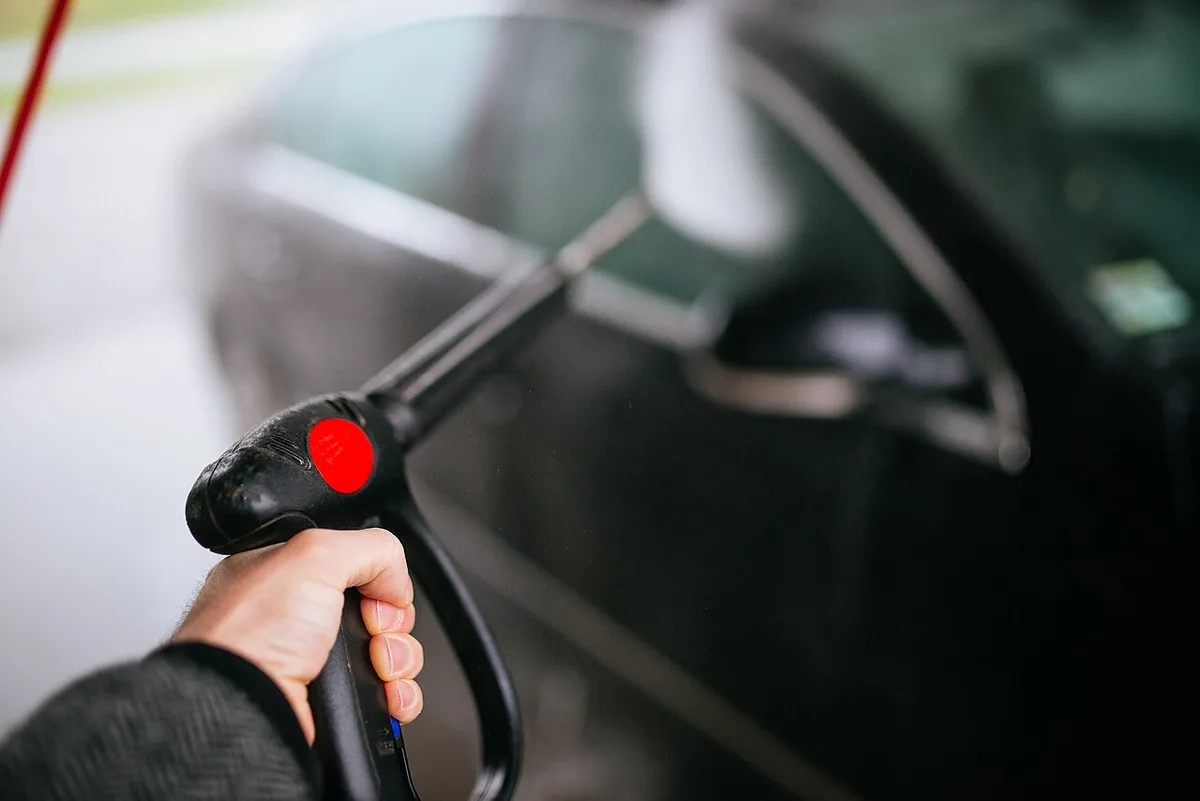
A garden hose gives you full control and gentle pressure, the safest combo for your clear coat. A pressure washer saves time on heavy grime and undercarriage salt, but it can force water past seals if you get too close. Automatic tunnel washes are fast and cheap, yet the spinning brushes are a classic source of swirl marks on darker paint.
| Method | Pressure | Best for | Main drawback |
|---|---|---|---|
| Garden hose | ~40 to 60 PSI | Everyday dust, weekly washes, swirl-free finish | Slow on caked mud and salt |
| Pressure washer | ~1,300 to 3,000 PSI | Heavy grime, wheel wells, undercarriage | Can breach seals if held too close |
| Automatic tunnel wash | Varies | Speed and convenience | Brushes can scratch soft paint |
Who each one suits:
- Choose the hose if you want the gentlest wash and don't mind a little effort.
- Choose a pressure washer if you deal with mud, snow, or salt often. Keep the nozzle at least 12 inches from the paint.
- Choose an automatic wash only when you're short on time and the car isn't your pride and joy.
For most home washers, the hose wins on paint safety. That gentle flow is a feature, not a weakness.
What You Need Before You Start
You don't need much. A hose, two buckets, the right soap, a soft mitt, and a drying towel cover the whole job. Skip any one of these and you're asking for trouble.
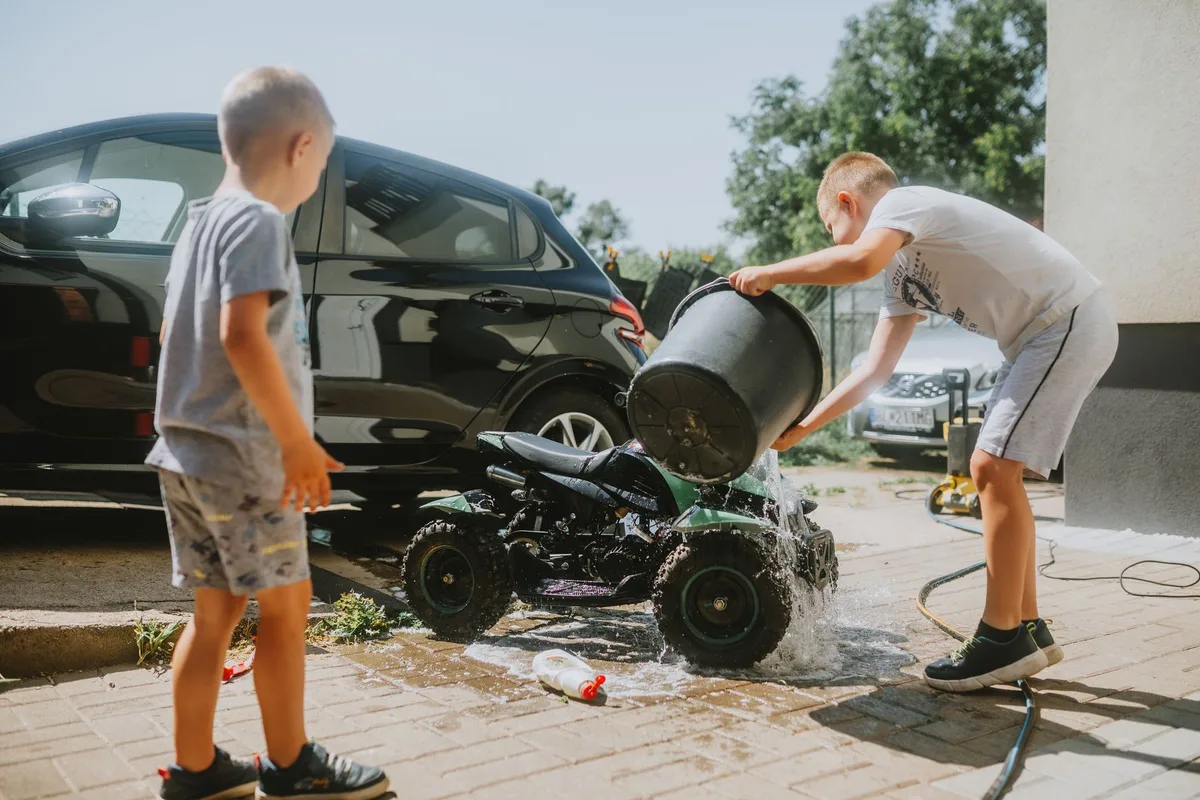
Here's the short list before you turn the tap on.
| Item | Why it matters |
|---|---|
| Garden hose with trigger nozzle | Rinsing and a soft final sheeting rinse |
| Two buckets | Separate wash and rinse water to trap grit |
| Grit guards | Keep dirt at the bottom, off your mitt |
| pH-neutral car shampoo | Cleans without stripping wax |
| Microfiber wash mitt | Lifts dirt safely off the clear coat |
| Microfiber drying towel | Prevents water spots and streaks |
Nozzles, Foam Guns, and Bucket Setup
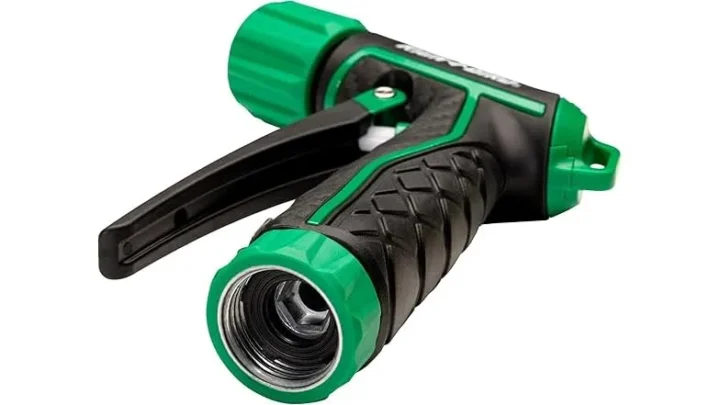
An adjustable trigger nozzle is the one upgrade worth making. It lets you switch from a strong rinse to a soft, wide flow for the final rinse. That gentle sheet of water helps the car dry more evenly.
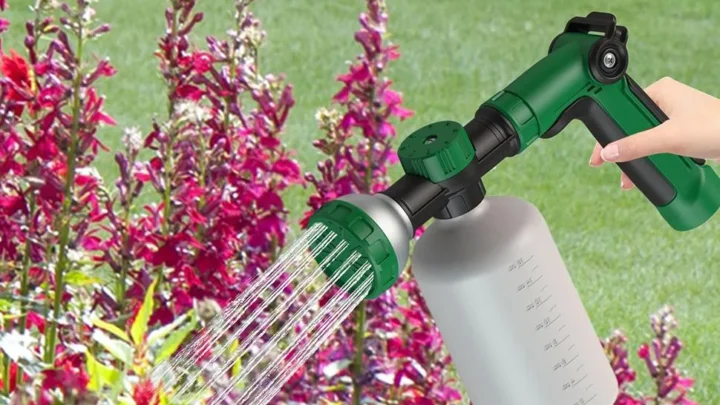
A hose-fed foam gun is optional but handy. It lays down a layer of suds that clings and softens dirt before you wipe. It won't foam as thick as a pressure-washer cannon, and that's fine.
Set up two buckets. One holds your soapy water, the other holds clean rinse water. Drop a grit guard in the bottom of each so loosened dirt sinks and stays put.
That's the whole secret behind the two-bucket wash method. A tidy setup near the driveway keeps the job quick, much like a well-planned flower bed border keeps a yard easy to maintain.
The Right Soap (and Why Dish Soap Ruins Your Wax)
Use a pH-neutral car shampoo, not dish soap. Dish soap is a degreaser. It's built to strip oils, and it'll pull the wax and sealant right off your paint while drying out plastic trim.
A proper car soap cleans gently and leaves your protection intact. If you care about the environment, pick a biodegradable formula and check the EPA's guidance on cleaner products before you buy. It's an easy way to keep soapy runoff friendlier to storm drains and garden beds alike.
Washing Your Car With a Hose, Step by Step
Work top to bottom, keep the panels wet, and never let soap dry on the paint. That order matters because dirt runs downhill and the lower panels are always the filthiest.

Follow this flow for a clean, swirl-free result:
- Park in the shade and let hot panels cool. Sun bakes soap into spots.
- Rinse the whole car top to bottom. Flush off loose grit first.
- Fill both buckets and add your pH-neutral shampoo to the wash bucket.
- Wash one panel at a time, starting with the roof and hood.
- Rinse your mitt in the clean bucket after every panel.
- Save the wheels and tires for last, using a separate mitt.
- Give a final sheeting rinse with the nozzle off for even runoff.
- Dry right away with a microfiber towel to stop water spots.
The wheels come last for a reason. Brake dust and road grime are the grittiest stuff on the car. You don't want that on the same mitt that touches your paint.
Mistakes That Leave Swirl Marks and Water Spots
Most wash damage comes from a handful of avoidable habits. Fix these and your paint stays glossy for years.
- Skipping the pre-rinse. This is the big one. Dry grit plus a mitt equals scratches.
- Using one bucket. You just keep dipping your mitt into dirty water.
- Washing in direct sun. Soap and water dry too fast and leave streaks.
- Letting the car air-dry. Minerals in the water bake into visible spots.
- Circular wiping. Straight-line motions hide any marks far better.
Here's a quick fix if you spot fresh swirls after a wash. Check your mitt and towels first. A dropped mitt picks up driveway grit instantly, and one contaminated wipe can mark a whole panel.
Hard Water, Sunlight, and Other Things That Wreck a Good Wash
Hard water and heat are the two silent enemies of a clean finish. Both leave marks even when your technique is spot on.
Hard water carries dissolved minerals like calcium and magnesium. When it dries on paint, it leaves chalky white water spots. The fix is simple: dry the car right after rinsing, before those minerals settle.
Sunlight speeds up drying, which sounds helpful but isn't. Warm paint flash-dries soap and water into streaks and spots. Wash early in the morning or in the shade, and the whole job gets easier.
If your area has notoriously hard water, a final rinse with filtered water helps. Some people keep a towel-and-bucket routine going so no panel ever air-dries. It's the same care you'd give a cozy country garden, a little attention up front saves a lot of cleanup later.
Where Your Soapy Runoff Goes: Storm Drains and Local Rules
Soapy water from your driveway usually flows straight into a storm drain, and that water often isn't treated. The U.S. Environmental Protection Agency notes that runoff carrying soap, oil, and grime can reach local streams untreated.
That's why where you wash matters as much as how.
The cleanest option is to wash over grass or gravel. The ground filters the water instead of sending it to a storm drain. A patch of lawn or a planted border does this job well, and it keeps your washing area tucked away, much like screening off a plain boundary tidies up a yard.
A few simple habits keep you on the right side of the rules:
- Use a biodegradable, phosphate-free car soap.
- Wash on a permeable surface when you can.
- Never dump a full soap bucket down a storm drain.
Drought Restrictions, HOA Rules, and Seasonal Timing
Local rules can decide when and even whether you wash at home. Drought-restricted areas often ban or limit driveway washing, so check your city's water utility before you start.
Some homeowners associations also regulate driveway washing, especially where runoff crosses shared property. If you live under an HOA, a quick look at the rules that govern shared boundaries and common areas saves you a fine. When in doubt, a shutoff nozzle and a wash mat show good faith.
Timing matters by season, too:
- Spring: pollen and tree sap season, so wash more often.
- Summer: wash early to beat the heat and water spots.
- Winter: rinse road salt off regularly to protect the undercarriage.
In salt-belt states, a quick rinse every week or two does more for your car's lifespan than any wax. Salt is what eats metal, and a garden hose is your cheapest defense. For more seasonal upkeep ideas, our garden and home journal covers the outdoor side of the routine.
Pro Tips for a Cleaner, Scratch-Free Finish
Small habits separate a decent wash from a professional-looking one. None of these cost much, and they add up fast.
- Keep two mitts. One for paint, one for wheels. Never swap them.
- Rinse the mitt inside the grit guard, pressing dirt to the bottom.
- Wash in straight lines, not circles, so any marks stay hidden.
- Dry with a plush microfiber towel, blotting more than dragging.
- Add a spray sealant after drying for easier rinses next time.
One overlooked tip: wash the glass and mirrors last with a fresh section of towel. Streaky windows usually come from a towel that already wiped the body. A clean corner fixes it instantly.
Who Should Stick With a Hose and Who Should Upgrade
A garden hose is the right call for most people, most of the time. It's gentle, cheap, and safe for paint when you rinse first.
Stick with the hose if you wash weekly, park in a mild climate, and care about a swirl-free finish. It handles everyday dust, pollen, and light mud without breaking a sweat.
Consider adding a pressure washer if you deal with heavy mud, off-road trips, or winter road salt. It won't replace the hose for gentle washing, but it saves real time on the dirty jobs. Think of the two as teammates, not rivals.
Frequently Asked Questions
Will a garden hose damage my car's paint?
No, a garden hose won't damage paint on its own. At 40 to 60 PSI, the flow is far too gentle to harm the clear coat. Damage comes from wiping dry, gritty paint, not from the water.
Rinse first and you're fine.
Do I need a nozzle to wash my car with a hose?
A nozzle isn't required, but a trigger nozzle helps a lot. It lets you switch between a strong rinse and a soft, wide flow for the final rinse. That gentle sheet of water helps the car dry more evenly and cuts down on water spots.
Can I use dish soap instead of car soap?
Skip dish soap. It's a degreaser built to strip oils, so it'll pull the wax and sealant off your paint. It also dries out plastic and rubber trim over time.
A pH-neutral car shampoo cleans just as well without stripping your protection.
How often should I wash my car with a hose?
Every one to two weeks works for most drivers. Wash more often during pollen season or if you park under trees. In winter, rinse road salt off regularly to protect the undercarriage.
Salt buildup does more long-term harm than any dirt you can see.
Is it legal to wash my car in my driveway?
Usually yes, but check local rules first. Drought-restricted areas and some HOAs limit driveway washing because soapy runoff often reaches storm drains untreated. Washing over grass or gravel with biodegradable soap keeps you compliant and easier on the environment.
The Bottom Line
Reach for the hose without a second thought. A garden hose gives you gentle pressure, full control, and a genuinely safe wash when you rinse before you touch the paint.
Nail the basics and the rest takes care of itself. Rinse first, use two buckets and a soft mitt, dry right away, and mind where your soapy water drains. Do that, and your car stays clean and swirl-free for the price of a little tap water.

Similar Posts