Can Rubber Garden Hoses Be Recycled? What to Know
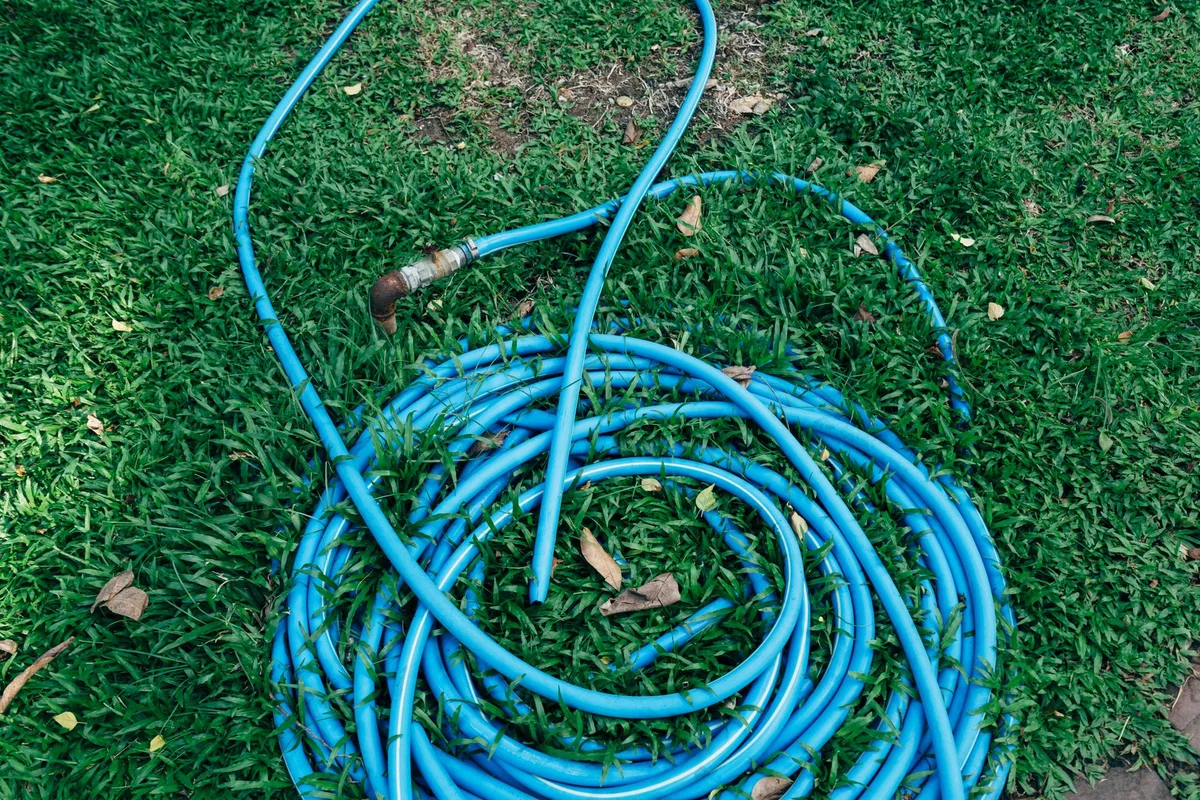
So can rubber garden hoses be recycled? The honest answer is rarely through your curbside bin, but yes through the right channels. Most hoses are a headache for recycling machines, which is why they usually end up in the trash.
The good news is you've got better options once you know what you're working with.
Here's the catch that trips people up. Most "rubber" garden hoses are actually PVC or reinforced vinyl, and PVC carries resin code #3, one of the toughest plastics to recycle. That single detail changes almost every disposal choice you'll make.
Let's start with the quick answer, then walk through what to do with yours.
Can You Actually Recycle a Rubber Garden Hose? The Short Answer
Garden hoses can be recycled, but not the easy way. Curbside bins reject them almost everywhere. They tangle sorting equipment and jam the machines.
Specialty recyclers, scrap yards, and mail-in programs will take them. The metal fittings are the most recyclable part.
That's the 30-second version. The right path depends on what your hose is made of and what's available near you. Below, we break down each route so you can match your old hose to the smartest option.
Why Garden Hoses Don't Belong in Your Curbside Bin
Toss a hose in your recycling bin and you're "wishcycling," hoping it gets recycled when it won't. Recycling facilities have a name for hoses: tanglers. They wrap around the spinning screens and rollers at a materials recovery facility, or MRF, and can shut the line down.
When that happens, workers have to stop and cut the hose out by hand. That's why nearly every municipal program lists hoses, cords, and holiday lights as banned items. The U.S.
Environmental Protection Agency and local haulers publish these "tangler" rules for exactly this reason, and you can confirm your area's list on the federal recycling guidance or your city's waste page.
There's a second problem too. Most hoses mix several materials in one product:
- A plastic or rubber outer wall
- A polyester or nylon reinforcement mesh
- Brass, aluminum, or plastic end fittings
Standard recycling can't separate those layers cheaply. So the whole thing gets pulled and landfilled anyway. If you want it actually recycled, you have to route it deliberately.
That starts with knowing your material.
First, Figure Out What Your Hose Is Really Made Of
Before you can recycle anything, you need to know what's in your hand. The label "rubber hose" gets slapped on products that are really vinyl or PVC. And the material decides every option that follows.
Rubber vs. Vinyl vs. PVC: How to Tell Them Apart
You can usually spot the difference by feel, weight, and a few markings. Here's a quick side-by-side.
| Trait | Real rubber / EPDM | Vinyl / PVC |
|---|---|---|
| Color | Usually black, matte | Often green, translucent, or glossy |
| Weight | Heavy, dense | Lighter |
| Feel | Soft, grippy, flexible | Stiffer, sometimes slick |
| Kinking | Resists kinks | Kinks easily |
| Markings | May say "rubber" or "EPDM" | May show recycling #3 or "PVC" |
If it's black, heavy, and stays flexible in the cold, you've likely got a rubber or EPDM hose. If it's light, greenish, and kinks the second you tug it, that's vinyl or PVC. Older vinyl hoses can also carry lead in the fittings, which matters for both recycling and safety.
Why the Material Decides Your Options
The material tells you which door to knock on. Here's the if/then logic:
- If it's real rubber or EPDM, a scrap rubber recycler or mail-in program is your best shot.
- If it's PVC or vinyl, recycling is much harder, and reuse or landfill is often the realistic outcome.
- If it has brass fittings, those come off and go to a scrap yard regardless of the hose body.
Rubber can be reclaimed and ground down for reuse. PVC mostly can't, at least not through everyday programs. Knowing which camp you're in saves you a wasted trip.
Just like choosing the right screening for a yard project, matching the method to the material is half the battle, and if you enjoy that kind of practical planning, our ideas for softening a plain boundary follow the same thinking.
The Recycling Decision Tree: Match Your Hose to the Right Path
Now for the part that actually solves your problem. There's no single answer, so run your hose through these five paths and stop at the first one that fits.
Path 1: Curbside or Local Drop-Off
Start by checking, but keep expectations low. Almost no curbside program accepts hoses. A small number of transfer stations or drop-off centers run special collections for rubber or bulky items.
Call first or check your municipal website. If they say no, move on.
Path 2: Scrap Yard for the Metal Fittings
This is the win almost everyone can claim. Brass fittings hold real scrap value and get recycled easily. Cut them off with a utility knife or hacksaw, drop them in your metal scrap bin, and take them to a local scrap yard.
Aluminum fittings count too. Plastic fittings, sadly, don't.
Path 3: Mail-In and Specialty Rubber Recyclers
If your hose is genuine rubber, this route actually recycles the body. Zero-waste mail-in boxes accept hard-to-recycle items, though you pay for the box. Some regions also have rubber reclaiming facilities that grind material for reuse.
Search "rubber recycling near me" or ask your scrap yard for a referral.
Path 4: Reuse, Repair, or Upcycle
Often the greenest and cheapest choice. A hose with one bad spot doesn't need to leave your garden at all. You can repair it, convert it to a soaker hose, or upcycle it into edging and tool grips.
We cover both below.
Path 5: When Landfill Is Genuinely the Only Option
Sometimes there's no recycler within reach and the hose is too far gone to reuse. If you've checked local, scrap, mail-in, and reuse and come up empty, the trash is the responsible last resort. Cut off and recycle the metal fittings first, then bag the rest.
As of 2026, that's still the reality for a lot of PVC hoses in rural areas.
How to Prep an Old Hose Before You Get Rid of It
A little prep makes every path smoother and keeps you from ruining a load. Whether you're scrapping, mailing, or upcycling, do these steps first.
- Drain and dry it. Standing water breeds mold and gets loads rejected. Hang it over a rail for a day.
- Rinse off the dirt. Caked-on soil and algae count as contamination. A quick hose-down and wipe is enough.
- Cut off the metal fittings. Use a utility knife or hacksaw and set the brass or aluminum aside for scrap.
- Coil and secure it. A tight coil with a zip tie won't tangle and is easier to carry.
- Sort by material. Keep rubber separate from vinyl if you're visiting more than one facility.
Keep work gloves handy, since old fittings can have sharp burrs. This prep takes about ten minutes and pays off at the drop-off point. If you're doing a full seasonal clear-out anyway, it pairs nicely with the tidy refresh we suggest in our cozy country-style garden touches.
Repair It Instead: When a Mender Coupling Beats Replacement
Before you recycle anything, ask whether the hose even needs to go. A single split, pinhole, or cracked end rarely means the whole hose is dead. A hose mender coupling fixes most damage in under ten minutes for a couple of dollars.
Here's when repair wins:
- If the damage is one clean spot in the middle, cut it out and join the ends with a mender coupling.
- If a metal end is crushed or leaking, swap in a replacement male or female coupling.
- If the hose is brittle and cracking along its whole length, repair won't hold. Recycle it instead.
The repair flow is simple. Cut out the bad section with a sharp knife. Slide the coupling into each cut end.
Tighten the clamp screws or push-fit collar. Turn the water on and check for leaks.
Quality rubber hoses are worth repairing because they last for years. Cheap vinyl that's already gone stiff usually isn't. Repairing keeps a working tool out of the waste stream entirely, which beats recycling on every count.
Smart Ways to Upcycle a Hose That's Past Its Prime
A hose too worn to carry water can still earn its keep around the garden. Upcycling costs nothing and skips the disposal question altogether. Aggregate DIY feedback points to a handful of reliable projects.
- Soaker hose: Drill small holes every few inches, cap one end, and lay it along a bed for slow watering.
- Tool and handle grips: Slit a short length and slide it over wheelbarrow handles or bucket wire for padding.
- Plant and tree guards: Split a section lengthwise and clip it over wires or stakes so they don't cut into stems.
- Hose guides: Anchor loops at bed corners so your working hose glides around plants instead of crushing them.
These small fixes work well alongside a tidy planting scheme, and our flower-bed border inspiration pairs nicely with a homemade soaker line. For indoor gardeners, a cut hose length makes a gentle drip ring for larger pots, which ties into the watering tips in our houseplant care collection.
One caution: don't reuse an old drinking-water hose for anything you'll eat from unless it's labeled safe. More on that next.
Lead, Prop 65, and Other Safety Points Worth Knowing
Some older garden hoses aren't as harmless as they look. Vinyl hoses and their brass fittings have historically contained lead, which is why many carry a California Prop 65 warning. That matters if you're upcycling for a veggie patch or a kids' project.
A few rules keep you safe:
- Never drink from a garden hose unless it's labeled "safe for potable water."
- Don't turn a standard hose into an irrigation line for edible crops if it shows a lead warning.
- Wear gloves when cutting old hoses, since brass burrs and stiff PVC edges can nick you.
Disposal has rules too. Illegal dumping of bulky items carries fines in most areas. If a hose is genuinely non-recyclable, bag it and use your regular trash or a bulky-waste day.
The California OEHHA maintains the official Prop 65 chemical list, so check the label rather than guessing.
For any hose that once held potable water and has since cracked, retire it from food use entirely. It's fine for washing tools or upcycled padding. Just keep it away from anything you'll harvest and eat.
Mistakes That Wreck Recycling Loads (and How to Skip Them)
The biggest mistake is hopeful bin-tossing. Putting a hose in curbside recycling doesn't recycle it. It jams the sorting line and can send a whole batch to landfill.
When in doubt, keep it out.
Here are the errors we see most, and the fix for each:
| Mistake | What goes wrong | Do this instead |
|---|---|---|
| Curbside "wishcycling" | Tangles MRF machines | Route to scrap or mail-in |
| Leaving fittings on | Mixed materials get rejected | Cut brass off for scrap |
| Recycling a wet, muddy hose | Contamination fails the load | Drain, dry, rinse first |
| Confusing PVC for rubber | Wrong facility, wasted trip | Check markings and feel |
| Trashing repairable hoses | Waste and cost | Fix with a mender coupling |
One more slip: assuming every scrap yard takes rubber. Many only want the metal. Call ahead and ask about both the fittings and the hose body before you drive over.
A two-minute phone call saves a wasted trip.
What It Costs and How Long a Good Hose Should Last
A quality rubber garden hose lasts 5 to 10 years with basic care, so recycling shouldn't come up often. Cheap vinyl hoses may crack within one or two seasons, especially if left in the sun. Buying better once means throwing away less.
Here's a rough cost picture as of 2026:
| Item | Typical cost or value |
|---|---|
| Hose mender coupling | A few dollars |
| Brass fittings at scrap | Priced per pound, varies by market |
| Mail-in recycling box | Tens to low hundreds of dollars |
| Curbside hose recycling | Almost never available |
The math usually favors repair or reuse. A mender coupling costs less than a coffee. A mail-in box only makes sense if you're clearing several hoses at once, maybe for a landscaping business.
To stretch a hose's life, drain it before winter and store it coiled out of direct sun. UV and freezing are what kill hoses early. Good storage habits keep yours working long past the point where disposal matters, much like the seasonal upkeep we flag across the garden tips blog.
Where the Rules Change: Local Programs and Regional Differences
What you can do with an old hose depends heavily on where you live. Big-city programs often have transfer stations or bulky-waste days that accept rubber. Rural areas may have nothing closer than the landfill.
A few patterns hold across regions:
- Urban areas: more scrap yards, mail-in options, and special drop-off events.
- Suburban areas: bulky-waste collection days and seasonal cleanups.
- Rural areas: fewer recyclers, so reuse and repair matter most.
In the UK and EU, some retailers and councils run take-back schemes for garden products, which are rarer across the US. Rules also shift by season. Spring and fall cleanup drives are when many towns run collection events, so time your disposal to match.
Always check your local waste authority's site first. The listings change year to year, and a program that didn't exist last spring might be running now.
Frequently Asked Questions
Can you put a garden hose in the recycling bin?
No. Garden hoses are banned from nearly every curbside recycling bin. They tangle the sorting machines at recycling facilities and can shut the line down.
Keep them out and route them to a scrap yard, a mail-in program, or reuse them instead.
Are rubber garden hoses biodegradable?
No, they aren't. Rubber, vinyl, and PVC hoses don't break down in any useful timeframe. Left in a landfill, they can persist for decades.
That's exactly why reuse, repair, and specialty recycling matter more than tossing them in the trash.
What can I do with the brass fittings?
Cut them off and take them to a scrap metal yard. Brass holds real scrap value and recycles easily, unlike the hose body. Use a utility knife or hacksaw to remove them, then collect them until you have enough to make the trip worthwhile.
Is it worth repairing an old hose?
Usually, yes, if the damage is a single split or a bad end. A mender coupling costs only a few dollars and takes minutes to fit. Repair a quality rubber hose every time.
Skip repair only when the hose is brittle and cracking along its full length.
How do I know if my hose is rubber or PVC?
Check the weight, color, and markings. Rubber hoses are heavy, usually black, and stay flexible in the cold. PVC and vinyl hoses are lighter, often green, kink easily, and may show recycling code #3.
The label frequently names the material too.
Your Quick Decision Guide for an Old Garden Hose
Run your hose through this order and stop at the first yes.
- Still works with one bad spot? Repair it with a mender coupling.
- Worn but intact? Upcycle it into a soaker hose, edging, or padding.
- Genuine rubber and beyond use? Try a scrap rubber recycler or mail-in box.
- Any hose at all? Cut off the brass fittings for the scrap yard.
- Nothing local and truly dead? Bag the body for the trash, fittings removed.
The theme is simple. Keep it working as long as you can, recover the metal always, and treat the landfill as the last stop, not the first. A little sorting up front turns a messy tangle into a handful of smart choices.
That same practical mindset carries over to plenty of other yard projects, including the tidy boundary and screening ideas we cover elsewhere.

Similar Posts