Garden Hose Not for Drinking? Flushing Doesn’t Make It Safe
What does 'not for drinking water' mean on a garden hose, and does flushing make it safe? It means exactly that: the hose is not certified for potable water. Standard garden hoses are built with materials designed to resist weather, kinking, and abrasion, not to keep chemicals out of your glass.
Per US EPA guidance, even brief contact between water and non-potable hose materials can transfer plasticizers and metals into the liquid. You might get clear water flowing out, but clarity isn't a safety test, and that's why most homeowners end up with a false sense of security.
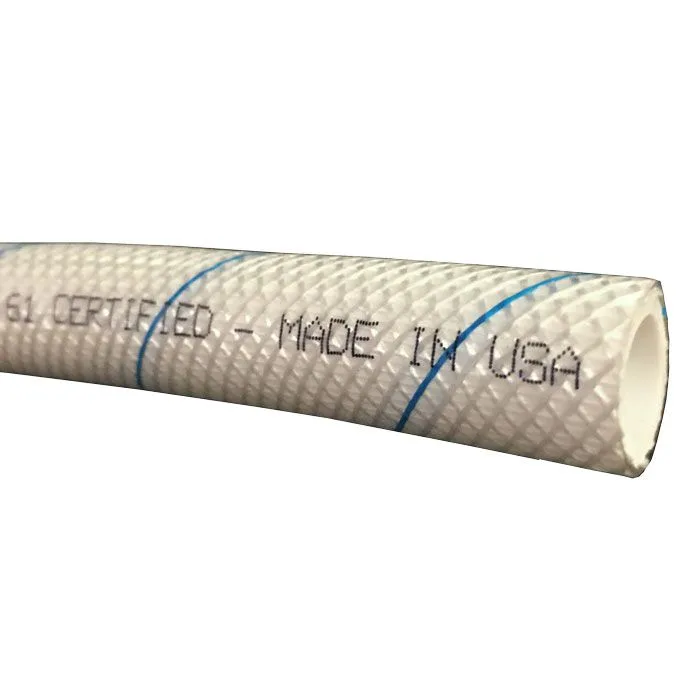
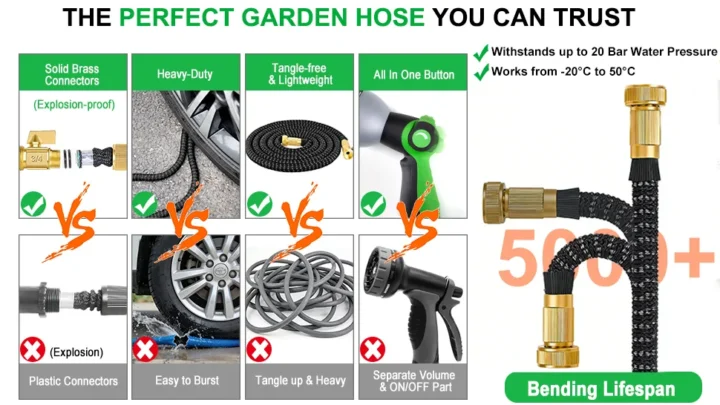
Image source: Web (Bing) / flextechhose.com (Web image (fair-use with source credit))
Quick Answer
What does 'not for drinking water' mean on a garden hose, and does flushing make it safe? It means the hose lacks potable certification. Flushing only clears stagnant water.
It doesn't remove absorbed chemicals. The risk stays real even after a rinse.
What "Not for Drinking Water" Really Means on Your Garden Hose
That warning label exists for a reason, and it's not there to limit your watering projects. When a hose is stamped non-potable, the manufacturer is telling you the lining and reinforcing layers haven't been tested against NSF/ANSI 61 standards for drinking water contact.
Most garden hoses use a vinyl or PVC lining that contains phthalates to keep the material flexible. Those plasticizers sit right where the water travels. They can migrate into the liquid over time, especially when the hose warms up.
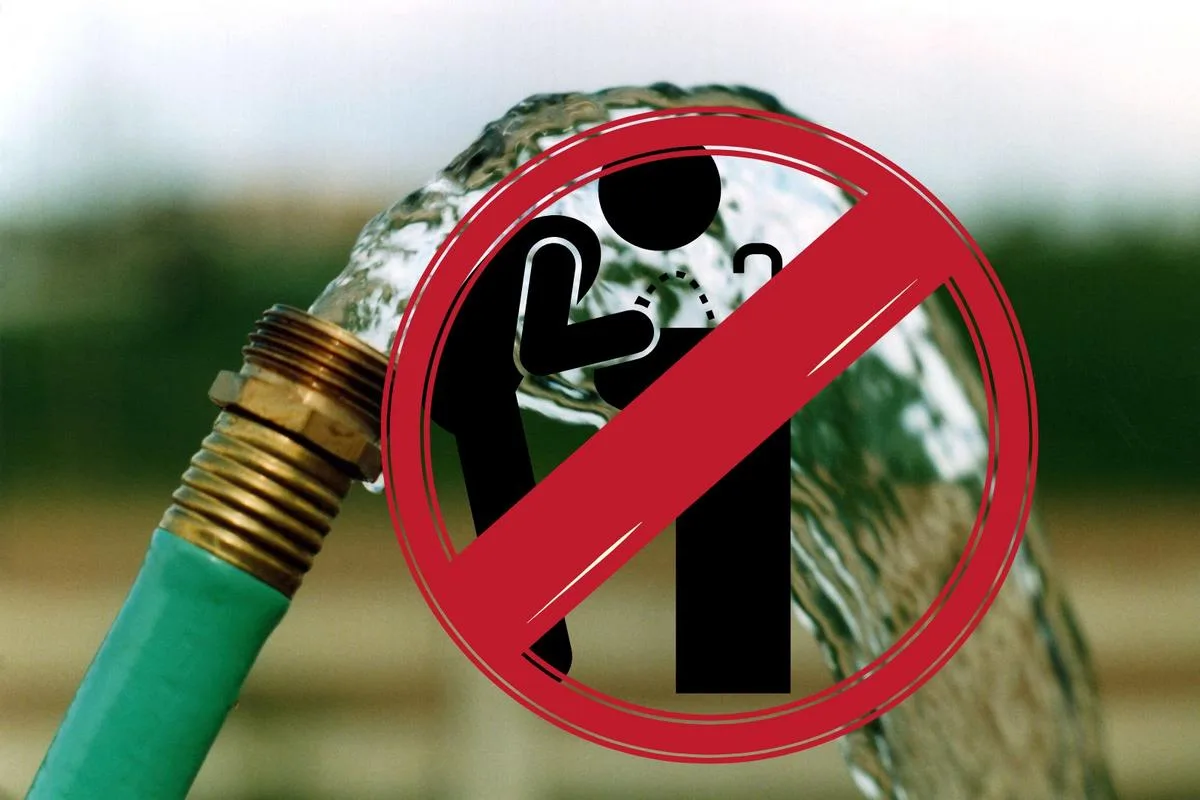
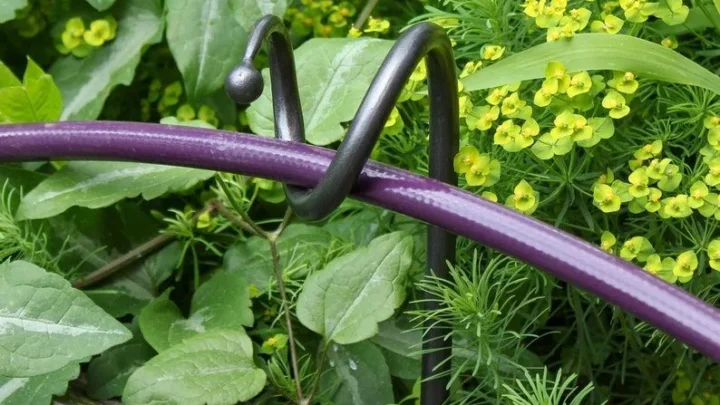
Image source: Bing (Web (fair-use with source credit))
Some older hoses also contained lead stabilizers or heavy metals in the outer shell. Even modern blends can carry trace contaminants that don't show up in a taste test. The taste or odor you sometimes notice after a long sit is a sensory clue, not a lab result.
When you grab a standard hose from the garage, you're choosing a tool built for soil, lawns, and car washing. That doesn't make it a bad hose. It just means it wasn't engineered for how long a garden hose lasts in direct sunlight exposure to safe drinking conditions.
If you've ever wondered whether you can repurpose an outdoor spigot for drinking water, the hose is the weakest link in that chain. A code-compliant faucet might deliver safe water, but the moment you attach a non-certified hose, the outlet becomes a potential contamination point.
The Hard Truth About Flushing — and Why It Doesn't Fix the Problem
Flushing sounds logical because you're trying to push out stale water. That instinct is understandable, but it misses how contamination actually works inside a non-potable hose.
Most of the risk isn't sitting water. It's water that has already pulled chemicals from the inner wall. A quick flush displaces the stagnant pool but leaves the lining still loaded with leachable compounds.
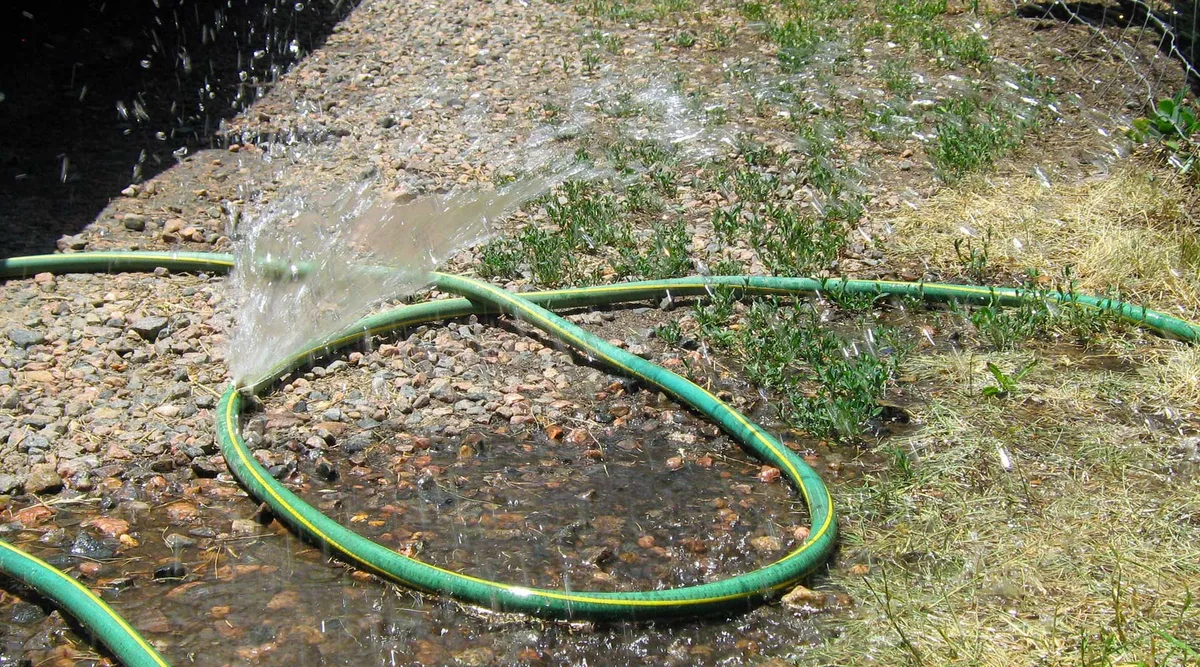
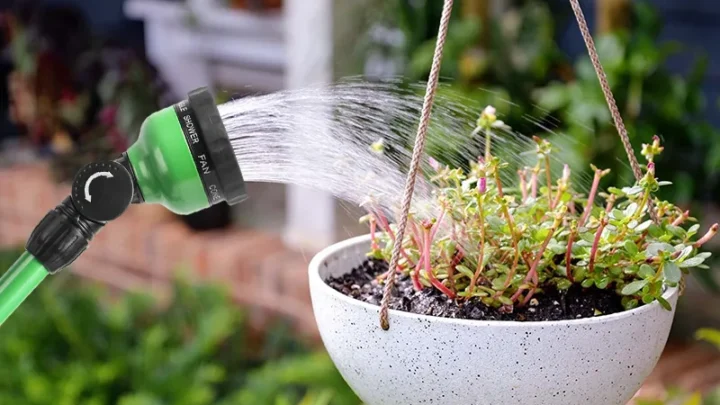
Image source: Web (Bing) / storage.googleapis.com (Web image (fair-use with source credit))
Think of it like rinsing a sponge that soaked up detergent. The rinse clears the surface, but the material itself still holds residue. The same idea applies to vinyl linings that absorb phthalates and other additives over weeks of use.
Heat makes this worse. A hose stored in direct sun can reach temperatures that accelerate plasticizer migration. Running cool water through a hot, sun-baked hose may actually increase leaching during the first few minutes of flow.
That's why diagnosing low flow through a garden hose doesn't solve the drinking safety question either. Lower flow might reduce total contaminant load slightly, but it doesn't certify the water.
The only reliable way to stop the leaching problem is to stop using a non-potable hose for consumption. Flushing can be a useful maintenance habit for cleaning debris, but it isn't a drinking-water safety step.
The Real Risks: What's Actually Inside a Non-Potable Hose
The hidden ingredients aren't secret. They're listed in material safety data sheets and regulated under plumbing and consumer product standards. What matters is whether those materials touch your drinking water.
Common concerns include:
- Phthalates such as DEHP, DBP, and DINP used to soften vinyl
- Residual stabilizers and processing aids left from manufacturing
- Heavy metal traces that can migrate from outer layers over time
- Microbial growth inside warm, damp linings that aren't cleaned regularly
These aren't hypothetical risks. US EPA drinking water research tracks leaching from plumbing components, and garden hoses fall under the same exposure logic when used incorrectly.
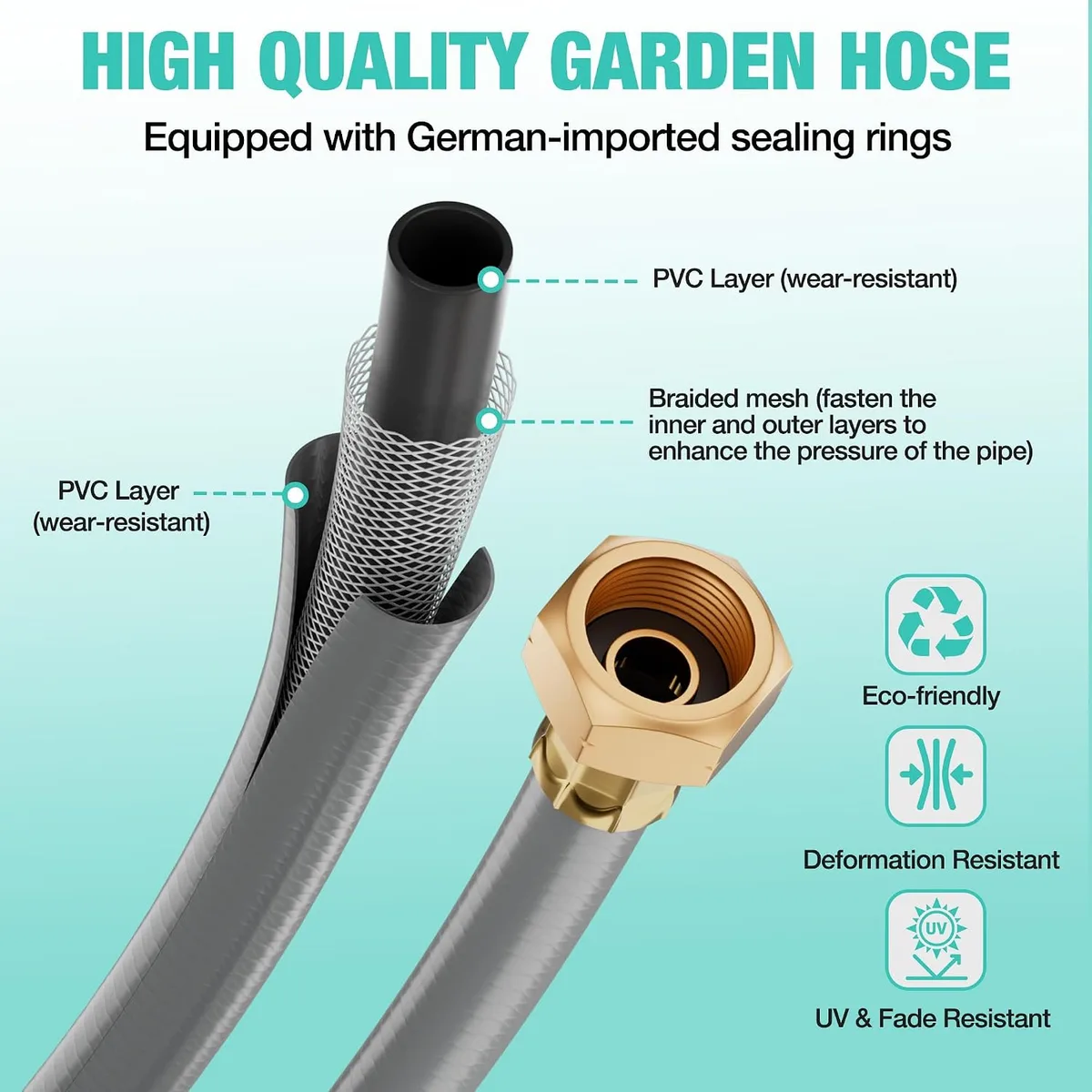
Image source: Web (Bing) / manuals.plus (Web image (fair-use with source credit))
Long sit times increase exposure. A hose left connected overnight lets water sit against the lining for hours. Short bursts pull water through faster, but they don't erase the underlying material risk.
You may also notice that a hose smells like rubber or chemicals after sitting in heat. That scent is a sign that volatile compounds are off-gassing and likely entering the water stream.
If you drink from that hose regularly, you're accumulating small doses over time. Occasional sips are lower risk, but regular use crosses into chronic exposure territory.
The solution isn't to blame your hose. It's to match the hose to the job. Standard garden hoses are excellent for irrigation.
They just shouldn't touch your drinking supply.
How to Get Safe Drinking Water from Your Outdoor Spigot (Without the Hose)
You can still use that outdoor faucet safely. You just need to route the water through certified components instead of a standard garden hose.
Start by checking whether your spigot is rated for potable use. Many exterior faucets meet NSF/ANSI 61 requirements on their own. The problem appears only when you attach an uncertified hose.
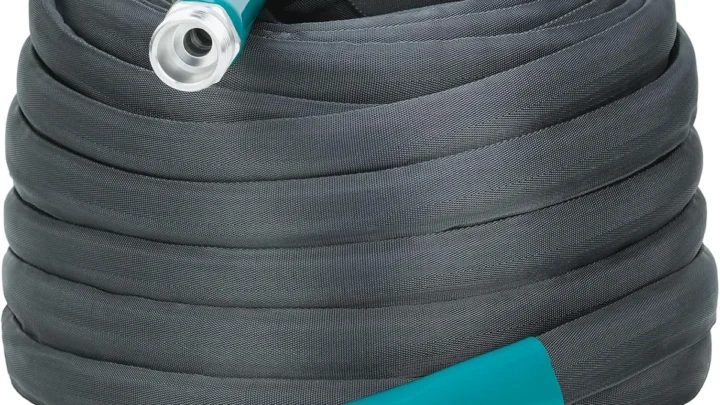
If you want water delivered through a hose, switch to a potable-rated hose. Those hoses are manufactured to avoid phthalate and lead leaching. They often carry a drinking-water certification mark on the packaging.
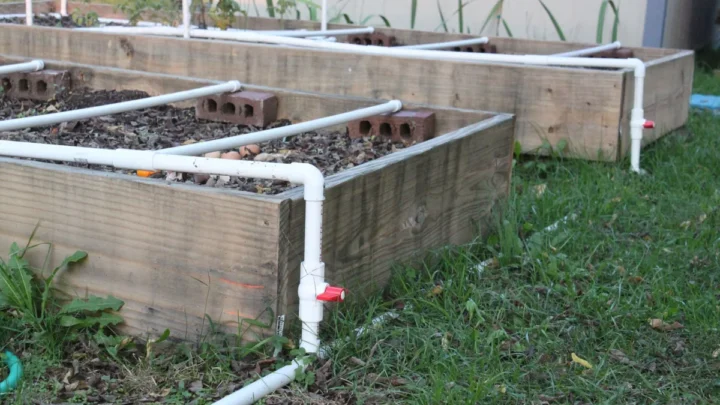
Image source: Web (Bing) / storage.googleapis.com (Web image (fair-use with source credit))
A simple comparison helps clarify your options:
| Method | Potable-safe | Notes |
|---|---|---|
| Cup directly from faucet | Yes | Fastest option if the spigot is clean |
| Certified potable hose | Yes | Best for moving water across a yard |
| Open container at spigot | Yes | Works for filling buckets or jugs |
| Standard garden hose | No | Contains non-certified lining materials |
If you only need water at the spigot, skip the hose entirely. Place a clean pitcher under the faucet and fill it. That removes the liner from the equation completely.
For longer reaches, consider a dedicated potable hose stored separately from your garden tools. Label it clearly so nobody mistakes it for the rubber vs PVC garden hose you use for plants.
You should also verify proper backflow prevention at the faucet. A garden hose leak that only happens when pressurized often signals a worn washer or loose connection, which can invite contaminants into the system.
Finally, store any potable hose out of direct sun when you're not using it. Heat degrades materials faster, and cooler storage preserves the certification integrity longer.
Common Questions About Garden Hose Drinking Water Safety
Is it ever safe to drink from a regular garden hose?
No, not when the hose lacks potable certification. Regular garden hoses contain linings designed for irrigation, not drinking water. Even clear-tasting water can carry leached plasticizers or trace metals after brief contact.
Does running water through a new hose make it safe?
No. New non-potable hoses start with the same untested linings. Initial flushes may remove surface dust, but they don't alter the chemical makeup of the inner tube.
The leaching risk remains from the first use.
Can I use a hose labeled "lead-free" for drinking water?
Only if the label includes potable certification. "Lead-free" usually refers to the faucet or fittings, not the hose lining. Look for explicit NSF/ANSI 61 or equivalent drinking-water certification on the hose packaging.
How do I know if my outdoor faucet water is safe to drink?
Check whether the faucet meets potable standards and whether it connects to a certified hose or no hose at all. If the spigot is clean and you collect water directly into a certified container, the risk drops significantly.
What should I do with a non-potable hose I already own?
Keep it strictly for gardening, car washing, and outdoor cleaning. Recycling a garden hose can be tricky because of mixed materials, so check local facilities before disposal. Store it coiled and shaded to prolong its usable life.
Bottom Line: What You Should Actually Do
You now know why that warning label matters and why flushing won't solve the problem. The next step is choosing the right approach for your situation.
If you occasionally need drinking water from an outdoor spigot, skip the hose entirely. Fill a clean pitcher or certified container directly. That's the safest, simplest method available.
If you need water transported across a yard, invest in a potable-rated hose. Look for the NSF/ANSI 61 certification mark on the packaging. Store it separately from your garden tools and label it clearly so nobody confuses it with your irrigation hose.
A few practical habits will keep you safe:
- Never leave a non-potable hose connected when you're not using it
- Store hoses out of direct sunlight to reduce leaching
- Replace any hose that smells like chemicals or rubber
- Clean your spigot threads periodically to prevent debris buildup
The money you save by avoiding a potable-rated hose isn't worth the health risk. A certified hose costs roughly $30 to $80, while medical bills from chronic contamination exposure add up fast.
Your outdoor spigot can absolutely provide safe drinking water. You just need to use the right equipment. Standard garden hoses belong to the garden, not the kitchen.
Stay safe out there.

Similar Posts